Some pies are polite. Chocolate pecan pie is not one of them. It is the dessert that silences a Thanksgiving table mid-conversation — a crackling layer of toasted pecans over a center of molten-dark chocolate custard, all held in a buttery, flaky crust. If pecan pie is the South’s beloved classic and chocolate is everyone’s weakness, this pie is the happy collision of both, and it has quietly become one of the most requested holiday desserts in America.
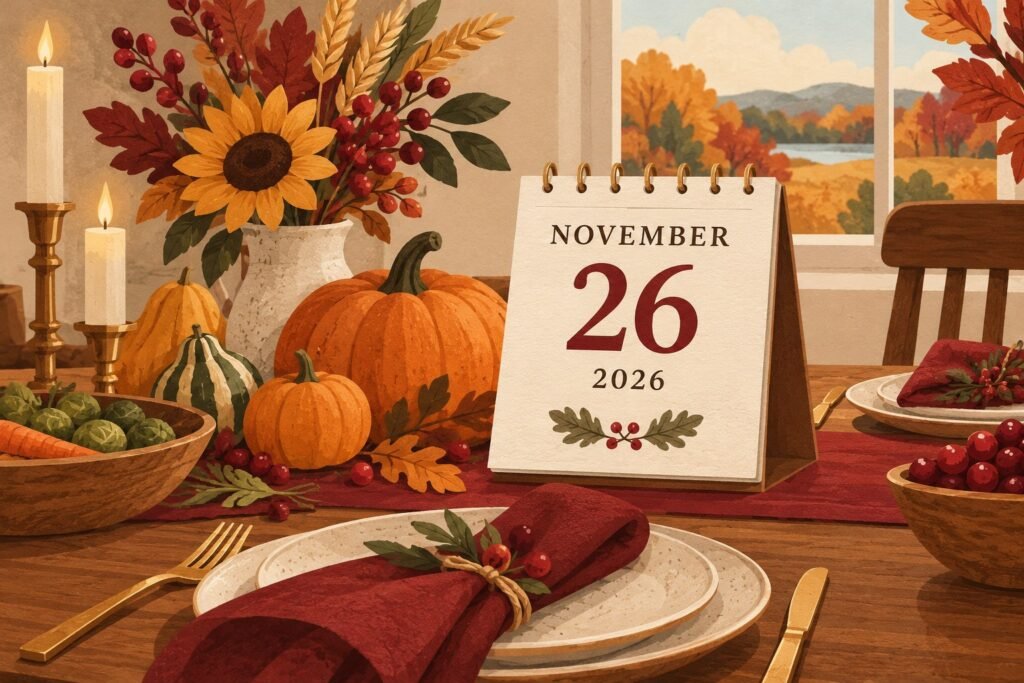
This is a complete, step-by-step tutorial: the science of why the filling sets, a crust that stays crisp under a wet filling, exact temperatures and visual cues at every stage, the five mistakes that ruin this pie (and how to avoid them), make-ahead strategy, and serving ideas that go beyond a plain slice. Thanksgiving 2026 is November 26 — and whether this pie anchors your dessert table or joins a lineup, our best Thanksgiving desserts of 2026 roundup has companions worthy of sharing the spotlight.
Why Chocolate and Pecan Belong Together
The pairing works on a flavor-chemistry level. Pecans are buttery and mildly sweet with a distinctive toasted, almost maple-like depth; dark chocolate brings bitterness, roasted notes, and a luxurious mouthfeel. Together they cover the full spectrum — sweet, bitter, nutty, buttery — the way salt covers sweet in caramel. The chocolate also solves pecan pie’s most common complaint: that the filling can taste one-dimensionally sweet. Cocoa’s bitterness balances the corn syrup or sugar base so the slice tastes complex rather than cloying.
Texture matters just as much. A great chocolate pecan pie has three distinct layers: the crisp, distinct pecan topping; the fudgy, barely-set chocolate custard beneath; and the flaky crust. Each bite should move through crunch, silk, and shatter. Getting there is not difficult, but it requires understanding what is happening in the oven — which is exactly what the tutorial below teaches.
Ingredients: What You Need and Why
For the Crust (or Use Your Favorite)
- 1 1/4 cups (155g) all-purpose flour
- 1/2 teaspoon fine salt
- 1 tablespoon granulated sugar
- 1/2 cup (115g) unsalted butter, very cold and cubed
- 3–5 tablespoons ice water
A homemade crust is worth it here — the filling is rich, and a sturdy, flavorful crust balances it. If you are short on time, a quality store-bought refrigerated crust works; unroll it, fit it into the pan, and proceed. For a gluten-free table, our gluten-free pie crust substitutes seamlessly in this recipe.
For the Chocolate Pecan Filling
- 1 1/2 cups (about 180g) pecan halves, plus extra for decorating
- 4 oz (115g) bittersweet or semisweet chocolate (60–70% cacao), chopped
- 1/2 cup (115g) unsalted butter
- 3 large eggs, room temperature
- 3/4 cup (150g) packed dark brown sugar
- 3/4 cup (180ml) light corn syrup or pure maple syrup or golden syrup
- 2 tablespoons unsweetened cocoa powder (Dutch-process preferred)
- 1 teaspoon vanilla extract
- 1/2 teaspoon fine salt
- 1 tablespoon bourbon or dark rum (optional, but recommended)
- Flaky sea salt, for finishing
Ingredient Notes That Actually Matter
Chocolate: Use real chocolate you would eat, chopped from a bar — chips contain stabilizers that resist melting smoothly. Bittersweet (60–70%) gives the best balance; milk chocolate makes the pie too sweet, and unsweetened needs more sugar. Syrup: Light corn syrup is traditional and gives the classic gooey set; maple syrup adds wonderful flavor but a slightly softer set; golden syrup splits the difference. Do not use dark corn syrup unless you want a much more intense, almost bitter edge. Pecans: Halves look best on top; toast them (see below) — raw pecans taste flat and slightly woody by comparison. Bourbon: The alcohol bakes off; what remains is vanilla-oak depth that makes people ask for your secret.
Equipment Checklist
- 9-inch pie plate (glass or ceramic preferred — you can see the bottom browning)
- Rimmed baking sheet (catches drips and makes the pie easy to move)
- Pastry blender or food processor, rolling pin
- Heatproof bowl and saucepan (for melting chocolate), or a microwave-safe bowl
- Instant-read thermometer (optional but helpful for the chocolate)
- Pie weights or dried beans, parchment paper (for blind baking)
- Aluminum foil or a pie shield
Step-by-Step Tutorial
Step 1: Make and Chill the Crust (30 minutes + 1 hour rest)
Whisk the flour, salt, and sugar. Cut in the cold butter until you have pea-sized pieces with some larger flat shards. Drizzle in ice water a tablespoon at a time, tossing with a fork, until the dough holds together when squeezed — usually 4 tablespoons. Gather into a disc, wrap, and refrigerate at least 1 hour (up to 2 days). This rest relaxes the gluten and firms the butter, which is what creates flakes rather than toughness.
Step 2: Roll, Fit, and Crimp (15 minutes)
On a floured surface, roll the disc into a 12-inch circle about 1/8 inch thick, rotating a quarter turn every few rolls to keep it even. Transfer to the pie plate by rolling the dough loosely around the pin and unrolling it over the plate — never stretch dough to fit, or it will shrink back in the oven. Press gently into the corners, trim the overhang to 1 inch, fold it under, and crimp with your fingers or a fork. Refrigerate the fitted shell 20 minutes while the oven heats; a cold shell going into a hot oven holds its shape.
Step 3: Toast the Pecans (8 minutes)
Spread the pecan halves on a baking sheet and toast at 350°F (175°C) for 6–8 minutes until fragrant and a shade darker. Cool completely. Toasting is non-negotiable — it transforms pecans from bland to deeply nutty and keeps them crisp in the filling rather than soggy. Taste one: if it does not make you want to eat the whole tray, toast 2 minutes more.
Step 4: Blind-Bake the Shell (25 minutes)
This is the step most recipes skip and most soggy bottoms come from. Preheat the oven to 400°F (200°C). Line the chilled shell with parchment, fill with pie weights to the rim, and bake 15 minutes. Remove the weights and parchment, prick the bottom lightly with a fork, and bake 8–10 minutes more until the bottom looks dry and pale gold. A partially baked shell stays crisp under the wet filling. If the edges brown too fast later, you will shield them — do not under-bake now out of fear.
Step 5: Melt Chocolate and Butter (5 minutes)
Combine the chopped chocolate and butter in a heatproof bowl set over barely simmering water (do not let the bowl touch the water). Stir until smooth and glossy, then remove from heat and cool 5 minutes. The mixture should be warm, not hot — overheated chocolate seizes when the eggs hit it. If using a microwave, heat in 30-second bursts, stirring between each.
Step 6: Build the Filling (5 minutes)
In a large bowl, whisk the eggs, brown sugar, corn syrup, cocoa powder, vanilla, salt, and bourbon (if using) until smooth. Pour in the warm chocolate-butter mixture and whisk until fully combined and glossy. The filling will be pourable and smell extraordinary. Fold in 1 cup of the toasted pecans, reserving the prettiest halves for the top.
Step 7: Fill and Arrange (5 minutes)
Reduce the oven to 350°F (175°C). Set the blind-baked shell on the rimmed baking sheet. Pour in the filling — it should come to just below the crimped edge. Arrange the reserved pecan halves in concentric circles on top, starting from the outside edge. This takes three minutes and is the difference between a homemade-looking pie and a bakery-window pie.
Step 8: Bake Low and Slow (50–60 minutes)
Bake at 350°F for 50–60 minutes. At 30 minutes, check the crust edges — if they are browning deeply, cover them loosely with foil or a pie shield. The pie is done when the edges are puffed and set, the center still jiggles slightly like gelatin when you nudge the pan, and a thin knife inserted 2 inches from the edge comes out mostly clean. The center will look underdone. Trust it — carryover heat finishes the set as it cools, and an overbaked chocolate pecan pie turns dry and crumbly instead of fudgy.
Step 9: Cool Completely (4 hours minimum)
Cool on a wire rack at least 4 hours, preferably 6, before slicing. Cutting warm is the number one cause of runny slices — the filling needs time to set its structure. Do not refrigerate to speed this up; rapid chilling can make the chocolate seize grainy. Once fully cool, the pie holds at room temperature for a day or refrigerates for 4 days.
Step 10: Slice and Serve
Use a long, thin knife dipped in hot water and wiped clean between cuts — warm steel glides through the chocolate layer without dragging. Serve at room temperature or lightly warmed (10 seconds per slice in the microwave, or 5 minutes in a 300°F oven). Finish each slice with a pinch of flaky sea salt and, if you like, a spoonful of barely-sweetened whipped cream or vanilla ice cream.
The Five Mistakes That Ruin Chocolate Pecan Pie
Mistake 1: Skipping the Blind Bake
A raw shell under a wet, heavy filling steams instead of baking — the dreaded soggy bottom. The 25-minute partial blind bake in Step 4 is the fix. If you have ever had a pecan pie with a gummy, pale base, this was the cause.
Mistake 2: Overbaking
Because the center should jiggle, beginners leave the pie in “until it looks done” — and by then the eggs have curdled and the chocolate has gone grainy. Start checking at 50 minutes, and remember: slight jiggle equals perfect. The pie firms dramatically as it cools.
Mistake 3: Untoasted Pecans
Raw pecans baked in filling taste muted and turn soft. Toasting first gives them flavor that survives the custard and a texture that contrasts it. Eight minutes, one tray, enormous payoff.
Mistake 4: Chocolate That Is Too Sweet (or Too Bitter)
Milk chocolate plus corn syrup plus brown sugar equals a pie nobody can finish. Unsweetened chocolate without adjusting sugar equals bitterness. The 60–70% bittersweet range is the sweet spot — literally. Taste your chocolate; if you would not snack on it, do not bake with it.
Mistake 5: Slicing Too Soon
Impatience produces soup. The filling is a custard, and custards set as they cool — four hours minimum, six is safer. If you must serve sooner, bake the pie the night before; it is actually better on day two as the flavors meld.
Variations Worth Trying
Bourbon Chocolate Pecan Pie
Increase the bourbon to 3 tablespoons and add it with the vanilla. The alcohol bakes off, leaving warm oak and vanilla notes that deepen the chocolate. This is the version to make when the adults at the table appreciate nuance.
Mexican Chocolate Pecan Pie
Add 1 teaspoon cinnamon, 1/4 teaspoon cayenne, and use dark chocolate (70%+). The heat blooms slowly at the back of the throat and makes the chocolate taste more chocolaty — a well-documented flavor effect of capsaicin with cacao.
Salted Caramel Chocolate Pecan Pie
Drizzle 1/3 cup thick caramel sauce over the filling before arranging the pecans, and finish the baked pie with flaky salt. The caramel ribbons stay gooey inside the set custard. Use a caramel that is thick at room temperature so it does not sink.
Mini Chocolate Pecan Tarts
Press the crust into a muffin tin, blind-bake 10 minutes, fill, and bake 18–22 minutes. Same recipe, party format — and a natural fit for our mini Thanksgiving desserts table. One batch makes 12 tarts.
Nut-Free “Pecan” Pie (Sunflower Seed Version)
For nut allergies, toasted sunflower seeds mimic pecans’ buttery crunch surprisingly well. Use the same weight, toast the same way. The flavor is different — earthier — but the structure and satisfaction are there. Label it clearly so guests with seed allergies are also informed.
Make-Ahead Strategy & Storage
The Timeline
Up to 1 month ahead: Make the crust dough, wrap tightly, and freeze. 2 days ahead: Blind-bake the shell, cool, wrap, and hold at room temperature; toast the pecans and store airtight. 1 day ahead: Assemble and bake the full pie — it is better on day two. Cool completely, then cover loosely and hold at room temperature overnight. Day of: Slice and serve; make whipped cream fresh.
Storage Rules
Room temperature: 1 day, covered. Refrigerated: up to 4 days, well wrapped — bring slices to room temperature 30 minutes before serving for the best texture. Freezer: wrap the whole cooled pie in plastic then foil; freeze up to 2 months. Thaw overnight in the fridge, then warm in a 300°F oven for 10–15 minutes to refresh the crust. Never microwave a whole pie to thaw — the edges overcook while the center stays frozen.
Serving Ideas Beyond the Plain Slice
The Classic Plate
Warm slice, quenelle or dollop of softly whipped cream (whipped to soft peaks with a tablespoon of sugar per cup — stiff cream fights the pie’s silkiness), pinch of flaky salt. This is the baseline, and it is perfect.
À la Mode, Upgraded
Vanilla ice cream is traditional; brown-butter ice cream or butter-pecan ice cream is transcendent. The nutty ice cream echoes the pie’s pecans while the cold-hot contrast wakes up the palate. Warm the slice 10 seconds in the microwave first.
The Dessert Board Slice
Cut the pie into thin wedges and fan them on a board with fresh figs, candied orange peel, and small cups of bourbon caramel for dipping. It turns one pie into a grazing centerpiece — ideal when dessert follows a long, wine-heavy dinner and nobody wants a formal plated course. Our dessert table guide has more board-building ideas.
With Coffee or After-Dinner Drinks
Chocolate pecan pie loves bitter companions: espresso, black coffee, or a peaty-adjacent bourbon. For a full drinks plan, see our Thanksgiving coffee drinks and Thanksgiving cocktails — a pumpkin spice old fashioned next to this pie is a combination guests will talk about.
Fitting Chocolate Pecan Pie Into Your Thanksgiving Menu
A pie this rich deserves a supporting cast, not competition. If chocolate pecan pie is your headline dessert, keep the rest of the table lighter and brighter: a mulled apple cider or citrusy punch cleanses the palate between bites, and a simple fruit option — like the cranberry curd tartlets in our mini desserts guide — gives guests a tart counterpoint. Avoid pairing it with another heavy chocolate dessert; one star per flavor family is the rule professional pastry chefs follow for dessert spreads.
Balancing the Whole Meal
Because this pie is the richest thing on most Thanksgiving tables, it pairs best with a menu that is not already at maximum richness. If your dinner leans decadent — creamy casseroles, buttery mashed potatoes — the pie still works, but serve smaller slices and offer coffee alongside to cut through it all. Our Thanksgiving dinner menu and side dish roundup can help you calibrate the day’s overall richness so dessert lands as a finale, not a burden. And if you are hosting guests with mixed dietary needs, remember that the gluten-free dessert guide shows how to adapt this very pie with a GF crust — no one should miss the best slice of the day.
In Pictures: Chocolate Pecan Pie
A chocolate pecan pie should look as indulgent as it tastes. This angle shows the glossy ganache and toasted pecans in all their glory.
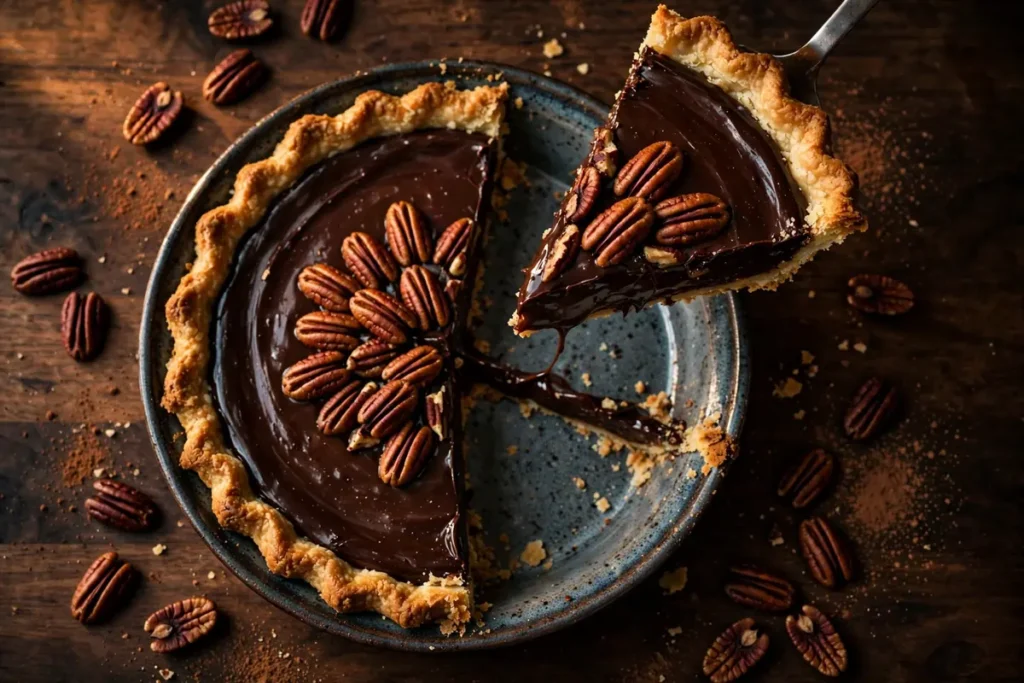
A slice of chocolate pecan pie lifted from the dish, showing glossy ganache, toasted pecans and a flaky crust.
Watch: Chocolate Pecan Pie
No Forks Given walks through a chocolate pecan pie that is genuinely hard to mess up — a great visual companion to the steps in this guide.
At a Glance: Chocolate Pecan Pie
Key facts for nailing chocolate pecan pie, from oven temperature to the doneness cue that matters most.
| Detail | What to know |
|---|---|
| Yield | One 9-inch pie, or about 12 tartlets |
| Bake temperature | 350°F is the standard for an even set |
| Doneness cue | Edges set with a slight jiggle in the very center |
| Rest time | Cool at least 2 hours before slicing so the filling firms up |
| Chocolate choice | Semi-sweet or bittersweet, around 60% cacao, is the usual pick |
| Pecan prep | Toasting the pecans 8–10 minutes deepens their flavor |
| Storage | Keeps about 3 days refrigerated; serve at room temperature |
Frequently Asked Questions
Can I make chocolate pecan pie without corn syrup?
Yes. Replace the corn syrup 1:1 with pure maple syrup or golden syrup. Maple gives a slightly softer set and a wonderful flavor — many bakers prefer it. Brown rice syrup also works. Avoid honey, which overpowers the chocolate, and avoid simply using more sugar, which changes the filling’s chemistry and can make it grainy.
Why is my pecan pie runny in the middle?
Three usual causes: underbaking (the center should jiggle slightly but not slosh — if it waves like liquid, give it 10 more minutes), slicing too soon (wait the full 4–6 hours), or too much liquid in the filling from mis-measured syrup. A pie that is merely soft in the very center after proper cooling is actually ideal — it should be fudgy, not firm like a bar cookie.
Can I freeze chocolate pecan pie?
Absolutely — it freezes better than most pies. Cool completely, wrap tightly in plastic wrap then foil, and freeze up to 2 months. Thaw overnight in the refrigerator, then refresh in a 300°F oven for 10–15 minutes. The texture after thawing is nearly indistinguishable from fresh, which makes this pie a prime make-ahead candidate.
How do I keep the bottom crust from getting soggy?
Blind-bake the shell before filling (Step 4 above), bake the pie on a preheated baking sheet or pizza stone so the bottom gets direct heat, and use a glass or ceramic pie plate rather than dark metal, which can over-brown the edges before the bottom sets. An egg-white wash brushed on the hot blind-baked shell (returned to the oven 2 minutes) adds a moisture barrier.
Can I make this pie ahead of Thanksgiving?
Yes — and you should. It is better on day two. Bake it Tuesday or Wednesday for a Thursday Thanksgiving, cool completely, and hold at room temperature (1 day) or refrigerated (up to 4 days). Bring to room temperature 1–2 hours before serving. The crust dough can be made and frozen a month out.
What is the difference between pecan pie and chocolate pecan pie?
Chocolate pecan pie is classic pecan pie filling — eggs, sugar, syrup, butter, pecans — with melted chocolate and cocoa added. The chocolate deepens the flavor, darkens the filling to a fudgy richness, and balances the sweetness with cocoa bitterness. Everything else (crust, pecans, technique) is the same, so if you can make pecan pie, you can make this one.
Conclusion
Chocolate pecan pie earns its place on the Thanksgiving table the honest way: it is simply better than the sum of its parts. Toasty pecans, dark fudgy custard, flaky crust — each element is familiar, but together they make the slice people remember in December. Follow the steps, respect the cooling time, and do not skip the toast on those pecans.
Once the pie is cooling on the rack, turn your attention to the rest of the day: our Thanksgiving Day cooking schedule keeps the turkey, sides, and oven Tetris on track, and the turkey cooking guide covers the bird itself. Bake this pie once, and it will be requested every November after — consider yourself warned.