Last Checked: October 2, 2026. Researched and edited by Rakibul Hasan. Fees, permits, weather, water levels and closures can change after this review. Use each official source again immediately before your trip.
The best outdoor adventures in the USA range from a patient wildlife-watching morning to a guided river trip or a carefully planned mountain hike. Start with the experience you want and the preparation you can realistically make. A shorter route that fits the group usually delivers a better day than a famous adventure chosen for its name alone.
This guide compares 50 specific experiences across national parks, state parks and a national monument. It explains who each outing suits, how much time to allow, which costs and reservations are separate, and the conditions that can change the plan. It is an editorial selection, not a scientific ranking or a claim of firsthand testing.
How to choose an outdoor adventure
Start with skill, then season, then booking. Easy or low-effort here describes a selected land outing, not freedom from hazards. Moderate experiences can involve longer distances, uneven terrain, paddling or route decisions. Challenging experiences require substantial fitness, technical competence, backcountry preparation or demanding logistics. Official trail ratings take priority where available; water and winter difficulty can change quickly.
Time and season suggestions are planning estimates, not operating schedules or safety guarantees. For a first trip, developed camping, a short paved cycle outing or a maintained nature walk offers more flexibility than an ocean crossing or backcountry night. For whitewater and ocean kayaking, ask an authorized professional to match the route to your group.
Budget correctly: park admission is not a campsite, timed-entry slot, boat permit, rental or guided tour. Listed entrance prices refer to the stated entry method. Qualifying federal passes generally cover standard entrance fees, not those separate services. In 2026, additional nonresident fees apply at selected national parks; review the national parks fee and pass section before budgeting. State parks use their own systems.
Adventures at a glance
Use the comparison to shortlist an activity, then read its booking and safety notes. Scroll the table sideways on a small screen.
| Experience | Location | Activity | Difficulty / skills | Season guidance |
|---|---|---|---|---|
| 1. Walk into Yosemite Valley’s waterfall landscape | Yosemite National Park, California | Hiking adventures | Easy (NPS) | Spring for water; fall for a quieter seasonal contrast |
| 2. Explore Olympic’s temperate rain forest | Olympic National Park, Washington | Hiking adventures | Easy (editorial) | Spring–fall; check storm access |
| 3. Hike the Pīpīwai forest and waterfall route | Haleakalā National Park, Hawaii | Hiking adventures | Moderately strenuous (NPS) | Year-round with close attention to rainfall |
| 4. Spend a mountain day on Rainier’s Skyline Trail | Mount Rainier National Park, Washington | Hiking adventures | Challenging (editorial) | Snow-free late summer–early fall |
| 5. Walk below Bryce Canyon’s hoodoos | Bryce Canyon National Park, Utah | Hiking adventures | Moderate (NPS) | Snow-free spring–fall; winter needs a different assessment |
| 6. Hike to Capitol Reef’s Hickman Bridge | Capitol Reef National Park, Utah | Hiking adventures | Moderate (NPS) | Spring and fall; avoid extreme heat |
| 7. Camp beside Douthat’s mountain-lake landscape | Douthat State Park, Virginia | Camping experiences | Introductory developed camping | Late spring through fall; lake swimming is seasonal |
| 8. Stay overnight among Goblin Valley’s desert formations | Goblin Valley State Park, Utah | Camping experiences | Developed camping; desert preparation | Spring and fall; avoid extreme heat |
| 9. Base a redwood trip at Elk Prairie | Prairie Creek Redwoods State Park, California | Camping experiences | Developed camping | Late spring through fall; rain possible all year |
| 10. Camp on Hunting Island’s coastal edge | Hunting Island State Park, South Carolina | Camping experiences | Developed camping; coastal weather awareness | Spring or fall; storms and tides affect access |
| 11. Camp near the Mississippi headwaters at Itasca | Itasca State Park, Minnesota | Camping experiences | Developed camping | Late spring through fall; winter services differ |
| 12. Backpack to a reserved Porcupine Mountains overnight site | Porcupine Mountains Wilderness State Park, Michigan | Camping experiences | Challenging; backcountry experience | Summer or early fall; winter requires specialized preparation |
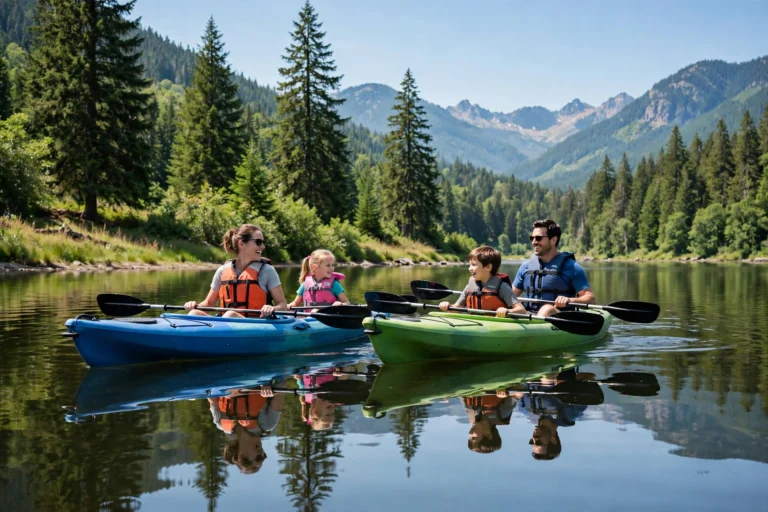
| 13. Explore an Everglades canoe trail | Everglades National Park, Florida | Kayaking and canoeing | Moderate; navigation and paddling skills | Cooler dry-season months, subject to water levels |
| 14. Paddle Cedar Creek at Congaree | Congaree National Park, South Carolina | Kayaking and canoeing | Moderate to challenging when obstructed | Spring or fall; water level is decisive |
| 15. Book a guided Santa Cruz Island sea-kayak outing | Channel Islands National Park, California | Kayaking and canoeing | Moderate to strenuous; professionally guided | Calmer forecast windows, commonly summer into fall |
| 16. Plan a permitted Grand Teton lake paddle | Grand Teton National Park, Wyoming | Kayaking and canoeing | Moderate; cold-water skills | Summer into early fall when access permits |
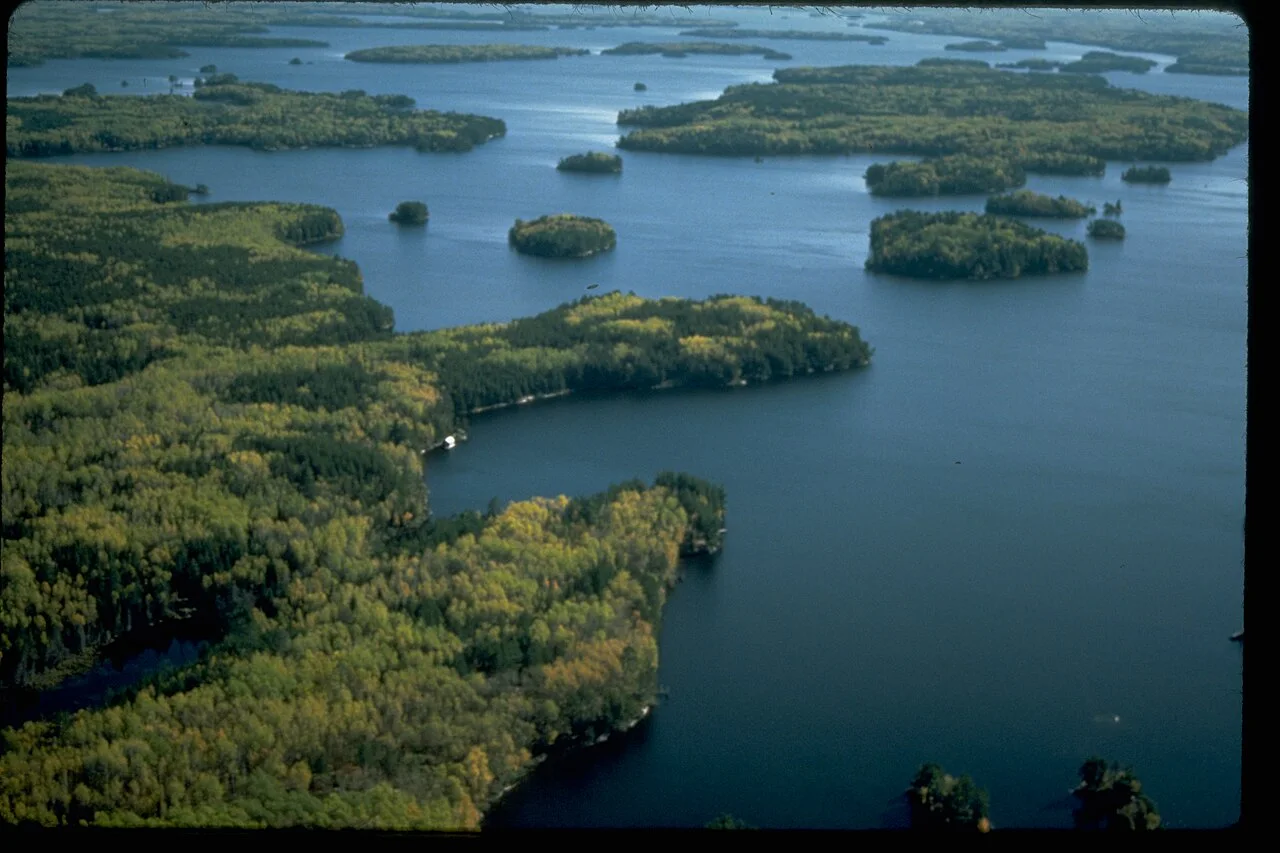
| 17. Reserve a Chain of Lakes canoe in Voyageurs | Voyageurs National Park, Minnesota | Kayaking and canoeing | Challenging logistics; competent paddlers | Ice-free season; day rentals through October 15 |
| 18. Explore Okefenokee by an available guided boat trip | Okefenokee State Park, Georgia | Kayaking and canoeing | Guide-led; confirm boat and route | Cooler fall through spring; boating depends on water levels |
| 19. Choose a guided New River Gorge rafting section | New River Gorge National Park and Preserve, West Virginia | Rafting | Variable; guided section selection | Spring through fall, with flow-dependent difficulty |
| 20. Float Split Mountain with an authorized Dinosaur outfitter | Dinosaur National Monument, Utah; monument also extends into Colorado | Rafting | Guided whitewater; trip-specific requirements | Spring through fall, subject to river operations |
| 21. Match a guided Youghiogheny trip to your group | Ohiopyle State Park, Pennsylvania | Rafting | Middle: introductory guided option; Lower: advanced water | Warmer months, dependent on flow |
| 22. Ride a chosen segment of Acadia’s carriage roads | Acadia National Park, Maine | Cycling | Easy to moderate; hills and gravel vary | Late spring through fall when roads are open |
| 23. Make an out-and-back ride on the Cuyahoga Towpath | Cuyahoga Valley National Park, Ohio | Cycling | Generally easier; distance chosen by rider | Spring through fall; avoid flooded or icy sections |
| 24. Ride Grand Teton’s multi-use pathway | Grand Teton National Park, Wyoming | Cycling | Easy to moderate; route length varies | Snow-free season, commonly summer into fall |
| 25. Ride Gooseberry Falls’ paved Gitchi-Gami segment | Gooseberry Falls State Park, Minnesota | Cycling | Generally easier; short paved segment | Late spring through fall; winter brings ice and reduced services |
| 26. Choose a Cloudland Canyon mountain-bike route | Cloudland Canyon State Park, Georgia | Cycling | Moderate to challenging; route-specific bike skills | Spring for water flow or fall for hiking; conditions vary |
| 27. Watch Custer’s bison from a responsible distance | Custer State Park, South Dakota | Wildlife watching | Low physical effort; wildlife awareness | Late spring through fall; winter road restrictions possible |
| 28. Observe alligators and wetland life at Brazos Bend | Brazos Bend State Park, Texas | Wildlife watching | Short walks; careful water-edge behavior | Cooler months for comfortable wildlife walks |
| 29. Spend a quiet wildlife-viewing session in Lamar Valley | Yellowstone National Park, Wyoming | Wildlife watching | Low physical effort; weather and wildlife precautions | Spring or fall; winter requires a separate access plan |
| 30. Birdwatch in Myakka River’s wetland landscape | Myakka River State Park, Florida | Wildlife watching | Short walks; exposed heat | Cooler dry-season months |
| 31. Look for coastal birds at Huntington Beach | Huntington Beach State Park, South Carolina | Wildlife watching | Low to moderate effort, route dependent | Spring or fall for birding; summer beach visits need heat and surf planning |
| 32. Follow a selected stretch of Shenandoah’s Skyline Drive | Shenandoah National Park, Virginia | Scenic drives | Low walking effort; winding-road driving | Spring through fall; weather closures possible anytime |
| 33. Make Badlands Loop Road an overlook day | Badlands National Park, South Dakota | Scenic drives | Low walking effort; exposed overlooks | Spring or fall for less intense heat |
| 34. Cross Petrified Forest with time for short stops | Petrified Forest National Park, Arizona | Scenic drives | Low to moderate walking effort | Spring or fall; summer heat planning |
| 35. Build a Waimea Canyon overlook outing | Waimea Canyon State Park, Hawaiʻi — Kauaʻi | Scenic drives | Low walking effort at selected stops | Choose a clear forecast; mountain rain and cloud vary year-round |
| 36. Observe the night sky from a Joshua Tree viewing lot | Joshua Tree National Park, California | Stargazing | Low physical effort; night navigation | Cooler months around a darker moon phase |
| 37. Plan a self-guided Great Basin skywatch | Great Basin National Park, Nevada | Stargazing | Low physical effort; cold evening conditions | Clear nights; access varies with snow |
| 38. Combine a reserved Dead Horse Point stay with night-sky viewing | Dead Horse Point State Park, Utah | Stargazing | Low effort near a lawful overnight base | Spring and fall; summer heat and winter ice possible |
| 39. Use an Okefenokee camping stay for a dark-sky evening | Okefenokee State Park, Georgia | Stargazing | Low effort at a designated viewing area | Cooler fall through spring; boating depends on water levels |
| 40. Choose a Mammoth Cave tour that fits your mobility | Mammoth Cave National Park, Kentucky | Cave experiences | Tour-specific: easier to strenuous | Year-round, according to the published tour calendar |
| 41. Explore Carlsbad Caverns with a timed entry | Carlsbad Caverns National Park, New Mexico | Cave experiences | Route-specific; choose access method carefully | Year-round, subject to operations |
| 42. Book a currently operating Lehman Caves tour | Great Basin National Park, Nevada | Cave experiences | Tour-specific; check stairs and confined spaces | Available tour dates, with winter access planning |
| 43. Join a scheduled Bryce Canyon ranger snowshoe walk | Bryce Canyon National Park, Utah | Winter adventures | Strenuous in snow; guided introduction | Winter when snow depth, weather and staffing permit |
| 44. Choose a conservative Rocky Mountain snowshoe outing | Rocky Mountain National Park, Colorado | Winter adventures | Moderate to challenging; winter route skills | Winter with suitable snow and road access |
| 45. Cross-country ski suitable Acadia carriage roads | Acadia National Park, Maine | Winter adventures | Route-specific; skiing and winter skills | Winter only with adequate snow cover |
| 46. Snowshoe a land route near Voyageurs’ Rainy Lake visitor center | Voyageurs National Park, Minnesota | Winter adventures | Introductory to moderate, route and snow dependent | Winter when land trails and visitor services are available |
| 47. Book an authorized Biscayne snorkeling excursion | Biscayne National Park, Florida | Coastal adventures | Swimming ability and operator-specific requirements | Suitable marine forecast windows |
| 48. Spend a shore-based nature day at Point Lobos | Point Lobos State Natural Reserve, California | Coastal adventures | Easy to moderate; choose a maintained route | Spring or fall; marine fog can occur |
| 49. Plan a beach-and-shore day at Bahia Honda | Bahia Honda State Park, Florida | Coastal adventures | Low physical effort on land; swimming is conditional | Winter and spring; summer storms possible |
| 50. Walk a permitted coastal section at Waiʻānapanapa | Waiʻānapanapa State Park, Hawaiʻi — Maui | Coastal adventures | Moderate on uneven coastal surfaces | Year-round with suitable weather; rough surf can rule out water access |
Outdoor adventure map and route planning
This official NPS map is for national-park-area orientation, not a map of all 50 activities or state parks. Use the individual park-area links and official activity maps below for the selected destinations.
These are park-area planning links, not verified launch points, trailheads or navigation tracks. Open the area map in each entry, then use the land manager’s official map to identify the correct entrance, permitted launch and return route. A pin in a large park can be hours from the activity.
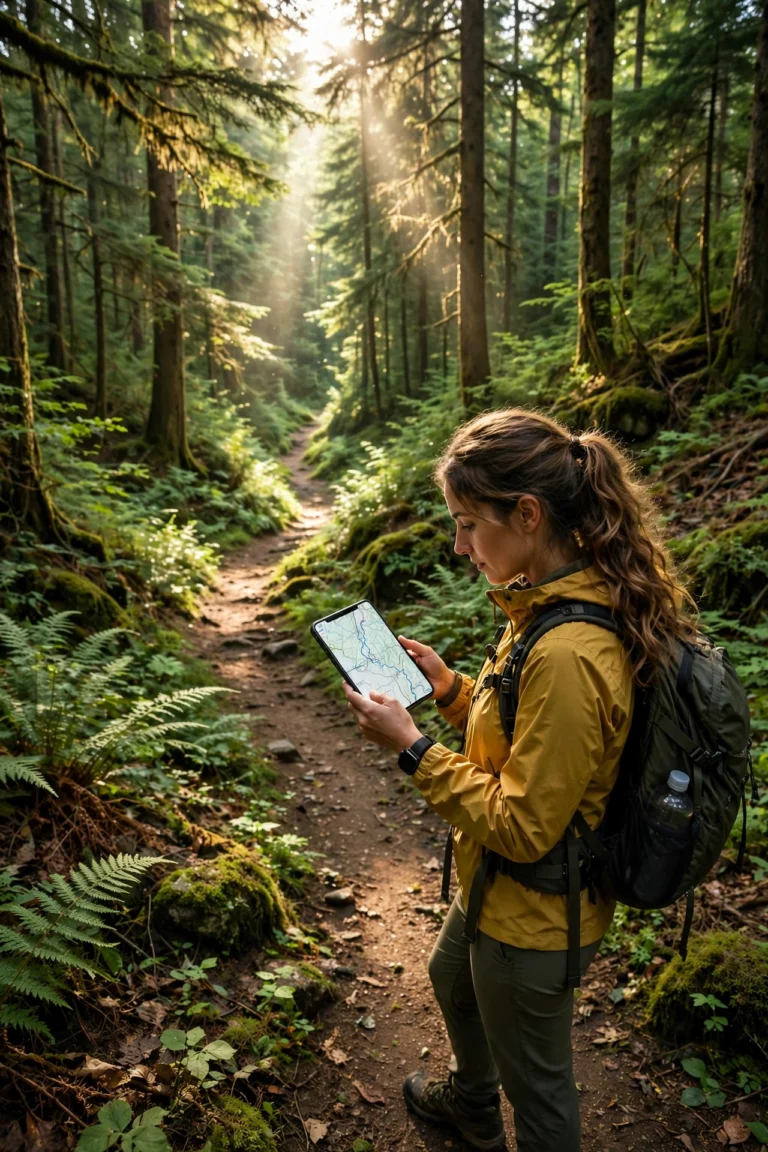
The NPS park finder is useful for regional orientation. For paddling, obtain the official water-route map and arrange your shuttle before departure. Download maps for offline use; phone reception is not an emergency plan.
Hiking adventures
1. Walk into Yosemite Valley’s waterfall landscape
Location: Yosemite National Park, California. Skills: Easy (NPS). Time to allow: 30–60 minutes. Season guidance: Spring for water; fall for a quieter seasonal contrast.
Make the Valley your activity base, with a short waterfall loop as the anchor and time left for stops rather than another long drive. Spring runoff and an autumn forest walk deliver very different experiences.
Book and plan: 1 mile loop; 50 ft. Start: Lower Yosemite Fall trailhead, Yosemite Valley. No day-entry reservation in 2026; entrance fee applies.
Entrance and separate costs: $35 private vehicle; $20 per adult entering on foot or bicycle.
Important risks: Wet pavement can be slippery. Yosemite Falls was dry at the October 2 review; this is not a promise of an autumn waterfall.
Official planning sources: Activity / park information · Park-area map. Last checked October 2, 2026.
2. Explore Olympic’s temperate rain forest
Location: Olympic National Park, Washington. Skills: Easy (editorial). Time to allow: 45–60 minutes. Season guidance: Spring–fall; check storm access.
Slow down to notice layered moss, fallen wood and the difference between a forest walk and a mountain summit day. A short route lets the group spend its energy observing rather than chasing distance.
Book and plan: 0.8 mile loop; Not quantified in cited guide. Start: Hoh Rain Forest Visitor Center area. No separate day-hike reservation listed; park entrance rules and current closures still apply.
Entrance and separate costs: $30 private vehicle; $15 per adult entering on foot or bicycle.
Important risks: Roots, mud and slippery surfaces; check Hoh Road and storm-related closures.
Official planning sources: Activity / park information · Park-area map. Last checked October 2, 2026.
3. Hike the Pīpīwai forest and waterfall route
Location: Haleakalā National Park, Hawaii. Skills: Moderately strenuous (NPS). Time to allow: 2–4 hours. Season guidance: Year-round with close attention to rainfall.
Choose the Kīpahulu side of Haleakalā for a humid forest adventure. Plan it as a separate coastal day; this is not a quick addition to a summit sunrise drive.
Book and plan: 4 miles round trip; 800 feet. Start: Kīpahulu Visitor Center area, via the Hale Hālāwai junction. No separate day-hike reservation listed; park entrance rules and current closures still apply.
Entrance and separate costs: $30 private vehicle; $15 per adult entering on foot or bicycle.
Important risks: Muddy footing, flash floods and falling rock. Stay behind barriers and outside closed waterfall areas; this entry does not recommend swimming.
Official planning sources: Activity / park information · Park-area map. Last checked October 2, 2026.
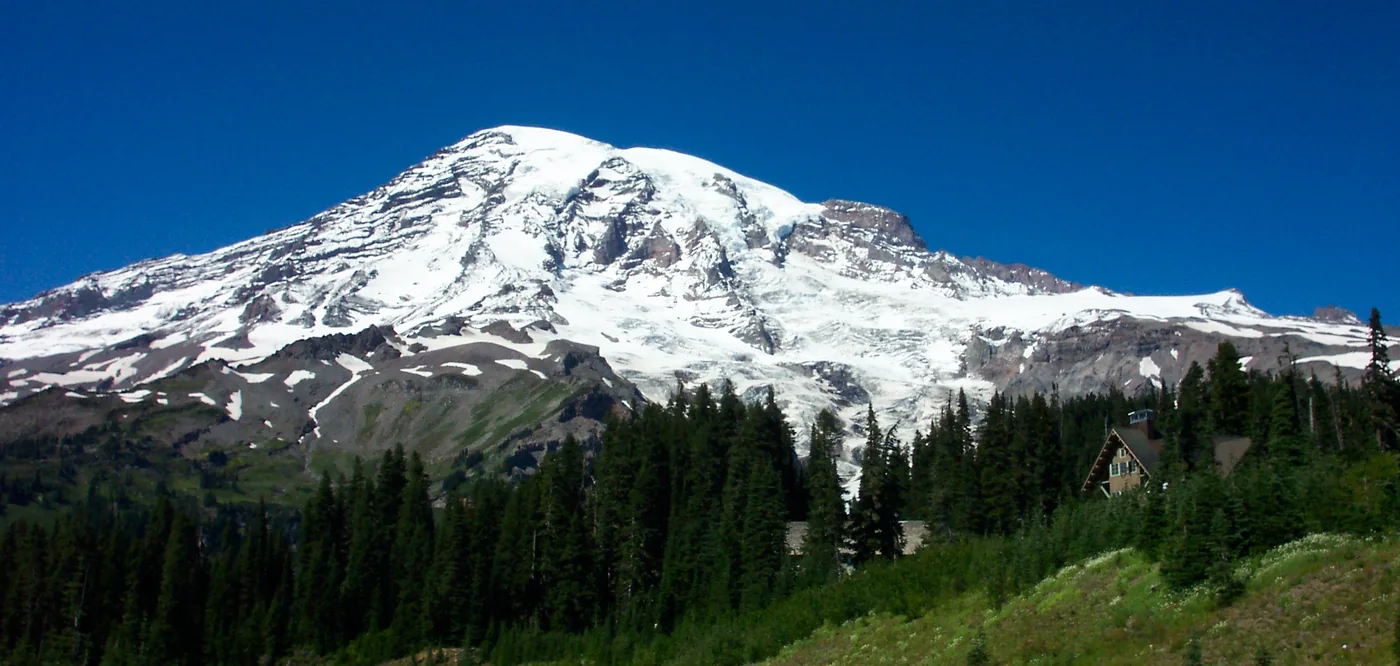
4. Spend a mountain day on Rainier’s Skyline Trail
Location: Mount Rainier National Park, Washington. Skills: Challenging (editorial). Time to allow: 4–6 hours. Season guidance: Snow-free late summer–early fall.
This is the strenuous alpine choice in the hiking group. Build the day around the route itself, with a conservative turnaround, rather than squeezing it between viewpoints.
Book and plan: 5.5 miles loop; 1,700 ft. Start: Paradise Meadows / Skyline Trailhead. No ordinary day-hike reservation; overnight and climbing rules are separate. No timed entry in 2026.
Entrance and separate costs: $30 private vehicle; $15 per adult entering on foot or bicycle.
Important risks: Lingering snow, steep slopes, altitude and sudden weather. Follow the marked High Skyline route where directed; do not shortcut across icy slopes.
Official planning sources: Activity / park information · Park-area map. Last checked October 2, 2026.
5. Walk below Bryce Canyon’s hoodoos
Location: Bryce Canyon National Park, Utah. Skills: Moderate (NPS). Time to allow: 2–3 hours. Season guidance: Snow-free spring–fall; winter needs a different assessment.
The experience changes once the rim is above you and the formations are at eye level. Remember that descending first commits you to a climb back out at high elevation.
Book and plan: 2.9 miles loop; 625 ft. Start: Sunrise or Sunset Point. No separate day-hike reservation listed; park entrance rules and current closures still apply.
Entrance and separate costs: $35 private vehicle; $20 per adult entering on foot or bicycle.
Important risks: Altitude, steep switchbacks and ice. Wall Street closes seasonally; follow the current route guidance and use Two Bridges when appropriate.
Official planning sources: Activity / park information · Park-area map. Last checked October 2, 2026.
6. Hike to Capitol Reef’s Hickman Bridge
Location: Capitol Reef National Park, Utah. Skills: Moderate (NPS). Time to allow: 1–2 hours. Season guidance: Spring and fall; avoid extreme heat.
Pick this natural bridge walk for a compact desert outing that still requires heat planning. Morning light and an unhurried return make more sense than a midday mileage challenge.
Book and plan: 1.8 miles round trip, based on the NPS 0.9-mile one-way listing; 400 feet of elevation change (NPS). Start: Hickman Bridge–Rim Overlook–Navajo Knobs trailhead. No separate day-hike reservation listed; park entrance rules and current closures still apply.
Entrance and separate costs: $20 private vehicle; $10 per adult entering on foot or bicycle.
Important risks: Intense sun, uneven sandstone and possible storms. Carry water and avoid exposed terrain during lightning.
Official planning sources: Activity / park information · Park-area map. Last checked October 2, 2026.
Camping experiences
7. Camp beside Douthat’s mountain-lake landscape
Location: Douthat State Park, Virginia. Skills: Introductory developed camping. Time to allow: 2 nights. Season guidance: Late spring through fall; lake swimming is seasonal.
Choose a lake-centered base where a short outing can be enough for the day. This suits campers who want a defined campsite and the option to spend more time in one place.
Book and plan: Reserve a campsite separately from day admission. Cabins are another overnight option; inspect the exact unit and dates before paying.
Entrance and separate costs: $7 per vehicle
Important risks: Swimming is limited to the designated roped area during its operating season and is unguarded. Night temperatures and storms still matter at a developed campground.
Official planning sources: Activity / park information · Additional official detail 1 · Park-area map. Last checked October 2, 2026.
8. Stay overnight among Goblin Valley’s desert formations
Location: Goblin Valley State Park, Utah. Skills: Developed camping; desert preparation. Time to allow: 1–2 nights. Season guidance: Spring and fall; avoid extreme heat.
Staying overnight removes the pressure to see the valley during the hottest part of a long driving day. Treat dawn, the middle of the day and the evening as different planning windows.
Book and plan: Reserve a campsite or yurt; confirm the site’s equipment, occupancy and total rate in the booking system. Day-use entry alone does not secure a bed or campsite.
Entrance and separate costs: $20 private vehicle; other entry categories differ
Important risks: Carry sufficient water, follow current fire restrictions and never climb or damage fragile formations. A yurt does not make a summer midday walk comfortable.
Official planning sources: Activity / park information · Additional official detail 1 · Additional official detail 2 · Park-area map. Last checked October 2, 2026.
9. Base a redwood trip at Elk Prairie
Location: Prairie Creek Redwoods State Park, California. Skills: Developed camping. Time to allow: 2 nights. Season guidance: Late spring through fall; rain possible all year.
A redwood camping base lets you spend two quieter mornings among the trees instead of using the park only as a roadside stop. Separate forest walking from a more demanding coast excursion.
Book and plan: Book the campground in advance. Prairie Creek’s scenic parkway is free; developed day-use areas can have separate charges. Fern Canyon’s seasonal vehicle permit window ended September 15, 2026.
Entrance and separate costs: Free along Newton B. Drury Scenic Parkway and near visitor center; Elk Prairie $8, Gold Bluffs $12 per vehicle/day
Important risks: Fern Canyon footbridges had been removed at this review: expect a wet creek route if visiting. Dogs are not companions for the park’s redwood hiking trails.
Official planning sources: Activity / park information · Additional official detail 1 · Additional official detail 2 · Additional official detail 3 · Park-area map. Last checked October 2, 2026.
10. Camp on Hunting Island’s coastal edge
Location: Hunting Island State Park, South Carolina. Skills: Developed camping; coastal weather awareness. Time to allow: 2 nights or longer. Season guidance: Spring or fall; storms and tides affect access.
Use the campground as a base for beach observation and short nature outings, with room in the schedule for tide and weather changes. The appeal is a slower coast stay, not a checklist of attractions.
Book and plan: Reserve a designated campsite and check minimum-stay rules; the park normally requires a two-night camping minimum. Confirm current storm recovery and facility access before departure.
Entrance and separate costs: $8 adult; $4 ages 6–15; ages 5 and under free; $5 SC senior
Important risks: The bridge to Little Hunting Island/Boneyard Beach is temporarily closed because of hazardous high-tide conditions. Wait for an official reopening; do not assume it opens at low tide. Do not enter a closed crossing or assume a lighthouse climb is operating.
Official planning sources: Activity / park information · Park-area map. Last checked October 2, 2026.
11. Camp near the Mississippi headwaters at Itasca
Location: Itasca State Park, Minnesota. Skills: Developed camping. Time to allow: 2 nights. Season guidance: Late spring through fall; winter services differ.
Turn a headwaters stop into a woodland weekend with time to visit the interpretive areas. This is a strong choice when the group wants a memorable landmark without making every day strenuous.
Book and plan: Reserve a campsite and check the campground’s seasonal services. The visitor center is open year-round, while other services contract after October 18 in 2026.
Entrance and separate costs: $7 one-day vehicle permit
Important risks: A headwaters visit is not a guarantee of safe wading. Watch footing, supervise children at water and take cold fall nights seriously.
Official planning sources: Activity / park information · Additional official detail 1 · Additional official detail 2 · Park-area map. Last checked October 2, 2026.
12. Backpack to a reserved Porcupine Mountains overnight site
Location: Porcupine Mountains Wilderness State Park, Michigan. Skills: Challenging; backcountry experience. Time to allow: 2–3 days. Season guidance: Summer or early fall; winter requires specialized preparation.
Choose this for the commitment of carrying your shelter and food into a forest landscape. It belongs in a different category from drive-up camping, even when the walking distance looks modest.
Book and plan: Book the designated backcountry site or walk-in cabin that matches your route; many cabins require hiking access. Whitetail Cabin was closed after a fire at this review.
Entrance and separate costs: Non-Michigan vehicle $12 daily; Michigan vehicle annual Passport rules apply
Important risks: Carry a navigation plan, weather protection and proper food storage. Do not depend on a cabin you have not reserved, or on phone coverage to recover a missed junction.
Official planning sources: Activity / park information · Additional official detail 1 · Additional official detail 2 · Park-area map. Last checked October 2, 2026.
Kayaking and canoeing
13. Explore an Everglades canoe trail
Location: Everglades National Park, Florida. Skills: Moderate; navigation and paddling skills. Time to allow: Half to full day. Season guidance: Cooler dry-season months, subject to water levels.
The perspective from a small craft is different from a roadside wildlife stop: water level, wind and route choice define the outing. Pick one published canoe route rather than inventing a connection across the map.
Book and plan: Bring your own suitable craft, arrange a rental or choose a permitted guide. Ask about that day’s trail condition; high or low water can make some routes impassable.
Entrance and separate costs: $35 private vehicle; $20 per adult entering on foot or bicycle. Rentals and guiding cost extra.
Important risks: Use a life jacket, carry drinking water and navigation backups, and avoid wildlife. Heat, thunderstorms and exposed bays can turn a short plan into a difficult return.
Official planning sources: Activity / park information · Additional official detail 1 · Park-area map. Last checked October 2, 2026.
14. Paddle Cedar Creek at Congaree
Location: Congaree National Park, South Carolina. Skills: Moderate to challenging when obstructed. Time to allow: Half day for a short out-and-back. Season guidance: Spring or fall; water level is decisive.
A creek paddle gives a low viewpoint into a floodplain forest. Choose the distance around the return journey, especially if you have only one vehicle.
Book and plan: An out-and-back from Cedar Creek Landing can avoid a car shuttle. Arrange equipment ahead; check the official canoe-trail conditions rather than assuming the waterway is clear.
Entrance and separate costs: No park entrance fee; equipment or guide charges are separate.
Important risks: The current source reports numerous log obstructions and portages. Floodwater can hide markers; wear a life jacket and turn back when an obstacle exceeds your ability.
Official planning sources: Activity / park information · Additional official detail 1 · Park-area map. Last checked October 2, 2026.
15. Book a guided Santa Cruz Island sea-kayak outing
Location: Channel Islands National Park, California. Skills: Moderate to strenuous; professionally guided. Time to allow: Full day including island transport. Season guidance: Calmer forecast windows, commonly summer into fall.
This is the ocean option for travelers who want a coastal perspective beyond a mainland beach. Book the logistics as one coherent day, not separate reservations that leave no connection time.
Book and plan: NPS strongly recommends an authorized guide. Confirm island transport, meeting point, equipment and return sailing. There are no kayak rentals at Scorpion Anchorage to casually pick up after arrival.
Entrance and separate costs: No park entrance fee; boat transport and kayaking fees are separate.
Important risks: Ocean wind, swell and cold water are material hazards. Sea-cave access is conditional, and a paid booking is not a guarantee that a guide will enter caves.
Official planning sources: Activity / park information · Additional official detail 1 · Park-area map. Last checked October 2, 2026.
16. Plan a permitted Grand Teton lake paddle
Location: Grand Teton National Park, Wyoming. Skills: Moderate; cold-water skills. Time to allow: Half day. Season guidance: Summer into early fall when access permits.
A lake-level view of the Tetons can be the main event of a day. Choose your launch and route according to wind and ability; do not treat the Snake River as an interchangeable flatwater alternative.
Book and plan: Every craft, including a SUP, needs a park boat permit; nonmotorized permits are $25. Wyoming AIS decals and inspections are separate, with specific decal exemptions. Signal Mountain boat ramp was closed at review.
Entrance and separate costs: $35 private vehicle; $20 per adult entering on foot or bicycle. Boat permit, applicable AIS decal and rental are additional.
Important risks: Carry a properly fitting PFD for each person; under-13s must wear one, and everyone should. Cold water and sudden wind warrant conservative shore-based route planning.
Official planning sources: Activity / park information · Park-area map. Last checked October 2, 2026.
17. Reserve a Chain of Lakes canoe in Voyageurs
Location: Voyageurs National Park, Minnesota. Skills: Challenging logistics; competent paddlers. Time to allow: Full day or permitted overnight. Season guidance: Ice-free season; day rentals through October 15.
This combines travel across the larger lake, a hike and an interior-lake paddle. It is rewarding precisely because it is not a walk-up rental beside a highway.
Book and plan: Reserve a staged Chain of Lakes canoe: $14 per day plus a $10 reservation service fee. Arrange separate water transport to the trailhead; the Locator Lake Trail is a 2-mile one-way approach before paddling.
Entrance and separate costs: No park entrance fee; canoe reservation and outside transport cost extra.
Important risks: Private craft cannot be portaged into interior lakes. Bring and wear a life jacket; check access codes before departure. Large-lake crossings require a separate weather and transport plan.
Official planning sources: Activity / park information · Park-area map. Last checked October 2, 2026.
18. Explore Okefenokee by an available guided boat trip
Location: Okefenokee State Park, Georgia. Skills: Guide-led; confirm boat and route. Time to allow: Half day. Season guidance: Cooler fall through spring; boating depends on water levels.
Use a guided water outing to understand the swamp’s scale without making an unsupported navigation plan. The right trip depends on water conditions and the services actually operating.
Book and plan: Formerly Stephen C. Foster State Park, this became Okefenokee State Park on September 1, 2026. Boat tours are limited and motorboat rentals unavailable at review; reserve guided trips at least seven days ahead and reconfirm.
Entrance and separate costs: $5 refuge vehicle entry fee
Important risks: Pets are not permitted in boats, including private boats. Wildlife stays wild: do not feed or approach alligators, and follow guide instructions.
Official planning sources: Activity / park information · Additional official detail 1 · Park-area map. Last checked October 2, 2026.
Rafting
19. Choose a guided New River Gorge rafting section
Location: New River Gorge National Park and Preserve, West Virginia. Skills: Variable; guided section selection. Time to allow: Full day. Season guidance: Spring through fall, with flow-dependent difficulty.
Choose the section before choosing a promotional price. A group seeking a first river outing and one seeking powerful rapids should not automatically book the same trip.
Book and plan: Use a licensed outfitter. The upper river has pools and rapids up to Class III; the lower river includes Class III–V water. Confirm age, swimming expectations, equipment, meeting place and cancellation policy.
Entrance and separate costs: No park entrance fee; obtain an exact outfitter quote.
Important risks: Undercut rocks, strong current and changing flows are real hazards. A guide reduces the burden of technical decisions but cannot remove river risk.
Official planning sources: Activity / park information · Park-area map. Last checked October 2, 2026.
20. Float Split Mountain with an authorized Dinosaur outfitter
Location: Dinosaur National Monument, Utah; monument also extends into Colorado. Skills: Guided whitewater; trip-specific requirements. Time to allow: One day. Season guidance: Spring through fall, subject to river operations.
Pair canyon scenery with a water-based day in a national monument. Keeping it to the authorized one-day route makes the logistics easier to understand than a multiday expedition.
Book and plan: NPS lists commercial one-day trips from Rainbow Park to Split Mountain boat ramps. Book an authorized concessionaire and ask exactly which fees, transport and equipment the quote includes.
Entrance and separate costs: $25 private vehicle for seven days, or $15 per person age 16+ entering on foot or bicycle; qualifying federal passes accepted. Guided rafting is additional—ask whether admission is included.
Important risks: This is moving water, not a casual swim outing. Follow the outfitter’s age, health and equipment requirements; private river trips have separate permit rules.
Official planning sources: Activity / park information · Additional official detail 1 · Park-area map. Last checked October 2, 2026.
21. Match a guided Youghiogheny trip to your group
Location: Ohiopyle State Park, Pennsylvania. Skills: Middle: introductory guided option; Lower: advanced water. Time to allow: Half to full day. Season guidance: Warmer months, dependent on flow.
Ohiopyle makes river choice tangible: the Middle and Lower Yough are different experiences. Let the least experienced participant drive the decision.
Book and plan: Book a licensed outfitter. The Middle has Class I–II rapids at normal levels; the Lower has Class III–IV rapids and is appropriate for inexperienced visitors only with qualified guiding. Private Lower launches have seasonal ticket rules.
Entrance and separate costs: No state-park entrance fee; guided trip, launch and related charges can be additional.
Important risks: PFDs must be worn on all sections; helmets are required on the Lower. River level changes difficulty. Do not substitute a rental-only package for needed guiding.
Official planning sources: Activity / park information · Park-area map. Last checked October 2, 2026.
Cycling
22. Ride a chosen segment of Acadia’s carriage roads
Location: Acadia National Park, Maine. Skills: Easy to moderate; hills and gravel vary. Time to allow: Half day. Season guidance: Late spring through fall when roads are open.
The attraction is choosing a manageable ride on a wider network, stopping at scenery without sharing every mile with cars. Pick a short circuit instead of trying to cover all 45 miles.
Book and plan: Use the official carriage-road map; not every private carriage-road segment allows bicycles. Class 1 e-bikes are allowed on park carriage roads, while Classes 2 and 3 are not.
Entrance and separate costs: $35 private vehicle; $20 per adult entering on foot or bicycle. Rentals cost extra.
Important risks: Yield to horses and pedestrians, control speed on loose surfaces and use a helmet. Maine requires helmets for riders under 16.
Official planning sources: Activity / park information · Additional official detail 1 · Park-area map. Last checked October 2, 2026.
23. Make an out-and-back ride on the Cuyahoga Towpath
Location: Cuyahoga Valley National Park, Ohio. Skills: Generally easier; distance chosen by rider. Time to allow: 2–4 hours. Season guidance: Spring through fall; avoid flooded or icy sections.
A mostly level corridor makes it easier to turn around when the group has had enough. The park segment is a useful unit for planning, not an obligation to ride the entire regional trail.
Book and plan: The NPS park section is 19.5 miles, with a firm crushed-limestone surface and multiple trailheads. Select a start and turnaround before leaving; confirm current closures.
Entrance and separate costs: No park entrance fee; bike rental is separate.
Important risks: Share the trail considerately and slow at crossings and busy access points. A flat route still takes effort on the return, particularly into wind.
Official planning sources: Activity / park information · Park-area map. Last checked October 2, 2026.
24. Ride Grand Teton’s multi-use pathway
Location: Grand Teton National Park, Wyoming. Skills: Easy to moderate; route length varies. Time to allow: Half day. Season guidance: Snow-free season, commonly summer into fall.
A pathway outing offers a different pace from the park drive. Set a turnaround that leaves time for viewing and rest instead of measuring success by reaching every named destination.
Book and plan: The pathway connects the Jackson direction with park routes including Moose to Jenny Lake. NPS flags 2026 construction delays; consult the current route page and keep a shorter alternative.
Entrance and separate costs: $35 private vehicle; $20 per adult entering on foot or bicycle. Bicycle rental is separate.
Important risks: Watch intersections, other riders and wildlife. Do not leave the path to approach an animal; exposed sections can be windy.
Official planning sources: Activity / park information · Park-area map. Last checked October 2, 2026.
25. Ride Gooseberry Falls’ paved Gitchi-Gami segment
Location: Gooseberry Falls State Park, Minnesota. Skills: Generally easier; short paved segment. Time to allow: 1–2 hours plus stops. Season guidance: Late spring through fall; winter brings ice and reduced services.
Use a short paved ride as the outdoor anchor of a North Shore day. Combine it with the visitor-center area instead of assuming every waterfall trail permits bicycles.
Book and plan: The Gitchi-Gami State Trail has a 2.5-mile paved segment through the park. The wayside and visitor-center lot is free; other park vehicle access requires the applicable permit.
Entrance and separate costs: Visitor-center/wayside lot free; $7 vehicle permit for fee areas
Important risks: Stay on the designated cycling route, yield appropriately and check for wet surfaces. Lake Superior weather can be cold even when an inland forecast looks mild.
Official planning sources: Activity / park information · Additional official detail 1 · Additional official detail 2 · Park-area map. Last checked October 2, 2026.
26. Choose a Cloudland Canyon mountain-bike route
Location: Cloudland Canyon State Park, Georgia. Skills: Moderate to challenging; route-specific bike skills. Time to allow: Half day. Season guidance: Spring for water flow or fall for hiking; conditions vary.
Choose this for a trail-riding experience rather than a paved family cruise. Five Points and the Cloudland Connector offer a distinct activity from the park’s gorge overlooks.
Book and plan: Use the official trail map to select a permitted mountain-bike route and check access. Entrance construction means the temporary visitor center is at the Group Lodge at this review.
Entrance and separate costs: $10 per vehicle ParkPass
Important risks: Match terrain to your handling skills and avoid wet-trail damage. Carry repair basics and enough water; waterfall hiking paths are not substitute bike routes.
Official planning sources: Activity / park information · Additional official detail 1 · Park-area map. Last checked October 2, 2026.
Wildlife watching
27. Watch Custer’s bison from a responsible distance
Location: Custer State Park, South Dakota. Skills: Low physical effort; wildlife awareness. Time to allow: Half day. Season guidance: Late spring through fall; winter road restrictions possible.
Make observation the activity, with binoculars and patient stops. This offers a worthwhile outdoor day for a group whose interests are animals rather than trail mileage.
Book and plan: Use designated roadside stopping places and give wildlife right of way. The $25 vehicle license covers seven days; campsite and other service charges are separate.
Entrance and separate costs: $25 per vehicle for a 7-day temporary license
Important risks: Stay at least 100 yards from bison and other large wildlife under the park’s guidance. Never block an animal’s movement or use food to bring it closer.
Official planning sources: Activity / park information · Additional official detail 1 · Additional official detail 2 · Additional official detail 3 · Park-area map. Last checked October 2, 2026.
28. Observe alligators and wetland life at Brazos Bend
Location: Brazos Bend State Park, Texas. Skills: Short walks; careful water-edge behavior. Time to allow: Half day. Season guidance: Cooler months for comfortable wildlife walks.
A deliberate wildlife walk rewards people who slow down and scan rather than approach. Let sightings determine where you pause, while keeping enough space to leave animals undisturbed.
Book and plan: Check the park’s current trail and flood notices and reserve day entry when needed. Choose a short route from the park map; overnight camping is a separate booking.
Entrance and separate costs: $7 per person age 13+; children 12 and under free
Important risks: Keep at least 30 feet from alligators, as the park advises. Do not feed wildlife or allow children and pets to linger at the water’s edge.
Official planning sources: Activity / park information · Additional official detail 1 · Park-area map. Last checked October 2, 2026.
29. Spend a quiet wildlife-viewing session in Lamar Valley
Location: Yellowstone National Park, Wyoming. Skills: Low physical effort; weather and wildlife precautions. Time to allow: Half day. Season guidance: Spring or fall; winter requires a separate access plan.
Choose an observation session rather than a promise to see wolves. A patient stop with binoculars or a spotting scope gives more room for natural behavior than moving closer for a phone picture.
Book and plan: Use lawful pullouts and keep the roadway clear. Sightings are unpredictable; leave the rest of the day flexible rather than building a tight schedule around an animal encounter.
Entrance and separate costs: $35 private vehicle; $20 per adult entering on foot or bicycle.
Important risks: Remain at least 100 yards from bears, wolves and cougars and 25 yards from other wildlife. Back away if an animal approaches, and never disturb or pursue it.
Official planning sources: Activity / park information · Additional official detail 1 · Park-area map. Last checked October 2, 2026.
30. Birdwatch in Myakka River’s wetland landscape
Location: Myakka River State Park, Florida. Skills: Short walks; exposed heat. Time to allow: Half day. Season guidance: Cooler dry-season months.
Build the outing around patient scanning and habitat observation. This is a useful contrast to a full hiking day, but it still needs a sensible heat and water plan.
Book and plan: Bring all the drinking water your group needs: the park’s current notice reports no drinking water available. Check current access before choosing a route.
Entrance and separate costs: $6 per vehicle; occupancy categories differ
Important risks: Do not approach alligators or wade into habitat for a better photograph. Heat, lightning and insects can end the outing earlier than expected.
Official planning sources: Activity / park information · Additional official detail 1 · Park-area map. Last checked October 2, 2026.
31. Look for coastal birds at Huntington Beach
Location: Huntington Beach State Park, South Carolina. Skills: Low to moderate effort, route dependent. Time to allow: Half day. Season guidance: Spring or fall for birding; summer beach visits need heat and surf planning.
Use the mix of coastal habitats as the reason to stay in one park for several hours. A good outing can consist of a few observation points and time to identify what you see.
Book and plan: The Nature Center Marsh Boardwalk is closed for construction at this review; verify the Nature Center’s operating status separately. Plan around open public areas, and reconfirm access rather than following an older birding itinerary.
Entrance and separate costs: $8 adult; $4 ages 6–15; ages 5 and under free; $5 SC senior
Important risks: Respect closures and wildlife space; keep dogs only in permitted areas. The park’s beach dog rules distinguish the southern section from protected areas.
Official planning sources: Activity / park information · Park-area map. Last checked October 2, 2026.
Scenic drives
32. Follow a selected stretch of Shenandoah’s Skyline Drive
Location: Shenandoah National Park, Virginia. Skills: Low walking effort; winding-road driving. Time to allow: Half to full day. Season guidance: Spring through fall; weather closures possible anytime.
Choose a section with a realistic return route, rather than treating the full road as a transit shortcut. Overlook stops make the experience richer and take longer than the driving estimate.
Book and plan: The full Skyline Drive is 105 miles and takes about three hours without extensive stops. Use one of four official entrance stations; check the current road alert before leaving.
Entrance and separate costs: $30 private vehicle; $15 per adult entering on foot or bicycle.
Important risks: Most of the road has a 35-mph limit, with lower posted limits in places. Watch for wildlife and fog. Large vehicles must check Marys Rock Tunnel clearance.
Official planning sources: Activity / park information · Park-area map. Last checked October 2, 2026.
33. Make Badlands Loop Road an overlook day
Location: Badlands National Park, South Dakota. Skills: Low walking effort; exposed overlooks. Time to allow: Half day. Season guidance: Spring or fall for less intense heat.
The paved North Unit route is a practical choice when the group wants major scenery with optional short walks. Design the day around a handful of stops rather than stepping out at every turnout.
Book and plan: Highway 240 is a paved two-lane road. Do not confuse it with gravel Sage Creek Rim Road or the rougher Sheep Mountain Table route. Confirm current road conditions.
Entrance and separate costs: $30 private vehicle; $15 per adult entering on foot or bicycle.
Important risks: Steep passes, reduced speed zones, heat and sudden storms warrant attention. Stay back from eroding edges and give wildlife room.
Official planning sources: Activity / park information · Park-area map. Last checked October 2, 2026.
34. Cross Petrified Forest with time for short stops
Location: Petrified Forest National Park, Arizona. Skills: Low to moderate walking effort. Time to allow: Half day. Season guidance: Spring or fall; summer heat planning.
This is a strong road-trip stop when you can reserve time to get out and look closely. The north and south ends offer different emphases, so a drive-through alone misses much of the experience.
Book and plan: The main park road is 28 miles end to end, taking about an hour before stops. NPS suggests the southern end for petrified wood and the northern end for Painted Desert vistas and human history. Check closing hours.
Entrance and separate costs: $25 private vehicle; $15 per adult entering on foot or bicycle.
Important risks: Do not remove petrified wood or artifacts. Carry water and avoid rushing to beat the gate-closing time.
Official planning sources: Activity / park information · Park-area map. Last checked October 2, 2026.
35. Build a Waimea Canyon overlook outing
Location: Waimea Canyon State Park, Hawaiʻi — Kauaʻi. Skills: Low walking effort at selected stops. Time to allow: Half day. Season guidance: Choose a clear forecast; mountain rain and cloud vary year-round.
Choose canyon viewpoints as the main event rather than adding an ambitious hike after a long approach drive. Clouds can transform visibility quickly, so a flexible plan is more useful than a promised view.
Book and plan: Nonresident parking and entrance charges apply. The parking ticket covers Waimea Canyon and Kōkeʻe state parks; keep the receipt and follow the current payment instructions.
Entrance and separate costs: Nonresident $5/person age 4+ plus $10/vehicle; residents free with Hawaiʻi ID
Important risks: Use official overlooks and stay behind barriers. Wet ground, cliff edges and winding-road driving deserve attention even on a low-mileage day.
Official planning sources: Activity / park information · Additional official detail 1 · Park-area map. Last checked October 2, 2026.
Stargazing
36. Observe the night sky from a Joshua Tree viewing lot
Location: Joshua Tree National Park, California. Skills: Low physical effort; night navigation. Time to allow: 2–3 evening hours. Season guidance: Cooler months around a darker moon phase.
A deliberately quiet evening is the adventure here. Arrive before dark to understand the parking layout, then let your eyes adjust instead of driving repeatedly between locations.
Book and plan: NPS identifies Quail Springs, Hidden Valley, Cap Rock and Ryan Mountain parking lots for stargazing. Visitors may stay awake within 20 feet of their vehicles; sleeping requires a lawful overnight arrangement.
Entrance and separate costs: $30 private vehicle; $15 per adult entering on foot or bicycle.
Important risks: Keep away from road traffic and cacti, bring warm layers and use subdued light. Clouds and moonlight can limit viewing; there is no guaranteed Milky Way show.
Official planning sources: Activity / park information · Park-area map. Last checked October 2, 2026.
37. Plan a self-guided Great Basin skywatch
Location: Great Basin National Park, Nevada. Skills: Low physical effort; cold evening conditions. Time to allow: 2–3 evening hours. Season guidance: Clear nights; access varies with snow.
Choose a dedicated viewing location and spend the evening there. Darkness is valuable even without a scheduled program, especially if the group wants a less structured park experience.
Book and plan: NPS suggests the Astronomy Amphitheater, the Ranching Exhibit off Highway 488 and seasonally accessible Mather Overlook. Confirm current road access and any posted program before relying on staff or telescopes.
Entrance and separate costs: No park entrance fee; camping or other services may cost extra.
Important risks: Bring warm layers and a light for the return. Stargazing permission does not authorize sleeping in a parking area or camping outside designated rules.
Official planning sources: Activity / park information · Additional official detail 1 · Park-area map. Last checked October 2, 2026.
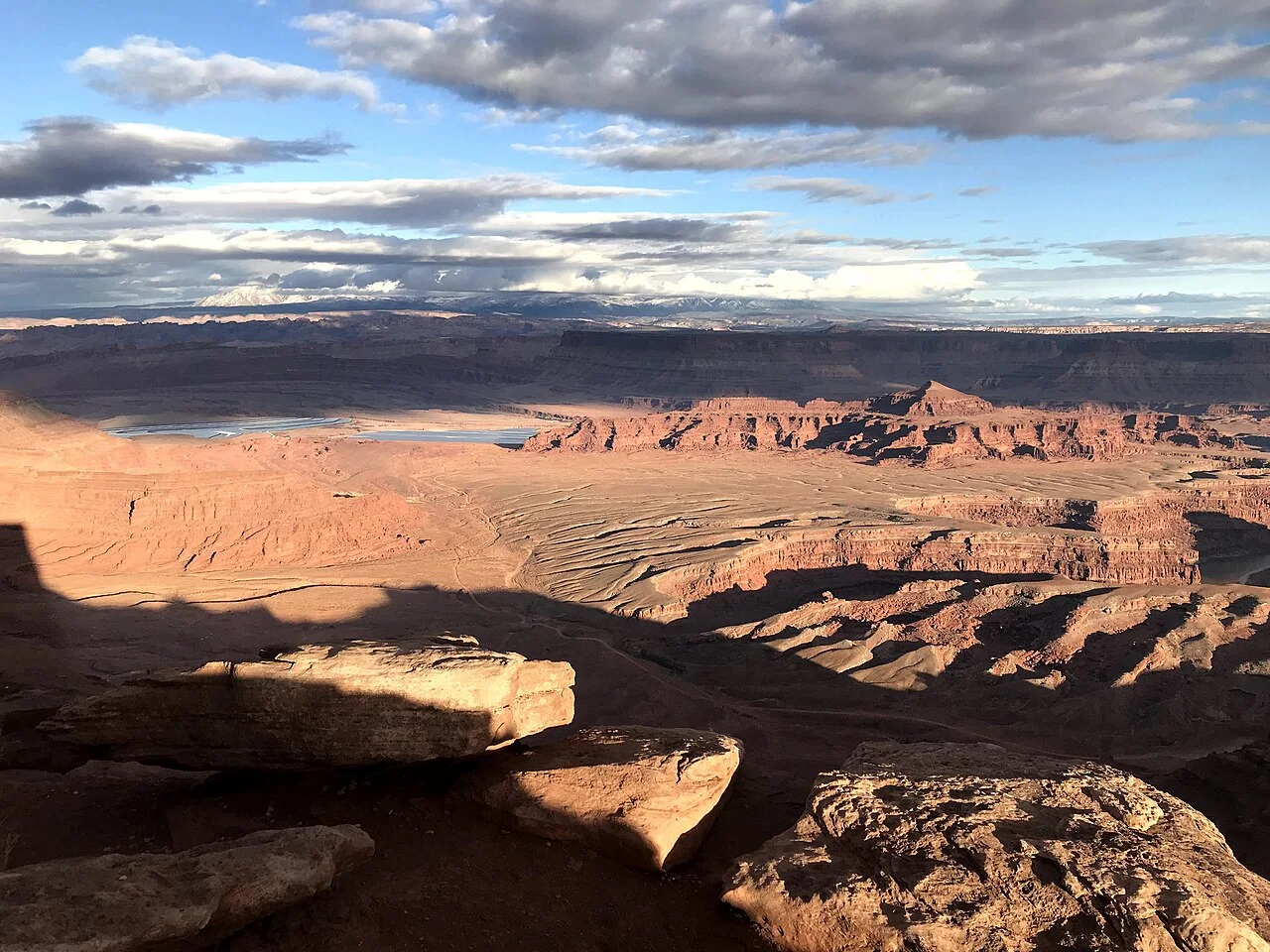
38. Combine a reserved Dead Horse Point stay with night-sky viewing
Location: Dead Horse Point State Park, Utah. Skills: Low effort near a lawful overnight base. Time to allow: One evening plus overnight. Season guidance: Spring and fall; summer heat and winter ice possible.
An overnight booking lets you enjoy changing light without an unnecessary late drive back from the plateau. Make the skywatch a quiet addition to the stay, not a reason to wander near a canyon edge after dark.
Book and plan: Reserve a campground or yurt separately. Confirm permitted night access and any ranger program with the park; do not assume day admission permits sleeping in a vehicle.
Entrance and separate costs: $20 private vehicle up to 8 people; no entry reservation required
Important risks: Remain well back from cliff edges, use a light for movement and expect temperatures to fall. Cloud and moon conditions determine visibility.
Official planning sources: Activity / park information · Additional official detail 1 · Park-area map. Last checked October 2, 2026.
39. Use an Okefenokee camping stay for a dark-sky evening
Location: Okefenokee State Park, Georgia. Skills: Low effort at a designated viewing area. Time to allow: One evening plus overnight. Season guidance: Cooler fall through spring; boating depends on water levels.
Pair a daytime swamp visit with time looking upward. This is an experience to schedule around weather and a lawful overnight stay rather than an event that is guaranteed to run.
Book and plan: The park identifies the Trading Post parking area for sky viewing rather than a formal observatory. Confirm the 10 p.m. gate and overnight access arrangements. Cottages were unavailable during construction at review.
Entrance and separate costs: $5 refuge vehicle entry fee
Important risks: Stay in open permitted areas, carry insect protection and avoid water edges in darkness. Do not confuse a dark-sky designation with supervised nighttime access everywhere.
Official planning sources: Activity / park information · Additional official detail 1 · Park-area map. Last checked October 2, 2026.
Cave experiences
40. Choose a Mammoth Cave tour that fits your mobility
Location: Mammoth Cave National Park, Kentucky. Skills: Tour-specific: easier to strenuous. Time to allow: Half day including check-in. Season guidance: Year-round, according to the published tour calendar.
The key choice is the tour, not simply the park. A shorter visit with appropriate stairs and standing time is more worthwhile than booking the longest route the group cannot comfortably finish.
Book and plan: Reserve through the official cave-tour system. Tours, age restrictions and accessibility differ, and the operating roster changes by season; read the exact tour description for your date.
Entrance and separate costs: Park entrance is free; each cave tour has its own ticket price.
Important risks: Expect dim light, uneven surfaces and confined passages where listed. Follow footwear and cave-protection rules and do not touch formations.
Official planning sources: Activity / park information · Additional official detail 1 · Park-area map. Last checked October 2, 2026.
41. Explore Carlsbad Caverns with a timed entry
Location: Carlsbad Caverns National Park, New Mexico. Skills: Route-specific; choose access method carefully. Time to allow: Half day. Season guidance: Year-round, subject to operations.
Make this a cave-focused day with enough margin for check-in and the return to the surface. The Big Room and the steep Natural Entrance approach are different physical commitments.
Book and plan: A timed-entry reservation is required in addition to admission. Review the self-guided route and elevator status before choosing how to enter; do not assume a reservation removes all waiting.
Entrance and separate costs: $15 admission for ages 16 and older; ages 15 and under free. Timed-entry reservation is a separate $1 per person.
Important risks: Use suitable footwear for slippery surfaces, follow posted route restrictions and protect cave formations. Ask staff about accessibility rather than assuming every cave path is step-free.
Official planning sources: Activity / park information · Additional official detail 1 · Park-area map. Last checked October 2, 2026.
42. Book a currently operating Lehman Caves tour
Location: Great Basin National Park, Nevada. Skills: Tour-specific; check stairs and confined spaces. Time to allow: Half day. Season guidance: Available tour dates, with winter access planning.
Choose the underground visit first, then build the rest of the park day around its start time. This is useful when a mountain road or weather window makes a longer outdoor route less attractive.
Book and plan: The official project page updated August 5, 2026 lists tours available again. Reservations can open 30 days ahead; compare the accessible, Lodge Room and Grand Palace offerings and check any intermittent closure.
Entrance and separate costs: No park entrance fee; a separate cave-tour ticket is required, with price shown for the selected tour.
Important risks: Read the selected tour’s physical requirements and follow cave-protection instructions. Availability of an accessible tour does not establish that every departure is accessible.
Official planning sources: Activity / park information · Additional official detail 1 · Park-area map. Last checked October 2, 2026.
Winter adventures
43. Join a scheduled Bryce Canyon ranger snowshoe walk
Location: Bryce Canyon National Park, Utah. Skills: Strenuous in snow; guided introduction. Time to allow: About 2 hours plus registration. Season guidance: Winter when snow depth, weather and staffing permit.
Snow transforms the contrast between forest and red rock, but the work of moving through it is part of the experience. A ranger outing is a sensible introduction for a group that meets its requirements.
Book and plan: The standard daytime program is for ages 8 and older, with same-day visitor-center signup when offered. Snowshoes and poles are provided; waterproof boots, winter clothing and water are required. Full-moon programs have different booking rules.
Entrance and separate costs: $35 private vehicle; $20 per adult entering on foot or bicycle. Standard daytime ranger snowshoe activity has no additional fee.
Important risks: Check the calendar rather than assuming daily departures. Altitude, cold and icy footing can be demanding even over the program’s roughly one-mile route.
Official planning sources: Activity / park information · Park-area map. Last checked October 2, 2026.
44. Choose a conservative Rocky Mountain snowshoe outing
Location: Rocky Mountain National Park, Colorado. Skills: Moderate to challenging; winter route skills. Time to allow: Half day. Season guidance: Winter with suitable snow and road access.
A short winter route can take longer than the same summer walk. Select an outing for the group’s cold-weather experience and leave a comfortable return margin before darkness.
Book and plan: Review NPS winter recreation information and seek ranger route advice or qualified guiding if you are new to winter travel. Snowshoeing itself does not require an activity reservation, but park entry rules and fees still apply.
Entrance and separate costs: $30 vehicle / $15 on foot or bicycle for one day; $35 vehicle / $20 individual for seven days.
Important risks: Avoid avalanche terrain without the necessary training, equipment and current forecast. Snowshoes do not eliminate ice, navigation problems or exposure below steep slopes.
Official planning sources: Activity / park information · Additional official detail 1 · Park-area map. Last checked October 2, 2026.
45. Cross-country ski suitable Acadia carriage roads
Location: Acadia National Park, Maine. Skills: Route-specific; skiing and winter skills. Time to allow: 2–4 hours. Season guidance: Winter only with adequate snow cover.
The carriage-road network offers a winter activity distinct from summer cycling. Choose a short, forgiving section while learning how snow, hills and daylight change your pace.
Book and plan: Grooming depends on a frozen base and sufficient snow, not the calendar. Check the official carriage-road conditions and carry the map; do not assume a rental, lesson or groomed track is available.
Entrance and separate costs: $35 private vehicle; $20 per adult entering on foot or bicycle. Equipment rental is separate.
Important risks: Keep foot and snowshoe traffic out of ski tracks. Icy descents demand control, and exposed stops need warm layers.
Official planning sources: Activity / park information · Additional official detail 1 · Park-area map. Last checked October 2, 2026.
46. Snowshoe a land route near Voyageurs’ Rainy Lake visitor center
Location: Voyageurs National Park, Minnesota. Skills: Introductory to moderate, route and snow dependent. Time to allow: Half day. Season guidance: Winter when land trails and visitor services are available.
A land-based snowshoe plan offers a way into the winter landscape without making a frozen-lake crossing the centerpiece. Choose a route and turnaround with current staff advice.
Book and plan: The park lists snowshoe and ski equipment at the Rainy Lake Visitor Center, subject to inventory and opening hours. Call before relying on a loan and check the weekly winter conditions.
Entrance and separate costs: No park entrance fee; confirm any current equipment arrangements directly.
Important risks: Never infer lake-ice safety from cold air or other visitors’ tracks. Stay on the planned land route, carry insulation and allow extra time in deep snow.
Official planning sources: Activity / park information · Park-area map. Last checked October 2, 2026.
Coastal adventures
47. Book an authorized Biscayne snorkeling excursion
Location: Biscayne National Park, Florida. Skills: Swimming ability and operator-specific requirements. Time to allow: Half to full day. Season guidance: Suitable marine forecast windows.
Choose this for an underwater experience rather than a beach day. The route and whether snorkeling operates at all depend on conditions, so select a trip with a cancellation plan you understand.
Book and plan: Use the park’s authorized tour list and ask about age, swimming ability, equipment, departure point and total price. Reef or shipwreck stops are trip-specific, not included in every boat tour.
Entrance and separate costs: No park entrance fee; authorized excursion and transport prices are separate.
Important risks: Follow guide and flotation instructions. Wind, current and thunderstorms can change the plan; never stand on coral or touch wildlife.
Official planning sources: Activity / park information · Additional official detail 1 · Park-area map. Last checked October 2, 2026.
48. Spend a shore-based nature day at Point Lobos
Location: Point Lobos State Natural Reserve, California. Skills: Easy to moderate; choose a maintained route. Time to allow: Half day. Season guidance: Spring or fall; marine fog can occur.
Choose coves and headland observation instead of treating the reserve as a place for unrestricted beach play. A short coastal outing leaves time to watch changing light and marine wildlife from land.
Book and plan: Arrive with a parking alternative; vehicles over 21 feet are restricted. Diving and snorkeling have separate reservation rules, so a day-use ticket is not permission for either.
Entrance and separate costs: $10 per vehicle
Important risks: Stay on designated paths and back from surf and cliff edges. Dogs are not allowed; use binoculars instead of approaching wildlife.
Official planning sources: Activity / park information · Additional official detail 1 · Park-area map. Last checked October 2, 2026.
49. Plan a beach-and-shore day at Bahia Honda
Location: Bahia Honda State Park, Florida. Skills: Low physical effort on land; swimming is conditional. Time to allow: Half to full day. Season guidance: Winter and spring; summer storms possible.
Make the beach the main destination and keep the schedule light. A shore-based visit can be worthwhile even when conditions or ability rule out going into the water.
Book and plan: Check beach conditions and facility notices before leaving the mainland. Campgrounds and any rentals or excursions require their own arrangements beyond entrance payment.
Entrance and separate costs: $8 per vehicle; occupancy categories differ
Important risks: Review flags and local water advice; supervise children closely and use an appropriate life jacket for boating. Do not assume calm-looking water is safe.
Official planning sources: Activity / park information · Additional official detail 1 · Additional official detail 2 · Park-area map. Last checked October 2, 2026.
50. Walk a permitted coastal section at Waiʻānapanapa
Location: Waiʻānapanapa State Park, Hawaiʻi — Maui. Skills: Moderate on uneven coastal surfaces. Time to allow: Half day. Season guidance: Year-round with suitable weather; rough surf can rule out water access.
Choose the coastal landscape as the reason to stop on the Hāna side of Maui. A planned time window and a short walk work better than arriving without an entry booking.
Book and plan: Nonresidents need advance entry and parking reservations; camping is separate, and cabins require at least seven days’ advance booking. Select the exact arrival slot that fits your road itinerary.
Entrance and separate costs: Nonresident $5/person age 4+ plus $10/vehicle; advance entry/parking booking
Important risks: Stay away from cliff edges, wave-washed rock and closed areas. Strong surf makes this a coastal-viewing recommendation, not an assurance of swimming suitability.
Official planning sources: Activity / park information · Additional official detail 1 · Park-area map. Last checked October 2, 2026.
Desert adventures: choose temperature before mileage
Hickman Bridge, Goblin Valley camping, Joshua Tree stargazing and a Petrified Forest drive offer very different levels of effort. In extreme heat, a nominally short trail can be the wrong choice. Carry water, use official heat and flash-flood advice, and do not enter a wash or canyon because a distant forecast looks clear. Camp only where allowed and check fire restrictions before planning a meal around an open flame.
Family outdoor adventures: keep the first outing manageable
For a mixed-age group, start with a short Cuyahoga Towpath ride, an Itasca camping base or a Badlands overlook day. Each still needs an age-appropriate plan. Choose an authorized guided river trip only after the operator confirms its age, ability and water-level requirements. A family booking category is not a promise that all children can participate.
Let the least confident participant set the turnaround. Schedule food, water and rest before the group is exhausted; keep a land-based alternative for water activities. Our family parks guide focuses on easy outings and verified amenities rather than high-adrenaline experiences.
Build a realistic outdoor weekend
- Choose one anchor activity. A guided tour, campsite booking or timed entry should shape the surrounding schedule.
- Read the exact booking terms. Confirm what is included, meeting time, age rules, transport, equipment and weather cancellation policy.
- Leave an alternate day or activity. Water, mountain and winter trips can be cancelled by conditions you cannot control.
- Check the return. A paddle shuttle, island boat, trail ascent or winter drive is part of the adventure, not an afterthought.
- Recheck official alerts. Use park and operator information shortly before travel and again at the trailhead, launch or visitor center.
For the driving portion, use our scenic U.S. road trips and weekend road-trip ideas. The travel packing checklist helps with general preparation; supplement it with the activity’s official equipment list.
Safety and low-impact travel
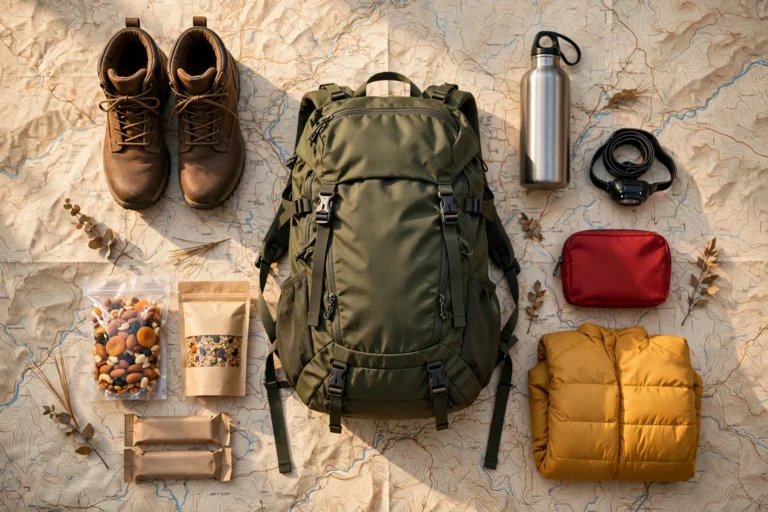
Carry route information, water, food, weather protection and a way to navigate without a signal. Tell someone where you are going and when you expect to return. Mountain routes can combine altitude, lightning and residual snow; coastal and river routes can combine cold water, current and sudden weather. Follow land-manager closures even if an old trip report describes the route as open.
Wear an appropriate life jacket for boating. Use professional guiding where your technical skills do not match the activity; this article is not instruction for whitewater, ocean rescue or avalanche travel. Watch wildlife from the park’s required distance, never feed animals and secure food according to local rules.
Stay on designated routes where required, pack out rubbish, avoid damaging wet trails and fragile desert surfaces, and leave plants, rocks, fossils and cultural objects in place. Follow local camping, pet and fire rules rather than assuming one park’s policy applies nationwide.
Outdoor adventure FAQs
What are good outdoor adventures for beginners?
Start with a short maintained walk, developed campground, selected paved cycle segment or scenic overlook outing. Choose the distance for the group and conditions. Introductory guided water trips can be options after an operator confirms suitability; “beginner” is not a universal river rating.
Do I need a national park pass for these activities?
Some parks charge entrance and some do not. A qualifying pass can cover standard federal entrance fees, but generally does not cover rafting, island transport, cave tours, camping, boat permits or timed-entry service charges. State-park fees are separate.
Should I book outdoor tours before arriving?
Yes for limited-capacity or logistically complex activities such as island kayaking, cave tours and guided rafting. Read the official land manager’s authorized-operator information and confirm cancellation terms. Some ranger programs use same-day signup instead, so follow the specific activity’s rules.
Which season is best for adventure travel in the USA?
There is no single best season. Snow-free mountain routes, cooler desert days, suitable river flow and adequate winter snow occur in different windows. Use the season column for a shortlist, then make the decision from current conditions.
Can I kayak or camp wherever a map shows water or open land?
No. Launches, permits, private land, ecological restrictions and designated campsites matter. Voyageurs’ interior-lake canoe rules and Grand Teton’s boat permits are examples of why the exact park policy must be checked.
Continue planning in Parks & Outdoors
- 50 best national parks in the USA — destinations, fees and trip planning.
- 50 best hiking trails in the USA — verified route lengths and difficulty.
- 50 best state parks in the USA — state-specific admission, camping and pet policies.
- 50 best outdoor adventures in the USA — choose an activity and the skills it requires.
- 50 best parks for families in the USA — manageable outings and child-focused planning.
Browse the Parks & Outdoors collection for related guides. Source checks in this article are dated October 2, 2026; descriptions and time estimates are DayZora editorial guidance.
October 2, 2026 clarification: Hunting Island’s bridge closure remains in effect until officials reopen it; it is not limited to the hours of high tide. Huntington Beach’s construction notice names the Nature Center Marsh Boardwalk, not a confirmed closure of the Nature Center building. Yellowstone’s 100-yard wildlife rule also includes cougars. Official Yellowstone safety rules.