Getting your national park packing list right is the difference between a trip you remember fondly and one you spend fixing preventable problems. National parks are uniquely demanding destinations: trailheads can sit an hour from the nearest store, weather can swing 40 degrees between a sunny valley floor and a snowy pass, cell service vanishes for days, and some parks require bear canisters, timed-entry reservations, or gear you’d never need on a city trip. This guide gives you a complete, field-tested packing list organized by category — clothing, gear, safety, food, tech, and documents — plus seasonal adjustments, a printable-style checklist, and the things experienced park travelers deliberately leave behind. Use it as your master list for any park, from Acadia to Zion.
The Golden Rules of Packing for National Parks
Before the list itself, five principles that govern everything on it:
- Layers beat bulk. A moisture-wicking base layer + insulating mid-layer + waterproof shell handles nearly any park weather and packs smaller than one heavy jacket. Parks like Rocky Mountain and Yosemite can swing from t-shirt to snow flurries in a single day.
- Pack for the trailhead, not the parking lot. The weather where you sleep is rarely the weather where you hike. Check forecasts for your specific trail elevations, not just the gateway town.
- Assume no services. Many parks have no gas, no groceries, and no cell signal inside their boundaries. Fuel up, shop, and download offline maps before you enter.
- Bring the “ten essentials,” always. The classic mountaineering list (navigation, sun protection, insulation, illumination, first aid, fire, repair kit, nutrition, hydration, emergency shelter) applies to a three-mile park trail as much as a backcountry expedition — most park rescues involve day hikers missing one of these.
- Leave No Trace starts in your bag. Reusable bottles, bags, and containers plus a dedicated trash bag mean you pack out everything you pack in. Many parks are now zero-waste-aspirational; single-use plastics are increasingly discouraged.
Clothing: The Layering System
Clothing is where most packing mistakes happen — usually too much cotton, too few layers, or footwear chosen for looks. Cotton kills comfort (and, in cold-wet conditions, can be genuinely dangerous) because it holds moisture against your skin. Build every park outfit from these layers:
| Layer | What to Pack | Why It Matters |
|---|---|---|
| Base layer | 2–3 moisture-wicking shirts (synthetic or merino wool); 2 pairs wool/synthetic hiking socks per day of hiking | Moves sweat off skin; prevents chafing and blisters |
| Mid layer | Fleece jacket or lightweight down/puffy jacket | Traps warmth; the single most versatile item you own |
| Shell | Waterproof (not just water-resistant) rain jacket; rain pants for wet parks | Blocks wind and rain; doubles as a windbreaker on exposed ridges |
| Bottoms | 2 pairs quick-dry hiking pants or shorts; 1 pair casual pants/leggings for evenings | Quick-dry fabrics handle stream crossings and surprise storms |
| Head/hands | Sun hat or cap, warm beanie, light gloves (even in summer for high-elevation parks) | Sun protection at altitude; warmth when temperatures drop 20° after sunset |
| Footwear | Broken-in hiking boots or trail shoes + camp sandals/flip-flops | Never break in boots on the trip; sandals let feet recover at camp |
| Sleep/camp | Warm socks, comfortable camp clothes | Desert and mountain parks get cold at night even in July |
Footwear: The Most Important Decision
For most park day hikes, sturdy trail runners or light hiking shoes suffice — full leather boots are overkill unless you’re carrying heavy packs or hiking in snow. Whatever you choose, break them in with at least 20 miles before the trip. Blisters end more park vacations than weather does. And always pack camp footwear: after 8 miles, slipping into sandals feels like a spa treatment.
Gear: Daypack Through Camp Kitchen
Day Hiking Gear (bring on every hike)
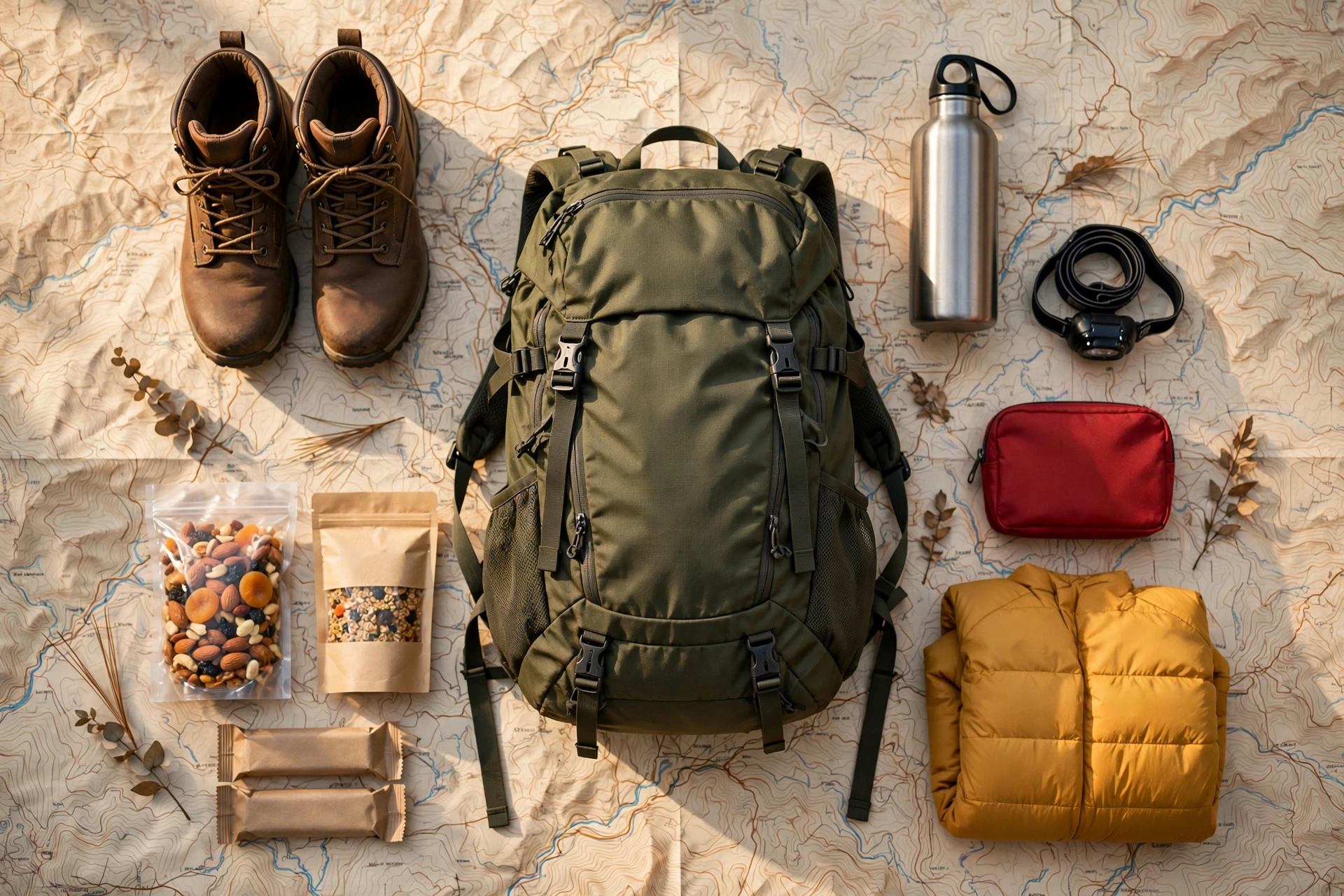
- Daypack (20–30L) with hip belt — carries water, layers, food, and the ten essentials comfortably
- Water system: 2–3L capacity via bottles and/or hydration reservoir; many parks have limited refill points
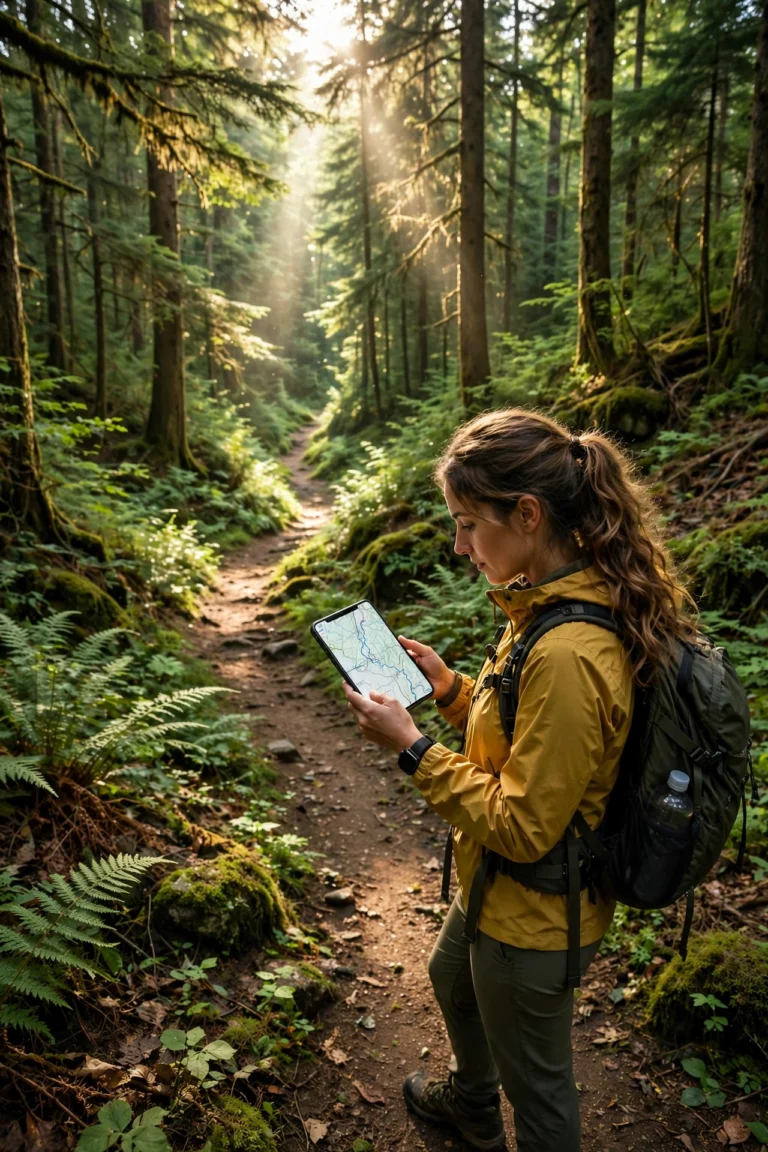
- Navigation: downloaded offline maps (AllTrails, Gaia GPS, or NPS app), plus a paper park map from the visitor center as backup
- Headlamp + extra batteries — even for day hikes; a wrong turn at 5 PM shouldn’t become an emergency
- Trekking poles — optional but transformative on steep descents (your knees will thank you at the Grand Canyon)
- First aid kit: blister treatment (moleskin), bandages, pain relievers, antihistamines, any personal medications, tweezers for ticks/cactus spines
- Sun protection: sunscreen, SPF lip balm, sunglasses — UV intensifies with altitude and reflects off water, snow, and light rock
- Knife or multi-tool, whistle, lighter/fire starter, small repair kit (duct tape strips, cord)
- Trash bag — pack out everything, including apple cores and peanut shells
Camping Gear (if you’re staying overnight in the park)
- Tent with footprint, sleeping bag rated 10–15°F below expected lows, sleeping pad (insulated for shoulder seasons)
- Camp stove + fuel, lighter, cookware, utensils, biodegradable soap — check fire restrictions; many western parks ban wood fires seasonally
- Cooler + food storage: hard-sided cooler for car camping; bear canister or bear bag where required (Yosemite, Olympic, parts of Yellowstone mandate canisters)
- Headlamp/lantern, camp chairs, quick-dry towel
- Water containers: large jug for camp + filtration (pump, gravity, or squeeze filter) if sourcing from streams
Wildlife-Safety Gear for Bear Country
Parks like Yellowstone, Glacier, and Denali require extra preparation: bear spray (carried on your hip or chest strap, not buried in your pack — and practice drawing it), knowledge of food-storage rules (never keep food or scented items in your tent), and making noise on blind trail corners. Bear spray is also smart in mountain lion country. Check each park’s NPS site for current wildlife advisories before you go.
Food and Water: Eating Well Off the Grid
Park dining options range from excellent lodges to absolutely nothing, so plan as if there’s nothing:
- Water: 3–4 liters per person per day for hiking in heat; more at altitude and in deserts. Know your refill points in advance — some desert parks (looking at you, Death Valley) have none on certain routes.
- Trail food: salty-sweet combos — trail mix, energy bars, jerky, dried fruit, peanut butter sandwiches. Eat 200–300 calories per hour on big hike days.
- Camp meals: plan simple one-pot dinners (pasta, chili, oatmeal breakfasts). Pre-chop and pre-measure at home to minimize camp hassle.
- Cooler strategy: freeze water bottles as ice packs (they become drinking water), keep the cooler in shade, and open it as rarely as possible.
- Leave No Trace: repackage food to minimize trash, never feed wildlife (a fed animal is often a dead animal), and store all scented items per park rules.
Tech, Photography, and Power
- Phone + portable charger (10,000mAh minimum): your camera, map, and emergency device in one — but cold and constant GPS drain batteries fast, so carry backup power
- Camera gear (optional): parks are among the most photographed places on Earth for good reason; a zoom lens transforms wildlife viewing, and a small tripod enables sunrise/sunset shots
- Binoculars: compact 8x32s are ideal for wildlife — wolves in Lamar Valley, condors over the Grand Canyon, and moose in the Tetons all reward glass
- Car charger / power inverter: recharge between trailheads
- Download before you go: offline maps, your park’s NPS app content, audiobooks/podcasts for long drives, and reservation confirmations as screenshots
Stargazing Bonus Kit
Many parks (Death Valley, Big Bend, Bryce Canyon, Arches) are certified Dark Sky Parks with some of the best stargazing on the planet. Add a red-light headlamp (preserves night vision), a star-chart app, and a warm layer — the best skies come with cold nights. If your trip includes a dedicated night-sky outing, our guide to the best national parks in the USA notes which parks hold official dark-sky status.
Documents, Reservations, and Money
- America the Beautiful Pass ($80/year) if visiting 3+ parks — it pays for itself fast and covers the pass holder plus passengers
- Reservation confirmations: timed-entry permits, campground bookings, tour tickets — saved as screenshots AND printed, since parks often lack signal at entrance stations
- ID, insurance cards, and an emergency contact card in your daypack
- Cash and cards: entrance stations, camp stores, and tip jars; some remote parks are cash-friendly and card-spotty
- Park-specific permits: backcountry permits, climbing permits, and commercial tour vouchers — requirements vary wildly by park, so check nps.gov for your specific destination
Seasonal Adjustments: What Changes and When
| Season | Add These | Watch Out For |
|---|---|---|
| Spring (Mar–May) | Waterproof everything, warm mid-layer, traction devices for icy trails | Mud season, lingering snow at elevation, swollen stream crossings, some roads/facilities still closed |
| Summer (Jun–Aug) | Extra water capacity, sun umbrella/shade, electrolyte mixes, insect repellent | Afternoon thunderstorms (especially Rockies/Southwest), extreme desert heat, peak crowds and timed-entry requirements |
| Fall (Sep–Nov) | Warmer sleeping bag, insulated jacket, headlamp (shorter days) | Early snowstorms at elevation, reduced services after Labor Day, but glorious foliage and thinner crowds |
| Winter (Dec–Feb) | Insulated boots, snowshoes or microspikes, expedition-weight layers, emergency bivy | Road closures, avalanche terrain, very short days — magical but demands real winter skills |
What NOT to Pack: Leave These Behind
- Cotton anything (jeans, cotton hoodies) for hiking — miserable when wet, slow to dry
- New boots — break-in blisters are the #1 trip-ruiner
- Single-use everything — parks increasingly discourage disposable plastics; reusables are lighter anyway
- Drones — banned in all national parks (launches, landings, and operation). Leave it home.
- Firewood from home — transporting firewood spreads invasive pests; buy it near the park (many parks require local or heat-treated wood)
- Your entire wardrobe — you’ll wear the same hiking outfit repeatedly; nobody cares, and laundry facilities exist in gateway towns
- Bear bells as your only deterrent — carry actual bear spray in bear country; bells are a supplement, not a solution
The Master Checklist (Copy-Paste Friendly)
Clothing: ☐ moisture-wicking shirts (2–3) ☐ hiking pants/shorts (2) ☐ fleece or puffy jacket ☐ waterproof rain jacket ☐ warm hat + sun hat ☐ gloves ☐ hiking socks (3+ pairs) ☐ broken-in boots/trail shoes ☐ camp sandals ☐ sleep clothes
Day-hike gear: ☐ daypack ☐ water (2–3L) + purification ☐ offline maps + paper map ☐ headlamp + batteries ☐ first aid kit ☐ sunscreen + lip balm + sunglasses ☐ knife/multi-tool ☐ whistle ☐ fire starter ☐ trash bag ☐ trekking poles
Camp gear: ☐ tent + footprint ☐ sleeping bag ☐ sleeping pad ☐ stove + fuel ☐ cookware + utensils ☐ cooler ☐ bear canister (where required) ☐ camp chairs ☐ lantern ☐ towel
Food/water: ☐ trail snacks ☐ camp meals planned ☐ water jugs ☐ biodegradable soap
Tech: ☐ phone ☐ portable charger ☐ car charger ☐ camera/binoculars (optional) ☐ offline downloads complete
Documents: ☐ park pass ☐ reservation screenshots + printouts ☐ ID/insurance ☐ cash + cards ☐ permits
Frequently Asked Questions
What is the most important item on a national park packing list?
Water capacity and navigation. More park emergencies stem from dehydration and getting lost than anything else — carry more water than you think you need and have offline maps plus a paper backup. Everything else optimizes comfort; these two protect safety.
How much water should I bring for a national park day hike?
Plan on 3–4 liters per person for a full day of hiking in warm weather, more in deserts and at altitude. Many parks have no water at trailheads, so research refill points before you go and carry purification as a backup.
Do I need bear spray in national parks?
In grizzly country (Yellowstone, Glacier, Grand Teton, Denali) — yes, absolutely, carried accessibly on your person. In black-bear-only parks, it’s still wise. Buy it near the park (it can’t fly in checked or carry-on luggage) and learn how to use it before you hit the trail.
Can I fly with camping gear to a national park?
Mostly yes, with exceptions: no fuel canisters, no bear spray, no camp-stove fuel in any luggage — buy those at your destination. Trekking poles must go in checked bags. Consider shipping bulky gear ahead or renting from gateway-town outfitters, which many parks’ gateway communities offer.
What should I pack differently for desert parks vs. mountain parks?
Desert parks (Zion, Arches, Death Valley): maximize water, sun protection, and electrolytes; prepare for 100°F+ days and surprisingly cold nights. Mountain parks (Rocky Mountain, Glacier, Rainier): prioritize insulation, rain gear, and traction — weather changes violently and snow is possible any month at high elevation.
Are drones allowed in national parks?
No. Launching, landing, or operating drones is prohibited in all national parks. Leave the drone at home and enjoy the views with your eyes — the restriction exists to protect wildlife and everyone’s wilderness experience.
How do timed-entry reservations affect what I pack?
They affect when, more than what: with a fixed entry window, you can’t dawdle at the hotel if you forgot something. Pack the car the night before, screenshot your reservation (no signal at many entrances), and arrive early in your window. Campers with campground reservations are typically exempt from separate timed entry — one more reason to book early via Recreation.gov the moment your dates open.
What’s the best luggage strategy for a national park road trip?
Use packing cubes and a dedicated “trailhead bin” — a tote that lives in the car with daypack, water, snacks, sunscreen, and layers, so every trailhead stop is grab-and-go. Keep camp gear separate and only unpack it at camp. This system prevents the daily full-car excavation that ruins road-trip mornings.
More Packing Questions, Answered
How should I pack for a national park trip with kids?
Add kid-specific layers (children lose heat faster), twice the snacks you think you need, a carrier or comfortable child backpack for toddlers on trails, entertainment for long drives, and a dedicated “kid kit” — wipes, changes of clothes, and familiar comfort items — that stays accessible in the car. Junior Ranger booklets (free at visitor centers) turn every park into a scavenger hunt and are worth their weight in gold for ages 5–12.
What kind of cooler works best for national park camping?
A rotomolded hard-sided cooler (Yeti-style) holds ice 3–5 days versus 1–2 for cheap models — critical when the nearest ice is an hour away. Pre-chill it overnight, freeze water bottles as ice packs, keep it in shade with a wet towel draped over it, and open it as rarely as possible. For bear country, remember coolers count as food storage and must go in bear boxes or locked vehicles, never in tents.
Do I need a portable power station for national park trips?
For most visitors, no — a 10,000–20,000mAh power bank plus a car charger covers phones and cameras for days. Power stations (large battery units) make sense only for extended off-grid camping with CPAP machines, camera-heavy photography trips, or powering camp lighting for a week. They’re heavy and expensive; rent one before buying.
How do I pack food to keep bears and critters away?
Use the park’s required method: bear boxes at the campsite, a certified bear canister in the backcountry, or the park’s designated storage lockers. Everything scented goes in — food, trash, toiletries, sunscreen, even the clothes you cooked in. Never store food in your tent or an unlocked car in bear country. When in doubt, ask the ranger at check-in; improper food storage is the most ticketed offense in bear-country parks.
What’s the best way to organize gear in the car for a park road trip?
Use the “trailhead bin” system: one tote with daypack, water, snacks, sunscreen, layers, and first aid that lives by the car door for grab-and-go trailhead stops. Keep camp gear packed separately and only unpack it at camp. Packing cubes inside duffels prevent the daily excavation, and a rooftop cargo box frees critical interior space on multi-park trips.
Should I bring a paper map if I have GPS apps?
Yes — always. Phones die, apps crash, and GPS signals drop in deep canyons (the Grand Canyon and Zion’s Narrows are notorious). The free paper map from the visitor center weighs nothing, never runs out of battery, and shows the big picture that a phone screen can’t. Navigation redundancy is the cheapest insurance in outdoor travel.
How do I handle laundry on a week-long national park trip?
Pack for 4–5 days and do laundry once mid-trip — most gateway towns have laundromats, and many park lodges and larger campgrounds offer facilities. Quick-dry synthetic and merino layers can be sink-washed and dried overnight in a pinch. This strategy cuts your clothing volume nearly in half versus packing a fresh outfit per day.