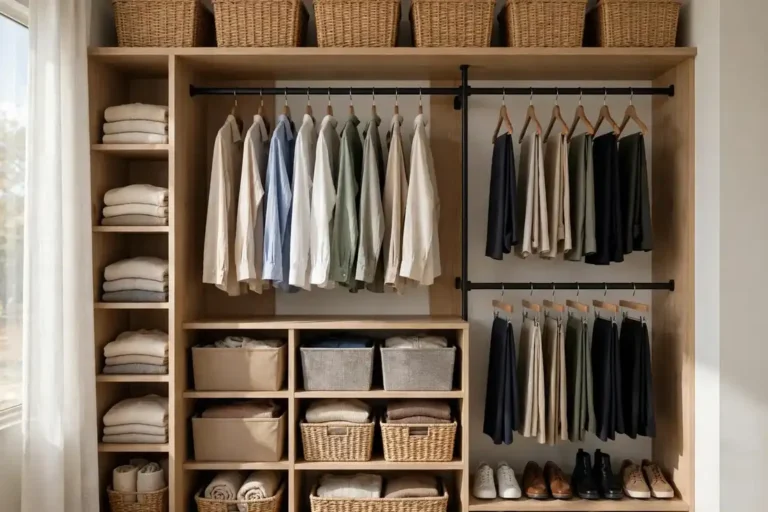
Clutter has a way of creeping up on the studio apartment so gradually that you stop seeing it. The junk drawer becomes two junk drawers. The counter that was supposed to stay clear collects mail, chargers, and things that belong in other rooms. Then one day you look around and the studio apartment feels smaller, darker, and harder to use than it should. If that sounds familiar, this studio apartment decluttering checklist is for you.
Decluttering a typical 300 to 550 square foot studio is not about achieving a magazine cover or throwing everything away. It is about making deliberate decisions so that one open room that serves as the entire home works for your life instead of against it. Studio Apartment spaces fail for predictable reasons: zero separation between functions, everything visible at once, and storage that competes with living space. A good checklist attacks those failure points in order, zone by zone, so you finish with a space that is easier to clean, easier to use, and calmer to be in.
This guide gives you a complete, printable-style checklist for the studio apartment, the sorting method professionals use, realistic timelines for each zone, and the maintenance habits that keep clutter from coming back. Work through it in a single weekend or one zone per evening. Either way, follow the order below and do not skip the sorting step. That is where the lasting change happens.
Why the Studio Apartment Gets Cluttered in the First Place
Clutter is rarely a character flaw. In the studio apartment, it is almost always a systems problem. When the sleeping zone, the living zone, the kitchen zone, and the bath entry, and none of those zones has a clear home for the small stuff of daily life, objects land wherever your hands happen to be. The flat surfaces become the storage system, which is another way of saying there is no storage system.
The second driver is delayed decisions. Every item sitting out in the studio apartment represents a decision you postponed: mail you have not opened, a gadget you might fix someday, clothes that almost fit. A studio is a single open room, which means visual calm is not a luxury but a necessity: clutter anywhere reads as clutter everywhere. That is why decluttering works best as a decision-making exercise, not a cleaning exercise. You are not tidying. You are deciding, item by item, what earns space in the studio apartment.
The third driver is inflow without outflow. New things arrive constantly: packages, freebies, hand-me-downs, impulse buys. If nothing leaves, the studio apartment fills up by simple arithmetic. The maintenance section at the end of this guide fixes that with a one-in-one-out rule tuned to the studio apartment, but first you need the big reset below.
Before You Start: Set Up the 4-Box Method
Professional organizers use a version of this method on nearly every job because it forces decisions. Get four large boxes or bags and label them: Keep, Donate/Sell, Trash/Recycle, and Relocate (things that belong in a different room). Add a fifth small box for items that need action, like batteries to recycle or a lamp that needs a new bulb. Work one zone at a time and touch every item once. Pick it up, decide, drop it in a box, move on.
Set a timer. Ninety-minute sessions with a fifteen-minute break beat exhausted six-hour marathons, because decision fatigue is real and it makes you keep things out of guilt rather than usefulness. Put on music or a podcast, open a window, and keep a trash bag within arm’s reach so discards never pile up on the floor. Photograph anything sentimental before letting it go; the memory is the point, not the object.
One rule that prevents the most common failure: do not start a second zone until the first zone’s four boxes are fully processed. Half-sorted piles are how decluttering projects stall for months. Finish the zone, take donations to the car immediately, and put relocated items in their actual rooms before you continue.
| Zone | What to tackle | Realistic time |
|---|---|---|
| Flat surfaces | Clear, wipe, and curate every counter, shelf, and sill | 45-60 min |
| Trash sweep | Expired, broken, and mystery items bagged for disposal | 20-30 min |
| Paper and mail | Sort into act, file, shred; recycle the rest | 30-45 min |
| Catch-all drawer/spot | Empty fully, clean, rebuild with dividers | 30 min |
| Zone deep pass | One functional zone at a time: empty, clean, return | 60-90 min per zone |
| Under and behind | Pull out furniture and appliances; clean hidden areas | 30-45 min |
| Textiles and consumables | Check dates and condition; recycle or replace | 20-30 min |
| Box processing | Donations to car, trash out, relocates re-homed | 30-45 min |
The Complete Studio Apartment Decluttering Checklist
Work through these zones in order. Check each line as you go, and be honest: if you have not used it, worn it, or needed it in the last twelve months, it is a candidate for the donate box.
- All flat surfaces first. Clear every counter, table, shelf, and sill in the studio apartment completely. Wipe each surface before putting anything back. Only return items that are used daily or genuinely decorative.
- The obvious trash sweep. Expired items, broken items, dried-out pens, dead batteries, lone socks, mystery cables for devices you no longer own, and anything sticky, stained, or missing parts. Bag it now.
- Duplicates. Most studio apartments accumulate multiples: scissors, tape measures, chargers, water bottles, tote bags. Keep the best one or two and donate the rest.
- Paper and mail. Sort into act, file, and shred. Anything older than a tax season that is not a vital record gets shredded or recycled.
- The dreaded junk drawer or catch-all spot. Empty it entirely, clean it, and rebuild it with dividers. If it fills again within a month, the category is too broad.
- Zone by zone deep pass. Take the sleeping zone, the living zone, the kitchen zone, and the bath entry one at a time. In each, remove everything, clean the empty space, and return only what belongs and is used.
- Under and behind. Pull out furniture and appliances where you safely can. The dust, lost items, and forgotten clutter hiding there tell you how long it has been.
- Textiles and soft goods. Stained, torn, or never-used linens, towels, and fabrics go to textile recycling or the trash. Keep a realistic number, not a hopeful one.
- Expired consumables. Medicines, sunscreen, batteries, and cleaning products all expire. Check dates and dispose of them properly.
- The sentimental corner. Do this last, when your decision muscles are warmed up. Keep the best representatives of a memory, not every artifact.
When every zone is done, process the boxes the same day. Donations go to the car and then to the drop-off within 48 hours. Trash goes out. Relocated items go to their rooms. An unprocessed donate box sitting in the hallway for three weeks is just clutter with better branding.
What to Keep, Donate, Toss, or Relocate
The keep pile deserves a standard. Ask three questions: Do I use it regularly? Would I buy it again today? Does it work properly and have a home? Two yeses keeps it. Anything else moves on. For the studio apartment, apply the container concept: the space is the limit. Choose how much shelf, drawer, or bin space a category gets, and the container decides what stays. When the container is full, something must go before anything new comes in.
Donate items that are clean, working, and complete. Charities and thrift stores generally accept household goods, decor, textiles, and small furniture in good condition. Sell higher-value items locally if the effort-to-return math works; a good rule is that listing, meeting buyers, and haggling should take less than an hour per item, or the donation receipt is the better deal. Recycle electronics, batteries, paint, and chemicals through your municipality’s programs rather than the trash.
The relocate box is the secret weapon for the studio apartment because so much of its clutter wandered in from elsewhere. Tools belong in the toolbox, not the studio apartment. Return them at the end of the session. If you notice the same categories always migrating back, that is a signal the other room needs its own storage fix.

The 15-Minute Daily Reset That Prevents Relapse
A decluttered studio apartment stays decluttered through a short daily reset, not heroic monthly purges. Set a timer for fifteen minutes each evening and do three passes: trash and recycling first, then dishes or laundry-stage items to their next step, then everything else back to its home. Involve the whole household and make it a race; two people can reset a typical 300 to 550 square foot studio in under ten minutes once the systems exist.
Pair the reset with an existing habit so it sticks. Right after dinner, before the evening show, or while coffee brews in the morning. The anchor matters more than the exact time. Miss a day and the next reset takes twenty minutes instead of fifteen. Miss a week and you are back to a weekend project. The math strongly favors daily.
Once a month, do a ten-minute audit of the usual hot spots: the entry surface, the top of the dresser or counter, and whatever drawer collects strays. Pull anything that does not belong, re-home it, and ask why it drifted. Recurring drift means the home you assigned was inconvenient, so move the home closer to where the item actually lands.
Keeping the Studio Apartment Clutter-Free for Good
Long-term calm comes from controlling inflow. Adopt one-in-one-out for the studio apartment: a new throw pillow means an old one leaves; a new gadget means its predecessor is donated. Apply a 48-hour pause to non-essential purchases for the space. Most urges fade, and the ones that survive are usually worth it.
Schedule seasonal mini-declutters tied to dates you will remember: the start of each season, or daylight saving time changes. Thirty focused minutes per season keeps the studio apartment from ever needing another full weekend reset. Keep a small ongoing donation bag in a closet so letting go is frictionless; when it is full, it goes to the car.
Finally, protect the flat surfaces. They are the early warning system. The day the counter or coffee table starts collecting strays again, do a five-minute sweep that night. Clutter is easiest to beat when it is small, and the studio apartment will thank you by staying the calm, functional space you just created.
Watch and Learn: WEEKLY APARTMENT RESET | deep cleaning, decluttering, organizing & reset routine
Sometimes it helps to watch someone work through the process before you start your own. This video walks through a practical room-by-room decluttering session with the same sorting method described above, so you can see the pace, the decisions, and the finished result.
If the video does not load above, you can watch it directly on YouTube here: WEEKLY APARTMENT RESET | deep cleaning, decluttering, organizing & reset routine.
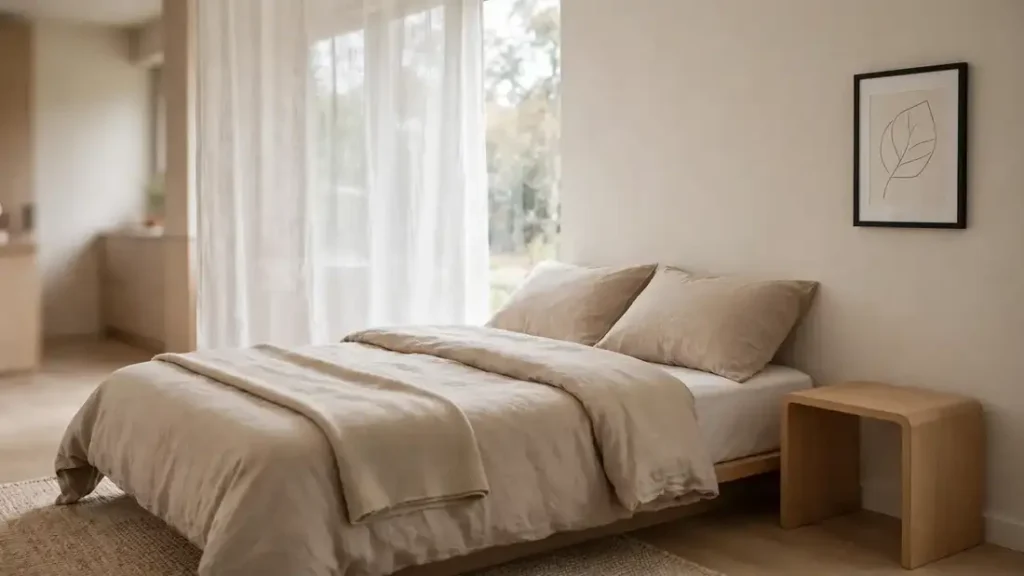
The Psychology of Clutter: Why We Keep Things We Don’t Need
Most decluttering advice treats clutter as a storage problem. It is usually an emotion problem wearing a storage costume. The studio apartment fills up not because you lack bins but because every object carries a story: the gadget bought with January optimism, the gift from someone you love, the just-in-case items insuring against a future that never arrives. Understanding which emotion is holding each object makes letting go dramatically easier, because you can address the feeling instead of arguing with the thing.
Start by naming the four keepers of clutter. The first is sunk-cost attachment: “I paid good money for this.” The money is gone whether the object stays or goes; keeping it just charges you rent in the form of the studio apartment space and daily visual noise. The second is identity clutter: the bread maker for the baker you intended to become, the craft supplies for a hobby that lasted a weekend. Thank the aspiration, release the props. The third is guilt clutter, almost always gifts. The gift did its job the moment it was given; the relationship lives in the giver, not the object. The fourth is fear clutter: the just-in-case items. Apply the 20/20 rule, if you can replace it for under $20 in under 20 minutes, let it go.
Then notice the specific psychology of the studio apartment. zero separation between functions, everything visible at once, and storage that competes with living space does not happen by accident; it happens because the studio apartment is where good intentions land. Groceries bought for aspirational cooking, gadgets for aspirational routines, duplicates bought because the first one was buried. Walk through with a notebook and write the emotion next to each cluster of clutter before touching anything. You will see patterns: the guilt shelf, the fear drawer, the aspiration corner. Patterns are easier to break than individual attachments because one decision covers the whole category.
Use decision rules that bypass emotion at the moment of choice. The 90-day test works for most studio apartment items: if you have not used it in 90 days and cannot name a specific upcoming use, it goes. For sentimental items, the photo ritual genuinely helps: photograph the object, write one sentence about the memory, and let the physical item go. The memory was never in the object; it was in you all along. Limit keepsakes to one defined container; the container is the boundary that makes the decision possible.
Finally, expect the process to stir feelings and plan for it. Decluttering sessions go sideways when people push through emotional fatigue into bad decisions, either purging things they regret or keeping everything out of exhaustion. Work in 45-minute blocks with real breaks. Keep water nearby. And notice the lightness afterward: people consistently report that the emotional relief of a decluttered studio apartment outweighs the brief discomfort of the decisions. That feeling is the real payoff, and it is why the psychology matters more than the bins.
Decluttering With Other People: Partners, Kids, and Roommates
Decluttering your own things is psychology. Decluttering shared spaces is diplomacy. The studio apartment belongs to everyone who uses it, which means one person’s ruthless purge is another person’s loss. The households that declutter successfully follow a simple rule: you have absolute authority over your own belongings, veto power over shared items, and zero authority over anyone else’s personal things. Violating this rule creates conflict that poisons the whole project.
Start with a household meeting, not a surprise purge. Agree on the goal in concrete terms: “counters clear enough to cook comfortably” beats “less clutter.” Agree on the categories each person will handle and a timeline. People cooperate with plans they helped make and resist plans imposed on them; ten minutes of alignment prevents hours of argument. Put the shared vision somewhere visible, a photo of the target state or three adjectives describing how the studio apartment should feel.
For partners with different clutter tolerance, negotiate zones rather than standards. The person who needs visual calm gets authority over the visible surfaces; the person attached to their collections gets a defined display area with real boundaries. the sleeping zone, the living zone, the kitchen zone, and the bath entry can be divided by ownership: each person maintains their primary zone to the shared standard. The standard itself should be negotiated explicitly, “dishes done nightly” is enforceable; “tidier” is not.
Kids need a different approach: limited choices, not open-ended decisions. “Keep your ten favorite toys; the rest we donate to kids who need them” works. “Clean your room” does not. Sort with them, not for them, and respect their attachments even when they baffle you; the goal is teaching decision skills, not achieving your aesthetic. Give each child one defined personal space that is theirs to manage, and enforce only the shared-space standard elsewhere. The donate-together trip teaches generosity and makes the outflow feel good rather than punitive.
For roommates, put it in writing: shared studio apartment areas stay clear, personal items stay in personal spaces, and there is a monthly 20-minute shared reset. Unspoken expectations are where roommate clutter wars start. The written agreement feels formal for a week and then becomes invisible background that prevents 90 percent of friction. And when someone backslides, address the specific behavior against the agreement, not the person’s character. Systems beat nagging in every household configuration.
Getting It Out: Selling, Donating, and Disposing Without the Pile Migrating
The number one way decluttering fails is the exit pile that never exits. Bags of donations sit in the hallway for a month, the “sell” box becomes furniture, and the purged items slowly migrate back into the studio apartment. The declutter is not done when you decide; it is done when the items leave the property. Plan the outflow with the same seriousness as the sort.
Set a 48-hour rule: donations leave within 48 hours of bagging. Put the charity drop-off on the calendar before you start decluttering, not after. Most donation centers accept drive-through drop-offs; the friction is almost entirely in your head. For items worth selling, apply the value test ruthlessly: only list items realistically worth $25 or more after fees, and give every listing a 2-week deadline. Whatever does not sell in two weeks gets donated immediately. The endless “sell” box is how decluttering goes to die.
Know your disposal channels in advance. Textiles too worn to donate go to textile recycling, many charities accept them separately from wearable donations. Electronics go to e-waste collection, never the trash. Hazardous studio apartment items, old cleaners, batteries, CFL bulbs, go to household hazardous waste days. Large items can go to donation pickup services that collect from your door; scheduling the pickup creates the deadline that forces completion. One sorted trip handling each channel beats five confused trips.
For the studio apartment specifically, batch the outflow by category. The pantry purge goes to the food bank the same day. The gadget and duplicate pile goes to donation or resale together. Broken items go straight to trash or recycling without a holding period; the “maybe I can fix it” box is just clutter with a story. A studio is a single open room, which means visual calm is not a luxury but a necessity: clutter anywhere reads as clutter everywhere. The studio apartment accumulates disposables faster than any room, so build a permanent outflow habit: a donation bag that lives in a closet and leaves whenever full, no decluttering event required.
Finally, close the loop financially and emotionally. If you sold items, put the money visibly toward something the decluttered studio apartment needs; it reinforces the behavior. If you donated, notice the space and calm you bought with those bags. And photograph the cleared areas. Those photos become the standard the household maintains and the motivation for the next round, because there is always a next round, and that is fine. Decluttering is hygiene, not surgery.
Making It Work in Your Studio Apartment
Everything above applies generally; this is how it lands in a typical 300 to 550 square foot studio. The defining reality of the studio apartment is zero separation between functions, everything visible at once, and storage that competes with living space, and that single fact should filter every decision in this guide. Where the generic advice says “choose what you love,” the studio apartment version says “choose what you love that also survives zero separation between functions.” The room’s constraints are not the enemy of the design; they are the design brief.
Walk the zones with the guide in hand: the sleeping zone, the living zone, the kitchen zone, and the bath entry. Each zone gets its own pass because each fails differently. The zone you use most deserves the best execution and the largest share of the budget; the zones that underperform get the diagnostic eye first. Studio Apartment improvements should be sequenced by daily impact, not by what photographs well. Fix the zone that annoys you every morning before styling the zone guests see twice a year.
Account for one open room that serves as the entire home. This determines durability specifications, maintenance cadence, and how much wear the finishes must tolerate. A choice that works in a low-traffic room fails here within a year; specify accordingly and the results last. It also determines the maintenance routine: the harder-working the space, the more the upkeep must be habitual rather than occasional. Build the 15-minute weekly reset into the household rhythm from day one.
A studio is a single open room, which means visual calm is not a luxury but a necessity: clutter anywhere reads as clutter everywhere. Let that constraint guide material and method choices at every step. And measure everything twice: a typical 300 to 550 square foot studio leaves no room for approximate furniture or guessed clearances. The tape measure is the most important tool in this entire guide for your studio apartment.
Start this weekend with the single highest-impact move for your studio apartment: the one change from this guide that addresses your biggest daily annoyance. Execute it well, live with it for two weeks, then return for the next. The studio apartment transforms not through one heroic project but through sequenced good decisions, each one informed by living in the room. That is how generic advice becomes your specific, working studio apartment.
Your 30-Day Studio Apartment Action Plan
Reading about decluttering checklist is the easy part; the transformation happens in the doing. This 30-day plan turns the guide above into scheduled reality for a typical 300 to 550 square foot studio. It assumes a busy household and a realistic pace: small consistent sessions beat heroic weekends that never happen.
Days 1-7: Assess and decide. Walk your studio apartment with a notebook and complete the diagnostic from this guide: why the studio apartment gets cluttered in the first place and note what you find. Photograph everything, measure the key dimensions, and write the one-sentence scope: what this project will and will not include. Order or gather the supplies for week two. The decisions made this week determine the project’s success; do not rush them. Share the plan with the household so everyone knows what is coming.
Days 8-14: The main work. Execute the core of the project following the guide’s sequence: before you start: set up the 4-box method. Work in focused 90-minute sessions rather than exhausted marathons; quality survives the week when energy is managed. A studio is a single open room, which means visual calm is not a luxury but a necessity: clutter anywhere reads as clutter everywhere. Complete the messiest tasks first so the rest of the month is finishing, not demolition.
Days 15-21: Details and layering. This is the week that separates the good from the great: the complete studio apartment decluttering checklist. Step back frequently and view the studio apartment from its main viewpoints; the camera check reveals what tired eyes miss. Fix the small things now while the supplies are out and the motivation is warm. Add the styling layer that makes the functional work feel finished.
Days 22-30: Settle and systematize. Live with the result for a full week before judging it; new arrangements need a shakedown period. Note what works and what annoys, then make the final adjustments. Photograph the finished studio apartment for your records and as the maintenance standard. Finally, install the upkeep routine: the weekly reset, the seasonal check, the container limits. The project ends when the maintenance begins; the 30-day plan delivers a result designed to last, not a reveal designed to fade.
How to Know It’s Working
How do you judge whether the work paid off? Not by a single after photo, but by how the studio apartment performs over the following months. Here are the honest success metrics for this project.
The daily-friction test. The clearest signal: the annoyances that prompted this project should be gone on ordinary days, not just in the reveal photos. zero separation between functions, everything visible at once, and storage that competes with living space was the complaint; two months later, ask whether the specific frictions dissolved. If the studio apartment still fights you at the same points, the project addressed symptoms rather than causes, and a targeted second pass is warranted. Success is boring: the room simply works.
The maintenance test. A result that requires heroic upkeep to sustain was designed for the photoshoot, not the household. The systems from this guide should hold with the small routines described: the weekly reset, the container limits, the seasonal checks. If maintaining the result feels like a second job, simplify: fewer objects, broader categories, more forgiving materials. The sustainable version of the result beats the perfect version that collapses.
The guest test and the photo test. Guests notice the feeling before the details; if visitors comment on how good the studio apartment feels, the transformation landed. The photo test is harsher and more useful: photograph the room monthly from the same angles. The photos reveal drift, clutter re-accumulation, and the slow fade that daily familiarity hides. Compare month three against the finished photos; the gap is your maintenance report card.
When to iterate. Plan a 90-day review: what worked, what did not, what the room taught you. Most projects need one round of adjustments; that is not failure but the design process working. one open room that serves as the entire home, so the studio apartment will teach you quickly what the plan got right. Iterate once, decisively, then let the room settle. The goal was never perfection on day 30; it is a studio apartment that keeps working on day 300.
Keep Reading
- How To Declutter Your Home
- Jewelry Organization Tips
- Seasonal Decor Ideas For Every Room
- Diy Birthday Decorations
Frequently Asked Questions
How long does it take to declutter the studio apartment?
For a typical 300 to 550 square foot studio, plan one focused weekend or four to five weeknight sessions of about ninety minutes each. The flat surfaces and trash sweep go fast; the zone-by-zone deep pass is where most of the time goes. Do not rush the sorting decisions, because a hurried purge usually means rebuying things later.
What should I do first when decluttering the studio apartment?
Start with flat surfaces. Clearing counters, tables, and shelves first gives you an immediate visual win and creates workspace for sorting the harder zones. It also reveals how much of the clutter is homeless items from other rooms, which the relocate box handles.
How do I decide what to get rid of?
Use the twelve-month rule for most things, the container concept for categories, and the would-I-buy-it-again test for the rest. Sentimental items get decided last, when your decision muscles are warm. Photograph anything you are keeping for the memory rather than the use.
What if my family keeps re-cluttering the studio apartment?
Make the right behavior the easy behavior. Every category needs a labeled home within arm’s reach of where the item is used. Add a landing spot near the entry for daily items, run the fifteen-minute evening reset together, and agree on the one-in-one-out rule so inflow stays matched to outflow.
Should I buy organizing products before I declutter?
No. Declutter first, then measure the spaces and categories that remain, then buy only what fits. Buying bins beforehand is one of the most common mistakes; you end up organizing clutter instead of removing it, and the bins themselves become clutter.
How often should I declutter the studio apartment?
Do the full checklist once, then maintain with the fifteen-minute daily reset and a thirty-minute seasonal mini-declutter. That rhythm keeps the studio apartment at its reset state indefinitely without ever needing another marathon weekend.
The Bottom Line
A decluttered studio apartment is not a perfect studio apartment; it is a studio apartment where everything left has a reason and a home. Work the checklist zone by zone, process your boxes the same day, and protect your win with the fifteen-minute reset. a typical 300 to 550 square foot studio can go from overwhelming to calm in a single focused weekend, and the maintenance is measured in minutes, not hours.
Start today with the flat surfaces. That one small win creates the momentum and the workspace for everything that follows, and by this time next week one open room that serves as the entire home can feel completely different.