


Free Things to Do in Baton Rouge: 14 Ways to Enjoy Louisiana’s Capital for $0
Baton Rouge — “Red Stick” — is Louisiana’s capital, and its free experiences are steeped in political drama: the tallest state capitol in America (where Huey Long was assassinated), a castle-like Old State Capitol that is free to enter, and LSU’s live tiger mascot. The Mississippi River city rewards the budget explorer with history, nature, and genuine Cajun-Creole culture.
This guide rounds up 14 genuinely free things to do in Baton Rouge, from the Capitol’s observation deck to the farmers market. Whether you are a local looking for a free Saturday or an I-10 traveler with a day to spare, here is how to do Baton Rouge for $0.
Baton Rouge is car-dependent, but the downtown free experiences cluster walkably — the Capitol complex, the riverfront, and the Old State Capitol form a compact triangle. Everything below is free unless noted.
How We Chose These Free Baton Rouge Experiences
Every entry is free — no admission, no purchase required. We balanced the political (the two capitols), the collegiate (LSU, Mike the Tiger), the natural (the river, the parks, the arboretum), and the cultural (murals, markets, free concerts) — plus local secrets. Prices below are $0 unless noted.
1. Tour the Louisiana State Capitol (Free)
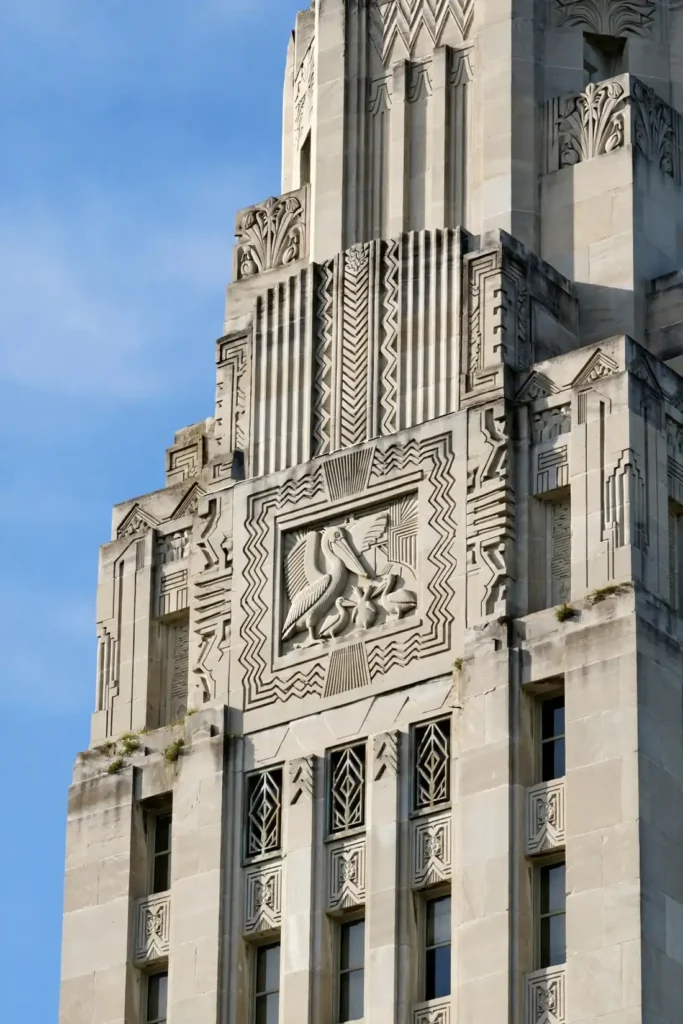
The Louisiana State Capitol — 450 feet tall, the nation’s tallest state capitol — offers free admission and a free observation deck with 27th-floor views. The 1932 Art Deco tower, Huey Long’s monument to himself, is one of America’s most dramatic government buildings.
The free observation deck delivers panoramic views of the Mississippi, downtown, and LSU; the building’s marble halls, the House and Senate chambers, and the Memorial Hall’s bronze reliefs add grandeur. The grounds hold Huey Long’s grave (he was assassinated in the corridor in 1935) and the Old Arsenal Museum’s exterior.
Guided tours (free) cover the building’s history and Long’s legend; self-guided exploration is also free. The Capitol at sunset — the tower glowing, the river beyond — is the essential Baton Rouge photo. Free entry, free views, free drama. For more essential landmarks, see our famous landmarks of the USA guide.
2. Explore the Old State Capitol (Free)
The Old State Capitol — the 1849 Gothic Revival “castle on the Mississippi” — is free and spectacular. The castle-like building, with its stunning stained-glass dome and spiral staircase, houses free exhibits on Louisiana’s political history (including the Huey Long era).
The building’s architecture — described by Mark Twain as a “little sham castle” — is worth the visit alone; the exhibits add the story. The grounds’ live oaks and the river views complete the experience.
It is a 60–90 minute free stop that delivers genuine beauty — the stained-glass dome at midday is transcendent. The Old State Capitol anchors the downtown historic district; combine with the riverfront (#4) for a full free morning. Free entry, free exhibits, free castle.
3. Visit LSU and Mike the Tiger (Free)
Louisiana State University’s 1,000-acre campus is free to explore, and its star attraction — Mike the Tiger, the live Bengal-Siberian tiger mascot — lives in a $3.7 million habitat that is free to visit. Mike VII’s 15,000-square-foot enclosure (with its waterfall, stream, and oak trees) is one of America’s best animal habitats.
The campus itself is beautiful: the live oaks (some 200 years old), the 1920s Italian Renaissance architecture, the Parade Ground, and the LSU Museum of Natural Science’s free exhibits. On football Saturdays, the campus becomes a free spectacle (the tailgating, the band, the energy — the game is ticketed, the atmosphere is free).
Come in the morning for Mike’s most active hours; the habitat’s viewing areas are free and uncrowded on weekdays. The campus’s oak-shaded walks are lovely year-round. Free campus, free tiger, free collegiate Gothic. For more campus beauty, see our 50 best free attractions in the USA.
4. Walk the Mississippi Riverfront and Levee
Baton Rouge’s riverfront — the levee-top promenade and the downtown riverfront parks — is completely free. The walk from the Old State Capitol to the USS Kidd (the ship is ticketed, the riverfront is free) offers Mighty Mississippi views, the city skyline, and the working river’s barges and bridges.
The levee’s paved path extends for miles in both directions — perfect for walking, running, and biking. The riverfront’s public art, the fountains, and the sunset views over the water make it the city’s great free promenade.
Come at sunset for the golden light on the river, or in the morning for the mist. The riverfront’s free concerts (seasonal) add music. The Mississippi at Baton Rouge is wide, powerful, and free to admire. For more river walks, see our best hiking trails in the USA.
5. Browse the Red Stick Farmers Market
The Red Stick Farmers Market — Saturdays downtown, Thursdays at the Main Street Market — is free to enter and Louisiana’s bounty on display: Creole tomatoes (June), satsumas, crawfish (season), Gulf shrimp, and the prepared foods (boudin, cracklins, pralines).
The market’s local vendors, the live music (often), and the downtown setting make it a social event. The Main Street Market’s food hall (free entry) extends the browsing.
Come hungry, bring a tote, and enjoy one of the South’s great free weekend rituals. The market reflects Louisiana’s food culture — French, African, Spanish, and Southern — in delicious abundance. For market lovers, our best farmers markets in the USA covers the country’s finest.
6. Explore Highland Road Park
Highland Road Park — 144 acres of BREC parkland — is free and diverse: the trails, the disc golf course, the dog park, and the Highland Road Park Observatory (free public viewing nights — see the stars through the telescopes, free).

The park’s nature trails wind through bottomland forest; the observatory’s Friday-night viewings (free, seasonal) are a beloved local institution. The park’s recreation center and the surrounding Highland Road’s oak canopy add charm.
Come for a morning hike, or on a Friday night for the stars. The observatory’s free programs make it one of the South’s great free science experiences. Free park, free trails, free galaxies.
7. Hunt Murals and Public Art
Baton Rouge’s mural scene — the downtown walls, the LSU-area art, and the Mid City murals — is free and growing. The large-scale works celebrating Louisiana culture, the music heritage, and the city’s diversity turn the streets into a gallery.
The downtown murals, the Government Street corridor’s art, and the neighborhood pieces offer a colorful hunt. The city’s public art program continues to add works.
Go in the morning for the best light. The murals reflect Baton Rouge’s identity — political, collegiate, and Creole — in vibrant color. For more street-art hunting, see our best art walks and First Friday events guide.
8. Wander the Frenchtown Road Conservation Area
The Frenchtown Road Conservation Area — 500+ acres of BREC-protected bottomland forest — offers free hiking through some of Louisiana’s finest natural habitat. The boardwalk trails, the tupelo-cypress swamps, and the abundant wildlife (herons, owls, alligators at a respectful distance) make it a wild escape.
The area’s trails range from easy boardwalks to longer forest loops; the birding is excellent. The conservation area’s scale and wildness surprise first-timers — it feels remote, 20 minutes from downtown.
Come in the morning for the wildlife, or in spring for the wildflowers. Bring bug spray in summer. It is the essential Baton Rouge nature experience — free, wild, and wonderful. For more free nature, see our free outdoor events guide.
9. Walk Historic Beauregard Town
Beauregard Town — Baton Rouge’s 1806 historic district, south of downtown — is free to explore and full of character. The neighborhood’s Creole cottages, Greek Revival mansions, and oak-shaded streets tell the city’s story.
The district’s historic homes (many beautifully restored), the Magnolia Cemetery’s 19th-century monuments, and the walkable streets make it a peaceful complement to the downtown sights. The architecture spans two centuries.
Come for a morning stroll — the light on the historic homes is lovely. The district’s quiet beauty contrasts with the Capitol’s drama. Free to walk, free to admire, free history.
10. Enjoy Free Library Events
The East Baton Rouge Parish Library system — particularly the Main Library — offers free programming that rivals paid entertainment: author talks, concerts, maker workshops, kids’ programs, and the excellent Louisiana collection.
The libraries’ meeting rooms host community groups; the galleries show local artists. The Main Library’s architecture and the River Center Branch’s downtown location add interest.
Check the events calendar — there is almost always something free happening. The library is Baton Rouge’s great free community living room. For more free culture, see our 50 best free museums in the USA.
11. Free Concerts: Live After Five
Live After Five — Baton Rouge’s free Friday-night concert series (spring and fall) — brings thousands downtown for live music: Louisiana’s own (zydeco, Cajun, blues, rock) on the outdoor stage. The series is free, the music is excellent, and the riverfront setting is perfect.
The concerts’ food vendors (not free, but the boudin and crawfish are worth it), the dancing, and the community atmosphere make it the essential Baton Rouge evening. The fall and spring seasons avoid the summer heat.
Arrive early for good spots; bring a blanket. The series showcases why Louisiana’s music matters — for free. For free-event hunting, see our how to find local events near you guide.
12. Stroll the LSU Hilltop Arboretum
The LSU Hilltop Arboretum — 14 acres of cultivated gardens and natural areas — is free and lovely. The arboretum’s bamboo groves, the wildflower meadows, the pond, and the winding paths create a peaceful retreat.
The arboretum’s plant collections (native Louisiana species), the historic Steele Burden Memorial Orangerie, and the quiet benches make it a favorite for contemplative walks. The fall color and spring blooms are highlights.
It is a 45-minute free escape — intimate, beautiful, and unknown to most visitors. The arboretum’s free programs (guided walks, plant sales) add interest. Free entry, free gardens, free peace.
13. Explore the Capitol Park Grounds
The Capitol Park’s 27 acres — surrounding the State Capitol — offer free gardens, the Vietnam Veterans Memorial, the Huey Long grave, and the historic Arsenal. The park’s live oaks, the formal gardens, and the river views make it a peaceful complement to the tower.
The grounds’ monuments tell Louisiana’s story; the gardens’ seasonal plantings add color. The park’s walking paths connect to the downtown riverfront.
Come for a picnic under the oaks, or for the sunset views. The Capitol Park is the green heart of Louisiana’s government — free, historic, and beautiful.
14. Free Seasonal Festivals
Baton Rouge’s free festival calendar — the Baton Rouge Blues Festival (free!), FestForAll (free arts festival), and the holiday celebrations — delivers free culture year-round. The Blues Festival’s free stages (spring) honor the city’s musical heritage.
The festivals’ free admission, the local food vendors, and the community atmosphere make them essential. Check the city’s event calendar — there is almost always something free happening.
The festivals are where you meet actual Baton Rougeans. The Blues Festival alone is worth planning around — world-class blues, free, on the riverfront.
Free Things to Do in Baton Rouge With Kids
Baton Rouge is a great free family town. The Louisiana State Capitol’s observation deck thrills kids (the elevator ride, the panoramic views); the Old State Capitol’s castle architecture and stained glass spark imaginations. Mike the Tiger’s habitat is the essential kid stop — a real tiger, free, five minutes from anywhere.
Highland Road Park’s trails and playgrounds, the riverfront’s fountains and open space, and the library’s free kids’ programs round out the family day. The Red Stick Farmers Market’s samples and the LSU Hilltop Arboretum’s pond and paths add nature.
Pack a picnic (the Capitol Park’s oaks are perfect), bring the stroller for the riverfront, and enjoy one of the South’s great free family days. For more ideas, see our best parks for families in the USA.
Free Day Trips From Baton Rouge
Baton Rouge’s location makes three superb free day trips easy. New Orleans (80 minutes southeast) — the French Quarter’s free wandering, the St. Louis Cathedral’s exterior, the Mississippi riverfront, and the Garden District’s mansions — is the ultimate free day trip. The Quarter’s street music, the architecture, and the sheer energy cost nothing.
St. Francisville (45 minutes north) — the historic district’s antebellum homes (exteriors free, tours ticketed), the Grace Episcopal Church (1858, free), and the Mississippi bluff views — is the charming small-town escape. The town’s oak-shaded streets and the nearby Tunica Hills’ trails (free) add nature.
Donaldsonville’s historic district (45 minutes south) — the 1806 river town’s Creole architecture, the free River Road African American Museum’s exterior, and the Mississippi levee — offers history without the crowds. Three free day trips, three faces of Louisiana, all within 90 minutes.
3 Free Hidden Gems in Baton Rouge Most Visitors Miss
The Capitol’s observation deck at sunset
The 27th-floor deck at golden hour — the Mississippi glowing, downtown’s lights winking on, the tower’s shadow stretching east — is Baton Rouge’s best free sunset. Most visitors do the Capitol by day; the sunset crowd is thin. Free and transcendent.
The Old State Capitol’s stained glass
The castle’s stained-glass dome at midday — the colored light flooding the rotunda — is the building’s secret glory. Most visitors admire the exterior; the interior’s light show is the real treasure. Free and breathtaking.
Frenchtown’s boardwalk at dawn
The conservation area’s boardwalk in the early morning — mist on the swamp, herons fishing, the forest waking up — is Louisiana wilderness at its finest. The dawn chorus alone is worth the early alarm. Free and wild.
Getting Around Baton Rouge for Free (or Nearly)
Downtown Baton Rouge is walkable — the Capitol complex, the Old State Capitol, the riverfront, and Beauregard Town form a compact triangle. Park once (the Capitol’s free lots, downtown street parking) and walk the core sights.
Beyond downtown, a car is essential — LSU, Highland Road Park, Frenchtown, and the Hilltop Arboretum are spread out. Parking is free at virtually every attraction. The CATS bus system (affordable) covers the main corridors.
The levee’s bike path offers car-free river miles — rent a bike or bring your own. The smart free-day strategy: walk downtown in the morning, drive the LSU/parks loop in the afternoon. Baton Rouge’s free experiences are close together; the gas is minimal.
The Perfect Free Day in Baton Rouge: A Sample Itinerary
Start at the Louisiana State Capitol at 9 a.m. — the observation deck (free), the marble halls, Huey Long’s grave (90 minutes). Walk to the Old State Capitol by 11 for the castle and the stained glass.
Lunch at the Red Stick Farmers Market (Saturday) or a picnic on the riverfront, then LSU for Mike the Tiger and the oak-shaded campus. Evening: Live After Five (season) or the riverfront at sunset — the perfect $0 finale.
Total cost: food of your choice. It is a day that touches political drama, a castle, a tiger, and the Mississippi — for essentially nothing.
Free Things to Do in Baton Rouge by Season
Spring (March–May) is the glory season: perfect temperatures, the Blues Festival (free), Live After Five’s spring season, and the wildflowers. The city’s free outdoor life peaks.
Summer (June–August) brings intense heat and humidity — do outdoor activities before 10 a.m., enjoy the air-conditioned capitols, and swim where allowed. The summer’s afternoon thunderstorms are dramatic.
Fall (September–November) offers LSU football’s free atmosphere, Live After Five’s fall season, and comfortable temperatures. The fall is Baton Rouge’s social season.
Winter (December–February) is mild and pleasant — the holiday lights, crowd-free attractions, and 60-degree days. Louisiana winters are made for free outdoor days.
Free Things to Do in Baton Rouge: At-a-Glance Comparison
| Experience | Type | Best For | Cost |
|---|---|---|---|
| Louisiana State Capitol | Historic / tours | Views, history | Free |
| Old State Capitol | Museum | Architecture | Free |
| LSU & Mike the Tiger | Campus / wildlife | Families | Free |
| Mississippi riverfront | Waterfront | Walks, sunsets | Free |
| Red Stick Farmers Market | Market | Saturdays | Free entry |
| Highland Road Park | Park | Trails, stars | Free |
| Murals & public art | Street art | Photography | Free |
| Frenchtown Conservation | Nature | Hiking, wildlife | Free |
| Beauregard Town | Historic district | Architecture | Free |
| Library events | Community | Programs | Free |
| Live After Five | Music | Friday nights | Free |
| LSU Hilltop Arboretum | Gardens | Peace | Free |
| Capitol Park grounds | Park | Picnics | Free |
| Seasonal festivals | Events | Community | Free |
How to Do Baton Rouge for Free: Money-Saving Tips
Baton Rouge’s free strategy is downtown-centric: the two capitols, the riverfront, and Beauregard Town cluster walkably. Park once and walk the core — the essential experiences are free and close together.
LSU’s campus and Mike the Tiger are free; the parks (Highland Road, Frenchtown) are free. A packed picnic under the Capitol’s oaks keeps food costs at zero. The farmers market is free to browse; Live After Five is free to attend.
Timing: the Blues Festival (spring) and Live After Five’s seasons anchor the free calendar; the capitols’ free admission is year-round. For more budget tactics, our 50 free things to do while traveling guide is packed with ideas.
Best Free Thing for Every Occasion
Best free thing for first-time visitors
The State Capitol’s observation deck plus the Old State Capitol: the tower and the castle — Louisiana’s political drama in two free buildings. Add Mike the Tiger for the full picture.
Best free thing for families
Mike the Tiger’s habitat and the Capitol’s observation deck — a real tiger and a 27th-floor view, both free. Highland Road Park is the outdoor runner-up.
Best free thing for couples
The riverfront at sunset, followed by Live After Five (season) — the classic Baton Rouge date. The Old State Capitol’s stained glass is the daytime romantic pick.
Best free thing for nature lovers
Frenchtown Road Conservation Area’s swamp boardwalks — or the levee’s river miles at dawn. The Hilltop Arboretum is the peaceful pick.
Best free thing for history buffs
The two capitols in one day — the 1849 castle and the 1932 tower, Huey Long’s grave between them. It is Louisiana’s political story, free, in three hours.
Watch: Free Things to Do in Baton Rouge, Louisiana
Want a visual tour of the Red Stick’s free highlights? This video rounds up free things to do in Baton Rouge — including several from this list:
Frequently Asked Questions About Free Things to Do in Baton Rouge
What is the best free thing to do in Baton Rouge?
The Louisiana State Capitol’s free observation deck for views, the Old State Capitol for beauty — the two together make the perfect free Baton Rouge morning. Mike the Tiger completes the essential trio. If you have only one day, do the Capitol tower at 9 a.m., the Old State Capitol’s stained glass at 11, the riverfront and a picnic lunch at midday, and Mike the Tiger plus the LSU oaks in the afternoon — the essential free Red Stick in eight hours.
Can you really see a tiger for free in Baton Rouge?
Yes — Mike the Tiger’s $3.7 million habitat on LSU’s campus is free to visit, year-round. Mike VII’s enclosure (waterfall, stream, oak trees) is one of America’s best animal habitats, and it costs nothing.
What is free to do in Baton Rouge with kids?
Mike the Tiger, the Capitol’s observation deck, Highland Road Park’s trails, and the library’s free programs. For more family ideas, see our best parks for families in the USA.
Is the Louisiana State Capitol free to visit?
Yes — admission and the 27th-floor observation deck are completely free. Guided tours are also free. The 450-foot Art Deco tower is the nation’s tallest state capitol.
Can you walk along the Mississippi River for free?
Yes — the levee-top path and the downtown riverfront parks are free, with miles of paved walking, running, and biking. The sunset views over the river are spectacular.
When is the best time to visit Baton Rouge?
Spring (perfect weather, the free Blues Festival) and fall (LSU football atmosphere, Live After Five) are ideal. Summer brings intense heat — plan outdoor activities for mornings. Winter is mild and crowd-free. One specific tip: the free Baton Rouge Blues Festival (usually April) is the single best free weekend of the year — world-class blues on the riverfront, no ticket required — and it is worth planning a trip around.
Baton Rouge’s free best is the LSU campus: the free Hilltop Arboretum’s 14 acres of Louisiana landscape, the free LSU Museum of Natural Science, and the levee-top Mississippi River views at the end of Dalrymple Drive. The free Louisiana State Capitol’s observation deck — the tallest state capitol in America — gives you the whole city for nothing.
The Bottom Line
Baton Rouge’s free experiences are steeped in Louisiana drama: the tallest capitol, a castle on the river, a live tiger, and the Mighty Mississippi. The Red Stick’s best things have always been free — you just have to know where to look.
Start with the two capitols, add Mike the Tiger and the riverfront, and end every day with the sunset over the Mississippi. Baton Rouge rewards the curious — and the budget-conscious — with genuine Louisiana soul. The Red Stick’s best things have always been free — from the tower’s observation deck to the tiger’s waterfall.


