Here’s the thing nobody tells you about travel: the price tag on an activity has almost no correlation with how much you’ll enjoy it. Some of the most vivid travel memories people carry around — watching the sunset from a free overlook, wandering a university campus that felt like a movie set, stumbling into a street festival they didn’t plan for — cost absolutely nothing. The expensive stuff (guided tours, attraction tickets, theme parks) often fades; the free discoveries stick.
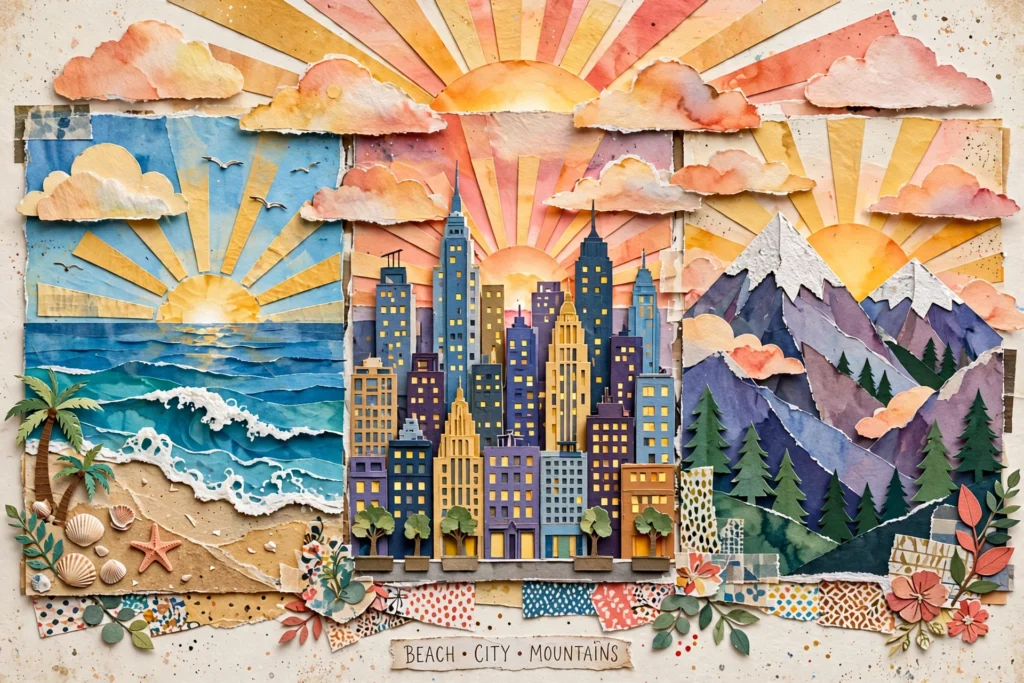
The catch is that free experiences take a little more intention to find. Nobody is advertising them to you at the airport, and most “free things to do in [city]” lists are stuffed with entries like “explore downtown” that tell you nothing. This guide fixes that. It’s organized by the kind of destination you’re visiting — big cities, beach towns, mountain and national park areas, and small towns and roadside stops — because a free walking tour makes sense in Boston but not in a beach shack town, and tide pools aren’t happening in Chicago.
Each idea below names a specific, actionable thing you can actually go do today. Many of them double as the moments that make a trip feel like yours instead of a brochure. And if you’re building a budget trip around free activities, pair this with our guide to the cheapest places to travel in the USA to pick a destination where your money stretches furthest.
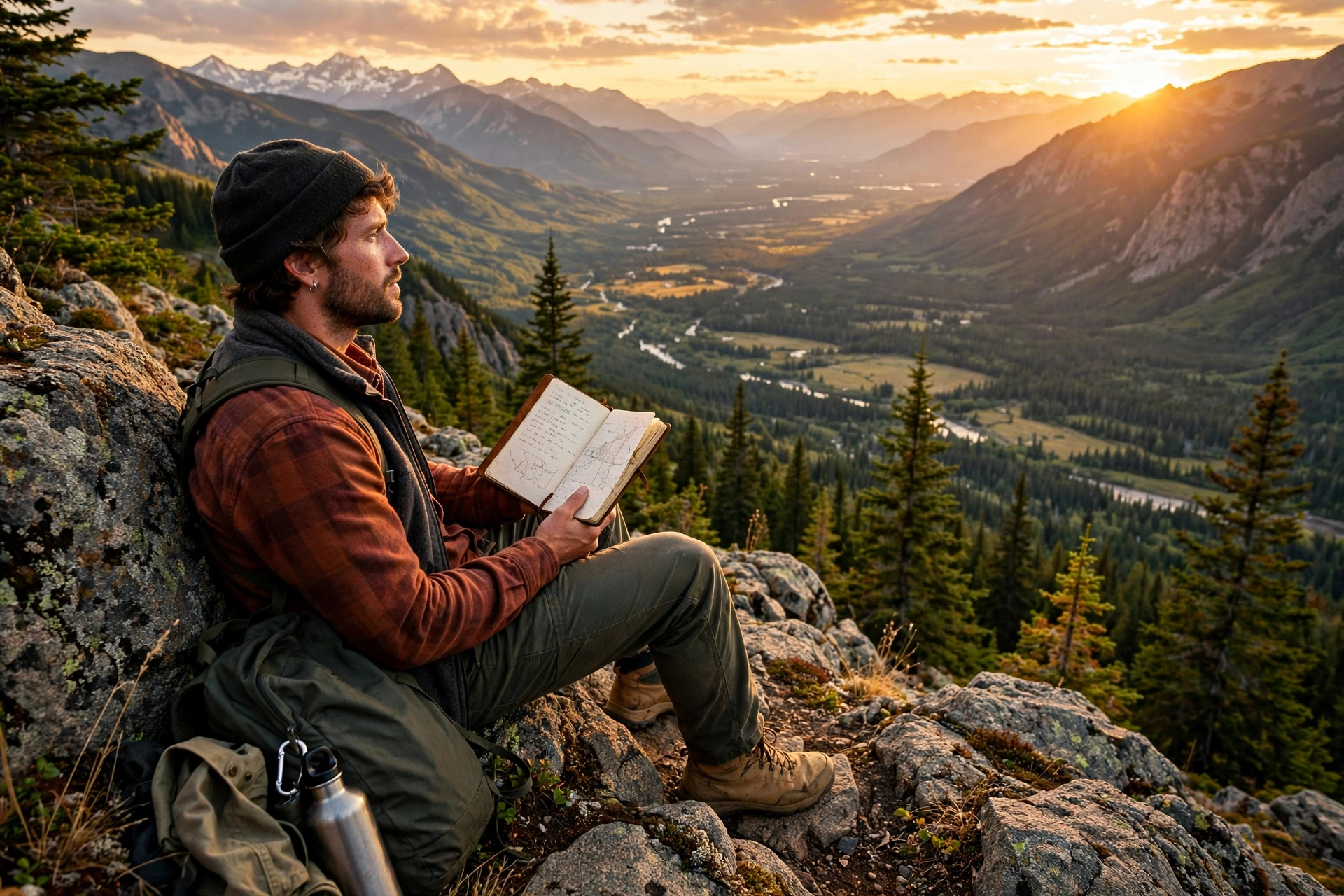
Big Cities: 13 Free Ideas
Cities concentrate the most free stuff per square mile — museums with free days, architecture you can walk through, neighborhoods that are attractions in themselves. You just have to know where to look.
- Take a tip-based free walking tour. Companies like Free Tours by Foot and local independent guides run daily walking tours in most major cities where you pay only a tip ($10–20 is customary). It’s the fastest way to get oriented, learn the city’s real history, and get a local’s recommendations on day one.
- Ride the whole route of a scenic public transit line. In San Francisco, the F-line streetcar costs a couple of bucks; in Chicago, the Loop L train gives you a free-ish skyline tour with a transit pass. In many cities, a single bus or tram route strings together the best sights — ask a local which one.
- Visit a university campus. Places like UCLA, the University of Chicago, and UT Austin have gorgeous historic campuses with free-admission art galleries, botanical gardens, and public lectures. Check the university events calendar — many host free concerts, talks, and film screenings open to anyone.
- Find the free museum days. Nearly every major city museum offers free admission on a monthly or weekly basis — the Art Institute of Chicago, LA’s Getty Center (always free, parking aside), and many Smithsonian museums in DC. Look up “free museum day [city]” before you go and plan your week around it.
- Walk a historic neighborhood with a self-guided theme. Pick a lens — street art, historic brownstones, film locations, famous bookshops — and map a two-hour loop. Neighborhoods like Wynwood in Miami, the Mission in San Francisco, or the French Quarter in New Orleans reward wandering more than any ticketed attraction.
- Catch the skyline from a public rooftop or overlook. Many cities have free public viewpoints: Griffith Observatory’s terraces in LA, the Staten Island Ferry’s skyline views in NYC (free ferry ride included), or a city hall observation deck. Time it for golden hour.
- Browse a famous public market. Pike Place in Seattle, Reading Terminal in Philadelphia, the Ferry Building in San Francisco — window shopping, people watching, and free samples add up to a full morning. Set a $0 rule or bring $5 for one treat; either way it works.
- Attend a free lunchtime concert or performance. Financial districts and downtown arts organizations run free midday concert series, especially in summer — church organ recitals, string quartets in plazas, jazz at lunch. Search “[city] free lunchtime concerts.”
- Tour a state capitol or city hall. Most state capitols offer free guided tours (many are architecturally stunning inside), and some city halls do too. It’s civic tourism at its nerdiest and most rewarding — and great on a rainy day.
- Walk the riverfront, lakefront, or harbor trail. Every major city has one: Chicago’s Lakefront Trail (18 miles), the Hudson River Greenway in NYC, the Schuylkill in Philly. Rent nothing — walk it, and pack a grocery-store picnic to eat on a bench with a view.
- Visit the central public library. Big-city main libraries (NYC’s Schwarzman Building, Chicago’s Harold Washington, LA Central) are architectural landmarks with free exhibits, reading rooms, and sometimes rooftop gardens. It’s the best free air-conditioning in any downtown.
- Check the city’s free events calendar. Most cities have an official events page listing free festivals, outdoor movies, cultural celebrations, and holiday parades. Some of the best travel days happen by accident — a neighborhood street fair you didn’t plan for beats a $40 attraction every time.
- Do a “famous movie locations” self-guided walk. From the “Rocky” steps in Philadelphia to “Ghostbusters” firehouse in NYC, film locations are free to visit and photograph. A quick search turns any city into a movie set you can walk through.
Beach Towns: 12 Free Ideas
Beach destinations are secretly the best budget trips — the main attraction (the ocean) is free, and the supporting cast of free activities is deep. For more wallet-friendly coastal inspiration, browse our cheap vacation destinations roundup.
- Do a sunrise or sunset beach walk. The most underrated free activity in any beach town. Go at sunrise for empty sand and dolphin sightings; go at sunset for the sky show. Bring coffee or a grocery-store drink and make it a ritual.
- Explore tide pools at low tide. Check a tide chart, go at the lowest tide, and look in rocky pools for starfish, crabs, anemones, and small fish. The Oregon coast, Maine, and California’s coast are famous for it — but any rocky shoreline works. Don’t touch the wildlife; just look.
- Walk the boardwalk or pier. Even if you spend nothing, boardwalks are free theater: street performers, fishing off the pier, people watching, and sunset views. Many piers (Santa Monica, Huntington Beach) are free to walk end to end.
- Join a free beach yoga or fitness class. Beach towns run donation-based or sponsored yoga, boot camps, and run clubs on the sand, especially on weekends. Check local Instagram pages or community boards — tourists are welcome.
- Hunt for sea glass and shells. Hit the beach after a storm or at low tide with a bag and sharp eyes. Sea glass hunting is weirdly addictive, costs nothing, and you go home with a free souvenir collection.
- Watch surfers at a known break. Every surf town has a spot where locals rip — Trestles in San Clemente, Pipeline’s viewpoints in Oahu, Cocoa Beach pier. Watching great surfing for an hour is genuinely mesmerizing, even if you never paddle out.
- Walk a coastal bluff or dune trail. Most beach towns have a free coastal trail with better views than any restaurant: the Torrey Pines trails near San Diego, the Marginal Way in Ogunquit, Maine, or any dunes boardwalk. Go early to beat heat and crowds.
- Visit the town’s free beach bonfire pits. Some beaches (like Dockweiler in LA or Ocean Beach in San Francisco) have public fire pits — first-come, first-served. Bring grocery-store s’mores supplies and you’ve built a $10 evening that feels like a $100 one.
- Browse the beach town’s surf shops and bookstores. Independent surf shops, used bookstores, and beach-town galleries are free to wander and full of local character. It’s window shopping that actually teaches you about the place.
- Go stargazing on the beach. Away from town lights, beaches have spectacular night skies. Bring a blanket, lie back, and use a free stargazing app to identify constellations. The Milky Way over the ocean is a core-memory kind of sight.
- Try a beach cleanup. Organizations like the Surfrider Foundation run regular beach cleanups that welcome drop-in volunteers — you get gloves, bags, good company, and the warm glow of leaving the beach better than you found it. Check their chapter calendar for your dates.
- Photograph the fishing boats at the harbor. Working harbors are fascinating at dawn when boats head out and late afternoon when they return. It’s free, it’s photogenic, and it shows you the town’s real economy beyond the tourist strip.
Mountain & National Park Areas: 13 Free Ideas
Mountains and parks are where “free” and “spectacular” overlap most. Yes, some national parks charge entrance fees — but the surrounding areas, gateway towns, and even many trails and viewpoints cost nothing. Check nps.gov for fee-free days, when entrance fees are waived park-wide.
- Hike a trail with a big payoff view. Every mountain town has a signature free hike — a waterfall, an alpine lake, a fire-tower summit. Ask at the local gear shop (not the tourist office) for their favorite 2–3 hour hike; locals know which ones are worth it and which are overcrowded.
- Drive a scenic byway slowly. Blue Ridge Parkway, Going-to-the-Sun Road, the Million Dollar Highway — these are free (outside park entrance fees) and the drive itself is the attraction. Pack lunch, stop at every overlook, and let a 2-hour drive become a full day.
- Watch sunrise or sunset from an overlook. Scout one good east-facing spot and one west-facing spot on day one. Then show up with coffee or a picnic. Alpenglow on peaks at dawn is the single best free show in the mountains.
- Stargaze from a high, dark pullout. Mountain areas have the darkest skies in the country. Drive 15 minutes out of town after dark, kill the headlights, and wait 20 minutes for your eyes to adjust. Meteor showers (Perseids in August are the famous one) need no equipment at all.
- Visit a free national park on fee-free days. The National Park Service waives entrance fees several days a year (MLK Day, National Park Week in April, Veterans Day, and others). Time a trip to a fee-free day and a $35-per-vehicle park becomes free.
- Walk the main street of a gateway town. Towns like Estes Park, Gatlinburg, and Jackson are attractions in themselves — historic storefronts, fudge shops giving samples, local art galleries, and people watching. Window-shop with a strict budget or none at all.
- Fish a public stretch of river (catch and release). Many mountain towns have public-access river sections where you can fish with a basic license — or just watch the fly fishermen work, which is free and weirdly hypnotic. Some states even offer free fishing days with no license required.
- Have a picnic at a scenic day-use area. National forests are full of free or $5 day-use picnic areas beside rivers and lakes — often more peaceful than anything inside the big-name parks. Bring groceries, a blanket, and nowhere to be.
- Tour a historic lodge or visitor center. The great park lodges (Old Faithful Inn, Ahwahnee) are free to walk through and gawk at — you don’t need to be a guest. Visitor centers have free exhibits, films, and ranger-program schedules.
- Join a free ranger program. Campfire talks, guided nature walks, geology talks, night-sky programs — rangers run these free in most national parks and many state parks. Check the visitor center board on arrival; the evening programs are often the highlight of a trip.
- Soak in a free natural hot spring. The West is dotted with undeveloped hot springs that cost nothing — just a hike in and respect for the etiquette (pack out everything, keep noise down, no soap). Research carefully and go on a weekday morning for solitude.
- Photograph wildlife at dawn. Elk, moose, bighorn sheep, and bears are most active in the first two hours after sunrise. Drive slowly through known wildlife areas with binoculars (or just your eyes) and keep a respectful distance. It’s a safari that costs gas money.
- Walk across a famous bridge or dam. Hoover Dam’s walkway, the Royal Gorge Bridge area viewpoints, New River Gorge Bridge overlooks — big infrastructure in dramatic settings is free to visit and genuinely awe-inspiring.
Small Towns & Roadside Stops: 12 Free Ideas
Small towns are the unsung heroes of free travel. Everything is walkable, locals talk to you, and the attractions are gloriously weird. These are also the cheapest places to travel, period — see our cheapest places to travel in the USA for destination ideas.
- Visit the town’s free local history museum. Nearly every small town has one — often in a historic house or old depot, often donation-based or genuinely free. They’re run by passionate volunteers who will tell you stories no guidebook has. Call ahead for hours; they’re quirky about schedules.
- Walk the historic main street and read the plaques. Small-town main streets are outdoor museums: historic markers, century-old storefronts, a courthouse square. Give it 45 unhurried minutes and you’ll learn the town’s whole story.
- Find the town’s famous photo op. The giant ball of twine, the world’s largest whatever, the mural everyone Instagrams — roadside Americana is free and the photos are genuinely fun. Lean into the silliness; that’s the point.
- Attend a small-town festival or fair. County fairs, harvest festivals, main-street parades, summer concert series on the courthouse lawn — small towns throw free events constantly, especially May through October. Check the town’s Facebook page before you arrive.
- Browse antique stores and junk shops. You don’t have to buy anything. Small-town antique malls are museums of American life where you’re allowed to touch things — and the prices on the good stuff are often shockingly low if something does catch your eye.
- Walk a rail trail. Thousands of miles of converted railroad lines run through small towns — flat, scenic, free, and perfect for a morning bike ride or walk. The Rails-to-Trails Conservancy maps them all.
- Visit the town cemetery (seriously). Old cemeteries are beautiful, peaceful, and full of local history — ornate 1800s headstones, Civil War sections, the founders’ plots. It’s contemplative, not morbid, and photographers love them.
- Eat a picnic in the town square or park. Grab groceries or a cheap local sandwich and eat it on the courthouse lawn or in the town park. Small-town parks are well-kept, uncrowded, and often have great people-watching.
- Check out the local library’s events board. Small-town libraries host free talks, craft nights, book sales, and community events — and the building itself is often historic. The events board is also the best intel on what else is happening in town that week.
- Drive the back roads with no destination. The stretch between small towns is the attraction: covered bridges, barns, farm stands (some honor-system), scenic overlooks, and weird roadside art. Budget an extra hour and take the long way on purpose.
- Visit a working farm stand or farmers market. Samples are free, the produce is cheap, and talking to the grower teaches you about the region. Honor-system stands on country roads are a small-town treasure — bring small bills.
- Catch a high school or minor league game. Friday night football in Texas, a minor league baseball game in the Midwest — tickets are often under $10 or free, the atmosphere is electric, and you’ll experience the town’s real social life. This is the opposite of a tourist trap.
How to Find Free Things Anywhere (The 15-Minute Method)
The lists above cover the greatest hits, but every destination has its own free layer waiting to be found. Here’s a quick research routine that takes 15 minutes the night before you arrive:
- Search “[destination] free things to do” and open three results — skip the generic listicles, look for local blogs and Reddit threads where residents argue about the best answers.
- Check the city’s official events calendar for free festivals, concerts, and outdoor movies during your dates.
- Look at the university events calendar if there’s a college in town — free lectures, concerts, and exhibitions are gold.
- Search Facebook Events for free happenings that weekend — small towns especially post everything there.
- Ask one local. Your Airbnb host, a bartender, the gear shop employee — “What’s your favorite free thing to do around here?” gets better answers than any guidebook.
Build your days around one or two free anchors, add a paid splurge only where it truly earns it (that one famous restaurant, that one bucket-list tour), and you’ll come home with a trip that felt rich and a bank account that agrees. Many of these tactics work abroad too — see our Europe on a budget guide. And pair free activities with cheap flights to stretch your budget even further.
Frequently Asked Questions
Are free walking tours actually free?
They’re tip-based, not strictly free — guides work for tips, and $10–20 per person is the standard. That still makes them one of the cheapest guided experiences in any city, and the quality is often excellent because guides compete on reputation. Bring cash, tip fairly, and you’ll get a two-hour orientation worth far more than the tip.
How do I find free museum days?
Search “[city] museum free days” before your trip — most museums list their free days on their websites. Many offer monthly free days, some do weekly free evenings, and a few (like the Smithsonian museums in DC or the Getty in LA) are always free. Plan your itinerary around these days; the popular museums get crowded on free days, so arrive early.
What’s the best free thing to do in a new city on day one?
Take a tip-based walking tour or ride a scenic transit line end to end. Both orient you fast — you learn the layout, spot places to return to, and get local recommendations. Then spend the afternoon on the highest-value free activity for that city type: a skyline viewpoint, a waterfront walk, or a famous neighborhood wander.
Can you really travel without spending money on activities?
Yes — many travelers do entire trips where lodging and food are the only costs. The 50 ideas above are proof: hiking, beaches, overlooks, historic districts, free events, and stargazing can fill every day. The key is choosing destinations where the free layer is deep (national park areas, beach towns, big cities) rather than places built around ticketed attractions.
Are national parks free?
Most charge entrance fees — typically $20–35 per vehicle, valid for 7 days. But the National Park Service offers several fee-free days each year, and many spectacular areas around the parks (national forests, scenic byways, gateway towns) are free year-round. An $80 annual America the Beautiful pass pays for itself if you visit three or more parks in a year.
How do I find free events while traveling?
Check the destination’s official tourism events calendar, search Facebook Events for your dates, look at university event calendars, and browse local subreddits. Small towns post everything on Facebook; big cities have dedicated “free events” pages. Also just ask locals — bartenders, hosts, and shop owners know about the free concert series and street fairs that never make the guidebooks.
Is it safe to do free activities like hiking and stargazing alone?
Mostly yes with basic precautions: tell someone your plan, carry water and a charged phone, stick to well-trafficked trails during the day, and check weather before heading out. For stargazing or night activities, go with a companion or choose populated spots like beach bonfire areas. Trust your instincts — if a trailhead feels wrong, pick another one.
What free souvenirs can I collect while traveling?
Sea glass and interesting shells from beaches (check local rules), pressed flowers or leaves from hikes, free maps and brochures from visitor centers, photos of street art and architecture, and journal entries about each day. These beat a $25 gift-shop magnet — they’re personal, free, and they actually trigger memories years later.