Here’s the truth nobody tells new parents: kids don’t make travel expensive — default choices make travel expensive. The family that books a resort at spring break, eats every meal at restaurants, and buys full-price attraction tickets will absolutely spend a fortune. But the family that travels in shoulder season, books a suite with a kitchen, and knows which museums are free on which days can take the same trip for half the cost. Kids are actually some of the cheapest travel companions you can have — they fly free or cheap while they’re small, eat small portions, and are genuinely delighted by playgrounds, beaches, and hotel pools that cost nothing.
This guide is built for real families with real budgets. You’ll get age-by-age strategies (because traveling with a toddler is a completely different sport than traveling with a teenager), two fully worked-out trip budgets with line items so you can see exactly where the money goes, the best kid-eat-free and free-admission tactics, and the packing and logistics tricks that save both money and sanity.
The Mindset Shift: Kids Change What You Spend On
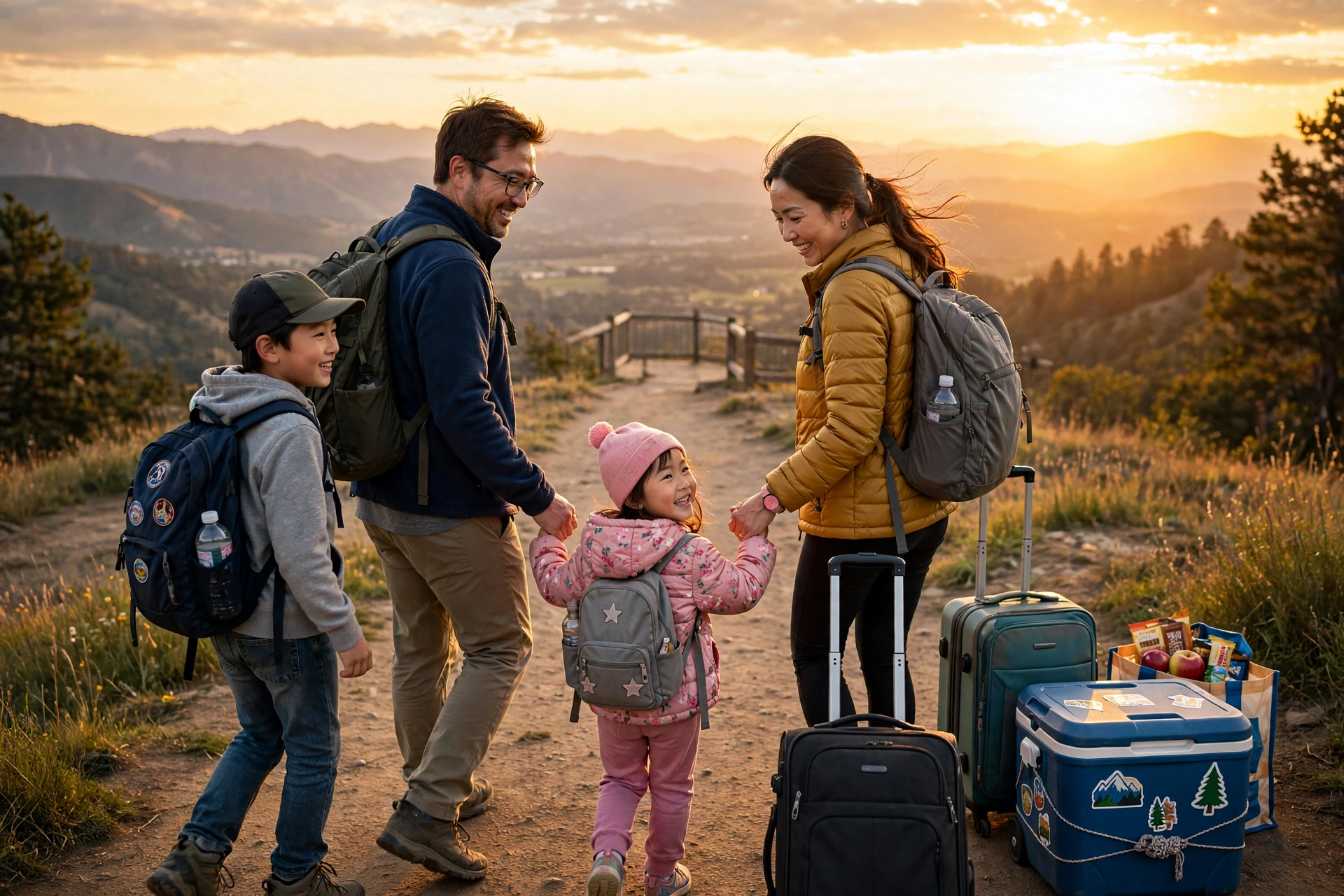
Before the tactics, one reframe: traveling with kids on a budget isn’t about deprivation. It’s about redirecting money from things kids don’t value (fancy hotel lobbies, white-tablecloth dinners, premium flight seats they’ll sleep through) toward things they do (space to run, a pool, snacks on demand, one “wow” experience per trip).
Most families overspend in three places: peak-season timing, restaurant meals, and per-person attraction tickets. All three are fixable without making the trip feel cheap. And timing matters enormously — if you can travel outside school-holiday peaks, you’ll save more than any coupon ever could. Our guide to the cheapest time to travel pairs perfectly with this one.
Traveling With Babies & Toddlers (Ages 0–4)
Small kids are paradoxically the cheapest to travel with — and the most logistically demanding. The strategy: exploit every under-2/under-5 discount while engineering around naps and meltdowns.
Fly before they turn two. Children under 2 fly free as lap infants on US domestic flights (you’ll pay ~10% of an adult fare plus taxes on international routes). That’s a savings of $200–$400 per flight. If you’re planning a big trip, schedule it before the second birthday if at all possible.
Book suites and vacation rentals, not standard hotel rooms. A toddler who naps from 1–3pm means the whole family is trapped in a dark, silent hotel room every afternoon. A one-bedroom suite or rental with a separate living area ($120–$180/night in many markets, often cheaper than two hotel rooms) lets adults actually exist during nap time. A kitchen or kitchenette saves $30–$50 a day on breakfasts and snacks alone.
Bring the gear, skip the rental fees. Airlines check strollers and car seats for free. Rental car companies charge $10–$15 per day for a car seat — a week-long rental can add $70–$100. Bring your own; gate-check the stroller. For more toddler-specific outing ideas once you arrive, see our things to do with toddlers guide.
Pack a “meltdown kit.” New snacks (novelty beats quantity), a couple of wrapped “surprise” toys from the dollar store, and a change of clothes in your day bag. A $5 investment here prevents the $40 impulse buy at the airport gift shop when things go sideways.
Eat early, eat free. Many family restaurants offer kids-eat-free nights (typically Monday–Wednesday). Eat dinner at 5pm — you’ll beat the crowds, get faster service, and toddlers are happier before they’re overtired. Grocery-store breakfasts and picnic lunches keep food costs to $40–$60/day for a family of four.
Traveling With School-Age Kids (Ages 5–12)
This is the golden age of budget family travel: kids are sturdy, curious, endlessly entertained by free stuff, and still young enough to be impressed by a really good playground.
Make one paid attraction the anchor, then go free. Kids this age remember one big thing per trip — the aquarium, the water park day, the ballgame. Pay for that one anchor ($80–$150 for a family) and fill the rest with free activities: beaches, hiking trails, playgrounds, free museum days, and hotel pools. Our roundup of free things to do while traveling is built exactly for this.
Use the “one souvenir” rule. Give each kid a fixed souvenir budget ($10–$15) for the whole trip. It ends the gift-shop negotiations instantly, teaches budgeting, and kids actually choose more thoughtfully. Total souvenir spend for two kids: $20–$30 instead of $80+.
Stay where breakfast is included. A hotel with a solid free breakfast saves a family of four $40–$60 every morning versus a restaurant. Over a week, that’s $280–$420 — often more than the price difference between the hotel with breakfast and the one without. Pair this with our hotel savings guide for stacking more discounts.
Leverage junior ranger and free programs. The National Park Service’s Junior Ranger program is free and gives kids a badge, a booklet, and a mission at nearly every park — it’s the best free kids’ entertainment in America. Many state parks, libraries, and museums run similar free programs. Always ask at the visitor center: “What do you have for kids?”
Let them plan one day. Give each school-age kid one day (or half-day) of the itinerary to plan within a budget you set. They’ll be more engaged, complain less, and learn real trip-planning skills. It costs nothing and transforms the family dynamic.
Traveling With Teens (Ages 13–17)
Teens are the most expensive age to travel with — adult-priced tickets, adult appetites, strong opinions. The strategy shifts from logistics to negotiation and shared ownership.
Give them the budget spreadsheet. Teens old enough for strong opinions are old enough to see the numbers. Show them the trip budget and let them make tradeoffs: “We can do the theme park or the nice dinner out, not both.” Involvement kills entitlement and — surprisingly often — teens choose the cheaper option when it’s their call.
Feed them strategically. Teenagers eat like linebackers. Vacation rentals with kitchens become non-negotiable — a $150 grocery run replaces $400+ in restaurant meals over a few days. For restaurant meals, lunch menus are 20–30% cheaper than dinner for the same food, and happy-hour deals can cut costs further.
Buy attraction tickets smart. Teens pay adult prices at most attractions starting around age 12–13. This is where advance online tickets (usually 10–20% off gate prices), multi-attraction city passes (break even at 2–3 attractions), and free days matter most. A family of four with two teens can easily spend $200+ on a single attraction day — plan these as your anchor days and balance with free ones.
Wi-Fi is a line item, not a luxury. For teens, connectivity genuinely affects trip enjoyment. Factor it in: many hotels include it free, and an eSIM or your carrier’s travel plan ($10–$15/day) beats $25/day cruise or hotel Wi-Fi. A connected teen is a cooperative teen.
Build in independence. Teens need some unscheduled, parent-free time — an afternoon to explore a safe area with a sibling, an hour at the hotel pool alone. It’s free, it prevents friction, and it makes the together-time actually pleasant.
Sample Budget #1: 4-Day Beach Trip for a Family of 4
Two adults, two kids (ages 7 and 10), driving distance to the Gulf Coast in late April (shoulder season). This is the classic affordable family getaway.
| Category | Details | Cost |
|---|---|---|
| Lodging | 3 nights, beachside suite with kitchenette, $145/night | $435 |
| Gas & tolls | ~600-mile round trip | $85 |
| Groceries | Breakfasts, lunches, snacks for 4 days | $140 |
| Restaurants | 2 dinners out (1 kid-eat-free night) | $95 |
| Beach | Free — public beach access, own gear | $0 |
| Anchor attraction | Aquarium visit, online advance tickets (2 adults $28, 2 kids $18) | $92 |
| Free activities | Pier walk, playground, free museum morning, hotel pool | $0 |
| Souvenirs | $12/kid “one souvenir” rule | $24 |
| Miscellaneous | Parking, ice, sunscreen restock | $35 |
| Total | $906 |
Per person per day: about $57. The keys: shoulder-season timing, a kitchenette, one anchor attraction, and free beach days doing the heavy lifting. Move this same trip to spring break week and the lodging alone would jump to $220+/night — adding $225+ before you even leave the house.
Sample Budget #2: Week-Long National Parks Loop for a Family of 4
Two adults, two kids (ages 9 and 14), flying to Denver and looping through Rocky Mountain and nearby parks in early June. The bigger, wilder family adventure.
| Category | Details | Cost |
|---|---|---|
| Flights | 4 round-trips booked 8 weeks out, Tue–Tue — compare family flight fares | $1,120 |
| Rental car | 7 days, midsize SUV booked early | $385 |
| Lodging | 6 nights: mix of gateway-town motels ($110) and 2 cabin nights ($160) | $760 |
| Park passes | America the Beautiful annual pass (covers all parks, 2 adults + kids free) | $80 |
| Groceries & cooler | Breakfasts, trail lunches, snacks for the week | $260 |
| Restaurants | 4 casual dinners out | $220 |
| Gas | ~900 miles of driving | $130 |
| Junior Ranger | Free booklets and badges at 3 parks | $0 |
| Anchor experience | Guided horseback ride, 2 kids ($55 each) — parents watch free | $110 |
| Souvenirs | $15/kid for the week | $30 |
| Miscellaneous | Laundry, park shuttle tips, extra water | $45 |
| Total | $3,140 |
Per person per day: about $112. The America the Beautiful pass ($80/year) is the single best deal in family travel — it covers every national park and federal recreation area for a full year. Note the teen costs more here (adult-priced flights, bigger meals), which is why the per-day figure runs higher than the beach trip. For more on timing a parks trip cheaply, the shoulder-season windows in our cheapest time to travel guide apply perfectly.
Kid-Eat-Free & Free-Admission Tactics
These are the specific, repeatable deals that separate budget family travelers from everyone else:
- Kids-eat-free nights: Chains like IHOP, Denny’s, and many local family restaurants run kids-eat-free promotions (usually one free kids’ meal per adult entrée, often Monday–Wednesday). Search “[destination] kids eat free” before your trip and plan dinners around the results.
- Hotel breakfast math: Always compare the true cost. A $139/night hotel with free breakfast beats a $109/night hotel without it for a family of four — the $30 difference buys less than one restaurant breakfast.
- Museum free days: Many major museums have weekly free evenings or monthly free days (e.g., first Sundays). Check museum websites before you go — a family of four can save $60–$100 per museum.
- Bank of America’s Museums on Us: If anyone in the family banks with Bank of America, their card gets free admission to 225+ museums nationwide on the first full weekend of every month. Genuinely free, no catch.
- Library passes: Many public libraries lend free attraction passes (zoos, museums, state parks) — including libraries in the city you’re visiting. Call ahead and ask.
- National Park free entrance days: The NPS runs 5–6 fee-free days per year (including National Public Lands Day in September and Veterans Day weekend). Time a parks trip to one and the $35/vehicle entrance fee disappears.
- Kids stay free: Most hotels allow kids under 12–18 to stay free in parents’ rooms using existing bedding. Always confirm, but rarely pay for a second room when one suite works.
- Age-cutoff awareness: “Kids under 5 free,” “under 12 half price” — know each attraction’s cutoffs before you go. A child who is 11 vs. 12 can be a $20 difference per attraction.
Packing & Logistics Savers
The right packing saves real money — mostly by preventing the overpriced replacements you’ll buy when you forget things.
- The snack bag is non-negotiable. A well-stocked snack bag (granola bars, fruit, crackers, refillable water bottles) prevents $5 airport waters, $8 theme-park pretzels, and hangry meltdowns. Budget impact: $20–$40 saved per day.
- Bring a basic first-aid and medicine kit. See HealthyChildren.org’s family travel health guidance for what to pack. Children’s pain reliever, bandages, allergy meds, thermometer — buying these at a resort gift shop or tourist-area pharmacy costs 2–3x the at-home price.
- Pack layers, not outfits. Kids need fewer clothes than you think — plan on doing laundry once mid-trip (many rentals and extended-stay hotels have machines). Less luggage can mean skipping checked-bag fees ($35–$40 each way per bag).
- One shared toiletry kit. Decant into travel bottles. Full-size sunscreen and shampoo at tourist shops carry brutal markups.
- Entertainment for transit: Loaded tablets, coloring supplies, card games. A bored kid on a plane or long drive is how $50 of airport impulse spending happens.
- A compact cooler or insulated bag. Turns any grocery run into portable meals. Cold drinks and sandwiches on a hiking trail beat a $60 lodge lunch every time.
- Ship bulky gear ahead when flying. For ski trips or beach trips needing lots of gear, shipping a box via ground service ($25–$40) is often cheaper than airline oversized-bag fees ($75–$150+).
The Bottom Line
Traveling with kids on a budget comes down to five habits: travel in shoulder season, stay where you can cook, make one paid attraction the anchor and go free around it, exploit every kid discount and free-admission day, and pack so you never have to buy basics at tourist prices. None of these require sacrifice — they just require planning. The families spending half what you do aren’t staying home; they’re just playing a smarter game.
Start with timing — it’s the biggest lever — then layer on the food, lodging, and activity tactics from this guide. For the full timing playbook, read our cheapest time to travel guide next, and for squeezing the most out of where you sleep, our hotel savings guide stacks perfectly with everything here. And for the complete playbook covering every aspect of affordable travel, don’t miss our guide on how to travel on a budget.
Frequently Asked Questions
What is the cheapest way to travel with kids?
Travel in shoulder season (late April–May, September–October), stay in vacation rentals or suites with kitchens, drive when possible instead of flying, pack your own food for breakfasts and lunches, and build itineraries around free activities with one paid anchor attraction. Together these typically cut family trip costs by 40–50% versus peak-season, hotel-and-restaurants travel.
How much does a family vacation cost on average?
A moderate US family vacation for four typically runs $3,000–$5,000 for a week including flights, lodging, food, and activities. But budget-conscious families routinely do 4-day trips for under $1,000 (like the $906 beach trip budgeted above) and week-long trips for $2,500–$3,500 by using shoulder-season timing, rentals with kitchens, and free activities. Driving-distance trips are dramatically cheaper than flying ones.
At what age is it cheapest to travel with kids?
Under 2 is cheapest — lap infants fly free domestically, and babies need no attraction tickets and eat little. Ages 5–12 are the value sweet spot: kids are sturdy travelers who still qualify for child pricing at most attractions and are delighted by free activities. Costs jump at 12–13 when adult pricing kicks in for flights, attractions, and meals.
How can I save money on food while traveling with kids?
Stay somewhere with a kitchen or kitchenette and cook breakfasts plus pack lunches — this alone saves $60–$100/day for a family of four. Eat your main restaurant meal at lunch (20–30% cheaper than dinner), seek out kids-eat-free nights (usually midweek), keep a stocked snack bag to prevent impulse buys, and choose hotels with free breakfast.
Are all-inclusive resorts worth it for families?
Sometimes, for teens and big eaters. Do the math honestly: add up what you’d spend on food, drinks, and activities separately, then compare to the per-person nightly rate. All-inclusives often win for families with teenagers (who eat constantly) and lose for families with small kids (who eat little and nap through activities). Shoulder-season rates can make them genuinely competitive.
How do I keep kids entertained on a budget trip?
Free entertainment is everywhere: hotel pools, beaches, playgrounds, hiking trails, free museum days, library story times, junior ranger programs, and splash pads. Give each kid a camera or a scavenger-hunt list and ordinary places become adventures. One paid anchor attraction per trip plus free activities around it is the formula that works — kids remember the highlight, not the quantity.
Should we drive or fly with kids to save money?
For trips under 500–600 miles, driving almost always wins for families — no airfare for four, no rental car needed, no baggage fees, and you can pack food and gear freely. Beyond that distance, compare honestly: four plane tickets plus a rental car versus gas, an extra hotel night en route, and your time. Booking flights in the 3–8 week sweet spot on cheap days (Tuesday/Wednesday) can make flying competitive.
What should I pack to avoid spending extra on a family trip?
Snacks and refillable water bottles (prevents constant food-stand spending), a kids’ medicine and first-aid kit (tourist-area markups are brutal), sunscreen and basic toiletries, layers for variable weather, entertainment for transit, and a cooler bag for portable meals. Every item you forget is something you’ll buy at 2–3x the price near a tourist attraction.