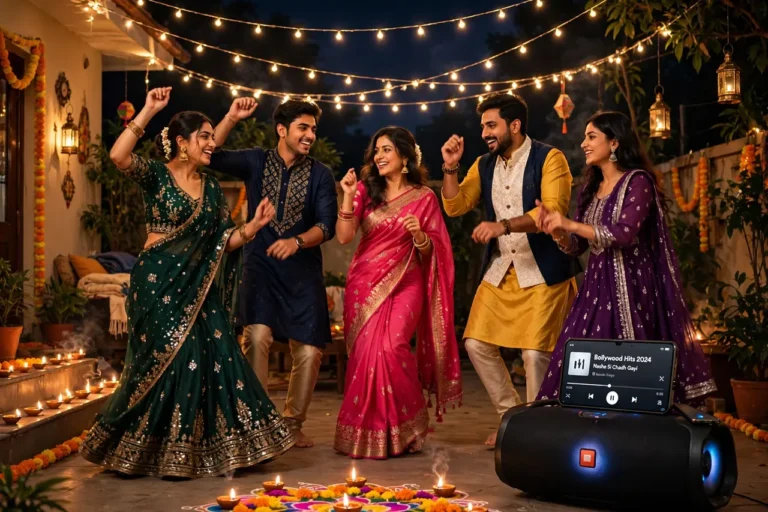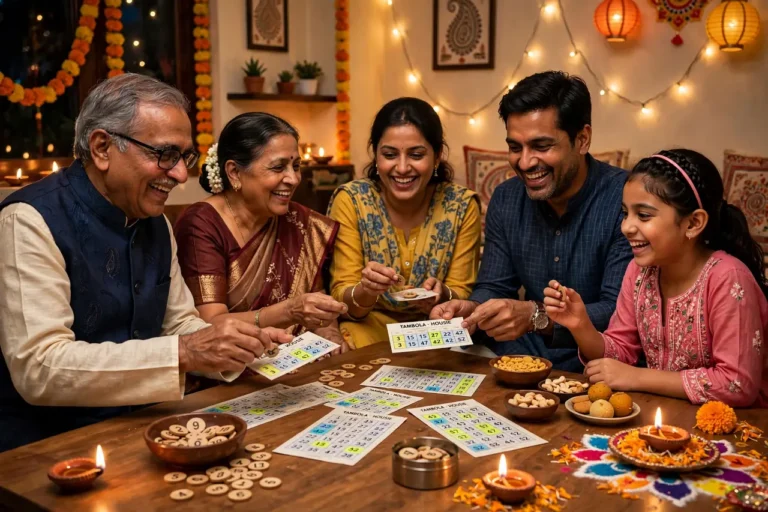
Diwali parties have a particular kind of magic. The door opens and the whole house seems to exhale warmth — fairy lights strung along the balcony, the faint perfume of marigolds, laughter spilling out of the living room, and at the center of it all, a table that groans under the weight of snacks. Anyone who has hosted a Diwali gathering knows the truth: the food is not a side detail. It is the party. Guests will forgive a crooked rangoli and a playlist that skips, but a thin snack table is remembered all the way to next Diwali.
Planning snacks for a Diwali party is its own art form, different from a regular dinner party. Diwali guests arrive in waves, not all at once. Some come straight from the office, some from the temple, some after putting the kids to bed. Your snacks need to survive hours on a table, be eaten standing up with one hand (because the other hand is holding a diya, a gift, or a cousin’s baby), and please everyone from a spice-loving grandmother to a toddler who only eats things shaped like animals. And because the festival runs five days, you may be hosting more than once — so the menu has to be scalable, repeatable, and not require you to spend the entire festival in the kitchen.
This guide gives you complete diwali snack ideas for parties: twelve tested snack stations that cover every taste and dietary need, a sweet-versus-savory balancing framework, a make-ahead timeline so you can prep across two days instead of one frantic afternoon, presentation tricks that make a modest spread look lavish, and drink pairings that keep the energy up all evening. Whether you are hosting ten people or fifty, you will find a plan here that fits your kitchen, your budget, and your patience.
What Makes a Great Diwali Party Snack
Before the recipes and the shopping lists, it helps to understand the five rules that separate a forgettable snack table from one people photograph. First, it must hold at room temperature. Diwali parties run long, and anything that wilts, weeps, or needs to stay piping hot will betray you by hour three. Second, it must be one- or two-bite sized. Guests are mingling; nobody wants to saw through a large pastry while balancing a conversation and a cup of chai. Third, it must be sturdy — nothing that shatters into a hundred crumbs on your rug or drips on a silk saree. Fourth, it should span the flavor map: something crunchy, something soft, something spicy, something sweet, something fresh. And fifth, it must include options for the people who cannot eat everything — because every Diwali guest list includes someone vegetarian, someone who avoids gluten, someone watching sugar, and a child who considers anything green suspicious.
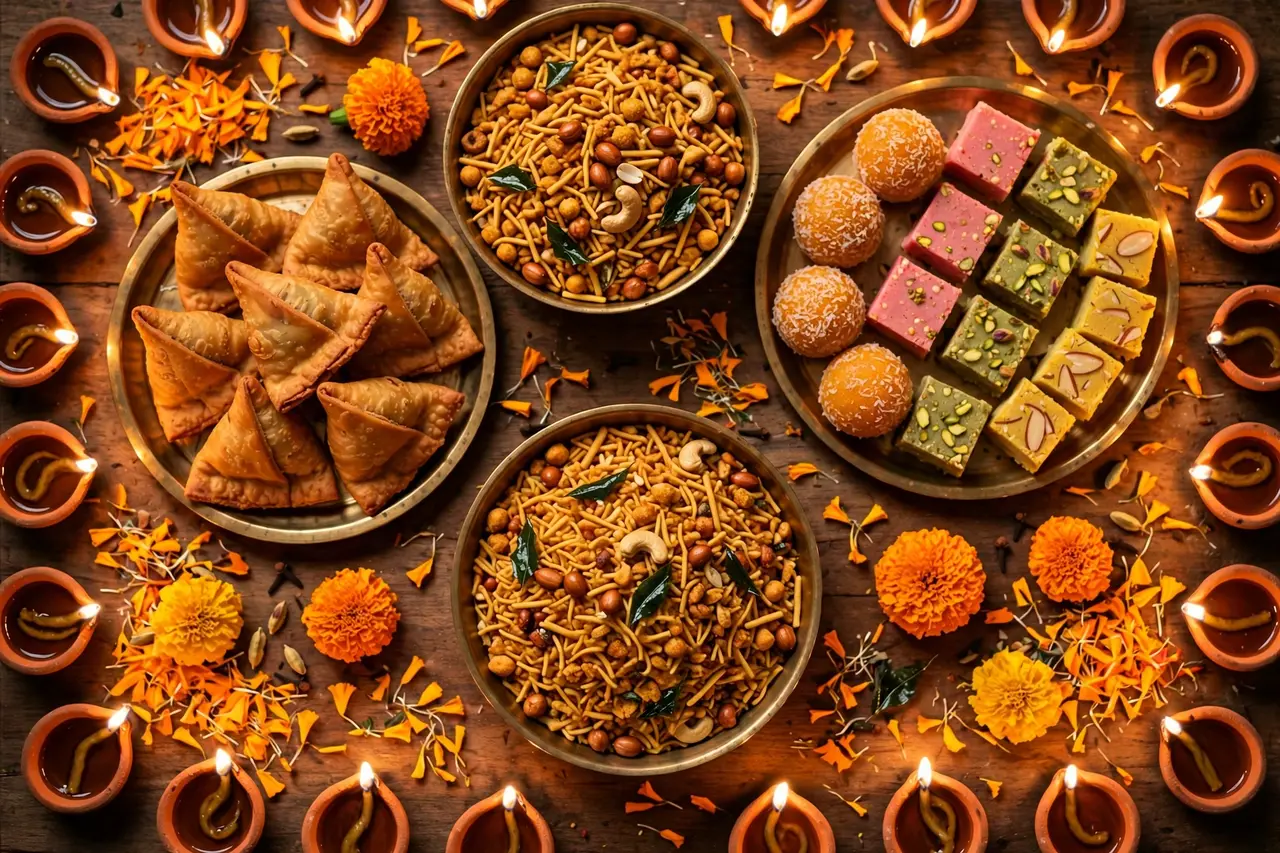
The happiest discovery of experienced Diwali hosts is that a party spread does not need to be complicated to feel abundant. A dozen simple things arranged generously beats three elaborate things arranged sparsely, every time. Height, color, and repetition create the feeling of abundance: a tiered stand of the same namkeen, bowls of bright pomegranate seeds next to golden samosas, diyas flickering around the edges. The table is a decoration in itself — treat it like one.
12 Diwali Snack Stations for Your Party Table
Think of your spread as stations rather than dishes. Each station below is self-contained — it needs no explanation, no reheating, and no last-minute fuss. Pick six to eight for an evening party of fifteen to twenty guests, or run all twelve for a big open-house celebration.
1. The Samosa Bar
No Diwali party has ever suffered from having samosas, and none has ever been remembered fondly without them. But instead of a single plate of plain samosas, build a bar: classic potato-pea samosas, mini cocktail samosas (the two-bite kind), and a baked version for the health-conscious, each with three chutneys — mint-coriander, tamarind-date, and a fiery red garlic chutney for the brave. Samosas are the rare snack that tastes excellent at room temperature for hours, which makes them the backbone of any long party. Fry or bake them the morning of the party, and keep the chutneys in small bowls with spoons so guests can customize every bite. Label the chutneys with little cards; people love choosing their own adventure, and it quietly solves the “is this too spicy?” question without you fielding it fifty times.
2. Chaat Cups
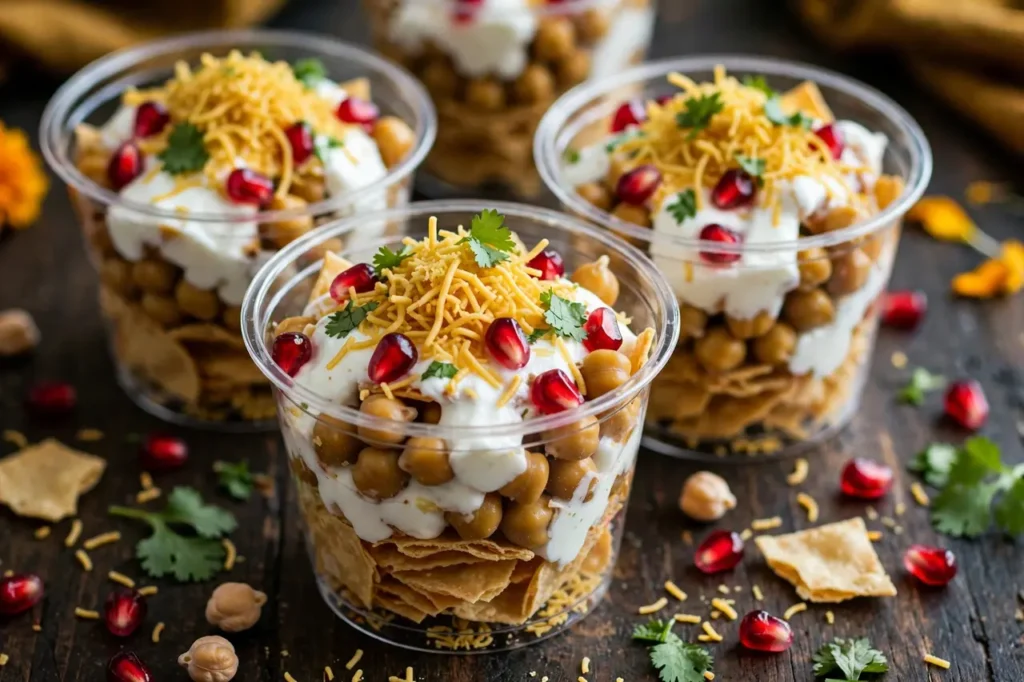
Chaat is the most joyful snack in the Indian repertoire, but a traditional chaat counter needs a person assembling plates. The party-friendly upgrade is the chaat cup: layer crushed papdi, boiled chickpeas, diced potatoes, yogurt, chutneys, pomegranate seeds, and sev in small clear cups or shot glasses. Each cup is a complete chaat experience — crunchy, tangy, creamy, sweet — in three spoonfuls. Make them up to two hours ahead and refrigerate; the cups actually improve as the flavors settle. For a crowd-pleaser that travels well, this is the single most complimented item on most Diwali tables, because it delivers restaurant-level complexity with zero day-of effort.
3. Paneer Tikka Skewers
For the guests who want something substantial and a little smoky, paneer tikka skewers deliver. Marinate paneer cubes overnight in hung yogurt, ginger-garlic paste, Kashmiri chili, and a pinch of kasuri methi; thread onto short skewers with charred peppers and onions; grill or broil until the edges crisp. Serve at room temperature with mint chutney — they are genuinely good cold, which is the whole point. If you have non-vegetarian guests, add a parallel set of chicken tikka skewers, but keep the paneer version equally prominent; at Diwali, the vegetarian spread is the main event, not the consolation prize. Skewers are easy to eat standing up, which makes them perfect for the cocktail hour portion of the evening.
4. The Namkeen Trail Mix Bar
Every Diwali table needs something guests can graze on mindlessly between conversations, and a build-your-own namkeen bar is exactly that. Set out four or five large bowls — roasted makhana (fox nuts), masala peanuts, sev, roasted chana, and a sweet-savory chivda — plus small paper cones or cups for scooping. Makhana deserves special mention: roast it with ghee, salt, and chaat masala until crisp, and it disappears faster than anything else on the table. This station costs almost nothing, takes twenty minutes to prepare, and keeps the table looking full all evening because you can top up the bowls in seconds. It is also naturally gluten-free and vegan-friendly, which quietly covers two dietary groups without a special announcement.
5. Dahi Puri Bites
If chaat cups are the practical choice, dahi puri is the glamorous one. Crisp puris filled with potato, chickpeas, yogurt, and chutneys, finished with pomegranate and coriander — each one is a jewel of a bite. The trick for parties is timing: fill the puris no more than thirty minutes before guests arrive, because the shells soften. Better yet, set it up as a two-minute assembly station for the first hour: puris, fillings, and toppings laid out, and a confident teenager or willing cousin on assembly duty. Guests love watching their snack get made, and the station becomes entertainment. After the first hour, retire the station and let the remaining puris go — by then the table has plenty else.
6. Mini Kachoris with Aloo Sabzi
Kachoris bring a flaky, indulgent energy that balances the lighter chaat items. Make or buy small moong dal kachoris — the bite-sized ones — and serve them with a warm (not hot) aloo sabzi in a slow cooker on the side, so guests can spoon a little potato curry over a split kachori. This is the snack that tastes like a festival: rich, spiced, and deeply satisfying. A slow cooker set to “warm” keeps the sabzi at serving temperature for hours with no attention, which solves the hot-food problem elegantly. One batch of forty mini kachoris feeds a crowd for very little money, and they reheat beautifully if you need a second round.
7. Tandoori Mushroom and Corn Baskets
For something a little different that still reads unmistakably festive, fill store-bought tart shells or mini phyllo cups with a tandoori-spiced filling of mushrooms, corn, and bell peppers bound with a little cream cheese. Bake for ten minutes and serve warm or at room temperature. These have the advantage of looking bakery-professional while taking almost no skill — the shells do the visual work. They also photograph beautifully, which matters more than hosts like to admit: the Diwali table that gets photographed gets remembered, and remembered parties get bigger guest lists next year.
8. The Sweets Platter
A Diwali snack table without mithai is like a birthday without cake — technically possible, socially unthinkable. You do not need to make the sweets yourself; in fact, buying them is the smart move. Assemble a generous platter from a good mithai shop: kaju katli, motichoor ladoo, rasmalai cups, milk cake, and something chocolate-adjacent for the kids. Arrange them on a single large tray with height — a cake stand in the middle — and scatter rose petals around the edge. One well-arranged sweets platter looks more abundant than three scattered boxes. If you want one homemade touch, make a batch of coconut ladoo: condensed milk, desiccated coconut, cardamom — fifteen minutes, no cooking skill required, and they taste like you tried much harder than you did. For more inspiration on festival sweets from other traditions, see our guide to Indian Christmas sweets (kuswar) — the cross-festival pantry overlap is larger than you would expect.
9. Fruit Chaat with Chaat Masala
After all the fried and the rich, guests crave something bright. A big bowl of fruit chaat — watermelon, pineapple, pomegranate, grapes, banana, and orange segments tossed with chaat masala, black salt, and a squeeze of lime — is the palate cleanser of the table. It is also the snack that the grandparents, the toddlers, and the fitness-conscious cousin all reach for, which makes it the great unifier. Cut the fruit the morning of the party and add the masala just before serving so the colors stay vivid. Serve in small bowls or cups; a communal fruit bowl at a party quickly becomes a archaeology dig.
10. Masala Fries or Wedges
Every party needs one item the kids will fight over, and masala fries are it. Toss thick-cut wedges with oil, chaat masala, chili powder, and cornstarch; roast until shatteringly crisp; finish with more chaat masala and coriander. Serve with a trio of dips: ketchup, garlic mayo, and mint chutney. The beauty of the wedge format over thin fries is staying power — wedges stay crisp at room temperature for an hour, thin fries for about twelve minutes. Make them in two batches: one for the early evening, one for the late crowd. Nothing revives a flagging party at 10 p.m. like a fresh tray of hot wedges appearing as if by magic.
11. Dhokla Bites with Tempering
Dhokla is the quiet overachiever of the Diwali table: light, spongy, tangy, steamed rather than fried, and beloved by people who “don’t eat too much fried food” (every family has one, and they are usually right). Cut a tray of khaman dhokla into bite-sized squares, temper with mustard seeds, sesame, curry leaves, and green chilies in hot oil, and garnish with coconut and coriander. It holds beautifully for hours and actually tastes better as it absorbs the tempering. Make it the day before — dhokla is one of the few snacks that improves overnight in the fridge. Serve with green chutney. This is your make-ahead hero, the item that lets you sleep the night before the party.
12. The Chai and Coffee Corner
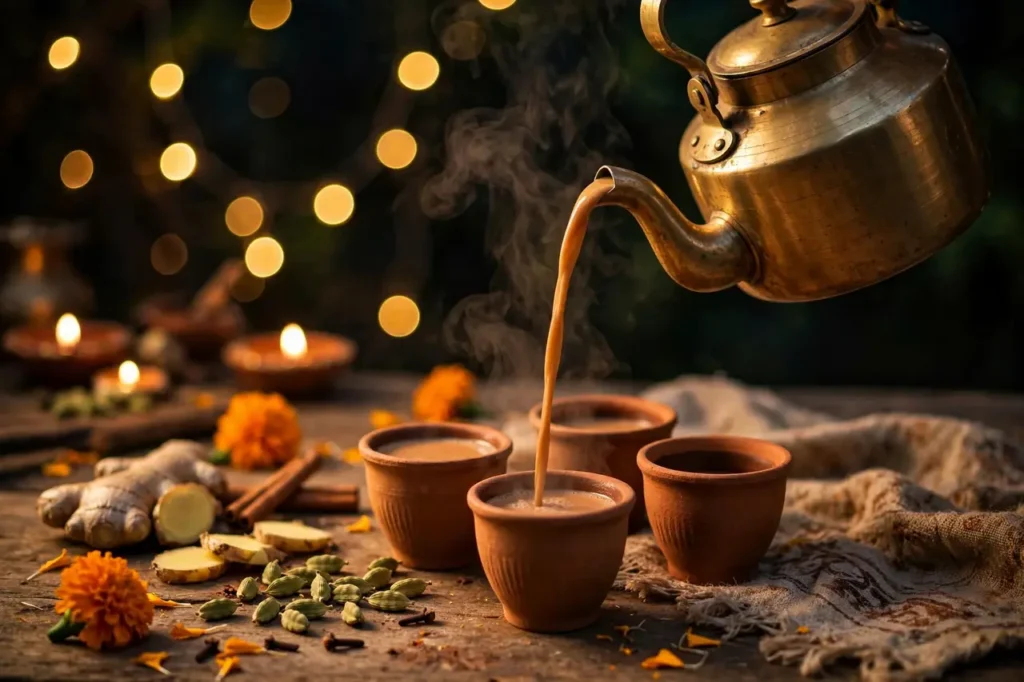
The final station is not a snack but the thing that makes all the snacks work: a self-serve hot drinks corner. A large pot of masala chai kept warm on the lowest burner setting (or in an insulated dispenser), a French press of filter coffee, and a tray with sugar, jaggery, cardamom pods, and ginger slices for customization. Diwali evenings stretch long, and a hot drink at 9 p.m. is what keeps the aunties chatting and the card games going. Add a small sign — “Chai o’clock, all o’clock” — and you have turned a beverage into a party feature. Keep paper cups with festive prints; washing forty ceramic cups at midnight is nobody’s idea of a festival.
Sweet vs. Savory: Getting the Balance Right
The most common mistake in Diwali party planning is going all-sweet. Mithai is the soul of the festival, but a table of twelve sweets and two savories exhausts the palate within twenty minutes — sugar fatigue is real, and guests quietly stop eating. The ratio that experienced hosts swear by is roughly 60 percent savory to 40 percent sweet by item count. Savory snacks reset the palate, keep energy stable (no sugar crash at 9 p.m.), and — practically — cost less per serving than mithai, so they stretch a budget further.
Sequence matters too. Put the savory stations at the front of the table where guests arrive, and the sweets toward the back or on a separate side table. People eat in the order they encounter food, and starting savory means they will still have appetite for the sweets platter later. If you are doing a full dinner after snacks, pull the sweets back even further — dessert after dinner, snacks before. And always, always have one fresh element (fruit chaat, a salad, cut vegetables with dip) on the table; after the third fried item, it is the thing everyone reaches for with visible relief.
For hosts who love data, here is how the twelve stations above break down by effort, so you can build a menu that matches your actual week:
| Snack Station | Active Prep Time | Make-Ahead Window | Cost per 20 Guests |
|---|---|---|---|
| Samosa bar | 45 min (or 0 if bought) | Morning of party | $15–25 |
| Chaat cups | 30 min | Up to 2 hours ahead | $12–18 |
| Paneer tikka skewers | 40 min + overnight marinade | Marinate night before | $20–30 |
| Namkeen trail mix bar | 20 min | Up to 5 days ahead | $10–15 |
| Dahi puri bites | 30 min | 30 min before serving | $12–18 |
| Mini kachoris + aloo sabzi | 50 min (or buy kachoris) | Sabzi day before | $15–22 |
| Tandoori mushroom baskets | 25 min | Morning of party | $14–20 |
| Sweets platter | 15 min arranging | Buy 1–2 days ahead | $25–40 |
| Fruit chaat | 25 min | Morning of party | $12–18 |
| Masala wedges | 30 min per batch | Best fresh, 2 batches | $8–12 |
| Dhokla bites | 30 min | Day before (improves!) | $8–12 |
| Chai & coffee corner | 20 min | Set up 1 hour before | $8–12 |
The table reveals the real strategy: the cheapest stations (namkeen bar, dhokla, wedges) are also the easiest to make ahead, which means a generous-looking spread does not require a generous budget or a frantic day. Spend your money on the sweets platter and the paneer, spend your time on the chaat cups and the presentation, and let the make-ahead items carry the volume.
The Two-Day Make-Ahead Timeline
The difference between a relaxed host and a frazzled one is almost never cooking skill — it is the timeline. Here is the schedule that turns a Diwali party from a marathon into a pleasant two days. Two days before: shop for everything non-perishable and the mithai (sweets keep fine for two days), roast the makhana and mix the namkeen bar, and marinate the paneer. One day before: make the dhokla, cook the aloo sabzi, prep all chutneys, wash and chop nothing yet — just organize. Morning of the party: fry or bake samosas, roast the first batch of wedges, cut the fruit, and set the table with everything except the perishable items. Two hours before guests: assemble chaat cups, fill dahi puris, arrange the sweets platter, set out the namkeen bowls. One hour before: brew the chai, light the diyas, put on music, and change into your party outfit with time to spare. A host who is calm and dressed up sets the tone for the entire evening far more than any single dish.
The other timeline secret is the top-up plan. Do not put all of anything out at once. Hold back a third of the samosas, half the chaat cups, and a reserve tray of wedges in the kitchen. A table that gets refreshed at 8:30 and again at 10 feels abundant all night; a table that starts full and slowly depletes feels sad by the end, even if the total amount served was identical. Your future self, refilling a bowl in thirty seconds, will thank your past self for the restraint.
Presentation Tricks That Make a Modest Spread Look Lavish
You can double the perceived abundance of your table without buying a single extra snack. First, use height: cake stands, overturned bowls under tablecloths, and stacked crates create levels, and the eye reads levels as abundance. Second, use small vessels: the same quantity of namkeen looks like more in four small bowls than in one large one, and small bowls get refilled (looking generous) instead of sitting half-empty (looking depleted). Third, garnish everything: a pinch of pomegranate seeds, a coriander leaf, a dusting of chaat masala turns a plain plate into a styled one in ten seconds.
Fourth, decorate the table like the festival it is. Scatter marigold petals (real or silk) between the dishes, tuck small lit diyas — the LED kind, safely away from anything flammable — around the edges, and lay a bright runner or dupatta as the tablecloth. The table becomes part of the Diwali decor, and guests photograph it, which is free marketing for next year’s party. Fifth, label things. Small tent cards with the snack name — “Motichoor Ladoo,” “Dahi Puri,” “Masala Makhana (spicy!)” — make the table feel curated and help guests with allergies navigate safely. Handwritten cards on kraft paper take ten minutes and look effortlessly chic.
Drinks That Pair With Diwali Snacks
Snacks need drinks, and Diwali drinks should be as festive as the food. Beyond the chai corner, consider a big-batch welcome drink: mango lassi thinned with a little milk and served in small glasses, or a rose-and-cardamom sharbat over ice — both can be made by the pitcher and both photograph beautifully. For something warming as the night cools, a slow cooker of badam doodh (almond milk with saffron and cardamom) is pure luxury and keeps itself hot. If your crowd enjoys cocktails, a Diwali-themed option like a mango-chili margarita or a cardamom old fashioned fits the spice palette; keep it to one signature cocktail plus beer and wine, because a full bar at a home Diwali party is overkill. And always have a non-alcoholic option that feels special, not like an afterthought — sparkling water with rose syrup and a mint sprig takes thirty seconds per glass and looks like a celebration.
The pairing logic is simple: rich, fried snacks want acidic, palate-cleansing drinks (nimbu pani, iced sharbat, sparkling water with lime); sweet mithai wants bitter or spiced drinks (masala chai, filter coffee, unsweetened iced tea); and spicy chaat wants creamy coolers (mango lassi, chaas, sweetened yogurt drinks). You do not need to announce the pairings — just place the drinks near the snacks they complement, and guests will discover the combinations themselves.
Watch: A Complete Diwali Party Menu Plan
Seeing a full festival menu come together is easier than reading about it. This video walks through time-saving festival meal planning with a complete, impressive Diwali menu for guests — watch how the host sequences prep across days, balances the spread, and presents everything for maximum impact:
Diwali Party Snack FAQs
How many snacks should I serve at a Diwali party?
For a party of fifteen to twenty guests, six to eight distinct snack items plus a sweets platter and drinks is the sweet spot. Fewer than five feels sparse; more than ten overwhelms you in the kitchen without noticeably increasing guest happiness. The twelve stations in this guide are a full menu — pick the ones that fit your crowd and your energy, not all of them. Remember that abundance is created by presentation and refills, not by the number of different dishes.
What snacks can I make two days before Diwali?
The namkeen bar components (roasted makhana, masala peanuts, chivda) keep perfectly for five days in airtight containers. Dhokla actually improves overnight. Chutneys last three to four days refrigerated. The aloo sabzi for kachoris can be made a day ahead. Sweets from a mithai shop are fine bought two days early. What you cannot make early: anything fried and meant to be crisp (fry samosas the morning of), chaat cups (assemble two hours ahead at most), and cut fruit (morning of).
How do I handle guests with dietary restrictions?
Label everything with small tent cards noting the major flags: vegan, gluten-free, contains nuts, contains dairy. Then make sure each flag has at least two genuinely good options, not sad substitutes — the namkeen bar and fruit chaat cover vegan and gluten-free beautifully, and dhokla is vegetarian and light. When you send the invitation, add one line: “Let me know about any dietary needs and I will make sure you are covered.” People remember this kindness longer than any single dish.
What is the cheapest way to feed a big Diwali crowd?
Lean on the high-volume, low-cost stations: the namkeen bar, dhokla bites, masala wedges, and fruit chaat can feed twenty people for under fifty dollars combined. Buy samosas and kachoris from a local Indian grocery’s hot counter instead of a restaurant — the quality is often better and the price is half. Make the sweets platter smaller and supplement with homemade coconut ladoo. And remember the top-up strategy: a modest table that gets refreshed looks more generous than a huge table served once.
How do I keep fried snacks crisp for hours?
Three rules: fry in small batches so the oil temperature stays high, drain on a wire rack (not paper towels, which trap steam), and hold fried items uncovered at room temperature — never in a sealed container, which is a crispness killer. If you must make them well ahead, refresh in a hot oven (400°F for five minutes) just before serving. Wedges and samosas both revive beautifully this way. And choose inherently sturdy items for long parties: kachoris and baked samosas outlast delicate pakoras by hours.
Should I serve a full dinner or just snacks at a Diwali party?
It depends on timing. An open house from 4 to 8 p.m. is a snacks-only affair, and guests expect it. A party starting at 7 p.m. or later carries a dinner expectation — in that case, serve the snack stations for the first ninety minutes, then bring out a simple buffet: a biryani or pulao, a dal, a paneer curry, raita, and naan from a local restaurant (no shame in outsourcing the mains). The snacks-then-dinner rhythm gives the evening a natural arc and keeps people from filling up before the main event.
What sweets should I buy for the mithai platter?
Choose for color and texture variety: something pale (kaju katli, milk cake), something golden (motichoor ladoo, besan barfi), something creamy (rasmalai cups, rasgulla), and something fun for kids (chocolate barfi). Four to five varieties in generous quantity beats ten varieties in token amounts. Buy from a shop with high turnover — fresh mithai tastes dramatically better than week-old stock. And if you want cross-festival inspiration, our roundup of Christmas desserts around the world shows how every celebration culture solves the same sweet-table puzzle.
How do I make the snack table look good in photos?
Shoot from a slight angle, not straight down — it shows the height and layers. Clear the background of clutter (move the extra chairs and the bag of chips you were snacking on while cooking). Turn on the diyas and fairy lights before photographing; warm light makes food glow. Garnish right before the photo, not an hour before — fresh coriander wilts. And take the photo in the first twenty minutes, when everything is at peak fullness. The table will never look better than it does the moment guests arrive.
What about drinks for kids at a Diwali party?
Kids want something that feels special, not a juice box. Set up a small “mocktail station” with sparkling water, rose syrup, mango pulp, and mint — they can mix their own pink or orange fizzy drinks in plastic champagne flutes, which makes them feel gloriously grown-up. Badam doodh in small kulhads is another winner. Keep the kids’ drinks on a lower table so they can serve themselves without climbing, and skip anything with whole spices they might choke on — strain the chai spices out of any milk drinks meant for small children.
How do I avoid spending the whole party in the kitchen?
The two-day timeline in this guide is the main answer: if everything is made ahead, there is nothing to do during the party except top up bowls and brew chai. The second answer is the slow cooker and the insulated dispenser — hot items that hold themselves. The third is delegation: ask one reliable friend or cousin to own the dahi puri station for the first hour, and hire a neighborhood teenager for dish duty if the budget allows. A host who is present and laughing is worth more to the party than any dish that needed last-minute attention. Protect your evening as fiercely as you protect your recipes.
Your Party, Your Festival
The best Diwali snack table is not the most expensive or the most elaborate — it is the one that lets the host enjoy the party too. Pick the stations that excite you, make ahead everything that can be made ahead, present it all with height and light and color, and then step away from the kitchen and into the celebration. Your guests came for the festival and stayed for the food; give them both, and give yourself the evening off. For a broader look at how festival tables come together across celebrations, our piece on the Finnish Joulupöytä Christmas table is a lovely reminder that every culture builds its holidays around a generous spread. Happy Diwali — and happy hosting.
Frequently Asked Questions
How many snacks should I plan per guest for a Diwali party?
Plan 6 to 8 bite-sized pieces per guest per hour for a cocktail-style party, plus a couple of heartier options if the event runs longer than two hours. It is always better to have one extra tray of something simple like masala peanuts or namak pare than to run short — guests graze more during festivals, especially when conversation is flowing.
Which Diwali snacks can I make ahead of time?
Dry snacks are your best make-ahead friends: namak pare, shakarpare, chakli, and roasted makhana stay crisp for 5 to 7 days in airtight containers. Samosa filling can be cooked a day ahead and refrigerated, with assembly and frying done the day of the party for maximum crispness.
What are good vegetarian Diwali party snacks?
Most classic Diwali snacks are naturally vegetarian: paneer tikka, vegetable samosas, dahi ke kebab, aloo tikki chaat, and cutlet platters all work beautifully. Add a chaat counter with chutneys so guests can customize their plates, which turns a simple snack table into an interactive experience.
How do I keep fried snacks crisp during the party?
Fry in small batches and hold finished pieces on a wire rack set over a baking sheet in a low oven (around 200°F / 95°C) rather than stacking them in a bowl where steam softens them. Paper-towel-lined trays help for short holds, but the rack-and-oven method keeps crunch for hours.
What drinks pair well with Diwali snacks?
Masala chai is the classic crowd-pleaser, and a big batch of mango lassi or rose sharbat adds a festive touch. For evening parties, offer nimbu pani with roasted cumin or a sparkling pomegranate cooler — bright, citrusy drinks cut through the richness of fried snacks.
How can I make a Diwali snack table look festive?
Use brass or copper platters, scatter marigold petals and diya-shaped tea lights around the table, and vary heights with cake stands and overturned bowls under cloth. Label each snack with small tent cards — guests with dietary restrictions will thank you, and it looks professionally styled.
What are some healthy Diwali snack alternatives?
Roasted makhana with peri-peri seasoning, baked vegetable cutlets, sprouted moong chaat, air-fried samosas, and fruit chaat with chaat masala all deliver festive flavor with less oil. Put them in pretty bowls alongside the indulgent options rather than segregating them — they disappear fast.
How far in advance should I plan the party menu?
Finalize the menu a week out so you can shop for specialty ingredients and test any new recipe once. Do all dry-snack frying 2 to 3 days before, prep fillings and chutneys the day before, and reserve party day for fresh frying, plating, and decorating.