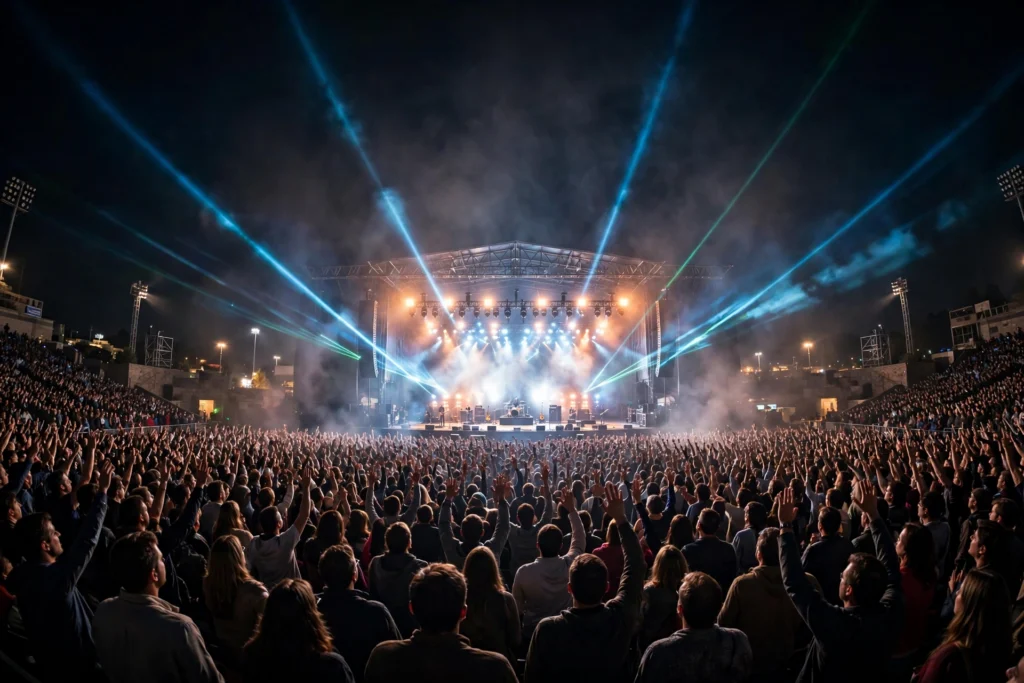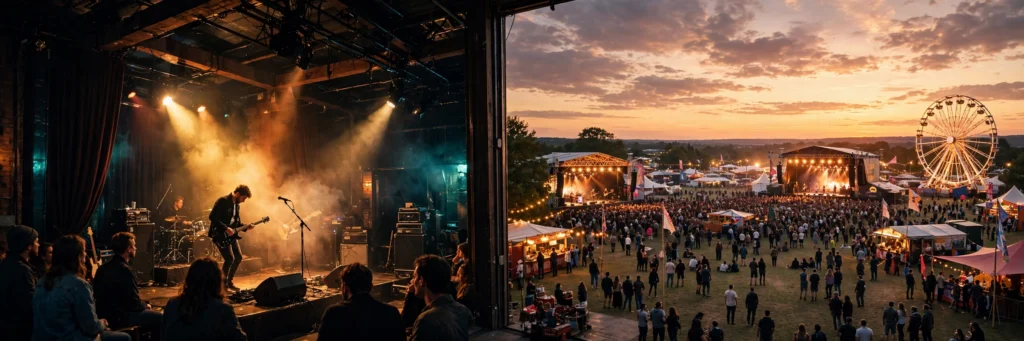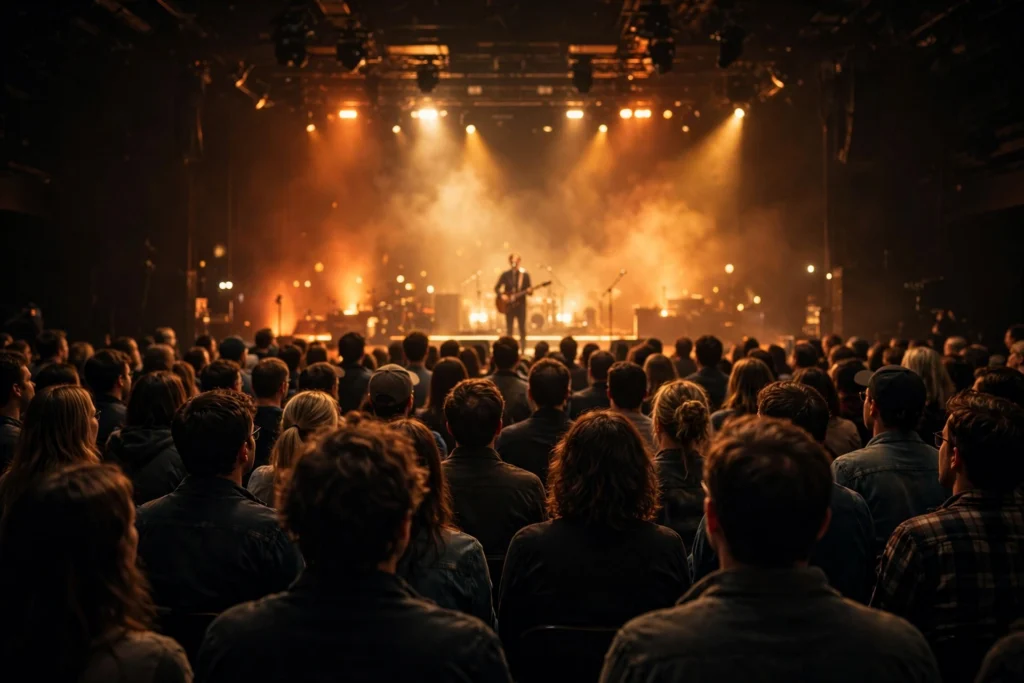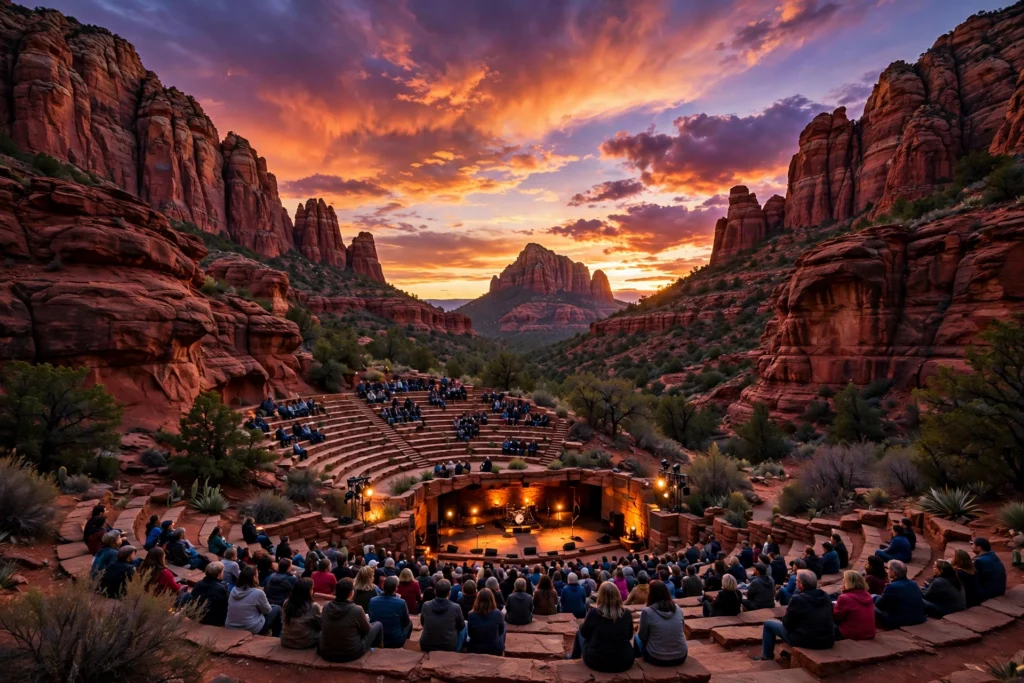
Figuring out What to Wear to a Concert shouldn’t be stressful, but it is — because the answer changes completely depending on the venue, the season, the artist, and whether you’ll be standing for four hours or sitting in a theater seat. This style guide covers every scenario: what works by venue type, what changes by season, and clear do/don’t lists so you look right and feel comfortable from doors to encore.
The golden rule of concert dressing: comfort first, style second, and never sacrifice the first for the second. You’ll be on your feet, in crowds, in variable temperatures, for hours. An outfit that looks great in your mirror and miserable by the second opener is a failed outfit. If this is your first show ever, pair this guide with our First Concert Guide for everything else to expect — and review our Concert Etiquette Guide so your outfit choices (looking at you, tall hats and backpacks) don’t annoy your neighbors.
The Universal Rules (Every Venue, Every Season)
Before the specifics, the principles that never change:
- Wear broken-in shoes. This is rule one through ten. You’ll stand, walk, queue, and possibly dance for hours. New shoes, heels you can’t walk in, and anything with zero support will ruin your night by the opener. Broken-in sneakers, boots, or supportive flats win every time.
- Dress in layers. Venues are unpredictable: freezing AC indoors, body heat in crowds, cold walks to the car. A layer you can tie around your waist or stuff in a small bag beats being stuck too hot or too cold.
- Keep it secure. Crowds press, bump, and jostle. Anything dangling, loose, or valuable is at risk. Crossbody bags worn in front, zipped pockets, and minimal jewelry.
- Check the bag policy first. Many venues now restrict bags to small clutches (roughly 4.5″ x 6.5″) or clear bags. An outfit built around a bag you can’t bring inside is a problem — check the venue site before you dress.
- Match the artist’s energy, not a costume. Nod to the vibe (band tee for rock, something sleek for pop, western touches for country) without wearing a full costume unless it’s that kind of show. You’ll feel confident instead of self-conscious.
By Venue Type
Small clubs and bars (standing room, intimate)
Dark, crowded, hot. The floor gets warm fast with a packed crowd, and you’ll be standing the entire time.
Do: breathable fabrics, dark colors (hides sweat and drink spills), comfortable closed-toe shoes with grip, a crossbody bag or just pockets, a light layer for the walk home.
Don’t: white or light colors, heels, anything you mind getting stepped on, bulky jackets you can’t stash (coat check lines are brutal), strong perfume or cologne (you’re inches from strangers).
Theaters and seated venues (the Ryman, the Beacon, Radio City)
Civilized: real seats, climate control, an audience that sits. This is the dressiest standard concert setting.
Do: smart casual to dressy — dark jeans or trousers with a nice top, a dress, a blazer. Comfortable but polished shoes (you’ll still walk and stand during encores). A small bag that fits the seat.
Don’t: gym clothes, anything with flashing lights or oversized hats that block views, loud rustling fabrics (leather pants squeak; you’ll notice, and so will your row).
Amphitheaters and sheds (pavilion + lawn)
Two different outfits in one venue. Pavilion seats are covered and civilized; the lawn is a hill, often damp, with variable weather.
Do (pavilion): casual-nice, layers for when the sun drops, comfortable shoes for the walk from parking.
Do (lawn): blanket-friendly casual — jeans or shorts, layers, shoes you can walk uphill in, a blanket or low-back chair if the venue allows. Sunscreen and sunglasses for day shows.
Don’t: anything you’d cry over if it got grass-stained or rained on; high chairs that block the hill behind you (check venue chair-height rules).
Arenas and stadiums
Big, climate-controlled (arenas) or exposed (stadiums), with long walks from transit and parking. You’ll be navigating concourses, stairs, and tight rows.
Do: comfortable walking shoes, layers (arenas blast AC), a clear or small bag per policy, phone battery pack in a pocket. Team-colors-style fan gear is welcome at most shows.
Don’t: oversized signs or banners (most venues ban them or they’ll block views), tall hats, anything that takes up more than your seat — rows are tight and neighbors are close.
Outdoor festivals (all-day, multi-stage)
A different sport entirely: 8–12 hours outside, sun, dust or mud, dancing, walking miles between stages.
Do: sun protection as clothing (hat, sunglasses, breathable long sleeves), broken-in walking shoes or boots (never sandals in crowds — feet get stepped on), a hydration pack or refillable bottle if allowed, a bandana or buff for dust, a packable rain layer.
Don’t: anything white, anything expensive, flip-flops, heavy non-breathable fabrics, a big backpack (check size limits; theft in crowds is real — use a small anti-theft bag).
By Season
Spring (March–May)
The trickiest season: 70 degrees at doors, 50 by encore, possible rain. Do: a real jacket or hoodie as your outer layer, closed-toe shoes (spring mud is real at outdoor venues), layers you can peel. Don’t: assume the afternoon weather holds; sleeveless-only outfits for evening shows.
Summer (June–August)
Heat is the enemy, especially outdoors. Do: lightweight breathable fabrics, shorts or skirts, sun protection, minimal layers (one light layer for aggressive indoor AC). Hydrate before you go. Don’t: dark heavy fabrics outdoors, jeans at a daytime festival (you’ll regret it by 2 PM), skipping sunscreen — sunburn plus a long show is misery.
Fall (September–November)
The best-dressed season: layers look good and temperatures cooperate. Do: jeans, boots, jackets, flannels, scarves — fall concert style is peak. A medium jacket handles most evenings. Don’t: forget that venues keep summer AC schedules into fall; bring the layer even if the day was warm.
Winter (December–February)
Coat logistics dominate. Do: a warm coat you can check (use coat check — carrying a parka all night is miserable), warm footwear for the walk/queue, layers underneath for overheated rooms. Don’t: wear your bulkiest coat if there’s no coat check — call the venue ahead to confirm. Don’t wear shorts to prove a point; the queue doesn’t care.
By Genre: Reading the Room
- Rock / indie / alternative: Band tees, jeans, boots or sneakers, leather or denim jackets. Effortless is the aesthetic — try visibly hard and you’ll feel off.
- Pop / mainstream: Trendy, polished, photo-ready. This is the most fashion-forward crowd; sequins, bold colors, and statement pieces fit right in.
- Hip-hop: Streetwear-forward — sneakers (clean ones), good denim, statement outerwear. Comfortable enough to move; the energy is high.
- Country: Boots, jeans, western shirts or dresses, hats (cowboy hats are venue-appropriate here in a way they aren’t elsewhere). Practical and fun.
- EDM / electronic: Expressive and comfortable — bright colors, breathable fabrics, comfortable dance shoes. Kandi and festive accessories are part of the culture at many shows.
- Metal / punk: Dark, durable, mosh-ready: jeans, boots, band tees. Leave anything dangly or precious at home — the pit doesn’t negotiate.
- Jazz / classical / singer-songwriter: Smart casual to dressy. These rooms reward looking polished; think dinner-out attire.
- K-pop: Fan culture is strong — lightsticks, coordinated colors, polished casual. Check fan communities for the tour’s unofficial dress themes; participating is half the fun.
The Do/Don’t Master Lists
Always do
- Break in your shoes before show day
- Wear layers you can add or remove
- Choose secure, zippered storage for phone, ID, and cards
- Check the venue’s bag and dress policies in advance
- Bring a portable charger — you’ll use your phone heavily
- Dress for the weather at midnight, not at 7 PM
Never do
- Wear brand-new shoes, no matter how good they look
- Bring a bag that violates the venue’s size policy
- Wear tall hats, large fascinators, or anything that blocks views
- Wear strong fragrance in a packed crowd
- Bring anything irreplaceable — jewelry, expensive sunglasses, sentimental items
- Wear all-white to a general-admission or outdoor show
- Carry a full-size backpack unless the venue explicitly allows it
Special Situations
Rainy shows
Outdoor shows go on in rain. A packable poncho beats an umbrella (umbrellas block views and most venues ban them). Waterproof shoes or boots, quick-dry fabrics, and a ziplock bag for your phone. Embrace it — rainy shows are often legendary, and the crowd that stays is the best crowd. Quick-dry everything, waterproof your bag’s contents in ziplocks, and remember that a poncho over a great outfit beats a ruined great outfit every time.
Mosh pits and high-energy floors
If you’re heading into the pit: lace-up shoes tied tight, no jewelry, no glasses unless they’re sport-strapped, pockets zipped or emptied, hair tied back. Dress to move and to survive contact. Everything else is optional.
Photos and content
If you’re planning to shoot the show, dark clothing keeps you from reflecting stage light into your own lens, and a crossbody keeps your hands free. For camera-specific advice — what gear to bring, venue photo policies — see our Concert Photography Tips.
Dates and group photos
Concert dates are great dates. Coordinate loosely (same color family, similar formality) rather than matching exactly. And agree on the photo plan early — golden hour outside the venue beats a blurry mid-show selfie every time.
Packing Checklist: The Concert Go-Bag
- Tickets (in your phone wallet, verified before leaving)
- ID and payment method (one card + some cash)
- Phone + portable charger
- Earplugs (high-fidelity concert earplugs — your future hearing thanks you)
- A layer for temperature changes
- Venue-compliant bag
- Sunscreen and sunglasses (daytime/outdoor shows)
- Packable poncho (outdoor shows, uncertain forecast)
- Hair tie, blister pads, and any personal essentials
Hair, Makeup, and Grooming That Survive the Show
Your outfit is only half the equation — here’s how to make the rest of you last from doors to encore:
- Hair: Secure styles beat loose ones in crowds. A low bun, braid, or ponytail keeps hair out of your face (and out of strangers’ faces behind you). If you wear it down, expect it to be a sweaty curtain by the encore — bring a hair tie as backup regardless. Dry shampoo before you go buys volume that survives heat.
- Makeup: Primer and setting spray are the difference between makeup that lasts and makeup that migrates. Waterproof mascara is non-negotiable for emotional shows and hot rooms. Keep the base light — heavy foundation plus crowd heat equals regret. Blotting papers pack flat and rescue a shiny forehead mid-show.
- Fragrance: Light or none. You’re sharing air with hundreds of people in close quarters; what smells subtle in your bedroom is potent in a packed club. Deodorant: yes, always. Cologne or perfume: one spray maximum, or skip it.
- Nails and accessories: Short, secure nails for GA crowds (long nails plus pressed crowds equals scratches — yours and others’). Bracelets and dangling earrings snag in crowds; studs and minimal pieces are the safe play.
Five Ready-Made Outfit Formulas
Decision fatigue is real. Pick the formula that matches your show:
- The Club Night: Dark jeans + breathable black top + broken-in boots or sneakers + crossbody bag + light jacket for the walk home. Works for rock, indie, hip-hop, and EDM club shows.
- The Theater Evening: Dark trousers or a midi dress + polished top + comfortable low heels or dressy flats + small clutch + blazer or wrap. For seated venues, singer-songwriters, jazz, and comedy.
- The Amphitheater Summer: Shorts or a casual dress + breathable top + comfortable walking shoes + sunglasses + a packable layer + sunscreen. Add a blanket for the lawn. For shed tours and outdoor summer shows.
- The Arena Spectacle: Comfortable jeans + band or artist tee (or a stylish top) + sneakers + clear/small compliant bag + hoodie tied at the waist for the AC. For pop, K-pop, and stadium-scale shows.
- The Festival Day: Breathable shorts + tank or breathable tee + broken-in boots or sturdy sneakers + hat + sunglasses + small anti-theft crossbody + packable rain layer + refillable bottle. Sun protection as a system, not an afterthought.
Dressing for Your Body and the Real World
Concert advice too often assumes one body type. The principles adjust:
- All bodies: Comfort and security matter more than silhouette. Stretch fabrics, well-fitting (not tight) clothes, and supportive shoes serve everyone. Ignore any “flattering” advice that makes you miserable by the second song.
- If you’re tall: You’re already visible — skip hats and towering hairstyles indoors as a courtesy. Long inseams and layers that actually cover matter more at concerts where you’ll be moving.
- If you’re petite: In GA crowds, position matters more than height — the edges and slightly raised areas beat the middle crush. Platform sneakers (comfortable ones) add inches without heel pain.
- Plus-size concert-goers: Theater and arena seats vary in width — aisle seats offer more room and easier access. Breathable, non-restrictive fabrics keep you comfortable in warm crowds. You belong in every part of the venue, including the front.
- Sensory sensitivities: Soft, tagless fabrics; earplugs (which also take the edge off overwhelming sound); a familiar comforting layer. Seated shows over GA floors. Sunglasses for aggressive lighting.
Sustainable Concert Dressing
You don’t need a new outfit for every show. The most sustainable concert wardrobe is a small rotation of dark, durable, comfortable pieces: black jeans, breathable tops, one good jacket, broken-in boots. Buy secondhand band tees (vintage tees are cooler anyway), repair instead of replacing, and skip fast-fashion “concert outfits” worn once. The planet — and your wallet — prefer the uniform approach, and nobody at the show is tracking your repeats.
Frequently Asked Questions
Can you wear jeans to a concert?
Almost always yes. Jeans are the default concert garment across genres and venues — the only exceptions are the dressiest theater shows and some VIP experiences with dress codes. Dark, well-fitting jeans work everywhere from clubs to arenas.
Should I dress up for a concert?
Match the venue, not your aspirations. Theaters and seated shows: yes, smart casual or better. Clubs, arenas, and festivals: casual is correct, and overdressing will make you uncomfortable. When in doubt, check photos from the artist’s recent shows to see what the crowd wears.
What should you not wear to a concert?
New shoes, tall hats, strong fragrance, all-white outfits at GA shows, bags that violate venue policy, and anything valuable or irreplaceable. Also skip the headliner band’s own merch tee — the old joke exists because it’s noticeable. (Wear it proudly anyway if you want; confidence beats convention.)
What bag should I bring to a concert?
Whatever the venue allows — and nothing bigger. Check the bag policy before you go: many venues now limit bags to small clutches or clear bags around 4.5″ x 6.5″. A small crossbody worn in front is the ideal concert bag: secure, hands-free, and compliant almost everywhere. When in doubt, go smaller and carry less.
How do you stay warm at an outdoor winter concert?
Base layer, insulating mid-layer, windproof outer layer; warm hat and gloves; insulated, waterproof boots; hand warmers in pockets. The queue and the walk are colder than the show — the crowd’s body heat helps once you’re inside the audience.