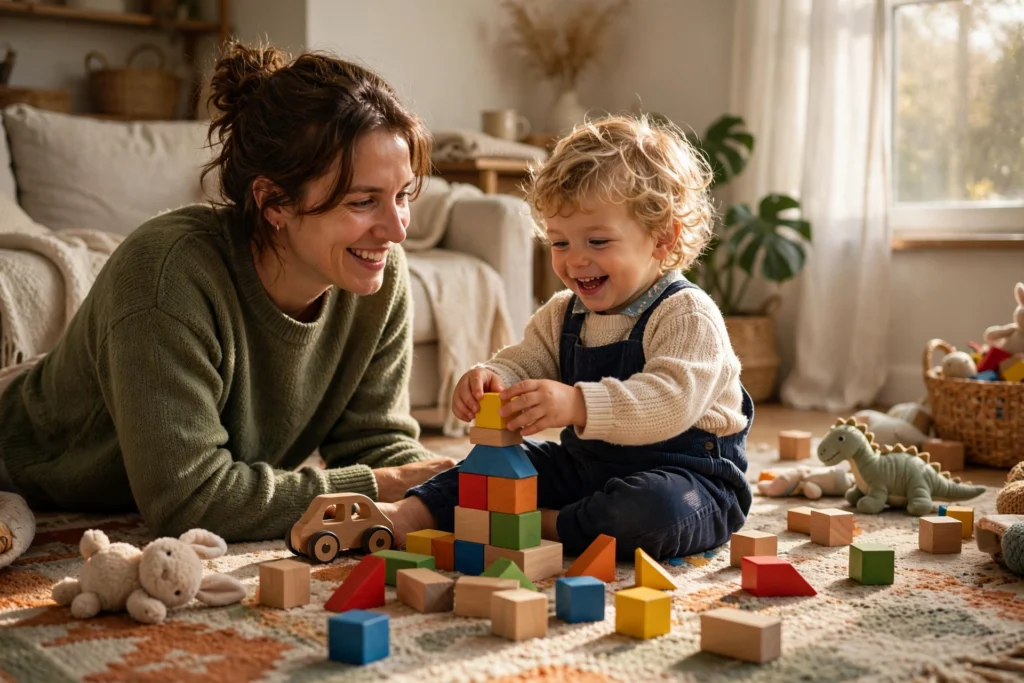
When the temperature drops and daylight shrinks to a sliver, keeping kids happy indoors becomes a survival skill. The Indoor Family Activities for Winter in this guide go far beyond handing everyone a tablet — these are hands-on, imagination-fueled ideas that turn long winter days into some of the coziest memories your family will make. From kitchen science experiments to living-room campouts, from craft marathons to indoor scavenger hunts, you will find activities for toddlers through teens, organized by effort level so you can pick what fits your energy on any given day. Winter does not have to be something your family endures; with the right playbook, it becomes a season you actually look forward to.
Why Winter Indoor Time Matters
Kids still need roughly an hour of active play and plenty of creative stimulation in winter, even when the playground is buried in snow. Unstructured indoor time can quickly curdle into bickering and screen marathons, but a short list of go-to activities changes the dynamic entirely. The ideas below are designed to be low-prep and high-engagement: most use supplies you already own, and many sneak in learning — math, science, reading, fine motor skills — without feeling like school. For stormy days specifically, pair this guide with our rainy day family activities for even more bad-weather inspiration.
Low-Effort Winners: When You Need Something Now
Some winter days, you need an activity in the next five minutes. These require almost no setup and buy you real stretches of engaged play.
Indoor Scavenger Hunts
Write ten clues on index cards and hide them around the house, each leading to the next, with a small prize at the end. For toddlers, use picture clues instead of words. For older kids, make riddles genuinely tricky — winter afternoons are long enough to earn a hard puzzle. Themed hunts (pirate treasure, detective case, holiday heist) keep the format fresh all season.
Blanket Fort City
Drape blankets over couches and dining chairs, add pillows, string up fairy lights, and declare the living room a fort metropolis. Kids will play inside for hours, and the fort doubles as a reading nook, a movie theater (laptop + popcorn), or a sleepover spot. Let them eat dinner in there — the novelty alone makes it a core memory.
Freeze Dance and Living-Room Concerts
Crank the playlist, dance until the music stops, and freeze. Add rounds with silly rules: freeze like a statue, freeze on one foot, freeze as an animal. For a calmer version, hand out “instruments” (pots, shakers, ukuleles) and stage a family concert. If your crew loves live music, our kid-friendly concerts guide points to real shows worth braving the cold for.
Card and Board Game Tournaments
Run a week-long family tournament with a simple bracket on the fridge. Rotate games by age: Uno and Go Fish for little ones, Ticket to Ride and Catan Junior for school-age kids, Codenames or Wingspan for teens. A small trophy — even a decorated mug — makes it fiercely fun.
Creative Projects: Crafts, Art, and Making
| Project | Ages | Time Needed | What You Need |
|---|---|---|---|
| Paper snowflake garlands | 4+ | 45 minutes | Paper, scissors, string |
| DIY snow globes | 6+ | 1 hour | Jars, figurines, glitter, glycerin |
| Salt-dough ornaments | 3+ | 2 hours + baking | Flour, salt, water, paint |
| Cardboard box city | 3–10 | Half day | Boxes, markers, tape |
| Tie-dye or fabric markers | 8+ | 2 hours | White shirts, dye kit |
| Stop-motion movies | 8+ | 2–3 hours | Phone, toys or clay |
| Friendship bracelets | 6+ | 1 hour | Embroidery floss |
| Vision boards for the new year | 10+ | 1 hour | Magazines, poster board, glue |
Winter Baking Projects
The kitchen is winter’s best activity room. Beyond the usual cookies, try a full baking project: homemade pretzels (kids love shaping the twists), bread in a Dutch oven, or a gingerbread house from scratch. Assign each child a job — measurer, mixer, decorator — and let the afternoon unfold. Baking teaches fractions, patience, and the deeply satisfying art of eating your homework.
Active Indoor Play: Burning Energy Without a Yard
Kids do not stop needing movement just because it is 20 degrees outside. These ideas burn energy in ordinary rooms.
- Obstacle course: couch cushions to climb over, a hallway to crab-walk down, a laundry basket to toss soft balls into. Time each run and let kids try to beat their records.
- Balloon volleyball: a balloon, a string “net” across the room, and simple rules. Safe for lamps, thrilling for kids.
- Simon Says fitness edition: jumping jacks, wall sits, bear crawls — sneak exercise into a game they already love.
- Indoor bowling: empty plastic bottles as pins, a soft ball as the bowling ball, and masking-tape lanes on the floor.
- Dance video games or workout videos: kid-friendly dance games turn the TV into a cardio machine without anyone noticing.
- Scavenger relay: combine the scavenger hunt with timed running between rooms for maximum energy burn.
Learning Disguised as Fun
Kitchen Science Experiments
Winter is prime science season. Grow rock candy crystals over a week, build a baking-soda volcano, make slime with contact solution, or test which materials insulate ice best (a genuinely useful winter question). The classic “walking water” experiment — cups, paper towels, food coloring — mesmerizes preschoolers and teaches capillary action. Keep a dedicated “experiment shelf” so supplies are always ready.
Reading Challenges and Story Time
Launch a family reading challenge with a poster-board tracker: 20 minutes a day earns a sticker, and milestones unlock rewards like a special outing. For younger kids, themed story weeks — dinosaurs, space, fairy tales — with related crafts and snacks make reading an event. Audiobooks during craft time or puzzle time count too, and they are perfect for long car rides to winter destinations.
Cooking and Life Skills
Teach kids real skills all winter: scrambling eggs, sewing a button, reading a map, basic first aid, budgeting an allowance. A “life skills bingo card” with 25 squares gives tweens and teens a satisfying long-term project. These lessons stick because they are learned at the kitchen table, not from a lecture.
Cozy Rituals: Making Winter Feel Special
The families who love winter tend to have rituals, not just activities. Start a weekly winter movie night with a rotating picker and themed snacks — our family movie night guide has the full playbook for making it magical. Institute a Sunday pancake morning, a Friday hot-chocolate bar with toppings, or a monthly “fancy dinner” where everyone dresses up and the kids serve. Light candles at dinner, keep a winter journal of the season’s best moments, and take one photo in the same spot every week to watch the snow pile up. Rituals give winter a shape, and shape makes the season feel shorter.
Getting Out (Briefly): Winter Outings Worth the Coats
Sometimes the best indoor activity is a short outdoor break followed by coming back inside. Sledding hills, ice skating rinks, and winter nature walks reset everyone’s mood in under an hour. Museums are winter’s gift to families — check our children’s museum events guide for programs designed for cold months. Libraries run free winter story times and craft hours, and many offer museum pass checkouts. Even a 20-minute walk to look at holiday lights or fresh animal tracks in the snow breaks the cabin fever cycle.
Screen Time That Does Not Feel Like a Compromise
Some winter days, screens happen — and that is fine. The trick is choosing screen time that engages rather than numbs. Documentaries (nature series are unbeatable family viewing), creative apps for drawing or music-making, coding games, and virtual museum tours all count as enrichment. Watch together and talk about it: a family discussion after a great documentary is as valuable as the show itself. Set the expectation early that screens are one activity among many, not the default, and winter screen time stays guilt-free.
Indoor Gardening: Growing Things in Winter
Winter is the perfect season to start an indoor garden, and kids are endlessly fascinated by watching things grow when the world outside is frozen. A windowsill herb garden — basil, mint, chives — gives daily tending jobs and flavors your cooking. Grow bean sprouts in a jar for a three-day miracle that even toddlers can track. Try regrowing kitchen scraps: romaine hearts, green onion bottoms, and celery bases all sprout in water on the counter. For a longer project, force amaryllis or paperwhite bulbs and chart their daily growth; the dramatic blooms feel like a magic trick. Keep a garden journal with drawings and measurements, and by spring you will have seedlings ready for the real garden — plus kids who understand where food comes from.
DIY Spa and Self-Care Days
Everyone needs pampering, including kids. Declare a family spa day: homemade face masks (oatmeal and honey), warm foot soaks with Epsom salts, DIY sugar scrubs in fun scents, and cucumber slices for the full effect. Paint nails, try new hairstyles, and run a relaxing playlist. Teens who would never admit to wanting “family time” will mysteriously appear when the spa supplies come out. End with everyone in cozy pajamas, herbal tea or hot chocolate, and a feel-good movie. It is silly, it is relaxing, and it teaches kids that rest is productive — a lesson many adults still have not learned.
Build a Family Winter Bucket List
Nothing fights winter blahs like anticipation. In early December, gather everyone to build a winter bucket list — 20 to 30 ideas ranging from tiny (try a new hot chocolate recipe) to ambitious (weekend ski trip). Write each on a slip of paper, put them in a jar, and draw one every weekend. Include a mix of at-home ideas (blanket-fort movie marathon, indoor picnic), outings (ice skating, library story time, museum day), and treats (bakery crawl, fancy dinner at home). Let each family member add at least five ideas so everyone has ownership. Post the completed ones on the fridge with dates — by March, the collage of checked-off adventures is proof that winter was not wasted. It was lived.
Sample Winter Bucket List Ideas
- Make homemade pizza from scratch with custom toppings
- Build the biggest blanket fort in family history
- Have a candlelit dinner (kids plan the menu)
- Learn to knit, crochet, or finger-knit scarves
- Write and illustrate a family storybook
- Do a puzzle race — who finishes their section first?
- Host a living-room talent show with neighbor friends
- Make bird feeders and watch winter birds from the window
- Create a family time capsule to open next winter
- Learn a magic trick and perform it at dinner
Winter Pen Pals and Connection Projects
Winter is long — use it to strengthen connections beyond your walls. Set up a pen-pal exchange with grandparents or cousins: kids decorate letters, include drawings and photos, and learn the lost art of waiting for mail. Record video messages for far-away relatives, with each child contributing a segment. Interview a grandparent over video call about their childhood winters and record it — these become priceless family history. For teens, a collaborative playlist or a shared online game with a distant cousin keeps relationships warm across the miles. Connection projects teach kids that relationships need tending, and winter provides the perfect tending season.
The Ultimate Indoor Camping Night
Take the blanket fort to its logical extreme: a full indoor camping night. Pitch a real tent in the living room (or build the mega-fort), unroll sleeping bags, and commit to the bit — no beds tonight. Cook “camp food” indoors: hot dogs, foil-packet meals from the oven, and s’mores made in the microwave or over a candle (supervised). Tell stories with flashlights, play card games, and stargaze through the window. In the morning, make a camp breakfast of pancakes and hot chocolate. Indoor camping delivers 90 percent of the adventure with 100 percent of the plumbing, and kids talk about it for months. For s’more inspiration on cozy evenings, our family movie night guide pairs perfectly with tent-side viewing.
Host a Winter Science Fair at Home
Turn kitchen science into an event: each family member prepares one experiment and presents it “science fair” style with a poster. Ideas that never fail — the walking-water rainbow, the egg-drop challenge (from the stairs onto pillows), homemade lava lamps with oil and effervescent tablets, and the classic mentos-and-soda eruption (outside, or in the bathtub with the curtain drawn). Invite grandparents over video to be the judges, award ribbons for categories like “messiest” and “most surprising,” and let the kids explain the science in their own words. Teaching is the deepest form of learning, and a home science fair gives kids an audience for their curiosity.
Frequently Asked Questions
How do I keep toddlers entertained indoors all winter?
Rotate toys instead of buying new ones — put half away and swap every two weeks so old toys feel new. Sensory bins (rice, dried beans, water beads with supervision), simple crafts, dance parties, and “helping” with real chores fill toddler days surprisingly well. Keep outings short but frequent: even a 15-minute snowy walk or a library trip resets the day.
What are the best indoor activities for teenagers in winter?
Teens engage when they have ownership and a social angle. Cooking challenges, escape-room kits, photography projects, learning an instrument, or a part-time winter hobby like 3D printing or Dungeons & Dragons work well. Let them invite a friend — almost any activity doubles in appeal with a peer present.
How can I limit sibling fighting during long indoor days?
Structure beats willpower. Alternate together-time with solo-time, give each child a personal space they can retreat to, and use a visual schedule so everyone knows what comes next. Separate high-energy activities (one plays video games, the other crafts) and reunite for meals and one group activity. Most winter sibling wars are really about boredom and lack of autonomy.
Are there benefits to boredom in winter?
Yes — boredom is the doorway to creativity. Kids who are not constantly entertained invent games, build things, and develop the self-direction that structured activities cannot teach. Schedule some genuinely unscheduled time each winter day, resist the urge to fix their boredom immediately, and watch what they create.
How do I handle winter when I work from home?
Create “quiet boxes” — special activity kits that only come out during your work hours, making them novel every time. Use visual timers so kids can see when you will be available, and front-load connection: 20 focused minutes of play before work buys you far more cooperation than promises of “later.” Libraries, grandparents, and playdate swaps are legitimate survival tools, not luxuries.
The Bottom Line
The Indoor Family Activities for Winter that work best are not the most elaborate ones — they are the ones you will actually do. Pick five favorites from this guide, keep the supplies handy, and rotate through them all season. Build in one cozy ritual, one active game, and one creative project per week, and winter stops feeling like a waiting room for spring. Years from now, your kids will not remember the cold days; they will remember the blanket forts, the baking marathons, and the feeling that home was the most interesting place to be.