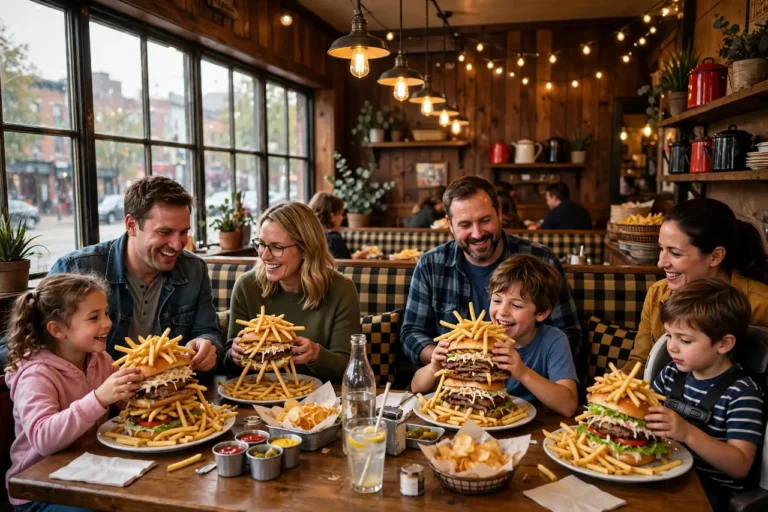
Getting a teenager to willingly spend time with the family can feel like negotiating a peace treaty. But here’s the secret parents of teens eventually learn: teenagers do not hate family time — they hate boring, babyish, or forced family time. The Fun Family Activities for Teens in this guide are chosen with a teenager’s actual psychology in mind: they offer autonomy, a little adrenaline, genuine challenge, or a social angle. From outdoor adventures to at-home competitions to outings they’ll brag about to friends, these 30+ ideas are the ones teens say yes to — and sometimes even suggest themselves.
Why Teens Opt Out (And How to Win Them Back)
Teenagers pull away from family activities for predictable reasons: they crave independence, they fear embarrassment in front of peers, and they are wired to seek novelty and peer approval. The fix is not guilt or bribery — it is designing activities that respect who they are becoming. Give them real choices (not “do you want to come?” but “which of these three should we do Saturday?”). Let them invite a friend, which instantly doubles any activity’s appeal. Give them a role with status: navigator, photographer, grill master, DJ. And protect the vibe — no forced enthusiasm, no childhood nicknames in front of friends, no phones-out parental commentary. When teens feel respected rather than managed, they show up.
Adventure Outings: Adrenaline Wins
Nothing bonds a family with teens like shared adrenaline. These outings give teens stories worth telling.
- Indoor rock climbing: most gyms offer family intro packages; teens pick it up fast and love the problem-solving.
- Kayaking or paddleboarding: rent gear at a local lake — calm water, big independence, great photos.
- Mountain biking: beginner-friendly trail systems exist near most cities; many rent bikes and helmets.
- Ziplining: canopy tours run year-round in many states and deliver maximum thrill per hour.
- Escape rooms: pick a challenging room and let the teen lead — they are usually better at puzzles than parents.
- Go-kart racing: multi-level tracks with timing leaderboards turn siblings into fierce rivals.
- Surfing lessons: a half-day group lesson at a beginner beach creates an instant new skill.
- Hiking to a real summit: teens scoff at “nature walks” but respect a genuine peak with a view payoff.
At-Home Challenges and Competitions
Some of the best teen family time happens without leaving the house — provided there is a scoreboard.
The Family Tournament
Run a season-long tournament across multiple games: video game brackets, poker night (chips only), trivia, mini-golf in the hallway, or a cooking competition with a secret ingredient. Keep a running leaderboard on the fridge and a genuinely coveted prize — choosing the next vacation destination, control of the car playlist for a month, or exemption from a hated chore.
Cooking Battles
Chopped-style challenges with mystery ingredients turn dinner into entertainment. Teens take surprising pride in plating and presentation, and the whole family eats the results. Rotate the judge role so everyone gets to be the critic.
DIY Project Days
Build something real together: a fire pit, a treehouse platform, a garden bed, custom skateboard ramps, or a full room makeover for the teen’s bedroom (their design, your labor budget). Tangible results give teens a pride that games cannot match.
Outings Teens Actually Brag About
| Outing | Why Teens Love It | Best For Ages | Typical Cost |
|---|---|---|---|
| Live concerts | Music, friends, independence | 13+ | $$–$$$ |
| Comedy shows | Edgy humor, grown-up vibe | 15+ | $$ |
| Food truck festivals | Instagram food, freedom to roam | 12+ | $–$$ |
| Drive-in movies | Retro cool, private space | 10+ | $ |
| Pro sports games | Energy, rivalry, spectacle | 8+ | $$–$$$ |
| Haunted houses | Scares, group bonding | 13+ | $–$$ |
| Thrift store challenges | Creativity, hilarious outfits | 12+ | $ |
| Sunrise or sunset hikes | Photos, achievement | 12+ | Free |
Live music deserves special attention: a concert is one of the few outings where teens genuinely want parents present (for the tickets, if nothing else). Our kid-friendly concerts guide covers shows that work for younger teens, and what to wear to a concert settles the eternal pre-show debate. For theater-loving teens, Broadway shows for kids includes picks that older kids love too.
Creative and Skill-Building Activities
Teens engage deeply when they are learning something with real-world currency.
- Photography walks: hand them a real camera (or just their phone) and a theme; print the best shots for the wall.
- Learn an instrument together: family ukulele or guitar nights are gloriously bad at first and genuinely fun by month two.
- Coding or game-design projects: build a simple game or website as a family over several weekends.
- Volunteer as a family: trail cleanups, food banks, and animal shelters give teens purpose and perspective — see our full guide below.
- Start a family business: a lawn-care route, an Etsy shop, or a weekend bake stand teaches entrepreneurship with real stakes.
- Travel planning: give teens the budget and let them plan a full day of a family trip — research, bookings, and all.
The Art of the Invite
How you propose the activity matters as much as the activity itself. Never announce — invite: “We’re thinking Saturday: climbing gym or kayaking — which sounds better to you?” preserves their autonomy. Do not oversell; a casual mention beats a PowerPoint pitch. Accept “maybe” gracefully and have a backup plan, because pressure creates resistance. Let them bring a friend whenever possible — it transforms the dynamic from “family obligation” to “thing I’m doing that my family happens to be at.” And debrief lightly afterward: “That was fun” lands better than a speech about family values. The goal is a teen who associates family time with good experiences, not lectures.
Screen Time Together (Yes, Really)
Fighting all screen time is a losing battle; co-opting it is a winning strategy. Family video game nights — cooperative games where you are on the same team — build genuine camaraderie. Watch a prestige series together with a “one episode per night” rule and actually discuss it; teens open up about real topics through the safety of fictional characters. Our family movie night guide has frameworks for making shared viewing feel like an event, including teen-approved pick systems that end the “what should we watch” standoff.
Seasonal Favorites for Teens
| Season | Top Teen Family Picks |
|---|---|
| Spring | Wildflower hikes, baseball games, food festivals, spring break day trips |
| Summer | Beach days, water parks, outdoor concerts, camping with friends invited |
| Fall | Haunted houses, corn mazes, football games, apple picking with a twist (cider donuts) |
| Winter | Ski trips, ice skating, escape rooms, holiday light displays |
Teen-Approved Day Trip Ideas
Sometimes the best family activity is simply leaving town for the day. These day trips hit the teen sweet spot of novelty, independence, and photo opportunities.
- Nearby city exploration: hand teens the transit map and a food budget — let them lead a “best of” tour of a neighboring city.
- Waterfall or swimming-hole day: pack a picnic and find the local natural swimming spot; teens love the adventure factor.
- Thrift and vintage crawl: set a $20 challenge — best outfit, weirdest find, most useful item. Lunch at a diner between stores.
- Sporting event: minor league baseball, local soccer, or a college game delivers pro-level energy at family prices.
- Amusement or water park: the classic for a reason — set check-in times and let teens roam with siblings.
- Historic or quirky small town: ghost tours, weird museums, and main-street candy shops photograph beautifully.
- Sunrise or sunset mission: drive to the best viewpoint, bring breakfast or dinner, and watch the sky perform.
Volunteering: Purpose-Driven Family Time
Do not underestimate service as teen family time. Trail cleanups, food bank shifts, habitat builds, and animal shelter volunteering give teens something screens cannot: the feeling of being genuinely useful. Many teens discover passions through service — the animal shelter volunteer becomes a vet-tech student, the trail crew kid becomes an environmental science major. Frame it as a choice, not a punishment: “We’re doing a service Saturday once a month — you pick the cause this time.” Working side by side on something that matters builds a different, deeper kind of family bond. Look for free family events with a service angle, like park cleanups and food drives, to get started.
Hobby Deep-Dives: Learn Something Together
Pick a skill the whole family learns from zero — the shared incompetence is bonding, and the progress is thrilling. Options with high teen buy-in: rock climbing (gym memberships often have family plans), photography (with a real camera, not just phones), a new language (compete on a learning app), cooking a cuisine from scratch (pick a country per month), or music (family band, however terrible at first). The key is that parents are beginners too — teens respect the vulnerability, and teaching moments flow both ways when the kid surpasses the parent by week three. Document the journey with photos; the “before and after” is incredibly satisfying.
Navigating the “Too Cool” Phase
Every teen hits a stretch where family activities feel embarrassing — usually peaking around 13–15. Do not panic and do not force it. Keep invitations casual and low-stakes: “We’re grabbing tacos, want to come?” beats “We’re having mandatory family fun day.” Maintain one-on-one time, which teens accept far more readily than group activities — a monthly breakfast, a drive to nowhere, a shared show. Let them opt out sometimes without guilt-tripping; the teen who skips the zoo trip but joins the concert still feels connected. And remember the long game: the “too cool” phase passes. Teens who were dragged to zero activities resent it; teens who were invited to good ones — even when they declined — remember the invitations fondly and start accepting again around 16–17. Keep the door open, keep it light, and keep showing up.
Money Adventures: Real-World Financial Fun
Teens care about money — channel it. Give each teen a budget and a challenge: plan a full family day trip under $100, cook a week of family dinners for $75, or thrift a complete outfit for $25. The constraints make it a game, and the skills are genuinely useful. Open a real conversation about earning: help them find a first job, start a small business, or freelance a skill. Visit a bank together to open their own account. Play stock-market simulation games as a family over several months. Teens who practice money decisions with low stakes make better ones with high stakes — and a teen who planned the budget-friendly beach day feels ownership over the whole family’s fun.
Family Book and Movie Club
Pick a book everyone reads (yes, even the teen — graphic novels and fast-paced YA count) and discuss it over a special dinner. Or run a movie club with a rotating picker and a rule: the picker must defend their choice in 60 seconds before pressing play. Theme the snacks to the film. Afterward, rate it, debate the ending, and pick next week’s film. The club format works because it is structured but social — teens engage with the debate, not just the content. Over a year, a family movie club becomes a shared cultural library of inside jokes and references. Our family movie night guide has pick systems and theme-night ideas to keep the club running strong.
Creative Expression: Art, Music, and Making
Teens need outlets, and family creative time gives them one without the pressure of performance. Try a family art night with real supplies — acrylics, canvases, and a YouTube tutorial everyone follows (and hilariously interprets differently). Start a family band with whatever instruments are available, including digital ones; the goal is noise and laughter, not talent. Do a photo-walk challenge in your own neighborhood with a theme like “hidden beauty” or “signs of the season.” Write and film a short comedy sketch together — teens’ humor shines when given a stage. Or tackle a big collaborative build: a treehouse, a garden shed, a custom PC. Creative projects work because they have no scoreboard and no winner — just the satisfaction of making something that did not exist that morning.
The One-on-One Advantage
Here is a secret weapon many parents discover late: individual time with each teen outperforms whole-family activities for building closeness. A monthly breakfast date, a shared hobby, or even a regular drive together creates space for the conversations that never happen at the full dinner table. Teens who feel individually seen are dramatically more generous about group family time. Rotate through your kids so everyone gets their turn, let the teen choose the activity, and protect the ritual fiercely — it is often the relationship anchor that carries families through the stormiest teen years. Some of the deepest parent-teen bonds are built not at the big events but in the quiet regularity of showing up, one on one, month after month.
Frequently Asked Questions
My teen refuses every family activity. What should I do?
First, do not take it personally — withdrawal is developmentally normal. Scale back to low-pressure invitations rather than big productions: a drive for ice cream, a walk, cooking dinner together. Give them genuine choice and veto power, let them invite friends, and protect one-on-one time, which teens often prefer to whole-family events. Consistency matters more than intensity: keep inviting, keep it light, and the door stays open.
How much independence should teens get during family outings?
More than you think. At festivals, malls, and amusement parks, agree on check-in times and let teens roam with siblings or friends. At restaurants and shows, let them order for themselves and manage their own money. Independence within clear boundaries builds trust — and teens who feel trusted act more trustworthy.
Are family vacations still worth it with teenagers?
Absolutely — teens often cite family trips as core memories years later, even if they grumbled at the time. The keys: involve them in planning, build in downtime and Wi-Fi, allow friend invitations when feasible, and choose destinations with teen appeal (adventure activities, good food scenes, something photogenic). One great trip beats three forced ones.
How do I compete with my teen’s phone?
You do not compete — you make the alternative more interesting. Phones win when the activity is boring; they lose when the activity is engaging. Set clear, agreed phone boundaries for specific moments (meals, the first hour of a hike, during games) rather than blanket bans, and model the behavior yourself. Activities with a physical or social component naturally push phones aside.
What if siblings have a big age gap?
Split the difference strategically: plan some activities around the teen (with the younger ones along for the ride) and some around the little ones (with the teen in a “helper with status” role, not a babysitter). Also protect one-on-one time with each child — a teen who gets a monthly solo outing with a parent is far more generous about family activities with younger siblings.
The Bottom Line
The Fun Family Activities for Teens that succeed all share three traits: they respect the teenager’s growing independence, they offer genuine novelty or challenge, and they leave room for friends. Stop trying to recreate the magic of the little-kid years and start building the new magic of the teen years — the sunrise hike, the cooking battle, the concert you all loved. Your teenager is becoming an interesting person; family time that treats them like one is family time they will actually choose.