Knowing how to reheat Thanksgiving dinner properly is the difference between leftovers that taste like a sad echo of the holiday and a second feast that rivals the first. The microwave-only approach — nuking a plate of turkey and sides until the edges are rubbery and the middle is lukewarm — is how good Thanksgiving food gets a bad reputation. But with the right technique for each dish, reheated turkey can be juicy, mashed potatoes can be creamy, and gravy can be silky all over again.
The science is straightforward: reheating is about restoring moisture and heat evenly without overcooking what is already cooked. Every Thanksgiving dish needs a slightly different approach — turkey dries out, mashed potatoes seize, stuffing goes soggy, and pie crust turns leathery — and this guide gives you the exact method, temperature, and timing for each one. We will cover the oven, stovetop, microwave, air fryer, and slow cooker methods, the USDA food safety rules that govern reheating (165°F internal temperature, the 2-hour rule, and safe storage timelines), and troubleshooting for every common reheating disaster.
Whether you are reviving a full plate the day after, reheating a casserole for a potluck encore, or strategically cooking ahead and reheating on Thanksgiving Day itself, these techniques will make your encore every bit as good as the premiere.
The Golden Rules of Reheating
Before we get dish-specific, five principles apply to everything:
- Reheat to 165°F internal temperature. This is the USDA guideline for reheated leftovers — use an instant-read thermometer, not guesswork. Every method below targets this number.
- Low and slow beats hot and fast. A 300–325°F oven reheats food evenly; a blasting-hot oven or full-power microwave overcooks the outside before the center is warm.
- Add moisture. Cooked food loses water in the fridge. A splash of broth, a pat of butter, a drizzle of milk, or a damp paper towel cover replaces it and is the single biggest quality upgrade in reheating.
- Only reheat what you will eat. Repeated cooling and reheating cycles degrade both quality and safety. Portion out what you need and reheat once.
- Respect the clock. Refrigerate leftovers within 2 hours of cooking, use them within 3–4 days (or freeze), and thaw frozen leftovers in the fridge — never on the counter. Our Thanksgiving food safety tips cover the complete rules.
The number-one reheating mistake is treating all Thanksgiving dishes the same. Turkey, potatoes, stuffing, and pie each have different enemies — dryness, gumminess, sogginess, and leathery crust — and each needs its own rescue plan.
How to Reheat Turkey (Without Drying It Out)
Turkey is the highest-stakes reheat on the table: lean breast meat that was perfectly juicy yesterday turns to sawdust with thirty seconds of carelessness. The method depends on how your turkey is portioned.
Method 1: Sliced Turkey in the Oven (Best Quality)
This is the gold standard. Arrange slices in a single layer in a baking dish, spoon warm turkey or chicken broth over them (about 2–3 tablespoons per cup of meat — the slices should look moist, not swimming), dot with butter, cover tightly with foil, and heat at 325°F for 20–30 minutes until the center of the thickest slice reads 165°F. The broth steams the meat gently back to juiciness, the foil traps the steam, and the moderate oven prevents the edges from overcooking. Rest 5 minutes before serving. This method works for both white and dark meat and is the one to use when the turkey is the star of the plate.
Method 2: Whole or Large Pieces in the Oven
For a large portion — a breast half, a leg quarter — use the same principle at a slightly lower temperature: 300°F, broth in the bottom of a covered roasting pan or Dutch oven, 30–45 minutes depending on size, to 165°F internal. The Dutch oven is ideal here; its heavy lid creates a steamy environment that is very forgiving. If the skin was crispy originally, uncover for the last 5–10 minutes to re-crisp it.
Method 3: Stovetop Skillet (Fastest Good Result)
For a single serving, nothing beats a skillet: warm a splash of broth or gravy in the pan over medium heat, add the turkey slices, cover, and steam-heat for 3–5 minutes, flipping once. The direct contact plus steam works fast, and finishing with a spoonful of hot gravy over the top masks any minor dryness. This is the weeknight-hero method — dinner in under ten minutes.
Method 4: Microwave (Acceptable With Technique)
The microwave is not the enemy if you respect it: arrange slices in a single layer (no stacking), sprinkle with broth or water, cover with a damp paper towel, and heat at 50% power in 1-minute intervals, checking temperature between rounds. The low power and intervals prevent the rubbery edges that full-power blasting causes. It will never match the oven, but it is perfectly serviceable for a quick lunch — and far better than most people’s default nuke-it-on-high habit.
What About the Skin?
Reheated skin never fully recovers its day-one crispness in moist-heat methods. If crispy skin matters to you, reheat the meat covered as above, then finish slices skin-side up under the broiler for 2–3 minutes (watch constantly — it goes from crisp to burnt fast). Alternatively, embrace it: chop soft reheated skin into stuffing or gravy where its richness shines without needing crunch.
How to Reheat Side Dishes
Mashed Potatoes
Cold mashed potatoes are stiff and gluey; reheated wrong, they turn gummy. The fix: stovetop, low heat, with added dairy. Put the potatoes in a saucepan over low heat with a generous splash of warm milk or cream and a knob of butter. Stir gently and infrequently — over-stirring develops starch and creates glue. As they loosen, adjust: more warm milk for creaminess, a pinch of salt to wake them up. They are done at 165°F and should look glossy, not stiff. Microwave alternative: cover, 50% power, stir every 90 seconds, adding milk as needed. For make-ahead mashed potatoes (cooked days before serving), our make-ahead Thanksgiving recipes guide covers the full prep-and-reheat workflow.
Stuffing / Dressing
Stuffing dries out and its top goes leathery. Oven method (best): place in a baking dish, drizzle with warm broth (about 1/4 cup per quart of stuffing), dot with butter, cover with foil, and bake at 350°F for 20–25 minutes to 165°F. Uncover for the last 5 minutes if you want the top re-crisped. Skillet method (most delicious): press cold stuffing into a buttered skillet over medium heat and crisp it like a pancake, flipping once — the caramelized crust is arguably better than the original. This works especially well for cornbread-based stuffing.
Sweet Potato Casserole
Cover with foil and bake at 350°F for 20–30 minutes to 165°F. If it has a marshmallow topping, add fresh marshmallows for the last 5 minutes uncovered — reheated marshmallows go gummy, but a fresh layer toasts beautifully. For pecan-topped versions, the topping usually re-crisps fine under foil; uncover at the end to refresh it.
Green Bean Casserole
The enemy here is a soggy fried-onion topping. Oven: cover with foil, bake at 350°F for 20 minutes, then uncover, add a fresh handful of crispy fried onions, and bake 5 more minutes. The fresh topping makes it taste newly made. Microwave works in a pinch for single servings but skip it for the topping’s sake — transfer to an oven-safe dish for the finish if you can.
Roasted Vegetables (Brussels Sprouts, Carrots)
Roasted vegetables reheat best with dry heat that re-crisps them: 425°F oven or air fryer for 8–12 minutes, spread in a single layer, ideally with a tiny drizzle of oil. The microwave turns them soggy — avoid it. The air fryer at 375°F for 5–7 minutes is genuinely excellent for small portions, restoring caramelized edges better than any other quick method.
Mac and Cheese
The sauce breaks and the pasta absorbs liquid overnight. Oven: stir in a splash of warm milk, top with a little extra cheese, cover with foil, bake at 350°F for 20 minutes, then uncover to brown. Stovetop: warm gently with milk, stirring, until creamy — fastest for single servings. Add the milk gradually; you can always add more, but you cannot take it back.
Dinner Rolls and Bread
Wrap rolls in foil with a tiny sprinkle of water, bake at 350°F for 10–15 minutes — the steam refreshes the crumb. For a single roll, 10 seconds in the microwave wrapped in a damp paper towel works, but eat it immediately before it toughens. To re-crisp crusty bread, run the loaf briefly under the tap (yes, really — a light dampening), then bake uncovered at 375°F for 8–10 minutes.
How to Reheat Gravy, Cranberry Sauce, and Soups
Gravy
Gravy separates and gels in the fridge — completely normal. Stovetop is the only method worth using: warm it gently in a saucepan over low-medium heat, whisking constantly. If it is too thick, whisk in warm broth a tablespoon at a time; if too thin, simmer a few minutes to reduce or whisk in a small slurry of cornstarch and cold water. Never microwave gravy on high — it superheats, splatters, and breaks. Taste and re-season: cold dulls salt perception, so gravy that was perfect yesterday often needs a pinch more salt and a crack of pepper today.
Cranberry Sauce
Cranberry sauce is served cold or at room temperature — no reheating needed. Just take it out of the fridge 30 minutes before serving to take the chill off. If you prefer it warm (it is excellent warm over turkey), heat gently in a small saucepan until just loosened, not boiling.
Turkey Soup and Leftover Casseroles
Soups reheat perfectly on the stovetop over medium heat, stirred occasionally, to a full simmer (165°F+). For a turkey noodle soup made from the carcass, note that the noodles keep absorbing broth overnight — add extra broth when reheating. Casseroles like leftover turkey pot pie or turkey tetrazzini go covered in a 350°F oven for 25–35 minutes to 165°F in the center; uncover at the end to re-crisp the top.
How to Reheat Pie and Desserts
Pie is the most reheated-and-ruined Thanksgiving item. The rules: fruit and pumpkin pies reheat beautifully — a slice in a 350°F oven for 10–15 minutes (or the whole pie, covered loosely with foil, for 20–25 minutes) refreshes the filling and re-crisps the crust far better than the microwave, which makes crust leathery. Cream-topped pies: reheat the slice first, then add fresh whipped cream — never reheat the cream. Individual portions of mini Thanksgiving desserts need only 8–10 minutes. Serve warm pie with cold vanilla ice cream for the full contrast effect. Our Thanksgiving dessert table ideas include serving tips that apply just as well to the encore.
Method Comparison: Which Reheating Method When
| Dish | Best Method | Temp | Time | Avoid |
|---|---|---|---|---|
| Sliced turkey | Oven, covered, with broth | 325°F | 20–30 min | Microwave on high |
| Mashed potatoes | Stovetop with warm milk | Low heat | 8–10 min | Over-stirring |
| Stuffing | Oven, covered, with broth | 350°F | 20–25 min | Microwave (soggy) |
| Green bean casserole | Oven + fresh onion topping | 350°F | 25 min | Soggy old topping |
| Roasted vegetables | Oven/air fryer, dry heat | 400–425°F | 8–12 min | Microwave (soggy) |
| Gravy | Stovetop, whisking | Low-medium | 5–8 min | Microwave on high |
| Mac and cheese | Oven with added milk | 350°F | 20 min | Dry reheating |
| Pie (slice) | Oven | 350°F | 10–15 min | Microwave (leathery crust) |
| Dinner rolls | Oven, foil-wrapped | 350°F | 10–15 min | Microwave (toughens fast) |
| Soup | Stovetop | Medium | To simmer | — (very forgiving) |
Food Safety Rules for Reheating
Reheating is a food safety operation as much as a culinary one. These USDA-aligned rules are non-negotiable:
- 165°F internal temperature, every time. All reheated leftovers — turkey, stuffing, casseroles — must reach 165°F as measured with a food thermometer in the thickest part. “Steaming hot” is not a measurement; 165°F is.
- The 2-hour rule: get leftovers into the refrigerator within 2 hours of cooking (1 hour if the room is above 90°F). Bacteria multiply rapidly between 40°F and 140°F — the “danger zone” — so the clock starts when food leaves the oven, not when dinner ends.
- Use or freeze within 3–4 days. Refrigerated Thanksgiving leftovers are safe for 3–4 days. After that, freeze them (soups, turkey meat, and most casseroles freeze well for 2–3 months) or discard them.
- Reheat only once. Each cool-down and reheat cycle spends time in the danger zone and degrades quality. Portion out what you will eat, reheat that portion once, and refrigerate the rest untouched.
- Thaw frozen leftovers safely: in the refrigerator (plan 24 hours per 4–5 pounds), never on the counter. Once thawed, treat as fresh leftovers — use within 3–4 days.
- Sauces, soups, and gravy must come to a rolling boil (or at least a full simmer reaching 165°F throughout) when reheated — stir to eliminate cold spots.
- When in doubt, throw it out. Off smells, slimy textures, or leftovers of uncertain age are never worth the risk. This applies doubly to anything that sat out during a long holiday gathering.
The Strategic Reheat: Cooking Ahead for Thanksgiving Day
Here is an advanced move: many hosts deliberately cook dishes 1–2 days early and reheat them on Thanksgiving Day, trading a small quality cost for a calm, manageable holiday. Done with the techniques above, the difference is negligible — and the sanity savings are enormous. The best candidates:
- Cranberry sauce: actually improves with a few days in the fridge. Zero reheating needed.
- Pies: bake fully 1–2 days ahead; refresh slices in the oven on the day.
- Mashed potatoes: make ahead, refrigerate, and reheat stovetop with warm milk and butter — nearly indistinguishable from fresh.
- Stuffing (unbaked assembly): assemble the day before, refrigerate, and bake on Thanksgiving Day — this one is actually better made ahead, as the bread absorbs the flavors overnight.
- Sweet potato casserole: assemble ahead, bake on the day.
- Turkey: the one dish worth cooking day-of if you can — but a turkey breast reheated with the covered-broth method is genuinely excellent, so do not fear the make-ahead if your oven schedule demands it.
Our make-ahead Thanksgiving recipes guide maps the full cook-ahead calendar, and a Thanksgiving dinner timeline will help you slot reheating tasks into the day’s flow. If you are coordinating a group meal, our guide on how to organize a Thanksgiving potluck covers reheating guests’ dishes safely on arrival.
Troubleshooting Common Reheating Disasters
Dry turkey, already reheated. All is not lost: slice it thinner, warm it in a skillet with gravy or broth until it absorbs the liquid, and serve it in something — a leftover turkey sandwich with cranberry mayo, a quesadilla, or shredded into soup. Moisture plus a new context rescues almost any dry bird.
Gummy mashed potatoes. They were over-stirred or overheated. Rescue: spread them in a buttered baking dish, top with cheese and breadcrumbs, and bake as a potato gratin — the oven transforms the texture entirely and nobody will know.
Soggy stuffing. Spread it in a thin layer on a sheet pan and bake uncovered at 400°F for 15–20 minutes, stirring once. Maximum surface area plus dry heat drives off moisture and re-crisps the edges. Alternatively, pan-fry portions in butter until crisp — stuffing pancakes are a legitimate delight.
Broken gravy (separated, oily). Whisk vigorously while warming; if it will not come together, whisk in a teaspoon of cold butter or a splash of warm milk to re-emulsify. As a last resort, strain it and start a quick pan gravy using the strained liquid plus a fresh roux.
Uneven microwave heating (hot edges, cold middle). Arrange food in a ring with the center empty, use 50% power, stir or rearrange halfway, and let it stand 1–2 minutes after heating — standing time lets temperatures equalize. Verify 165°F in multiple spots with a thermometer.
Everything is ready at different times. Hold finished dishes covered with foil in a 200°F oven (the “warming oven” trick) — food holds safely for up to 2 hours this way, staying above the danger zone. This is how restaurants do it, and it is the single best technique for getting a multi-dish reheat to land simultaneously.
Reheating well is a form of respect — for the food, for the cook (even if the cook was you), and for the holiday itself. The encore deserves the same care as the premiere.
In Pictures: How to Reheat Thanksgiving Dinner
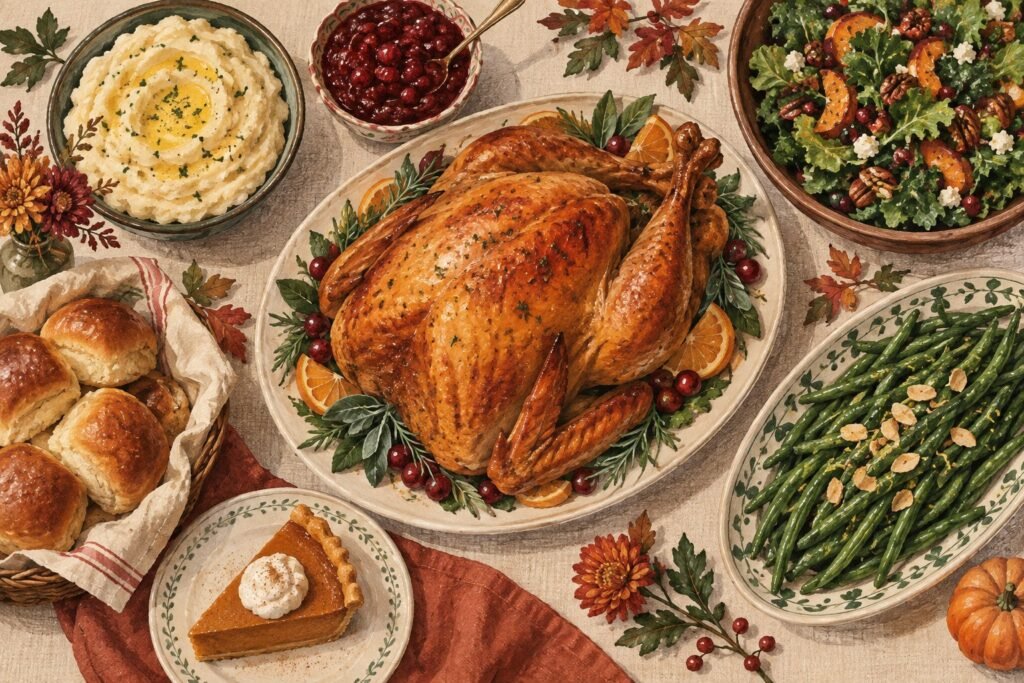
Day-two turkey can be just as good as day one — if you reheat it gently and with a little moisture.

Reheating Thanksgiving leftovers: sliced turkey covered in foil, gravy and mashed potatoes on the stove.
Watch: How to Reheat Thanksgiving Dinner
America's Test Kitchen shows how to reheat leftovers without ruining them — science-backed methods.
At a Glance: How to Reheat Thanksgiving Dinner
The best reheating method for each leftover, plus the safety temperature to hit.
| Leftover | Best method |
|---|---|
| Turkey | Low oven (300°F) covered with foil and a splash of broth |
| Mashed potatoes | Stovetop with a splash of milk, stirring often |
| Stuffing | Covered in the oven with a little broth to re-crisp |
| Gravy | Gentle stovetop heat, whisking; thin with broth if needed |
| Vegetables | Quick sauté or a hot oven beats the microwave |
| Safety | Reheat leftovers to 165°F throughout |
| Microwave tip | Use medium power and stir halfway for even heating |
Frequently Asked Questions
What is the best way to reheat Thanksgiving turkey without drying it out?
Slice the turkey and arrange it in a single layer in a baking dish, spoon warm broth over the slices, cover tightly with foil, and heat at 325°F for 20–30 minutes until the thickest slice reaches 165°F internally. The broth creates steam under the foil that rehydrates the meat gently. For single servings, a covered skillet with a splash of broth over medium heat works in 3–5 minutes. Avoid microwaving on full power — it is the fastest route to rubbery turkey.
What temperature should reheated Thanksgiving leftovers reach?
165°F internal temperature, per USDA guidance — for turkey, stuffing, casseroles, and all reheated leftovers. Use an instant-read food thermometer inserted into the thickest part; do not rely on “steaming hot” as a measure, since food can steam on the surface while the center is still in the bacterial danger zone (40°F–140°F). Sauces, soups, and gravy should be brought to a full simmer or rolling boil, stirred to eliminate cold spots.
Can I reheat Thanksgiving dinner in the microwave?
Yes, with technique: use 50% power, heat in short intervals, stir or rearrange food between rounds, cover with a damp paper towel or lid to trap steam, arrange food in a ring (not a mound), and let it stand 1–2 minutes afterward for temperatures to equalize. The microwave is fine for mashed potatoes, soups, and single servings of turkey. Avoid it for roasted vegetables (they go soggy), pie (the crust turns leathery), and anything with a crispy topping you want to preserve — the oven or air fryer is better there.
How many times can I safely reheat Thanksgiving leftovers?
Once. The USDA-aligned best practice is to reheat leftovers a single time to 165°F. Each cooling and reheating cycle spends more time in the danger zone and degrades texture and flavor. The practical method: portion out only what you will eat, reheat that portion, and leave the rest refrigerated untouched. Refrigerated leftovers are safe for 3–4 days total; freeze anything you will not eat in that window.
How do I reheat a whole Thanksgiving meal so everything is hot at once?
Work backward from serving time using the oven as your staging ground: start the longest items first (covered turkey/casseroles at 325–350°F), add quicker items later, and hold finished dishes covered with foil in a 200°F oven — food stays safely above the danger zone for up to 2 hours this way. Reheat gravy last on the stovetop (5–8 minutes) and refresh pie slices while the table is being set. A written timeline with temperatures and times, even a rough one, is what separates a smooth encore from a chaotic one.
Is it safe to reheat stuffing that was cooked inside the turkey?
Yes, provided it was cooked safely in the first place (the stuffing inside the bird must have reached 165°F — which is why many experts recommend baking stuffing separately) and handled correctly afterward: refrigerated within 2 hours, kept 3–4 days maximum, and reheated to 165°F throughout. Remove stuffing from the bird before refrigerating — never cool the stuffed bird whole, as the dense center stays in the danger zone too long. When reheating, the covered-oven-with-broth method at 350°F brings it back beautifully.
Conclusion
Learning how to reheat Thanksgiving dinner is really learning to respect the second act. The turkey, the sides, the pie — they all deserve better than a careless blast in the microwave, and with the techniques in this guide they get it: broth-steamed turkey at 325°F, stovetop mashed potatoes loosened with warm milk, stuffing re-crisped under foil, pie refreshed in the oven, and every single dish verified at 165°F for safety.
Keep the golden rules close — low and slow, add moisture, reheat once, respect the clock — and your leftovers will stop feeling like leftovers at all. For the full holiday picture, explore our best Thanksgiving recipes of 2026, plan ahead with our Thanksgiving dinner menu for 2026, and when the feast is over, turn the remains into something new with our leftover guides. Here is to an encore worth savoring.