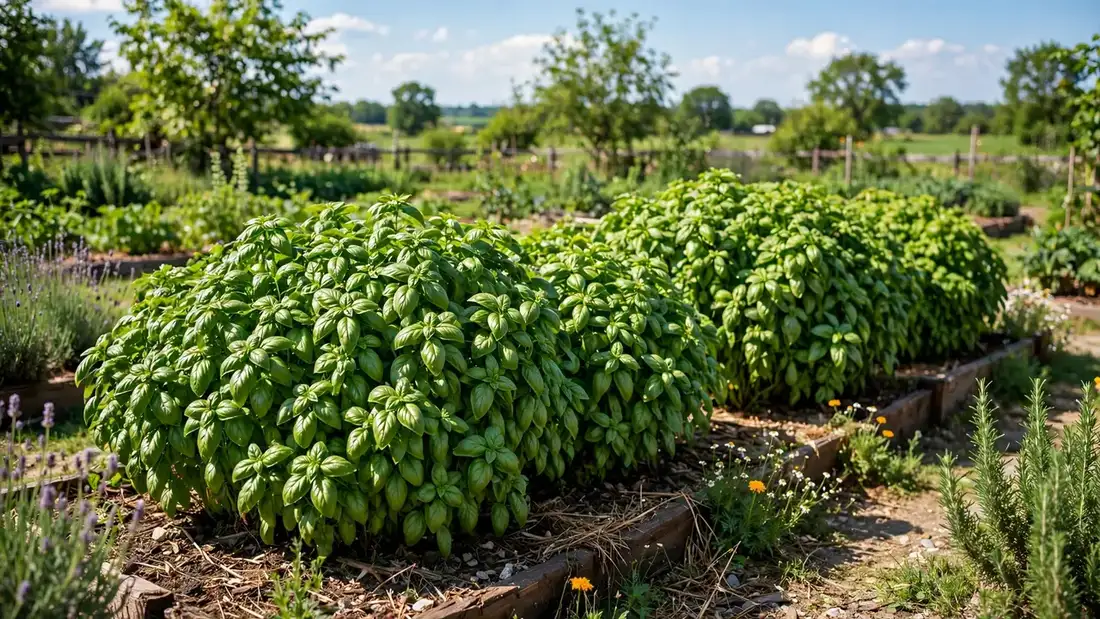
Few garden projects pay back like growing Basil at home.
Basil is the warm-weather herb every garden should have, turning out armloads of fragrant leaves from a single summer planting. It demands heat and full sun, sulks in cold soil, and rewards constant pinching with bushier growth. One plant harvested correctly can supply a household with pesto all season.
Homegrown produce also wins on freshness in a way no supply chain can match. Vegetables start losing nutrients and flavor the moment they are picked; the shortest possible farm-to-table distance is your own backyard. A tomato eaten warm from the vine is a different food from one shipped green and gassed red.
In this complete guide, you will learn everything from the ground up: planning, planting, feeding, troubleshooting, and harvesting. Whether this is your first try or your fiftieth, there is something here to raise your results.
This guide is written for real home gardeners: no expensive equipment required, no jargon without explanation, and every recommendation tested in ordinary backyards. Let’s get growing.
Quick Facts
| Factor | Details |
|---|---|
| Sun Requirements | Full sun (6-8+ hours) |
| Soil pH | 6.0-7.5 |
| Spacing | 10-12 inches apart |
| Planting Depth | 1/4 inch |
| Germination | 5-10 |
| Days to Maturity | 60-75 (leaves usable in ~30) |
| Hardiness Zones | All zones (annual; perennial in zones 10-11) |
| Water Needs | Deep watering 1-2 times per week; water at the base |
| Season | Warm season: plant after last frost when soil is 70F+ |
| Common Pests | Aphids, Japanese beetles, slugs; downy mildew in humid climates |
| Good Companions | Tomatoes, peppers, oregano; said to improve tomato flavor |
Why Grow Basil?
Basil is the warm-weather herb every garden should have, turning out armloads of fragrant leaves from a single summer planting. Beyond the obvious harvest, growing your own means control: no mystery sprays, picked at peak ripeness, varieties chosen for flavor rather than shipping durability. The flavor gap between homegrown and store-bought is real and immediate, especially for crops eaten fresh.
And honestly, it is fun. Watching a seed you planted become food on your table never gets old, no matter how many seasons you have gardened. Kids who grow vegetables eat vegetables; reluctant gardeners become converts after one perfect homegrown tomato.
And honestly, it is fun. Watching a seed you planted become food on your table never gets old, no matter how many seasons you have gardened. Kids who grow vegetables eat vegetables; reluctant gardeners become converts after one perfect homegrown tomato.
What You'll Need
Having everything on hand before day one is the difference between a fun project and a frustrating one. Here is the complete list.
- Quality seeds or healthy transplants
- Finished compost (1-2 cubic feet per bed)
- Balanced organic fertilizer
- Mulch: straw or shredded leaves
- Watering can or hose with a gentle nozzle
- Hand trowel, garden fork, and hoe
- Floating row cover for pest protection
Step-by-Step: Growing Basil
Do not skip ahead. The early steps look basic, but they determine most of your results.
- Wait until after last frost and nights are reliably above 50F. Wait until after last frost and nights are reliably above 50F. Check your work the next day; small corrections now prevent big disappointments in six weeks. Do not overthink it; done imperfectly today beats done perfectly next month after the ideal window has passed.
- Start seeds indoors 6 weeks early or direct sow when soil reaches 70F. Start seeds indoors 6 weeks early or direct sow when soil reaches 70F. Consistency matters more than perfection here; plants respond to steady care, not occasional heroics. This step sets up everything that follows, so give it your full attention even though it feels basic.
- Sow 1/4 inch deep; keep soil moist until germination in 5-10 days. Sow 1/4 inch deep; keep soil moist until germination in 5-10 days. Do not overthink it; done imperfectly today beats done perfectly next month after the ideal window has passed. This is the step beginners most often skip, and skipping it is the difference between thriving plants and struggling ones.
- Transplant or thin to 10-12 inches apart in rich, well-drained soil. Transplant or thin to 10-12 inches apart in rich, well-drained soil. Take your time here; rushing this step causes most of the problems gardeners blame on weather or pests later. Write down what you did and the date; next year's version of you will be grateful for the record.
- Mulch lightly and water at the base to keep foliage dry. Mulch lightly and water at the base to keep foliage dry. Consistency matters more than perfection here; plants respond to steady care, not occasional heroics. This step sets up everything that follows, so give it your full attention even though it feels basic.
- Begin pinching when plants are 6 inches tall: pinch the central stem above a leaf pair. Begin pinching when plants are 6 inches tall: pinch the central stem above a leaf pair. Take your time here; rushing this step causes most of the problems gardeners blame on weather or pests later. This step sets up everything that follows, so give it your full attention even though it feels basic.
- Harvest no more than one-third of the plant at a time. Harvest no more than one-third of the plant at a time. If something looks off afterward, revisit this step first; nine times out of ten the answer is hiding here. Every garden is a little different, so treat guidance as a starting point and adjust to what you observe.
- Pinch off flower buds the moment they appear to keep leaves sweet. Pinch off flower buds the moment they appear to keep leaves sweet. Every garden is a little different, so treat guidance as a starting point and adjust to what you observe. Check your work the next day; small corrections now prevent big disappointments in six weeks.
Soil, Sun, and Water Requirements
Get these three right and Basil largely takes care of itself: give it full sun (6-8+ hours); aim for soil pH 6.0-7.5; plan on deep watering 1-2 times per week; water at the base. Container soil follows different rules than garden soil: never fill pots with garden dirt, which compacts into concrete in containers. Use a quality potting mix based on peat or coir with perlite for drainage. These mixes are nearly sterile and nutrient-free by design, which is why container plants need regular feeding from the start. Refresh or replace potting mix yearly for heavy feeders like tomatoes; diseases and depleted nutrition accumulate fast in pots.
Before you plant a single seed, squeeze a handful of moist soil. Loam holds a loose ball that breaks apart with a poke. Clay stays in a tight, shiny clod. Sand will not hold shape at all. Clay gardeners should plant into mounded rows or raised beds and never work the soil when wet, which destroys structure. Sandy-soil gardeners should mulch heavily and add compost twice a year, since sand leaches nutrients fast. Either way, stop guessing and get a soil test through your local extension service; it costs little and tells you exactly what your soil needs.
The no-dig method has converted thousands of skeptics: layer cardboard over weeds, pile on 4 to 6 inches of compost, and plant straight into it. Soil life does the incorporation work, structure improves yearly, and weed pressure collapses because you never bring buried seeds to the surface. It feels like cheating the first season; by year three, the beds are the best soil you have ever gardened in.
Different crops have dramatically different thirsts, and grouping by water needs saves both water and plants. Lettuce, celery, and cucumbers are the camels’ opposite, needing constant moisture. Mediterranean herbs, established peppers, and okra tolerate real dry spells. Planting a water-hog next to a drought-lover means one of them is always unhappy. Zone your garden: thirsty crops near the hose bib, tough ones at the far end.
Clay soil and sandy soil need opposite watering rhythms. Clay absorbs slowly, so water in short cycles with soak-in breaks to prevent runoff; once wet, it holds moisture for days. Sand drinks instantly but holds little, so water more often in smaller amounts and mulch heavily. Matching your technique to your soil type can halve your water bill and double your results. When in doubt, dig down and look; the soil tells the truth.

Feeding and Fertilizing
Organic and synthetic fertilizers both feed plants; they differ in speed and side effects. Synthetics act fast and precisely, ideal for correcting a deficiency mid-season. Organics release slowly as microbes break them down, feeding soil life in the process, but they are at the mercy of soil temperature and moisture. Most successful gardeners use both: compost and organic granules as the base, a synthetic or fast liquid for rescue situations.
Container plants live in a leaky system: every watering flushes nutrients out the drainage holes. That is why pots need feeding every two to three weeks in summer while in-ground plants might need one side-dressing. A balanced liquid fertilizer at half strength, applied regularly, beats monthly full-strength blasts that stress roots. Slow-release granules mixed into the potting mix at planting time provide the baseline; liquids handle the peak demand.
Timing beats quantity in fertilizing. Most vegetables want fertility at planting for root establishment, then a midseason side-dressing when heavy feeders hit their stride. Tomatoes get their phosphorus-heavy feed at flowering, not a nitrogen blast that makes jungle vines with no fruit. Leafy greens appreciate steady light nitrogen all season. Late-season nitrogen on crops that need to harden off for winter, like garlic or perennials, makes tender growth that cold damages.
Pests, Diseases, and Organic Solutions
The pests most likely to bother Basil are aphids, japanese beetles, slugs; downy mildew in humid climates. Disease prevention beats disease treatment every time, because most plant diseases cannot be cured, only prevented. Water the soil, not the leaves. Space plants for airflow. Mulch to stop soil splashing onto foliage, which is how blights and wilts spread. Rotate plant families so soil-borne pathogens starve. And choose resistant varieties; the letters after a tomato’s name (VFN) are decades of breeding working for you.
Crop rotation is pest control over time. Many soil pests and diseases specialize in one plant family and survive years waiting for its return. Moving nightshades, brassicas, and cucurbits to fresh ground each year starves them out. Even a simple two-bed swap beats planting tomatoes in the same spot annually. Keep a garden map; by year three you will not remember what grew where.
Beneficial insects are free pest control if you give them habitat. Parasitic wasps, which control caterpillars and aphids, need tiny flowers for nectar: dill, cilantro flowers, and sweet alyssum. Ground beetles, which devour slugs and cutworms, need mulch and undisturbed spots. A small wild corner, a brush pile, or even unmowed edges recruits an army that works for free all season.
Companion Planting and Garden Layout
The classic Three Sisters planting, corn, beans, and squash together, demonstrates companion principles perfectly: beans fix nitrogen the corn devours, corn stalks trellis the beans, and squash leaves shade out weeds. You do not need the full trio to benefit; even pairing tall crops with shade-tolerant lettuce underneath doubles a bed’s productivity.
Companion planting is not magic, but the well-documented pairings genuinely help. Aromatic herbs like basil, dill, and cilantro confuse pest insects searching by scent; interplant them through beds rather than segregating them in a herb corner. Flowers do the same work: marigolds suppress root-knot nematodes, nasturtiums act as trap crops for aphids, and sweet alyssum feeds the tiny parasitic wasps that control caterpillars.
Seasonal Calendar and Timing
Winter is for planning, and planning is where great gardens are born. Order seeds in January when selection is best. Sketch next year’s beds with crop rotation in mind. Sharpen and oil tools. Start onions and leeks indoors in late winter; they need the longest head start. Review last year’s notes: what thrived, what failed, and what you will do differently. The gardeners with journals improve every single year.
Succession planting turns one harvest into a season of them. Instead of sowing all your beans at once, sow a third every two to three weeks until midsummer. Follow spring lettuce with summer beans, then fall kale in the same bed; a single bed can produce three crops a year. Interplanting works the same magic spatially: radishes mark carrot rows and harvest before carrots need the space.
Troubleshooting Common Problems
When plants look wrong, diagnose systematically instead of guessing. First check the basics: Is the soil moist or soggy two inches down? How many hours of direct sun does the spot actually get? Was it planted at the right time for your zone? Most problems trace to water, light, or timing, not exotic diseases. Fix the environment before reaching for any product.
When plants look wrong, diagnose systematically instead of guessing. First check the basics: Is the soil moist or soggy two inches down? How many hours of direct sun does the spot actually get? Was it planted at the right time for your zone? Most problems trace to water, light, or timing, not exotic diseases. Fix the environment before reaching for any product.
When plants look wrong, diagnose systematically instead of guessing. First check the basics: Is the soil moist or soggy two inches down? How many hours of direct sun does the spot actually get? Was it planted at the right time for your zone? Most problems trace to water, light, or timing, not exotic diseases. Fix the environment before reaching for any product.
Choosing the Right Varieties
Save the variety names that work. Memory fades by spring, but a garden journal entry saying which tomato out-produced the rest is priceless. Over a few seasons you will assemble a personal list of champions perfectly tuned to your soil and microclimate. That list becomes one of your most valuable gardening possessions.
Save the variety names that work. Memory fades by spring, but a garden journal entry saying which tomato out-produced the rest is priceless. Over a few seasons you will assemble a personal list of champions perfectly tuned to your soil and microclimate. That list becomes one of your most valuable gardening possessions.
Choosing the right variety matters as much as good technique. Look for varieties bred for your region first; local adaptation beats catalog hype. Disease-resistance codes on the label are worth real money, they represent years of breeding that protect your harvest. And match days-to-maturity to your season length with buffer weeks to spare.
Common Mistakes to Avoid
Planting without a plan for pests means discovering cabbage worms at harvest time. Walk your garden weekly, look under leaves, and learn what is normal. Row cover at planting prevents most insect problems before they start. Waiting until infestation to act means fighting an established enemy; catching the first aphids means a jet of water solves it.
Neglecting to mulch is leaving money on the table. Bare soil loses moisture fast, grows weeds enthusiastically, splashes disease onto leaves, and bakes in summer heat. Three inches of straw or shredded leaves fixes all of it for pennies. The only timing rule: wait until soil warms before mulching heat-lovers like peppers and tomatoes.
Skipping soil preparation is the mistake that taxes you all season. Plants in unimproved, compacted soil struggle from day one, and no amount of mid-season fertilizer fully compensates. Spend your energy in spring: compost, loosen, test, and amend. An hour of bed prep in April saves ten hours of troubleshooting in July.
- Never plant basil out too early; one cold night can stunt it for weeks. Old-timers swear by this, and modern gardening science keeps confirming they were right.
- Pinching is everything: unpinched basil becomes a single tall stalk with few leaves. Worth trying even on a small scale; the results will convince you faster than any article.
- Water in the morning at soil level; wet leaves invite downy mildew. This one trick alone can double your success rate with finicky crops.
- Grow Genovese for pesto, Thai basil for stir-fries, and lemon basil for teas. Small effort, outsized payoff; this is exactly the kind of detail that separates good gardens from great ones.
- At season's end, root cuttings in water on a windowsill for winter plants. Old-timers swear by this, and modern gardening science keeps confirming they were right.
Extending Your Season
Cold frames and low tunnels are the next step up, buying a full month or more on each shoulder season. A cold frame, essentially a box with a glass lid, creates a microclimate dramatically warmer than outside air. Low tunnels, hoops plus greenhouse plastic, cover whole beds. Both let you harvest salads in months your neighbors consider winter, and both cost little to build.
Season extension starts with the cheapest tool: floating row cover. This gauzy fabric adds 2 to 6 degrees of frost protection while letting in light and rain, stretching both ends of the season by weeks. Drape it over hoops or directly on crops, anchor the edges against wind, and vent or remove it on warm days. One $20 roll transforms what your garden can do in spring and fall.
Seasonal Task Calendar
Tape this rhythm to your shed wall. Gardening success is mostly timing, and a simple calendar beats a perfect memory.
| When | Tasks |
|---|---|
| Early Spring | Start seeds indoors; work compost into beds; test soil |
| Spring | Transplant after frost; mulch; install supports and row cover |
| Summer | Water deeply; harvest every 2-3 days; scout for pests weekly |
| Fall | Sow cool-season succession; plant garlic; clean up debris |
| Winter | Plan rotation; order seeds; sharpen and oil tools |
Harvesting and Storage
Harvest timing makes or breaks flavor, and the window is often narrow. Most vegetables peak in the cool of the morning, when sugars are highest and tissues are crisp; afternoon-picked produce wilts faster and tastes flatter. Learn each crop’s ripe signals: tomatoes fully colored but firm, cucumbers dark green and slender, beans that snap crisply. When in doubt, taste; the garden is the ultimate ripeness test.
Pick often, and pick young. Beans, cucumbers, zucchini, and okra all respond to harvesting by producing more; leave a pod to swell with mature seed and the plant concludes its job is done, shutting down flowering. During peak season, harvest every other day. Oversized vegetables are rarely better; they are tougher, seedier, and they cost you future harvests.
Storage turns a glut into months of food. Onions and garlic need curing: two to three weeks in dry, airy shade until necks tighten and skins rustle. Root crops like carrots and beets store for months in damp sand in a cool cellar. Winter squash cures in the sun for ten days, then keeps at 50 to 60 degrees. Tomatoes, famously, should never see the refrigerator; cold kills their flavor compounds irreversibly.
Saving Seeds and Planning Next Year
Isolation matters if you want pure varieties. Self-pollinating crops like tomatoes, beans, and lettuce rarely cross; save freely. Insect-pollinated crops like squash and cucumbers cross enthusiastically; grow one variety or hand-pollinate. A little crossing in a home garden is not a disaster, just a surprise; many beloved heirlooms began as accidents.
Saving your own seeds closes the loop and quietly improves your garden every year. Plants grown from your saved seed are one generation more adapted to your exact soil, pests, and climate. Save from open-pollinated and heirloom varieties only; hybrid seeds do not come true. Let the best specimens fully mature, even past eating stage, since seed maturity and eating maturity differ.
Key Takeaways
- Success with Basil comes mostly from timing, soil preparation, and consistency.
- Start with the steps in this guide in order; do not skip the setup.
- Observe your plants weekly and catch problems early when they are easy to fix.
- Keep notes so next season builds on this one.
- Share your harvest and your lessons; gardening is better together.
- Start this weekend; the best time to begin was last season, and the second-best time is now.
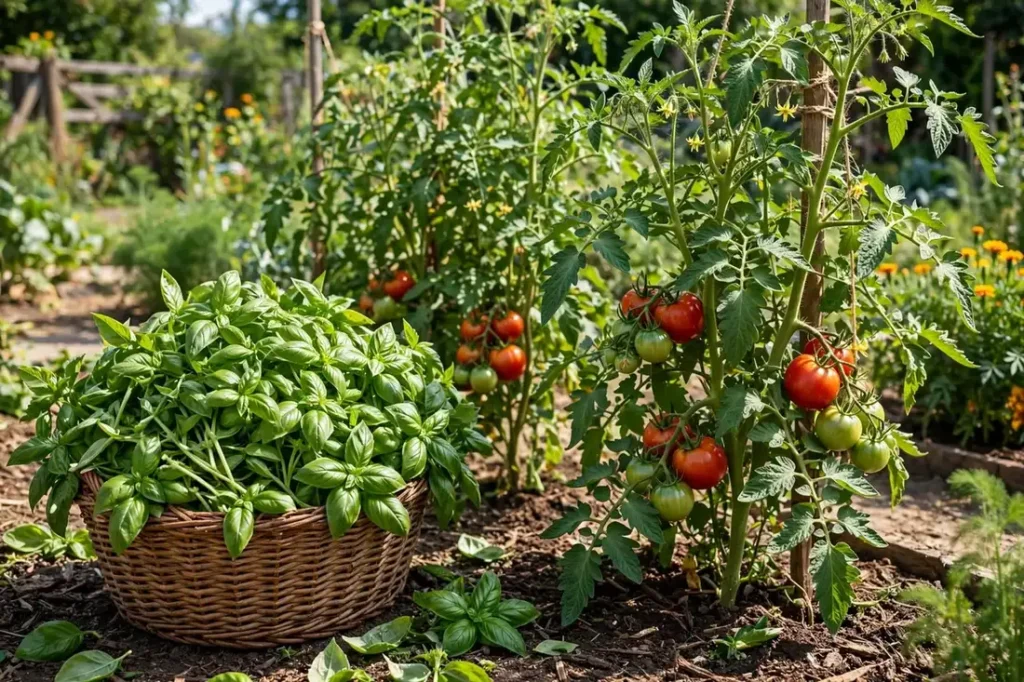
Watch and Learn
Sometimes seeing it done beats reading about it. This hands-on video walkthrough covers the key techniques for Basil clearly:
Frequently Asked Questions
Why are my basil leaves turning black?
Usually cold damage or downy mildew. Basil hates temperatures below 50F; cover on chilly nights and avoid overhead watering. Experience is the best teacher here, so start simple and observe closely.
Should I let my basil flower?
No, if you want leaves. Flowering shifts energy to seed and turns leaves bitter. Pinch buds off weekly. Keep notes on what you try; patterns emerge over a season or two.
How do I know when to harvest?
Taste is the ultimate test, but learn each crop's visual cues too: color, size, and firmness. Harvest in the cool morning for the crispest texture and sweetest flavor. Experience is the best teacher here, so start simple and observe closely.
Why are my plants growing slowly?
The usual suspects are cold soil, insufficient sun, compacted ground, or nutrient shortage, in that order. Check soil temperature and sunlight hours first; those two explain most slow starts. When in doubt, start with the basics in this guide; they resolve most issues.
What is the best fertilizer to use?
Start with compost worked into the bed, then side-dress heavy feeders mid-season with a balanced organic fertilizer. A soil test every few years tells you exactly what your ground needs. Experience is the best teacher here, so start simple and observe closely.
How often should I water?
Check the top two inches of soil; water deeply when dry. Most vegetables want about an inch per week, more in heat waves and less in cool, rainy spells. Mulch heavily to even out moisture swings. Experience is the best teacher here, so start simple and observe closely.
Keep Growing: More from DayZora
If you enjoyed this guide, you will love these reader favorites:
- Rose Day Flower Photoshoot Ideas
- Outdoor Proposal Ideas for Couples
- Different Rose Colors and Their Meaning
- Best Roses to Give on Rose Day
Start small, observe closely, and let each season teach you. The best gardeners are not the ones who never fail; they are the ones who plant again, a little wiser, every single year. Your Basil patch will reward that persistence with harvests that taste like nothing from a store.