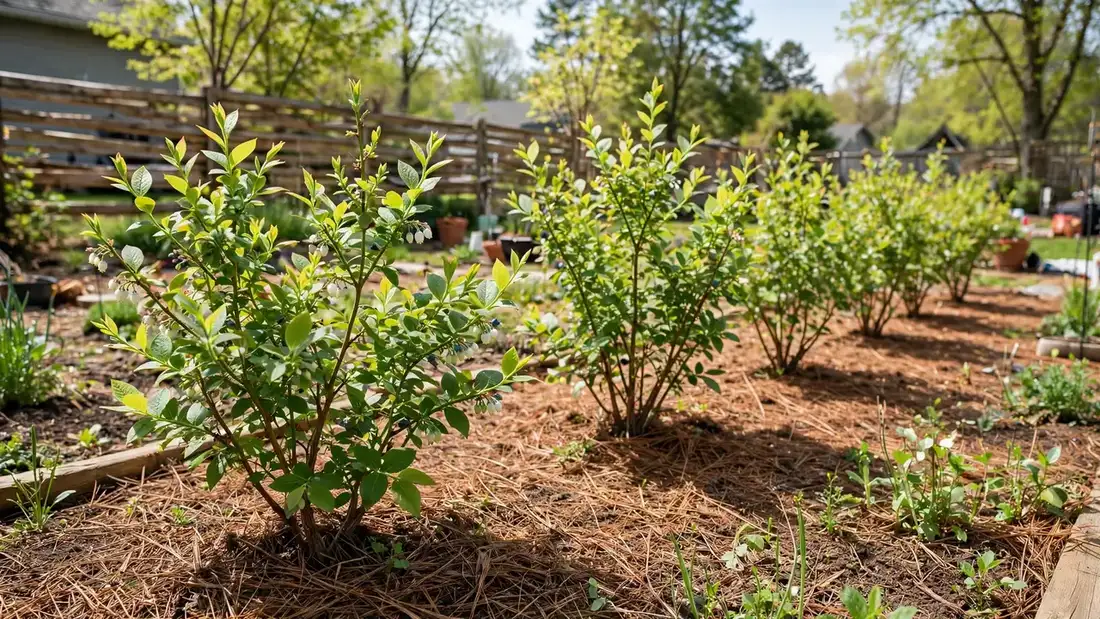
Master Blueberries and your entire garden levels up a notch.
Blueberry bushes are a 40-year investment that pays in gallons of fruit, but only if you nail the fundamentals: acidic soil, consistent water, correct pruning, and bird defense. Established bushes need surprisingly little: annual feeding, late-winter pruning, mulch, and netting at harvest.
Homegrown produce also wins on freshness in a way no supply chain can match. Vegetables start losing nutrients and flavor the moment they are picked; the shortest possible farm-to-table distance is your own backyard. A tomato eaten warm from the vine is a different food from one shipped green and gassed red.
In this complete guide, you will learn everything from the ground up: planning, planting, feeding, troubleshooting, and harvesting. Whether this is your first try or your fiftieth, there is something here to raise your results.
This guide is written for real home gardeners: no expensive equipment required, no jargon without explanation, and every recommendation tested in ordinary backyards. Let’s get growing.
Quick Facts
| Factor | Details |
|---|---|
| Sun Requirements | Full sun |
| Soil pH | 4.5-5.5 |
| Spacing | 4-5 feet apart |
| Planting Depth | At nursery depth |
| Germination | Buy bushes |
| Days to Maturity | Fruit year 2-3; full production year 5-6 |
| Hardiness Zones | Zones 3-10 by type |
| Water Needs | 1-2 inches per week; consistent moisture critical |
| Season | Plant in early spring or fall |
| Common Pests | Birds, spotted wing drosophila, mummy berry |
| Good Companions | Azaleas share acid needs |
Why Grow Blueberries?
Blueberry bushes are a 40-year investment that pays in gallons of fruit, but only if you nail the fundamentals: acidic soil, consistent water, correct pruning, and bird defense. And honestly, it is fun. Watching a seed you planted become food on your table never gets old, no matter how many seasons you have gardened. Kids who grow vegetables eat vegetables; reluctant gardeners become converts after one perfect homegrown tomato.
And honestly, it is fun. Watching a seed you planted become food on your table never gets old, no matter how many seasons you have gardened. Kids who grow vegetables eat vegetables; reluctant gardeners become converts after one perfect homegrown tomato.
And honestly, it is fun. Watching a seed you planted become food on your table never gets old, no matter how many seasons you have gardened. Kids who grow vegetables eat vegetables; reluctant gardeners become converts after one perfect homegrown tomato.
What You'll Need
You do not need a fully stocked shed. This short list covers everything the guide below calls for, and most items serve your whole garden.
- The materials listed in the steps below
- A garden journal for notes
- Basic hand tools (trowel, fork, hoe)
- Compost and mulch on hand
- Patience for the learning curve
Step-by-Step: Growing Blueberries
Follow these steps in order; each one builds on the last. Adjust timing to your local frost dates.
- Test soil pH yearly; maintain 4. Test soil pH yearly; maintain 4.5-5.5 with sulfur or acid fertilizer. When in doubt, choose the gentler option; you can always do more later, but you cannot undo overdoing it. This step sets up everything that follows, so give it your full attention even though it feels basic.
- Mulch 3-4 inches with pine needles or bark every spring. Mulch 3-4 inches with pine needles or bark every spring. If something looks off afterward, revisit this step first; nine times out of ten the answer is hiding here. Take your time here; rushing this step causes most of the problems gardeners blame on weather or pests later.
- Water 1-2 inches weekly; more in heat and during fruit swell. Water 1-2 inches weekly; more in heat and during fruit swell. This step sets up everything that follows, so give it your full attention even though it feels basic. Take your time here; rushing this step causes most of the problems gardeners blame on weather or pests later.
- Feed in early spring with fertilizer formulated for acid-loving plants. Feed in early spring with fertilizer formulated for acid-loving plants. This step sets up everything that follows, so give it your full attention even though it feels basic. When in doubt, choose the gentler option; you can always do more later, but you cannot undo overdoing it.
- Prune in late winter: remove dead, weak, and crossing wood. Prune in late winter: remove dead, weak, and crossing wood. Every garden is a little different, so treat guidance as a starting point and adjust to what you observe. When in doubt, choose the gentler option; you can always do more later, but you cannot undo overdoing it.
- Thin oldest canes; keep 6-8 vigorous canes of varying ages. Thin oldest canes; keep 6-8 vigorous canes of varying ages. Consistency matters more than perfection here; plants respond to steady care, not occasional heroics. Do not overthink it; done imperfectly today beats done perfectly next month after the ideal window has passed.
- Drape netting before berries color; secure at the base. Drape netting before berries color; secure at the base. This is the step beginners most often skip, and skipping it is the difference between thriving plants and struggling ones. Write down what you did and the date; next year's version of you will be grateful for the record.
- After harvest, water well and let plants harden for winter. After harvest, water well and let plants harden for winter. Pay attention to your specific conditions as you go; gardens reward observation far more than rigid rule-following. Consistency matters more than perfection here; plants respond to steady care, not occasional heroics.
Soil, Sun, and Water Requirements
Get these three right and Blueberries largely takes care of itself: give it full sun; aim for soil pH 4.5-5.5; plan on 1-2 inches per week; consistent moisture critical. Double-digging is overkill for most gardeners, but the first preparation of a new bed matters enormously. Strip or smother the existing grass, loosen the top 8 to 10 inches with a fork, and work in 3 to 4 inches of compost. That single investment pays off for years, because you will never again need to dig that deep; annual top-dressing maintains it. For instant results on terrible ground, build a raised bed and fill it with a proven mix instead of fighting what you have.
Compaction is the silent yield-killer in established gardens. Walking on wet beds squeezes out the air spaces roots need. The fix is permanent paths: never step in the growing area. Lay boards or stepping stones for access, and confine foot traffic to dedicated paths. In a few seasons of no-till top-dressing, earthworms will loosen even heavy soil better than any machine.
Organic matter is the universal fixer, and 5 percent is the target most soil scientists cite for vegetable ground. Finished compost, shredded leaves, and aged manure all build it. But fresh wood chips or sawdust mixed into soil will tie up nitrogen as they decompose, yellowing your plants; use woody materials as surface mulch only, or compost them first. Top-dress beds each season and let the worms incorporate it.
Seedbeds play by opposite rules from established plantings: the surface must stay consistently moist until germination, which for slow crops like carrots and parsnips means up to three weeks of vigilance. A light covering of vermiculite, a floating row cover, or even a board laid over the row holds that critical surface moisture. Mist gently; a hard hose blast buries tiny seeds or washes them into clumps.
Morning is the best time to water, full stop. Foliage dries quickly as the day warms, denying fungal diseases the leaf-wetness hours they need to infect. Evening watering leaves leaves damp all night, which is an engraved invitation to mildew, blight, and slugs. If you can only water in the evening, water the soil, not the plant. Drip irrigation or soaker hoses make this automatic and cut water use by a third or more.

Feeding and Fertilizing
Organic and synthetic fertilizers both feed plants; they differ in speed and side effects. Synthetics act fast and precisely, ideal for correcting a deficiency mid-season. Organics release slowly as microbes break them down, feeding soil life in the process, but they are at the mercy of soil temperature and moisture. Most successful gardeners use both: compost and organic granules as the base, a synthetic or fast liquid for rescue situations.
Micronutrients matter in tiny amounts with outsized effects. Calcium prevents blossom end rot in tomatoes and peppers, though uneven watering is the more common culprit. Magnesium powers chlorophyll; Epsom salts correct it fast. Boron deficiency hollows out brassica stems. A soil test every few years catches these before they cost you a crop. Kelp meal is the organic gardener’s multivitamin, supplying trace minerals plus natural growth hormones.
Manure is powerful and deserves respect. Fresh manure burns plants and can harbor pathogens; only apply composted or aged manure, ideally 6 months or older, and never within 120 days of harvesting crops eaten raw. Aged manure is black, crumbly, and earthy-smelling. For root crops like carrots, even aged manure can cause forking if over-applied; compost is the safer choice there.
Pests, Diseases, and Organic Solutions
The pests most likely to bother Blueberries are birds, spotted wing drosophila, mummy berry. Integrated pest management sounds technical, but it is just common sense in order: prevent, monitor, identify, and treat with the gentlest effective method first. Prevention does most of the work: healthy soil grows resilient plants, crop rotation starves soil pests, and row cover physically excludes insects better than any spray. The gardeners with the fewest pest problems are rarely the ones spraying most; they are the ones inspecting most.
Powdery mildew, the white dust on squash, cucumber, and rose leaves, looks worse than it usually is. It thrives in humid, crowded conditions with poor airflow. Prevention: morning watering, proper spacing, and resistant varieties. Treatment: neem oil or potassium bicarbonate slows it, but heavily infected leaves are better removed. The plant usually outgrows it; the gardener just needs patience and better spacing next year.
Floating row cover is the unsung hero of organic pest control. Draped over crops at planting, this gauzy fabric lets in light and rain while excluding cabbage moths, flea beetles, carrot rust flies, and cucumber beetles entirely. For crops that need pollinators, remove it at flowering or use it only until bloom. It is cheaper than any spray regimen and works while you sleep.
Companion Planting and Garden Layout
Companion planting is not magic, but the well-documented pairings genuinely help. Aromatic herbs like basil, dill, and cilantro confuse pest insects searching by scent; interplant them through beds rather than segregating them in a herb corner. Flowers do the same work: marigolds suppress root-knot nematodes, nasturtiums act as trap crops for aphids, and sweet alyssum feeds the tiny parasitic wasps that control caterpillars.
The classic Three Sisters planting, corn, beans, and squash together, demonstrates companion principles perfectly: beans fix nitrogen the corn devours, corn stalks trellis the beans, and squash leaves shade out weeds. You do not need the full trio to benefit; even pairing tall crops with shade-tolerant lettuce underneath doubles a bed’s productivity.
Seasonal Calendar and Timing
Spring success is decided in late winter. Start seeds indoors on schedule, counting back from your last frost date, not from your enthusiasm date. Harden off transplants for 7 to 10 days before planting out; unhardened seedlings stall for weeks. Direct sow peas, spinach, and radishes as soon as soil can be worked; wait for 60-degree soil for beans and corn. And resist planting warm crops early; one cold night can stunt peppers and tomatoes for a month.
Succession planting turns one harvest into a season of them. Instead of sowing all your beans at once, sow a third every two to three weeks until midsummer. Follow spring lettuce with summer beans, then fall kale in the same bed; a single bed can produce three crops a year. Interplanting works the same magic spatially: radishes mark carrot rows and harvest before carrots need the space.
Troubleshooting Common Problems
No flowers or fruit despite healthy foliage almost always means excess nitrogen, insufficient sun, or heat stress. Nitrogen pushes leaves at the expense of blooms; switch to a phosphorus-heavy fertilizer once flowering should start. Temperatures above 90 or below 55 cause many vegetables to drop blossoms. And remember that some crops simply need time; peppers mocked as slow in June are prolific by August.
When plants look wrong, diagnose systematically instead of guessing. First check the basics: Is the soil moist or soggy two inches down? How many hours of direct sun does the spot actually get? Was it planted at the right time for your zone? Most problems trace to water, light, or timing, not exotic diseases. Fix the environment before reaching for any product.
Wilting is a message, not always an emergency. Afternoon wilting in heat is often protective; check again in the cool morning before watering. Morning wilting means genuine water need. Wilting in wet soil is the dangerous kind: it signals root damage from rot or cutworms, and more water makes it worse. Learn to read which wilt you are seeing and you will stop killing plants with kindness.
Choosing the Right Varieties
Save the variety names that work. Memory fades by spring, but a garden journal entry saying which tomato out-produced the rest is priceless. Over a few seasons you will assemble a personal list of champions perfectly tuned to your soil and microclimate. That list becomes one of your most valuable gardening possessions.
Save the variety names that work. Memory fades by spring, but a garden journal entry saying which tomato out-produced the rest is priceless. Over a few seasons you will assemble a personal list of champions perfectly tuned to your soil and microclimate. That list becomes one of your most valuable gardening possessions.
Choosing the right variety matters as much as good technique. Look for varieties bred for your region first; local adaptation beats catalog hype. Disease-resistance codes on the label are worth real money, they represent years of breeding that protect your harvest. And match days-to-maturity to your season length with buffer weeks to spare.
Common Mistakes to Avoid
Overwatering kills more plants than underwatering, especially seedlings and container plants. Soggy soil suffocates roots, and the yellowing, wilting symptoms mimic drought, prompting even more water. Check soil moisture with your finger before watering, ensure drainage, and learn each crop’s preferences. When in doubt, most established vegetables prefer a deep drink twice a week to daily sprinkles.
Neglecting to mulch is leaving money on the table. Bare soil loses moisture fast, grows weeds enthusiastically, splashes disease onto leaves, and bakes in summer heat. Three inches of straw or shredded leaves fixes all of it for pennies. The only timing rule: wait until soil warms before mulching heat-lovers like peppers and tomatoes.
Giving up after one bad season is the final mistake. Every gardener loses crops; weather, pests, and learning curves guarantee it. The gardeners with spectacular year-five gardens are the ones who kept notes, adjusted, and planted again. Failure is data. The only true failure is the unplanted garden.
- Do not fertilize at planting; wait until the second spring. This one trick alone can double your success rate with finicky crops.
- A rain gauge plus a drip line beats guessing at water. Do this once and it becomes second nature; skip it and you will wonder why results disappoint.
- Rejuvenate old bushes by cutting one-third of oldest canes yearly. This one trick alone can double your success rate with finicky crops.
- Container bushes need repotting with fresh acidic mix every 2-3 years. Old-timers swear by this, and modern gardening science keeps confirming they were right.
- Taste before picking; color alone can mislead. This one trick alone can double your success rate with finicky crops.
Extending Your Season
Cold frames and low tunnels are the next step up, buying a full month or more on each shoulder season. A cold frame, essentially a box with a glass lid, creates a microclimate dramatically warmer than outside air. Low tunnels, hoops plus greenhouse plastic, cover whole beds. Both let you harvest salads in months your neighbors consider winter, and both cost little to build.
Cold frames and low tunnels are the next step up, buying a full month or more on each shoulder season. A cold frame, essentially a box with a glass lid, creates a microclimate dramatically warmer than outside air. Low tunnels, hoops plus greenhouse plastic, cover whole beds. Both let you harvest salads in months your neighbors consider winter, and both cost little to build.
Seasonal Task Calendar
Tape this rhythm to your shed wall. Gardening success is mostly timing, and a simple calendar beats a perfect memory.
| When | Tasks |
|---|---|
| Before You Start | Gather all materials; read every step twice |
| During | Work steps in order; take notes and photos |
| After | Monitor results weekly; troubleshoot early |
| Next Season | Refine the method using your notes |
Harvest, Storage, and Next Steps
Storage turns a glut into months of food. Onions and garlic need curing: two to three weeks in dry, airy shade until necks tighten and skins rustle. Root crops like carrots and beets store for months in damp sand in a cool cellar. Winter squash cures in the sun for ten days, then keeps at 50 to 60 degrees. Tomatoes, famously, should never see the refrigerator; cold kills their flavor compounds irreversibly.
Preserving extends the harvest further. Freezing is the easiest: blanch vegetables briefly, ice-bath them, and freeze flat in bags. Tomatoes freeze beautifully whole for sauce. Herbs freeze in oil in ice cube trays or dry hung in bundles. Fermentation turns cabbage into sauerkraut with nothing but salt and time. Start with freezing; it needs no special equipment and preserves flavor best.
Harvest timing makes or breaks flavor, and the window is often narrow. Most vegetables peak in the cool of the morning, when sugars are highest and tissues are crisp; afternoon-picked produce wilts faster and tastes flatter. Learn each crop’s ripe signals: tomatoes fully colored but firm, cucumbers dark green and slender, beans that snap crisply. When in doubt, taste; the garden is the ultimate ripeness test.
Saving Seeds and Planning Next Year
Wet seeds like tomatoes need fermentation: squeeze seeds into a jar with water, let it ferment 2 to 3 days until mold forms, then rinse clean. This removes the germination-inhibiting gel coat. Dry seeds like beans and lettuce simply need thorough drying on screens. Dry everything until it snaps, not bends, then store in paper envelopes in a cool, dark, dry place; properly stored seeds last years.
Isolation matters if you want pure varieties. Self-pollinating crops like tomatoes, beans, and lettuce rarely cross; save freely. Insect-pollinated crops like squash and cucumbers cross enthusiastically; grow one variety or hand-pollinate. A little crossing in a home garden is not a disaster, just a surprise; many beloved heirlooms began as accidents.
Key Takeaways
- Success with Blueberries comes mostly from timing, soil preparation, and consistency.
- Start with the steps in this guide in order; do not skip the setup.
- Observe your plants weekly and catch problems early when they are easy to fix.
- Keep notes so next season builds on this one.
- Share your harvest and your lessons; gardening is better together.
- Start this weekend; the best time to begin was last season, and the second-best time is now.

Watch and Learn
Sometimes seeing it done beats reading about it. This hands-on video walkthrough covers the key techniques for Blueberries clearly:
Frequently Asked Questions
When do I prune blueberries?
Late winter while dormant. Remove dead wood and thin oldest canes. Keep notes on what you try; patterns emerge over a season or two.
Why is fruit production declining?
Usually old unpruned wood, pH drift, or drought during bud formation. Prune, test pH, water. Most gardeners face this exact question in year one; it gets intuitive fast.
How do I keep birds off?
Netting is the only reliable method; drape before berries color. Small adjustments beat big overhauls; change one thing at a time.
Can I grow blueberries in alkaline soil?
In-ground is a constant battle; containers with acidic mix are far easier. Small adjustments beat big overhauls; change one thing at a time.
Why are leaves red in summer?
Phosphorus deficiency or pH problems; test soil before treating. Keep notes on what you try; patterns emerge over a season or two.
How much does it cost to start?
Less than most people expect. The core method uses inexpensive materials; most of the investment is your time and attention, which pay back quickly. When in doubt, start with the basics in this guide; they resolve most issues.
Keep Growing: More from DayZora
If you enjoyed this guide, you will love these reader favorites:
- Sweet 16 Backyard Party Ideas
- Backyard Birthday Party Decoration Ideas
- Diwali Home Cleaning Checklist: 10-Day Preparation Guide
- Romantic Rose Petal Decoration Ideas
Every expert was once a beginner staring at a seed packet. The difference is simply seasons in the ground. Plant your Blueberries, tend it with attention, learn from what happens, and enjoy one of the most satisfying hobbies on earth. Happy growing.