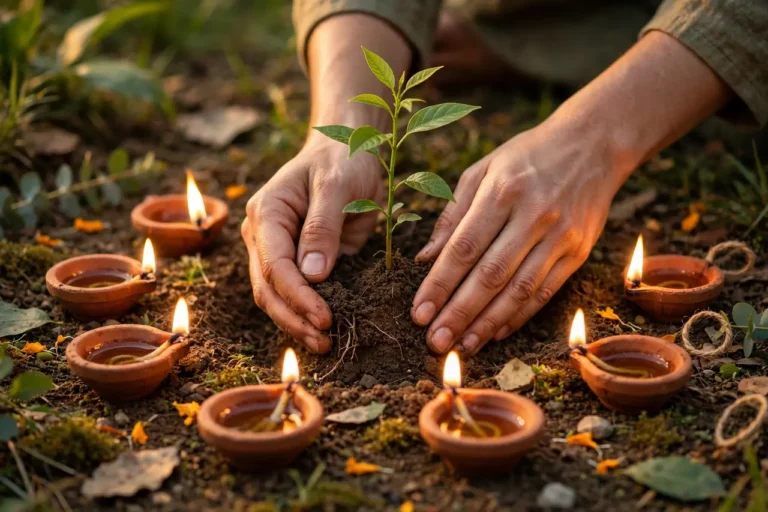
Diwali Home Cleaning Checklist: 10-Day Preparation Guide
Every Indian household knows the unwritten rule: Diwali does not truly begin with the first diya — it begins with the great pre-Diwali cleaning. Goddess Lakshmi, tradition says, visits only clean, welcoming homes, and whether you take that literally or symbolically, there is no denying the feeling of a home that has been scrubbed, sorted, and polished to a shine before the festival. The problem is that most of us attempt the entire operation in a single frantic weekend, which is how cleaning becomes the most stressful part of Diwali instead of the most satisfying.
This guide spreads the work across ten manageable days: a day-by-day plan that builds from decluttering to deep cleaning to decor-ready finishing, room-by-room checklists for the kitchen, living areas, bedrooms, and bathrooms, eco-friendly cleaning recipes that actually work, strategies for getting the whole family involved (willingly), and the mistakes that waste hours of effort. Follow it, and by Dhanteras your home will not just look clean — it will feel like the festival has already begun.
The golden rule of this plan: work top to bottom, back to front, and dry before wet in every room. Dust falls downward, so ceilings and fans come before floors. Start with the least-used rooms and end with the entryway, so the spaces you finish first stay pristine. And declutter before you deep clean — there is no point polishing around clutter you are about to throw away.

Before You Start: The 1-Hour Setup
Day zero is preparation, not cleaning. Gather your supplies in one caddy so you are never hunting for things mid-task: microfiber cloths (at least six), a good broom and mop, a vacuum with attachments, an old toothbrush for grout and corners, a spray bottle, baking soda, white vinegar, dish soap, lemon, and garbage bags in three colors (donate, recycle, trash). Put on music or a podcast — ten days of cleaning needs a soundtrack. Take “before” photos of each room; on day ten, the comparison will be deeply satisfying. Finally, hold a five-minute family meeting: assign zones, agree on the donate-vs-keep rules, and set the one non-negotiable — everyone participates, including whoever claims they “don’t know how to clean.”
Days 1–2: Declutter the Whole House
Day 1: The great wardrobe and storage purge
Start where clutter hides: wardrobes, lofts, under-bed storage, and that one drawer everyone is afraid of. Pull everything out, sort into keep, donate, repair, and discard. Be ruthless with the “maybe” pile — if you have not worn it in a year and it is not festive or sentimental, it goes. Bag donations immediately and schedule the pickup or drop-off; donation bags that sit in the hallway for a week become permanent furniture. Wipe down empty shelves and wardrobe interiors before putting things back — this is the only time of year those surfaces are accessible.
Day 2: Paper, kitchen overflow, and the junk zones
Tackle paperwork (old bills, expired warranties, dead electronics manuals — scan what matters, shred the rest), the kitchen’s expired spices and stale packets, bathroom cabinets full of half-used bottles, and the infamous “miscellaneous” areas: the entryway shoe pile, the balcony dumping ground, the store room. The goal is subtraction, not organization — you are removing volume from the house. A good declutter removes 10–20% of your possessions’ visual noise, which makes every subsequent cleaning day dramatically faster.
Days 3–4: Kitchen Deep Clean
Day 3: Appliances and the cooking zone
The kitchen deserves two full days because Diwali cooking will punish any shortcut. Day three is appliances: empty and defrost the refrigerator, then clean shelves with baking soda solution and check every expiry date. Degrease the chimney or exhaust fan filters (soak in hot water with dish soap and baking soda). Clean the oven or microwave inside and out. Descale the kettle. Pull out the refrigerator and stove to sweep behind them — the archaeological discoveries are part of the tradition. Wipe down all small appliances and check which ones actually work.
Day 4: Cabinets, counters, and storage
Empty cabinets one section at a time — never the whole kitchen at once, or you will drown. Wipe shelves, line them with fresh paper if you use liners, and reorganize by frequency of use: daily items at arm height, festive serveware accessible (you will need it soon), rarely-used items up high. Scrub the sink and taps with baking soda and lemon until they shine. Clean the countertops, backsplash, and the wall behind the stove. Mop the floor last, moving everything you can. End the day by taking inventory for Diwali cooking: oil, ghee, flour, sugar, spices — shop now, not on Dhanteras.

Day 5: Living Room and Dining Area
These are your showcase rooms — where guests will spend Diwali evening — so give them a full day. Start high: ceiling fans (a pillowcase pulled over each blade captures dust instead of scattering it), tube lights and chandeliers, curtain rods, and the tops of cupboards. Wash or dry-clean curtains; even “clean” curtains hold a year’s worth of dust. Deep-clean upholstery: vacuum sofas thoroughly including under cushions, spot-treat stains, and wash removable covers. Polish wooden furniture, clean glass surfaces and mirrors, and dust every shelf, frame, and showpiece — this is the day to decide which decorations stay and which go into storage.
Clean the dining table and chairs, polish the serveware you will use for Diwali (brass and silver need their annual shine — use traditional tamarind or lemon-salt paste for brass, and proper silver polish for silver). Check all the lighting: replace dead bulbs with warm-white LEDs, test fairy lights, and charge LED diyas. Finish with floors — vacuum then mop — and arrange the room with the party layout in mind, not the everyday layout. If you are hosting a Diwali gathering, our party planning timeline pairs well with this cleaning schedule.
Day 6: Bedrooms
Bedrooms are private but not exempt — fresh bedding for the festival is its own small joy. Strip every bed completely: wash mattress protectors, flip or rotate mattresses, vacuum them, and air pillows in sunlight (UV is a superb natural sanitizer). Launder all bedding including duvets and blankets. Declutter nightstands and dressers, dust thoroughly, and clean under the bed — the dust-bunny metropolis. Wash windows and mirrors, clean ceiling fans, and organize wardrobes with the festival in mind: your Diwali outfits should be accessible, steamed, and ready. If guests will stay over, prepare the guest room or guest bedding today, not the night before they arrive.

Day 7: Bathrooms
Bathrooms used by guests need hotel-level attention. Descale taps and showerheads (tie a vinegar-filled bag around them overnight for miraculous results). Scrub tiles and grout with a baking soda paste and an old toothbrush. Clean the toilet thoroughly including behind and beneath. Wash or replace shower curtains, launder bath mats, and organize cabinets — discard expired products mercilessly. Restock like a hotel: fresh hand towels, soap, a spare toilet roll visible (not hidden in a cabinet), a small candle or diffuser, and an empty bin. Clean mirrors with vinegar solution for a streak-free shine. Finish by mopping floors with disinfectant, working from the farthest corner toward the door.
Day 8: Entryway, Balcony, and Exteriors
First impressions live here. Scrub the main door — it accumulates a shocking amount of grime — and polish the handle and nameplate. Clean the entryway floor thoroughly; this is where the rangoli and the toran will go, so it must be pristine. Organize the shoe rack (the pre-Diwali purge should have halved it). Sweep and mop the balcony, clean railings, wash outdoor furniture, and tend to plants: prune, repot where needed, and arrange them as part of your decor plan. Clean windows from both sides where safely accessible — sparkling glass transforms a home’s feel instantly. Check the doorbell, entryway lighting, and house number visibility for arriving guests.
Day 9: Soft Furnishings, Details, and the Festive Swap
Day nine is for the details that separate “clean” from “festive.” Launder or shake out all cushion covers, throws, and rugs. Polish brass diyas, urlis, and puja items — the Lakshmi puja deserves gleaming vessels. Bring out the festive textiles: table runners, cushion covers in jewel tones, the good curtains. Set up the puja corner or mandir: clean it thoroughly, arrange the idols and frames, and lay out the puja samagri so Dhanteras morning is calm. Test every decorative light once more. Do a full-house walkthrough with fresh eyes — or better, ask a family member to do it — catching the spots you have gone blind to: the switchboards, the door frames, the corners behind doors.
Day 10: Final Polish and Decor Day
The last day is pure joy, not labor. Morning: a quick whole-house dusting and floor mopping to catch the last 48 hours of settling dust. Then decor: hang the toran on the main door, lay the rangoli (fresh flowers or colors on your pristine entryway), arrange marigold strings, place diyas in their positions (unlit, ready for the evening), and set out the festive cushions and runners. Light a test diya or two to check the evening effect. Prepare the guest bathroom’s final touches and the entryway welcome. By afternoon, the house should be done — and you should be done too. Rest, get ready, and let the festival come to you. For the deeper meaning behind the traditions you are preparing for, our Diwali festival of lights guide is a lovely pre-festival read.
Room-by-Room Quick Checklists
Kitchen
Refrigerator emptied, defrosted, and wiped; expiry dates checked. Chimney/exhaust filters degreased. Oven and microwave cleaned inside and out. Cabinets emptied, wiped, and reorganized. Sink and taps descaled and shined. Counters, backsplash, and stove-wall scrubbed. Floor mopped with everything movable shifted. Diwali cooking inventory stocked. Brass and steel vessels polished.
Living and dining rooms
Fans, lights, and curtain rods dusted. Curtains washed. Upholstery vacuumed and spot-cleaned. Wooden furniture polished. Glass and mirrors cleaned. Shelves, frames, and showpieces dusted and edited. Serveware polished. All lighting tested and upgraded to warm LEDs. Floors vacuumed and mopped. Room arranged for hosting.
Bedrooms
Mattresses vacuumed, flipped, and aired. All bedding laundered including duvets. Under-bed areas cleaned. Nightstands and dressers decluttered. Windows and mirrors cleaned. Fans dusted. Wardrobes organized with festive outfits accessible. Guest bedding prepared.
Bathrooms
Taps and showerheads descaled. Tiles and grout scrubbed. Toilet deep-cleaned. Shower curtains washed or replaced. Cabinets purged of expired products. Hotel-style restocking done (towels, soap, spare roll, bin). Mirrors streak-free. Floors mopped with disinfectant.
Entryway and balcony
Main door scrubbed; handle and nameplate polished. Entryway floor pristine and rangoli-ready. Shoe rack organized. Balcony swept, mopped, and railing-cleaned. Plants pruned and arranged. Windows cleaned inside and out. Doorbell, lighting, and house number checked.
Eco-Friendly Cleaning Recipes That Actually Work
You do not need a cabinet of harsh chemicals for a Diwali deep clean — traditional Indian households have used natural cleaners for generations, and they work.
All-purpose spray: equal parts white vinegar and water in a spray bottle with a squeeze of lemon. Cuts grease on counters, glass, and tiles. (Skip on marble and granite — vinegar etches natural stone; use diluted dish soap there instead.)
Scrubbing paste: baking soda mixed with a little water into a paste. Lifts grime from sinks, stovetops, grout, and oven interiors without scratching.
Brass polish: tamarind pulp or a paste of lemon juice and salt, rubbed on with a soft cloth, then rinsed and dried. The traditional method outperforms most commercial polishes on heavily tarnished brass.
Floor cleaner: a bucket of hot water with a spoonful of dish soap and a splash of vinegar (not for stone floors). Add a few drops of eucalyptus or lemongrass oil for a fresh festive scent.
Glass and mirror shine: vinegar-water spray wiped with newspaper — the old-school method still gives the most streak-free finish.
Drain freshener: half a cup of baking soda followed by a cup of vinegar down the drain, wait fifteen minutes, flush with boiling water. Do this the week before Diwali and your kitchen will smell like nothing, which is exactly right.
Getting the Family to Help (Without a Revolt)
The ten-day plan only works if the labor is shared. Assign zones by preference, not by decree — the teenager who loves music gets the living room with a playlist, the detail-oriented one gets the puja corner. Make it time-boxed: “we all clean from 10 to 12 on Saturday” feels fair; open-ended cleaning feels like punishment. Gamify for kids: a points chart with a Diwali-eve reward, or the classic “whoever fills their donation bag first picks the movie.” Play music, order in lunch on deep-clean days, and acknowledge effort publicly at dinner. And model the standard yourself — nothing kills cooperation faster than a supervisor who does not scrub. For families celebrating on a budget, our budget celebration ideas guide shares the same philosophy: joyful occasions do not require expensive inputs, just shared effort.
The 10-Day Plan at a Glance
| Day | Focus Area | Key Tasks | Time Needed |
|---|---|---|---|
| Day 1 | Declutter: wardrobes & storage | Sort keep/donate/discard; wipe empty shelves | 2–3 hours |
| Day 2 | Declutter: paper, kitchen, junk zones | Shred old papers; purge expired items | 2–3 hours |
| Day 3 | Kitchen: appliances | Fridge, chimney, oven, behind appliances | 3–4 hours |
| Day 4 | Kitchen: cabinets & surfaces | Cabinets, sink, counters, floor; stock inventory | 3–4 hours |
| Day 5 | Living & dining rooms | Fans to floors; upholstery; serveware polish | 4–5 hours |
| Day 6 | Bedrooms | Mattresses, bedding, under-bed, wardrobes | 3–4 hours |
| Day 7 | Bathrooms | Descale, grout, hotel-style restock | 2–3 hours |
| Day 8 | Entryway, balcony, exteriors | Door, rangoli-ready floor, plants, windows | 2–3 hours |
| Day 9 | Details & festive swap | Soft furnishings, puja corner, light testing | 2–3 hours |
| Day 10 | Final polish & decor | Dust, mop, toran, rangoli, diya placement | 2 hours + joy |
Tips for a Sparkling Result
Follow the order. Declutter before deep cleaning, dry dusting before wet mopping, top to bottom in every room. Violating the order means redoing work.
One room at a time. Finish a room completely before starting the next. Half-cleaned rooms across the house feel like no progress; one gleaming room feels like victory.
Protect what you clean. After deep-cleaning a room, keep its door closed and limit traffic until Diwali. There is no prize for re-cleaning the living room because the kids played cricket in it on day eight.
Sunlight is a cleaning tool. Mattresses, pillows, rugs, and curtains all benefit from a few hours in direct sun — it kills dust mites and odors that no detergent fully removes.
Do not buy decor before day ten. Fresh flowers and perishable decor bought early wilt before the festival. Time your flower and mithai purchases for the last two days — this video’s money-saving decor philosophy applies perfectly:
Mistakes to Avoid
Cleaning everything in one weekend. The marathon approach guarantees burnout, arguments, and a half-finished house. Ten days of two-to-four-hour sessions beats two days of twelve-hour sessions in both results and family harmony.
Deep cleaning before decluttering. Polishing around clutter you will later discard is the definition of wasted effort. Purge first, always.
Forgetting the “invisible” zones. Behind the fridge, under the beds, the tops of wardrobes, inside the chimney filter — guests may never see them, but you will feel the difference, and festival cooking will expose a dirty kitchen instantly.
Using harsh chemicals on traditional materials. Bleach on marble, abrasive scrubbers on non-stick, vinegar on natural stone — match the cleaner to the surface or risk permanent damage days before the festival.
Leaving shopping for the last minute. Dhanteras markets are chaos. Buy cleaning supplies, diyas, and non-perishable decor in week one; flowers and fresh items in the final two days. Last-minute shopping steals the hours you need for the final polish.
Diwali Cleaning for Small Apartments and Busy Schedules
Not everyone has ten leisurely days and a five-bedroom house. Here is how to adapt the plan for real-world constraints.
The small apartment sprint (3-day version)
In a 1–2 BHK apartment, compress the plan ruthlessly. Day one: declutter the entire flat in one focused session — small spaces declutter fast because there is nowhere for clutter to hide. Bag donations and get them out the door the same day. Day two: kitchen and bathroom deep clean back-to-back (the two rooms that matter most), plus laundry for all bedding and curtains. Day three: living areas and entryway top-to-bottom, then decor. The principle is identical to the ten-day plan — purge, then clean, then decorate — just executed in three intense days instead of ten relaxed ones. Order groceries and supplies online to save the shopping hours.
The working professional’s weeknight plan
If you cannot take days off, spread the work across weeknights: two focused hours per evening for seven evenings beats one exhausting weekend. Monday: wardrobe purge. Tuesday: kitchen appliances. Wednesday: kitchen cabinets. Thursday: living room. Friday: bedrooms. Saturday morning: bathrooms and entryway. Sunday: decor day. The trick is protecting those two hours — phone on silent, family briefed, no “quick” social media breaks. Two hours of focused cleaning outperforms four distracted ones.
Cleaning with kids or pets underfoot
Small children and the ten-day plan can coexist with two rules: involve them or schedule around them. Toddlers can “help” with safe tasks (wiping low surfaces with a damp cloth, sorting toys into donate bins) for 20-minute bursts. For deep-cleaning sessions, trade childcare with a neighbor or schedule during nap times and school hours. Pets need a safe room during chemical cleaning (even natural cleaners in concentrated form can irritate), and their bedding and bowls deserve a wash as part of the festival prep — a clean home includes its four-legged residents.
When to call professionals
There is no shame in outsourcing. Professional deep-cleaning services handle sofa shampooing, bathroom descaling, kitchen degreasing, and full-home deep cleans far faster than DIY — book two to three weeks before Diwali as slots fill rapidly. Use professionals for labor and handle decisions yourself: no cleaner can decide which of your possessions to donate. The ideal split is professionals for the grime, you for the organizing and decor. Get quotes from two services, check reviews, and confirm exactly what is included (many “deep cleans” exclude balconies, lofts, and inside appliances unless specified).
Frequently Asked Questions About Diwali Home Cleaning
When should I start Diwali cleaning?
Start 10–14 days before Diwali. This gives you time for decluttering (days 1–2), deep cleaning room by room (days 3–8), details (day 9), and decor (day 10) without burnout. Starting earlier is fine; starting later means cutting corners or exhausting yourself.
What is the correct order for deep cleaning a house?
Declutter first, then work room by room from the least-used spaces to the most-used, finishing with the entryway. Within each room: top to bottom (ceilings and fans before floors), back to front, and dry dusting before any wet cleaning. This order prevents redoing work.
How do I get my family to help with Diwali cleaning?
Assign zones by preference, time-box the work (“10 to 12 on Saturday”), gamify for kids with rewards, and participate yourself — modeled effort beats delegated orders. Shared music, ordered-in lunch on big days, and public appreciation at dinner keep morale up across ten days.
What natural cleaners work best for Indian homes?
Baking soda paste for scrubbing, vinegar-water spray for glass and grease (not on marble or granite), lemon-salt or tamarind for brass, and hot soapy water with essential oils for floors. These handle 90% of Diwali deep cleaning without harsh chemicals — just match the cleaner to the surface.
How do I keep the house clean between cleaning day and Diwali?
Close off finished rooms, enforce a no-shoes-inside rule for the final days, do a 15-minute daily reset (quick tidy, not deep cleaning), and schedule the final dust-and-mop for the morning of day ten. Protect the entryway especially — it is the first thing guests see.
Should I hire professional cleaners for Diwali?
For deep tasks like sofa shampooing, kitchen chimney servicing, or whole-house deep cleaning, professionals are worth it — book 2–3 weeks ahead since they fill up before Diwali. Use them for the heavy lifting (days 3–5 tasks) and handle decluttering, organizing, and decor yourself, since those require your decisions anyway.
Conclusion: Clean Home, Clear Mind, Bright Diwali
There is a reason the pre-Diwali cleaning is a tradition and not just a chore: a clean home genuinely changes how the festival feels. The diyas glow brighter against polished brass. The rangoli pops on a scrubbed doorstep. Guests relax in a space that feels cared for. And you — having worked through the ten days instead of panicking through a weekend — actually get to enjoy it.
Start ten days out, follow the order, share the work, and finish with decor day as a celebration rather than a scramble. When Dhanteras morning arrives and the house is gleaming, the toran is up, and the puja corner is ready, you will understand why generations of families have done this the slow way. The cleaning is not preparation for Diwali. Done right, it is the beginning of Diwali itself. Shubh Deepavali.