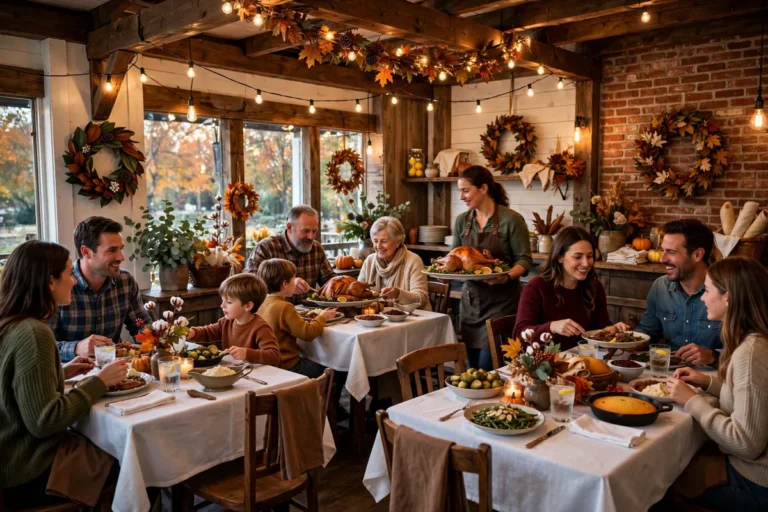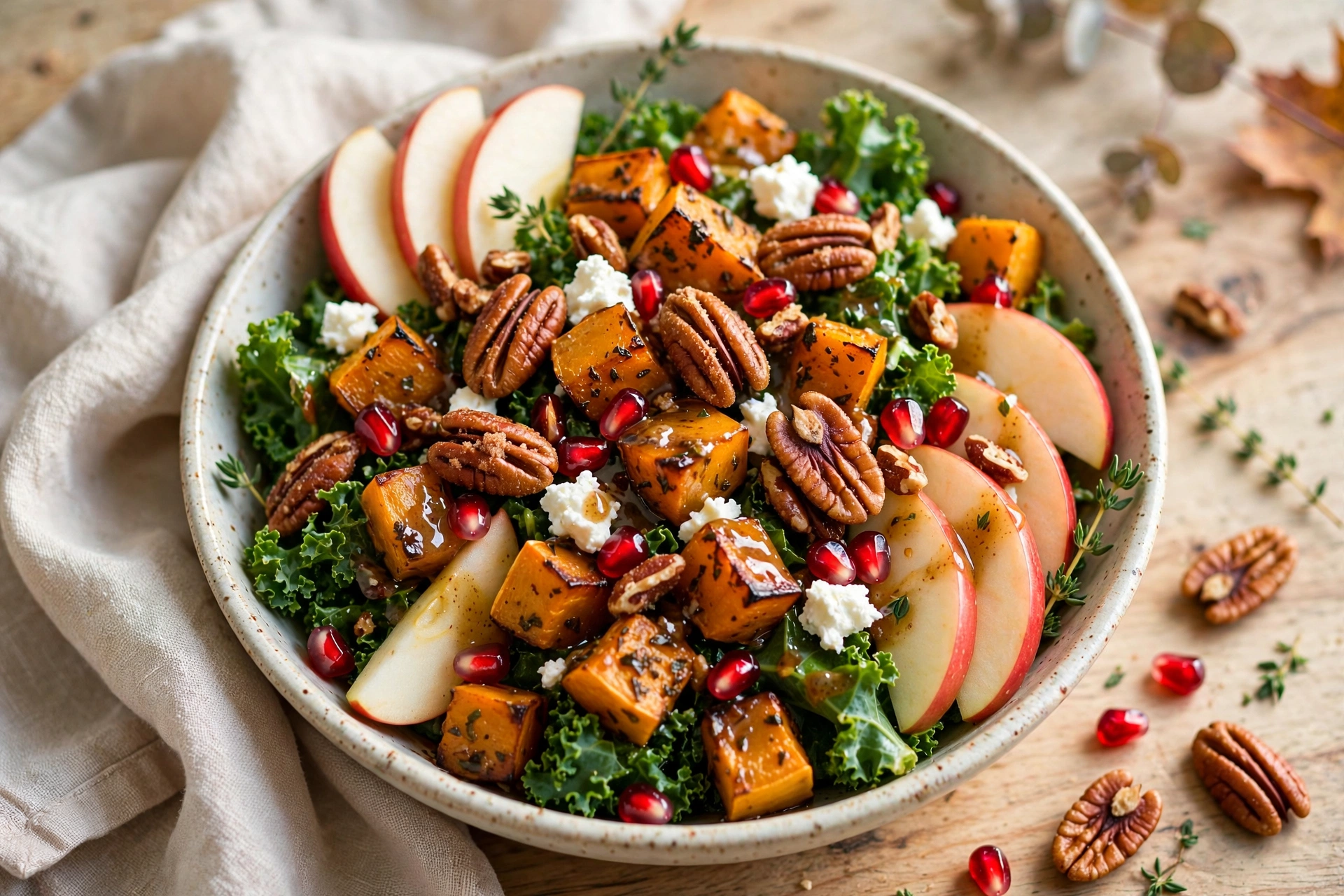
Every great Thanksgiving table needs a rebel — a dish that cuts through the richness, wakes up the palate, and makes everything else taste better by contrast. That dish is fall harvest salad: crisp greens and shaved Brussels sprouts, sweet roasted squash and apples, crunchy candied pecans, salty cheese, chewy dried cranberries, and a maple-Dijon vinaigrette with real backbone. It is the fresh, colorful, texturally exciting counterpoint to a menu of creamy, brown, and buttery — and it is often the dish that health-conscious guests, vegetarians, and plain old salad lovers remember most fondly. This guide goes far beyond tossing ingredients in a bowl: you will learn the architecture of a composed harvest salad, the science of a vinaigrette that actually emulsifies and clings, component-by-component technique, and how to build, dress, and serve it for a crowd without a single soggy leaf.
Fall harvest salad earns its Thanksgiving place strategically. It is the only fresh, raw-vegetable dish on most holiday tables, providing the acidity, crunch, and brightness that rich foods desperately need for balance. It can be almost entirely prepped ahead (greens washed, squash roasted, nuts candied, dressing made), assembled in minutes, and served at room temperature — requiring zero oven time on the day. It is naturally vegetarian, easily vegan and gluten-free, photogenic enough for the center of the table, and scalable from four guests to forty.
The Architecture: What Makes a Harvest Salad Work
A great composed salad is not a random pile — it is a balanced system of six components, each doing a specific job. Understanding the architecture lets you improvise endlessly while always landing on delicious.
1. The Green Base
The foundation. For a harvest salad, you want sturdy greens that stand up to hearty toppings and a bold dressing without wilting: chopped kale (massaged — more on this below), a spring mix with heft, arugula for peppery bite, or shaved Brussels sprouts for crunch. Delicate butter lettuce wilts under harvest toppings; save it for summer. A 50/50 blend of massaged kale and arugula is the sweet spot — hearty plus peppery.
2. The Roasted Element
Warm, caramelized roasted vegetables — typically butternut squash, sweet potato, or both — provide the “harvest” soul: sweet, earthy depth and satisfying substance. Roast them in ¾-inch cubes at 425°F until deeply caramelized; they should be served warm or at room temperature, never fridge-cold (cold roasted vegetables taste dull and waxy).
3. The Fresh Fruit
Crisp apple or pear, sliced thin just before serving, adds juicy brightness and a clean crunch that contrasts the roasted elements. Honeycrisp, Fuji, or Pink Lady apples hold their texture and resist browning better than softer varieties. A squeeze of lemon on the slices prevents browning if you must cut ahead.
4. The Crunch
Candied pecans or walnuts are the classic — sweet, buttery, shattering. Toasted pepitas, pistachios, or hazelnuts work beautifully too. The crunch element is non-negotiable; without it, the salad feels soft and one-dimensional. Candy them yourself (it takes 10 minutes) rather than buying pre-candied nuts, which are often stale and overly sweet.
5. The Cheese
Something salty and tangy to contrast the sweet elements: crumbled goat cheese, shaved Parmesan, crumbled blue cheese, or feta. The cheese is the savory anchor — without it, the salad can taste like a fruit plate. Choose one and commit; two cheeses compete.
6. The Chewy-Dried Element
Dried cranberries are the Thanksgiving classic (thematically perfect), but dried cherries, chopped dried figs, or dried apple rings all work. This element adds concentrated sweetness and chew — the textural contrast that makes each bite interesting. Use sparingly; a little goes a long way.
Dressing Science: The Maple-Dijon Vinaigrette
A vinaigrette is an emulsion — oil droplets suspended in a water-based liquid (vinegar, citrus) — and emulsions are inherently unstable. Oil and water want to separate. Understanding how to create and protect the emulsion is the difference between a dressing that clings silkily to every leaf and one that pools greasily at the bottom of the bowl.
The Ratio
The classic vinaigrette ratio is 3 parts oil to 1 part acid, but for a harvest salad with sweet components, 2.5:1 or even 2:1 gives a brighter, more assertive dressing that stands up to the bold toppings. This recipe uses ½ cup olive oil to 3 tablespoons apple cider vinegar plus 1 tablespoon lemon juice — roughly 2.3:1, bright but balanced.
The Emulsifiers
Emulsifiers are molecules with water-loving and oil-loving ends that bridge the two phases and stabilize the mixture. Dijon mustard is the workhorse — its mucilage (from ground mustard seeds) is a powerful emulsifier, which is why mustard-based vinaigrettes hold together far better than plain oil-and-vinegar. Honey or maple syrup adds viscosity, which physically slows separation. Minced shallot contributes both flavor and tiny particles that help stabilize. With all three, this dressing stays emulsified for days in the refrigerator — just shake before using.
The Technique
Whisk the acid, mustard, maple syrup, shallot, salt, and pepper together first — everything except the oil. Then add the oil in a slow, thin stream while whisking constantly (or blitz with an immersion blender, which creates a tighter emulsion through sheer force). Adding oil gradually while agitating breaks it into tiny droplets that the emulsifiers can coat. Dumping oil in all at once overwhelms the emulsifiers and the dressing breaks. A blender-made vinaigrette is thicker and more stable than a whisked one — use the blender if you have it.
Seasoning a Dressing
Dressings need more salt than you expect — they season the entire salad, and undressed greens are bland. Taste the dressing on a leaf, not on a spoon: a spoonful always tastes too sharp, but on greens with sweet and salty toppings, it will be perfect. The dressing should taste slightly too bold on its own — it gets diluted by the undressed components it coats.
Ingredients: The Complete Harvest Salad
For the Salad
- 8 cups chopped kale (stems removed), or a 50/50 kale-arugula blend
- 2 cups shaved Brussels sprouts (about 12 sprouts, shaved thin)
- 3 cups butternut squash, cut in ¾-inch cubes
- 2 tablespoons olive oil, for roasting
- 1 teaspoon kosher salt, plus more to taste
- ½ teaspoon black pepper
- 2 crisp apples (Honeycrisp or Fuji), thinly sliced
- 1 cup candied pecans (recipe below)
- ¾ cup dried cranberries
- 4 ounces goat cheese, crumbled (or shaved Parmesan)
- ½ small red onion, very thinly sliced (optional)
For the Maple-Dijon Vinaigrette
- 3 tablespoons apple cider vinegar
- 1 tablespoon fresh lemon juice
- 1 tablespoon Dijon mustard
- 2 tablespoons pure maple syrup
- 1 small shallot, finely minced
- 1 clove garlic, minced (optional)
- ¾ teaspoon kosher salt
- ½ teaspoon freshly ground black pepper
- ½ cup extra-virgin olive oil
For the Candied Pecans
- 1 cup pecan halves
- 3 tablespoons brown sugar
- 1 tablespoon maple syrup
- 1 tablespoon unsalted butter
- ¼ teaspoon kosher salt
- Pinch of cayenne pepper
- ¼ teaspoon cinnamon
Component Technique: Each Element Done Right
Massaging Kale (Yes, Really)
Raw kale is tough, bitter, and unpleasant — massaged kale is tender, sweet, and delicious. The technique: strip the leaves from the tough stems, chop or tear into bite-sized pieces, add a pinch of salt and a teaspoon of olive oil, and massage with your hands for 2 to 3 minutes, squeezing and rubbing the leaves. You will feel them soften and shrink, turning dark green and silky. This physical action breaks down the tough cellulose structure and mellows the bitter compounds. Massaged kale can be dressed hours ahead without wilting — it only improves — which makes it ideal for Thanksgiving prep.
Shaving Brussels Sprouts
Trim the stem end, halve each sprout, and slice thinly with a sharp knife — or run them through a food processor’s slicing disc in seconds. Shaved raw Brussels sprouts are crunchy, nutty, and mild — nothing like their boiled reputation. They add a cruciferous crunch that stands up to the dressing and does not wilt. Do not dress them more than 30 minutes ahead or they soften; add them at assembly.
Roasting the Squash
Toss the cubes with olive oil, salt, and pepper; spread on a sheet pan with space between pieces; roast at 425°F (220°C) for 25 to 30 minutes, turning once, until deeply caramelized at the edges. The deep browning is flavor — pale squash is bland squash. Roast a day ahead and bring to room temperature before serving (cold roasted squash tastes waxy). For full roasting technique, see our roasted root vegetables guide.
Candying the Pecans
Melt the butter in a skillet over medium heat; stir in the brown sugar, maple syrup, salt, cayenne, and cinnamon until bubbling. Add the pecans and stir constantly for 3 to 4 minutes until the coating turns glossy and clings. Spread on parchment to cool — they crisp as they cool. The cayenne is the secret: barely perceptible heat that makes the sweetness more interesting. Make these up to a week ahead; store airtight at room temperature.
Step-by-Step: Assembling the Harvest Salad
Serves 8 to 10 as a side salad. Total time: about 45 minutes (plus optional advance prep).
- Make the dressing. In a blender or bowl, combine the vinegar, lemon juice, Dijon, maple syrup, shallot, garlic (if using), salt, and pepper. Blend or whisk, then add the olive oil in a slow stream while blending/whisking until emulsified and slightly thick. Taste on a leaf and adjust — it should be bold. Refrigerate until needed (up to 1 week; shake before using).
- Candy the pecans. Melt butter in a skillet over medium heat; stir in brown sugar, maple syrup, salt, cayenne, and cinnamon until bubbling. Add pecans; stir 3 to 4 minutes until glossy. Spread on parchment; cool completely (they crisp as they cool).
- Roast the squash. Toss cubes with olive oil, salt, and pepper; roast at 425°F (220°C) for 25 to 30 minutes, turning once, until deeply caramelized. Cool to room temperature (or keep warm if serving immediately).
- Prep the greens. Massage the chopped kale with a pinch of salt and a teaspoon of olive oil for 2 to 3 minutes until silky and dark. Combine with arugula (if using) in your largest serving bowl.
- Shave the sprouts and slice the apples. Shave Brussels sprouts thin; slice apples just before assembly (toss with a squeeze of lemon if cutting more than 15 minutes ahead).
- Dress the greens first. Add about two-thirds of the dressing to the greens and toss thoroughly — every leaf should glisten. This base-dressing ensures even coating; undressed greens at the bottom of the bowl are the classic composed-salad failure.
- Layer the toppings. Arrange the roasted squash, shaved sprouts, apple slices, red onion (if using), and dried cranberries over the dressed greens. Crumble the goat cheese over the top. Scatter the candied pecans last so they stay crisp on top.
- Finish and serve. Drizzle with the remaining dressing, add a pinch of flaky salt, and serve immediately. Put extra dressing on the table — there is never enough.
Troubleshooting: Saving the Salad
The Dressing Separated / Looks Oily
The emulsion broke — usually from adding oil too fast or skipping the mustard. Fix: put a teaspoon of Dijon in a clean bowl, then whisk the broken dressing into it a tablespoon at a time; the fresh emulsifier will re-bind it. Or blitz it with an immersion blender. Prevention: whisk/blend the non-oil ingredients first, add oil in a slow stream, and always include the Dijon.
The Kale Is Tough and Bitter
It was not massaged enough (or at all). There is no post-assembly fix — massage must happen before dressing. For a batch already assembled, the diners will survive, but note it for next time: 2 to 3 full minutes of massaging with salt and oil transforms the texture completely. Alternatively, use the kale-arugula blend so at least half the greens are tender.
The Salad Got Soggy
Dressed too far ahead, or warm squash wilted the greens. Fix for next time: dress greens no more than 30 minutes before serving (massaged kale excepted — it can go hours), add roasted squash at room temperature rather than hot, and keep the pecans separate until the last moment. For a currently soggy salad, there is no rescue — but the flavors will still be good, so serve it anyway and learn for next time.
The Flavors Feel Unbalanced
Diagnose by taste: too sweet (add more vinegar/lemon and salt), too sharp (add a drizzle of maple syrup or honey), too bland (more salt — dressings under-season the most), too rich (more apple and lemon). The six-component architecture is forgiving — adjusting one element usually rebalances the whole.
Guests Picked Out All the Good Bits
A serving-strategy issue, not a recipe issue. Toss the salad thoroughly rather than arranging toppings only on top — when every bite contains all components, there is nothing to pick through. For a buffet, toss in a wide, shallow bowl rather than a deep one so the toppings distribute.
Variations: Harvest Salad, Many Ways
Apple-Walnut With Blue Cheese
Swap pecans for candied walnuts, goat cheese for crumbled blue cheese, and add extra apple. The blue cheese’s funk against the sweet apple and maple dressing is a sophisticated combination for the adventurous table.
Pear, Pomegranate, and Pistachio
Swap apples for ripe pears, cranberries for pomegranate seeds, and pecans for toasted pistachios. Use shaved Parmesan instead of goat cheese. More elegant, more jewel-toned, and stunning on the holiday table.
Roasted Sweet Potato and Kale (Heartier)
Replace the butternut squash with roasted sweet potato cubes and add a cup of cooked wild rice or farro. The grains make it substantial enough to serve as a vegetarian main — a genuine option for vegetarian guests rather than an afterthought of sides.
Vegan Harvest Salad
Omit the cheese (or use a vegan feta), use maple syrup in the dressing (already vegan), and candy the pecans with coconut oil instead of butter. Every other component is plant-based. The salad loses nothing — the architecture carries it.
Autumn Grain Bowl Style
Serve the components over warm farro or quinoa in individual bowls instead of tossing as a salad. Heartier, warmer, and excellent as a next-day lunch with leftover turkey added.
Make-Ahead Strategy: The Thanksgiving Timeline
This salad is a make-ahead dream if you stage it correctly. Up to 1 week ahead: make the vinaigrette (refrigerate; shake before using) and candy the pecans (airtight at room temperature). Up to 2 days ahead: roast the squash (refrigerate; bring to room temperature before serving), wash and chop the kale, shave the Brussels sprouts (refrigerate in a sealed bag with a dry paper towel). Day of, 1 hour ahead: massage the kale, slice the apples (with lemon), crumble the cheese. 15 minutes before serving: dress the greens, assemble, top, and serve.
Never dress the assembled salad ahead — the acid wilts everything except massaged kale. Never refrigerate the dressed salad hoping to serve it later. The 15-minute assembly is the price of a perfect salad, and it is the only thing you cannot do ahead. Time it for when guests are seated with their soup or appetizers.
Leftover dressed salad does not keep well — the greens wilt. But undressed components keep beautifully: store greens, toppings, and dressing separately and assemble fresh portions for next-day lunches. Leftover candied pecans disappear on their own; leftover dressing is excellent on grain bowls and roasted vegetables all week.
Serving: The Salad’s Strategic Role
Place the harvest salad where guests see it early — it signals that this table has balance and freshness, not just indulgence. It pairs with everything: the acidity cuts through roast turkey and gravy, the crunch contrasts creamy mashed potatoes, and the brightness lifts sweet potato casserole. For vegetarian guests, bulk it into a main with grains as described above, alongside roasted root vegetables and butternut squash soup. Plan the complete menu with our Thanksgiving dinner menu and side dishes collection, and explore all Thanksgiving recipes for the full feast.
In Pictures: Fall Harvest Salad
A harvest salad is architecture: bitter greens, caramelized squash, sweet fruit, crunch, and cheese in every bite. The salad, colorful and abundant.
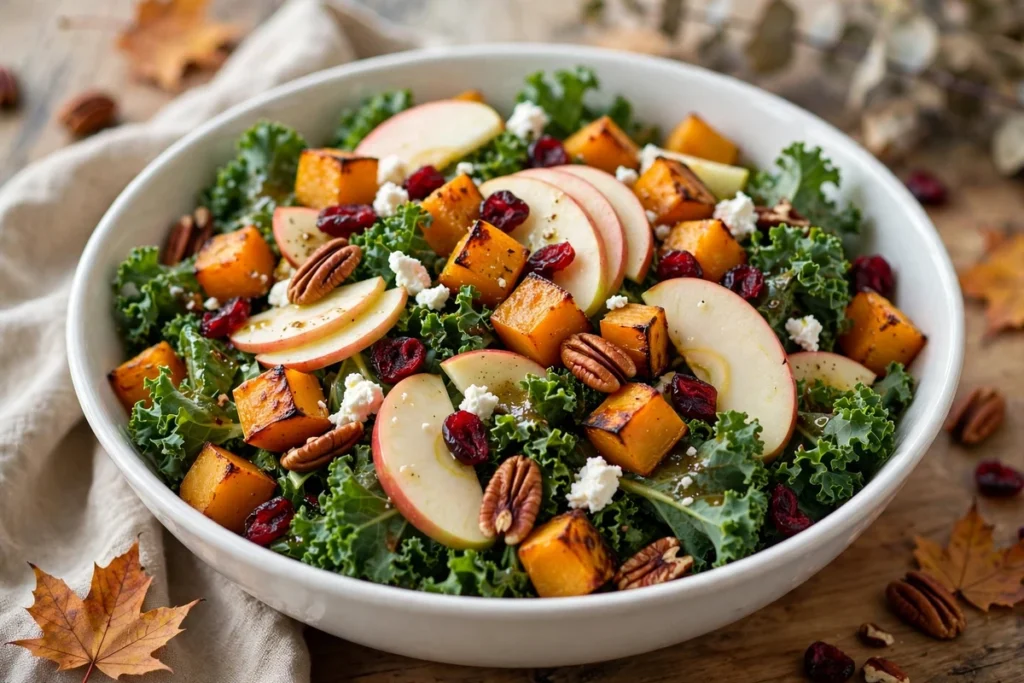
A colorful fall harvest salad with kale, roasted squash, cranberries, pecans, apple, and goat cheese.
Watch: Fall Harvest Salad
This autumn harvest salad tutorial nails the formula — roasted butternut and Brussels sprouts, Honeycrisp apple, candied pecans, goat cheese, and a homemade maple vinaigrette.
At a Glance: Fall Harvest Salad
The six-part architecture, from the guide.
| Component | Role |
|---|---|
| The green base | Sturdy greens like kale or arugula stand up to warm toppings and bold dressing |
| The roasted element | Caramelized butternut squash brings sweetness and heft |
| The fresh fruit | Crisp apple slices cut through the richness |
| The crunch | Toasted pecans or pepitas for texture in every bite |
| The cheese | Creamy goat cheese or feta adds tang and richness |
| The dressing | A maple-Dijon vinaigrette — the acid-sweet balance that ties it all together |
Frequently Asked Questions
Can I make fall harvest salad ahead of time?
Mostly, yes — stage it. Dressing (1 week), candied pecans (1 week), roasted squash (2 days), prepped greens and shaved sprouts (2 days) can all be done ahead. But assemble and dress no more than 15 to 30 minutes before serving; dressed salad wilts and cannot be revived. The 15-minute assembly is the only day-of work.
What greens work best?
Sturdy greens: massaged kale, arugula, shaved Brussels sprouts, or a hearty spring mix. They stand up to bold toppings and dressing without wilting. Avoid delicate lettuces like butterhead or Boston — they collapse under harvest toppings. A kale-arugula blend gives you hearty plus peppery in one bowl.
How do I keep the dressing from separating?
Use Dijon mustard (a powerful emulsifier), add the oil in a slow stream while whisking or blending, and include honey or maple syrup for viscosity. A blender or immersion blender creates a tighter, more stable emulsion than hand-whisking. Even a good vinaigrette separates eventually in the fridge — just shake it back together.
Can I make it vegan?
Easily. Omit the cheese or use vegan feta, candy the pecans with coconut oil instead of butter, and the maple-Dijon dressing is already vegan. The salad’s architecture — six balanced components — carries it completely without dairy.
What cheese is best on a harvest salad?
One salty-tangy cheese: goat cheese (creamy, mild), feta (briny, firm), shaved Parmesan (nutty, savory), or blue cheese (bold, funky). Pick based on your crowd — goat cheese is the safest crowd-pleaser, blue cheese the most adventurous. Use just one; two cheeses compete rather than complement.
My kids won’t eat kale. What can I substitute?
Use a 50/50 mix of chopped romaine and baby spinach — familiar, mild, and sturdy enough for the toppings. You can also serve the salad deconstructed (components in separate bowls) so picky eaters build their own. The candied pecans and apples usually win over skeptics regardless of the green base.
Conclusion
Fall harvest salad is the Thanksgiving table’s essential contrast — fresh against rich, crisp against creamy, bright against brown. Its power comes from architecture, not luck: six balanced components, a properly emulsified maple-Dijon vinaigrette, and assembly timed to the minute. Prep everything ahead, toss it together as guests sit down, and watch the colorful bowl empty as fast as the turkey platter. For the complete holiday menu it belongs to, explore our Thanksgiving recipes collection — and never underestimate the rebel dish.