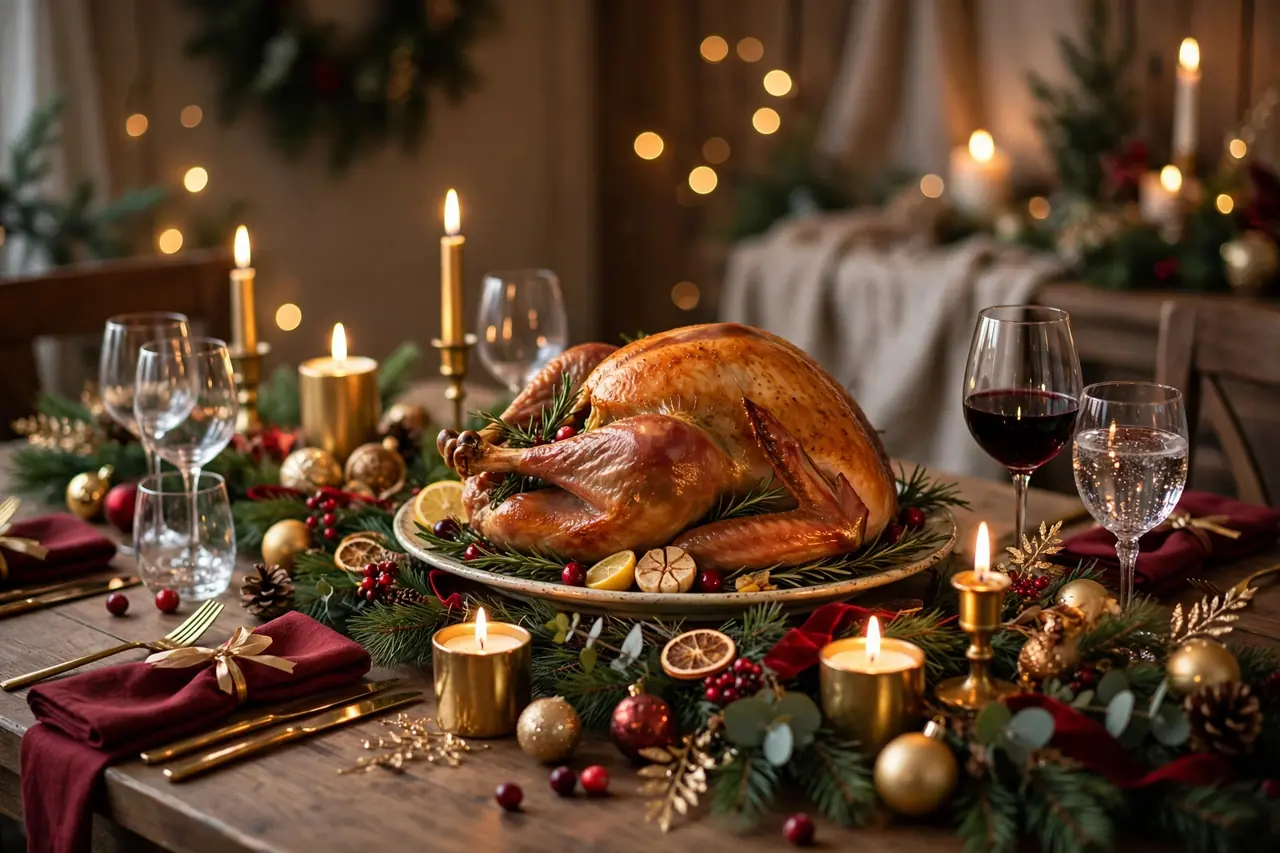
Christmas dinner is the Super Bowl of home cooking. It is the one meal a year where “good enough” feels like a betrayal, where the turkey’s juiciness becomes family lore, and where the gravy is discussed with the seriousness of foreign policy. The pressure is real, but here is the liberating truth: a legendary Christmas dinner is not about cooking thirty difficult dishes. It is about choosing the right dishes, dishes that love being made ahead, that forgive timing mistakes, and that taste like the holidays should taste. These Christmas dinner menu ideas give you thirty such dishes, organized course by course, so you can build a feast that impresses without exhausting you.
The architecture of a great Christmas menu follows a simple formula: one showstopper main, two or three sides that can be made ahead, one fresh green thing for balance, bread, one starter to keep early arrivals happy, and one dessert that ends the night on a high note. That is seven to nine dishes total. Anything beyond that is theater, and theater is optional. What matters is that each dish earns its place: it should either be deeply traditional, genuinely delicious, or beautifully easy. Ideally all three.
This guide gives you 30 complete Christmas dinner menu ideas across every course: appetizers that buy you time, showstopper mains from turkey to Wellington, sides worth fighting over, fresh counterpoints, breads, desserts, and festive drinks. You will also find complete menu combinations for different crowds and budgets, a day-by-day timeline that spreads the work across the week, and answers to the questions every Christmas cook asks. Choose your courses, shop once, and cook the calmest Christmas dinner of your life.
Building Your Christmas Dinner Menu: The Formula
Before the dishes, the strategy. A Christmas dinner menu has five jobs: feed everyone generously, honor at least one family tradition, include something fresh, accommodate the dietary needs at your table, and let the cook actually enjoy the evening. The formula that delivers all five is: 1 starter plus 1 main plus 3 sides plus 1 bread plus 1 salad plus 1 dessert plus drinks. Nine items, each chosen deliberately, each pulling its weight.
Start with the main, because everything else orbits it. Turkey is traditional and feeds crowds economically. Ham is easier and beloved by kids. Beef, prime rib or tenderloin, is the luxury choice for smaller groups. Goose or duck is the old-world showstopper. And a vegetarian centerpiece like a mushroom Wellington or whole roasted cauliflower ensures the non-meat-eaters get a celebration, not a side dish promoted beyond its abilities. Once the main is chosen, pick sides that complement rather than compete: if the main is rich, the sides should have brightness and acid; if the main is lean, the sides can be indulgent.
The make-ahead principle is what separates calm cooks from chaotic ones. Your menu should contain at most two dishes that must be finished in the final hour. Everything else should be fully or partially prepped days ahead: cranberry sauce keeps for a week, cookie dough freezes for a month, casseroles assemble the day before, and desserts are almost always better made ahead. For appetizer inspiration beyond this list, our Christmas appetizers collection has thirty crowd-pleasers to choose from.
Appetizers and Starters (1–6)
Starters serve a strategic purpose beyond deliciousness: they keep early arrivals fed and happy while you finish the main event, and they buy you a forty-five-minute buffer if the turkey needs more time. Choose things that sit at room temperature gracefully.
1. Baked brie with cranberry and pecans. A wheel of brie topped with cranberry sauce and toasted pecans, baked until molten, served with crostini. It is the appetizer equivalent of a warm hug, it takes fifteen minutes, and the red cranberries make it look custom-made for Christmas. Put it out when guests arrive and watch it vanish.
2. Shrimp cocktail Christmas tree. Chilled shrimp arranged in a tree shape on a platter with cocktail sauce in a ramekin “tree trunk” and parsley “branches.” It is retro, it is festive, and it is genuinely delicious. The tree shape takes five minutes with a printed outline underneath as a guide, and it becomes the most photographed appetizer of the night.
3. Butternut squash soup shooters. Silky roasted butternut squash soup with a swirl of cream and a sage leaf, served in small glasses or espresso cups. Elegant, warming, make-ahead, and naturally vegetarian. The shooters feel fancy while being one of the easiest things on this entire list.
4. Christmas charcuterie wreath. Cured meats, cheeses, olives, nuts, and dried fruit arranged in a wreath shape with rosemary sprigs as greenery. It is the appetizer that doubles as a centerpiece, it requires zero cooking, and guests graze on it for hours. Build it on a round board an hour before guests arrive.
5. Goat cheese stuffed dates. Medjool dates stuffed with herbed goat cheese, wrapped in prosciutto, baked until the cheese softens. Sweet, salty, creamy, and gone in two bites each. They taste like something from a restaurant but take twenty minutes, and they are naturally gluten-free.
6. Smoked salmon blinis. Tiny buckwheat blinis topped with smoked salmon, dill crème fraîche, and capers. Delicate, elegant, and perfect with champagne. Make the blinis ahead and assemble in minutes, or buy them ready-made and spend your effort on beautiful arrangement.
Showstopper Main Courses (7–12)
The centerpiece. Choose based on your crowd size, your oven confidence, and your traditions, then commit fully. A confident, well-executed simple main beats a nervous, ambitious one every time.
7. Classic roast turkey with herb butter. The traditional champion: a brined turkey slathered in herb butter, roasted until golden, rested properly. Brining is the non-negotiable secret to juicy meat, and an instant-read thermometer is the non-negotiable tool. This is the main that feeds fourteen people for the price of a pizza, and the leftovers are a second gift.
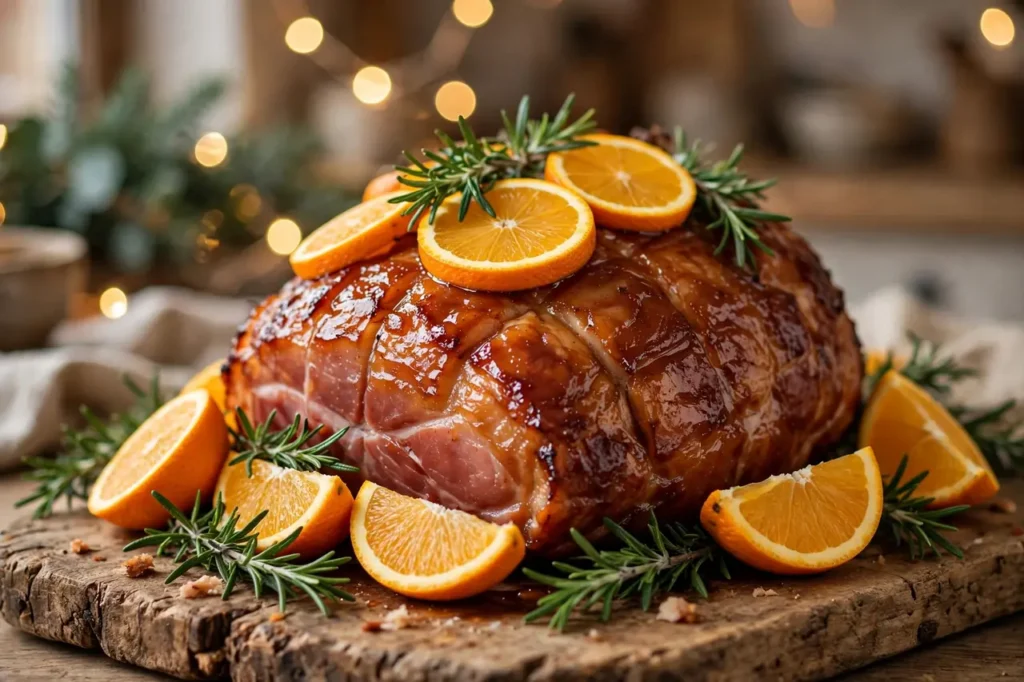
8. Honey-glazed ham. The easiest showstopper on this list: a bone-in ham scored in diamonds, studded with cloves, glazed with honey, brown sugar, and mustard, baked until caramelized. It is nearly impossible to overcook, kids love it, and it serves beautifully at room temperature, which removes all timing stress. The glaze crackling under the broiler is pure theater.
9. Prime rib with horseradish cream. The luxury choice for groups of six to ten: a standing rib roast with a garlic-herb crust, roasted low and slow, served with sharp horseradish cream and au jus. It is expensive but almost entirely hands-off, and the presentation, sliced tableside, is unforgettable. This is the main for the Christmas you want to feel like an occasion.
10. Beef Wellington. The technical showpiece: beef tenderloin wrapped in mushroom duxelles, prosciutto, and puff pastry, baked to a perfect medium-rare. It is the most impressive thing you can put on a Christmas table, full stop. It demands attention and timing, so choose it only if you enjoy the challenge; the payoff is a main course people talk about for years.
11. Roast goose with apple stuffing. The old-world classic, Dickens-approved: a rich, deeply flavored bird with crisp skin, served with apple and chestnut stuffing. Goose is fattier and more flavorful than turkey, and smaller, which suits groups of six to eight. Render the fat for the crispiest roast potatoes of your life.
12. Mushroom Wellington (vegetarian). The vegetarian centerpiece that deserves the spotlight: roasted portobello and wild mushrooms with spinach, chestnuts, and blue cheese, wrapped in golden puff pastry. It is substantial, savory, and beautiful sliced open, giving vegetarian guests a true celebration dish rather than a plate of sides. Meat-eaters will steal slices too.
Sides Worth Fighting Over (13–19)
Ask any family what they remember about Christmas dinner and half of them will name a side dish. Sides are where traditions live and where cooks show off. These seven earn their place at every table.
13. Creamy garlic mashed potatoes. The foundation of the plate: Yukon Golds whipped with roasted garlic, butter, and warm cream until impossibly smooth. Make them an hour ahead and hold them in a slow cooker on warm; they will be perfect when the turkey is ready. The roasted garlic is the upgrade that makes people ask for the recipe.
14. Sausage and sage stuffing. Whether you call it stuffing or dressing, this is non-negotiable for many families: crusty bread cubes, browned sausage, celery, onion, and fresh sage, baked until the top is crisp and the center is custardy. Bake it separately from the bird for food safety and better texture. Make the bread cubes days ahead; they keep perfectly.
15. Honey-glazed carrots and parsnips. Roasted until caramelized at the edges, glazed with honey and thyme, finished with flaky salt. They bring sweetness, color, and elegance to the plate, and they roast happily alongside the turkey in the final hour. The honey glaze catches the light beautifully on the serving platter.
16. Brussels sprouts with bacon and pecans. The redemption of the most maligned vegetable: halved sprouts roasted cut-side down until deeply caramelized, tossed with crisp bacon and toasted pecans, finished with a balsamic glaze. Even sprout skeptics convert. Roast at high heat and do not crowd the pan; steam is the enemy of crisp.
17. Green bean casserole, elevated. The classic, but better: fresh green beans blanched bright green, homemade mushroom cream sauce, and crispy shallots instead of canned onions. It honors the tradition while tasting like a restaurant dish. Assemble the day before and bake before serving.
18. Dauphinoise potatoes. Thin-sliced potatoes layered with garlic cream and Gruyere, baked until golden and bubbling. Rich, luxurious, and the ultimate make-ahead side: assemble a day or two before, refrigerate, and bake while the turkey rests. The creamy layers are pure indulgence.
19. Roasted root vegetable medley. Carrots, parsnips, sweet potatoes, and red onions roasted with rosemary and balsamic until sweet and caramelized. Naturally vegan and gluten-free, gorgeous on the platter with all those autumn colors, and it roasts in the same hot oven as everything else. The balsamic reduction at the end ties it all together.
Breads, Salads, and Fresh Counterpoints (20–23)
Rich food needs relief. These fresh, bright dishes keep the meal from becoming a delicious blur of beige, and they give the table visual and flavor contrast.
20. Pull-apart Christmas tree bread. Balls of pizza dough arranged in a tree shape, stuffed with mozzarella, baked golden, and brushed with garlic butter. Pull-apart, shareable, and adorable. Serve with marinara for dipping. Kids go wild for it, and it doubles as a table decoration until someone tears into it.
21. Winter citrus and pomegranate salad. Blood oranges, clementines, pomegranate arils, and shaved fennel over bitter greens with a champagne vinaigrette. Bright, jewel-toned, and the acidic counterpoint every rich plate needs. The pomegranate seeds look like scattered rubies; it is almost too pretty to eat.
22. Honey butter dinner rolls. Soft, pillowy rolls brushed with honey butter the second they leave the oven. Make the dough ahead and bake fresh; nothing says Christmas dinner like the smell of baking bread. These are the vehicle for sopping up gravy, and there are never enough, so double the batch.
23. Shaved Brussels and kale salad. Raw shaved Brussels sprouts and kale massaged with lemon, tossed with apples, candied walnuts, and pecorino. Crunchy, bright, and sturdy enough to sit dressed for hours. It is the modern, fresh answer to the heavy traditional sides, and health-conscious guests will be grateful.
Desserts to End the Night (24–28)
After a feast like this, dessert should be spectacular but not heavy. These five end the night on a high note, and every one of them is better made ahead. For cookie recipes to fill the season, our best Christmas cookie recipes are essential, and our Christmas cake guide covers fruitcake and yule log in depth.
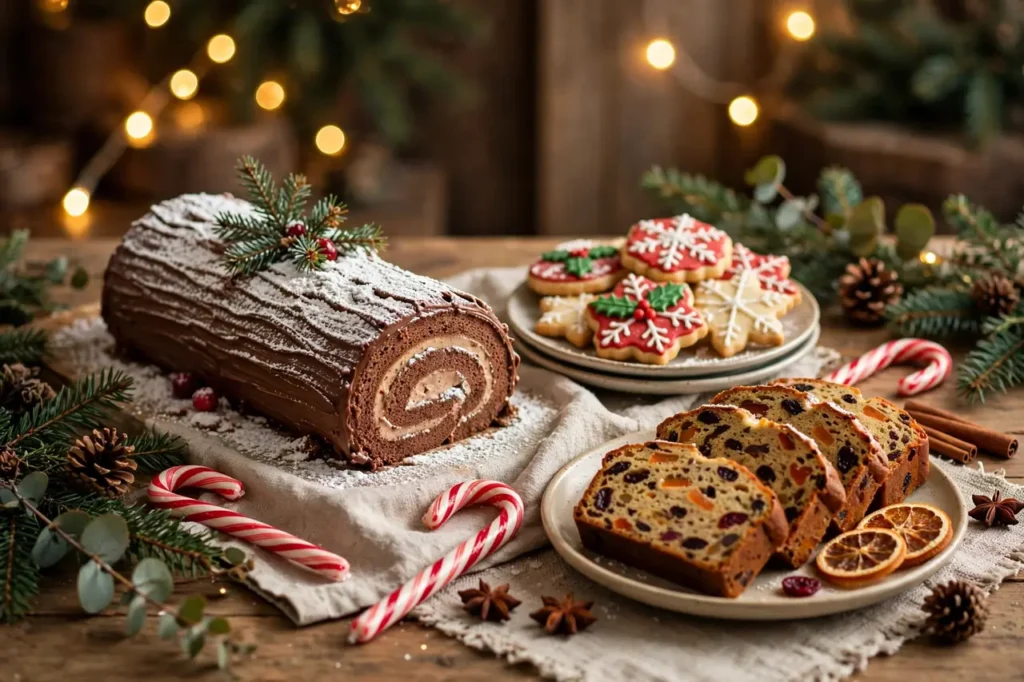
24. Classic yule log (bûche de Noël). Chocolate sponge rolled with cream, frosted to look like bark, decorated with meringue mushrooms and powdered sugar “snow.” It is the most festive dessert in existence and a genuine showpiece. Make it a day or two ahead; it slices beautifully cold and tastes even better.
25. Christmas trifle. Layers of sherry-soaked sponge, custard, whipped cream, and berries in a glass bowl, crowned with sugared cranberries. Dramatic, delicious, and essentially assembly. The red berry layers glowing through the glass are pure Christmas, and it feeds a crowd from one bowl.
26. Pear and almond tart. Elegant and lighter than the chocolate options: sliced pears fanned over almond frangipane in a crisp tart shell, glazed with apricot. It is sophisticated, not too sweet, and beautiful with minimal decoration. Serve with barely sweetened whipped cream.
27. Christmas pudding with brandy butter. The traditional British finale: dark, rich, fruit-laden pudding steamed for hours, served flaming with brandy butter. It is theater and tradition in one dish. Make it weeks ahead; it only improves with age. The flaming entrance is worth it for the gasps alone.
28. Peppermint chocolate mousse. Silky dark chocolate mousse with a whisper of peppermint, served in small glasses topped with crushed candy cane. Light enough after a heavy meal, festive enough for the occasion, and the individual servings feel special. Make a day ahead and garnish before serving.
Festive Drinks (29–30)
The meal deserves proper drinks, and these two cover the whole table, from the cocktail hour to the fireside nightcap.
29. Pomegranate champagne punch. Champagne or prosecco with pomegranate juice, orange liqueur, and floating pomegranate arils and orange slices in a big punch bowl. Ruby red, sparkling, and self-serve, which means you are not playing bartender during dinner. Keep a non-alcoholic version alongside with sparkling cider.
30. Slow-cooker mulled wine. Red wine warmed with oranges, cloves, cinnamon, star anise, and a touch of honey, kept warm in the slow cooker all evening. It makes the house smell incredible, it serves itself, and a warm glass after dinner by the tree is the perfect end to the night. Guests can help themselves all evening long.
Complete Menu Combinations
Stop deciding dish by dish. Pick the menu that matches your crowd and your ambition level, and the whole meal is planned.
| Menu | Starter | Main | Sides | Dessert and drinks |
|---|---|---|---|---|
| The traditional feast | Shrimp cocktail tree | Roast turkey with herb butter | Mashed potatoes, sausage stuffing, glazed carrots, green bean casserole | Yule log, mulled wine |
| The elegant affair | Butternut soup shooters | Prime rib | Dauphinoise potatoes, Brussels with bacon, citrus salad | Pear almond tart, champagne punch |
| The easy crowd-pleaser | Charcuterie wreath | Honey-glazed ham | Mashed potatoes, honey carrots, rolls | Trifle, mulled wine |
| The showstopper | Salmon blinis | Beef Wellington | Dauphinoise, glazed parsnips, kale salad | Peppermint mousse, champagne punch |
| The vegetarian celebration | Soup shooters, stuffed dates | Mushroom Wellington | Root vegetable medley, Brussels salad, tree bread | Trifle, mulled wine |
| The intimate dinner (4–6) | Baked brie | Roast goose or ham | Dauphinoise, glazed carrots, citrus salad | Pear tart, champagne punch |
The Day-After Feast: Christmas Leftovers Worth Celebrating
A great Christmas dinner menu plans for its own encore. The day after Christmas has its own quiet magic: no cooking pressure, no schedule, just the delicious archaeology of the fridge. Smart hosts cook with leftovers in mind, because the second feast is often the one everyone enjoys most.
Plan the quantities deliberately. Cook about twenty percent more turkey, ham, potatoes, and vegetables than the dinner needs. This is not waste; it is strategy. A turkey carcass becomes the richest stock you will make all year, simmered the day after with vegetable scraps into a soup base that freezes beautifully. Leftover mashed potatoes become potato cakes fried crisp in butter, which may honestly surpass the original. Stuffing pressed into a waffle iron becomes stuffing waffles, crispy outside and custardy inside, the ideal base for a fried egg.
Build the encore meals. Day-after turkey and cranberry sandwiches on leftover rolls, with a smear of brie, are a religious experience. Ham becomes split pea soup, fried rice, or the world’s best grilled cheese with sharp cheddar. Roasted vegetables get tossed into frittatas or grain bowls. And the ultimate move: a “Christmas dinner pizza” with gravy as the sauce, topped with shredded turkey, stuffing crumbles, and cranberry drizzle. It sounds outrageous until you taste it.
Store like you mean it. Refrigerate everything within two hours of serving, slice turkey off the bone before storing so it reheats evenly, and keep gravy, sides, and mains in separate containers so each reheats at its own pace. Label with the date; cooked Christmas dinner keeps three to four days refrigerated. Freeze what you will not eat in portions for January, when a bag of turkey stock or stuffing waffles will feel like a gift from your past self. The feast that keeps feeding you is the feast that was truly well planned.
The Christmas Dinner Timeline: Day by Day
The secret to a calm Christmas dinner is spreading the work across the week. Here is the battle plan. One week out: finalize the menu, shop for everything non-perishable, make cranberry sauce, bake and freeze cookie dough, and make the Christmas pudding if you are traditional. Three days out: shop for fresh items, make pie dough or tart shells, prepare bread cubes for stuffing, and brine the turkey if brining. Christmas Eve: assemble casseroles and gratins, prep all vegetables, make desserts, set the table completely, and chill drinks. Christmas morning: get the turkey in the oven on schedule, then relax; everything else is assembly and reheating. Two hours before serving: bake gratins and rolls, warm sides, dress the salad, and set out appetizers. Work backward from your serving time, add thirty minutes of buffer, and trust the plan.
For a New Year’s Eve dinner with the same celebratory energy but a different menu, our New Year’s Eve dinner menu has you covered.
Watch: Christmas Dinner and Side Dish Recipes
Sometimes seeing the dishes come together is the best menu planning tool of all. This video walks through ten Christmas dinner and side dish recipes, from prime rib to honey-glazed ham, perfect for finalizing your menu.
FAQs About Christmas Dinner Menus
How many dishes should a Christmas dinner have?
Seven to nine total: one starter, one main, three sides, bread, a salad, dessert, and drinks. This formula feeds a crowd generously without overwhelming the cook. More dishes do not make a better dinner; better-chosen dishes do.
What is the most traditional Christmas dinner menu?
Roast turkey with stuffing, mashed potatoes, gravy, cranberry sauce, green beans, glazed carrots, dinner rolls, and Christmas pudding or yule log for dessert. This is the classic Anglo-American feast, and it endures because every element earns its place.
How far in advance can I prepare Christmas dinner?
Start a week out: cranberry sauce, cookie dough, and Christmas pudding all keep beautifully. Three days out, shop fresh and prep components. Christmas Eve, assemble everything assemble-able and set the table. Christmas Day should be roasting, baking, and reheating only.
What main dish is easiest for a first-time Christmas cook?
Honey-glazed ham. It is nearly impossible to overcook, it serves well at room temperature, and it needs no carving expertise. A close second is a beef tenderloin roast, which is quick and forgiving. Save the turkey for year two, when you have the timing confidence.
How do I keep everything warm when the turkey is resting?
The turkey’s thirty-minute rest is your finishing window, not a crisis. Tent the bird in foil, it stays hot. Use the freed oven for gratins and rolls, hold mashed potatoes in a slow cooker on warm, and tent finished sides with foil. A warm (not hot) oven at 200°F holds almost anything.
What should I serve vegetarian guests at Christmas dinner?
A real centerpiece, not just sides: mushroom Wellington, whole roasted cauliflower with romesco, or a nut roast. Then make sure at least two sides and the dessert are vegetarian. Vegetarian guests remember for years whether they got a celebration or an afterthought.
How much turkey do I need per person?
Plan one to one-and-a-half pounds per person for a whole turkey, which accounts for bone weight and ensures leftovers. For boneless breasts or other mains, three-quarters of a pound per person is plenty. When in doubt, buy slightly more; Christmas leftovers are a feature, not a bug.
What time should Christmas dinner be served?
Between 2:00 and 5:00 PM is traditional for the big feast, giving the morning for presents and the evening for relaxing. If you serve brunch late morning, push dinner to 5:00 or 6:00. The key is announcing the time in advance so the cook is not held hostage by vague expectations.
Cook the Dinner They Will Talk About
Years from now, your family will not remember whether the potatoes were dauphinoise or mashed. They will remember that the house smelled incredible, that the table was beautiful, that you were relaxed enough to enjoy it with them, and that the meal felt like Christmas. That feeling is not produced by thirty dishes. It is produced by the right dishes, made with love and without panic.
So choose your menu from these Christmas dinner menu ideas, work the timeline backward from serving time, and trust the plan. Do the work across the week, not in a Christmas Day frenzy. Then sit down, raise a glass of that mulled wine, and take the compliment when someone says it is the best Christmas dinner ever. You will know the secret: it was never about cooking harder. It was about planning smarter. Merry Christmas, chef.