Chicken Keeping for Beginners: Fresh Eggs From Your Own Backyard
There is a particular satisfaction in collecting warm eggs from a nest box you built yourself — a satisfaction no grocery store, however fancy, can sell you. Backyard chicken keeping has exploded from rural necessity to mainstream hobby, with hundreds of thousands of households now keeping small flocks in suburbs and even cities. The birds are entertaining, the eggs are better than anything store-bought, and the daily routine of tending a flock turns out to be one of the most grounding rituals a busy person can adopt.
This guide covers everything a beginner needs: whether chickens are right for your situation, the laws and neighbor considerations to check first, how to choose breeds, building or buying a coop, feeding and watering, keeping birds healthy, what egg-laying really looks like across the seasons, and the honest costs involved. By the end, you will know exactly what your first year with chickens entails — the joys, the chores, and the poop.
Let us be direct about the commitment: chickens are livestock, not houseplants. They need daily care — food, fresh water, a headcount at dusk — whether you feel like it or not. Vacations require a chicken-sitter. But for that modest daily investment, you get fresh eggs, free pest control, garden fertilizer, and animals with more personality than most people expect. Most keepers describe the same arc: curiosity, then a small flock, then the quiet realization that they cannot imagine the yard without them.
Are Backyard Chickens Right for You?
Before the fun parts, the honest assessment. Chickens thrive in backyards as small as a typical suburban lot, but they are not right for every situation. Work through these questions first.
Check Your Local Laws
This is step zero and it is non-negotiable. Many cities allow hens but not roosters; some cap flock sizes; some require permits or minimum lot sizes; HOAs may ban poultry outright. Call your city planning office or check the municipal code online — search “[your city] chicken ordinance.” Getting this wrong means heartbreak later when a neighbor complains and you have two weeks to rehome beloved birds. Most ordinances are reasonable (4–6 hens, no roosters, coop setbacks from property lines), but you must verify.
The Neighbor Conversation
Even where legal, talk to your neighbors before the chicks arrive. Hens are quieter than most people fear — a contented hen clucks at roughly conversational volume, far below a barking dog — but the egg song (the proud announcement after laying) can carry. The universal peace offering is a standing offer of fresh eggs, which resolves an astonishing number of concerns. Keep the coop clean, manage odor with deep litter or regular cleaning, and most neighbors become fans.
Time and Travel
Daily chores take 10–15 minutes: open the coop at dawn (or use an automatic door), refresh water, scatter feed, collect eggs, do a headcount and lock up at dusk. Weekly, add 20–30 minutes for cleaning. The real constraint is travel: chickens cannot be left alone for a weekend the way a cat can. You need a reliable chicken-sitter — often a neighbor delighted to be paid in eggs. If you travel constantly with no backup, wait until your situation changes.
Choosing Your First Flock
How Many Hens?
Start with 3–6 hens. Chickens are flock animals and miserable alone, so three is the practical minimum. Six hens in lay will give you roughly 2–4 dozen eggs per week at peak — plenty for a family with surplus for neighbors. Beginners consistently wish they had started slightly bigger rather than smaller, because adding birds later means quarantine and integration hassles. But do not start with twelve; learn on a manageable flock.
Best Beginner Breeds
- Rhode Island Red — hardy, excellent layers (~280 eggs/year), calm and forgiving of beginner mistakes.
- Buff Orpington — gentle giants, great with kids, good layers and beautiful golden plumage.
- Plymouth Barred Rock — friendly, cold-hardy, consistent layers; a classic for good reason.
- Australorp — quiet, docile, record-setting layers; ideal for smaller suburban lots.
- Easter Egger — lays blue and green eggs that delight children; hardy and personable.
- Wyandotte — beautiful laced feathers, cold-hardy, steady layers; slightly more aloof.
Buy sexed pullets (young females, 6–8 weeks old) from a reputable hatchery or feed store for your first flock — not straight-run chicks (a coin flip on sex; roosters are the surprise nobody wants in the suburbs) and not hatching eggs (advanced, with a 50% rooster rate). Started pullets cost more but skip the fragile brooder stage and begin laying within weeks. If you enjoy camping for beginners-style self-reliance projects, raising day-old chicks under a heat lamp is deeply rewarding — just know it adds six weeks of intensive care before they can go outside.
The Coop: Your Flock’s Home
The coop is where chickens sleep and lay; the run is the fenced outdoor area where they spend the day. Both matter enormously for health and happiness.
Space Requirements
The minimums that actually keep birds healthy: 4 square feet per bird inside the coop, 10 square feet per bird in the run. More is always better — overcrowding causes pecking, stress, and disease. A 4×6-foot coop with a 6×10-foot run comfortably houses six hens. When buying prefab coops, ignore the manufacturer’s bird count (notoriously optimistic) and do the math yourself.
Non-Negotiable Coop Features
- Predator-proofing — hardware cloth (not chicken wire) on all openings, buried 12 inches or skirted outward; raccoons, hawks, and neighborhood dogs are the main threats.
- Ventilation — vents near the roofline for ammonia and moisture; chickens handle cold far better than damp, stale air.
- Roosts — a 2×4 with the wide side up, 8–10 inches of roost per bird, higher than the nest boxes (chickens sleep at the highest point).
- Nest boxes — one box per 3–4 hens, dark and cozy, with clean bedding; golf balls or fake eggs teach hens where to lay.
- Easy cleaning access — a large door you can reach through; you will thank yourself weekly.
- Automatic door (worth it) — opens at dawn, closes at dusk; the single best quality-of-life upgrade for keepers.
Build vs. Buy
| Option | Typical Cost (6-hen setup) | Pros | Cons |
|---|---|---|---|
| Prefab coop kit | $300–$800 | Fast, no tools needed | Often undersized; wood quality varies |
| DIY from plans | $200–$500 in materials | Right size, sturdy, customized | Needs tools and a weekend or two |
| Converted shed | $100–$300 to retrofit | Spacious, durable, cheap | Requires finding/placing a shed |
| Chicken tractor (mobile) | $150–$400 | Fresh grass daily, fertilizes lawn | Small; move it every day or two |
Feeding and Watering
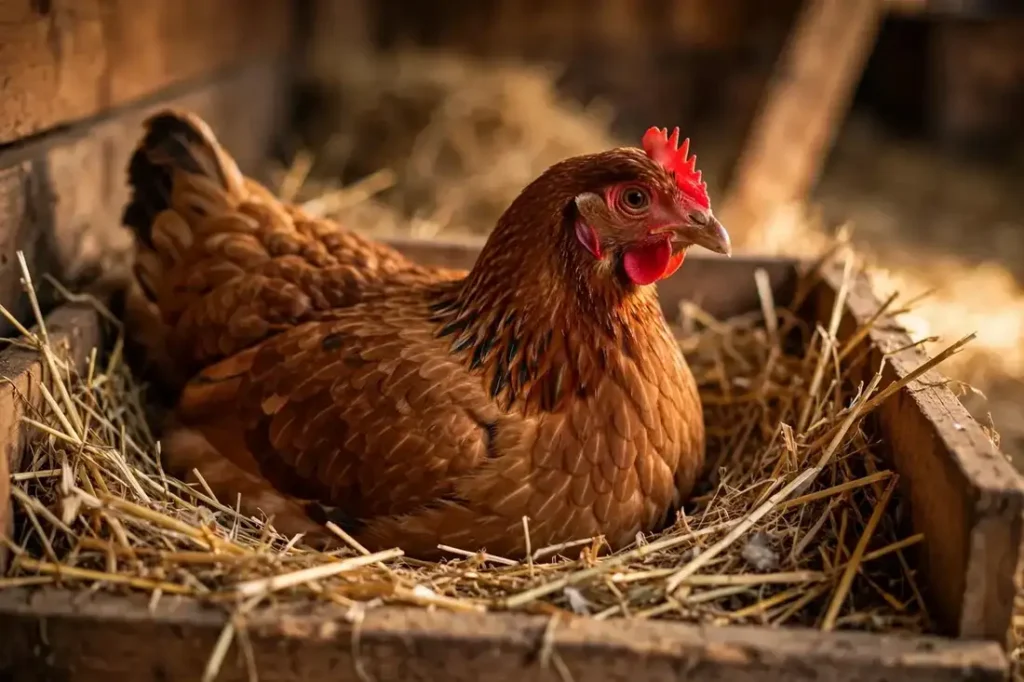
Feeding chickens is simple once you know the life stages. Chicks (0–8 weeks) get starter crumble (medicated or not — your choice; medicated prevents coccidiosis). Growers (8–18 weeks) get grower feed. Laying hens (18+ weeks) get layer feed with ~16% protein and added calcium for shells. That is the whole program; everything else is supplement.
- Keep layer feed available free-choice — hens self-regulate well; a hanging feeder reduces waste and keeps feed clean.
- Offer oyster shell separately — free-choice calcium lets each hen take what she needs for strong shells.
- Kitchen scraps are treats, not meals — fine in moderation (they love watermelon, greens, cooked rice); avoid raw potato, dried beans, avocado, chocolate, and anything moldy.
- Grit matters if they forage — free-ranging birds pick up grit naturally; confined birds need it offered.
- Water is the real priority — a hen drinks roughly a pint daily; dehydration stops laying fast. Clean waterers weekly, check daily.
- Winter water needs heat — a heated waterer base prevents freezing; breaking ice twice daily gets old by January.
Health Basics: Keeping Birds Thriving
Healthy chickens are active, bright-eyed, with smooth feathers and red combs. Most health problems are prevented — not treated — by good husbandry: clean water, quality feed, dry bedding, space, and quarantine for new birds (30 days, separate area, no exceptions — this single practice prevents most flock disasters).
- Watch droppings — they are the daily health report; sudden changes in color or consistency warrant attention.
- Check for mites and lice — part feathers near the vent monthly; treat the coop and birds if you see tiny moving specks.
- Dust baths are healthcare — provide a dry dirt/ash area; birds self-treat parasites by dusting.
- Bumblefoot — a staph infection of the foot from rough landings; keep roosts at reasonable heights and surfaces smooth.
- Egg binding — a hen straining without producing; warm bath and calcium, vet if unresolved — it can be fatal.
- Know a poultry vet in advance — find one before you need one; many regular vets do not see chickens.
Birds that also roam the yard will decimate ticks and grubs — many keepers who started with hiking for beginners-style love of the outdoors find that chickens extend that nature connection right into the backyard. Supervised free-ranging (an hour before dusk is the classic window) gives birds joy and you entertainment, with lower predator risk than all-day ranging.
Eggs: What to Realistically Expect
A good laying hen produces 5–6 eggs per week in her prime (roughly 6 months to 2 years old). Six hens therefore peak at around 2.5–3 dozen weekly. Production drops in winter as daylight shortens — hens need ~14 hours of light to lay well — and during the annual molt (late summer/fall), when they stop laying to regrow feathers. This is normal biology, not failure. Many keepers add a coop light on a timer to extend laying through winter; others let the birds rest naturally and buy eggs for a few months. Both are valid philosophies.
Fresh eggs keep for weeks refrigerated (unwashed, with the bloom intact, they keep even longer). The deep-orange yolks and firm whites of pasture-supplemented hens genuinely taste different — richer, almost buttery. Once you have had them, store eggs taste like a pale imitation, which is the real reason flocks tend to grow.
The Honest Cost Breakdown
| Expense | First Year | Annual After |
|---|---|---|
| Coop + run | $200–$800 | $0–$50 (maintenance) |
| 6 started pullets | $90–$180 | $0 (or replacements) |
| Feed (6 hens) | $180–$300 | $180–$300 |
| Bedding | $60–$120 | $60–$120 |
| Feeders, waterers, misc | $50–$100 | $20–$40 |
| Total | $580–$1,500 | $260–$510 |
At peak lay, six hens produce roughly 130 dozen eggs per year (about 5 eggs per hen per week), worth $500–$900 at farmers-market prices. So the economics roughly break even after year one if you value the eggs at premium prices — but nobody keeps chickens purely for economics. You keep them because the eggs are better, the birds are delightful, and the kids learn where food comes from. The tennis for beginners guide crowd has their rallies; chicken keepers have the egg song at 7am — different joy, same devotion.
Raising Chicks: The Brooder Stage (Weeks 0–6)
If you start with day-old chicks instead of started pullets, you’ll spend the first six weeks as a chick parent — and it’s one of the most delightful phases of the hobby. Chicks are tiny, peeping fluffballs with enormous appetites and zero survival skills. Your job: be their mother hen.
Setting Up the Brooder
A brooder is just a warm, safe container — a large plastic tote, stock tank, or cardboard box works. The essentials:
- Heat source — a heat plate (safer, more natural) or heat lamp (cheaper, fire risk — secure it doubly); chicks need 95°F in week one, decreasing 5°F weekly.
- Thermometer at chick level — don’t guess; overheating kills faster than chilling.
- Bedding — pine shavings (never cedar — toxic fumes); paper towels for the first 2–3 days so chicks learn what food is.
- Chick waterer and feeder — shallow waterer with marbles in the tray (prevents drowning); chick starter crumble, available 24/7.
- Space — half a square foot per chick minimum, expanding as they grow; overcrowding causes pecking.
- Draft-free but ventilated — warmth without stuffiness; a screen top keeps cats out and air moving.
The First Week: Critical Care
- Dip each beak in water on arrival — teach them where water is immediately; dehydrated chicks fade fast.
- Watch behavior, not just thermometers — huddled under heat = too cold; panting in corners = too hot; spread out and peeping contentedly = perfect.
- Check for “pasty butt” — droppings caked on vents can be fatal; gently clean with warm water; it usually resolves in days.
- Handle gently and often — brief, calm handling from day one produces friendly adult hens; always supervise children.
- Medicated vs. non-medicated starter — medicated prevents coccidiosis (the #1 chick killer); choose based on your comfort and whether chicks were vaccinated.
Weeks 3–6: Feathering Out
Chicks transform absurdly fast — fluff to awkward dinosaur to feathered pullet in six weeks. Reduce heat weekly; by week 5–6 (fully feathered), they can handle outdoor temperatures above 50°F. Introduce chick grit when offering treats, expand the brooder or move to a larger space, and begin short supervised outdoor field trips on warm days. The move to the coop (“graduation day”) happens around 6–8 weeks, done gradually: days outside, nights in the brooder, until they’re fully transitioned. Watching pullets discover grass for the first time never gets old.
Predators: Know Your Enemy and Outsmart Them
Everything likes chicken. Accepting this cheerful fact and building accordingly is the difference between a thriving flock and heartbreak. The main threats vary by region, but the defense principles are universal.
The Usual Suspects
- Raccoons — the criminal masterminds; dexterous hands open latches, reach through wire, and kill for sport. Assume they’re smarter than your coop.
- Hawks and owls — daytime (hawks) and nighttime (owls) aerial threats; covered runs or hawk netting defeat them.
- Foxes and coyotes — dig under, jump over; they case coops and return. Bury wire 12 inches or skirt it outward 18 inches.
- Domestic dogs — including your own sweet dog and the neighbor’s; dogs kill chickens for fun, not food. Never trust unsupervised coexistence.
- Weasels and mink — squeeze through 1-inch gaps and kill entire flocks in a night; hardware cloth (not chicken wire) is the defense.
- Opossums and skunks — egg thieves and chick killers; secure latches stop them.
- Snakes — egg eaters; 1/2-inch hardware cloth excludes most.
Building the Fortress
- Hardware cloth everywhere — 1/2-inch galvanized, not chicken wire (chicken wire keeps chickens in; it doesn’t keep predators out).
- Raccoon-proof latches — carabiner clips, padlocks, or complex sliding bolts; if a toddler could open it, so can a raccoon.
- Bury or skirt the wire — 12 inches deep or an 18-inch outward apron stops diggers.
- Cover the run — solid roof or hawk netting; aerial predators are defeated by overhead barriers, period.
- Automatic door on a timer — closes at dusk without fail; the #1 defense against forgetting (everyone forgets once).
- Motion-sensor lights — startle nocturnal predators; not foolproof, but a useful layer.
- Lock up every night — no exceptions, no “just this once”; predators only need one lapse.
- Electric poultry netting — for free-ranging setups; the gold standard for daytime ranging protection.
Free-ranging is wonderful for the birds and the eggs — but it’s a calculated risk. The geocaching for beginners crowd understands risk management in the outdoors; apply the same thinking: supervised ranging, good fencing, a rooster (where legal — they’re excellent alarms), and acceptance that a hawk may occasionally win. Most keepers find the trade-off worth it for the birds’ quality of life.
Chicken Breeds Deep Dive: Layers, Dual-Purpose, and Personalities
The breed list in the beginner section covers the safe picks — but chicken breeds number in the hundreds, each with distinct personalities, and choosing becomes genuinely fun once you know the categories. Here’s the deeper guide for when you’re ready to expand (or when “chicken math” strikes and the flock grows).
Prolific Layers: The Egg Machines
- White Leghorn — the commercial industry’s bird; 280–320 white eggs yearly, feed-efficient, flighty and independent. Not cuddly, incredibly productive.
- Golden Comet / ISA Brown (sex-links) — hybrid layers bred for output; 300+ brown eggs in year one, friendly, the pragmatic choice. Production fades faster than heritage breeds.
- Ancona — striking mottled plumage, excellent Mediterranean layer, active forager; beautiful and businesslike.
- Minorca — large white eggs, heat-tolerant, elegant; the hot-climate layer.
Dual-Purpose Heritage Breeds
- Rhode Island Red — the classic American farm bird; 250+ brown eggs, hardy, self-reliant; roosters can be assertive.
- Plymouth Rock (Barred) — calm, cold-hardy, 200+ eggs; the breed that built New England farm flocks.
- Orpington (all colors) — gentle giants, 180–200 eggs, superb mothers; the family-friendly choice, especially Buff.
- Wyandotte — gorgeous laced feathers, 200 eggs, cold-hardy; slightly aloof but dependable.
- Australorp — quiet, docile, 250+ eggs; the Australian farm perfected-bird, ideal for suburbs.
- Brahma — massive, feather-footed, gentle; 150 eggs but the most striking bird in any flock.
Specialty and Ornamental Breeds
- Easter Egger / Ameraucana — blue and green eggs; the kid-favorite, hardy and personable.
- Olive Egger — crosses producing deep olive eggs; the designer-egg trend’s foundation.
- Silkie — fluffy, broody, irresistible; poor layers (~100 small eggs) but the best mothers and the ultimate pet chicken.
- Polish — spectacular crests, comical and sweet; vision-limited by the crest, needs protection from bullying.
- Marans (Black Copper) — dark chocolate-brown eggs; the foodie favorite, moderate layers.
- Welsummer — terracotta eggs with speckles; beautiful birds, good foragers.
Choosing for Your Situation
- Maximum eggs, small space — sex-link hybrids or Leghorns; efficiency above all.
- Kids and friendliness — Orpingtons, Silkies, Easter Eggers; temperament first.
- Cold climates — Wyandottes, Rocks, Brahmas, Buckeyes; small combs resist frostbite.
- Hot climates — Leghorns, Minorcas, Andalusians; Mediterranean breeds handle heat.
- Colorful egg basket — Easter Eggers + Marans + Welsummers + Leghorns; the Instagram rainbow.
- Self-sustaining flock — heritage dual-purpose breeds that go broody (Orpingtons, Cochins, Silkies); hybrids don’t reproduce true.
Breed obsession is the gateway to chicken math — the documented phenomenon where 6 hens become 14. There’s no cure, only management: build the coop bigger than you need, because the geocaching for beginners completionist instinct applies to breeds too. One of each, eventually. It’s fine. Everyone does it.
7 Pro Tips for Healthy, Happy Hens
These are the hard-won lessons experienced keepers wish they’d known in year one — small practices with outsized payoffs.
- Apple cider vinegar in the water (1 tbsp/gallon) — the folk remedy with real benefits: it mildly acidifies water, discouraging bacterial growth and supporting gut health. Use plastic waterers only (it corrodes metal). It’s not medicine, but it’s cheap preventive care.
- Deep litter method for winter — instead of full cleanouts, layer fresh pine shavings over old bedding through winter; the composting action generates gentle heat and healthy microbes. Do one big cleanout in spring. Less work, warmer coop, better compost.
- Train hens to a treat call — shake a specific container while calling; within a week, the flock comes running. This isn’t a trick — it’s how you get free-ranging birds back to the run in emergencies.
- Dust bath stations prevent parasites — a shallow box of dry dirt, wood ash, and a little diatomaceous earth; hens self-treat for mites by dusting. Place it in the run and watch them use it daily.
- Freeze water bottles for summer — frozen 2-liter bottles in the waterer and run keep birds cool during heat waves; heat kills chickens faster than cold. Shade cloth over the run is the other essential.
- Quarantine isn’t optional — 30 days, separate airspace, for every new bird, no matter how healthy it looks or how reputable the source. This single practice prevents the respiratory diseases that devastate flocks.
- Keep a chicken first-aid kit — Vetericyn wound spray, Blu-Kote, electrolytes, Epsom salt, syringes, and vet wrap. When a bird is hurt at dusk, you’ll be grateful it was ready.
Frequently Asked Questions
Do chickens smell?
A well-kept small flock barely smells. Odor comes from wet, ammonia-heavy bedding — prevent it with good ventilation, regular cleaning, and the deep-litter method (layering fresh bedding over old, which composts in place). A neglected coop smells; a maintained one smells like straw and earth.
Will hens lay eggs without a rooster?
Yes — hens lay unfertilized eggs on their own cycle regardless. Roosters are only needed for fertilized (hatchable) eggs. For egg production in suburbs, roosters are unnecessary and usually illegal due to crowing. All-hen flocks are calmer and neighbor-friendly.
How long do chickens live?
5–10 years is typical, with some reaching 12+. Prime laying lasts about 2–3 years, then tapers — but hens remain charming, useful (pest control, compost-turning) flock members for years after. Plan for the full lifespan, not just the laying years.
Can chickens stay outside in winter?
Yes, with the right setup. Chickens tolerate cold remarkably well — their down is superb insulation. What they cannot tolerate is damp, drafty coops. Keep bedding dry, ventilation open at the top, water unfrozen, and skip the heat lamp (fire risk; birds acclimate better without it). Cold-hardy breeds sail through subzero weather.
What do I do with chickens when I travel?
Arrange a chicken-sitter: a neighbor, friend, or local farm-sitter who opens/locks the coop, refreshes water, and collects eggs (the eggs are the payment that makes sitters enthusiastic). Automatic doors and large waterers reduce the chore to a quick daily check. Never leave chickens unattended for more than a day.
Do backyard chickens attract rats?
Spilled feed can attract rodents — the solution is management, not avoidance. Use treadle or hanging feeders, bring feed in at night or use rodent-proof storage, clean up spills, and keep the run tidy. Well-managed coops have no more rodent issues than a bird feeder does.
Watch and Learn: Raising Chickens 101
Seeing coop setups, daily routines, and real beginner mistakes on video builds confidence faster than any article. This comprehensive beginner guide covers everything you need to know:
Welcome to the Flock Life
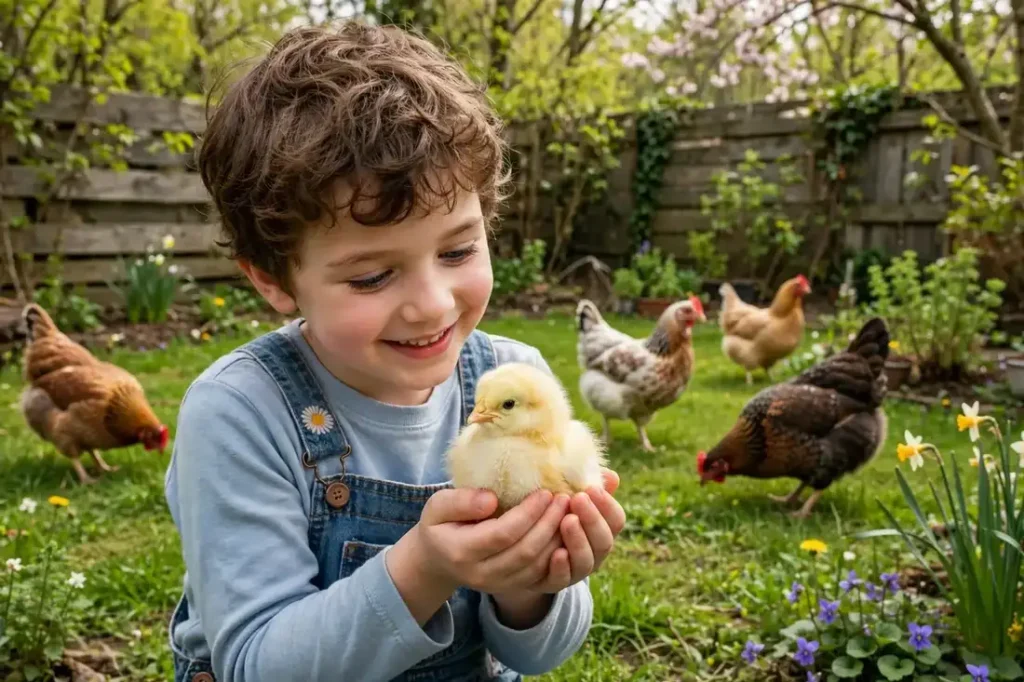
Chicken keeping rewards the beginner disproportionately. Within weeks of your pullets arriving, you will have a routine — the morning release, the evening headcount — that structures your day around something alive and appreciative. Within months, you will be handing neighbors eggs and answering their questions with the quiet authority of experience. Within a year, you will be the person talking a friend through their first coop build.
Start legal, start small, build the coop before the birds arrive, and buy from a reputable source. Do those four things and the chickens handle the rest — the eggs, the entertainment, the garden help, and the daily reminder that some of the best hobbies are also the most delicious.