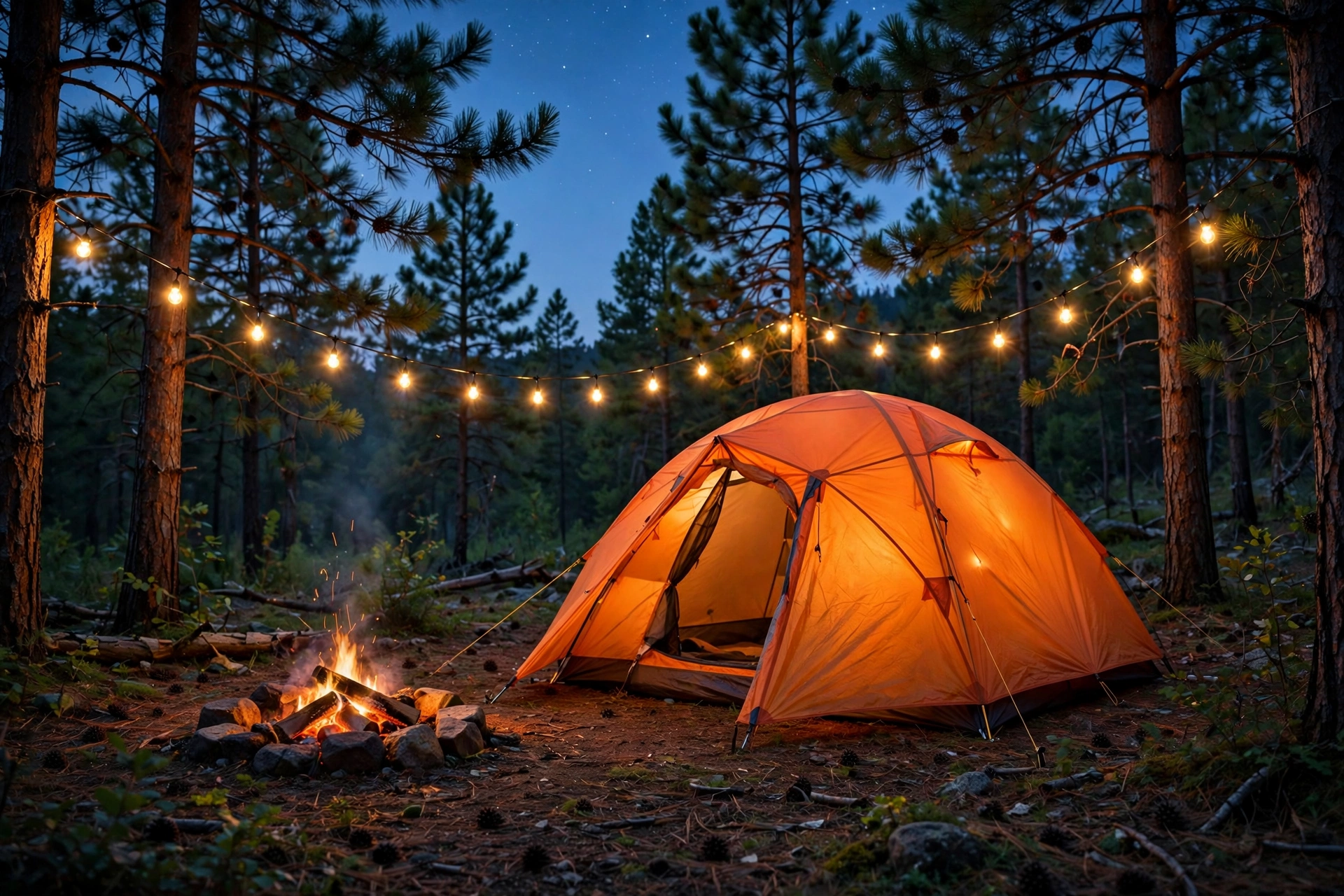
Camping for Beginners does not require a garage full of gear, a truck, or any wilderness survival skills — it requires a tent, a sleeping bag, a campsite reservation, and the willingness to sleep under the stars for a night or two. This complete first-trip guide walks you through choosing your camping style, the essential gear that matters (and the gadgets you can skip), how to pick a beginner-friendly campsite, setting up camp step by step, camp cooking without fuss, and staying safe and comfortable outdoors.
First-time campers often overthink the gear and underthink the planning. The truth is that a successful first trip is 80 percent logistics: picking the right campground, checking the weather, arriving with daylight to spare, and bringing enough food and warm layers. Get those right, and even bargain gear delivers a great weekend. Get them wrong, and the most expensive tent in the world will not save the trip.
Choose Your Camping Style
Not all camping is the same, and beginners should start with the most forgiving style — frontcountry car camping — before graduating to more remote options.
| Style | What It Is | Beginner Friendliness | Best For |
|---|---|---|---|
| Car camping (frontcountry) | Drive to a developed campsite; sleep steps from your car | Excellent — start here | First trips, families, comfort-seekers |
| Walk-in / tent-only sites | Short walk from parking to a quieter site | Good second step | A taste of seclusion without commitment |
| Backpacking | Carry everything on your back for miles | Not for trip one | After 3–5 car-camping trips |
| RV / camper van | Sleep in a vehicle with beds and kitchen | Easy but expensive | Those who want beds, not sleeping bags |
| Dispersed camping | Free camping on public land, no facilities | Intermediate | Self-sufficient campers avoiding crowds |
| Glamping | Pre-set tents, yurts, or cabins with amenities | Very easy | A gentle introduction to sleeping outdoors |
For your first trip, book a drive-up campsite at a state park or national forest campground with drinking water, toilets, and a camp host. These campgrounds are designed for newcomers: level tent pads, fire rings, picnic tables, and neighbors who have all been beginners themselves.
The Beginner Camping Gear Checklist
You need four systems to camp comfortably: shelter, sleep, kitchen, and comfort/safety. Everything else is optional on trip one. Rent or borrow the big-ticket items (tent, sleeping bags, cooler) before buying — many outdoor retailers and local outfitters rent complete kits cheaply.
Shelter System
- Tent: A 4-person tent for two campers gives comfortable room for gear. Look for a full rainfly, two doors, and color-coded poles for easy setup.
- Footprint or tarp: A groundsheet under the tent protects the floor and adds waterproofing.
- Stakes and guylines: Usually included; bring a mallet or rock for hard ground.
Sleep System
- Sleeping bags: Rated at least 10°F below the expected nighttime low. A 20°F bag covers three-season camping for most beginners.
- Sleeping pads: More important than the bag for warmth — the ground steals heat. An insulated inflatable pad (R-value 4+) transforms sleep quality.
- Pillows: A camp pillow or your pillow from home in a stuff sack.
Kitchen System
- Cooler: A hard-sided cooler with block ice keeps food safe for 2–3 days.
- Stove: A two-burner propane camp stove plus one spare fuel canister. Simpler and more reliable than cooking everything over fire.
- Cook kit: One pot, one pan, spatula, knife, cutting board, and a wash basin with biodegradable soap.
- Dishes: Plates, bowls, mugs, and utensils — reusable sets beat disposables on every trip.
- Water: A 5-gallon jug plus personal bottles; never assume campground water without checking.
Comfort and Safety
- Lighting: A lantern for the picnic table plus a headlamp per person.
- Chairs: Camp chairs turn a campsite from a parking spot into a living room.
- First aid kit: Stocked for blisters, burns, stings, and splinters.
- Weather protection: A pop-up canopy or large tarp for rain; extra warm layers for cold nights.
- Fire tools: Firewood (buy local — transporting firewood spreads pests), fire starters, and a bucket for water.
How to Choose a Beginner-Friendly Campsite
The right campground makes the trip; the wrong one breaks it. When browsing reservation sites, filter for these beginner-friendly features:
- Flush toilets and drinking water within easy walking distance of sites.
- Drive-up access — no hauling gear long distances on trip one.
- Cell coverage or a camp host for peace of mind (many beginners sleep better knowing help is near).
- Site photos and reviews — look for level ground, shade, and reasonable spacing between sites.
- Proximity to home — under two hours’ drive for the first trip, so a forgotten item is a minor errand, not a disaster.
- Nearby activities — a lake for swimming, easy trails, or a scenic drive gives the trip structure beyond sitting at camp.
Book early. Popular state park campgrounds near cities sell out weekends months in advance, especially for holiday weekends — check Memorial Day weekend getaway ideas or Labor Day weekend getaways for seasonal timing inspiration, then reserve as soon as booking windows open.
Setting Up Camp: A Step-by-Step Arrival Routine
Arrive with at least three hours of daylight remaining. Rushing setup in the dark is the fastest way to sour a first trip. Follow this order:
- Scout the site. Walk the whole site before unpacking. Note the tent pad location, fire ring, picnic table, slope direction (sleep with head uphill), and where water and toilets are.
- Pitch the tent first. Lay the footprint, assemble poles, raise the tent, attach the rainfly, and stake everything — even if the sky is clear. Wind arrives uninvited.
- Set up the sleep system. Unroll sleeping bags and inflate pads immediately so loft and air warm up before bedtime.
- Establish the kitchen. Set up the stove on the picnic table, organize the cooler (drinks on top, raw meat sealed at the bottom), and hang a trash bag.
- Build your living space. Arrange chairs around the fire ring, hang the lantern, and set out the first-aid kit where everyone knows its location.
- Secure food and scented items. In bear country, use provided lockers or hang food properly. Everywhere else, keep food sealed in the car or hard containers — raccoons are the more common thief.
Tent Pitching Tips That Prevent Midnight Regret
- Practice pitching the tent at home once. Thirty minutes in the backyard saves an hour of trailhead frustration.
- Clear the ground under the tent of sticks and stones — you will feel every one at 2 AM.
- Keep the rainfly’s vestibules organized: boots and packs outside the sleeping area, headlamp in the tent pocket.
- Vent the tent even in cold weather. Your breath creates condensation; a cracked vent keeps the interior dry.
Camp Cooking: Easy Meals, Zero Stress
Camp food should be simple, filling, and forgiving. Plan meals you could nearly cook with your eyes closed, and prep as much as possible at home.
| Meal | Beginner-Friendly Ideas | Prep-at-Home Trick |
|---|---|---|
| Breakfast | Oatmeal packets, breakfast burritos, pancakes from shake-and-pour mix | Pre-crack eggs into a sealed bottle; pre-mix dry pancake ingredients |
| Lunch | Deli sandwiches, wraps, quesadillas on the camp stove | Slice veggies and portion cheese at home |
| Dinner | Foil-packet meals, one-pot pasta, tacos, pre-made chili reheated | Freeze chili or stew flat — it doubles as cooler ice |
| Snacks | Trail mix, fruit, jerky, s’mores supplies | Portion into bags so kids can self-serve |
| Drinks | Coffee (French press or pour-over), cocoa, lemonade | Pre-grind coffee; freeze water bottles as ice |
Foil-packet dinners deserve special mention: chop protein and vegetables, seal in heavy-duty foil with seasoning and a little oil, and cook on campfire coals or the stove for 20–30 minutes. Zero dishes, endless variations. For flame-cooked inspiration, these grilling tips for beginners translate directly to campfire and camp-stove cooking.
Campfire Safety Rules
- Check fire restrictions before you go — many Western campgrounds ban fires during dry months. Have a stove backup plan.
- Use the established fire ring; never build new fire pits.
- Keep fires small, never leave them unattended, and keep a full bucket of water beside the ring.
- Burn only local firewood. Extinguish fully: drown, stir, feel for heat, repeat until cold.
Sleeping Warm: The Skill That Makes or Breaks Camping
Cold campers do not sleep, and tired campers do not enjoy mornings. Nighttime cold surprises nearly every first-timer because temperatures drop 15–25°F after sunset, and clear skies drop them further. Master these fundamentals:
- Trust the pad, not just the bag. An insulated sleeping pad prevents the ground from draining your body heat — this matters more than bag rating.
- Wear dry base layers to bed. Never sleep in the clothes you hiked or cooked in; damp fabric chills you all night.
- Layer inside the bag. Add a fleece and warm socks inside your sleeping bag rather than piling blankets on top.
- Eat and hydrate before bed. Your body burns calories to stay warm; a warm drink and snack before sleep genuinely help.
- Warm the bag first. Do jumping jacks or fill a sealed bottle with warm (not boiling) water as a bed warmer.
- Vent strategically. Crack the tent vent to fight condensation, but cinch the bag’s hood around your face — you lose the most heat from an uncovered head.
Campsite Hygiene, Bugs, and Wildlife
Bathroom: Use campground toilets when available. If nature calls on the trail, walk 200 feet from water and camp, dig a 6-inch cathole, and pack out toilet paper in a sealed bag.
Bugs: Treat clothing with permethrin before the trip for tick-heavy regions, use EPA-registered repellent on skin, and do full-body tick checks each evening. A headnet weighs nothing and saves sanity during buggy evenings.
Wildlife: Store all food, toiletries, and scented items securely — never in the tent. Make noise on trails in bear country, carry bear spray where recommended, and observe animals from a respectful distance. The raccoons that raid coolers at 3 AM are outsmarted by latched containers and a clean site.
One of camping’s underrated joys is the night sky far from city lights. Bring a blanket, lie back after the fire dies down, and look up — and if the kids are along, this stargazing guide for kids turns constellations into the evening’s main event.
Weather-Proofing Your Trip
Check the forecast the night before and again the morning you leave, paying attention to overnight lows, wind, and precipitation probability. Then pack for the forecast being wrong by 10 degrees in the unpleasant direction:
- Rain: A large tarp over the picnic table creates a dry living room; bring a book, cards, or board games for tent time.
- Wind: Stake and guy out the tent fully; position the tent’s narrow end into the wind; secure loose items.
- Cold snap: Extra blankets, warm drinks, and a hot water bottle strategy (see sleep section).
- Heat: Seek shaded sites, bring a battery fan, hydrate aggressively, and plan strenuous activities for morning.
The Morning Breakdown Routine
Breaking camp efficiently is a learned skill. Work in this order: eat breakfast first (everything is easier fed), then take down the sleep system and stuff bags loosely, collapse the tent only after shaking it out and ensuring it is dry — packing a wet tent grows mildew, so if it rained, dry it at home the same day. Do a final site sweep: walk every corner picking up micro-trash, check the fire ring is stone cold, and leave the site cleaner than you found it. Many campgrounds have check-out times around noon; aim to roll an hour early.
Frequently Asked Questions
How much does it cost to start camping?
Renting a complete beginner kit (tent, bags, pads, stove, cooler) typically runs $75–$150 for a weekend from outdoor retailers. Buying budget-friendly new gear for two people costs roughly $400–$700. Borrowing from friends drops the cost to nearly zero — ask around before buying anything.
Do I need a reservation, or can I just show up?
Reserve ahead. The most beginner-friendly campgrounds — those with flush toilets, water, and hosts — routinely sell out weekends weeks or months in advance. Walk-up sites exist but skew toward primitive campgrounds that are harder for first-timers. Book through the park’s official reservation system as early as its window allows.
What if it rains the whole weekend?
A rainy first trip is survivable with the right mindset: a big tarp over the picnic area, waterproof footwear, dry clothes sealed in bags, and indoor backup plans like nearby towns or visitor centers. That said, there is no shame in postponing trip one for better weather — your first experience shapes whether you ever go again.
Is camping safe for solo beginners?
Frontcountry campgrounds are among the safest outdoor settings: camp hosts, neighboring campers, and rangers are all nearby. Solo beginners should choose well-reviewed, busy campgrounds, share their itinerary with someone at home, and keep valuables locked in the car. Many solo campers find their first trip wonderfully restorative.
Can I bring my dog camping?
Most campgrounds welcome dogs on leash, but rules vary — some restrict dogs from beaches, trails, or certain loops. Bring your dog’s bed, extra water, waste bags, and current vaccination records. Practice tent manners at home first; a dog that paces and whines at 5 AM will not endear you to neighboring sites.
What is the biggest beginner camping mistake?
Arriving after dark. Every other problem — tent confusion, forgotten items, cold nights — compounds when you cannot see. Plan to arrive with three full hours of daylight, and treat the drive as part of the trip rather than a race to the site.
Your First Night Under the Stars
Camping strips life to its essentials — food, shelter, firelight, and the people you brought — and most beginners are startled by how deeply they enjoy it. Keep trip one simple: a nearby campground, borrowed gear, easy meals, and modest expectations. Nail the logistics, respect the weather, and leave the site clean. The second trip, you will already be the one giving advice to the nervous newcomers pitching their tent beside you.
Camping With Kids: Make Trip One a Hit
Kids are natural campers — dirt, fire, and freedom are their native habitat. Set the trip up for their success: keep the drive short (under two hours), arrive with abundant daylight, and let them “help” with camp jobs like gathering kindling, unrolling sleeping bags, and holding the flashlight. Bring their favorite pillow and a beloved stuffed animal; familiar comforts make strange sleeping arrangements feel safe.
Plan one structured activity per day — a short nature hike, a swim, a scavenger hunt — and leave the rest gloriously unstructured. Pack twice the snacks you think necessary, enforce the sunscreen-and-water routine, and establish the headlamp-after-dark rule early. Most importantly, model calm flexibility: if rain cancels the hike, the kids will take their emotional cues from you. A parent who laughs and breaks out the card games raises campers for life.
Camp Kitchen Upgrades Worth It
Once the basics are dialed, a few inexpensive upgrades elevate camp cooking from functional to genuinely enjoyable: a two-burner stove with wind guards (worth every penny on breezy mornings), a cast-iron skillet for perfect campfire searing, a percolator or pour-over setup for real coffee, and a folding camp table if your site lacks a picnic table. A simple spice kit — salt, pepper, garlic powder, chili flakes, cinnamon — transforms bland camp meals. None of this is necessary for trip one, but by trip three you will know exactly which upgrades match your cooking style.