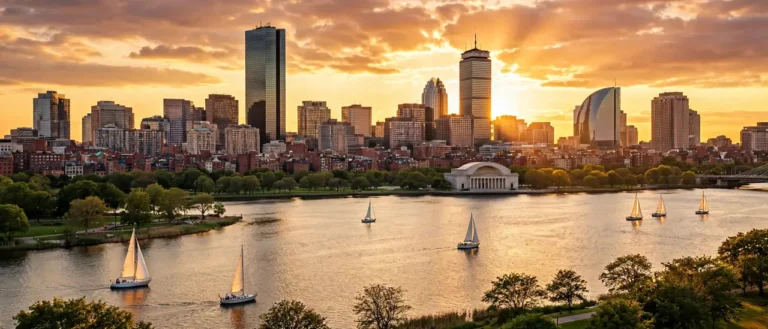
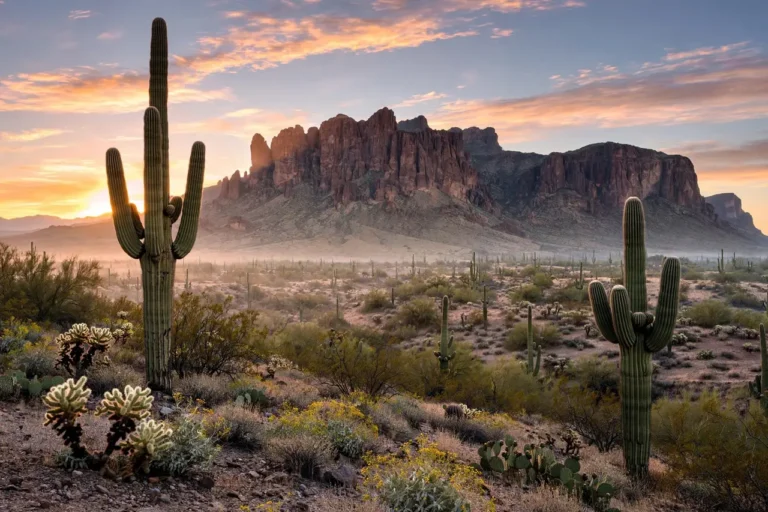
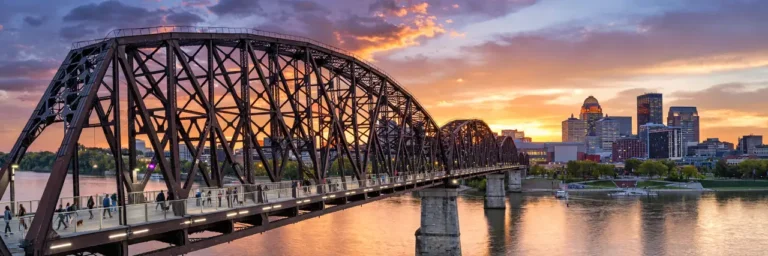
The best tourist attractions in the USA depend on what you want a trip to feel like: an immense canyon, a close look at a historic ship, a day of spaceflight exhibits or a quiet prairie walk. This guide selects one physical attraction in each of the 50 states. It is a starting point for choosing a region, not an itinerary that asks you to cross the country between consecutive entries.

At a glance: choose your kind of visit
Selected examples from the full list below. Read each entry for booking requirements and exceptions.
| Attraction / experience | Location | Type | Best for | Admission |
|---|---|---|---|---|
| U.S. Space & Rocket Center | Huntsville, Alabama | Space museum | Space enthusiasts | Paid |
| Rocky Mountain National Park | Estes Park and Grand Lake gateways, Colorado | National park | Mountain scenery | Park fee; seasonal timed entry |
| Hawaiʻi Volcanoes National Park | Hawaiʻi Island, Hawaii | Volcanic landscape | Geology and cultural learning | Park fee |
| Tallgrass Prairie National Preserve | Strong City, Kansas | Prairie and historic ranch | Landscape and rural history | Free |
| Freedom Trail | Boston, Massachusetts | Historic walking route | Revolutionary-era history | Street route free; tours and some sites paid |
| Glacier National Park | Northwestern Montana | National park | Mountain landscapes | Park fee; shuttle rules separate |
| Carlsbad Caverns National Park | Near Carlsbad, New Mexico | Cavern | Underground landscapes | Paid; timed reservation required |
| First Americans Museum | Oklahoma City, Oklahoma | Indigenous cultural museum | Living cultures and history | Paid |
| Badlands National Park | Southwestern South Dakota | Geologic landscape | Rock formations and prairie | Paid |
| Shenandoah National Park | Blue Ridge Mountains, Virginia | National park | Mountain views and woods | Paid |
States A–F
1. U.S. Space & Rocket Center — Alabama
Choose this stop for the hardware and ambition behind human spaceflight. The museum and planetarium offer a different kind of visit from Space Camp, which is a separate program. Start with the museum ticket rather than assuming a camp experience comes with admission. It makes a focused Huntsville anchor for travelers who would rather examine spacecraft than spend a day on rides.
2. Denali National Park and Preserve — Alaska
Denali rewards a slower itinerary organized around its single Park Road. Private vehicles have limited access, so compare narrated and transit buses before deciding how far to travel. Late May through early September is the principal visitor season. Check the current road closure and the exact destination of your bus; an old map is not a promise of access. Keep wildlife viewing flexible.
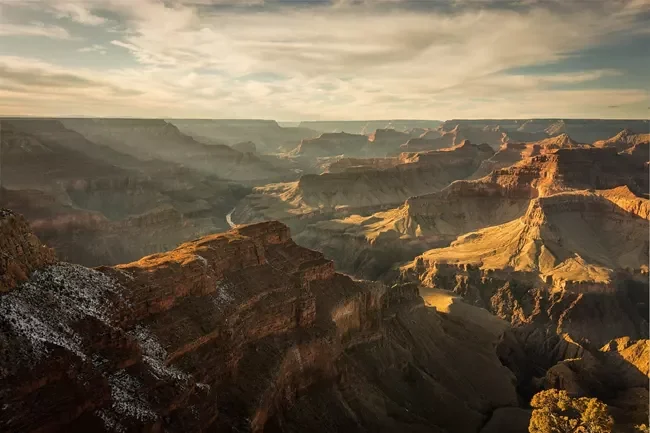
3. Grand Canyon National Park, South Rim — Arizona
The South Rim combines the canyon's extraordinary scale with viewpoints, village history and park shuttles. Build the day around a few overlooks rather than treating the entire rim as a drive-through checklist. This rim is open year-round, but conditions still matter. Check shuttle routes and weather before arrival. North Rim services differ, so do not book the opposite rim assuming the same facilities.
4. Crystal Bridges Museum of American Art — Arkansas
American art and a landscape setting make this a useful choice for travelers who want a museum without spending every minute inside a gallery. General admission is free, while special exhibitions can have a separate charge. Parking is free. Check the calendar before building a Bentonville day around it, especially the regular Tuesday closure. Leave some time for the outdoor trails when weather allows.
5. Yosemite National Park — California
Yosemite's granite walls, meadows and waterfalls need more than a hurried photo stop. For a first visit, concentrate on the valley before adding distant park areas. No general entry reservation is required in 2026, but lodging, camping and backpacking have their own booking rules. Check roads and seasonal conditions. Stay on designated routes and take river and waterfall hazards seriously, even beside familiar viewpoints.
6. Rocky Mountain National Park — Colorado
This is a strong choice for alpine scenery, with the important qualification that elevation and snow shape the visit. Timed entry applies during specified hours in the late-May-to-mid-October season; check the permit type and date before driving to a gate. Trail Ridge Road is weather-dependent. Choose a manageable area, check conditions and leave room to change plans instead of promising yourself a complete crossing.
7. Mystic Seaport Museum — Connecticut
The Charles W. Morgan, a surviving nineteenth-century whaling ship, gives this maritime museum a compelling centerpiece. Shipbuilding, craft demonstrations and the recreated seaport show how a waterfront worked, beyond a collection of boats. Check the day's operating schedule before choosing a ticket. Divide the visit between ships and demonstrations so you can understand the trades that supported life at sea.
8. Winterthur Museum, Garden & Library — Delaware
Henry Francis du Pont's former home pairs American decorative arts with expansive gardens. Pick this over a conventional art museum when the relationship between rooms, objects and landscape interests you. Confirm which house tour your admission includes and its departure time. Families may prefer to balance interiors with Enchanted Woods. A garden-focused visit depends more on the weather than an interiors-focused one.
9. Kennedy Space Center Visitor Complex — Florida
Space Shuttle Atlantis and the Apollo/Saturn V experience make the visitor complex a substantial full-day choice. Decide early how the bus portion fits around the main exhibits. A rocket launch is a possible bonus, not an included guarantee: operations and launch schedules can change. Review the day's ticket and transportation information before arrival, then prioritize the spacecraft that most interest your group.
States G–M
10. Georgia Aquarium — Georgia
Ocean Voyager's whale sharks provide one reason to choose this aquarium, but the contrasting habitats are equally useful for understanding different aquatic environments. Allow time beyond a single tank. Check the presentation reservation rules when planning your day; admission and a particular presentation seat are different questions. The mostly indoor visit is a practical anchor when the rest of an Atlanta itinerary depends on outdoor weather.
11. Hawaiʻi Volcanoes National Park — Hawaii
Visit for an active volcanic landscape and its Native Hawaiian cultural connections, not a guaranteed lava spectacle. Eruptions, gases and closures can change where visitors may go. Check current conditions before selecting overlooks around Kīlauea. The park warns that summit and Nāhuku parking can be congested. Stay on designated routes; apparently solid terrain can conceal hazards. Treat any eruption viewing as conditional.
12. Craters of the Moon National Monument and Preserve — Idaho
Craters of the Moon offers a landscape quite different from Idaho's familiar mountain-and-river image. Use the Loop Road as a framework for a measured visit to the lava terrain. Its seasonal closure changes both access and the entry-fee situation. Check current conditions before choosing trails or expecting cave access. Carry the park's current map, and avoid building the whole day around one feature you have not confirmed open.
13. Lincoln Park Zoo — Illinois
A no-ticket zoo in Chicago makes it easy to plan a short visit without feeling obliged to stay all day. The zoo confirms stroller-friendly paths and does not require general-entry reservations. Choose a few animal areas, such as the penguins and small-mammal exhibits, rather than racing between everything. Parking costs extra, so compare your travel options. Optional experiences should be checked separately from free general admission.
14. The Children's Museum of Indianapolis — Indiana
Dinosphere, Playscape and ScienceWorks give families very different starting points within one museum. Match the first stop to the child's interests rather than beginning with the biggest exhibit by default. Check the daily offerings and ticket calendar before traveling. A shorter visit focused on two areas can be more satisfying than trying to complete the whole building, particularly with children who tire of indoor stimulation.
15. Effigy Mounds National Monument — Iowa
The monument protects a cultural landscape that deserves a more thoughtful visit than a scenic overlook alone. Begin with the visitor center and museum before following the trails, so the outdoor portion has context. General admission, trails and ranger-guided activities are free. Check the available program schedule and trail conditions. Treat the mounds as protected cultural places and remain on the designated routes.
16. Tallgrass Prairie National Preserve — Kansas
The limestone buildings of the Spring Hill ranch give scale to a landscape whose attraction is its openness. Combine ranch history with a walk rather than expecting a drive through the preserve's trails. Prairie height varies with rainfall and season; late September and October can show taller grass. Prescribed fire may affect access. Keep a respectful distance from bison and check the preserve's current guidance.
17. Mammoth Cave National Park — Kentucky
The cave is the reason to plan ahead here. Surface access is free, but entering on a cave tour requires a paid ticket, and advance reservations are recommended. Select the tour by its route requirements, not just the departure time: cave experiences are not interchangeable. Read the official description before committing. Leave a separate block for the visitor center rather than rushing straight from the road to check-in.
18. The National WWII Museum — Louisiana
Road to Berlin, Road to Tokyo and Liberation Pavilion give this museum considerable depth. Choose your priorities before arriving; a serious visit can absorb most of the day. Some presentations are additional purchases, so compare the ticket inclusions carefully. Advance booking is recommended. The subject matter can be intense, making this a more considered choice for older children and teens than a casual family entertainment stop.
19. Acadia National Park — Maine
Acadia combines a coastal visit with mountain viewpoints, but Cadillac Summit Road has a separate planning step. Vehicle reservations are required May 20–October 25, 2026, in addition to the park entrance pass. That reservation is not a park-wide vehicle permit. Save the confirmation before arrival because connectivity can be unreliable. If a summit slot is unavailable, build the visit around other park areas instead.
20. Fort McHenry National Monument and Historic Shrine — Maryland
Make time for the fort's interpretation rather than using the waterfront setting only as a backdrop. The Historic Star Fort is the paid portion of the visit. Ranger activities, flag-related programming and a Junior Ranger booklet can help structure the day when available. On-site parking is free but can fill. Check the current schedule so your preferred program and the fort visit fit together.
21. Freedom Trail — Massachusetts
Boston's 2.5-mile route connects 16 historic sites, making it an excellent framework for a history-focused day. Walking the public route and entering every attraction are different budgets. Select the interiors that matter most, then allow time to read and look around between them. A guided tour is another paid option. Avoid turning the trail into a speed challenge; the stories are the point.
22. The Henry Ford — Michigan
The campus offers several distinct visits: Henry Ford Museum of American Innovation, Greenfield Village and the Ford Rouge Factory Tour. Choose the venue first, then buy the corresponding admission; one vague “Henry Ford ticket” does not describe every experience. The museum's Rosa Parks bus connects technological collections with social history. If your time is limited, a focused museum day is preferable to hurriedly combining all venues.
23. Voyageurs National Park — Minnesota
Voyageurs is shaped by water, which makes the difference between a shoreline visit and a boat-based itinerary important. The park charges no entrance fee, but boat tours, camping and other services can cost extra. Decide how you will experience the lakes before reserving accommodation. Check wind and weather conditions, and do not mistake a free park entrance for an included cruise or rental.
24. Vicksburg National Military Park — Mississippi
Vicksburg is most rewarding when its landscape is read alongside the historical interpretation. Start with current visitor information, then choose a manageable route through the military park. An entrance pass is required. Restoration and park projects can affect the visit, so consult the current map rather than relying on a years-old tour route. Allow time to pause and interpret the site instead of merely counting monuments.
25. Gateway Arch National Park — Missouri
The Arch offers two different visits: a free museum experience below it and a paid tram ride to the top. Book the tram ahead if that view is essential. The tram is not ADA accessible, although the museum and documentary are accessible. Everyone passes through security. Parking is not included, so allow both time and money for reaching the entrance from your chosen downtown parking or transit option.
26. Glacier National Park — Montana
Do not reuse an old Glacier reservation checklist. Vehicle reservations are not required in 2026, while Logan Pass has time-limited parking and the park is piloting a ticketed shuttle system. Confirm the current season's transport rules and road status before setting your route. This is a destination for lingering over mountain scenery, not squeezing every park area into a single transfer day.
States N–S
27. Scotts Bluff National Monument — Nebraska
The bluff rises above the North Platte River landscape and helps explain why it became a landmark for Indigenous people and emigrants on western trails. Combine the historical context with the summit view. General entry and the Summit Road have no admission charge. Check road conditions and operating access before arriving. It is a substantial Nebraska stop without requiring an all-day hiking commitment.

28. Hoover Dam — Nevada
Choose Hoover Dam for a close look at large-scale engineering, then decide whether an interior tour is worth adding to the outdoor views. Tour availability, security screening and parking affect the schedule. Some Arizona-side parking lots are free while other lots and the Nevada garage charge. Do not assume a paid parking space includes a tour. Exposed outdoor areas also make weather part of the decision.
29. Mount Washington Cog Railway — New Hampshire
This is a train journey with a crucial seasonal distinction. The published 2026 summit season runs May 2–October 25; later trips operate to Waumbek Station rather than the summit. Read the destination on the departure you book. Mountain weather can change the experience, so check operating information and clothing guidance. The base museum can add context, but it does not replace a rail reservation.
30. Liberty Science Center — New Jersey
Use Liberty Science Center as a science-focused family anchor rather than an incidental stop between other appointments. General admission and planetarium experiences are separate purchases, so decide whether a show belongs in your plan before checking out. Review the current exhibit list and ticket time. Start with the subject that interests your group most, then leave room for exploration instead of stacking multiple timed experiences.
31. Carlsbad Caverns National Park — New Mexico
A timed-entry reservation is required in addition to the applicable entrance payment or pass. Compare the elevator and walking-entry arrangements before choosing your visit; the routes demand different levels of effort. At the research check, ranger-guided tours were suspended until further notice. Do not buy a trip on the assumption that a particular guided cave tour will operate. Consult the current conditions first.
32. Statue of Liberty National Monument — New York
The island museums may not charge a separate entrance fee, but reaching them requires a paid ferry ticket. Statue City Cruises is the authorized landing-ferry operator. Choose island, pedestal or crown access deliberately, and book well ahead for restricted options. A sightseeing boat that passes the statue is a different experience. Allow for screening and crossings rather than treating this as a quick Manhattan detour.
33. Wright Brothers National Memorial — North Carolina
The memorial makes a good focused stop for travelers interested in the beginnings of powered flight. Plan time for interpretation as well as the outdoor landscape, especially when choosing an Outer Banks day with other activities. Admission is assessed per person, not simply per car, and payment is cashless. Check the official visitor information before arriving so the history stop fits around weather and travel plans.
34. Theodore Roosevelt National Park — North Dakota
The badlands landscape helps connect Theodore Roosevelt's western experiences with conservation history. Pick the North or South Unit as the day's focus rather than treating separated entrances as neighboring stops. The South Unit gateway is Medora. Entrance fees apply year-round, but the park does not issue timed-entry permits. Check current road conditions, watch wildlife from a respectful distance and keep the itinerary flexible.
35. Rock & Roll Hall of Fame — Ohio
This is an easy choice when music is a central interest rather than a passing curiosity. Start with the current exhibitions and choose the artists or eras you most want to explore. General admission is paid, and special programming should be checked separately. Give the museum enough time to follow a few stories in depth instead of hurrying through every display before another fixed appointment.
36. First Americans Museum — Oklahoma
The museum presents the stories of the 39 Tribal Nations in Oklahoma, with exhibitions including OKLAHOMMA and WINIKO. Approach it as an introduction to distinct living cultures, not a single generalized Indigenous story. Check admission inclusions and the FAMily Discovery Center's waiver requirements if visiting with children. Allow time to read, listen and reflect; a short photo stop would miss the purpose of the visit.
37. Crater Lake National Park — Oregon
The deep lake occupies a caldera left after a volcanic collapse. Make the rim landscape the focus of a current visit: the park reports a multiyear Cleetwood Cove Trail and marina rehabilitation closure, so do not assume boat trips or lake-shore access. Cloud and snow conditions can obscure the view or limit roads. Check the webcam and alerts before committing to a long drive.
38. Independence Hall — Pennsylvania
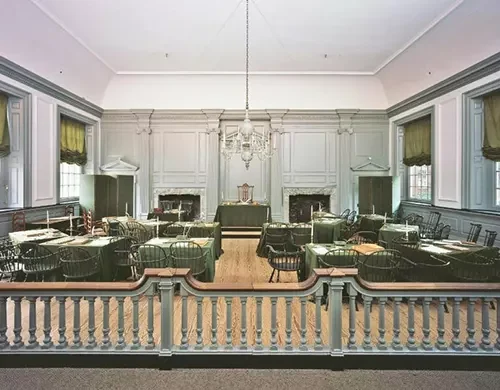
Independence Hall deserves a planned visit, with current tour arrangements checked before arrival. Although there is no basic admission charge, reserved guided tours carry a reservation-handling fee. Do not confuse that arrangement with a completely cost-free booking. Pair the visit with other Independence National Historical Park sites after checking their separate access rules. Keep the surrounding history in view rather than treating one room as the entire story.
39. The Breakers — Rhode Island
Richard Morris Hunt's 1895 Vanderbilt mansion makes an unusually vivid introduction to Newport's Gilded Age. The audio tour helps explain the rooms beyond their decoration, and a children's version is available. At the research check, the back and south terrace were closed until November 2026 while the garden and rear lawn remained open. Confirm current access before visiting for a specific architectural view.
40. Congaree National Park — South Carolina
Congaree protects an old-growth bottomland hardwood forest, a distinctive contrast to mountain and desert national parks. Come for the floodplain environment and the scale of the trees. Admission is free, but conditions determine the practical route. Check alerts and weather before choosing a walk, and be prepared to shorten the outing. A focused forest visit is more useful than trying to cover every trail.
41. Badlands National Park — South Dakota
The Badlands combine eroded formations, fossil history and mixed-grass prairie. Use viewpoints to compare the rock layers and landscape rather than treating the park only as a place to drive through. Entrance payment is cashless. Check conditions before extending a stop into a walk, and keep wildlife observation separate from approaching animals. A compact itinerary can still provide a strong introduction to this landscape.
States T–W
42. Dollywood — Tennessee
Dollywood combines rides with performances and craft traditions, so it can suit groups whose interests extend beyond roller coasters. Review the operating calendar and individual ride requirements before buying tickets. Pick a few priorities that everyone can enjoy, then use show times to organize the rest of the day. Outdoor conditions matter, and no general family label overrides a particular ride's height or access rules.
43. Space Center Houston — Texas
This visit works best when the exhibits and NASA tram arrangements are planned together. Timed admission does not automatically settle every tram or optional-experience booking. Weather and operations can change tram availability. Check inclusions before paying, and allow extra time for the outdoor portion. Parking and some simulators cost extra, making the full-day budget more useful than the headline admission price alone.
44. Zion National Park — Utah
Zion's sandstone cliffs are reason enough to visit without committing to its most demanding hikes. Check the current canyon shuttle schedule and build a realistic day around the areas it serves. Angels Landing requires a permit; park admission is not permission for every route. Choose walks by current conditions and your group's abilities. River and exposed-cliff activities need their own official safety checks.
45. Shelburne Museum — Vermont
The spread-out campus encourages a visit that connects objects with buildings and landscape. The published 2026 season runs May 9–October 25, and admission is valid for two consecutive days. Check which buildings are operating: the Circus Building is closed for preservation. This is a good place to leave room for discovery rather than planning a single quick gallery stop and assuming everything is indoors.
46. Shenandoah National Park — Virginia
Shenandoah combines mountain outlooks, woods and waterfall possibilities, with autumn foliage among its seasonal attractions. Skyline Drive and hikes from the park boundary both require the applicable entrance pass. Check road and trail conditions before selecting a section. A few well-chosen stops are more rewarding than planning a long drive with no time outside the car. Do not assume every waterfall walk is easy.
47. Olympic National Park — Washington
Olympic's mountain, rainforest and coastal areas are separated enough to require real route choices. Pick a region for each day rather than promising all three environments in one hurried circuit. At the research check, the park highlighted a September–October 2026 US 101 closure affecting access. Verify your exact route before departing. Coastal outings also require attention to the park's tide and current-condition guidance.
48. New River Gorge National Park and Preserve — West Virginia
The river and gorge provide the natural framework, while the park's cultural history adds a second reason to stay. Start with an official visitor stop and select a manageable scenic outing. Park admission is free, but rafting, guided activities and other commercial services are separate purchases. Do not assume that a gorge viewpoint and a river adventure have comparable access or preparation requirements.
49. Milwaukee Art Museum — Wisconsin
The museum combines its collections with a memorable lakefront architectural setting. Wing movement is weather-dependent, so make the art the main reason for a visit. Family resources include art packs and scheduled studio activities. General admission is paid even though children 12 and under enter free. Check the day's offerings before adding a family workshop or building the schedule around a particular architectural moment.
50. Yellowstone National Park — Wyoming
Yellowstone needs a route organized around its size, seasonal roads and very different landscapes. General vehicle reservations are not required, but an entrance pass is. Choose a park area for each day and check roads, lodging and services for your dates. Stay on designated boardwalks in thermal areas and follow wildlife-distance guidance. An off-season trip can be rewarding, but it is not a summer itinerary with fewer people.
Explore the locations
This map directory uses city or park-area searches, not surveyed entrance pins. Select a place below to open its area in the map, then use the official directions in the entry for the correct entrance, parking or tour departure.
Choose one of the 50 locations
- U.S. Space & Rocket Center — Huntsville, Alabama
- Denali National Park and Preserve — Interior Alaska, near the park entrance community
- Grand Canyon National Park, South Rim — Grand Canyon Village, Arizona
- Crystal Bridges Museum of American Art — Bentonville, Arkansas
- Yosemite National Park — Sierra Nevada, California
- Rocky Mountain National Park — Estes Park and Grand Lake gateways, Colorado
- Mystic Seaport Museum — Mystic, Connecticut
- Winterthur Museum, Garden & Library — Winterthur, Delaware
- Kennedy Space Center Visitor Complex — Merritt Island, Florida
- Georgia Aquarium — Atlanta, Georgia
- Hawaiʻi Volcanoes National Park — Hawaiʻi Island, Hawaii
- Craters of the Moon National Monument and Preserve — Near Arco, Idaho
- Lincoln Park Zoo — Chicago, Illinois
- The Children's Museum of Indianapolis — Indianapolis, Indiana
- Effigy Mounds National Monument — Near Harpers Ferry, Iowa
- Tallgrass Prairie National Preserve — Strong City, Kansas
- Mammoth Cave National Park — Near Cave City, Kentucky
- The National WWII Museum — New Orleans, Louisiana
- Acadia National Park — Mount Desert Island and nearby areas, Maine
- Fort McHenry National Monument and Historic Shrine — Baltimore, Maryland
- Freedom Trail — Boston, Massachusetts
- The Henry Ford — Dearborn, Michigan
- Voyageurs National Park — Northern Minnesota, near International Falls
- Vicksburg National Military Park — Vicksburg, Mississippi
- Gateway Arch National Park — St. Louis, Missouri
- Glacier National Park — Northwestern Montana
- Scotts Bluff National Monument — Gering, Nebraska
- Hoover Dam — Nevada–Arizona border, near Boulder City
- Mount Washington Cog Railway — Marshfield Base Station, near Bretton Woods, New Hampshire
- Liberty Science Center — Jersey City, New Jersey
- Carlsbad Caverns National Park — Near Carlsbad, New Mexico
- Statue of Liberty National Monument — Liberty Island, New York Harbor
- Wright Brothers National Memorial — Kill Devil Hills, North Carolina
- Theodore Roosevelt National Park — Medora and Watford City gateways, North Dakota
- Rock & Roll Hall of Fame — Cleveland, Ohio
- First Americans Museum — Oklahoma City, Oklahoma
- Crater Lake National Park — Southern Oregon
- Independence Hall — Philadelphia, Pennsylvania
- The Breakers — Newport, Rhode Island
- Congaree National Park — Hopkins, near Columbia, South Carolina
- Badlands National Park — Southwestern South Dakota
- Dollywood — Pigeon Forge, Tennessee
- Space Center Houston — Houston, Texas
- Zion National Park — Springdale gateway, Utah
- Shelburne Museum — Shelburne, Vermont
- Shenandoah National Park — Blue Ridge Mountains, Virginia
- Olympic National Park — Olympic Peninsula, Washington
- New River Gorge National Park and Preserve — Fayetteville and surrounding areas, West Virginia
- Milwaukee Art Museum — Milwaukee, Wisconsin
- Yellowstone National Park — Northwestern Wyoming, extending into Montana and Idaho
How we selected these attractions
We balanced cultural and natural significance, distinct visitor experiences, geographic coverage and practical travel value. One selection per state is a deliberate editorial constraint, not evidence that it outranks every alternative in that state. Official attraction, park and institution pages support the access notes. Time estimates and traveler-fit recommendations are editorial judgments. This is desk research, not a claim that every place was personally visited.
Build a nearby pairing
Use combinations that share a real destination: the Liberty Bell and Independence Hall in Philadelphia; Griffith Observatory and the Getty Center as separate Los Angeles outings; or the Tennessee State Museum and Farmers’ Market in Nashville. Check each venue’s hours and transport before calling them a single-day plan. For large parks, pick stops within the area you can actually reach rather than following the order of this national list.
Build a city base with our New York City guide, Los Angeles guide or San Francisco guide. For wider routes, compare California destinations, Florida destinations, national parks, USA road trips and weekend getaways. Our travel tips help with the practical preparation.
Find the guide that matches your trip
- Things to do — activities and experiences to build a day around.
- Family attractions — age guidance and practical planning with kids.
- Free attractions — free general access with extra costs explained.
- Famous landmarks — cultural, historical and natural significance.
Frequently asked questions
Which USA attractions should a first-time visitor choose?
Choose one region and two or three anchors that match your interests. A national park and a nearby city can provide variety without turning the trip into a sequence of long transfers.
Do national park passes cover every attraction?
No. A park entrance pass does not automatically cover timed-entry reservations, cave tours, ferries, camping or private museums. Check each named charge before booking.
How much time should I allow?
The estimates describe time at the attraction, not the whole travel day. Add transport, security, meals and any fixed tour check-in requirements separately.