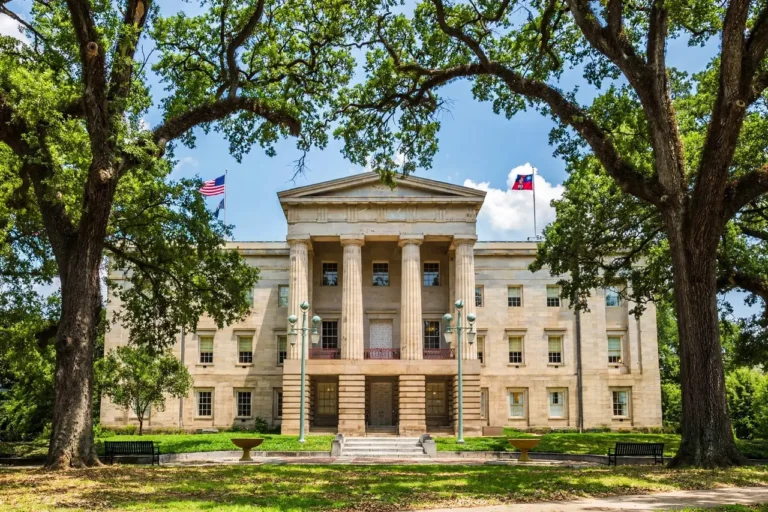
The best family attractions in the USA match a child’s interests and stamina with the practical demands of a visit. A dinosaur gallery, a theme park and a forest walk are not interchangeable rainy-day backups. These 50 choices include paid favorites and free alternatives, with editorial age guidance, indoor or outdoor settings and details that help adults make realistic plans.

At a glance: choose your kind of visit
Selected examples from the full list below. Read each entry for booking requirements and exceptions.
| Attraction / experience | Location | Best ages (editorial) | Setting | Admission |
|---|---|---|---|---|
| Dollywood | Pigeon Forge, Tennessee | Elementary age and teens | Mostly outdoors | Paid |
| Mystic Seaport Museum | Mystic, Connecticut | Elementary age and teens | Indoor and outdoor | Paid |
| The Henry Ford | Dearborn, Michigan | Elementary age and teens | Museum indoors; other venues vary | Paid; venues ticketed separately |
| The National WWII Museum | New Orleans, Louisiana | Teens and mature older children | Primarily indoors | Paid; selected presentations extra |
| National Museum of Natural History | Washington, DC | Elementary age and teens | Indoors | Free general access; optional extras may cost more |
| Tennessee State Museum | Nashville, Tennessee | Elementary age and teens | Indoors | Free general access; optional extras may cost more |
| Liberty Bell Center | Philadelphia, Pennsylvania | Elementary age and teens | Indoors | Free general access; optional extras may cost more |
| Grand Canyon National Park, South Rim | Grand Canyon Village, Arizona | Elementary age and teens | Outdoors | Park fee |
| Congaree National Park | Hopkins, near Columbia, South Carolina | Elementary age and teens | Outdoors | Free |
| Redwood National and State Parks scenic roads | Northern California coast | Elementary age and teens | Outdoors | Free general access; optional extras may cost more |
Age suggestions describe likely interest, not eligibility. Ride height limits, tour restrictions and official safety guidance take priority.
Theme parks
1. Dollywood
Dollywood is useful for a mixed-interest family because shows and crafts can complement rides. Let each child choose a priority, then compare those choices with the official height and access requirements. An age recommendation cannot override them. Check the operating calendar and forecast before committing to a date. Plan a meal or performance break before everyone is tired rather than chasing rides continuously.
2. LEGOLAND Florida Theme Park
A LEGO-focused day works best when building and play matter as much as the rides. Measure children before comparing the official attraction restrictions, and confirm which parks your ticket includes. Strollers are permitted, with rentals available. The resort is cashless. Choose a manageable set of activities and leave space for children to linger; a favorite construction activity can be more memorable than completing every ride.
3. Magic Kingdom Park
Magic Kingdom combines character encounters, story-based attractions and more intense rides. Make a short list that fits your children's interests and check each ride's requirements. Special seasonal parties are separately ticketed and can change the regular day's schedule. Compare the park calendar before buying. A rest break is part of a useful plan, especially if you also hope to see evening entertainment.
4. Hersheypark
Hersheypark offers rides alongside a seasonal water-park experience and ZooAmerica access under specified ticket rules. The zoo is included when entered from inside Hersheypark during posted park hours; arriving separately can require a different ticket. Check seasonal operation and ride requirements before promising an activity. Budget for parking and food, and avoid treating a concert ticket as park admission.
Hands-on museums and space attractions
5. The Children's Museum of Indianapolis
Choose an entry point that fits the child: Playscape, dinosaurs or science can lead to very different days. Use the current exhibit information to decide before arrival. Give children time to try, repeat and ask questions rather than moving them on after one turn. Paid admission makes a realistic attention-span plan valuable. A half-day centered on a few exhibits may beat an exhausting attempt to finish everything.
6. Mystic Seaport Museum
Ships and working trades offer concrete ways to explain history. Ask children how a vessel was built, repaired and supplied, then look for answers in the demonstrations. Check what is operating that day before setting expectations. The mix of outdoor waterfront areas and interiors means weather affects the balance. Verify individual vessel access if using a stroller or if steps would be difficult.
7. U.S. Space & Rocket Center
Use the rockets as a starting point for questions about scale, fuel and the people who made spaceflight possible. Museum admission and Space Camp are different experiences, so book the one your family actually wants. A planetarium option may help vary the pace if it fits your ticket and schedule. Leave time to discuss one spacecraft in detail rather than making the day only about photographs.
8. Kennedy Space Center Visitor Complex
Kennedy Space Center suits children who already ask questions about astronauts and rockets. Decide whether Atlantis or Apollo/Saturn V is the family's main priority, then organize the bus portion around it. Do not promise a launch; schedules and operations change. Review ticket inclusions before buying extras. Younger children may need a shorter day with fewer fixed appointments than an enthusiast teenager.
9. Space Center Houston
The space exhibits provide an indoor core, while a NASA tram experience adds travel and weather considerations. Check the separate booking arrangements before arriving so a timed museum ticket is not mistaken for every activity reservation. Parking and some experiences cost extra. Choose one ambitious highlight and leave time for meals and breaks, especially when children find long waits harder than long museum visits.
10. Liberty Science Center
Liberty Science Center is a useful option for children who learn by investigating. Decide whether the planetarium is worth the additional purchase for your group; a show can be fascinating for one child and too much sitting for another. Check the current exhibit and ticket information. Avoid filling every hour with a reservation, leaving room for hands-on exploration at the child's pace.
11. The Henry Ford
Choose Henry Ford Museum of American Innovation for an indoor day, or research Greenfield Village as a separate experience. The campus's venues are not interchangeable ticket inclusions. A museum visit can connect inventions with social change, including the Rosa Parks bus. Let children follow one question through the collection—how travel changed, for example—rather than trying to remember every object they pass.
12. Winterthur Museum, Garden & Library
Winterthur works best for families who balance decorated rooms with time outdoors. Enchanted Woods provides a child-oriented reason to explore the gardens, while the house needs a quieter pace. Check the tour included with admission before choosing a departure. If the forecast makes gardens impractical, reconsider how much indoor touring your child enjoys instead of assuming the same plan will work unchanged.
13. First Americans Museum
First Americans Museum helps families learn about distinct Tribal Nations rather than a generalized past. Begin with one exhibition theme and encourage children to notice whose voices are telling the story. Check FAMily Discovery Center access and waiver requirements before arrival. Build in time to reflect after the visit; a meaningful cultural outing need not be followed immediately by another major attraction.
14. Milwaukee Art Museum
Milwaukee Art Museum's family art packs and scheduled studio activities can give children a practical way into the galleries. Confirm the day's program rather than assuming a workshop is always operating. Children 12 and under have free admission, but adult admission is paid. Make the collection the main event; the building's wing movement depends on weather and should be treated as a bonus.
15. Shelburne Museum
Shelburne's spread-out setting lets a family alternate looking with walking. Its two-consecutive-day admission can be useful if a shorter first visit suits the children better. The museum is seasonal, and the Circus Building is closed for preservation. Check current building access before talking up a particular highlight. Prepare for outdoor transitions instead of treating the entire museum as a rainy-day indoor refuge.
16. The National WWII Museum
The National WWII Museum can support serious learning, but its wartime subject matter deserves preparation. Ask what the child already knows and select a route that fits their readiness. Some presentations cost extra. Compact strollers are permitted, but that does not make the content a natural fit for very young children. Allow time for questions and an uncomplicated break after demanding exhibits.
Zoos and aquariums
17. Lincoln Park Zoo
Lincoln Park Zoo combines free general admission with stroller-friendly paths, making a short visit a reasonable choice. Pick a few animal habitats rather than attempting every area. No general-entry reservation is required. Parking can still cost money, and optional experiences need their own budget. A flexible exit time is useful when younger children become tired before older siblings are ready to leave.
18. Saint Louis Zoo
The free zoo can be enjoyed without buying the optional Adventure Pass. Compare the paid attractions with what your children actually want, then set a simple spending limit. Check the current map for closures before promising a favorite area. Plan for weather and walking, and choose a few animal stops with time to observe behavior rather than hurrying from enclosure to enclosure.
19. Georgia Aquarium
Georgia Aquarium's different aquatic habitats make a useful family comparison exercise: how do animals and environments change between tanks? Choose the presentation you most want and check its reservation rules separately from general admission. Allow children to linger at a favorite window. A mostly indoor day helps with weather planning, but it still needs meal breaks and a realistic stopping point.
20. Monterey Bay Aquarium
Monterey Bay Aquarium can turn a fascination with sea otters into a wider conversation about animal care and ocean conservation. Check the day's feeding and auditorium schedule, then choose one program around which to organize the visit. Buy admission in advance as the aquarium recommends. Tours and special experiences are additional choices; a well-paced general visit does not need every available upgrade.
Free art and science choices
21. National Museum of Natural History
Pick dinosaurs, gems or human origins as the first theme and let children know they will not have to see every gallery. General entry is free and requires no ticket. That removes pressure to stay after attention has faded. Plan arrival and screening time, and budget separately for transport. For a child who loves one subject, returning to that area can be more useful than adding another museum.
22. Cincinnati Art Museum
The free Rosenthal Education Center's hands-on art activities make the museum a particularly useful family option. Pair making with looking: find a color, shape or material in a gallery, then talk about how an artist used it. General entry and parking are free, while selected exhibitions charge. Check activity availability before arrival and keep the plan small enough for everyone to enjoy.
23. Crystal Bridges Museum of American Art
Crystal Bridges lets families alternate artworks with the surrounding landscape. General admission and parking are free; selected exhibitions cost extra. Give children a simple choice, such as selecting a favorite artwork and explaining why. Check trail conditions and the museum calendar before making the outdoor portion essential. The regular Tuesday closure is especially important when scheduling a short Bentonville visit.
24. Getty Center
The Getty Center can work well when the art visit is deliberately short and balanced with garden time. Free admission still requires a timed reservation, and parking charges. Let children choose a few works rather than expecting a long adult-style tour. Check current gallery access before arrival. The point is to make looking enjoyable, not to measure the day by how many rooms were completed.
25. Getty Villa Museum
Ancient objects are easier for children to engage with when connected to ordinary life: eating, playing or telling stories. Use that theme in the Getty Villa's Greek and Roman collections, then take an outdoor break. Timed reservations are required even though admission is free. Parking costs extra. Confirm you booked the Villa rather than the separate Getty Center before starting the journey.
26. Tennessee State Museum
The museum's state-history scope allows children to connect objects with a place they are actually visiting. Pick a period or question instead of attempting every display. Free admission and shared parking make it easy to shorten the visit if needed. The nearby Farmers' Market gives a logical paid-food option afterward. Check the museum's current programs before relying on a specific family activity.
27. Minneapolis Institute of Art
Mia's free permanent collection offers room to experiment with a short art visit. Try asking each child to choose two objects that seem very different and explain a connection between them. No general-entry ticket is needed, but special exhibitions charge. Review the museum map before arrival so the route is manageable. A focused hour can be worthwhile without forcing a longer visit.
28. Nelson-Atkins Museum of Art
Use the outdoor sculpture park as a change of pace between indoor galleries, with close supervision and respect for artworks. General museum access is free after check-in; the garage is paid. Verify gallery closures before selecting a must-see object in 2026. A family visit works better with a few shared discoveries than an adult itinerary compressed into children's attention spans.
29. The Walters Art Museum
A free art museum can be a low-pressure place to practice looking closely. Ask children what they notice before reading the label together, then let their questions guide the next stop. Check current family programming rather than assuming a hands-on session is always available. Keep the route brief if museum visits are new to your family, and plan food and transport as separate costs.
30. National Gallery of Art
The National Gallery makes it possible to enjoy galleries, exhibitions and guided tours without buying an admission ticket. Some events require free registration. Choose a family-sized route and check the program calendar for age guidance. A child who likes drawing may enjoy comparing shapes and colors more than hearing a long art-history explanation. Leave time for their interpretation before offering your own.
Historic places with a clear story
31. Liberty Bell Center
The Liberty Bell's story gives school-age children a concrete starting point for discussing freedom and who fought to extend it. Admission is free, with no ticket required, but there is security screening. Use the nearby Independence Visitor Center restrooms before entering; the Bell Center has none. Keep the visit focused on the exhibits and the bell rather than making a young child wait through an ambitious day of historic interiors.

32. USS Constitution
Boarding a ship can make naval history tangible, but the historic structure has limited accessibility. Check whether its steps and spaces suit your family before planning around it. Visitors 18 and older need valid government photo identification, and screening applies. Ship admission is free; the separate museum is donation-based. Confirm the operating schedule so children are not promised boarding on an unavailable day.
33. Fort McHenry National Monument and Historic Shrine
Fort McHenry's Junior Ranger booklet and available ranger activities can give children a task beyond following adults around a fort. Check the program schedule first. The Historic Star Fort is paid, while on-site parking is free. A few questions about the flag and the fort's role can make the visit memorable. Plan for outdoor weather and avoid adding too many other history stops afterward.
34. Abraham Lincoln Birthplace National Historical Park
Explain before entering that the cabin in the Memorial Building is symbolic. That makes the visit an opportunity to discuss how people commemorate history rather than leaving children with the wrong impression about an original structure. Admission is free. Choose the Birthplace Unit, the Knob Creek site or both according to time, and check building schedules before committing to a route.
35. Museum at the Gateway Arch
The free museum can be the main family visit, with the paid tram treated as an optional extra. The tram is not ADA accessible, although the museum is accessible, so check suitability before buying. Allow time for security and paid downtown parking if driving. Discuss whether the children want the view or the history; there is no need to purchase an ascent merely because it is famous.
National parks for a measured family day
36. Grand Canyon National Park, South Rim
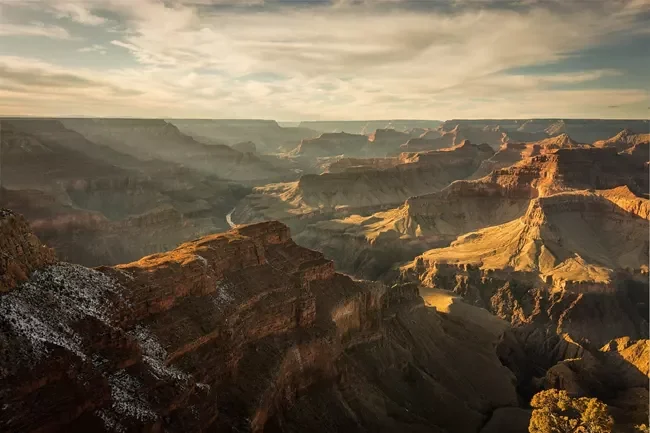
Choose a few South Rim viewpoints and keep the day centered on manageable stops. The canyon's scale does not require a strenuous descent to be impressive. Follow current park guidance and supervise children closely near edges. Shuttles can help organize a visit, but check the actual routes. Bring an achievable plan with breaks rather than trying to cover both rims in one family day.
37. Yosemite National Park
A Yosemite family visit can focus on the valley's rock walls, meadows and a few suitable stops. Waterfalls and rivers demand care; familiar-looking paths do not remove those hazards. General entry reservations are not required in 2026, while lodging and camping remain separate bookings. Keep the route flexible for traffic, weather and energy. A child-led observation stop can be more rewarding than another long transfer.
38. Acadia National Park
Acadia requires choosing activities to match ability rather than assuming every coastal or mountain route is family-friendly. If driving Cadillac Summit Road during the 2026 reservation season, book that separately from the park pass. A summit booking is optional for the wider park. Check weather and current trail guidance, and save confirmations offline before leaving accommodation. Leave time for a modest outing instead of multiple ambitious hikes.
39. Yellowstone National Park
Yellowstone's thermal landscapes can be compelling for children who like science, but strict boundaries matter. Stay on designated boardwalks and follow wildlife-distance guidance. Plan one park area at a time so driving does not consume the whole day. Road and service seasons affect the itinerary. A few well-understood geothermal features are a better family goal than rushing between every famous name.
40. Zion National Park
Start a Zion family plan with canyon scenery and a route chosen from current official guidance. The park's famous adventure hikes are not automatic family defaults. Angels Landing requires a permit, and river routes need separate condition and safety checks. Verify shuttle operation and allow for waits. An age label is only an editorial guide; individual ability, weather and route requirements decide what is appropriate.
41. Congaree National Park
Congaree can turn a forest walk into a lesson about floodplains and tree growth. Check current conditions before choosing the route, then ask children to notice changes in the environment. Admission is free, so shortening the visit carries no wasted-ticket pressure. Prepare for the day's weather and stop before fatigue makes the return unpleasant. Do not assume every trail surface suits a stroller.
42. Scotts Bluff National Monument
Scotts Bluff gives children a visible landmark around which to understand journeys across the plains. Compare the landscape from the visitor area and summit if road access allows. Entry is free. Check conditions before deciding between a drive and a walk, and choose a route that fits the least energetic family member. The historical context gives the scenery more meaning than a quick viewpoint photograph alone.

43. Tallgrass Prairie National Preserve
Tallgrass Prairie works for families willing to slow down and look closely at an open landscape. Start with the ranch, then choose a short walk suited to conditions. Trails are walking routes, not a drive-through wildlife attraction. Keep distance from bison and check fire-related closures. General entry is free. Children may engage more with one question about prairie life than a long adult-paced hike.
44. Effigy Mounds National Monument
Effigy Mounds is best approached as a protected cultural place. Begin with interpretation before walking and explain why staying on paths matters. General admission and ranger programs are free. Choose the trail only after checking its demands and conditions; this is not a blanket stroller-access recommendation. For children ready to listen and reflect, the visit can connect landscape with Indigenous history in a meaningful way.
45. Cuyahoga Valley National Park
A short Towpath Trail outing can connect exercise with canal history. Select the section and turnaround point before setting out, then adjust to the family's energy. General park entry is free; separately operated experiences need their own arrangements. Check trail conditions and avoid assuming every route works for wheels. Build in time to look at the landscape rather than making distance the main goal.
46. Redwood National and State Parks scenic roads
For a first redwood visit, choose an open area with a manageable route and give children time to notice the trees' scale. The combined park system includes free access and some paid day-use areas, so price the exact stop. Specific areas can require permits. Check current closures and route suitability before promising a hike. One good forest experience is enough for a memorable family day.
47. Hot Springs National Park
Historic bathhouse interpretation and a free Junior Ranger program give Hot Springs a different family rhythm from a wilderness park. Start with the available park programs and choose a small route through the town setting. Paid bathing services are separate from free park access. Check the current building schedule, and let children's questions about how people used the springs guide the visit.
Outdoor city breaks and a train journey
48. Central Park
Use Central Park as a break in a city itinerary rather than another attraction to complete. Select a playground, walk or picnic area near your next stop and check closures. General park exploration is free, but the zoo, rentals and carousel cost extra. Keep those choices clear before arriving. A short outdoor pause may improve the rest of the family day more than adding another ticketed activity.
49. Olympic Sculpture Park
This free Seattle stop combines a walk with art, but the sculptures are not play equipment. Ask children to notice shapes and how the works relate to the waterfront landscape, without touching or climbing them. The garage is paid. Check weather and choose a length that fits your group; an outdoor art visit should not be stretched simply to match an adult's preferred museum pace.
50. Mount Washington Cog Railway
The Cog Railway offers a scenic experience with less continuous walking, but children still need to manage the journey's length and mountain conditions. Check the booked destination: summit trips and winter Waumbek Station trips are different products. Dress according to the operator's guidance and review accessibility needs before purchasing. Explain the seasonal difference beforehand so a cold-weather ride is not mistaken for a summit guarantee.
Explore the locations
This map directory uses city or park-area searches, not surveyed entrance pins. Select a place below to open its area in the map, then use the official directions in the entry for the correct entrance, parking or tour departure.
Choose one of the 50 locations
- Dollywood — Pigeon Forge, Tennessee
- LEGOLAND Florida Theme Park — Winter Haven, Florida
- Magic Kingdom Park — Walt Disney World, near Orlando, Florida
- Hersheypark — Hershey, Pennsylvania
- The Children's Museum of Indianapolis — Indianapolis, Indiana
- Mystic Seaport Museum — Mystic, Connecticut
- U.S. Space & Rocket Center — Huntsville, Alabama
- Kennedy Space Center Visitor Complex — Merritt Island, Florida
- Space Center Houston — Houston, Texas
- Liberty Science Center — Jersey City, New Jersey
- The Henry Ford — Dearborn, Michigan
- Winterthur Museum, Garden & Library — Winterthur, Delaware
- First Americans Museum — Oklahoma City, Oklahoma
- Milwaukee Art Museum — Milwaukee, Wisconsin
- Shelburne Museum — Shelburne, Vermont
- The National WWII Museum — New Orleans, Louisiana
- Lincoln Park Zoo — Chicago, Illinois
- Saint Louis Zoo — St. Louis, Missouri
- Georgia Aquarium — Atlanta, Georgia
- Monterey Bay Aquarium — Monterey, California
- National Museum of Natural History — Washington, DC
- Cincinnati Art Museum — Cincinnati, Ohio
- Crystal Bridges Museum of American Art — Bentonville, Arkansas
- Getty Center — Los Angeles, California
- Getty Villa Museum — Pacific Palisades, California
- Tennessee State Museum — Nashville, Tennessee
- Minneapolis Institute of Art — Minneapolis, Minnesota
- Nelson-Atkins Museum of Art — Kansas City, Missouri
- The Walters Art Museum — Baltimore, Maryland
- National Gallery of Art — Washington, DC
- Liberty Bell Center — Philadelphia, Pennsylvania
- USS Constitution — Charlestown, Boston, Massachusetts
- Fort McHenry National Monument and Historic Shrine — Baltimore, Maryland
- Abraham Lincoln Birthplace National Historical Park — Hodgenville area, Kentucky
- Museum at the Gateway Arch — St. Louis, Missouri
- Grand Canyon National Park, South Rim — Grand Canyon Village, Arizona
- Yosemite National Park — Sierra Nevada, California
- Acadia National Park — Mount Desert Island and nearby areas, Maine
- Yellowstone National Park — Northwestern Wyoming, extending into Montana and Idaho
- Zion National Park — Springdale gateway, Utah
- Congaree National Park — Hopkins, near Columbia, South Carolina
- Scotts Bluff National Monument — Gering, Nebraska
- Tallgrass Prairie National Preserve — Strong City, Kansas
- Effigy Mounds National Monument — Near Harpers Ferry, Iowa
- Cuyahoga Valley National Park — Between Cleveland and Akron, Ohio
- Redwood National and State Parks scenic roads — Northern California coast
- Hot Springs National Park — Hot Springs, Arkansas
- Central Park — Manhattan, New York
- Olympic Sculpture Park — Seattle, Washington
- Mount Washington Cog Railway — Marshfield Base Station, near Bretton Woods, New Hampshire
Family attraction planning tips
Age ranges here are editorial suggestions, not official eligibility rules or safety assurances. Match the visit to your own child, then apply the venue’s height, age, supervision and access requirements. Check stroller rules for the specific tour rather than assuming a building-wide policy. Plan meals, restrooms and a quiet break before booking several timed activities. For heat, water, altitude, wildlife or hiking, use current official guidance and select a suitable route; no attraction is automatically appropriate for every child.
Build a nearby pairing
Use combinations that share a real destination: the Liberty Bell and Independence Hall in Philadelphia; Griffith Observatory and the Getty Center as separate Los Angeles outings; or the Tennessee State Museum and Farmers’ Market in Nashville. Check each venue’s hours and transport before calling them a single-day plan. For large parks, pick stops within the area you can actually reach rather than following the order of this national list.
Choose a base using our family vacation destinations and family beach vacations. Keep a packing checklist that matches the actual setting, and use our Florida guide when comparing theme-park days with the rest of a trip.
Find the guide that matches your trip
- Tourist attractions — one attraction in every state.
- Things to do — activities and experiences to build a day around.
- Free attractions — free general access with extra costs explained.
- Famous landmarks — cultural, historical and natural significance.
Frequently asked questions
Which attractions are best for younger children?
Start with the child’s interests and the visit’s flexibility. Hands-on play, manageable museum sections and short outdoor visits may fit better than a long fixed tour; official restrictions still apply.
Are these attractions stroller-accessible?
Only rely on the specific verified notes in an entry and the venue’s current accessibility guidance. A general stroller policy does not establish access to every ship, cave, ride or tour.
Should I reserve family tickets ahead?
Reserve when the operator requires it, and consider advance booking for a fixed date. Check child categories, included activities and cancellation terms before paying.