Last Checked: October 2, 2026. Researched and edited by Rakibul Hasan. Check the linked official park pages again before travel: fees, programs, road access, water conditions and closures can change.
The best parks for families in the USA make it possible to enjoy nature at your children’s pace. That might mean a short forest loop, a fossil boardwalk, a visitor-center activity or a campground with time to rest. It does not have to mean the longest trail or the most famous viewpoint.
This guide selects 50 national parks, state parks and a state natural reserve for specific family experiences. Each entry identifies a manageable starting plan, a reason children may enjoy it, verified planning details and the conditions that could make it unsuitable. The selection emphasizes variety and practical choices; it is not a scientific ranking or a claim that every activity in each park is child-friendly.
How to use this family parks guide
Age suggestions are editorial guidance, not minimum admission ages or safety guarantees. “All ages” refers only to the selected short or vehicle-based outing with responsible adult supervision. For a walking recommendation, consider your child’s actual stamina, balance, attention and comfort with the setting. Babies may need a suitable carrier or a verified stroller route; older children may still need a shorter plan.
Accessible, paved and stroller-friendly are different claims. We identify specific official accessibility descriptions where available. A paved trail can still have stairs, steep grades or broken surfaces. Read the linked access assessment for your device and needs; contact the park about equipment loans and current obstructions. An accessible route can be temporarily closed.
Time and season are planning estimates. Build in meals, toilet stops, queues and rest. Do not promise a playground, ranger walk, swimming beach or rental until you have checked its current availability. Photos show destinations, not a guarantee of today’s conditions.
Family parks at a glance
Age guidance applies to the selected outing, not the whole park. Scroll horizontally on a small screen. Read the full entry before making a booking.
| Park | State | Best ages — editorial | Easy trail / starting outing | Main family feature |
|---|---|---|---|---|
| 1. Yosemite National Park | California | All ages with supervision | Lower Yosemite Fall: 1 mile loop | Waterfall scenery and interpretive exhibits |
| 2. Olympic National Park | Washington | About 5+ for the full walk | Hall of Mosses: 0.8 mile loop | Mossy forest at a child’s pace |
| 3. Joshua Tree National Park | California | About 6+ in cool conditions | Hidden Valley: 1 mile loop | Boulders, desert plants and Junior Ranger activities |
| 4. Death Valley National Park | California | About 6+; cooler-season visits only | Harmony Borax Works: 0.4 mile loop | A short desert history walk |
| 5. Mount Rainier National Park | Washington | About 6+ for stairs and slopes | Nisqually Vista: 1.2 miles, lollipop loop | A shorter Paradise mountain walk |
| 6. Crater Lake National Park | Oregon | About 6+ with firm edge rules | Sun Notch: 0.8 mile loop | A short rim view of Phantom Ship |
| 7. Glacier National Park | Montana | All ages on the selected forest route | Trail of the Cedars: 0.9 mile loop | Boardwalk and surfaced forest path |
| 8. Yellowstone National Park | Wyoming, Montana and Idaho | About 4+ for Junior Ranger activities | Choose a short open boardwalk segment; route length varies | Geyser science and Junior Ranger booklet |
| 9. Grand Teton National Park | Wyoming | About 8+ for the full loop | String Lake Loop: 3.7 miles loop | A sustained lake-and-forest walk |
| 10. Rocky Mountain National Park | Colorado | About 5+; assess altitude tolerance | Bear Lake Loop: 0.6 mile loop | A short mountain-lake introduction |
| 11. Zion National Park | Utah | About 6+ for the full return walk | Riverside Walk: About 2 miles round trip | Canyon scenery while staying on land |
| 12. Bryce Canyon National Park | Utah | About 5+; younger children closely held near edges | Sunset to Sunrise: 0.5 mile one way; 1 mile out-and-back | Hoodoo views without descending into the canyon |
| 13. Arches National Park | Utah | About 6+ in cool conditions | Landscape Arch: About 1.9 miles round trip | A focused natural-arch walk |
| 14. Badlands National Park | South Dakota | All ages with close supervision | Fossil Exhibit boardwalk: about 0.34 mile round trip in current hiking guide | Tactile fossil replicas and short boardwalk outings |
| 15. Cuyahoga Valley National Park | Ohio | All ages on a short selected route | Choose a short Towpath out-and-back; distance flexible | Canal history and child-focused nature activities |
| 16. Shenandoah National Park | Virginia | All ages for selected overlooks | Short viewpoint stops; choose any hike separately | A flexible scenic-drive day |
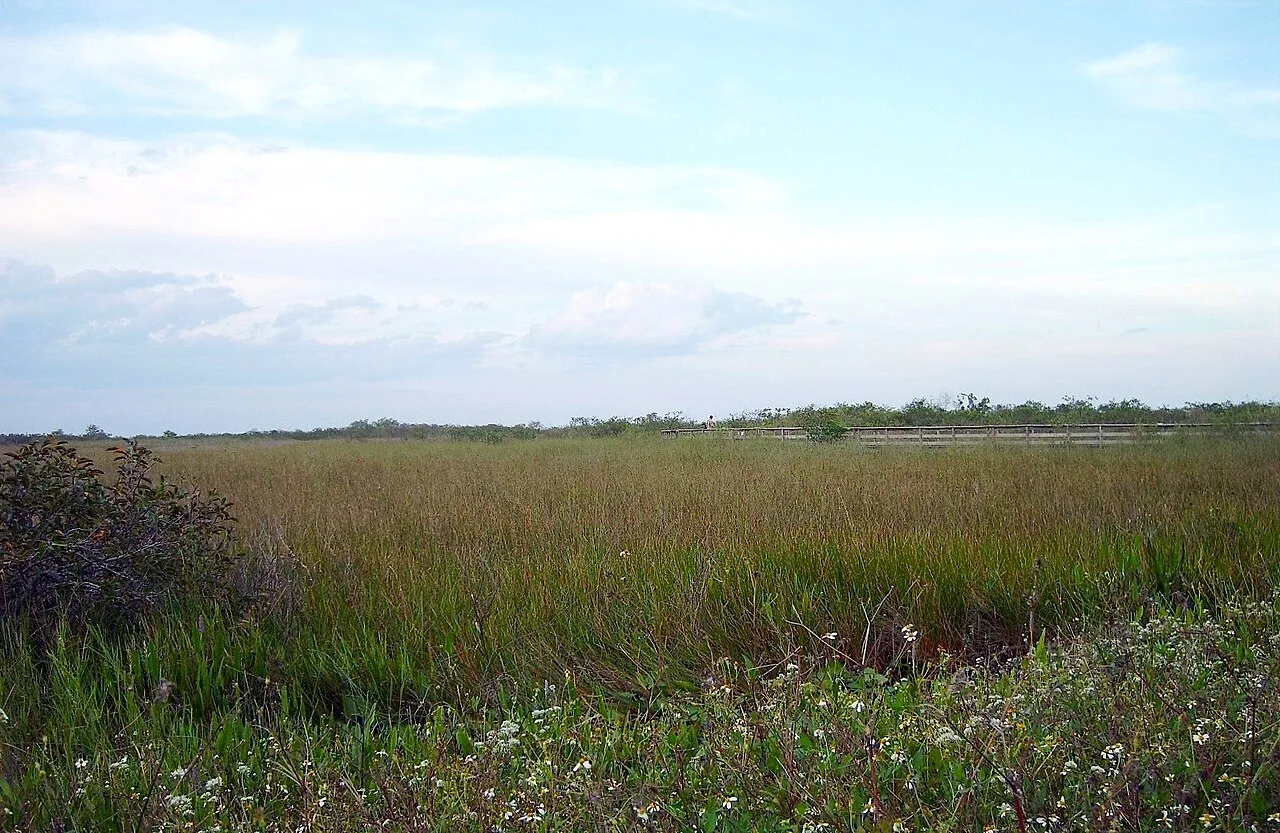
| 17. Everglades National Park | Florida | All ages with close wildlife supervision | Anhinga Trail: 0.8 mile round trip | Accessible marsh trail and bird observation |
| 18. Kenai Fjords National Park | Alaska | About 4+; younger children on the accessible loop | Glacier View Loop: 1-mile loop | Glacier landscape without an icefield climb |
| 19. Hawaiʻi Volcanoes National Park | Hawaii | About 6+; suitability depends on air quality | Devastation Trail: 1 mile round trip | Volcanic recovery on a short paved route |
| 20. Mammoth Cave National Park | Kentucky | About 6+ on a suitable tour; official tour rules control | Choose a guided tour by stairs, distance and age rules | Underground geology with ranger interpretation |
| 21. Point Lobos State Natural Reserve | California | All ages on selected accessible paths | Sea Lion Point / Sand Hill: about 0.4-mile accessible loop | Shore-based wildlife viewing and picnic areas |
| 22. Prairie Creek Redwoods State Park | California | All ages on selected accessible routes | Revelation Trail: 0.26-mile loop, plus access connectors | Close-up redwood forest with flexible walking |
| 23. McArthur-Burney Falls Memorial State Park | California | All ages for the overlook; older walkers for longer routes | Falls Overlook first; select any descent separately | A waterfall visit that can stay short |
| 24. Silver Falls State Park | Oregon | All ages on the selected North Rim approach | Accessible North Rim route from North Canyon; choose return distance | Nature Play Area, restrooms and waterfall viewpoint |
| 25. Deception Pass State Park | Washington | About 5+ for selected walks; all ages at suitable viewing stops | Choose an open forest or shore route from the current map | Island scenery with short outing options |
| 26. Dead Horse Point State Park | Utah | About 6+ with close cliff-edge supervision | Developed overlook visit; choose rim walking separately | A broad canyon view without descending |
| 27. Goblin Valley State Park | Utah | About 6+ in cool weather | Choose a short marked desert outing; no fixed distance assumed | Sandstone shapes and a camping option |
| 28. Snow Canyon State Park | Utah | About 5+ on a short paved section | Whiptail: select a short out-and-back; full route is 6 miles round trip | Paved walking among red-rock scenery |
| 29. Custer State Park | South Dakota | All ages for a vehicle-based wildlife day | Wildlife Loop Road with lawful stops; hiking optional | Bison observation and campground choices |
| 30. Garner State Park | Texas | All ages for a supervised land-based stay; water ability varies | Choose a short mapped riverside outing | Frio River setting and family camping |
| 31. Brazos Bend State Park | Texas | About 5+ with strict wildlife boundaries | Short designated wetland walk; choose route from current map | Alligator observation from a distance |
| 32. Bahia Honda State Park | Florida | All ages for shore time; swimming depends on ability and conditions | Short shore visits; no stroller claim for sand | Keys beach scenery and camping/cabins |
| 33. Myakka River State Park | Florida | About 5+ with close wildlife supervision | Choose a short open nature route | Wetland birds and inland Florida habitats |
| 34. Henderson Beach State Park | Florida | All ages for supervised beach and nature-trail visits | Nature trail plus boardwalk beach access; sand is separate | Dunes, picnic pavilions and restrooms |
| 35. Letchworth State Park | New York | All ages; useful sensory-friendly option | Autism Nature Trail: 1-mile loop | Sensory stations and Humphrey Nature Center |
| 36. Taughannock Falls State Park | New York | About 5+ for the gorge walk | Gorge Trail: 0.75 mile one way; 1.5 miles out-and-back | A waterfall goal with a separate lake setting |
| 37. Ricketts Glen State Park | Pennsylvania | About 5+ for Evergreen; falls routes require more ability | Evergreen Trail: 1-mile loop, officially easiest | Forest interpretation and a gentler alternative to the falls |
| 38. Presque Isle State Park | Pennsylvania | All ages on selected day-use routes | Choose a short multi-use or shoreline outing | Lake Erie beaches, birding and cycling |
| 39. Devil’s Lake State Park | Wisconsin | All ages for selected lakeside areas; bluff hikes are separate | Choose a lower lakeside outing rather than a bluff circuit | A lake base with camping and access equipment |
| 40. First Landing State Park | Virginia | All ages for selected beach and nature outings | Choose a short mapped trail segment; surface varies | Bay beach, swamp habitats and visitor-center history |
| 41. Douthat State Park | Virginia | All ages for a supervised campground or cabin stay | Select a short lake-area outing from the official map | A mountain-lake overnight base |
| 42. Jockey’s Ridge State Park | North Carolina | About 5+ for sand walking; younger children at a suitable short stop | Short dune outing; choose distance by heat and effort | Visitor-center exhibits, picnicking and dune scenery |
| 43. Cloudland Canyon State Park | Georgia | About 6+ with close overlook supervision | Short Overlook Trail; waterfall descent is separate | Canyon scenery and varied overnight options |
| 44. Okefenokee State Park | Georgia | About 5+ for the boardwalk; boat rules vary | A 3,000-foot boardwalk; confirm open sections and return route | Swamp observation and a playground |
| 45. Huntington Beach State Park | South Carolina | All ages for supervised shore visits | Use open designated shore and viewing areas | Beach, birding and optional Atalaya history |
| 46. Hunting Island State Park | South Carolina | All ages for selected nature-center and shore visits | Choose an open short route; do not rely on the closed island bridge | Nature center, maritime forest and camping |
| 47. Ludington State Park | Michigan | All ages on selected routes and beach areas | Choose a short official trail or shoreline outing | Two lake settings, nature activities and access chairs |
| 48. Itasca State Park | Minnesota | All ages on a short supervised outing | Short walk from Mary Gibbs Center to Mississippi headwaters | A geography landmark and year-round visitor center |
| 49. Gooseberry Falls State Park | Minnesota | All ages on a selected accessible route | Use the official accessible waterfall-viewing route; avoid wet rock | Waterfalls, visitor center and a paved cycling option |
| 50. Cathedral Gorge State Park | Nevada | About 6+ on short established paths | Short established-path exploration; avoid storm drainage passages | Clay formations and a visitor-center introduction |
Family park map and entrance planning
The official map below provides orientation for National Park Service areas, including places outside this list. It does not plot all 50 family picks or the state parks. Each entry also links to a park-area map search; confirm the exact entrance and selected route on the park’s official map before driving.
Open the NPS park finder if the map does not load. For a large park, an area pin may be far from the visitor center or family outing. Save the right entrance, parking area and an alternative stop before leaving reliable reception.
20 national parks for families
1. Yosemite National Park
Location: California. Age guidance: All ages with supervision. Best for: Waterfall scenery and interpretive exhibits.
Starting outing: Lower Yosemite Fall: 1 mile loop. Time to allow: Half day around the selected outing. Season guidance: Spring for water; fall for a quieter seasonal contrast.
Choose one Valley walk as the day’s anchor, with time for observation and rest. A child can notice water, trees and rock shapes without needing to climb a major trail.
Family logistics: The Lower Yosemite Fall loop is paved; strollers are allowed and the eastern portion is wheelchair accessible when free of snow and ice. Restrooms are along the western trail. Yosemite Falls was dry at this October review. No day-entry reservation in 2026; entrance fee applies.
Entrance: $35 private vehicle; $20 per adult entering on foot or bicycle. Camping, tours, equipment and reservation services are separate unless explicitly included by the operator.
Child-safety note: Keep children on the paved route and away from slippery creek boulders. Even dry rock near the falls can be dangerous.
Official sources: Park / selected outing · Additional planning detail 1 · Additional planning detail 2 · Park-area map. Last checked October 2, 2026.
2. Olympic National Park
Location: Washington. Age guidance: About 5+ for the full walk. Best for: Mossy forest at a child’s pace.
Starting outing: Hall of Mosses: 0.8 mile loop. Time to allow: Half day around the selected outing. Season guidance: Spring–fall; check storm access.
A forest visit works well when the aim is noticing rather than finishing quickly. Ask children to compare leaf shapes and fallen logs without removing anything from the habitat.
Family logistics: Start from the Hoh Rain Forest Visitor Center area and allow extra time for the approach road and parking. The short mileage does not make the rooted natural surface a stroller guarantee. No separate day-hike reservation listed; park entrance rules and current closures still apply.
Entrance: $30 private vehicle; $15 per adult entering on foot or bicycle. Camping, tours, equipment and reservation services are separate unless explicitly included by the operator.
Child-safety note: Wet roots, mud and storm damage require careful footing. This recommendation is for Hoh; it does not imply the Mora/Rialto area is open during its 2026 closure.
Official sources: Park / selected outing · Park-area map. Last checked October 2, 2026.
3. Joshua Tree National Park
Location: California. Age guidance: About 6+ in cool conditions. Best for: Boulders, desert plants and Junior Ranger activities.
Starting outing: Hidden Valley: 1 mile loop. Time to allow: Half day around the selected outing. Season guidance: Cooler months.
Hidden Valley gives school-age children plenty to observe in a compact circuit. Use the marked trail as the boundary of the activity rather than encouraging an improvised boulder scramble.
Family logistics: The park has a Junior Ranger activity program with ranger review. Pick up or download the materials through its official page and confirm visitor-center hours. Bring drinking water. No separate day-hike reservation listed; park entrance rules and current closures still apply.
Entrance: $30 private vehicle; $15 per adult entering on foot or bicycle. Camping, tours, equipment and reservation services are separate unless explicitly included by the operator.
Child-safety note: Do not use a one-mile label to justify hiking in dangerous heat. Cacti, uneven rock and limited shade make close supervision important.
Official sources: Park / selected outing · Additional planning detail 1 · Park-area map. Last checked October 2, 2026.
4. Death Valley National Park
Location: California. Age guidance: About 6+; cooler-season visits only. Best for: A short desert history walk.
Starting outing: Harmony Borax Works: 0.4 mile loop. Time to allow: Half day around the selected outing. Season guidance: Cooler months.
Treat Death Valley as a carefully timed learning stop for a family already prepared for desert conditions. A short paved history circuit is a better starting point than an exposed remote hike.
Family logistics: Choose a cool forecast window and keep the rest of the itinerary flexible. Have water in the vehicle and with each walker, and check the park’s latest road and heat notices. No separate day-hike reservation listed; park entrance rules and current closures still apply.
Entrance: $30 private vehicle; $15 per adult entering on foot or bicycle. Camping, tours, equipment and reservation services are separate unless explicitly included by the operator.
Child-safety note: Extreme heat can make even this short route inappropriate. Do not leave children in a parked car or regard pavement as protection from exposure.
Official sources: Park / selected outing · Park-area map. Last checked October 2, 2026.
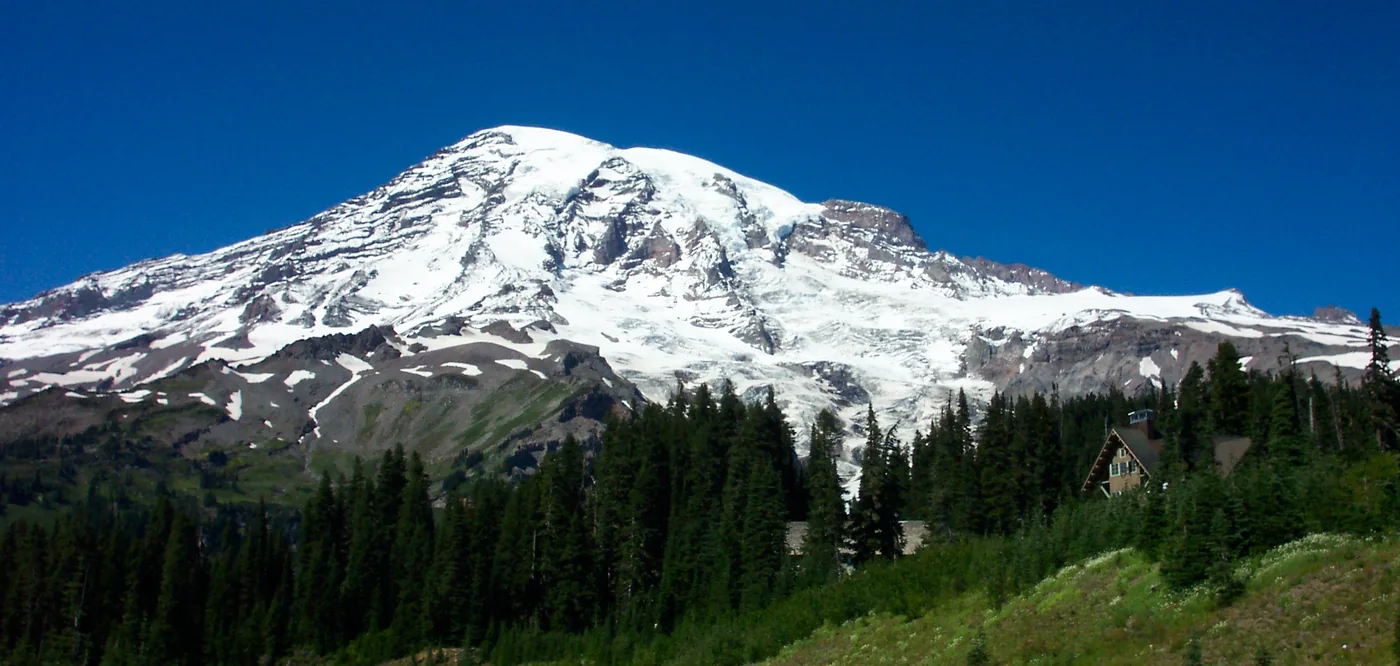
5. Mount Rainier National Park
Location: Washington. Age guidance: About 6+ for stairs and slopes. Best for: A shorter Paradise mountain walk.
Starting outing: Nisqually Vista: 1.2 miles, lollipop loop. Time to allow: Half day around the selected outing. Season guidance: Snow-free summer–early fall.
Use Nisqually Vista as a limited alpine outing, with a plan to stop if the group tires. A clear mountain view is a bonus, not a reason to push into poor weather.
Family logistics: The trail begins with stairs and includes sloping pavement: do not advertise it as a stroller or wheelchair route. Paradise and Sunrise are different destinations; Sunrise vehicle access is closed in 2026. No additional hike reservation; no park timed entry in 2026.
Entrance: $30 private vehicle; $15 per adult entering on foot or bicycle. Camping, tours, equipment and reservation services are separate unless explicitly included by the operator.
Child-safety note: Snow can remain after lower elevations look summery. Lightning, cold and steep slopes require a turnaround before conditions deteriorate.
Official sources: Park / selected outing · Park-area map. Last checked October 2, 2026.
6. Crater Lake National Park
Location: Oregon. Age guidance: About 6+ with firm edge rules. Best for: A short rim view of Phantom Ship.
Starting outing: Sun Notch: 0.8 mile loop. Time to allow: Half day around the selected outing. Season guidance: Snow-free summer–early fall.
Choose one rim viewpoint and a short walk rather than planning a complete drive plus a demanding hike. Children can compare the lake’s shape from different safe viewing positions.
Family logistics: Sun Notch depends on East Rim road access. Check road status before choosing it. Cleetwood Cove is closed in 2026–2028, so do not promise a descent to the lake or a boat trip. No separate day-hike reservation listed; park entrance rules and current closures still apply.
Entrance: $30 vehicle May 22–October 31; $20 November 1–May 21; $15 on foot or bicycle. Camping, tours, equipment and reservation services are separate unless explicitly included by the operator.
Child-safety note: There are serious rim drop-offs. Hold younger children close at viewpoints and stay behind barriers; a short trail is not a fenced playground.
Official sources: Park / selected outing · Park-area map. Last checked October 2, 2026.
7. Glacier National Park
Location: Montana. Age guidance: All ages on the selected forest route. Best for: Boardwalk and surfaced forest path.
Starting outing: Trail of the Cedars: 0.9 mile loop. Time to allow: Half day around the selected outing. Season guidance: Summer–early fall.
This is a useful Glacier introduction for mixed ages because the forest itself is the focus. Keep it separate from the longer Avalanche Lake hike, which adds a different commitment.
Family logistics: NPS identifies Trail of the Cedars as an accessible route; its accessibility page lists 0.7 mile, while the trailhead guide describes a 0.9-mile loop. Use the current map for your start. Access and services are seasonal. No hiking reservation; no vehicle-entry reservation in 2026. Road access remains seasonal.
Entrance: $35 vehicle / $20 on foot or bicycle; November 1–April 30: $25 vehicle / $15 individual. Camping, tours, equipment and reservation services are separate unless explicitly included by the operator.
Child-safety note: Wet decking and water edges need supervision. Stay on the route, observe wildlife at a distance and verify Going-to-the-Sun Road access.
Official sources: Park / selected outing · Additional planning detail 1 · Park-area map. Last checked October 2, 2026.
8. Yellowstone National Park
Location: Wyoming, Montana and Idaho. Age guidance: About 4+ for Junior Ranger activities. Best for: Geyser science and Junior Ranger booklet.
Starting outing: Choose a short open boardwalk segment; route length varies. Time to allow: At least 2 days for a less rushed first visit. Season guidance: Summer into early fall; winter requires a different access plan.
Build each day around one area rather than driving the entire park with tired children. The Junior Ranger booklet gives a purpose to observation and can make a short visit more engaging than another long transfer.
Family logistics: The self-guided Junior Ranger program is for ages 4 and older, with age-appropriate tasks and ranger review. Obtain materials through the official program page. Check opening hours; regular ranger talks are mainly seasonal.
Entrance: $35 private vehicle; $20 per adult entering on foot or bicycle. Camping, tours, equipment and reservation services are separate unless explicitly included by the operator.
Child-safety note: Keep children on thermal boardwalks and paths and do not let them run. Stay 100 yards from bears, wolves and cougars and 25 yards from other wildlife; never approach an animal for a photograph.
Official sources: Park / selected outing · Additional planning detail 1 · Additional planning detail 2 · Additional planning detail 3 · Park-area map. Last checked October 2, 2026.
9. Grand Teton National Park
Location: Wyoming. Age guidance: About 8+ for the full loop. Best for: A sustained lake-and-forest walk.
Starting outing: String Lake Loop: 3.7 miles loop. Time to allow: Half day around the selected outing. Season guidance: Summer–early fall.
Choose String Lake for children already comfortable walking several miles. Set the expectation that the full loop is the day’s main activity, with a shorter out-and-back only after checking the mapped route.
Family logistics: The official easy rating is relative: the 3.7-mile loop has roots and climbing. If adding a boat activity, all craft need a Grand Teton permit; renting a kayak is a separate decision. No separate day-hike reservation listed; park entrance rules and current closures still apply.
Entrance: $35 private vehicle; $20 per adult entering on foot or bicycle. Camping, tours, equipment and reservation services are separate unless explicitly included by the operator.
Child-safety note: Keep food secure, watch for bears and supervise all water access. A lake walk is not an assurance that swimming conditions are suitable.
Official sources: Park / selected outing · Additional planning detail 1 · Park-area map. Last checked October 2, 2026.
10. Rocky Mountain National Park
Location: Colorado. Age guidance: About 5+; assess altitude tolerance. Best for: A short mountain-lake introduction.
Starting outing: Bear Lake Loop: 0.6 mile loop. Time to allow: Half day around the selected outing. Season guidance: Summer–fall when snow-free.
Use Bear Lake to gauge the family’s energy at elevation before considering a longer trail. A slow lap with frequent pauses can be the complete morning plan.
Family logistics: For 2026, Timed Entry + Bear Lake applies from 5 a.m.–6 p.m. during its season through October 18; the $2 reservation fee is separate from admission. Snow and ice can change route usability. Timed Entry + Bear Lake required during applicable 2026 hours through October 18; entrance fee separate.
Entrance: $30 vehicle / $15 on foot or bicycle for one day; $35 vehicle / $20 individual for seven days. Camping, tours, equipment and reservation services are separate unless explicitly included by the operator.
Child-safety note: Altitude affects individuals differently. Do not press on with a child who is unwell; shorten the outing and seek appropriate help. Parking and shuttle logistics add time.
Official sources: Park / selected outing · Park-area map. Last checked October 2, 2026.
11. Zion National Park
Location: Utah. Age guidance: About 6+ for the full return walk. Best for: Canyon scenery while staying on land.
Starting outing: Riverside Walk: About 2 miles round trip. Time to allow: Half day around the selected outing. Season guidance: Mild spring/fall weather.
Riverside Walk gives a family a substantial canyon experience without entering the river. Make the end of the paved route your turnaround rather than treating it as the start of the Narrows.
Family logistics: Use the seasonal shuttle to Temple of Sinawava where required. NPS describes uneven paving and grades; some wheelchair users need assistance. Check the trail-access assessment for your equipment. No hiking reservation; park entrance and seasonal shuttle rules apply.
Entrance: $35 private vehicle; $20 per adult entering on foot or bicycle. Camping, tours, equipment and reservation services are separate unless explicitly included by the operator.
Child-safety note: Sand, wet pavement and ice can be slippery. The Narrows is a separate river activity with flash-flood and water-quality risks, not an automatic family extension.
Official sources: Park / selected outing · Additional planning detail 1 · Park-area map. Last checked October 2, 2026.
12. Bryce Canyon National Park
Location: Utah. Age guidance: About 5+; younger children closely held near edges. Best for: Hoodoo views without descending into the canyon.
Starting outing: Sunset to Sunrise: 0.5 mile one way; 1 mile out-and-back. Time to allow: Half to full day. Season guidance: Snow-free spring through fall windows; altitude keeps weather cool.
Start with the paved rim section between Sunset and Sunrise points. Seeing the amphitheater from above can be a complete experience for a young family, without committing to a steep climb back from below.
Family logistics: This is the accessible paved portion of the Rim Trail, not a description of the entire rim network. Check snow, ice, road access and current shuttle information before arrival.
Entrance: $35 private vehicle; $20 per adult entering on foot or bicycle. Camping, tours, equipment and reservation services are separate unless explicitly included by the operator.
Child-safety note: High elevation, lightning and unguarded edges remain significant. Keep children close, use barriers and do not confuse an easy walking grade with a protected play area.
Official sources: Park / selected outing · Additional planning detail 1 · Park-area map. Last checked October 2, 2026.
13. Arches National Park
Location: Utah. Age guidance: About 6+ in cool conditions. Best for: A focused natural-arch walk.
Starting outing: Landscape Arch: About 1.9 miles round trip. Time to allow: Half day around the selected outing. Season guidance: Cooler spring/fall days.
Make Landscape Arch the turnaround for a first Devils Garden outing. This gives a clear goal and avoids allowing curiosity to carry the group onto more difficult routes.
Family logistics: The current planning page uses about 1.9 miles round trip; another NPS trailhead description lists 1.8. Optional side trails add distance. No Arches timed vehicle entry is required in 2026. No ordinary day-hike permit; no timed entry to Arches in 2026.
Entrance: $30 private vehicle; $15 per adult entering on foot or bicycle. Camping, tours, equipment and reservation services are separate unless explicitly included by the operator.
Child-safety note: Bring water and avoid intense heat. Continuing toward Double O Arch changes the terrain and is not part of this family recommendation.
Official sources: Park / selected outing · Park-area map. Last checked October 2, 2026.
14. Badlands National Park
Location: South Dakota. Age guidance: All ages with close supervision. Best for: Tactile fossil replicas and short boardwalk outings.
Starting outing: Fossil Exhibit boardwalk: about 0.34 mile round trip in current hiking guide. Time to allow: Half to full day. Season guidance: Spring or fall; avoid extreme midday heat.
Choose a fossil-themed stop and a few overlooks instead of a long exposed hike. The tactile replicas help children engage with the landscape without collecting anything from it.
Family logistics: NPS lists accessible exhibits and restrooms at Fossil Exhibit Trailhead. The current hiking guide gives 0.34 mile; older program pages call it a quarter-mile loop. Scheduled 2026 summer fossil talks ended September 26.
Entrance: $30 private vehicle; $15 per adult entering on foot or bicycle. Camping, tours, equipment and reservation services are separate unless explicitly included by the operator.
Child-safety note: Stay back from eroding edges, watch for rattlesnakes and bring sun protection and water. If a child finds a real fossil, leave it in place and report it to park staff.
Official sources: Park / selected outing · Additional planning detail 1 · Additional planning detail 2 · Park-area map. Last checked October 2, 2026.
15. Cuyahoga Valley National Park
Location: Ohio. Age guidance: All ages on a short selected route. Best for: Canal history and child-focused nature activities.
Starting outing: Choose a short Towpath out-and-back; distance flexible. Time to allow: Half to full day. Season guidance: Spring through fall; check flooding and winter surfaces.
A flexible out-and-back is useful when children’s energy changes quickly. Set a turnaround before everyone becomes tired, and pair the outing with an educational stop rather than a second long trail.
Family logistics: NPS lists the firm, mostly level Towpath park segment and family exhibits at Canal Exploration Center. Junior Ranger materials and Junior Jr. activities are available; summer challenges are seasonal, not a daily October promise.
Entrance: No park entrance fee; separately operated attractions and rentals can charge. Camping, tours, equipment and reservation services are separate unless explicitly included by the operator.
Child-safety note: Share the route with cyclists and watch water edges and crossings. The rocky Ledges loop is a different, more demanding choice and should not be substituted casually.
Official sources: Park / selected outing · Additional planning detail 1 · Additional planning detail 2 · Park-area map. Last checked October 2, 2026.
16. Shenandoah National Park
Location: Virginia. Age guidance: All ages for selected overlooks. Best for: A flexible scenic-drive day.
Starting outing: Short viewpoint stops; choose any hike separately. Time to allow: Half to full day. Season guidance: Spring through fall; road weather can change rapidly.
Choose a manageable Skyline Drive section with a few stops rather than the full 105 miles. This lets families enjoy changing forest and valley views without requiring every child to complete a summit hike.
Family logistics: The full road takes about three hours before substantial stops. Enter at an official entrance, check current closures and plan fuel. Stony Man is a separate 1.6-mile walking option for capable children, with a rocky exposed viewpoint.
Entrance: $30 private vehicle; $15 per adult entering on foot or bicycle. Camping, tours, equipment and reservation services are separate unless explicitly included by the operator.
Child-safety note: Fog, road traffic and wildlife require attention. Keep children away from cliff edges and do not let an “easy” trail rating replace adult judgment.
Official sources: Park / selected outing · Additional planning detail 1 · Park-area map. Last checked October 2, 2026.
17. Everglades National Park
Location: Florida. Age guidance: All ages with close wildlife supervision. Best for: Accessible marsh trail and bird observation.
Starting outing: Anhinga Trail: 0.8 mile round trip. Time to allow: Half day around the selected outing. Season guidance: Cooler dry-season months.
Let children use binoculars or identify different bird shapes from the path. A short route with patient stops often works better than trying to cover multiple distant Everglades areas in one day.
Family logistics: NPS identifies Anhinga Trail as wheelchair accessible. It begins at Royal Palm Visitor Center, a different location from Ernest Coe Visitor Center near the entrance. Bring water and insect protection. No separate day-hike reservation listed; park entrance rules and current closures still apply.
Entrance: $35 private vehicle; $20 per adult entering on foot or bicycle. Camping, tours, equipment and reservation services are separate unless explicitly included by the operator.
Child-safety note: Alligators are wild animals; stay on the path, keep children close and do not feed anything. Heat and lightning can make a short outing unsuitable.
Official sources: Park / selected outing · Park-area map. Last checked October 2, 2026.
18. Kenai Fjords National Park
Location: Alaska. Age guidance: About 4+; younger children on the accessible loop. Best for: Glacier landscape without an icefield climb.
Starting outing: Glacier View Loop: 1-mile loop. Time to allow: Half day around the selected outing. Season guidance: Summer and early fall while road access permits.
Choose the lower Glacier View Loop to introduce children to a changing glacier landscape. The longer Glacier Overlook and Harding Icefield routes are separate decisions, not necessary extensions.
Family logistics: The Junior Ranger Adventure Guide is aimed at ages 4–12, with an Explorer Journal for 13+. Check road and Nature Center operations. The scheduled summer 2026 Junior Glacier walks ended August 15. No separate day-hike reservation listed; park entrance rules and current closures still apply.
Entrance: No park entrance fee; transport, tours, camping or other services may have separate charges. Camping, tours, equipment and reservation services are separate unless explicitly included by the operator.
Child-safety note: Remain on permitted trails and never approach glacier ice independently. Cold rain, wildlife and seasonal road closures still matter on an accessible route.
Official sources: Park / selected outing · Additional planning detail 1 · Additional planning detail 2 · Park-area map. Last checked October 2, 2026.
19. Hawaiʻi Volcanoes National Park
Location: Hawaii. Age guidance: About 6+; suitability depends on air quality. Best for: Volcanic recovery on a short paved route.
Starting outing: Devastation Trail: 1 mile round trip. Time to allow: Half day around the selected outing. Season guidance: Year-round, subject to conditions.
Focus on how plants return to a volcanic landscape, rather than promising an eruption view. A daytime learning walk can be more manageable than a late-night crowd at a viewing area.
Family logistics: Devastation Trail is paved but includes grades above 8 percent. The October 2 review found eruption-related closures around Keanakākoʻi and old Crater Rim areas; use the live conditions page to choose an open route. No separate day-hike reservation listed; park entrance rules and current closures still apply.
Entrance: $30 private vehicle; $15 per adult entering on foot or bicycle. Camping, tours, equipment and reservation services are separate unless explicitly included by the operator.
Child-safety note: Volcanic gases, wind, falling material and sudden closures can change suitability, especially for children with respiratory sensitivities. Follow official air-quality and closure advice and keep an alternate plan.
Official sources: Park / selected outing · Additional planning detail 1 · Park-area map. Last checked October 2, 2026.
20. Mammoth Cave National Park
Location: Kentucky. Age guidance: About 6+ on a suitable tour; official tour rules control. Best for: Underground geology with ranger interpretation.
Starting outing: Choose a guided tour by stairs, distance and age rules. Time to allow: Half to full day. Season guidance: Year-round, subject to tour schedules.
Choose the tour around the child who is least comfortable with darkness, confined passages or sustained walking. There is no need to book the longest option to have a memorable cave visit.
Family logistics: Reserve an available tour through the official page and read its physical requirements. Tour names, departures and accessibility offerings vary; confirm stroller, carrier and mobility restrictions before paying.
Entrance: No park entrance fee; cave-tour tickets cost extra and vary by tour. Camping, tours, equipment and reservation services are separate unless explicitly included by the operator.
Child-safety note: Dim light, slippery surfaces, stairs and confined spaces may be unsuitable for some visitors. Follow the exact tour’s rules; do not touch formations or enter unapproved caves.
Official sources: Park / selected outing · Additional planning detail 1 · Park-area map. Last checked October 2, 2026.
30 state parks and reserves for families
21. Point Lobos State Natural Reserve
Location: California. Age guidance: All ages on selected accessible paths. Best for: Shore-based wildlife viewing and picnic areas.
Starting outing: Sea Lion Point / Sand Hill: about 0.4-mile accessible loop. Time to allow: Half day; consider an overnight stay where listed. Season guidance: Spring or fall; marine fog can occur.
Choose a short surfaced route, then give children time to watch the cove. This is a nature-observation day, with a clear boundary between the trail and the protected shoreline.
Family logistics: The state accessibility guide lists accessible picnic tables and restrooms at several areas. Sea Lion Point’s paved loop is a specific option; do not assume every coastal trail has the same surface. Dogs are prohibited.
Entrance: $10 per vehicle Camping, tours, equipment and reservation services are separate unless explicitly included by the operator.
Child-safety note: Keep children back from surf and cliffs and never approach seals or other wildlife. Arrive with a parking backup, as capacity can fill.
Official sources: Park / selected outing · Additional planning detail 1 · Additional planning detail 2 · Park-area map. Last checked October 2, 2026.
22. Prairie Creek Redwoods State Park
Location: California. Age guidance: All ages on selected accessible routes. Best for: Close-up redwood forest with flexible walking.
Starting outing: Revelation Trail: 0.26-mile loop, plus access connectors. Time to allow: Half day; consider an overnight stay where listed. Season guidance: Late spring through fall; rain possible all year.
A small loop beneath large trees can be a complete family outing. Make observation the goal and add distance only when the group still has energy.
Family logistics: The state guide lists the accessible Revelation Trail between the Campfire Center and Redwood Access trails. Use the map to account for connectors and choose parking. Elk Prairie camping is a separate reservation.
Entrance: Free along Newton B. Drury Scenic Parkway and near visitor center; Elk Prairie $8, Gold Bluffs $12 per vehicle/day Camping, tours, equipment and reservation services are separate unless explicitly included by the operator.
Child-safety note: Stay clear of elk and do not send children across a meadow for a photograph. Fern Canyon is a separate wet-creek outing; its seasonal footbridges are removed at this review.
Official sources: Park / selected outing · Additional planning detail 1 · Additional planning detail 2 · Additional planning detail 3 · Additional planning detail 4 · Park-area map. Last checked October 2, 2026.
23. McArthur-Burney Falls Memorial State Park
Location: California. Age guidance: All ages for the overlook; older walkers for longer routes. Best for: A waterfall visit that can stay short.
Starting outing: Falls Overlook first; select any descent separately. Time to allow: Half day; consider an overnight stay where listed. Season guidance: Spring through fall, avoiding peak arrival periods.
Start with the overlook and decide whether the family needs more walking. Avoid turning a straightforward viewing stop into a compulsory descent because the lower route appears close on a map.
Family logistics: The 2026 weekend/holiday day-entry reservation pilot ended September 27; October does not require that seasonal booking. Vehicles over 32 feet cannot enter. Camping requires its own arrangement.
Entrance: $10 per vehicle Camping, tours, equipment and reservation services are separate unless explicitly included by the operator.
Child-safety note: Supervise children around wet paths, creek edges and drops. Dogs are not allowed on the falls trails or day-use areas, so plan pet care before arrival.
Official sources: Park / selected outing · Additional planning detail 1 · Park-area map. Last checked October 2, 2026.
24. Silver Falls State Park
Location: Oregon. Age guidance: All ages on the selected North Rim approach. Best for: Nature Play Area, restrooms and waterfall viewpoint.
Starting outing: Accessible North Rim route from North Canyon; choose return distance. Time to allow: Half day; consider an overnight stay where listed. Season guidance: Spring for flow or fall for foliage; slippery winter conditions possible.
Use North Canyon as a family base where play and a viewpoint walk can share the day. This is a more flexible plan than insisting on the entire Trail of Ten Falls.
Family logistics: The official page lists a Nature Play Area, picnic tables and accessible restroom. Approach the accessible North Rim viewpoint from North Canyon; the North Falls direction is less accessible. Camping and cabins are separate bookings.
Entrance: $10 Oregon resident / $12 nonresident day-use parking Camping, tours, equipment and reservation services are separate unless explicitly included by the operator.
Child-safety note: Wet surfaces and canyon edges require supervision. The full waterfall circuit includes stairs and steep sections; an accessible viewpoint does not make every connecting trail stroller-friendly.
Official sources: Park / selected outing · Additional planning detail 1 · Park-area map. Last checked October 2, 2026.
25. Deception Pass State Park
Location: Washington. Age guidance: About 5+ for selected walks; all ages at suitable viewing stops. Best for: Island scenery with short outing options.
Starting outing: Choose an open forest or shore route from the current map. Time to allow: Half day; consider an overnight stay where listed. Season guidance: Late spring through early fall.
Choose one area of this large park rather than moving the family between every bridge and beach. A short walk and a safe viewpoint stop can leave energy for the rest of the day.
Family logistics: Pass Lake is closed to people, pets and fishing because of toxic algae at review. Part of the West Beach ADA Trail is washed out, so an old accessible-route description is insufficient. Camping is separately reserved.
Entrance: $10 one-day Discover Pass; annual $45 before any applicable transaction fees Camping, tours, equipment and reservation services are separate unless explicitly included by the operator.
Child-safety note: Strong tidal currents make this a shore-observation recommendation. Keep children away from steep water edges and traffic around bridge viewpoints.
Official sources: Park / selected outing · Park-area map. Last checked October 2, 2026.
26. Dead Horse Point State Park
Location: Utah. Age guidance: About 6+ with close cliff-edge supervision. Best for: A broad canyon view without descending.
Starting outing: Developed overlook visit; choose rim walking separately. Time to allow: Half day; consider an overnight stay where listed. Season guidance: Spring and fall; summer heat and winter ice possible.
Use the main overlook as the goal rather than expecting a long rim hike. Older children can compare landforms while adults maintain a firm boundary around edges.
Family logistics: Day use ends at 10 p.m.; no entry reservation is required. A campsite or yurt is a separate booking and can reduce driving for a longer stay. There is no potable RV tank fill.
Entrance: $20 private vehicle up to 8 people; no entry reservation required Camping, tours, equipment and reservation services are separate unless explicitly included by the operator.
Child-safety note: Some edges are unguarded. This is not a free-roaming play space: hold younger children close and avoid rim walking in ice, high wind or intense heat.
Official sources: Park / selected outing · Additional planning detail 1 · Park-area map. Last checked October 2, 2026.
27. Goblin Valley State Park
Location: Utah. Age guidance: About 6+ in cool weather. Best for: Sandstone shapes and a camping option.
Starting outing: Choose a short marked desert outing; no fixed distance assumed. Time to allow: Half day; consider an overnight stay where listed. Season guidance: Spring and fall; avoid extreme heat.
Invite children to describe shapes and textures without climbing on fragile formations. Set a small exploration area and a return time before entering the desert landscape.
Family logistics: The main campground is $45 per night including one vehicle; yurts are separate. Reserve ahead and check capacity, water needs and current restrictions. Day admission does not reserve an overnight site.
Entrance: $20 private vehicle; other entry categories differ Camping, tours, equipment and reservation services are separate unless explicitly included by the operator.
Child-safety note: Avoid extreme heat and threatening storm conditions. Nearby slot canyons are a different activity with flash-flood hazards and should not be added casually.
Official sources: Park / selected outing · Additional planning detail 1 · Additional planning detail 2 · Park-area map. Last checked October 2, 2026.
28. Snow Canyon State Park
Location: Utah. Age guidance: About 5+ on a short paved section. Best for: Paved walking among red-rock scenery.
Starting outing: Whiptail: select a short out-and-back; full route is 6 miles round trip. Time to allow: Half day; consider an overnight stay where listed. Season guidance: Spring and fall.
Choose a short segment of the Whiptail route rather than assigning the family its full length. Its paved surface offers a defined way to enjoy the landscape while protecting desert habitat.
Family logistics: The route is shared with bicycles and includes road crossings. Start from a mapped access point and plan the uphill return. Camp only in the designated campground; no backcountry camping is allowed.
Entrance: $15 Utah resident / $20 nonresident vehicle, up to 8 people Camping, tours, equipment and reservation services are separate unless explicitly included by the operator.
Child-safety note: Pavement can be very hot and does not remove sun exposure. Watch cyclists and traffic, carry water and leave desert tortoises undisturbed.
Official sources: Park / selected outing · Additional planning detail 1 · Additional planning detail 2 · Park-area map. Last checked October 2, 2026.
29. Custer State Park
Location: South Dakota. Age guidance: All ages for a vehicle-based wildlife day. Best for: Bison observation and campground choices.
Starting outing: Wildlife Loop Road with lawful stops; hiking optional. Time to allow: Half day; consider an overnight stay where listed. Season guidance: Late spring through fall; winter road restrictions possible.
A wildlife drive can include children who do not enjoy long walks. Bring binoculars, allow animal delays and resist promising a particular sighting.
Family logistics: The Wildlife Loop is 18 miles; the park suggests about 90 minutes or more. A seven-day vehicle license costs $25. Check narrow Needles Highway tunnel dimensions before adding that drive in a large vehicle.
Entrance: $25 per vehicle for a 7-day temporary license Camping, tours, equipment and reservation services are separate unless explicitly included by the operator.
Child-safety note: Stay in the vehicle or at least 100 yards from bison and other large animals. Children must not approach animals, even when other visitors do.
Official sources: Park / selected outing · Additional planning detail 1 · Additional planning detail 2 · Additional planning detail 3 · Park-area map. Last checked October 2, 2026.
30. Garner State Park
Location: Texas. Age guidance: All ages for a supervised land-based stay; water ability varies. Best for: Frio River setting and family camping.
Starting outing: Choose a short mapped riverside outing. Time to allow: Half day; consider an overnight stay where listed. Season guidance: Spring and fall for quieter walking; summer popular for water recreation.
Plan a relaxed riverside day with breaks rather than treating river recreation as mandatory. A family can enjoy the setting without every child entering the water.
Family logistics: Reserve day passes and camping ahead; the park can reach capacity early. Entry is charged per person age 13 and older, while children 12 and under are free. Check flow and weather before water plans.
Entrance: $8 per person age 13+ daily; children 12 and under free Camping, tours, equipment and reservation services are separate unless explicitly included by the operator.
Child-safety note: Use close, active adult supervision near water. Current and depth vary; a flotation toy is not a life jacket and no child’s age guarantees swimming ability.
Official sources: Park / selected outing · Additional planning detail 1 · Park-area map. Last checked October 2, 2026.
31. Brazos Bend State Park
Location: Texas. Age guidance: About 5+ with strict wildlife boundaries. Best for: Alligator observation from a distance.
Starting outing: Short designated wetland walk; choose route from current map. Time to allow: Half day; consider an overnight stay where listed. Season guidance: Cooler months for comfortable wildlife walks.
Turn the outing into a wildlife observation exercise with binoculars and plenty of space. Keeping the walk short helps adults maintain attention around water and animals.
Family logistics: Check flood and trail notices and reserve day entry when needed. Camping is separate. Decide the turnaround in advance rather than following an animal along the water’s edge.
Entrance: $7 per person age 13+; children 12 and under free Camping, tours, equipment and reservation services are separate unless explicitly included by the operator.
Child-safety note: Remain at least 30 feet from alligators, following park guidance. Never feed them; keep children and pets close and away from the shoreline.
Official sources: Park / selected outing · Additional planning detail 1 · Park-area map. Last checked October 2, 2026.
32. Bahia Honda State Park
Location: Florida. Age guidance: All ages for shore time; swimming depends on ability and conditions. Best for: Keys beach scenery and camping/cabins.
Starting outing: Short shore visits; no stroller claim for sand. Time to allow: Half day; consider an overnight stay where listed. Season guidance: Winter and spring; summer storms possible.
Choose a beach day with time to rest in shade you provide. Shorebirds and coastal plants give children something to notice when swimming conditions are poor.
Family logistics: Day use can reach capacity. Reserve camping or cabins separately and check current beach notices. Pets are not allowed on beaches, boardwalks, swimming areas or in cabins.
Entrance: $8 per vehicle; occupancy categories differ Camping, tours, equipment and reservation services are separate unless explicitly included by the operator.
Child-safety note: Sun exposure can be intense and shade limited. Check marine conditions and supervise water activity continuously; calm-looking water is not a safety guarantee.
Official sources: Park / selected outing · Additional planning detail 1 · Additional planning detail 2 · Park-area map. Last checked October 2, 2026.
33. Myakka River State Park
Location: Florida. Age guidance: About 5+ with close wildlife supervision. Best for: Wetland birds and inland Florida habitats.
Starting outing: Choose a short open nature route. Time to allow: Half day; consider an overnight stay where listed. Season guidance: Cooler dry-season months.
Use a short wildlife session to show children a different Florida landscape from the beach. Let the day end early if heat or insects make observation uncomfortable.
Family logistics: Bring all drinking water: the park reports a temporary drinking-water outage at review. Check North Gate opening days and flood notices. Cabins and developed camping need separate bookings.
Entrance: $6 per vehicle; occupancy categories differ Camping, tours, equipment and reservation services are separate unless explicitly included by the operator.
Child-safety note: Alligators are not photo props. Keep children back from water, watch weather and avoid unplanned paddling or wading.
Official sources: Park / selected outing · Additional planning detail 1 · Park-area map. Last checked October 2, 2026.
34. Henderson Beach State Park
Location: Florida. Age guidance: All ages for supervised beach and nature-trail visits. Best for: Dunes, picnic pavilions and restrooms.
Starting outing: Nature trail plus boardwalk beach access; sand is separate. Time to allow: Half day; consider an overnight stay where listed. Season guidance: Spring and fall for milder beach days.
Plan two simple activities: a short look at the dune landscape and beach time if conditions permit. Do not build the visit around a playground promise.
Family logistics: Day-use reservations are required from May 15, 2026. The playground is listed closed for maintenance. The official amenities page lists picnic pavilions, restrooms and a nature trail; reserve camping separately.
Entrance: $6 vehicle with 2–8 people; $4 single occupant Camping, tours, equipment and reservation services are separate unless explicitly included by the operator.
Child-safety note: Follow beach flags and dune closures. Pets may use the nature trail and listed paved areas on a hand-held leash, but not the beach.
Official sources: Park / selected outing · Additional planning detail 1 · Additional planning detail 2 · Park-area map. Last checked October 2, 2026.
35. Letchworth State Park
Location: New York. Age guidance: All ages; useful sensory-friendly option. Best for: Sensory stations and Humphrey Nature Center.
Starting outing: Autism Nature Trail: 1-mile loop. Time to allow: Half day; consider an overnight stay where listed. Season guidance: Spring through fall; autumn weekends busy.
Choose the Autism Nature Trail as a purposeful outing rather than a way to fill time between gorge overlooks. Its sensory approach can help families build a visit around individual interests and needs.
Family logistics: The trail is beside Humphrey Nature Center; use the Castile entrance as directed. The center has interactive exhibits and environmental education. Check current hours, programs and any trail access notices before arrival.
Entrance: $10 per vehicle during collection hours; 2026 daily May 8–October 18, 9–5 Camping, tours, equipment and reservation services are separate unless explicitly included by the operator.
Child-safety note: Gorge viewpoints elsewhere in the park require separate edge supervision. Trail 7 between Middle Falls and Genesee Arch Bridge is permanently closed.
Official sources: Park / selected outing · Additional planning detail 1 · Additional planning detail 2 · Park-area map. Last checked October 2, 2026.
36. Taughannock Falls State Park
Location: New York. Age guidance: About 5+ for the gorge walk. Best for: A waterfall goal with a separate lake setting.
Starting outing: Gorge Trail: 0.75 mile one way; 1.5 miles out-and-back. Time to allow: Half day; consider an overnight stay where listed. Season guidance: Spring through fall.
Choose the gorge walk as the day’s main outing and keep the return in the distance budget. The roadside falls overlook offers a different visit if the group does not want the full walk.
Family logistics: Check current gorge closures and conditions after heavy rain. Camping is listed through October 12 in 2026 and must be booked separately. A lake visit does not guarantee an operating swimming beach.
Entrance: $10 per vehicle; special-event charges can differ Camping, tours, equipment and reservation services are separate unless explicitly included by the operator.
Child-safety note: Keep children on the designated route and out of closed creek or gorge areas. Waterfall edges and falling rock warrant respect.
Official sources: Park / selected outing · Additional planning detail 1 · Park-area map. Last checked October 2, 2026.
37. Ricketts Glen State Park
Location: Pennsylvania. Age guidance: About 5+ for Evergreen; falls routes require more ability. Best for: Forest interpretation and a gentler alternative to the falls.
Starting outing: Evergreen Trail: 1-mile loop, officially easiest. Time to allow: Half day; consider an overnight stay where listed. Season guidance: Late spring through fall; winter Falls Trail restrictions.
Use Evergreen for a family nature walk rather than assuming the famous Falls Trail is easy. The quieter forest focus can be more appropriate for young walkers than chasing every waterfall.
Family logistics: The official hiking page lists interpretive features for children and a nonflush restroom on the Evergreen outing. The Falls Trail System is officially most difficult, including the shorter upper-loop alternative.
Entrance: Free day use Camping, tours, equipment and reservation services are separate unless explicitly included by the operator.
Child-safety note: Do not substitute the wet, steep Falls Trail because it is famous. Winter falls access is restricted to properly equipped ice hikers and climbers; check current rules.
Official sources: Park / selected outing · Additional planning detail 1 · Park-area map. Last checked October 2, 2026.
38. Presque Isle State Park
Location: Pennsylvania. Age guidance: All ages on selected day-use routes. Best for: Lake Erie beaches, birding and cycling.
Starting outing: Choose a short multi-use or shoreline outing. Time to allow: Half day; consider an overnight stay where listed. Season guidance: Late spring through fall; beach services are seasonal.
The peninsula offers a flexible day: a little riding, a little observation and beach time only if conditions allow. Set one main activity so the family is not constantly repacking the car.
Family logistics: This is a day-use park without overnight camping. Use the official map to select the correct beach and parking, then follow current swimming and lifeguard notices. Lodging must be arranged elsewhere.
Entrance: Free day use Camping, tours, equipment and reservation services are separate unless explicitly included by the operator.
Child-safety note: Lake currents and water quality matter even when the surface looks calm. Keep cyclists under control around walkers and supervise children near every waterbody.
Official sources: Park / selected outing · Park-area map. Last checked October 2, 2026.
39. Devil’s Lake State Park
Location: Wisconsin. Age guidance: All ages for selected lakeside areas; bluff hikes are separate. Best for: A lake base with camping and access equipment.
Starting outing: Choose a lower lakeside outing rather than a bluff circuit. Time to allow: Half day; consider an overnight stay where listed. Season guidance: Late spring or fall; icy bluffs demand extra caution.
Plan the day at lake level for a younger group. Bluff routes involve a different physical and exposure commitment, so they should not be an automatic addition after a beach stop.
Family logistics: North Shore construction can affect parking and boat access; consider South Shore after checking notices. The park lists beach access aids and a wheelchair, but confirm availability. Campers must reserve before occupying a site.
Entrance: $13 Wisconsin-plate vehicle / $16 out-of-state vehicle daily Camping, tours, equipment and reservation services are separate unless explicitly included by the operator.
Child-safety note: There are no lifeguards. Use active supervision and appropriate flotation; keep children away from cliff edges if visiting higher areas. Water and showers typically close around October 15.
Official sources: Park / selected outing · Additional planning detail 1 · Additional planning detail 2 · Additional planning detail 3 · Park-area map. Last checked October 2, 2026.
40. First Landing State Park
Location: Virginia. Age guidance: All ages for selected beach and nature outings. Best for: Bay beach, swamp habitats and visitor-center history.
Starting outing: Choose a short mapped trail segment; surface varies. Time to allow: Half day; consider an overnight stay where listed. Season guidance: Spring or fall for trails; summer for a warmer beach visit.
Split the visit between a short nature outing and a beach stop rather than requiring a long circuit. The different habitats give children a reason to compare what they see.
Family logistics: Cabins are closed for renovation through May 2027; camping and seasonal yurts are separate options. Visitor-center exhibits add history, but check hours. Nearby military training can be noisy, including overnight.
Entrance: $7 vehicle; $10 weekends April–October Camping, tours, equipment and reservation services are separate unless explicitly included by the operator.
Child-safety note: Supervise water access and choose trails for actual footing rather than mileage alone. Do not promise a quiet camping night or an available cabin based on an older listing.
Official sources: Park / selected outing · Additional planning detail 1 · Park-area map. Last checked October 2, 2026.
41. Douthat State Park
Location: Virginia. Age guidance: All ages for a supervised campground or cabin stay. Best for: A mountain-lake overnight base.
Starting outing: Select a short lake-area outing from the official map. Time to allow: Half day; consider an overnight stay where listed. Season guidance: Late spring through fall; lake swimming is seasonal.
Choose Douthat when staying in one place is the family’s priority. A short outing followed by a rest at the campsite can work better than a daily drive to a different attraction.
Family logistics: Book the exact campsite or cabin and check seasonal services. Swimming is allowed only in the designated roped beach area during its season, generally May–October, and is unguarded.
Entrance: $7 per vehicle Camping, tours, equipment and reservation services are separate unless explicitly included by the operator.
Child-safety note: Treat the water boundary as firm: the rest of the lake is not unrestricted swimming space. Watch cold weather, supervise children and check fire rules before campsite cooking.
Official sources: Park / selected outing · Additional planning detail 1 · Park-area map. Last checked October 2, 2026.
42. Jockey’s Ridge State Park
Location: North Carolina. Age guidance: About 5+ for sand walking; younger children at a suitable short stop. Best for: Visitor-center exhibits, picnicking and dune scenery.
Starting outing: Short dune outing; choose distance by heat and effort. Time to allow: Half day; consider an overnight stay where listed. Season guidance: Spring or fall; summer sand can be extremely hot.
Let the family experience the texture and scale of the dunes without turning the visit into an endurance walk. The visitor center offers a useful starting point before deciding how far to go.
Family logistics: Main Access has exhibits and picnicking; Soundside Road is a separate access. There is no camping. Choose the correct parking area and check current opening hours.
Entrance: Free day entry Camping, tours, equipment and reservation services are separate unless explicitly included by the operator.
Child-safety note: Sand can be far hotter than the air. Protect feet, avoid exposed midday walks in hot weather and carry water; a stroller is not a reliable way across dunes.
Official sources: Park / selected outing · Additional planning detail 1 · Park-area map. Last checked October 2, 2026.
43. Cloudland Canyon State Park
Location: Georgia. Age guidance: About 6+ with close overlook supervision. Best for: Canyon scenery and varied overnight options.
Starting outing: Short Overlook Trail; waterfall descent is separate. Time to allow: Half day; consider an overnight stay where listed. Season guidance: Spring for water flow or fall for hiking; conditions vary.
Begin with the overlook rather than promising waterfalls at the bottom of the gorge. This allows the family to see the landscape without committing to a strenuous return climb.
Family logistics: Entrance construction can delay arrival; the temporary visitor center is at the Group Lodge. Campsites, cottages and yurts have different facilities and booking rules. Choose the unit before planning meals and equipment.
Entrance: $10 per vehicle ParkPass Camping, tours, equipment and reservation services are separate unless explicitly included by the operator.
Child-safety note: Keep children away from canyon edges. The Waterfalls Trail is strenuous and involves many steps; it is not a stroller alternative to the overlook.
Official sources: Park / selected outing · Additional planning detail 1 · Park-area map. Last checked October 2, 2026.
44. Okefenokee State Park
Location: Georgia. Age guidance: About 5+ for the boardwalk; boat rules vary. Best for: Swamp observation and a playground.
Starting outing: A 3,000-foot boardwalk; confirm open sections and return route. Time to allow: Half day; consider an overnight stay where listed. Season guidance: Cooler fall through spring; boating depends on water levels.
A boardwalk visit keeps the initial family plan on land. Add a guided boat outing only when the operator confirms availability and suitability for the children in the group.
Family logistics: Formerly Stephen C. Foster State Park, renamed September 1, 2026. The park lists a playground and boardwalk. Cottages are unavailable during construction; boat tours are limited and motorboat rentals unavailable at review.
Entrance: $5 refuge vehicle entry fee Camping, tours, equipment and reservation services are separate unless explicitly included by the operator.
Child-safety note: Stay on the boardwalk and keep away from alligators and water edges. Pets cannot go in boats, including private ones. Confirm the 10 p.m. gate arrangements for overnight stays.
Official sources: Park / selected outing · Additional planning detail 1 · Park-area map. Last checked October 2, 2026.
45. Huntington Beach State Park
Location: South Carolina. Age guidance: All ages for supervised shore visits. Best for: Beach, birding and optional Atalaya history.
Starting outing: Use open designated shore and viewing areas. Time to allow: Half day; consider an overnight stay where listed. Season guidance: Spring or fall for birding; summer beach visits need heat and surf planning.
Plan a beach-and-birding day with breaks and realistic expectations about which facilities are open. Older children may also enjoy the historic Atalaya site if it is operating.
Family logistics: The Nature Center Marsh Boardwalk is closed for construction at review; verify Nature Center operations separately. Atalaya admission is an additional $2 for ages 6+. Campsites require a separate reservation.
Entrance: $8 adult; $4 ages 6–15; ages 5 and under free; $5 SC senior Camping, tours, equipment and reservation services are separate unless explicitly included by the operator.
Child-safety note: Do not approach alligators or feed birds. Check surf conditions, watch children near water and follow the north/south beach distinction for dogs.
Official sources: Park / selected outing · Park-area map. Last checked October 2, 2026.
46. Hunting Island State Park
Location: South Carolina. Age guidance: All ages for selected nature-center and shore visits. Best for: Nature center, maritime forest and camping.
Starting outing: Choose an open short route; do not rely on the closed island bridge. Time to allow: Half day; consider an overnight stay where listed. Season guidance: Spring or fall; storms and tides affect access.
A nature-center stop can give a beach day a second focus. Keep the outing flexible around tide, weather and the child who needs the most rest.
Family logistics: The bridge to Little Hunting Island/Boneyard Beach is temporarily closed because of hazardous high-tide conditions; wait for official reopening. Request the limited mobility track chair at least 48 hours ahead. Camping generally requires two nights.
Entrance: $8 adult; $4 ages 6–15; ages 5 and under free; $5 SC senior Camping, tours, equipment and reservation services are separate unless explicitly included by the operator.
Child-safety note: Do not cross a closed bridge or assume the lighthouse is open for climbing. Ocean conditions can change quickly, so supervise shoreline and water activity closely.
Official sources: Park / selected outing · Park-area map. Last checked October 2, 2026.
47. Ludington State Park
Location: Michigan. Age guidance: All ages on selected routes and beach areas. Best for: Two lake settings, nature activities and access chairs.
Starting outing: Choose a short official trail or shoreline outing. Time to allow: Half day; consider an overnight stay where listed. Season guidance: Late spring through early fall; water is colder than air temperatures suggest.
The inland and Lake Michigan settings let a family change the day’s emphasis without leaving the park. Choose one waterbody first, then decide whether the plan is walking, beach observation or a separately arranged boat activity.
Family logistics: The park lists beach wheelchairs, track chairs and nature programming; confirm equipment and program availability. Use M-116 for the main entrance, especially with a large vehicle. Reserve camping separately.
Entrance: Non-Michigan vehicle $12 daily; Michigan vehicle annual Passport rules apply Camping, tours, equipment and reservation services are separate unless explicitly included by the operator.
Child-safety note: Lake Michigan water can be cold and rough even on a warm day. A rental boat or inland lake is not automatically suitable for every child; check flotation and operator rules.
Official sources: Park / selected outing · Additional planning detail 1 · Additional planning detail 2 · Park-area map. Last checked October 2, 2026.
48. Itasca State Park
Location: Minnesota. Age guidance: All ages on a short supervised outing. Best for: A geography landmark and year-round visitor center.
Starting outing: Short walk from Mary Gibbs Center to Mississippi headwaters. Time to allow: Half day; consider an overnight stay where listed. Season guidance: Late spring through fall; winter services differ.
Give children one memorable idea: this is near the beginning of a river they may know from a map. A short headwaters visit and time in the interpretive center can fill a satisfying day.
Family logistics: The Jacob V. Brower Visitor Center is staffed year-round. Naturalist activities use a dated calendar; confirm before promising a program. Camping, cabins and lodge-style stays are separate options, with seasonal services changing in October.
Entrance: $7 one-day vehicle permit Camping, tours, equipment and reservation services are separate unless explicitly included by the operator.
Child-safety note: Keep children close near the water and slippery footing. The headwaters are not a guarantee of safe wading; plan for chilly weather and insects as conditions require.
Official sources: Park / selected outing · Additional planning detail 1 · Additional planning detail 2 · Park-area map. Last checked October 2, 2026.
49. Gooseberry Falls State Park
Location: Minnesota. Age guidance: All ages on a selected accessible route. Best for: Waterfalls, visitor center and a paved cycling option.
Starting outing: Use the official accessible waterfall-viewing route; avoid wet rock. Time to allow: Half day; consider an overnight stay where listed. Season guidance: Late spring through fall; winter brings ice and reduced services.
Choose a short waterfall outing and allow plenty of time to stop. A family does not need to extend onto a long-distance trail to understand the North Shore landscape.
Family logistics: The visitor-center/wayside parking lot is free, while fee-area vehicle access requires a permit. The park lists accessible visitor facilities and routes; check the current map for the right approach. Camping is separately reserved.
Entrance: Visitor-center/wayside lot free; $7 vehicle permit for fee areas Camping, tours, equipment and reservation services are separate unless explicitly included by the operator.
Child-safety note: Keep children off slippery waterfall rocks and away from drops. Lake Superior is cold; shoreline observation and swimming are very different plans.
Official sources: Park / selected outing · Additional planning detail 1 · Additional planning detail 2 · Park-area map. Last checked October 2, 2026.
50. Cathedral Gorge State Park
Location: Nevada. Age guidance: About 6+ on short established paths. Best for: Clay formations and a visitor-center introduction.
Starting outing: Short established-path exploration; avoid storm drainage passages. Time to allow: Half day; consider an overnight stay where listed. Season guidance: Spring or fall; summer heat and storm runoff matter.
Choose a small area to explore and invite children to notice texture and erosion without touching fragile walls. A short visit can be more memorable than a long hot circuit.
Family logistics: The visitor center offers context for the region. The park lists developed camping, water, flush toilets and showers; check current operations and fire restrictions. Overnight charges differ from day admission.
Entrance: $5 Nevada vehicle / $10 non-Nevada vehicle Camping, tours, equipment and reservation services are separate unless explicitly included by the operator.
Child-safety note: Soft clay formations are easily damaged. Stay on established paths and out of narrow drainages during threatening weather; avoid intense summer heat.
Official sources: Park / selected outing · Park-area map. Last checked October 2, 2026.
Choose a park by your family’s interests
Best starting points for easy trails and mobility planning
Consider Lower Yosemite Fall’s eastern approach, Everglades’ Anhinga Trail, Point Lobos’ Sea Lion Point loop and Silver Falls’ North Canyon approach. Each has a specific official access description. Confirm surface and closure information rather than assuming the entire park is stroller-friendly.
Wildlife viewing without a long hike
Custer’s wildlife drive, Anhinga Trail and a short Brazos Bend outing offer different kinds of observation. Use binoculars, maintain the park’s required distances and make “watch without approaching” part of the activity. Wildlife sightings are never guaranteed.
Junior Ranger and educational experiences
Yellowstone has a self-guided Junior Ranger program for ages 4 and older; Kenai Fjords offers an Adventure Guide for ages 4–12 and an Explorer Journal for ages 13+. Joshua Tree and Yosemite also publish Junior Ranger materials, while Cuyahoga Valley has activities for younger children. Follow each park’s own requirements and current visitor-center hours; a booklet is not a guaranteed scheduled ranger walk.
For state-park learning, consider Letchworth’s Humphrey Nature Center and Autism Nature Trail, Itasca’s headwaters interpretation, Hunting Island’s Nature Center and Jockey’s Ridge’s visitor-center exhibits. Check program dates rather than promising children a specific event. The NPS Junior Ranger overview explains the general approach.
Family camping with a simple daily plan
Itasca, Douthat, Custer and First Landing can support a stay where one short outing is enough for each day. Book a developed site or suitable accommodation before building the itinerary. Confirm toilets, water, cooking arrangements, quiet hours, pet rules and the distance from parking. First Landing’s cabins are closed through May 2027, and seasonal water systems elsewhere can shut down in autumn.
Lakes and beaches
Bahia Honda, Henderson Beach, Presque Isle and Ludington offer different water settings. Select an open designated beach and check water-quality notices, flags and lifeguard operations. Devil’s Lake and Douthat have unguarded swimming; an adult must remain actively responsible. An attractive shore photograph is not evidence of safe swimming conditions.
Scenic drives and short viewpoint stops
Shenandoah, Badlands and Custer are useful when the family wants scenery with optional walking. Limit the drive to a realistic section, allow toilet and food stops and avoid making the day a race between overlooks. Dead Horse Point and Crater Lake viewpoints still require strict cliff-edge supervision.
Family park planning checklist
- Choose the exact outing. Check its full return distance, surface, slopes, stairs, exposure and bailout options. Do not use a park-wide “family-friendly” label as the route plan.
- Confirm the facilities you need. Check restroom and drinking-water availability, visitor-center hours, shade, picnic space and stroller access on the official map or with park staff.
- Book the right things separately. Entrance, timed entry, parking, camping, cave tours and boat activities are different products. Keep the confirmation available offline.
- Check the child’s needs. Plan around stamina, sensory preferences, medication and the ability to follow water and wildlife boundaries. Allow more breaks than an adult hiking estimate.
- Prepare a shorter alternative. A visitor-center stop or brief observation session can still make the trip worthwhile if weather or energy changes.
- Recheck the morning of travel. Road, trail, beach, fire and air-quality notices can change after the date on this guide.
Understand family admission costs
A quoted vehicle fee usually has an occupancy limit; some state parks instead charge per person. Read the age cutoff carefully. Qualifying federal passes can cover standard entrance fees, while camping, tours and reservation charges remain separate. In 2026, selected national parks also have nonresident charges. Review our national parks fee and pass guide for the distinctions before setting a family budget.
Keep children safe around water, wildlife and edges
Use active adult supervision near every waterbody, even on a boardwalk or a beach with services. Choose a properly fitting life jacket for boating and follow the operator’s rules; a toy float is not a substitute. Never treat a lake, river or ocean as suitable for swimming merely because the park allows some water recreation.
At cliffs and thermal areas, keep children close and on designated surfaces. Yellowstone specifically says not to let children run on thermal boardwalks. Keep wildlife distances required by each park, never feed animals and secure food. See Yellowstone’s official safety guidance for the combination of thermal and wildlife hazards.
Short routes can still involve heat, altitude, lightning, snow, ice or limited phone service. Carry water, food, layers and an offline route map. Leave natural and cultural objects in place, pack out trash, stay on required paths and obey fire and camping restrictions. Teach children to observe wildlife and fragile habitats without touching or chasing.
Family park FAQs
Which parks work well with toddlers?
Look first at a specific short, supervised outing such as an officially accessible boardwalk, a visitor-center activity or a vehicle-based wildlife drive. Consider Yosemite’s eastern Lower Fall approach, Anhinga Trail or a short Point Lobos route after checking current conditions. A toddler-friendly outing does not make the entire park toddler-friendly.
Can I take a stroller on an easy hiking trail?
Not necessarily. Easy describes relative effort, while stroller use depends on width, surface, stairs and grade. Nisqually Vista, for example, is paved but starts with stairs. Use a specific official accessibility description and consider the stroller’s design rather than relying on mileage.
Are Junior Ranger programs always available?
Booklets and self-guided activities often have different availability from scheduled walks. Check the park’s current instructions, visitor-center hours and calendar. Summer programs listed in an old itinerary may have ended by autumn.
Which family parks have free entry?
Cuyahoga Valley and Mammoth Cave have no park entrance charge, though cave tours and other services can cost extra. Pennsylvania’s Ricketts Glen and Presque Isle and North Carolina’s Jockey’s Ridge offer free day use. Gooseberry Falls’ visitor-center lot is free, while other vehicle fee areas still require a permit.
Are swimming beaches safe for every child?
No. Suitability depends on swimming ability, weather, currents, water quality, depth and supervision. Check current official advice and posted flags, and use a land-based alternative when conditions or ability are uncertain.
How many activities should we plan in a day?
Start with one main outing and one optional short stop. Long approach roads, queues, meals and rest can use much of the day. Ending with energy left is usually more useful than completing a fixed checklist with exhausted children.
Plan the rest of your family trip
For a coastal vacation, compare our family beach vacations in the USA. For shorter journeys, see weekend getaway ideas. Use the travel packing checklist for general essentials, then add the park-specific equipment and clothing your outing requires.
- 50 best national parks in the USA — destinations, fees and trip planning.
- 50 best hiking trails in the USA — verified route lengths and difficulty.
- 50 best state parks in the USA — state-specific admission, camping and pet policies.
- 50 best outdoor adventures in the USA — choose an activity and the skills it requires.
- 50 best parks for families in the USA — manageable outings and child-focused planning.
Explore the Parks & Outdoors collection. This guide uses official park and land-manager sources for access and facilities; age, time and itinerary suggestions are DayZora editorial judgments.