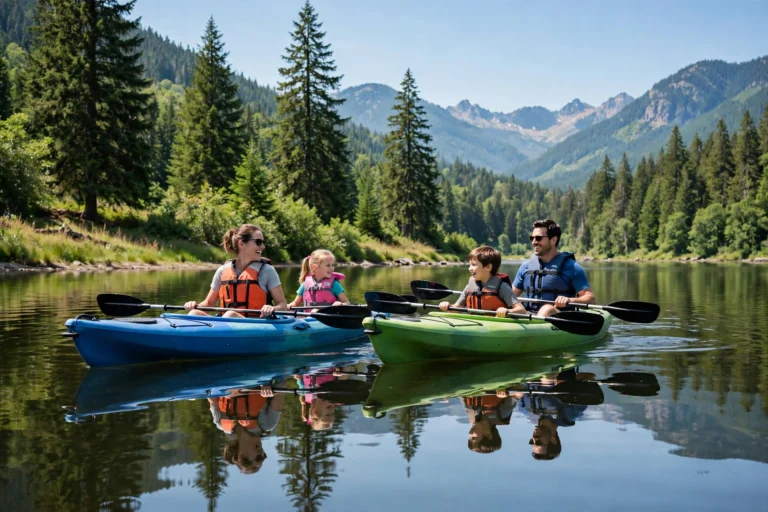
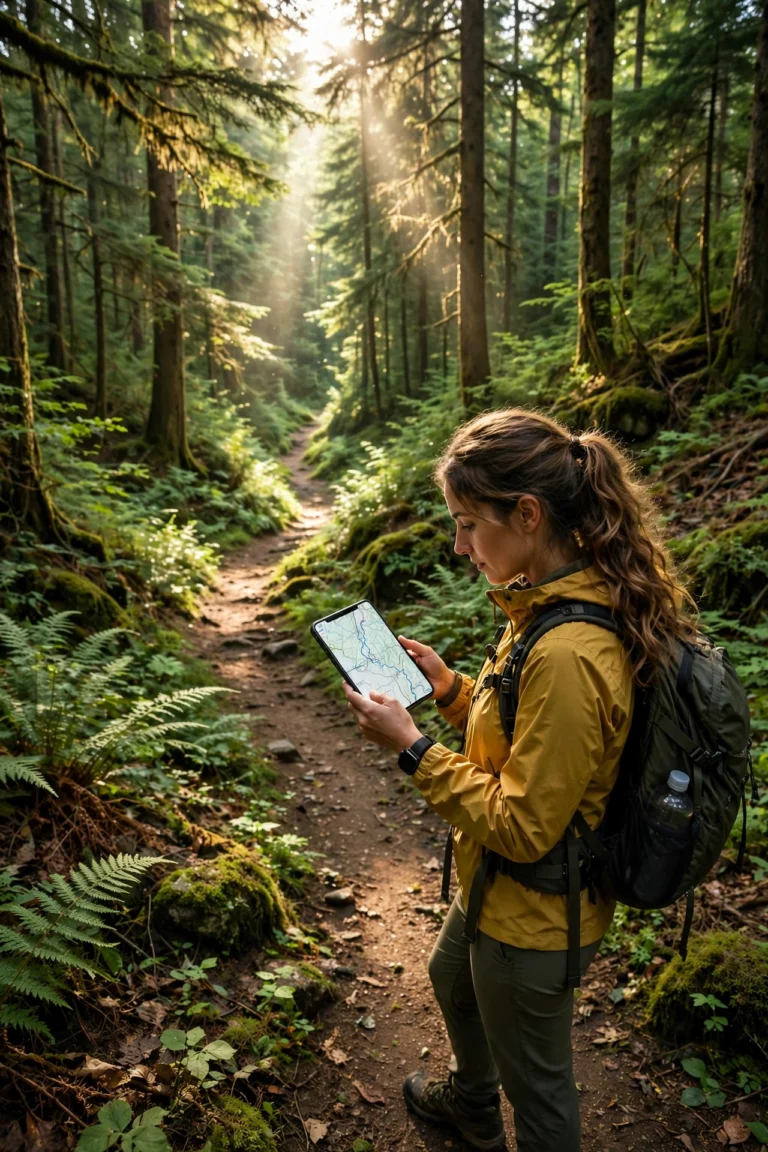
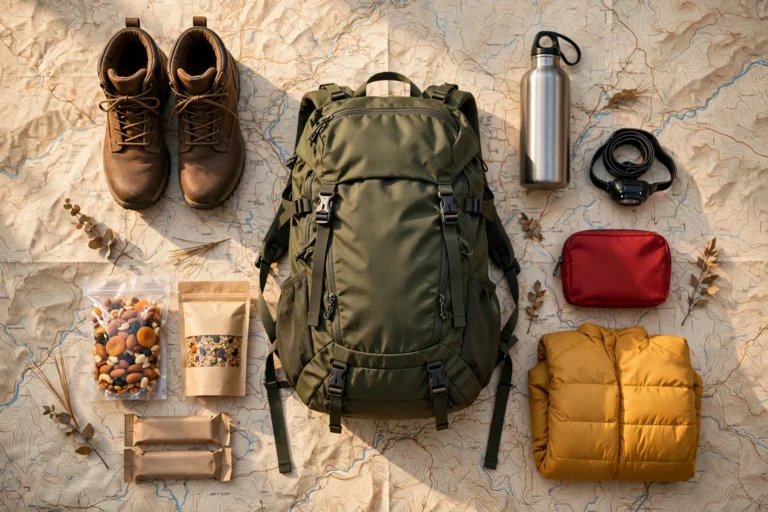
Last Checked: October 2, 2026. Edited by Rakibul Hasan. Fees, reservations and closures below were checked against the linked state agencies. Recheck your park immediately before travel; this is an edited planning guide, not a live conditions service.
Searches for the best state parks in the USA often lead to the same few canyon and waterfall photographs. Choosing a useful destination takes more: whether you can camp, bring a dog, reserve an arrival window, or find an open route matters as much as the view. These 50 selections cover coast, desert, mountain, forest and lake settings, with practical differences made explicit.
Use the comparison table to shortlist a park, then read its access notes. The selection includes state natural reserves, natural areas and preserves managed within state-park systems; each entry identifies the actual designation. It is not a list of one park in every state or a numerical ranking. For federally designated destinations, start with our 50 national parks guide; for route distances and difficulty, use the hiking trails guide.
Choose a state park by the trip you want
- Waterfall hiking: Silver Falls, Ricketts Glen and Watkins Glen; all require attention to footing, route closures and stairs.
- Camping weekends: Douthat, Ludington, Custer and Itasca offer a base for several different outings. Reserve the actual campsite or lodging type you need.
- Beaches and lakes: Bahia Honda, Henderson Beach, Presque Isle and First Landing. A beach listing does not guarantee lifeguards or suitable water conditions.
- Wildlife: Brazos Bend, Myakka, Custer and Okefenokee. Plan to observe from a distance; never use food to bring animals closer.
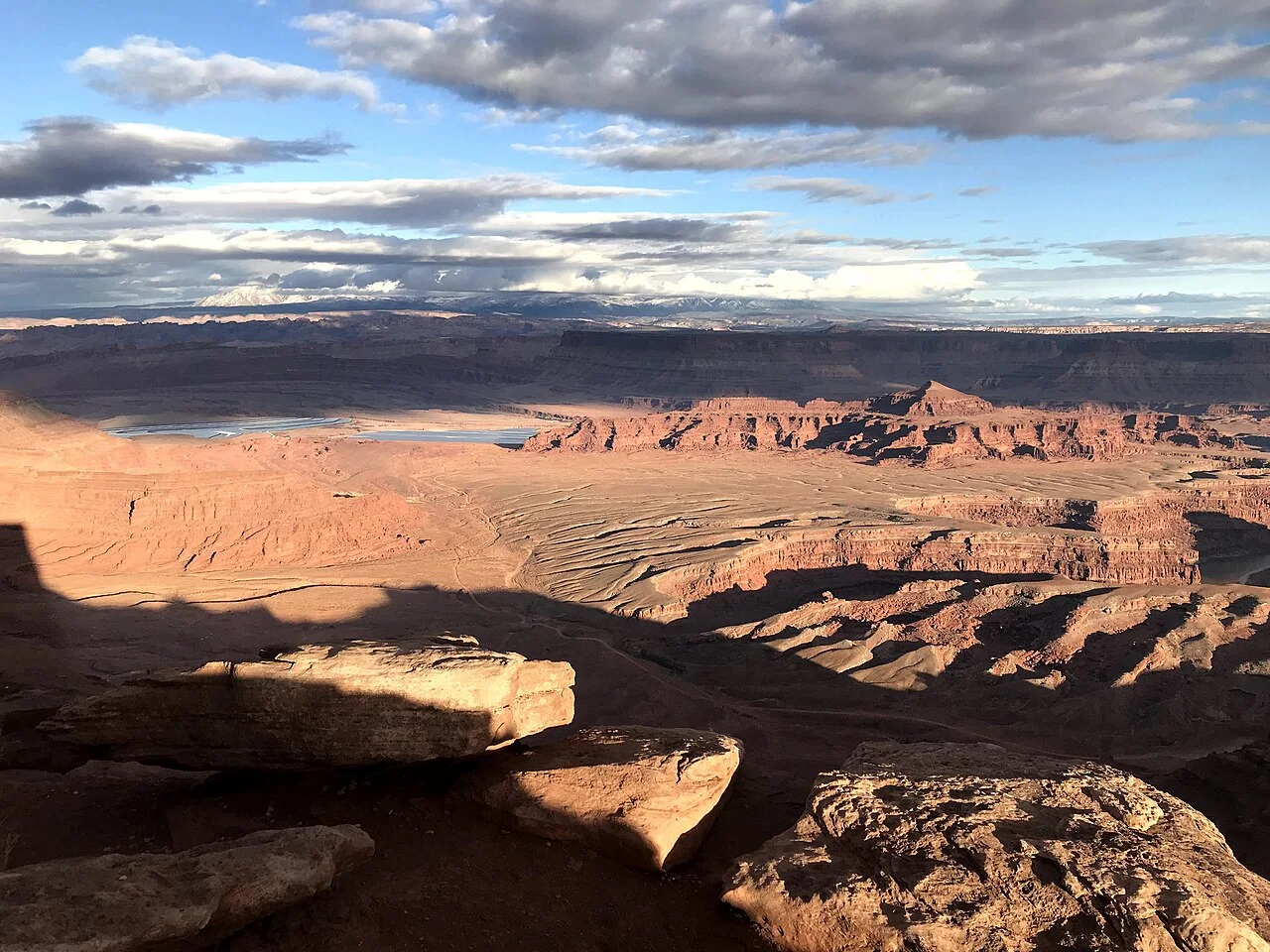
- Scenic viewpoints: Dead Horse Point, Palouse Falls and Waimea Canyon. Remain in designated viewing areas rather than seeking an unofficial descent.
- A less obvious geology stop: Cathedral Gorge offers intricate clay formations for travelers already exploring southeastern Nevada. “Less obvious” is an editorial comparison with major national-park itineraries, not a promise of solitude.
State parks at a glance
Admission shown is ordinary day use or parking, not camping, rentals or a guided activity. Resident rules may depend on vehicle registration, not your home address. Amounts are in US dollars; discounts and commercial/group rates can differ. Scroll the table sideways on a small screen.
| Park | State | Best for | Admission / parking | Camping |
|---|---|---|---|---|
| 1. Point Lobos State Natural Reserve | California | Coastal coves and wildlife | $10 per vehicle | No overnight camping |
| 2. Anza-Borrego Desert State Park | California | Desert landscapes and seasonal wildflowers | $10 vehicle day use at listed developed sites and trailhead lots | Developed and primitive campgrounds; reserve designated sites |
| 3. Prairie Creek Redwoods State Park | California | Old-growth forest and coastal camping | Free along Newton B. Drury Scenic Parkway and near visitor center; Elk Prairie $8, Gold Bluffs $12 per vehicle/day | Elk Prairie and Gold Bluffs Beach campgrounds |
| 4. McArthur-Burney Falls Memorial State Park | California | Waterfall scenery | $10 per vehicle | Camping offered; check current reservations |
| 5. Silver Falls State Park | Oregon | Waterfall hiking | $10 Oregon resident / $12 nonresident day-use parking | Tent and electrical sites; cabins require reservations |
| 6. Smith Rock State Park | Oregon | Rock formations and hiking | $10 Oregon resident / $12 nonresident day-use parking | First-come bivouac tent camping, $12 per person/night; no sleeping in vehicles |
| 7. Deception Pass State Park | Washington | Island shores and bridge views | $10 one-day Discover Pass; annual $45 before any applicable transaction fees | Camping offered; reserve and check seasonal loops |
| 8. Palouse Falls State Park Heritage Site | Washington | Waterfall overlooks | $10 one-day Discover Pass; annual $45 before applicable transaction fees | Day use only |
| 9. Dead Horse Point State Park | Utah | Canyon overlooks and camping | $20 private vehicle up to 8 people; no entry reservation required | Campsites and yurts; reserve well ahead |
| 10. Goblin Valley State Park | Utah | Sculpted sandstone and desert nights | $20 private vehicle; other entry categories differ | Main campground $45 including one vehicle; yurts separate |
| 11. Snow Canyon State Park | Utah | Red-rock scenery and desert trails | $15 Utah resident / $20 nonresident vehicle, up to 8 people | Designated campground only; reserve sites |
| 12. Custer State Park | South Dakota | Wildlife drives and Black Hills camping | $25 per vehicle for a 7-day temporary license | Multiple campgrounds; reserve appropriate site |
| 13. Palo Duro Canyon State Park | Texas | Canyon hiking and camping | $8 per person age 13+ daily; ages 12 and under free | Tent, electrical, equestrian and backpack sites; cabins also offered |
| 14. Garner State Park | Texas | Frio River recreation and camping | $8 per person age 13+ daily; children 12 and under free | Camping offered; advance reservations strongly recommended |
| 15. Enchanted Rock State Natural Area | Texas | Granite geology and hill-country hiking | $8 adult daily; children 12 and under free | Walk-in and primitive camping; reserve in advance |
| 16. Caprock Canyons State Park & Trailway | Texas | Canyon landscapes and bison watching | $5 adult daily; children 12 and under free | Electrical, walk-in and primitive sites; fees separate from daily entrance |
| 17. Brazos Bend State Park | Texas | Birding and wetland wildlife | $7 per person age 13+; children 12 and under free | Camping offered; reserve ahead |
| 18. Bahia Honda State Park | Florida | Keys beaches and shorebird watching | $8 per vehicle; occupancy categories differ | Camping and cabins; reserve suitable site |
| 19. Myakka River State Park | Florida | Wetland wildlife and prairie scenery | $6 per vehicle; occupancy categories differ | Developed and primitive campsites, plus cabins |
| 20. Henderson Beach State Park | Florida | Dunes and beach camping | $6 vehicle with 2–8 people; $4 single occupant | Tent and RV sites; reserve ahead |
| 21. Ichetucknee Springs State Park | Florida | Spring-fed river and tubing | $6 per vehicle; rental and tram charges separate | Plan a day visit; arrange overnight accommodation separately |
| 22. Letchworth State Park | New York | Gorge scenery and waterfall viewpoints | $10 per vehicle during collection hours; 2026 daily May 8–October 18, 9–5 | Campsites and cabins; reserve and check minimum stays |
| 23. Watkins Glen State Park | New York | Gorge walking and waterfalls | $10 per vehicle during seasonal collection | Campsites and rustic cabins; reserve ahead |
| 24. Taughannock Falls State Park | New York | Waterfall and Cayuga Lake setting | $10 per vehicle; special-event charges can differ | Seasonal campsites and cabins; 2026 camping listed May 15–October 12 |
| 25. Minnewaska State Park Preserve | New York | Clifftop lakes and walking routes | $10 per car; certain activities have separate permits | No camping inside preserve; nearby Shawangunk Gateway tent campground is separate |
| 26. Ricketts Glen State Park | Pennsylvania | Waterfalls and forest hiking | Free day use | Campsites and cabins; reserve separately |
| 27. Ohiopyle State Park | Pennsylvania | River scenery and guided whitewater | Free day use | Kentuck camping, cottages and yurts; advance reservation required |
| 28. Presque Isle State Park | Pennsylvania | Lake Erie beaches, birding and cycling | Free day use | Day-use park; arrange lodging or camping elsewhere |
| 29. Devil’s Lake State Park | Wisconsin | Quartzite bluffs and lakeside camping | $13 Wisconsin-plate vehicle / $16 out-of-state vehicle daily | Reserve before setting up; seasonal water and shower service |
| 30. Grayson Highlands State Park | Virginia | Highland scenery and Appalachian hiking | $7 vehicle; $10 weekends April–October | Full-service camping May–October; primitive winter-season options |
| 31. First Landing State Park | Virginia | Chesapeake beach and cypress-swamp landscapes | $7 vehicle; $10 weekends April–October | Camping and seasonal yurts; cabins under renovation through May 2027 |
| 32. Natural Bridge State Park | Virginia | A limestone arch and interpretive nature stop | $9 ages 13+; $6 ages 3–12; under 3 free | Plan a day visit and separate overnight lodging |
| 33. Douthat State Park | Virginia | A mountain-lake camping weekend | $7 per vehicle | Campsites and cabins; reserve separately |
| 34. Jockey’s Ridge State Park | North Carolina | Coastal dunes and soundside scenery | Free day entry | No camping |
| 35. Hanging Rock State Park | North Carolina | Piedmont mountain scenery and cabins | Free entry; swimming and boat rentals charged separately | Family campground closed for improvements; check cabins and group options |
| 36. Stone Mountain State Park | North Carolina | Granite scenery and campground-based hiking | Free day entry; camping costs extra | Family campsites and reservable primitive sites |
| 37. Tallulah Gorge State Park | Georgia | Gorge-rim views and strenuous permitted descents | $10 per vehicle ParkPass | Camping; reserve separately |
| 38. Cloudland Canyon State Park | Georgia | Canyon overlooks, waterfalls and varied camping | $10 per vehicle ParkPass | Campsites, backcountry sites, cottages and yurts |
| 39. Okefenokee State Park | Georgia | Swamp wildlife, paddling and dark skies | $5 refuge vehicle entry fee | Tent/RV camping; park cottages currently unavailable during construction |
| 40. Huntington Beach State Park | South Carolina | Beach camping and coastal bird watching | $8 adult; $4 ages 6–15; ages 5 and under free; $5 SC senior | Tent and RV sites, including full hookups |
| 41. Hunting Island State Park | South Carolina | Maritime forest, nature programs and ocean camping | $8 adult; $4 ages 6–15; ages 5 and under free; $5 SC senior | Tent/RV camping with water and electrical hookups; reserve ahead |
| 42. Porcupine Mountains Wilderness State Park | Michigan | Lake of the Clouds, old forest and wilderness camping | Non-Michigan vehicle $12 daily; Michigan vehicle annual Passport rules apply | Campgrounds, reservable backcountry sites and cabins |
| 43. Ludington State Park | Michigan | Lake Michigan dunes, inland water and camping | Non-Michigan vehicle $12 daily; Michigan vehicle annual Passport rules apply | Campgrounds and rustic hike-in options; reserve separately |
| 44. Itasca State Park | Minnesota | Mississippi headwaters and educational family stays | $7 one-day vehicle permit | Camping, cabins and lodge-style options; reserve separately |
| 45. Gooseberry Falls State Park | Minnesota | Waterfalls and a Lake Superior road-trip stop | Visitor-center/wayside lot free; $7 vehicle permit for fee areas | Camping; reserve separately |
| 46. Waimea Canyon State Park | Hawaiʻi — Kauaʻi | Canyon overlooks and a scenic driving day | Nonresident $5/person age 4+ plus $10/vehicle; residents free with Hawaiʻi ID | Plan separately; nearby Kōkeʻe has distinct overnight arrangements |
| 47. Waiʻānapanapa State Park | Hawaiʻi — Maui | Black-sand coast and volcanic shoreline | Nonresident $5/person age 4+ plus $10/vehicle; advance entry/parking booking | Permit camping and cabins; book separately |
| 48. Chugach State Park | Alaska | Anchorage-area mountains, lakes and camping | Parking fees vary by trailhead; consult facility fee schedule | Bird Creek, Eagle River and Eklutna campground options; standard sites first come, first served |
| 49. Valley of Fire State Park | Nevada | Red sandstone scenery and cool-season desert visits | $10 Nevada vehicle / $15 non-Nevada vehicle | Reservable campsites; overnight fee separate |
| 50. Cathedral Gorge State Park | Nevada | Sculpted clay formations and a quieter camping stop | $5 Nevada vehicle / $10 non-Nevada vehicle | Developed camping; $15 Nevada / $20 non-Nevada per vehicle/night, hookups extra |
State parks map and location finder
Each park entry links to a map search using its verified official name and state, plus the managing agency’s page for the authoritative park/trail map. Map-search results show the park area; they are not a verified trailhead, campsite or entrance pin. Confirm the correct entrance on the agency map before requesting driving directions—large parks, islands and separately managed areas can have widely separated access points.
For regional planning, use the official Nevada parks map, Michigan park and trail locator and Oregon park maps. The comparison table groups western parks first, then Texas, Florida, the Northeast and Appalachians, the Southeast, the Great Lakes, Hawaiʻi and Alaska; Nevada completes the list.
1. Point Lobos State Natural Reserve
Location / type: California · State natural reserve
Best for: Coastal coves and wildlife
Admission / parking: $10 per vehicle
Camping: No overnight camping
When to consider visiting: Spring or fall; marine fog can occur.
Choose this for a compact coastal day near Carmel: headlands and sheltered coves give changing perspectives without a long drive between stops. Watch marine wildlife from shore instead of treating the reserve as a beach playground.
Plan before you go: Arrive with a parking backup. Vehicles over 21 feet are restricted; school groups and commercial tours need advance arrangements. Diving and snorkeling have separate reservations and fees.
Pets: Dogs are not allowed. Service animals are governed by separate access rules.
Official planning source: Point Lobos State Natural Reserve visitor information · Additional official planning details · Find this park area on a map. Checked October 2, 2026.
2. Anza-Borrego Desert State Park
Location / type: California · State park
Best for: Desert landscapes and seasonal wildflowers
Admission / parking: $10 vehicle day use at listed developed sites and trailhead lots
Camping: Developed and primitive campgrounds; reserve designated sites
When to consider visiting: Cooler months; flower displays depend on rainfall.
Use Borrego Springs as a practical base and build the day around a single desert area. The visitor-center garden gives context before a longer outing, and the park rewards geology and plant observation even in a year with few flowers.
Plan before you go: Borrego Palm Canyon is a named hiking option. Extreme heat, flash floods and rough backroads require separate preparation; do not assume a rental car can reach every map location. Some campgrounds close for summer.
Pets: Dogs are allowed in campgrounds, on designated park roads and on the Visitor Center/Campground Trail, not on other hiking trails. Service animals are governed by separate access rules.
Official planning source: Anza-Borrego Desert State Park visitor information · Additional official planning details · Rules and pet access · Find this park area on a map. Checked October 2, 2026.
3. Prairie Creek Redwoods State Park
Location / type: California · State park within Redwood National and State Parks
Best for: Old-growth forest and coastal camping
Admission / parking: Free along Newton B. Drury Scenic Parkway and near visitor center; Elk Prairie $8, Gold Bluffs $12 per vehicle/day
Camping: Elk Prairie and Gold Bluffs Beach campgrounds
When to consider visiting: Late spring through fall; rain possible all year.
This is the redwood choice for travelers who want to slow down among giant trees rather than simply photograph a roadside trunk. Pair forest time with a carefully planned coast visit.
Plan before you go: Vehicle reservations for Gold Bluffs Beach/Fern Canyon apply May 15–September 15. Seasonal creek footbridges are now removed; expect wet crossings if conditions permit. Reserve camping separately. Free federal entrance does not waive state developed-area fees.
Pets: Cabins prohibit pets; check trail restrictions separately. Service animals are governed by separate access rules.
Official planning source: Prairie Creek Redwoods State Park visitor information · Additional official planning details · Fees and passes · Current conditions · Find this park area on a map. Checked October 2, 2026.
4. McArthur-Burney Falls Memorial State Park
Location / type: California · State park
Best for: Waterfall scenery
Admission / parking: $10 per vehicle
Camping: Camping offered; check current reservations
When to consider visiting: Spring through fall, avoiding peak arrival periods.
Make the waterfall the centerpiece of a focused visit rather than an assumed quick roadside stop. Parking limits can shape the day as much as the walking route.
Plan before you go: The 2026 day-use pilot required reservations Friday–Sunday and holidays May 15–September 27; October visits do not require that seasonal booking. The reserved-day price was $10 plus $1 processing. Vehicles over 32 feet are not admitted. Check current fire and access notices.
Pets: Dogs are limited to parking lots, paved roads and campgrounds; not trails or day-use areas. Service animals are governed by separate access rules.
Official planning source: McArthur-Burney Falls Memorial State Park visitor information · Find this park area on a map. Checked October 2, 2026.
5. Silver Falls State Park
Location / type: Oregon · State park
Best for: Waterfall hiking
Admission / parking: $10 Oregon resident / $12 nonresident day-use parking
Camping: Tent and electrical sites; cabins require reservations
When to consider visiting: Spring for flow or fall for foliage; slippery winter conditions possible.
Build the visit around a waterfall route suited to the group instead of insisting on completing every fall. South Falls day use also supports a more relaxed picnic-and-short-walk day.
Plan before you go: Reserve camping or cabins; some tent sites are seasonal. A camping receipt can serve as day-use parking authorization. National-park passes do not cover this state parking permit.
Pets: No pets on Canyon, Winter, Maple Ridge or Twin Falls trails. Other permitted areas require a leash up to 6 feet; the South Falls exercise area is an exception. Service animals are governed by separate access rules.
Official planning source: Silver Falls State Park visitor information · Find this park area on a map. Checked October 2, 2026.
6. Smith Rock State Park
Location / type: Oregon · State park
Best for: Rock formations and hiking
Admission / parking: $10 Oregon resident / $12 nonresident day-use parking
Camping: First-come bivouac tent camping, $12 per person/night; no sleeping in vehicles
When to consider visiting: Spring and fall; hot exposed summer terrain.
You do not need to climb to appreciate the rock walls and river setting. Choose a walking route according to the climb back out, and keep technical climbing separate from casual sightseeing.
Plan before you go: Construction is scheduled November 2026–March 2027. Bivouac camping is listed March 15–November 15; no campfires. Check wildlife-related climbing closures.
Pets: Dogs must be leashed; stay on designated trails and obey posted nesting closures. Service animals are governed by separate access rules.
Official planning source: Smith Rock State Park visitor information · Fees and passes · Find this park area on a map. Checked October 2, 2026.
7. Deception Pass State Park
Location / type: Washington · State park
Best for: Island shores and bridge views
Admission / parking: $10 one-day Discover Pass; annual $45 before any applicable transaction fees
Camping: Camping offered; reserve and check seasonal loops
When to consider visiting: Late spring through early fall.
Combine a bridge viewpoint with forest and shoreline time rather than trying to cover both islands completely. The mix makes it useful for groups who want different levels of activity.
Plan before you go: October 2 check: Pass Lake closed to people, pets and fishing due to toxic algae; part of West Beach ADA Trail washed out. Strong tidal currents make casual water entry inappropriate. Check burn bans.
Pets: Leash rules apply; current Pass Lake closure includes pets. Service animals are governed by separate access rules.
Official planning source: Deception Pass State Park visitor information · Find this park area on a map. Checked October 2, 2026.
8. Palouse Falls State Park Heritage Site
Location / type: Washington · State park heritage site
Best for: Waterfall overlooks
Admission / parking: $10 one-day Discover Pass; annual $45 before applicable transaction fees
Camping: Day use only
When to consider visiting: Spring or cooler fall days.
Choose Palouse Falls for a deliberate scenic stop in an agricultural landscape, not for a hike to the plunge pool. The designated viewpoints are the visit.
Plan before you go: Routes into the canyon and to the falls base are permanently closed. Parking is limited, trailers/RVs are prohibited, and services and cell coverage are sparse.
Pets: Dogs allowed on leash in permitted day-use areas. Service animals are governed by separate access rules.
Official planning source: Palouse Falls State Park Heritage Site visitor information · Find this park area on a map. Checked October 2, 2026.
9. Dead Horse Point State Park
Location / type: Utah · State park
Best for: Canyon overlooks and camping
Admission / parking: $20 private vehicle up to 8 people; no entry reservation required
Camping: Campsites and yurts; reserve well ahead
When to consider visiting: Spring and fall; summer heat and winter ice possible.
The rim setting gives a broad canyon panorama without requiring a descent. It also works as a slower overnight companion to Moab’s national parks.
Plan before you go: Day use ends at 10 p.m.; after-hours stargazing requires an appropriate camping stay or authorized activity. No potable RV tank fill in the park. Stay back from unguarded edges.
Pets: Leashed dogs allowed on trails and in campgrounds; yurt rules differ by unit. Service animals are governed by separate access rules.
Official planning source: Dead Horse Point State Park visitor information · Fees and passes · Find this park area on a map. Checked October 2, 2026.
10. Goblin Valley State Park
Location / type: Utah · State park
Best for: Sculpted sandstone and desert nights
Admission / parking: $20 private vehicle; other entry categories differ
Camping: Main campground $45 including one vehicle; yurts separate
When to consider visiting: Spring and fall; avoid extreme heat.
The low rock formations make this a distinctive geology stop between Utah’s better-known national parks. Spend time observing shapes and textures without climbing on fragile features.
Plan before you go: Capacity waits are possible. Check storms and flash-flood forecasts before nearby canyons; rappelling requires separate skills and permits. Camping reservations open four months ahead.
Pets: Pets must be leashed; designated dog-friendly yurts charge extra. Service animals are governed by separate access rules.
Official planning source: Goblin Valley State Park visitor information · Fees and passes · Additional official planning details · Find this park area on a map. Checked October 2, 2026.
11. Snow Canyon State Park
Location / type: Utah · State park
Best for: Red-rock scenery and desert trails
Admission / parking: $15 Utah resident / $20 nonresident vehicle, up to 8 people
Camping: Designated campground only; reserve sites
When to consider visiting: Spring and fall.
A strong choice for a focused desert day near St. George, with scenery accessible from the road and a range of marked walks. Choose the outing around temperature rather than trying to maximize mileage.
Plan before you go: Stay on mapped trails to protect desert tortoise habitat. No backcountry camping; entrance applies even when driving through.
Pets: Dogs allowed on all trails and in campground on a leash no longer than 6 feet. Service animals are governed by separate access rules.
Official planning source: Snow Canyon State Park visitor information · Fees and passes · Find this park area on a map. Checked October 2, 2026.
12. Custer State Park
Location / type: South Dakota · State park
Best for: Wildlife drives and Black Hills camping
Admission / parking: $25 per vehicle for a 7-day temporary license
Camping: Multiple campgrounds; reserve appropriate site
When to consider visiting: Late spring through fall; winter road restrictions possible.
Spend at least a full day combining a wildlife drive with a contrasting granite-and-lake area. It is a flexible alternative for groups who want scenery without a major hike.
Plan before you go: Wildlife Loop Road is 18 miles; allow about 90 minutes or longer for animal delays. Needles Highway has tight tunnels: check vehicle dimensions before routing an RV. Stay in the vehicle or at least 100 yards from bison and other large animals.
Pets: Leash maximum 10 feet; no pets in buildings or designated swimming beaches. Service animals are governed by separate access rules.
Official planning source: Custer State Park visitor information · Fees and passes 1 · Additional official planning details 2 · Additional official planning details 3 · Find this park area on a map. Checked October 2, 2026.
13. Palo Duro Canyon State Park
Location / type: Texas · State park
Best for: Canyon hiking and camping
Admission / parking: $8 per person age 13+ daily; ages 12 and under free
Camping: Tent, electrical, equestrian and backpack sites; cabins also offered
When to consider visiting: Cooler spring and fall days.
Use a canyon-floor camp or a scenic drive to understand the landscape before choosing a trail. A short shaded break is more useful than a long exposed hike during a hot afternoon.
Plan before you go: Reserve day entry and camping when possible. Trails may close for heat, wet weather or poor conditions; flash flooding is a serious planning concern.
Pets: Texas leash rules apply; pets excluded from buildings and designated swimming areas. Service animals are governed by separate access rules.
Official planning source: Palo Duro Canyon State Park visitor information · Additional official planning details · Find this park area on a map. Checked October 2, 2026.
14. Garner State Park
Location / type: Texas · State park
Best for: Frio River recreation and camping
Admission / parking: $8 per person age 13+ daily; children 12 and under free
Camping: Camping offered; advance reservations strongly recommended
When to consider visiting: Spring and fall for quieter walking; summer popular for water recreation.
This works best as a relaxed riverside stay, with time for both a walk and a shaded break. Plan around your group’s comfort with water rather than assuming every river activity is suitable for children.
Plan before you go: Reserve day passes: peak-day closures can begin by midmorning. Check river flow and weather before water activities, and supervise children closely.
Pets: Texas leash rules; pets cannot enter designated swim areas or buildings. Service animals are governed by separate access rules.
Official planning source: Garner State Park visitor information · Fees and passes · Find this park area on a map. Checked October 2, 2026.
15. Enchanted Rock State Natural Area
Location / type: Texas · State natural area
Best for: Granite geology and hill-country hiking
Admission / parking: $8 adult daily; children 12 and under free
Camping: Walk-in and primitive camping; reserve in advance
When to consider visiting: Cooler months; wet weather can close elevated routes.
The granite dome makes a memorable objective, but the summit is an exposed climb rather than a gentle nature path. A lower route is a sensible alternative when heat or footing changes the plan.
Plan before you go: Reserve day entry and bring drinking water. Keep out of fragile summit pools and vegetated pockets. Summit and elevated areas may close in wet weather; rock climbing requires headquarters check-in.
Pets: No pets on Summit Trail or elevated areas; limited lower trails, picnic areas and campgrounds allow leashed pets. Service animals are governed by separate access rules.
Official planning source: Enchanted Rock State Natural Area visitor information · Additional official planning details · Find this park area on a map. Checked October 2, 2026.
16. Caprock Canyons State Park & Trailway
Location / type: Texas · State park and trailway
Best for: Canyon landscapes and bison watching
Admission / parking: $5 adult daily; children 12 and under free
Camping: Electrical, walk-in and primitive sites; fees separate from daily entrance
When to consider visiting: Spring and fall; avoid summer heat.
Choose this for canyon scenery with wildlife as an added dimension. The park and long rail-trail corridor are different outings: identify your access point before setting a schedule.
Plan before you go: Book day passes and camping ahead. Give bison generous space and never block their movement. Summer ground and air temperatures can make exposed routes unsuitable.
Pets: Pets on leash in permitted areas; Texas building and swim-area exclusions apply. Service animals are governed by separate access rules.
Official planning source: Caprock Canyons State Park & Trailway visitor information · Fees and passes · Find this park area on a map. Checked October 2, 2026.
17. Brazos Bend State Park
Location / type: Texas · State park
Best for: Birding and wetland wildlife
Admission / parking: $7 per person age 13+; children 12 and under free
Camping: Camping offered; reserve ahead
When to consider visiting: Cooler months for comfortable wildlife walks.
A useful nature escape near Houston when the goal is patient observation rather than elevation. Bring binoculars and choose a short lakeside route with time to stop.
Plan before you go: Alligators are part of the habitat: remain at least 30 feet away and obey posted guidance. Check flooding and trail notices; reserve day entry on busy dates.
Pets: Keep pets leashed and well away from shorelines; no pets in buildings or designated swim areas. Service animals are governed by separate access rules.
Official planning source: Brazos Bend State Park visitor information · Additional official planning details · Find this park area on a map. Checked October 2, 2026.
18. Bahia Honda State Park
Location / type: Florida · State park
Best for: Keys beaches and shorebird watching
Admission / parking: $8 per vehicle; occupancy categories differ
Camping: Camping and cabins; reserve suitable site
When to consider visiting: Winter and spring; summer storms possible.
Use the beaches and historic bridge views for a slower Keys stop. Shorebird watching and coastal plants add interest beyond swimming, especially when wind makes water activities unattractive.
Plan before you go: Day-use areas may close at capacity. Shade is limited, so bring sun protection; boat parking and rentals are separate arrangements. Check marine conditions before snorkeling or paddling.
Pets: Six-foot leash or physical control in permitted areas; no pets on beaches, boardwalks, in swimming areas, buildings or cabins. Service animals are governed by separate access rules.
Official planning source: Bahia Honda State Park visitor information · Additional official planning details · Rules and pet access · Find this park area on a map. Checked October 2, 2026.
19. Myakka River State Park
Location / type: Florida · State park
Best for: Wetland wildlife and prairie scenery
Admission / parking: $6 per vehicle; occupancy categories differ
Camping: Developed and primitive campsites, plus cabins
When to consider visiting: Cooler dry-season months.
Choose Myakka for a broad look at inland Florida rather than a beach day. A short nature outing and patient wildlife watching can be more rewarding than trying to cover the entire park.
Plan before you go: October 2 check: drinking water temporarily unavailable; bring your own. North Gate has limited opening days. Check flooding and wildlife guidance before trails or paddling.
Pets: No pets in primitive camping or cabins; verify other designated areas. Service animals are governed by separate access rules.
Official planning source: Myakka River State Park visitor information · Additional official planning details · Find this park area on a map. Checked October 2, 2026.
20. Henderson Beach State Park
Location / type: Florida · State park
Best for: Dunes and beach camping
Admission / parking: $6 vehicle with 2–8 people; $4 single occupant
Camping: Tent and RV sites; reserve ahead
When to consider visiting: Spring and fall for milder beach days.
A protected dune landscape beside Destin offers a useful change from a built-up beach strip. Stay on boardwalk access points and use the nature trail as a second activity.
Plan before you go: Day-use reservations required from May 15, 2026. The playground remains listed closed for maintenance; check swim flags and conditions, and do not promise a playground visit to children.
Pets: Pets allowed on the nature trail, parking lots and day-use sidewalk on a hand-held leash up to 6 feet; not on the beach, playground or in buildings. Service animals are governed by separate access rules.
Official planning source: Henderson Beach State Park visitor information · Fees and passes · Additional official planning details · Find this park area on a map. Checked October 2, 2026.
21. Ichetucknee Springs State Park
Location / type: Florida · State park
Best for: Spring-fed river and tubing
Admission / parking: $6 per vehicle; rental and tram charges separate
Camping: Plan a day visit; arrange overnight accommodation separately
When to consider visiting: Warm months for tubing; cooler months for quieter nature walks.
Keep the north and south entrances distinct: swimming areas and tubing operations are not interchangeable. A river day needs a transport and return plan, not just a rental reservation.
Plan before you go: Midpoint Tube Launch is closed; current tubing uses Dampier’s Landing. Capacity closures apply even with rentals or digital passes. Blue Hole is for experienced swimmers because of depth and current; no lifeguard.
Pets: Pets prohibited on the water; check designated land areas. Service animals are governed by separate access rules.
Official planning source: Ichetucknee Springs State Park visitor information · Additional official planning details 1 · Additional official planning details 2 · Find this park area on a map. Checked October 2, 2026.
22. Letchworth State Park
Location / type: New York · State park
Best for: Gorge scenery and waterfall viewpoints
Admission / parking: $10 per vehicle during collection hours; 2026 daily May 8–October 18, 9–5
Camping: Campsites and cabins; reserve and check minimum stays
When to consider visiting: Spring through fall; autumn weekends busy.
Build the visit around a few gorge overlooks rather than trying to walk every section. Camping can turn a hurried scenic stop into a relaxed two-day visit.
Plan before you go: Trail 7 between Middle Falls and Genesee Arch Bridge is permanently closed. Check seasonal roads and trail notices. Nonresident overnight surcharges and cabin minimum stays apply.
Pets: Pets allowed only in designated camping loops, cabins and day-use areas; verify the exact unit. Service animals are governed by separate access rules.
Official planning source: Letchworth State Park visitor information · Find this park area on a map. Checked October 2, 2026.
23. Watkins Glen State Park
Location / type: New York · State park
Best for: Gorge walking and waterfalls
Admission / parking: $10 per vehicle during seasonal collection
Camping: Campsites and rustic cabins; reserve ahead
When to consider visiting: Late spring through fall when Gorge Trail is open.
The gorge is a route-focused visit: stairs, narrow passages and wet surfaces matter more than a broad park checklist. A campground stay can help avoid the most crowded arrival window.
Plan before you go: Check seasonal Gorge Trail opening and the Main Tunnel/Sentry Bridge notice before selecting an entrance. The shuttle is separate and seasonal; do not assume it is operating.
Pets: Pets are not allowed on Gorge Trail; limited permitted day-use and camping areas allow up to two supervised pets. Service animals are governed by separate access rules.
Official planning source: Watkins Glen State Park visitor information · Find this park area on a map. Checked October 2, 2026.
24. Taughannock Falls State Park
Location / type: New York · State park
Best for: Waterfall and Cayuga Lake setting
Admission / parking: $10 per vehicle; special-event charges can differ
Camping: Seasonal campsites and cabins; 2026 camping listed May 15–October 12
When to consider visiting: Spring through fall.
Choose this for a waterfall-centered outing with a separate lakeside setting, rather than packing multiple Finger Lakes gorges into one day. Viewpoint and gorge experiences should be planned as distinct stops.
Plan before you go: Reserve camping; nonresident surcharges apply. Stay out of closed gorge areas and check conditions after heavy rain. Do not leave valuables in trailhead vehicles.
Pets: Up to two supervised pets in permitted areas, crated or on a leash up to 6 feet; beach/building exclusions apply. Service animals are governed by separate access rules.
Official planning source: Taughannock Falls State Park visitor information · Find this park area on a map. Checked October 2, 2026.
25. Minnewaska State Park Preserve
Location / type: New York · State park preserve
Best for: Clifftop lakes and walking routes
Admission / parking: $10 per car; certain activities have separate permits
Camping: No camping inside preserve; nearby Shawangunk Gateway tent campground is separate
When to consider visiting: Spring through fall; winter trail uses depend on conditions.
Use the lake and carriage-road landscape to design a route with manageable climbing. The preserve offers an expansive-feeling day within reach of the Hudson Valley, but parking capacity still limits access.
Plan before you go: Sam’s Point weekend/holiday parking reservations apply April 15–November 15; that is a separate area from the main entrance. Swimming is seasonal and only in designated areas; 2026 beach season ended September 7.
Pets: Dogs on leash up to 6 feet in permitted areas; beaches and groomed ski-only trails are excluded. Service animals are governed by separate access rules.
Official planning source: Minnewaska State Park Preserve visitor information · Additional official planning details 1 · Additional official planning details 2 · Find this park area on a map. Checked October 2, 2026.
26. Ricketts Glen State Park
Location / type: Pennsylvania · State park
Best for: Waterfalls and forest hiking
Admission / parking: Free day use
Camping: Campsites and cabins; reserve separately
When to consider visiting: Late spring through fall; winter Falls Trail restrictions.
A sequence of waterfalls makes this a full hiking destination, not a single roadside photo stop. Ganoga Falls is the major landmark, while Lake Jean gives a different focus for visitors who do not want a steep gorge descent.
Plan before you go: The Falls Trail System is officially most difficult: wet rock, steep steps and slippery surfaces deserve time and sturdy boots. The full loop is 7.2 miles; a 3.2-mile upper loop is another option, not an easy substitute. Winter access is restricted to properly equipped ice climbers and hikers. Large trailers should follow the park’s recommended approach rather than the steep PA 487 grade.
Pets: Check designated pet camping areas and current trail rules before booking. Service animals are governed by separate access rules.
Official planning source: Ricketts Glen State Park visitor information · Additional official planning details · Find this park area on a map. Checked October 2, 2026.
27. Ohiopyle State Park
Location / type: Pennsylvania · State park
Best for: River scenery and guided whitewater
Admission / parking: Free day use
Camping: Kentuck camping, cottages and yurts; advance reservation required
When to consider visiting: Late spring to fall; river conditions control boating.
The Youghiogheny River gives Ohiopyle an unusually lively center: you can build a visit around riverside scenery or make a booked rafting trip the main event. The gorge setting also rewards visitors who prefer watching the water to entering it.
Plan before you go: Use a qualified outfitter for whitewater if you lack the relevant river skills. River flows and route difficulty matter more than sunny weather. Kentuck’s operating season is generally April to mid-December; confirm your dates and reserve before arriving. Follow official large-vehicle directions rather than steep SR 2019.
Pets: Book a designated pet-friendly overnight unit or campsite; permission is not universal. Service animals are governed by separate access rules.
Official planning source: Ohiopyle State Park visitor information · Additional official planning details · Find this park area on a map. Checked October 2, 2026.
28. Presque Isle State Park
Location / type: Pennsylvania · State park
Best for: Lake Erie beaches, birding and cycling
Admission / parking: Free day use
Camping: Day-use park; arrange lodging or camping elsewhere
When to consider visiting: Late spring through fall; beach services are seasonal.
This Lake Erie peninsula suits an outdoor day that can change with the group’s energy. Combine shoreline time with bird watching or cycling instead of planning a strenuous summit. Its location near Erie also makes it practical when you want nature without a remote overnight approach.
Plan before you go: Choose an officially open swimming beach and follow posted water-quality, weather and lifeguard guidance. A calm-looking lake is not a guarantee of safe swimming. The park is for day use, so a beach visit does not authorize overnight camping. Check the official map for parking and beach access.
Pets: Consult the park’s beach-specific pet restrictions; do not assume every beach permits dogs. Service animals are governed by separate access rules.
Official planning source: Presque Isle State Park visitor information · Find this park area on a map. Checked October 2, 2026.
29. Devil’s Lake State Park
Location / type: Wisconsin · State park
Best for: Quartzite bluffs and lakeside camping
Admission / parking: $13 Wisconsin-plate vehicle / $16 out-of-state vehicle daily
Camping: Reserve before setting up; seasonal water and shower service
When to consider visiting: Late spring or fall; icy bluffs demand extra caution.
The contrast between the lake and its high quartzite walls lets you choose the scale of the day. A lower lakeside outing is very different from a bluff hike; pick the route first, then decide whether a quick stop or camping weekend makes sense.
Plan before you go: North Shore construction can close parking and boat access intermittently in 2026; consult current notices and consider South Shore. Busy weekends can fill before 9 a.m. Campsite reservations are required before occupying a site; water and showers typically close around October 15. There are no lifeguards.
Pets: Leashes are limited to 8 feet; Parfrey’s Glen has a separate no-pets rule. Service animals are governed by separate access rules.
Official planning source: Devil’s Lake State Park visitor information · Fees and passes · Additional official planning details · Rules and pet access · Find this park area on a map. Checked October 2, 2026.
30. Grayson Highlands State Park
Location / type: Virginia · State park
Best for: Highland scenery and Appalachian hiking
Admission / parking: $7 vehicle; $10 weekends April–October
Camping: Full-service camping May–October; primitive winter-season options
When to consider visiting: Late spring to fall; exposed highlands can be cold and windy.
High meadows and mountain views distinguish this park from a sheltered woodland escape. It works as a scenic day in southwestern Virginia or a base for prepared hikers exploring the Mount Rogers area. Wild ponies are part of the landscape, not animals to approach.
Plan before you go: Never feed, pet or crowd the ponies: they can bite or kick. Bring layers even in mild forecasts, and distinguish a day hike from an overnight backpacking itinerary. November–April primitive camping does not provide the summer water and bathhouse services; overnight backpacker parking carries its own fee.
Pets: Keep pets on a leash no longer than 6 feet. Service animals are governed by separate access rules.
Official planning source: Grayson Highlands State Park visitor information · Fees and passes · Find this park area on a map. Checked October 2, 2026.
31. First Landing State Park
Location / type: Virginia · State park
Best for: Chesapeake beach and cypress-swamp landscapes
Admission / parking: $7 vehicle; $10 weekends April–October
Camping: Camping and seasonal yurts; cabins under renovation through May 2027
When to consider visiting: Spring or fall for trails; summer for a warmer beach visit.
Choose First Landing when you want several coastal habitats in one stay. The bay beach and shaded swamp landscape provide different outings, so a trip need not revolve entirely around swimming. Visitor-center exhibits add historical context to the natural setting.
Plan before you go: As checked October 2, cabins are closed for renovation through May 2027; do not plan around an old cabin listing. Confirm campground and yurt availability separately. Nearby military training can create noise, including overnight, which matters for light sleepers camping with children.
Pets: Check the current beach, trail and overnight-unit pet rules before reserving. Service animals are governed by separate access rules.
Official planning source: First Landing State Park visitor information · Fees and passes · Find this park area on a map. Checked October 2, 2026.
32. Natural Bridge State Park
Location / type: Virginia · State park
Best for: A limestone arch and interpretive nature stop
Admission / parking: $9 ages 13+; $6 ages 3–12; under 3 free
Camping: Plan a day visit and separate overnight lodging
When to consider visiting: Spring through fall; slippery steps affect access.
The limestone bridge is the central reason to come, with Cedar Creek extending the visit beyond the first view. This is a useful geology stop on a western Virginia trip, especially for travelers who prefer a defined destination over a long mountain hike.
Plan before you go: Standard access involves 137 steps, and the park does not recommend strollers. Contact the visitor center about accessibility accommodations before committing to a visit. Base Camp exhibits have a seasonal schedule; check the official page instead of assuming all educational spaces open daily.
Pets: Verify current trail and building restrictions with the park before bringing a pet. Service animals are governed by separate access rules.
Official planning source: Natural Bridge State Park visitor information · Fees and passes · Find this park area on a map. Checked October 2, 2026.
33. Douthat State Park
Location / type: Virginia · State park
Best for: A mountain-lake camping weekend
Admission / parking: $7 per vehicle
Camping: Campsites and cabins; reserve separately
When to consider visiting: Late spring through fall; lake swimming is seasonal.
Douthat is a strong choice when the overnight stay is part of the experience. Its mountain setting and lake let you combine a campground or cabin base with time outside, rather than trying to cover several distant attractions in one day.
Plan before you go: Swimming is allowed only in the designated roped beach area during its season, generally May–October, and is unguarded. The lake as a whole is not an unrestricted swimming area. Check the campground opening dates and unit details when reserving; admission does not cover overnight accommodation.
Pets: Pet-friendly cabins carry separate pet charges; check the exact unit and park rules. Service animals are governed by separate access rules.
Official planning source: Douthat State Park visitor information · Fees and passes · Find this park area on a map. Checked October 2, 2026.
34. Jockey’s Ridge State Park
Location / type: North Carolina · State park
Best for: Coastal dunes and soundside scenery
Admission / parking: Free day entry
Camping: No camping
When to consider visiting: Spring or fall; summer sand can be extremely hot.
The dunes make an outdoor stop feel different from a conventional beach visit. Choose a manageable walk and enjoy the changing shape of the landscape, or use the separate soundside access for a different view of the coast.
Plan before you go: There is no campground, so arrange an overnight base elsewhere on the Outer Banks. Dune sand can be much hotter than the air; avoid exposed midday walks in hot conditions and protect feet and paws. Main park access and Soundside Road access are different destinations—check the map before driving.
Pets: Pets must be on a leash no longer than 6 feet and cannot enter buildings. Service animals are governed by separate access rules.
Official planning source: Jockey’s Ridge State Park visitor information · Find this park area on a map. Checked October 2, 2026.
35. Hanging Rock State Park
Location / type: North Carolina · State park
Best for: Piedmont mountain scenery and cabins
Admission / parking: Free entry; swimming and boat rentals charged separately
Camping: Family campground closed for improvements; check cabins and group options
When to consider visiting: Spring or fall for hiking; lake activities have a short summer season.
Rocky scenery close to North Carolina’s Piedmont makes Hanging Rock appealing for a mountain-style break without a long drive into the highest ranges. Choose a route suited to the group rather than assuming the park name means every outing reaches an exposed summit.
Plan before you go: The family campground is currently closed for an improvement project. Check the official reservation notice for reopening instead of relying on an old campsite review. The 2026 swimming and boat-rental season ended September 7. Cabins and other reservable facilities have their own availability and rules.
Pets: Six-foot leash limit; pets are excluded from cabins, buildings and the swimming beach. Service animals are governed by separate access rules.
Official planning source: Hanging Rock State Park visitor information · Additional official planning details · Find this park area on a map. Checked October 2, 2026.
36. Stone Mountain State Park
Location / type: North Carolina · State park
Best for: Granite scenery and campground-based hiking
Admission / parking: Free day entry; camping costs extra
Camping: Family campsites and reservable primitive sites
When to consider visiting: Spring or fall; exposed rock and waterfalls require caution.
This is North Carolina’s Stone Mountain, not the Georgia attraction of the same name. It suits travelers interested in granite scenery and a park-based hiking stay, with overnight options that allow a slower visit than a single long excursion.
Plan before you go: Check current closures before choosing the loop: the official site continues to list a closed waterfall stair/loop segment and a Clear Creek access closure. A familiar trail name does not mean the complete route is available. Reserve the desired campsite type and use the current park map for an open-route alternative.
Pets: Pets require a leash no longer than 6 feet and are not allowed in buildings. Service animals are governed by separate access rules.
Official planning source: Stone Mountain State Park visitor information · Additional official planning details · Find this park area on a map. Checked October 2, 2026.
37. Tallulah Gorge State Park
Location / type: Georgia · State park
Best for: Gorge-rim views and strenuous permitted descents
Admission / parking: $10 per vehicle ParkPass
Camping: Camping; reserve separately
When to consider visiting: Spring or fall; water releases and weather affect gorge access.
The gorge offers two very different visits: rim sightseeing or a demanding descent requiring a permit. A first visit can be satisfying from above; reaching the gorge floor is not a necessary badge of completion.
Plan before you go: Gorge-floor permits are free but limited to 100 per day and issued the same day after a safety briefing; availability depends on conditions and water releases. The floor trip is very strenuous and is not allowed for children 8 or younger. Terrora beach is currently closed for construction and kayaking there is unavailable.
Pets: Pets are allowed on rim trails, not on the gorge floor, Hurricane Falls stairs or suspension bridge. Service animals are governed by separate access rules.
Official planning source: Tallulah Gorge State Park visitor information · Additional official planning details · Find this park area on a map. Checked October 2, 2026.
38. Cloudland Canyon State Park
Location / type: Georgia · State park
Best for: Canyon overlooks, waterfalls and varied camping
Admission / parking: $10 per vehicle ParkPass
Camping: Campsites, backcountry sites, cottages and yurts
When to consider visiting: Spring for water flow or fall for hiking; conditions vary.
Cloudland Canyon lets you trade up or down in effort: use the short Overlook Trail for an introduction, the West Rim Loop for a longer outing, or the strenuous Waterfalls Trail when the group wants a steep descent and return. The range of overnight options makes a two-night trip practical.
Plan before you go: Entrance road work can cause delays, and the temporary visitor center is at the Group Lodge during construction. Waterfall access involves a demanding climb back out. Follow permitted caving rules; the presence of caves is not an invitation to enter them independently.
Pets: Check the specific cottage or yurt’s pet policy before reserving; overnight units vary. Service animals are governed by separate access rules.
Official planning source: Cloudland Canyon State Park visitor information · Additional official planning details · Find this park area on a map. Checked October 2, 2026.
39. Okefenokee State Park
Location / type: Georgia · State park within a national wildlife refuge
Best for: Swamp wildlife, paddling and dark skies
Admission / parking: $5 refuge vehicle entry fee
Camping: Tent/RV camping; park cottages currently unavailable during construction
When to consider visiting: Cooler fall through spring; boating depends on water levels.
Formerly Stephen C. Foster State Park, this park became Okefenokee State Park on September 1, 2026. It is a gateway to a watery landscape best approached slowly: a boardwalk, guided boat outing or carefully planned paddle reveals more than a hurried stop.
Plan before you go: As checked October 2, boat tours are limited and motorboat rentals unavailable. Cottages are under construction; the separate Suwannee River Eco-Lodge is 18 miles away. The gate locks at 10 p.m. Reserve a guided tour and confirm water conditions. Keep hands and feet inside boats and give alligators space.
Pets: Pets are prohibited in boats, including privately owned vessels. Service animals are governed by separate access rules.
Official planning source: Okefenokee State Park visitor information · Additional official planning details · Find this park area on a map. Checked October 2, 2026.
40. Huntington Beach State Park
Location / type: South Carolina · State park
Best for: Beach camping and coastal bird watching
Admission / parking: $8 adult; $4 ages 6–15; ages 5 and under free; $5 SC senior
Camping: Tent and RV sites, including full hookups
When to consider visiting: Spring or fall for birding; summer beach visits need heat and surf planning.
Huntington Beach combines a broad Atlantic beach with freshwater and marsh habitat, so a visit can alternate between shoreline time and watching birds from an open, designated viewing area. Atalaya adds a historic stop for an additional admission charge.
Plan before you go: The Nature Center Marsh Boardwalk is currently closed for construction. Plan around open viewing areas rather than an old boardwalk itinerary. Parking can fill on weekends and holidays, especially 10 a.m.–2 p.m. Atalaya costs an additional $2 for ages 6 and older and can close for events. Do not approach alligators or feed wildlife.
Pets: Six-foot leash required; dogs allowed on the south beach, prohibited on the north beach and in buildings including Atalaya. Service animals are governed by separate access rules.
Official planning source: Huntington Beach State Park visitor information · Find this park area on a map. Checked October 2, 2026.
41. Hunting Island State Park
Location / type: South Carolina · State park
Best for: Maritime forest, nature programs and ocean camping
Admission / parking: $8 adult; $4 ages 6–15; ages 5 and under free; $5 SC senior
Camping: Tent/RV camping with water and electrical hookups; reserve ahead
When to consider visiting: Spring or fall; storms and tides affect access.
This barrier-island park works well for travelers who want beach time framed by maritime forest rather than a developed resort strip. The nature center and campground facilities make it possible to build a varied visit without leaving the park after each activity.
Plan before you go: The bridge to Little Hunting Island/Boneyard Beach is temporarily closed because of hazardous high-tide conditions. Do not plan that crossing until officials reopen it. Call at least 48 hours ahead to request the mobility track chair; availability is limited. Camping generally requires a two-night reservation. Check current lighthouse access rather than assuming a climb is operating.
Pets: Six-foot leash in permitted areas; no pets in the lighthouse complex, on the pier or beyond North Beach shorebird-protection markers. Service animals are governed by separate access rules.
Official planning source: Hunting Island State Park visitor information · Find this park area on a map. Checked October 2, 2026.
42. Porcupine Mountains Wilderness State Park
Location / type: Michigan · State park
Best for: Lake of the Clouds, old forest and wilderness camping
Admission / parking: Non-Michigan vehicle $12 daily; Michigan vehicle annual Passport rules apply
Camping: Campgrounds, reservable backcountry sites and cabins
When to consider visiting: Summer or early fall; winter requires specialized preparation.
The Porkies are a destination for a longer Upper Peninsula stay, with Lake of the Clouds and the Presque Isle River corridor offering different landscape experiences. Choose between a viewpoint-focused visit and a true backcountry trip; they require very different time, equipment and fitness.
Plan before you go: Most rustic cabins require a hike rather than a drive to the door. The Whitetail Cabin is closed after a fire. Verify the route, water treatment and seasonal access before booking any remote unit. The visitor center normally operates from late May to mid-October; check trail conditions before leaving the developed area.
Pets: Six-foot leash required in permitted areas; book a specifically pet-friendly lodging unit. Service animals are governed by separate access rules.
Official planning source: Porcupine Mountains Wilderness State Park visitor information · Fees and passes · Additional official planning details · Find this park area on a map. Checked October 2, 2026.
43. Ludington State Park
Location / type: Michigan · State park
Best for: Lake Michigan dunes, inland water and camping
Admission / parking: Non-Michigan vehicle $12 daily; Michigan vehicle annual Passport rules apply
Camping: Campgrounds and rustic hike-in options; reserve separately
When to consider visiting: Late spring through early fall; water is colder than air temperatures suggest.
Ludington gives a beach trip an inland alternative: Lake Michigan, Hamlin Lake and the Big Sable River create several ways to spend a day. The lighthouse and dune landscape appeal to walkers, while marked trails and nature programming help turn a camping stay into more than a beach stop.
Plan before you go: Use the main entrance via M-116; the park advises against large vehicles on Piney Ridge Road. Select the correct waterbody and route before renting paddling equipment. Beach wheelchairs and track chairs are listed by the park, but call ahead about availability and access needs.
Pets: Keep pets on a 6-foot leash and use permitted shoreline areas, not designated swimming beaches or posted habitat closures. Service animals are governed by separate access rules.
Official planning source: Ludington State Park visitor information · Fees and passes · Additional official planning details · Find this park area on a map. Checked October 2, 2026.
44. Itasca State Park
Location / type: Minnesota · State park
Best for: Mississippi headwaters and educational family stays
Admission / parking: $7 one-day vehicle permit
Camping: Camping, cabins and lodge-style options; reserve separately
When to consider visiting: Late spring through fall; winter services differ.
Seeing the Mississippi near its beginning makes Itasca a memorable geography lesson. Start at the Mary Gibbs Mississippi Headwaters Center and take the short walk to the river; the Jacob V. Brower Visitor Center offers another useful introduction and is staffed year-round.
Plan before you go: Match the reservation to the actual accommodation, since campground, cabin and lodge stays offer different facilities. Seasonal food and registration services change in October; the park lists a shift in guest registration after October 18. Naturalist activities follow an events calendar, so check dates instead of promising children a particular program.
Pets: Six-foot leash and personal supervision required; pets are excluded from park buildings, lodging and beach areas, apart from service-animal access. Service animals are governed by separate access rules.
Official planning source: Itasca State Park visitor information · Fees and passes · Rules and pet access · Find this park area on a map. Checked October 2, 2026.
45. Gooseberry Falls State Park
Location / type: Minnesota · State park
Best for: Waterfalls and a Lake Superior road-trip stop
Admission / parking: Visitor-center/wayside lot free; $7 vehicle permit for fee areas
Camping: Camping; reserve separately
When to consider visiting: Late spring through fall; winter brings ice and reduced services.
Gooseberry Falls is an efficient North Shore stop because the visitor center, waterfall viewing and Lake Superior shoreline can be combined or visited separately. The park also connects with the paved Gitchi-Gami State Trail, giving cyclists a different way to explore the corridor.
Plan before you go: No vehicle permit is needed in the wayside/visitor-center lot, but this does not make all park parking free. Long stays may not be possible there during busy periods. Use the lower picnic-area trailhead for a cycling plan where appropriate. Keep off wet waterfall edges and check the park map before extending toward the Superior Hiking Trail.
Pets: Six-foot leash and personal supervision required; pets are not allowed in buildings or beach areas, apart from service-animal access. Service animals are governed by separate access rules.
Official planning source: Gooseberry Falls State Park visitor information · Fees and passes · Rules and pet access · Find this park area on a map. Checked October 2, 2026.
46. Waimea Canyon State Park
Location / type: Hawaiʻi — Kauaʻi · State park
Best for: Canyon overlooks and a scenic driving day
Admission / parking: Nonresident $5/person age 4+ plus $10/vehicle; residents free with Hawaiʻi ID
Camping: Plan separately; nearby Kōkeʻe has distinct overnight arrangements
When to consider visiting: Choose a clear forecast; mountain rain and cloud vary year-round.
A sequence of canyon lookouts makes Waimea Canyon a good choice when you want dramatic scenery without committing to a descent. The scenic drive and Iliau Nature Loop belong in a different plan from the strenuous trails leading into the canyon and back out.
Plan before you go: Parking tickets are valid at both Waimea Canyon and Kōkeʻe parking lots. Per-person admission and vehicle parking are separate charges, so budget both for nonresident groups. Keep to signed viewpoints and check DLNR notices for storm recovery or road restrictions before driving into the mountains.
Pets: Pets are excluded from beaches, swimming areas, campgrounds, lodges and other posted areas; where allowed, use a leash no longer than 6 feet or other physical restraint. Service animals are governed by separate access rules.
Official planning source: Waimea Canyon State Park visitor information · Rules and pet access · Find this park area on a map. Checked October 2, 2026.
47. Waiʻānapanapa State Park
Location / type: Hawaiʻi — Maui · State park
Best for: Black-sand coast and volcanic shoreline
Admission / parking: Nonresident $5/person age 4+ plus $10/vehicle; advance entry/parking booking
Camping: Permit camping and cabins; book separately
When to consider visiting: Year-round with suitable weather; rough surf can rule out water access.
Waiʻānapanapa rewards visitors who treat the shoreline as a landscape and cultural stop, not simply a swimming beach. The black sand, sea stacks, hala forest and coastal trail provide a compact introduction to this part of East Maui.
Plan before you go: Book the appropriate entry and parking time slot before driving the Hāna road. Hawaiʻi residents enter and park free with qualifying ID. Camping requires a separate permit; cabins must be booked at least seven days before check-in. Stay away from blowholes and unstable edges, and do not assume swimming conditions are suitable.
Pets: Pets are excluded from beaches, swimming areas, campgrounds, lodges and other posted areas; where allowed, use a leash no longer than 6 feet or other physical restraint. Service animals are governed by separate access rules.
Official planning source: Waiʻānapanapa State Park visitor information · Rules and pet access · Find this park area on a map. Checked October 2, 2026.
48. Chugach State Park
Location / type: Alaska · State park
Best for: Anchorage-area mountains, lakes and camping
Admission / parking: Parking fees vary by trailhead; consult facility fee schedule
Camping: Bird Creek, Eagle River and Eklutna campground options; standard sites first come, first served
When to consider visiting: Summer for most visitors; snow can persist into the hiking season.
Chugach offers a large-scale mountain landscape near Anchorage, but proximity to the city does not remove wilderness conditions. Choose an access point and activity first—an Eklutna lakeside outing and a steep alpine route are not interchangeable versions of the same day.
Plan before you go: Check the state’s current trail and campground reports. Bird Creek, Eagle River and Eklutna standard campground listings show $20 camping and no advance reservations; special group sites and cabins operate differently. Bring navigation, layers and a wildlife plan. Eagle River Nature Center and Arctic Valley have separate parking arrangements.
Pets: In developed facilities, pets need a leash no longer than 9 feet and continuous control; obey additional posted rules. Service animals are governed by separate access rules.
Official planning source: Chugach State Park visitor information · Additional official planning details 1 · Fees and passes 2 · Additional official planning details 3 · Find this park area on a map. Checked October 2, 2026.
49. Valley of Fire State Park
Location / type: Nevada · State park
Best for: Red sandstone scenery and cool-season desert visits
Admission / parking: $10 Nevada vehicle / $15 non-Nevada vehicle
Camping: Reservable campsites; overnight fee separate
When to consider visiting: Cooler fall through spring; annual heat and maintenance closures apply.
The sandstone scenery makes Valley of Fire a satisfying landscape day, especially when a cool forecast allows a short walk between scenic stops. The visitor-center exhibits add context to the geology and cultural resources; petroglyphs should be observed without touching.
Plan before you go: Many trails close May 15–September 30 each year. The whole park closes December 1–14 for maintenance. West Entrance construction closes that entrance Monday–Thursday, with work expected through 2026; use the East Entrance on those days. Day use needs no reservation, but camping does. After sunset, activity is restricted to authorized campground areas.
Pets: Six-foot leash required; pets are not allowed inside the visitor center. Service animals are governed by separate access rules.
Official planning source: Valley of Fire State Park visitor information · Additional official planning details · Find this park area on a map. Checked October 2, 2026.
50. Cathedral Gorge State Park
Location / type: Nevada · State park
Best for: Sculpted clay formations and a quieter camping stop
Admission / parking: $5 Nevada vehicle / $10 non-Nevada vehicle
Camping: Developed camping; $15 Nevada / $20 non-Nevada per vehicle/night, hookups extra
When to consider visiting: Spring or fall; summer heat and storm runoff matter.
Cathedral Gorge is a useful southeastern Nevada alternative for travelers interested in texture and geology rather than a famous checklist stop. The eroded clay spires and narrow passages create varied close-up scenery, while the visitor center explains the wider region.
Plan before you go: Use established paths and avoid damaging the soft formations. Do not enter narrow drainage passages in threatening weather. Camping is restricted to designated sites; utility hookups add $10. Water, flush toilets and showers are listed as year-round facilities, but always check current notices and fire restrictions before arrival.
Pets: Pets are welcome on a leash no longer than 6 feet. Service animals are governed by separate access rules.
Official planning source: Cathedral Gorge State Park visitor information · Find this park area on a map. Checked October 2, 2026.
How we selected these state parks
We chose a geographically varied set for scenery, distinctive habitats, recreation choices and practical visitor information. Selection and seasonal suggestions are editorial judgments, not a scientific score, visitor survey or claim that we personally visited every park. Famous places remain useful options, but the list also includes parks that fit smaller regional trips. A park with a temporary facility closure can still merit inclusion when the remaining experience is worthwhile and the limitation is explained.
Fees, reservations and passes: avoid these common mistakes
- Separate admission from an overnight booking. A campsite charge may not cover daily entrance; a parking pass may not cover camping. Read the checkout details rather than adding assumptions.
- Check resident eligibility. Michigan’s 2026 nonresident vehicle Passport is $12 daily or $42 annually. Michigan-registered passenger vehicles use the annual option: $15 at registration renewal, with a $5 convenience charge if bought outside renewal. The pass is separate from camping. Michigan fee rules.
- Do not substitute a national-park pass. State systems generally have separate arrangements; check named exceptions with the park. Pennsylvania state-park day use is free, while overnight accommodation still costs money. Pennsylvania prices.
- Georgia changed its usual parking price for 2026. The standard ParkPass is $10 per vehicle, with a $70 annual option. Okefenokee’s refuge entry arrangement is different, as explained above. Georgia ParkPass.
- A rental reservation is not guaranteed park admission. Ichetucknee can close at capacity even if you have rented equipment. Hawaiʻi timed parking, Henderson Beach day-use reservations and Sam’s Point parking need their own attention.
Plan a manageable state-park weekend
For a first camping trip, choose one campground and one main outing per day. Check whether your site has drinking water, a suitable vehicle length, toilets and the hookup type you need; “camping available” does not mean every site offers the same facilities. For a day trip, decide on the entrance, parking backup and turnaround time before leaving.
Build nearby stops around an existing route rather than driving across a state to collect park names. Our California road-trip guide, weekend getaway ideas and travel packing checklist can help with the wider trip. Download official park maps before losing cell service.
Safety and responsible outdoor travel
Use the park’s current alerts, local forecast and posted rules together. Desert heat, mountain lightning, ocean surf, cold lakes, flash floods and icy steps can change an otherwise modest outing. A short trail can still be exposed or steep. Choose a licensed or authorized guide for activities beyond your training, and wear an appropriate life jacket for paddling. Never enter a closed route to recreate a photograph.
Keep children close at overlooks and water. Watch wildlife without approaching, feeding or surrounding it; use the distance specified by the land manager. Keep dogs in permitted areas and do not leave them in a hot vehicle because a trail prohibits pets. Pack out trash, respect cultural sites, avoid moving firewood between regions, and follow current fire bans even when a campsite has a fire ring. Leave rocks, plants and archaeological objects where they are.
Frequently asked questions
Which state park is best for a first camping trip?
Start with facilities and travel distance. Douthat, Ludington and Itasca offer developed overnight options, but compare the exact site, season and amenities before booking. A nearby campground with the right facilities is often a better first choice than a remote park chosen only for its scenery.
Are state parks cheaper than national parks?
Sometimes. Pennsylvania day use is free, while other parks charge by vehicle or person. Add parking, reservations, camping and rentals before comparing totals. A national-park annual pass does not automatically cover state-park charges.
Can I bring a dog?
It depends on the park and the specific place inside it. Point Lobos prohibits dogs; Silver Falls excludes pets from its canyon routes; Florida beach and building restrictions can prevent a dog from joining your planned activity. Read the pet note and linked agency policy before booking.
Which parks are best for children who do not hike far?
Consider an Itasca visitor-center and headwaters outing, a Presque Isle shoreline visit, or a First Landing beach-and-exhibits day. Decide by the specific activity and current conditions, not by a blanket “kid-friendly” label. Swimming and cliff edges require close adult supervision.
Do I need to book day entry?
Some parks require it, some strongly recommend it, and many do not. Henderson Beach and nonresident Waiʻānapanapa visits need advance planning. Burney Falls’ 2026 reservation pilot was seasonal; do not apply its summer rules to October without checking the official page.
When should I check conditions again?
When booking, shortly before departure and on arrival. The October 2 check documents our research date; it does not guarantee that a road, beach, campsite or trail remains open for your visit.
Explore more in Parks & Outdoors.
Compare more parks and outdoor trips
- 50 best national parks in the USA — destinations, fees and trip planning.
- 50 best hiking trails in the USA — verified route lengths and difficulty.
- 50 best state parks in the USA — state-specific admission, camping and pet policies.
- 50 best outdoor adventures in the USA — choose an activity and the skills it requires.
- 50 best parks for families in the USA — manageable outings and child-focused planning.