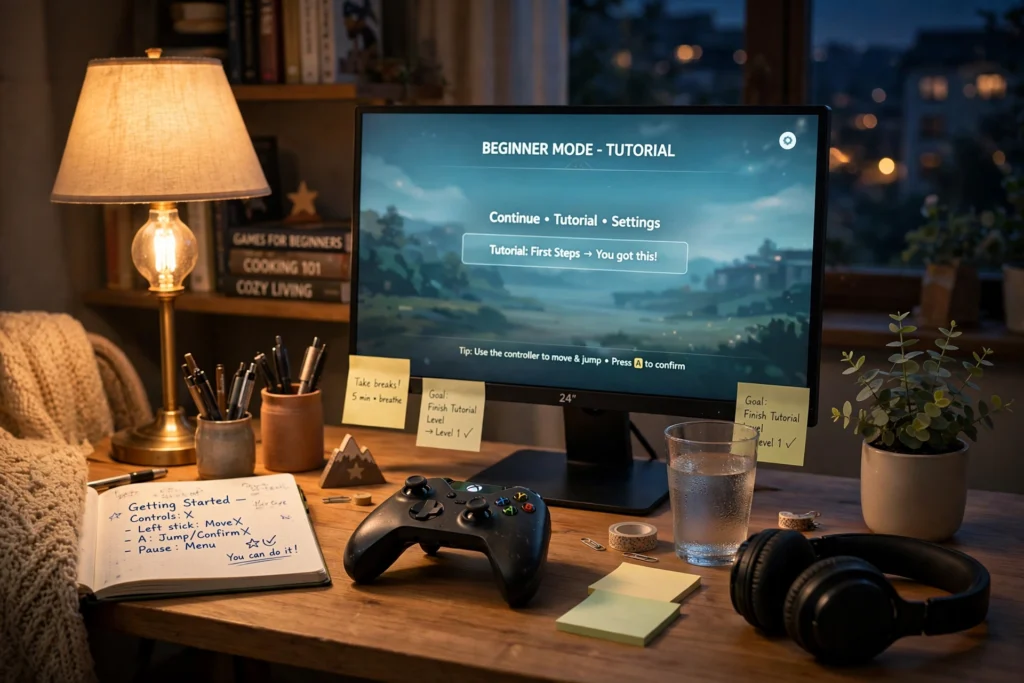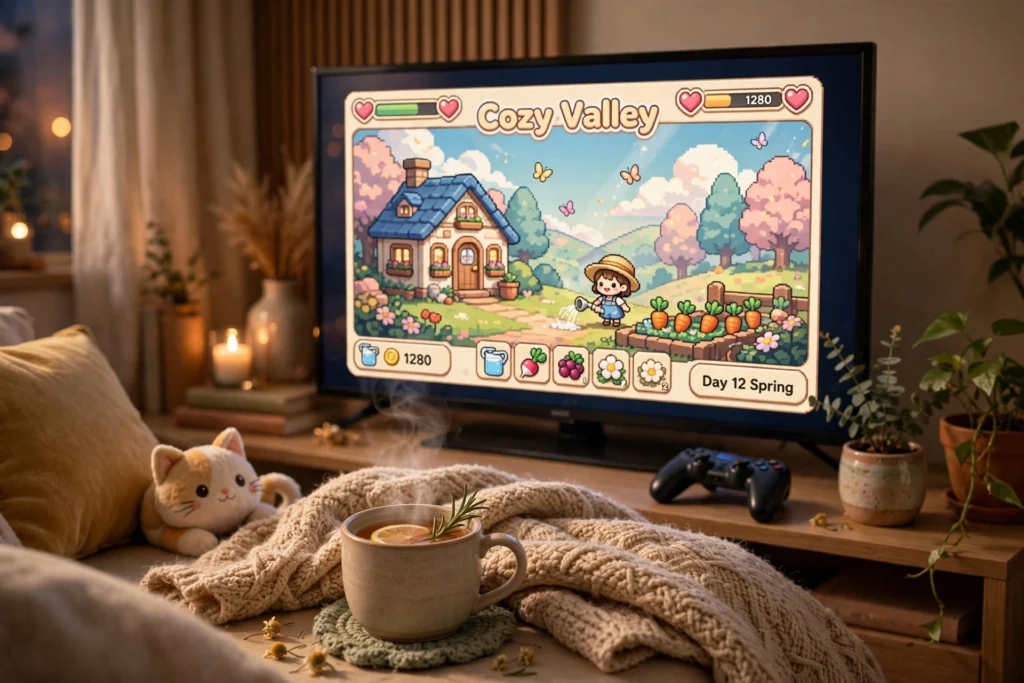
Wondering how to start retro gaming but feeling overwhelmed by cartridges, CRTs, and conflicting advice from internet forums? You’re not alone. Retro gaming — playing classic video games from the ’80s, ’90s, and early 2000s — has exploded into one of the most welcoming corners of the gaming hobby, drawing in everyone from nostalgic thirty-somethings to curious teenagers who just want to know what all the fuss about the original Super Mario Bros. was about. The good news: there has never been an easier, cheaper, or more approachable time to begin.
Here’s the thing most guides won’t tell you upfront: there is no single “correct” way to start retro gaming. You can hunt down the original console you grew up with, buy a cute plug-and-play mini console, or run classic games on hardware you already own through emulation. Each path has real advantages — different costs, different effort levels, and different kinds of satisfaction. This guide walks you through all three paths honestly, covers what you need to know about collecting without getting ripped off, and explains the legal basics of emulation in plain language. By the end, you’ll know exactly which road is yours.
What “Retro Gaming” Actually Means (And Why It Caught On)
“Retro” generally covers consoles and games from roughly the late 1970s through the mid-2000s — think the NES, SNES, Sega Genesis, PlayStation 1, Nintendo 64, and Game Boy family, plus the arcade era. What counts as retro shifts over time (the PlayStation 2 and GameCube now qualify), but the spirit is the same: games from an era when design had to be clever because hardware was limited.
Why start retro gaming now? For many, it’s nostalgia — replaying the games of childhood. For others, it’s discovery: classic games are often shorter, clearer, and more immediately fun than modern hundred-hour epics. There’s also a tangible, collectible side that modern digital gaming can’t match — the weight of a cartridge, the click of an old controller, the glow of a CRT. And practically speaking, retro gaming is one of the most budget-friendly ways into the hobby, since entire libraries of classics can be explored for the cost of a single new release.
Before choosing your path, it helps to answer one question: what do you want out of this? The authentic feel of original hardware on a period-correct TV? The convenience of a curated library you can play in minutes? Or the flexibility and low cost of playing on a PC or phone you already own? Your answer points to your path.
Path 1: Original Hardware — The Authentic Experience
Playing on the real console, with the real controller, ideally on the real kind of TV — this is retro gaming in its purest form, and for many enthusiasts it’s the only way that counts. If you want to know how to start retro gaming with maximum authenticity, this path is for you.
What You’ll Need
At minimum: the console, at least one controller, the right cables, and games. Most classic consoles connect via composite (the yellow-red-white RCA cables) or RF adapters, and they’ll technically work on a modern TV — but they’ll look blurry and often suffer from noticeable input lag, which makes precise games like platformers feel mushy. For the best experience, budget for either a CRT television (the bulky tube TVs these games were designed for) or a modern upscaler/scaler that converts the old signal cleanly for modern displays.
Finding Consoles and Games Without Getting Burned
Thrift stores, flea markets, estate sales, and local game shops are the classic hunting grounds, and half the fun is the hunt itself. Online, eBay and retro-specific retailers work, but prices vary wildly. A few beginner rules: always test before you buy when possible (reputable local shops usually have test stations); learn the common failure points of your chosen console (for example, disc-based systems like the PlayStation 1 and Sega CD have lasers that wear out, while cartridge systems are nearly indestructible); and be wary of “untested” listings, which usually means “broken.” Start with one console and a handful of games rather than trying to build a collection overnight — you’ll learn what you actually enjoy.
The Real Costs and Trade-Offs
Original hardware is the most expensive and most hands-on path. A console in good condition might run $60–$150 depending on the system, popular games can range from a few dollars to collector prices for rare titles, and a decent CRT is often free on local marketplaces but requires space and a strong back. You’ll also occasionally need to clean cartridges (isopropyl alcohol and a cotton swab work wonders) or replace save batteries in old carts. The payoff is authenticity: zero emulation quirks, real controller feel, and the deep satisfaction of owning a piece of gaming history. If the ritual matters as much as the games, this path is worth every penny.
Path 2: Modern Mini Consoles — The Easy Front Door
If Path 1 sounds like a hobby in itself, mini consoles are the shortcut. These are officially licensed, plug-and-play recreations of classic systems — the NES Classic, SNES Classic, Sega Genesis Mini, PlayStation Classic, and newer entries like the Atari 2600+ — that come preloaded with a curated library of games and connect to modern TVs via HDMI.
Why Beginners Love Them
There’s genuinely no easier way to start retro gaming. Unbox, plug in HDMI and power, and you’re playing Super Mario Bros. 3 or Sonic the Hedgehog 2 within minutes. The games are officially licensed, the emulation is handled for you, save states let you save anywhere (a godsend in brutally difficult classics), and the included controllers faithfully recreate the originals. For someone who just wants to play the hits without research, maintenance, or hunting, this path is unbeatable.
What to Know Before Buying
The trade-offs are real: the game library is fixed (usually 20–40 titles, and you can’t officially add more), some minis were discontinued and now sell above retail on the secondhand market (the SNES Classic is the famous example), and emulation quality varies — the PlayStation Classic launched with a notably poor game selection and emulation, so check reviews for the specific unit. Prices typically run $80–$150 new when available. A mini console is a fantastic first step and a great gift, but if you catch the collecting bug, you’ll likely graduate to Path 1 or 3 eventually.
The Best Mini Consoles for Different Tastes
Nintendo fans should look at the NES Classic or SNES Classic for the definitive 8-bit and 16-bit libraries. Sega loyalists get an excellent package in the Genesis Mini, widely praised for its game selection and emulation quality. Arcade and Atari nostalgics have options like the Atari 2600+ (which also plays original cartridges — a nice bridge toward Path 1). Whatever your era, buy from reputable retailers, and if a unit is discontinued, compare secondhand prices against the cost of Path 3 before overpaying.
Path 3: Emulation Basics — The Flexible, Budget-Friendly Route
Emulation means running software that mimics classic hardware on a modern device — your PC, phone, or a handheld — so you can play retro games without the original console. It’s the cheapest and most flexible way to start retro gaming, and it’s how a huge portion of the community actually plays.
How Emulation Works (The 30-Second Version)
An emulator is a program that pretends to be an old console. You load a game file (called a ROM for cartridge systems or an ISO for disc systems) into the emulator, and it runs the game, often with enhancements the original hardware couldn’t do: save states, fast-forwarding through slow sections, graphical filters, and even online multiplayer in some cases. Popular beginner-friendly emulators include RetroArch (a multi-system front end), and standalone emulators for specific systems that are widely documented online.
Getting Set Up Without the Headache
The practical setup is simpler than its reputation suggests. On a PC, download a reputable emulator for the system you want, configure a controller (even an Xbox or PlayStation controller works beautifully), and load your game files. On Android, several excellent emulators exist; on iPhone, options have improved significantly in recent years. For a living-room experience, many beginners use a small single-board computer or an inexpensive emulation handheld — dedicated devices that boot straight into a game library and feel like a real console. Start with one system, get comfortable, and expand from there.
A Brief, Plain-Language Note on the Legal Side
This is the part that confuses everyone, so here’s the honest summary: emulators themselves are legal software. The legal questions surround the game files. Downloading ROMs of games you don’t own is copyright infringement in most jurisdictions, including the US — and “abandonware” is not a legal category, no matter what old websites claim. What is generally accepted as legitimate: buying games through official re-releases and digital storefronts, using compilation packs sold by publishers, and dumping ROMs from cartridges you physically own (the legality of personal backups varies by jurisdiction, but it’s the most defensible position). Nintendo, Sony, and Sega all actively protect their back catalogs, and rights holders have shut down major ROM sites. The practical beginner advice: prioritize official channels first — mini consoles, publisher compilations, and subscription libraries like Nintendo Switch Online’s classic games — and understand the legal landscape before venturing beyond them.
Collecting Tips: Building a Library You’ll Actually Play
Whichever path you choose, a few collecting principles will save you money and regret. First, play before you pay a premium — use Path 2 or 3 to discover which games you genuinely love before spending collector money on original copies. Second, learn price history: check recently sold listings (not asking prices) on auction sites before buying anything over $30, since retro prices swing with hype cycles. Third, condition matters more than completeness for players — a clean, working cartridge beats a mint-in-box trophy you’ll never open. Fourth, beware fakes: popular games like Pokémon cartridges are heavily counterfeited; learn the tells (label quality, shell screws, save behavior) or buy from trusted shops. Finally, collect for your shelf, not for speculation — the market fluctuates, but a game you love is never a bad purchase.
Storage matters too: keep cartridges upright in a cool, dry place away from sunlight, store discs vertically in cases, and keep controllers’ cables loosely coiled rather than tightly wrapped. A little care keeps a collection playable for decades — these things were built to last.
Which Path Is Right for You?
Still deciding how to start retro gaming? Here’s the honest breakdown:
- Choose original hardware if: authenticity is the point for you, you enjoy tinkering and hunting, you have space for a CRT or budget for a scaler, and you find the ritual of cartridges and real controllers deeply satisfying.
- Choose a mini console if: you want to play the classics this weekend with zero learning curve, you value official licensing and simplicity, and you’re happy with a curated library rather than an open-ended collection.
- Choose emulation if: budget matters most, you want the widest library and the most features (save states, enhancements, portability), and you’re comfortable with a small amount of technical setup — while respecting the legal basics above.
Many retro gamers end up blending paths: a mini console on the TV for casual play, emulation on a handheld for travel, and one beloved original console for the full nostalgic ritual. There’s no wrong answer — only the one that gets you playing.
Frequently Asked Questions
What is the cheapest way to start retro gaming?
Emulation on hardware you already own costs nothing beyond your time — a PC, Mac, or even a phone can run classic games through free emulators. If you want a physical device, inexpensive emulation handhelds start around $30–$50 and play thousands of classics. Mini consoles ($80–$150) are the cheapest official plug-and-play option, while original hardware is the priciest path once you factor in games and display solutions.
Is emulation legal?
Emulators themselves are legal. Downloading game ROMs you don’t own is copyright infringement in the US and most other countries. The safest approach for beginners is to play retro games through official channels — mini consoles, publisher compilations, digital re-releases, and subscription services like Nintendo Switch Online — and to understand that “abandonware” has no legal standing. Dumping ROMs from cartridges you own sits in a gray area that varies by jurisdiction.
Do I need a CRT TV for retro gaming?
Not strictly, but classic games were designed for CRTs and look noticeably better on them — modern flat panels can make old games look blurry or add input lag. That said, many beginners are perfectly happy playing on a modern TV, especially via mini consoles or emulation with good filters and scalers. A CRT is the enthusiast’s choice, not a beginner requirement. If you go original hardware, a scaler or a CRT are both valid upgrades to consider later.
What are the best retro consoles for beginners?
The SNES and Sega Genesis are the classic beginner recommendations: huge libraries, affordable common games, durable cartridge hardware, and controllers that feel great. The NES is iconic but its games can be brutally difficult for newcomers. The PlayStation 1 has an incredible library but disc-based hardware needs more maintenance. If you’d rather skip hardware entirely, start with a SNES Classic mini console or SNES emulation — the library is arguably the strongest in retro gaming.
How do I know if a retro game cartridge is fake?
Counterfeits are common for popular titles. Warning signs include blurry or off-color labels, incorrect screws on the cartridge shell, games that don’t save properly, and prices far below market value. Compare against photos of legitimate copies, buy from reputable local game shops when possible, and for expensive purchases, ask the seller for board photos. When in doubt, emulation or official re-releases let you play the game without the authenticity gamble.
Where can I play classic games officially and legally?
Nintendo Switch Online includes libraries of NES, SNES, Game Boy, and Nintendo 64 games with a subscription. Publisher compilations (like the Sega Genesis Classics collection or Capcom arcade packs) are sold on modern consoles and PC. Mini consoles are fully licensed. Digital storefronts also sell individual classic re-releases. These official routes are the simplest way to build a guilt-free retro library.
How much space does a retro gaming setup need?
As little or as much as you want. An emulation handheld fits in a pocket; a mini console needs a spare HDMI port. Original hardware ranges from a single console on a shelf to a dedicated corner with a CRT — a comfortable starter CRT setup fits in about four square feet. Start small; the setup can grow with your interest.
What’s the difference between a ROM, an ISO, and a flash cart?
A ROM is a digital copy of a cartridge-based game’s data; an ISO is a digital copy of a disc-based game. A flash cart is a physical cartridge (like the EverDrive) that lets you load ROM files onto real original hardware via an SD card — it’s the bridge between Path 1 and Path 3, giving you authentic hardware with a digital library. Flash carts are popular with hardware enthusiasts, though the same legal considerations around ROM files apply.
Conclusion: Pick a Path and Press Start
Learning how to start retro gaming comes down to one decision: authenticity, convenience, or flexibility. Original hardware delivers the real thing, mini consoles deliver it tonight with no fuss, and emulation delivers nearly everything for nearly nothing. Whichever path you choose, start with the games that made you curious in the first place — that one title a friend won’t stop talking about, or the game you remember from a childhood living room. Play a few classics, figure out what clicks, and let your setup grow from there. The pixelated past is waiting, and getting into it has never been easier.