Walking up to a nightclub for the first time can feel like approaching a private party you were not quite invited to — the line, the bouncer, the dress code, the mysterious economics of bottle service. This Nightclub Guide for First-Timers demystifies all of it. Nightclubs operate on a different logic than bars, concerts, or house parties: they sell an atmosphere as much as they sell drinks, and understanding how the door, the dress code, the cover charge, and the floor all work turns an intimidating night into one of the most fun evenings you can have. Whether you are heading out for a 21st birthday, a bachelorette weekend, or just curiosity, here is everything you need to know before you go.
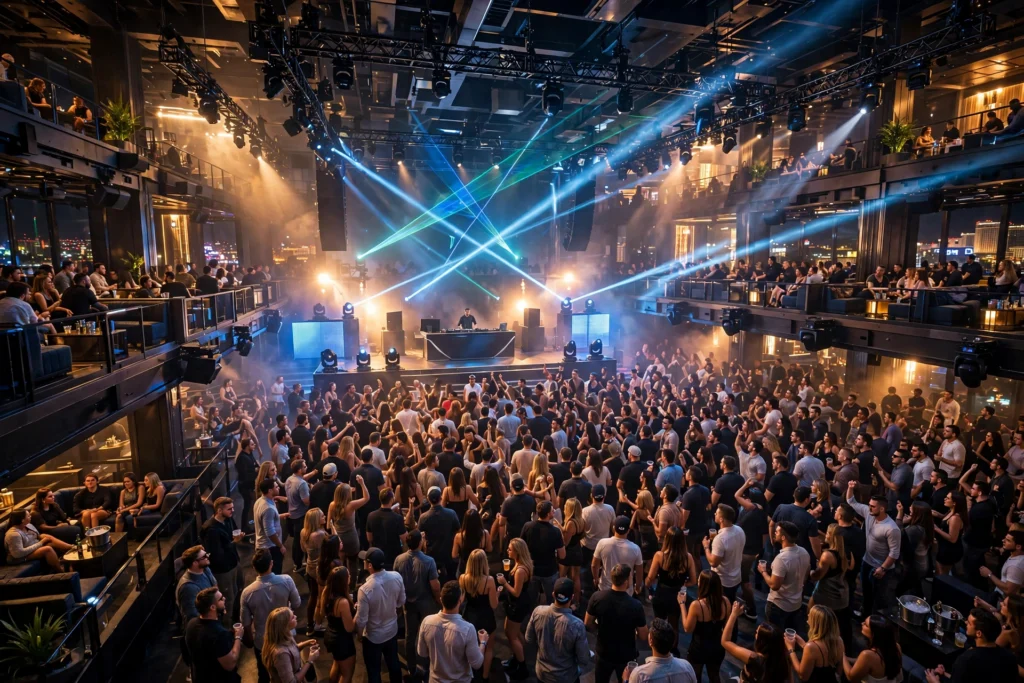
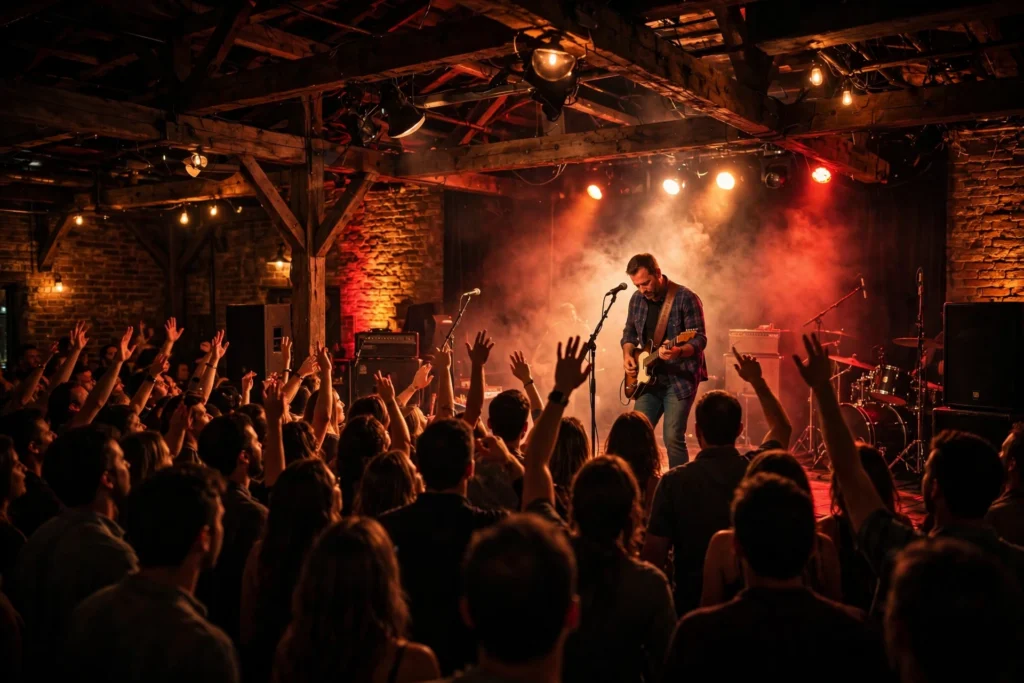
First, the big picture: a nightclub is a late-night venue built around DJs, dancing, and high-energy production — lighting, sound systems, and sometimes full stage shows. Unlike a bar, where the point is conversation over drinks, the club’s point is the collective experience of the dance floor. That difference shapes everything: the dress code is stricter because the venue is curating a look, the cover charge exists because the DJ and production cost real money, and the etiquette revolves around shared space rather than barstool manners. (If you want the bar side of nightlife manners — ordering, tipping, seating — our bar etiquette guide for beginners covers that world; this guide is strictly about the club.)
What to Expect: Anatomy of a Club Night
A typical nightclub evening runs later than you think. Most clubs do not get going until 11 p.m. or midnight, peak between 12:30 and 2 a.m., and close between 2 and 4 a.m. depending on local laws. Arriving at 10 p.m. means an empty floor and cheaper (or no) cover; arriving at 1 a.m. means the full experience and the longest line. Plan your night around that curve: dinner at 8, pre-game at 10, club at 11:30 or midnight.
Inside, expect zones. The dance floor is the heart — packed, loud, and the reason everyone came. Around it sit the bars (usually two or three, with different lines), VIP tables and roped-off sections along the perimeter or on raised platforms, and often a patio or smoking area that doubles as the cool-down zone. Bathrooms develop lines by 1 a.m.; go early. Coat check exists at most serious clubs — use it, because the dance floor is no place for a jacket you care about. Sound levels are genuinely loud, often 100+ decibels near the speakers; regulars wear high-fidelity earplugs, and you should consider it too.
Dress Codes Decoded
The dress code is the number-one reason first-timers get turned away at the door, and it is also the easiest thing to get right. Clubs enforce dress codes because the crowd’s look is part of the product — the bouncer is, in a real sense, casting the room. Rules vary by city and venue tier, but the patterns are consistent:
| Category | Usually Welcome | Usually Rejected |
|---|---|---|
| Tops | Collared shirts, fashionable blouses, stylish tees at casual clubs | Jerseys, tank tops, graphic tees at upscale clubs |
| Bottoms | Dark jeans (no rips), chinos, dresses, skirts | Shorts, cargo pants, athletic wear, ripped jeans |
| Shoes | Dress shoes, clean sneakers at casual clubs, heels, boots | Flip-flops, sandals, athletic sneakers, work boots |
| Accessories | Minimal jewelry, small bags | Chains, hats, sunglasses indoors, backpacks |
The golden rule: when in doubt, dress one level up from what you think is required. A safe universal outfit is dark jeans or chinos with a collared shirt and clean dress shoes for men, and a dress or elevated top-and-bottom combo with heels or dressy flats for women — but the real move is checking the club’s Instagram. Venues post crowd photos constantly, and matching the energy you see there is more reliable than any written policy. Athletic wear is the universal enemy: no jerseys, no gym shorts, no basketball sneakers, no matter how expensive they were. And grooming counts — clubs in cities like Las Vegas and Miami are known for turning away groups whose overall presentation reads sloppy, so make the effort.
Cover Charges: What You Pay and Why
The cover charge — typically $20 to $50, higher for big-name DJs and holiday weekends — pays for the talent and the production. It is not a scam and it is not negotiable at the door. A few things first-timers should know: cover is usually cash-friendly but cards are accepted; prices rise as the night goes on (early arrival can literally save you $20); and some clubs charge different prices for different entry points, with the main line cheapest. Ladies’ nights and industry nights can mean reduced or free cover on specific weeknights — check the club’s event calendar.
Never argue about the cover with the door staff. The price is the price, and debating it marks you as exactly the kind of guest the door is designed to filter. If the cover seems steep, remember you are paying for a headliner DJ, a six-figure sound system, and a room full of people who all chose to be there — that is the product. Budget for it the way you would budget for a concert ticket, because that is essentially what it is.
Guest Lists: Skipping the Line (Legitimately)
The guest list is the club world’s open secret: most venues maintain one, and getting on it is easier than it looks. Being on the guest list typically means reduced cover or free entry before a certain time (often midnight or 1 a.m.) and sometimes a separate, shorter line. How to get on it: sign up on the club’s website, text the number listed on their social media, or ask a promoter — clubs employ promoters specifically to fill the room, and they are easy to find on Instagram. There is no catch; promoters are paid based on the crowd they bring, so they want you there.
Guest list rules to respect: arrive before the cutoff time or the deal evaporates, bring the ID that matches the name you signed up with, and understand that the guest list covers entry — not drinks, not a table, not special treatment inside. Groups should sign up under one name with an accurate headcount. And a warning: only use the club’s official channels or promoters you can verify. Anyone selling “guaranteed entry” for cash on the street is running a hustle, not a guest list.
Bottle Service Explained
Bottle service is the velvet-rope economy made visible: you reserve a table, the club brings whole bottles of liquor with mixers to it, and you get a home base with seating, space, and status for the night. It is expensive — and understanding the real cost keeps it from being a nasty surprise.
| Component | Typical Range | Notes |
|---|---|---|
| Minimum spend | $300–$2,000+ | Varies hugely by city, night, and table location |
| Tax and service fees | 20–35% on top | Auto-gratuity plus venue fees; always ask what is included |
| Extra tip | At your discretion | On top of auto-gratuity for great service |
When does bottle service make sense? For groups of six or more celebrating something — birthdays, bachelorettes, big weekends — splitting a minimum can cost less per person than buying individual drinks all night at $15 to $20 each, and you get seating in a venue where seating is otherwise nonexistent. In Las Vegas, where the best nightclubs in Las Vegas practically invented the modern bottle-service model, table minimums on big DJ nights can climb into the thousands — reserve ahead and confirm every fee in writing. What bottle service does not do: it does not make the DJ play your song, it does not let you skip every rule, and it does not impress anyone who works there. Treat your server well, do not stand on the furniture, and remember the table next to you paid just as much.
Safety: Drinks, Transport, and the Buddy System
Clubs are high-energy environments where it pays to be deliberate about safety. These are the non-negotiables:
- Watch your drink from pour to lips. Never accept a drink from a stranger that you did not see poured or opened, never leave your drink unattended — not for the bathroom, not for the dance floor — and if a drink tastes wrong, stop drinking it. The buddy system applies to drinks too: watch each other’s cups.
- Set a drink pace and stick to it. Club drinks are strong, the music makes time disappear, and dehydration from dancing amplifies everything. One drink per hour, water between rounds, and food before you arrive is the formula that keeps the night fun instead of regrettable.
- Plan your ride home before you go out. Decide in advance: designated driver, rideshare, or hotel within walking distance. Save the rideshare app, screenshot your hotel address, and agree with your group on a departure time and a meeting spot. Never get into an unmarked car offering rides outside the club.
- Keep your group connected. Clubs are loud, dark, and crowded — it is shockingly easy to lose people. Share live locations on your phones, set check-in times, and designate one meeting point inside and one outside. If someone wants to leave with a stranger, the group rule should be: nobody leaves alone with someone they just met.
- Secure your valuables. Bring only what you need: ID, one card, some cash, phone. Front pockets or a crossbody bag worn in front; nothing in back pockets on a packed dance floor. Use coat check for anything you cannot afford to lose.
- Know the exits. When you arrive, note where the exits are — not just the main entrance. It is a two-second habit that matters in any crowded venue.
Nightclub Etiquette: The Unwritten Rules
Club etiquette is about shared space, not table manners. The dance floor is communal — move with awareness of the people around you, do not shove through the crowd with your elbows out, and respect personal space even when it is tight. If you bump someone, a quick gesture of apology costs nothing. Do not grind on strangers, do not grab people to dance, and take “no” — verbal or body language — as final, instantly, without commentary.
A few club-specific rules first-timers often miss: do not touch the DJ or the DJ booth — the booth is a workspace, requests go through staff or not at all, and reaching for the equipment is the fastest way to get removed. Tip your bartender well and early; a good first tip means faster service all night in a three-deep bar. Do not take photos of strangers without asking — plenty of people are out precisely because they expect a degree of anonymity, and flash photography on the dance floor is unwelcome. If the club has a no-photo policy (common at upscale venues), respect it completely. And when staff — security, bartenders, bathroom attendants — ask you to do something, do it. Arguing with security never ends in your favor.
What to Bring (and What to Leave Home)
- Bring: valid physical ID (most clubs do not accept photos of IDs or expired documents; passports work but risk loss — a driver’s license is ideal), one credit or debit card, $40–$60 cash for cover and tips, your phone, and high-fidelity earplugs if you have them.
- Leave home: backpacks and large bags (most clubs ban them), outside drinks or snacks, professional cameras (phone cameras are fine where photos are allowed), valuables you would hate to lose, and anything that could read as a weapon to security — including, in some venues, heavy chains and studded accessories.
- Wear: comfortable shoes you can stand and dance in for four hours. This is the most underrated advice in clubbing: the night is long, the floor is hard, and brand-new heels or stiff dress shoes will end your evening early. Break shoes in beforehand.
After the Club: The Afterparty Question
When the lights come up and the music stops, the night does not have to end — but this is where first-timers should be most careful. Legitimate after-hours options include 24-hour diners, late-night taco trucks, and licensed after-hours venues in cities that allow them. What you should be cautious about is the unofficial afterparty: the stranger inviting your group to a “party” at an unknown address. The safe rule is simple — only go to afterparties hosted by people you actually know and trust, at places you can verify. Keep your group together, keep your phone charged, and remember that your pre-planned ride home is still the plan unless the whole group agrees otherwise. Some of the best nights end at 2 a.m. with breakfast food and stories; there is no obligation to chase the night until sunrise.
Frequently Asked Questions
What age do you have to be to get into a nightclub?
In most US cities, 21+ is the standard for nightclubs because they serve alcohol — some cities have 18+ nights or venues, but these are the exception and usually advertised explicitly. Bring a valid, non-expired physical ID; bouncers check carefully, and fakes are confiscated on the spot in many venues.
Can I go to a nightclub alone?
Yes, and plenty of people do — especially for big DJ nights where the crowd is there for the music. Solo clubbers should be extra deliberate about safety: keep your drink with you at all times, stay aware of your surroundings, arrange your ride home in advance, and consider earplugs and a crossbody bag. The dance floor is genuinely welcoming to solo dancers; nobody is watching you as closely as you fear.
How much money should I bring to a nightclub?
Budget $80 to $150 for a standard night: $20–$50 cover, $40–$80 for drinks (three to four drinks at club prices), plus cash for tips and your ride home. Big-event nights and bottle service raise the ceiling considerably. It is better to over-budget and leave with cash than to run short at 1 a.m.
Do I have to dance?
No — and nobody is keeping score. Plenty of people spend the night at the bar, on the patio, or posted up with their group watching the room. That said, the dance floor is where the night’s energy lives, and even reluctant dancers usually find themselves moving once the right song hits. There is no wrong way to enjoy a club.
What time should first-timers arrive?
Aim for 11 p.m. to midnight. Earlier means short lines and cheaper cover but a thin crowd; much later means peak energy but long waits and higher prices. The 11:30 arrival is the sweet spot: the room is filling, the opening DJ is warming up, and you can settle in before the headliner.
Are drinks really that expensive?
Yes — $12 to $20 per cocktail is normal, more in Las Vegas, Miami, and New York. Beer is the budget play at $7 to $10. This is why pre-gaming (responsibly, with food and water) is a universal tradition: arrive pleasantly buzzed, then nurse one drink per hour inside.
Your first nightclub night does not need to be perfect — it just needs the basics: the right outfit, your ID, a plan for getting home, and friends who look out for each other. Get those right and the rest takes care of itself: the music, the crowd, the 1 a.m. moment when the whole room moves together. Every regular was a first-timer once. Now you know what they learned the hard way.