Learning how to plan a picnic event is one of the most useful hosting skills you can have. A well-planned picnic — whether it is a romantic date for two, a family reunion for fifty, or a company outing for two hundred — delivers maximum joy for minimum cost. No venue rental, no catering minimums, just good food, fresh air, and people you like. But the difference between a magical afternoon and a soggy, ant-infested disappointment is planning.
This guide walks you through every step: choosing the right location, building a guest list and invitations, planning a menu that survives outdoors, essential equipment, games and activities, decor on a budget, weather backup plans, and a printable-style master checklist. Follow it once and you will be the person everyone asks to organize the next one.
Step 1: Define Your Picnic Event
Before anything else, answer four questions. What is the occasion? A birthday, reunion, team-building day, or just-because gathering sets the tone and the guest list. How many people? Be honest — headcount drives every other decision, from park permits to cooler capacity. Add 10% to your estimate for last-minute tagalongs. What is the vibe? Elegant (charcuterie, linen, acoustic playlist), casual (sandwiches, frisbee, coolers), or themed (see ideas below)? What is the budget? Picnics scale beautifully: $100 covers a lovely gathering for ten; $1,000+ covers a catered company event.
Write these answers down. Every decision below gets easier when you can check it against the occasion, headcount, vibe, and budget.
Step 2: Choose the Perfect Location
Location makes or breaks a picnic. Evaluate candidates on five criteria:
- Space and layout: Enough flat ground for your group plus activity zones. A group of 20 needs far less than a group of 100 — but everyone needs room to spread out.
- Shade: Mature trees are ideal. If the site lacks shade, you will need pop-up canopies — budget one 10×10 canopy per 8–10 guests.
- Restrooms: Non-negotiable for events over two hours or with kids and older guests. Check distance from your setup spot.
- Parking and access: Consider guests with mobility issues, strollers, and heavy coolers. A beautiful meadow a half-mile from parking is a logistical nightmare.
- Rules and permits: Many parks require permits for groups over a certain size (often 25–50), and rules on alcohol, amplified music, stakes/tents, and grills vary widely. Call the parks department — do not assume.
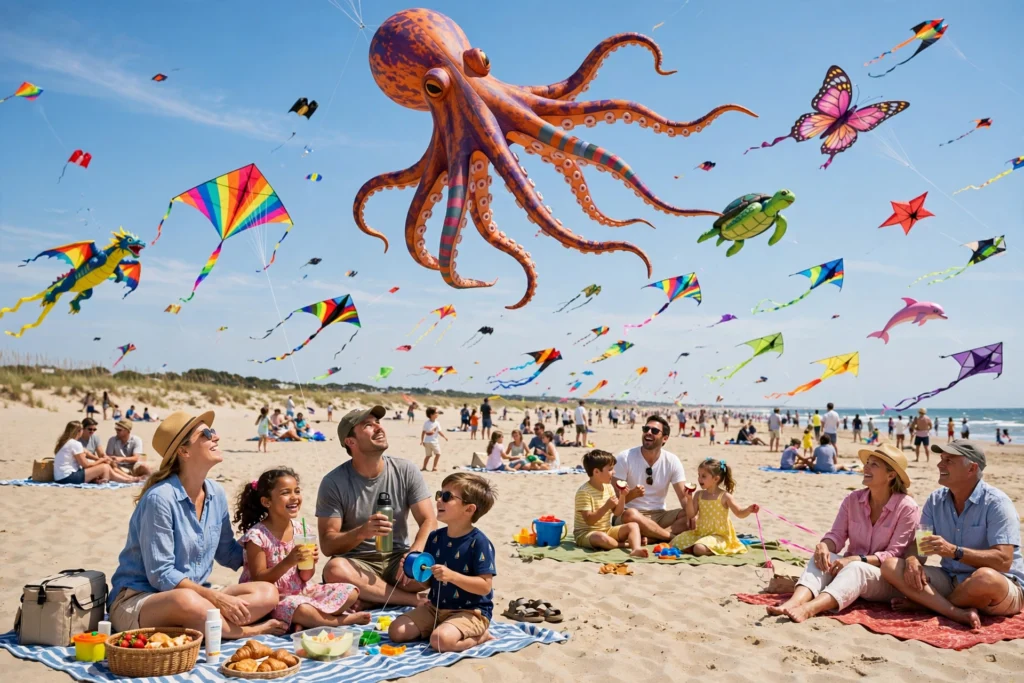
Best location types: city and county parks with reservable shelters (the gold standard — shelter + tables + grills + restrooms), beaches (check fire and alcohol rules), botanical gardens (often allow picnics in designated areas), private backyards and farms (maximum control, zero permits), and lakeshores with swimming areas (build in water safety planning).
Scout your location in person, ideally at the same time of day and day of week as your event. A park that is serene on a Tuesday morning may host youth soccer tournaments on Saturdays.
Step 3: Invitations and Guest Management
Send invitations 3–4 weeks ahead for casual gatherings, 6–8 weeks for reunions or company events. Include the essentials people always forget: the exact meeting spot (a pinned map location, not just the park name — parks are big), start and end times, what to bring (and what not to), the rain plan, parking instructions, and whether kids and dogs are welcome.
For potluck-style events, coordinate dishes with a shared sign-up sheet to avoid twelve potato salads. Assign categories (mains, sides, desserts, drinks, supplies) and let people claim them. For hosted events where you provide everything, say so clearly — guests will otherwise bring redundant food out of politeness.
Track RSVPs in one place and send a reminder 3 days before with the weather forecast and any final logistics. The reminder message is also the moment to confirm your volunteer assignments (see below).
Step 4: Plan a Menu That Survives Outdoors
Outdoor food has enemies: heat, time, insects, and wind. Build your menu around foods that are safe and delicious at ambient temperature for 2–3 hours.
The Winning Formula
| Course | Best Picnic Picks | Avoid |
|---|---|---|
| Mains | Fried chicken, wraps, sandwiches, grain bowls, quiche, empanadas | Anything needing precise serving temperature; fussy plating |
| Sides | Pasta salad (vinaigrette-based), slaw, fruit salad, crudités, chips and dip | Mayo-heavy salads in heat; leafy salads that wilt |
| Snacks | Cheese and charcuterie, hummus, nuts, popcorn, pickles | Chocolate (melts); anything requiring refrigeration every hour |
| Desserts | Brownies, blondies, cookies, lemon bars, whole fruit | Ice cream (unless you have dry ice); frosted cakes in sun |
| Drinks | Infused water, lemonade, iced tea, canned beverages | Glass bottles where prohibited; drinks needing blenders |
Food Safety Rules
The two-hour rule is the law of picnic physics: perishable food should not sit out more than two hours (one hour above 90°F). Keep cold foods in coolers with ice packs until serving time, and put out half the food at a time — replenish from the cooler rather than letting everything bake in the sun. Label dishes with common allergens (nuts, dairy, gluten); a simple index card tent per dish takes seconds and prevents emergencies. If you are sourcing fresh ingredients, a morning trip to one of the best farmers markets in the USA near you elevates the whole spread.
Drinks and Hydration
Plan one gallon of water per 8–10 guests for a four-hour event, plus other beverages. Big-batch dispensers with infused water (cucumber-mint, strawberry-basil) look beautiful and cost almost nothing. If serving alcohol, check park rules first — many require permits. Always provide appealing non-alcoholic options; not everyone drinks, and day drinking in the sun dehydrates fast.
Step 5: Equipment and Supplies Checklist
This is the master list. For small picnics (under 15), you need the basics; for large events, you need all of it plus rentals.
- Seating: Picnic blankets (one per 2–3 people), folding chairs, and cushions. A mix lets guests choose comfort level.
- Shade: Pop-up canopies, large umbrellas, or a rented tent for big groups. Weight canopy legs — wind is the enemy.
- Tables: Folding tables for the buffet line (one 6-foot table per 15–20 guests) plus a separate drinks station.
- Serving: Serving spoons, tongs, cutting board and knife, tablecloths (with clips for wind), food tents or mesh covers against insects.
- Eating: Plates, cups, napkins, utensils — sturdy disposable or reusable sets. Bring 20% more than headcount.
- Cooling: Coolers with ice packs (separate food and drinks), insulated dispensers for beverages.
- Comfort: Sunscreen, bug spray, first-aid kit, hand wipes and sanitizer, paper towels.
- Cleanup: Trash bags, recycling bags, a dustpan or small broom for the shelter, containers for leftovers.
- Fun: Games (below), Bluetooth speaker, camera or instant camera for memories.
- Logistics: Wagon or cart for hauling gear from parking, extension cords if using the shelter’s outlets, tape and markers for labeling.
Step 6: Games and Activities for All Ages
Activities turn a meal into an event. Plan a mix of active, creative, and low-key options so every guest finds their thing.
Classic Lawn Games
Cornhole, bocce ball, ladder toss, giant Jenga, and croquet are picnic royalty: easy to learn, playable while holding a drink, and genuinely fun across generations. Spikeball and Kan Jam skew younger and more competitive. A simple three-legged race or egg-and-spoon relay costs nothing and produces the day’s best photos.
For Kids
Bubble stations, sidewalk chalk, scavenger hunts (with a printed list: “something red, something smooth, something that makes noise”), water balloons or sponge toss on hot days, and a craft table with friendship bracelets or painted rocks. Assign one adult as the unofficial kids’-zone coordinator — structure prevents chaos.
For Adults
Trivia (picnic-themed or about the guest of honor), two truths and a lie as an icebreaker for mixed groups, a friendly tournament bracket for cornhole with a silly trophy, or live acoustic music if someone plays. Keep organized activities optional — many adults are happiest chatting on a blanket.
Quiet Corners
Not everyone wants games. A hammock, a stack of magazines, or a simple “conversation blanket” with prompt cards gives introverts and grandparents a comfortable role. The best-planned picnics accommodate all energy levels.
Step 7: Decor on a Budget
You do not need a wedding planner’s budget. A cohesive color scheme (two or three colors) across tablecloths, napkins, and a few balloons or bunting instantly looks intentional. Mason jars with wildflowers or grocery-store blooms make perfect centerpieces. A chalkboard welcome sign with the event name and Wi-Fi-free zone humor sets the tone at the entrance. String lights or solar lanterns extend the magic if your event runs into evening. Skip anything that will blow away, melt, or require staking into park ground (often prohibited).
Step 8: Themes That Elevate the Day
- Vintage Americana: Gingham, mason jars, apple pie, bluegrass playlist. Perfect for fall apple-picking season gatherings.
- International potluck: Each guest brings a dish from a different country; decorate with world maps and flags.
- Breakfast picnic: Morning event with pastries, fruit, quiche, and coffee bar — done by noon, no heat issues.
- Sunset picnic: Evening timing, golden-hour photos, string lights, and a more romantic or sophisticated menu.
- Decade party: 70s, 80s, or 90s dress code with era-appropriate music and food.
- Field day: Full Olympics-style tournament with team colors, scoreboard, and medals.
Step 9: The Weather Backup Plan
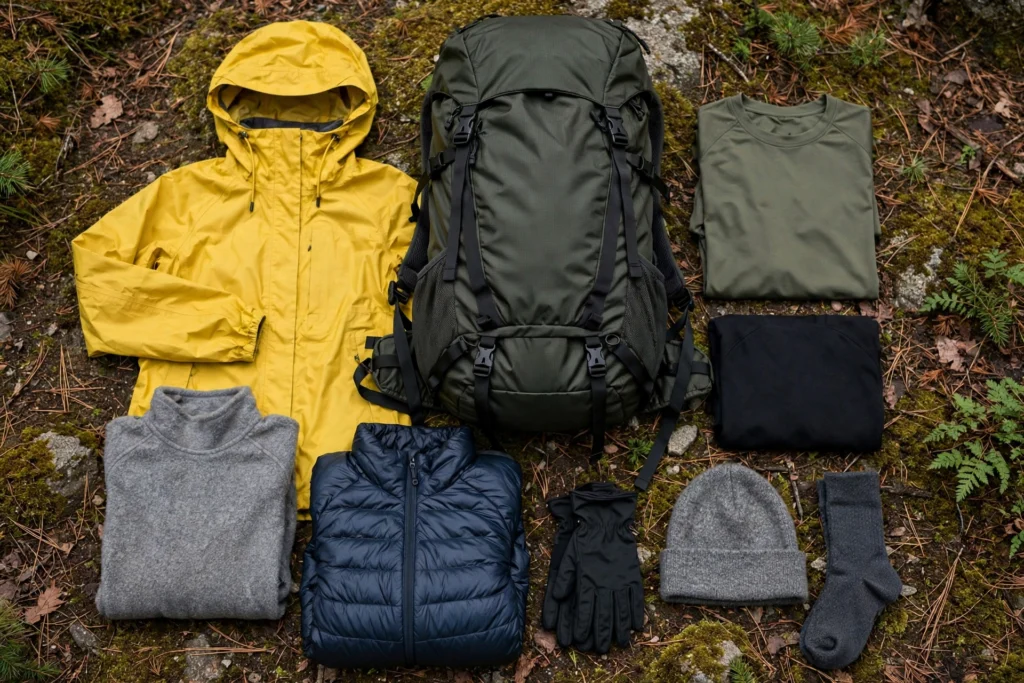
Hope for sun, plan for rain. Your invitation should state the rain plan upfront: options include moving to a park shelter (reserve one as backup even if you plan open lawn), shifting to a host’s garage or home, or setting a rain date. Check the forecast 72 hours out, 24 hours out, and the morning of. Make the go/no-go call early enough for guests to adjust — waiting until the last minute strands people. A “rain or shine” declaration works only if you genuinely have a covered option; otherwise, rescheduling beats a miserable soggy afternoon. For the full breakdown, see our guide to packing for outdoor events in changeable weather.
Step 10: Day-Of Timeline
| When | What |
|---|---|
| 2–3 hours before | Arrive with setup crew; claim and lay out the space; set up canopies, tables, and decor |
| 90 minutes before | Set up food stations (covered); arrange games; test music; set out drinks on ice |
| 30 minutes before | Put out cold foods; final walkthrough; assign a greeter for arrivals |
| Start time | Welcome guests; point out food, restrooms, and activities; relax — the plan is running |
| Mid-event | Replenish food from coolers; start organized games; take group photos before people drift |
| Last hour | Begin gentle cleanup of food stations; distribute leftovers; thank volunteers |
| After | Full cleanup — leave the site cleaner than you found it; return rentals; send thank-you messages |
Frequently Asked Questions
How far in advance should I plan a picnic event?
Four to six weeks for groups under 30; two to three months for large events needing permits, rentals, or catering. Park shelters in popular cities book out months ahead for spring and summer weekends — reserve the space before you send invitations.
How much food do I need per person?
Plan roughly 1–1.5 pounds of food total per adult for a meal-length event: about 6 oz of main dish protein, 2–3 sides (half-cup each), plus snacks and dessert. For mixed potlucks, ask each contributing household to bring enough for 8–10 servings. It is always better to have leftovers than to run out.
Do I need a permit for a picnic in a public park?
Often, yes, for groups above 25–50 people (thresholds vary by city). Permits may also be required for canopies, amplified sound, grills, and alcohol regardless of group size. Check your parks department website or call — fines for unpermitted large gatherings are real.
How do I keep food cold without a dozen coolers?
Freeze water bottles to double as ice packs and drinks; use one large cooler per food category; keep coolers in shade and open them minimally; serve in two waves so half the food stays chilled. For big events, renting a refrigerated catering cooler for the day is surprisingly affordable.
What is the best time of day for a picnic event?
Late morning to mid-afternoon (11 a.m.–3 p.m.) is classic, but late afternoon into sunset (4–8 p.m.) is increasingly popular — softer light, cooler temperatures, and a natural endpoint. Avoid the 12–2 p.m. peak sun in summer unless you have serious shade.
How do I handle dietary restrictions?
Ask on the RSVP, label every dish with major allergens, and ensure at least one substantial option each for vegetarian, vegan, and gluten-free guests. Keep serving utensils separate per dish to avoid cross-contact. When in doubt, a build-your-own format (taco bar, grain bowls) lets everyone assemble safely.
What if it rains on picnic day?
Execute the rain plan you announced in the invitation — shelter, indoor backup, or rain date. Make the call the evening before or morning of, and communicate it through the same channel as the invitation. Guests forgive a postponement; they resent standing in the rain.
How do I keep bugs away from the food?
Mesh food tents over every serving dish, citronella candles around (not on) the buffet, covered dispensers for drinks, and prompt cleanup of spills. Assign someone to re-cover dishes between servings — it takes seconds and makes a huge difference.
You Are Ready to Host
The secret of great picnic planners is not perfection — it is checklists, early setup, and a calm attitude when small things go sideways (a dish spills, the wind steals the napkins, the kids eat dessert first). None of it matters. What guests remember is sunshine, good food, and being together outside. If you enjoy organizing outdoor gatherings, our block party guide scales these same skills up to the whole neighborhood. Now pick a date, send the invitations, and start planning the menu — your perfect picnic day is closer than you think.
Picnic Event Budget Breakdown
Picnics are famously affordable, but costs add up without a plan. Here is a realistic budget framework:
| Category | Budget (20 guests) | Mid-range (20 guests) | Notes |
|---|---|---|---|
| Food & drinks | $80–$120 (potluck + host basics) | $250–$400 (hosted, nice spread) | |
| Supplies (plates, etc.) | $20–$30 | $40–$60 (reusable upgrades) | |
| Equipment rental | $0 (borrow) | $75–$150 (canopy, tables) | |
| Location/permit | $0 (free park) | $50–$150 (shelter reservation) | |
| Games & decor | $15–$25 (DIY) | $50–$100 | |
| Total | $115–$175 | $465–$860 |
Cost-saving moves that do not feel cheap: potluck coordination (the single biggest saver), morning farmers-market shopping for peak freshness at low prices, borrowing canopies and coolers instead of renting, digital invitations, and a “bring your own blanket” note that guests actually enjoy. The most expensive picnic is the disorganized one — duplicate purchases, last-minute catering, and forgotten supplies cost more than any line item above.
Eco-Friendly Picnic Tips
Outdoor events should honor the outdoors. Switch to reusable plates, cups, and utensils — a $40 set pays for itself in three picnics and eliminates bags of trash. Use cloth napkins and tablecloths. Choose a park you can reach without everyone driving separately: coordinate carpools in the invitation. Pack food in reusable containers rather than single-use wrap, bring clearly labeled recycling and compost bags, and do a “sweep” of the site before leaving — micro-trash (bottle caps, straw wrappers, twist ties) is what actually harms wildlife. Leave-no-trace is not just for backpackers; it is the host’s final responsibility, and guests notice and respect it.
The Host’s Mindset: What Actually Matters
After all the checklists, here is the truth experienced hosts learn: guests remember how the day felt, not how it looked. They remember the host who greeted them warmly, the moment everyone laughed at the same time, the golden light at 6 p.m. — not whether the napkins matched the tablecloth. Your job is not perfection; it is creating the conditions for a good time and then getting out of the way to enjoy it yourself. Delegate setup, accept help, eat the food, play the games, and resist the urge to fuss. A relaxed host is the single biggest predictor of a relaxed, happy picnic. Plan thoroughly, then let the day be what it is.