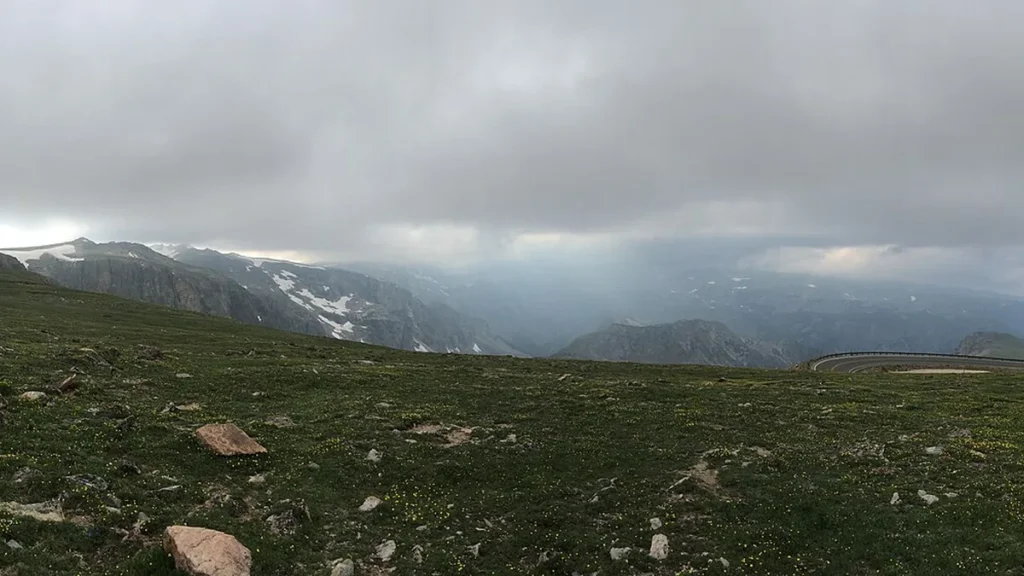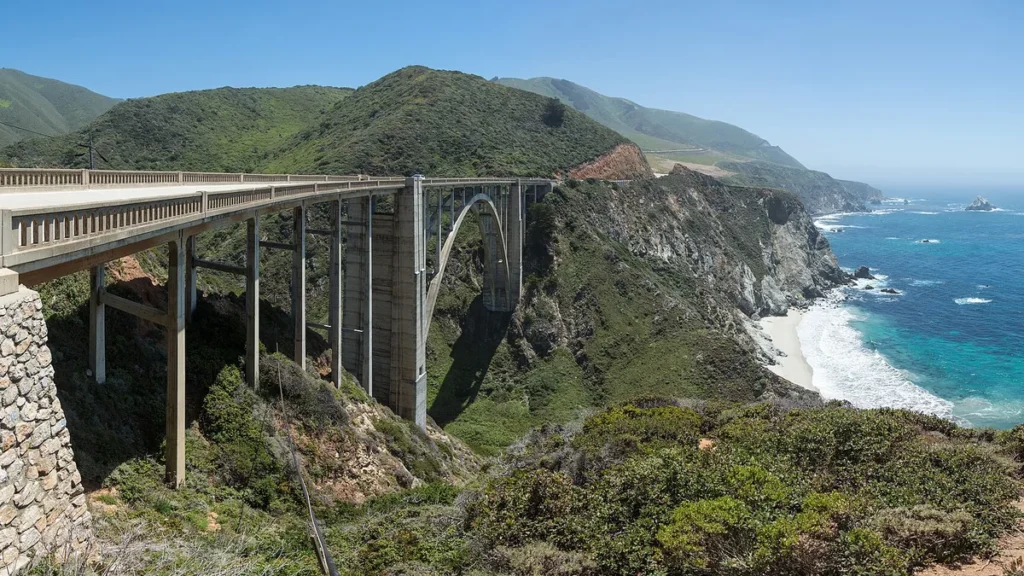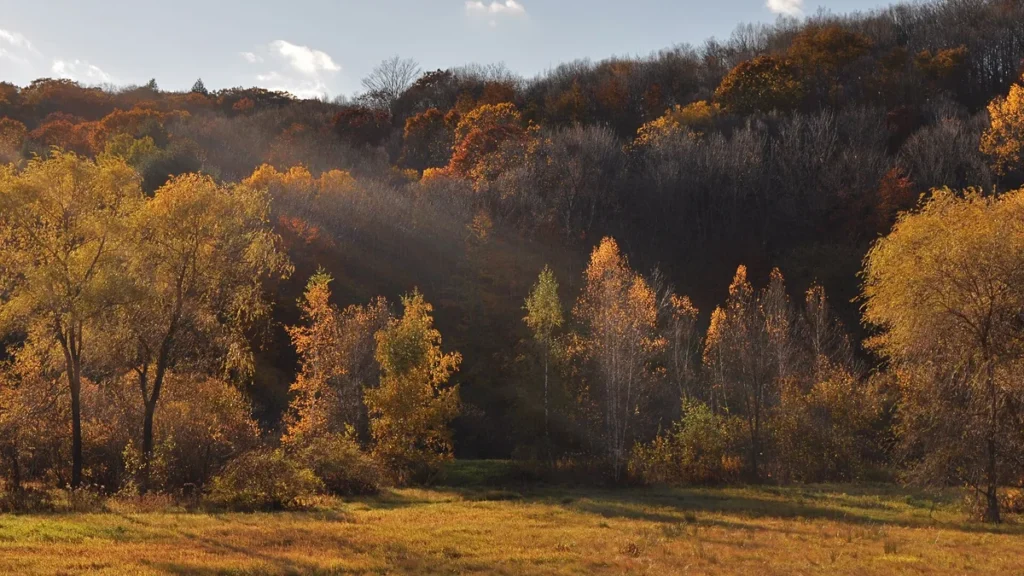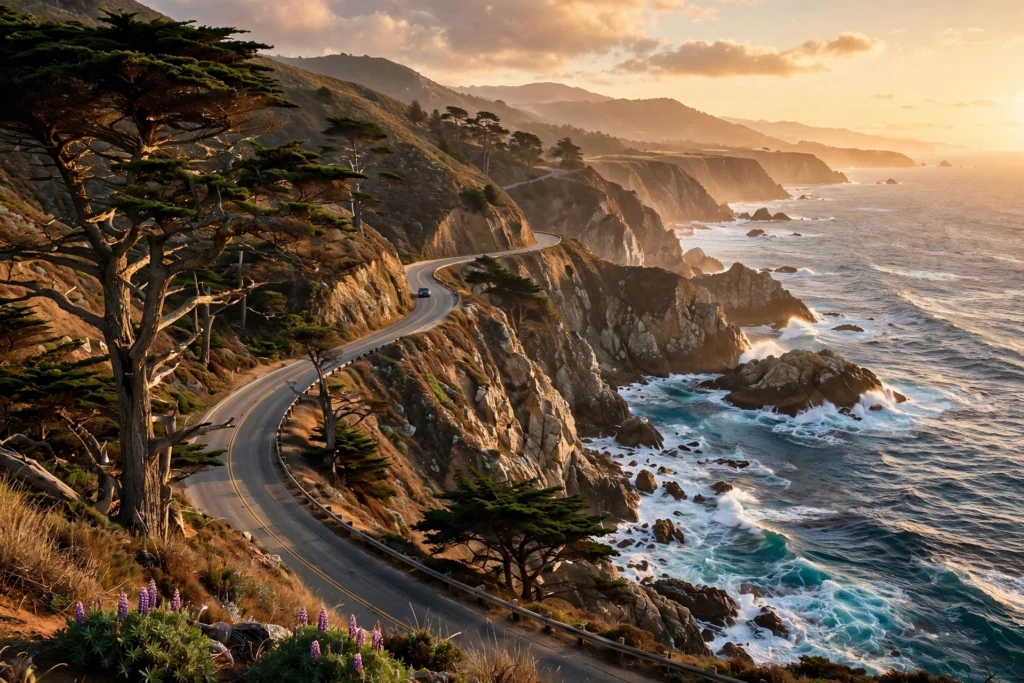
The best fall road trips in the USA share a simple formula: a great road, peak foliage, crisp air, and small towns leaning into the season with cider donuts and harvest festivals. Autumn is arguably America’s finest road-tripping season — summer crowds are gone, the light turns golden, hotel rates drop, and the country’s forests put on a show that no other season can match. But fall color is a moving target: peak foliage sweeps from north to south and from high elevation to low across six weeks, so timing your route matters as much as choosing it. This guide covers 15 of the best fall road trips in the USA, region by region, with peak-color timing, the must-see stops on each route, where to stay, and how to plan around the season’s quirks.
First, the timing cheat sheet. Fall color generally peaks: late September in the northern Rockies and Upper Midwest; early to mid-October at high elevations in Appalachia and in New England; mid-to-late October across most of the Northeast, Midwest, and mid-Atlantic; late October to early November in the southern Appalachians lowlands, the Ozarks, and the mid-South; and November in the Deep South and parts of California. Elevation matters as much as latitude — in the mountains, go high early in the season and low late.
New England: The Classic Fall Foliage Region
1. Vermont Route 100: Stowe to Wilmington
No list of the best fall road trips in the USA can skip Vermont’s Route 100 — the 216-mile spine of the Green Mountains, widely considered the single finest foliage drive in America. Start in Stowe (ride the gondola for the aerial view, walk the village), drive south through Waterbury (Ben & Jerry’s factory tour — get the fall flavors), Warren and the Mad River Valley (covered bridges, general stores), Killington, and Ludlow, ending in Wilmington near the Massachusetts border.
Peak: late September to mid-October, north to south. Don’t miss: the view from the top of Mount Mansfield, cider donuts at Cold Hollow Cider Mill, and the single-lane covered bridges — Vermont has over 100. Stay: Stowe or Woodstock; book 3–4 months ahead for October weekends, which sell out completely.
2. New Hampshire’s White Mountains Loop: The Kancamagus Highway
The 34.5-mile Kancamagus Highway (Route 112) between Lincoln and Conway is the most famous 35 miles of fall driving in America — and it earns it. No gas stations, no restaurants, no development: just the Swift River, covered bridges, and mountainside after mountainside of red maple and yellow birch. Pair it with a loop via Franconia Notch (the Flume Gorge, the Basin) and Crawford Notch for a full day, or add Mount Washington — drive the auto road or ride the cog railway to the highest peak in the Northeast.
Peak: late September to early October. Don’t miss: Sabbaday Falls (short hike, gorgeous cascades framed by color), the Albany Covered Bridge at sunrise, and the overlook at the Kanc’s highest point. Stay: Lincoln or North Conway; midweek trips dodge the worst of the famous Kanc traffic jams.
3. Maine’s Acadia and Coastal Route 1
Maine does fall differently — the color meets the sea. Drive Route 1 from Kittery through the fishing villages (Ogunquit, Kennebunkport, Camden — the prettiest harbor town in New England) to Acadia National Park, where the foliage frames the rocky coast. In Acadia, drive the 27-mile Park Loop Road, catch sunrise from Cadillac Mountain (first sunrise in the US in fall), and hike the Ocean Path. Lobster rolls taste better with fall air.
Peak: mid-October. Don’t miss: Jordan Pond House popovers, the carriage roads by bike, and the working waterfront in Stonington. Stay: Bar Harbor; the park’s campgrounds close mid-October, so time it right.
Appalachia: Mountains of Color
4. Blue Ridge Parkway: Virginia to North Carolina
The 469-mile Blue Ridge Parkway might be the single best fall road trip in the USA when you factor in variety: the color progresses with elevation, so a well-timed drive catches peak somewhere along the route for nearly a month. Our full Blue Ridge Parkway road trip guide covers it milepost by milepost; for fall, prioritize the high sections (Mount Mitchell, Craggy Gardens, Graveyard Fields, Waterrock Knob) in early-to-mid October and the lower sections late October.
Peak: early October (high elevations) through early November (lowlands). Don’t miss: sunrise at Waterrock Knob, the Linn Cove Viaduct framed by color, and apple picking in the orchards near Hendersonville. Stay: Asheville (1–2 nights minimum); October lodging books out 4–6 months ahead.
5. Great Smoky Mountains: Newfound Gap Road and Cades Cove
The Smokies’ famous blue haze turns to a patchwork of red, orange, and gold each fall, and the diversity of the forest — over 100 tree species — means the color show lasts longer here than almost anywhere. Drive Newfound Gap Road (US-441) from Cherokee to Gatlinburg, stopping at the Oconaluftee elk fields at dawn, Clingmans Dome (highest point in Tennessee, 6,643 feet), and the endless overlooks. Then loop Cades Cove’s 11-mile one-way road — an open valley of historic cabins and churches ringed by colored ridges, best at sunrise when the mist hangs in the fields and the wildlife is out.
Peak: mid-October at high elevations, late October to early November in the valleys. Don’t miss: the synchronous… no, that’s fireflies (summer) — in fall it’s the elk bugling at Oconaluftee and Cataloochee. Stay: Townsend (quiet side) or Gatlinburg/Pigeon Forge (amenities side).
6. Shenandoah’s Skyline Drive
Skyline Drive’s 105 miles along the crest of the Blue Ridge through Shenandoah National Park deliver 75 overlooks of the Shenandoah Valley in full color. It connects directly to the Blue Ridge Parkway’s northern end, making the combined 574-mile drive one of the great fall pilgrimages. Hike a section of the Appalachian Trail (it parallels the drive), watch for black bears fattening up for winter, and stop at Big Meadows — the park’s high-elevation heart — for sunset.
Peak: mid-to-late October. Don’t miss: the view from Hawksbill (highest point in the park, short hike), apple butter festivals in the valley towns, and the night sky — Shenandoah is a designated dark-sky area. Stay: Big Meadows Lodge (in-park, books fast) or Luray/Page Valley.
The Midwest: Underrated Autumn
7. Michigan’s Upper Peninsula: The Lake Superior Shore
The UP in fall is the Midwest’s best-kept secret: blazing maple forests meeting the moody vastness of Lake Superior, waterfalls at peak flow, and a fraction of New England’s crowds. Drive M-28 and the shore roads from Munising (Pictured Rocks National Lakeshore — the multicolored cliffs with fall color on top are unreal) to Marquette and on to the Keweenaw Peninsula, where Brockway Mountain Drive offers one of the great foliage overlooks in America. Pasties (the Cornish meat pies that became UP soul food) at every stop.
Peak: late September to mid-October. Don’t miss: Tahquamenon Falls (the “Root Beer Falls,” at their most dramatic in fall), the black rocks at Presque Isle Park in Marquette, and a pasty from a roadside shop. Stay: Munising or Marquette; pack layers — lake-effect weather changes fast.
8. Wisconsin’s Door County Loop
Door County — the “Cape Cod of the Midwest” — packs 300 miles of Lake Michigan shoreline, cherry orchards, and 19th-century fishing villages into a peninsula made for slow fall driving. The loop from Sturgeon Bay up one side to Gills Rock and down the other passes through Ephraim, Fish Creek, and Sister Bay, with farm markets, fish boils (the traditional Scandinavian Friday feast), and lighthouses at every turn. Peninsula State Park’s Eagle Tower gives the aerial view.
Peak: mid-October. Don’t miss: a traditional Door County fish boil, the view from Cave Point County Park’s wave-cut cliffs, and cherry pie from a farm market. Stay: Fish Creek or Ephraim; summer crowds vanish after Labor Day, so fall is the locals’ favorite season.
The West: Aspens and High Desert
9. Colorado’s Million Dollar Highway and San Juan Skyway
Colorado does fall in gold — the aspens. The 236-mile San Juan Skyway loop (Durango–Silverton–Ouray–Telluride–Cortez) is the crown jewel, with the Million Dollar Highway section (US-550 between Silverton and Ouray) carving through the San Juans with no guardrails and endless aspen groves. Ouray’s hot springs soothe the driving nerves; Telluride’s box canyon glows. For a second loop, the Peak to Peak Highway (Estes Park to Black Hawk) is the Front Range classic.
Peak: late September (a short, intense 2–3 week window — time it carefully). Don’t miss: the Dallas Divide viewpoint near Ridgway (the most photographed aspen vista in Colorado), the Durango–Silverton steam train, and hot springs in Ouray. Stay: Ouray or Durango; the aspen window is brief, so book when the color reports turn.
10. Utah’s Scenic Byway 12 and the Fall Red Rock
Fall in southern Utah is the contrarian pick — and one of the best fall road trips in the USA for people who have done New England. The cottonwoods and aspens turn gold against red rock, temperatures drop from furnace to perfect, and summer’s crowds evaporate. Scenic Byway 12 (124 miles from Panguitch to Torrey) threads Bryce Canyon, Grand Staircase–Escalante, and Capitol Reef, with the aspen groves of Boulder Mountain at the top. Pair with Zion’s canyon-bottom cottonwoods for the full effect.
Peak: mid-to-late October. Don’t miss: sunrise at Bryce Amphitheater with golden aspens on the rim, the Burr Trail switchbacks, and Capitol Reef’s historic orchards (pick-your-own fruit in season). Stay: Torrey or Escalante; tiny towns, so book ahead.
11. California’s Eastern Sierra: The June Lake Loop
While the coast stays green, California’s Eastern Sierra ignites: the June Lake Loop (Highway 158, 16 miles of aspen groves between granite peaks and alpine lakes), the Lundy Canyon beaver ponds, and the groves around Bishop and Mammoth. Pair with a drive up to Mono Lake’s tufa towers and the ghost town of Bodie. This is the fall road trip for photographers — the contrast of gold aspens, blue lakes, and gray granite is unmatched.
Peak: early to mid-October. Don’t miss: Lundy Canyon at peak (arrive early — the small parking area fills), hot springs near Mammoth, and the Mobius Arch at sunrise in the Alabama Hills. Stay: Mammoth Lakes or June Lake.
The South and Beyond
12. Ozark Mountains: Arkansas’s Pig Trail and Boston Mountains
The Ozarks deliver southern fall color without the Blue Ridge crowds. Arkansas Highway 23 — the Pig Trail — winds 19 miles through the Boston Mountains’ oak-hickory forest, and the surrounding Ozark National Forest holds the state’s best foliage. Add the Talimena Scenic Drive (54 miles along the Ouachita Mountain crest on the Arkansas-Oklahoma border) for mountaintop vistas, and Hot Springs National Park for a soak in the historic bathhouses.
Peak: late October to early November. Don’t miss: Hawksbill Crag (Whitaker Point) at sunrise, the overlooks on the Talimena Drive, and barbecue in the small towns. Stay: Eureka Springs (Victorian mountain town, wonderfully quirky) or Jasper.
13. Texas Hill Country: The Willow City Loop
Texas fall is subtle — no maples — but the Hill Country’s 13-mile Willow City Loop (ranch roads 1323/1631 near Fredericksburg) winds through oak and cypress turning bronze and gold past working ranches, and it’s spectacular in its own sun-bleached way. Pair with Fredericksburg’s German heritage (oktoberfest, wine tasting rooms — the Hill Country is Texas wine country), Enchanted Rock’s pink granite dome, and the bats-to… no, bats are summer. In fall: the pioneer museums and the fall harvest markets.
Peak: late October to November. Don’t miss: the loop at golden hour, wine tasting in Fredericksburg, and the view from Enchanted Rock’s summit. Stay: Fredericksburg; the town’s B&Bs are the experience.
14. Natchez Trace Parkway: Mississippi to Tennessee
The 444-mile Natchez Trace Parkway from Natchez, Mississippi to Nashville, Tennessee is the South’s answer to the Blue Ridge Parkway — a no-commercial-traffic, no-stoplight National Park Service road through hardwood forest, with 10,000 years of history layered on (the Old Trace was a Native American and pioneer trail). Fall brings the cypress swamps to rust-red and the hardwood ridges to gold. Stop at the Cypress Swamp, Mount Locust (the oldest inn on the Trace), and the waterfalls near the Tennessee end.
Peak: late October to mid-November. Don’t miss: the Windsor Ruins detour (23 standing columns of a burned 1861 mansion — haunting in fall light), the ghost town of Rocky Springs, and arriving in Nashville for live music. Stay: Tupelo or Florence, AL; the parkway has three NPS campgrounds and no lodging on the road itself.
15. Columbia River Gorge: Oregon’s Waterfall Corridor
The Historic Columbia River Highway (US-30) east of Portland threads the gorge’s waterfall corridor — Multnomah Falls (620 feet, the most visited natural site in the Pacific Northwest), Horsetail, Latourell — with the maples and cottonwoods turning against basalt cliffs. Pair with the Hood River fruit loop (apple and pear orchards, harvest stands) and the Timberline Lodge on Mount Hood. Fall is also waterfall prime time as the autumn rains return.
Peak: mid-to-late October. Don’t miss: Multnomah Falls at opening time (timed permits may apply — check ahead), the Vista House at Crown Point, and fresh-pressed cider on the fruit loop. Stay: Hood River; the town’s breweries and orchards make it a destination itself.
Fall Foliage Timing Map: When to Go Where
| Region / Route | Peak window | Elevation note |
|---|---|---|
| Colorado aspens (San Juan Skyway) | Late Sep | Brief 2–3 week window — watch color reports |
| Michigan Upper Peninsula | Late Sep–mid Oct | Lake effect can strip leaves early in wind |
| New Hampshire White Mountains | Late Sep–early Oct | Highest elevations first |
| Vermont Route 100 | Late Sep–mid Oct | North to south progression |
| Eastern Sierra, CA | Early–mid Oct | Canyon groves peak slightly later |
| Blue Ridge high country | Early–mid Oct | Above 5,000 ft |
| Acadia / coastal Maine | Mid-Oct | Coast holds color slightly longer |
| Door County, WI | Mid-Oct | Lake moderates — reliable timing |
| Skyline Drive / mid-Blue Ridge | Mid–late Oct | 2,000–4,000 ft band |
| Columbia River Gorge | Mid–late Oct | Rain returns — waterfalls peak too |
| Utah Byway 12 | Mid–late Oct | High aspen groves first, canyon cottonwoods later |
| Ozarks / Pig Trail | Late Oct–early Nov | South-facing slopes hold longest |
| Smokies valleys | Late Oct–early Nov | Valleys peak weeks after the high country |
| Texas Hill Country | Late Oct–Nov | Subtle but beautiful bronze and gold |
| Natchez Trace (southern end) | Late Oct–mid Nov | Latest peak in the South |
How to Plan a Fall Road Trip: Practical Tips
- Book lodging 3–6 months ahead for October weekends in New England, the Blue Ridge, and Asheville. Midweek trips are dramatically easier and cheaper — Tuesday-to-Thursday fall road trips dodge both crowds and peak rates.
- Follow live foliage trackers starting in mid-September: state tourism sites (Vermont, New Hampshire, North Carolina, and Tennessee run excellent ones) plus the Smoky Mountains fall color report. Peak moves 100+ miles per week — a tracker beats a calendar.
- Chase elevation, not just latitude. In the Appalachians and Rockies, a 2,000-foot elevation change shifts peak by roughly a week. If you arrive “late,” drive higher; if “early,” drop lower.
- Start driving at sunrise. Fall’s best light is the first 90 minutes — mist in the valleys, golden light on the ridges — and the popular overlooks and trailheads fill by 10 a.m. on October weekends.
- Pack for 30-degree swings. Mountain mornings in the 30s become afternoons in the 60s. Layers, a warm hat, and gloves live in the car even on “mild” fall trips. See our road trip packing list for the full system.
- Build in a flex day. Fall weather is volatile — one rainy day can cost you the foliage views. A buffer day lets you wait out weather or re-route to where the color (and sun) is.
- Embrace the harvest season. Apple orchards, cider mills, pumpkin patches, harvest festivals, and farm stands are the cultural half of fall road trips. The best ones are the unadvertised roadside stands — stop whenever you see hand-painted signs.
- Watch for wildlife. Fall is elk bugling season in the Smokies and the Rockies, deer are on the move everywhere (dawn/dusk driving caution), and black bears are in hyperphagia — never leave food in a car overnight in bear country.
Frequently Asked Questions About Fall Road Trips
When is the best time for fall road trips in the USA?
It depends on the region: late September for the Rockies and Upper Midwest, early-to-mid October for New England and Appalachian high country, mid-to-late October for most of the Northeast and Midwest, and late October to November for the southern Appalachians, Ozarks, and Deep South. Use live foliage trackers from mid-September rather than fixed dates.
Where is the best fall foliage road trip in the USA?
Vermont’s Route 100 and New Hampshire’s Kancamagus Highway are the classic answers for peak New England color. For variety and a longer season, the Blue Ridge Parkway is hard to beat — its elevation range stretches peak color across nearly a month. For something different, Colorado’s aspen routes and Utah’s red-rock fall are spectacular.
How far in advance should I book a fall foliage trip?
For October weekends in New England, the Blue Ridge, or Asheville: 3–6 months ahead — the good places sell out. For midweek trips or less famous regions (Ozarks, Door County, Natchez Trace): 4–8 weeks is usually fine. Shoulder weekends in late September and early November are far easier.
What should I pack for a fall road trip?
Layers for 30-degree daily swings, a warm hat and gloves for mountain mornings, rain gear (fall weather is volatile), sturdy walking shoes, a camera (you will use it constantly), and a cooler for orchard and farm-stand hauls. Our road trip packing list covers the complete system.
Can I see good fall color without going to New England?
Absolutely — and often with fewer crowds. The Blue Ridge Parkway and Great Smoky Mountains rival New England for color diversity, the Upper Midwest (Michigan’s UP, Door County) is superb, Colorado’s aspens are a different kind of spectacular, and even the Ozarks and Texas Hill Country deliver. New England has the brand; the rest of the country has the goods.
How do I predict peak fall foliage?
Follow state-run foliage trackers from mid-September (Vermont, New Hampshire, New York, North Carolina, and Tennessee have the best). Remember the rule: color moves south and downhill as the season progresses — roughly 100 miles south or 2,000 feet down per week. A flex day in your itinerary lets you chase the peak.
Are fall road trips cheaper than summer?
Generally yes, with one big exception: October weekends in prime foliage areas (Stowe, Asheville, the White Mountains) command peak-season rates. Midweek fall travel is typically 20–40% cheaper than summer for the same lodging, and gas-station-to-attraction costs are flat year-round.
What is the best fall road trip for a long weekend?
Pick one compact route: the Kancamagus Highway + White Mountains loop (2–3 days from Boston), Vermont Route 100’s northern half (2–3 days), Skyline Drive (2 days from DC), or the San Juan Skyway loop (3 days from Denver). Our weekend road trip guide has more short options.
Is it safe to drive mountain roads in fall?
Yes, with normal caution: wet leaves are slippery (especially on curves — slow down), morning frost appears at high elevations by late October, deer are highly active at dawn and dusk, and fog is common in valleys. Keep headlights on, never stop in the travel lane for photos, and check conditions if you’re heading above 5,000 feet late in the season.
Which fall road trip is best for photography?
California’s Eastern Sierra (gold aspens against granite and blue lakes), the Linn Cove Viaduct on the Blue Ridge Parkway framed by color, Vermont’s covered bridges, and Colorado’s Dallas Divide. For all of them: shoot the first 90 minutes after sunrise, use overlooks facing east in the morning, and bring a polarizing filter — it makes fall color pop dramatically.
For year-round inspiration, browse our 15 best scenic road trips in the USA and our 25 best road trips bucket list — and if you are planning the logistics, start with how to plan a road trip.