Long after the diyas have cooled and the last ladoo has been eaten, what remains of Diwali is the photographs. The family portrait on the mantel, the candid of grandmother laughing during the aarti, the sleepy toddler in a tiny kurta, these images become the festival’s afterlife, revisited every year and treasured for generations. Yet most Diwali photos are afterthoughts: a hurried group shot in bad light, half the family blinking, the beautiful decor cropped out entirely.
This guide changes that. These diwali family photo ideas cover everything from the grand multi-generational portrait to intimate detail shots of hands lighting diyas, with practical advice on lighting, timing, posing, phone camera settings, and editing. You do not need a professional photographer or expensive gear. You need a plan, good light, and the willingness to take fifty shots to get five great ones.
Whether your family is five or fifty, whether you are shooting on the latest phone or a trusty old camera, these ideas will help you capture Diwali the way it feels: warm, luminous, and full of love.
Why Diwali Photos Deserve Real Planning
Diwali is uniquely photogenic and uniquely challenging. The same diyas and fairy lights that make it magical create tricky low-light conditions. The festival’s five days offer endless moments but also endless chaos, and without a plan, the camera stays in the pocket until the one rushed group photo at midnight.
A little planning pays off enormously. Decide in advance which moments matter most to you: the puja, the family portrait, the kids in their outfits, the decor before guests arrive. Assign one person as the unofficial photographer for each event, or rotate the role so everyone appears in some photos. Charge your phone, clear storage space, and clean your lens, the three most common reasons great Diwali photos never happen.
“The best camera for Diwali is the one you have planned to use. Intention beats equipment every single time.”
Light, Location, and Timing: The Technical Foundation
Great Diwali photography is mostly about managing light. The festival happens after dark, which means you are working with warm, dim, mixed lighting, beautiful but demanding.
The Golden Windows
| Time | Light Quality | Best Shots |
|---|---|---|
| Late afternoon (4-5:30 PM) | Soft golden daylight | Outfit portraits, decor details, rangoli |
| Sunset (5:30-6:30 PM) | Warm mixed light | Family portraits with diyas being lit |
| Early evening (6:30-8 PM) | Diya and fairy light glow | Puja moments, close-ups, ambiance |
| Night (8 PM onward) | Deep dark with points of light | Sparklers, light trails, dramatic portraits |
The single most valuable tip: take your posed family portraits during the late afternoon or sunset window, when there is still enough ambient light for faces, and save the pure diya-light shots for candids and details. Trying to do the big group photo at 10 PM under only fairy lights is how you get blurry, orange faces.
Location Scouting at Home
Walk through your home the day before and identify your photo spots: the decorated entrance with the rangoli, the puja corner, the balcony with fairy lights, the living room with the diya arrangement. Clean up clutter in these zones, check what the background looks like through a camera, and note where the light falls at different hours. Five minutes of scouting saves fifty disappointing shots.
35 Diwali Family Photo Ideas
The ideas, organized from essential to creative. Aim to capture at least one from each group and you will have a complete visual story of your Diwali.
The Essential Portraits
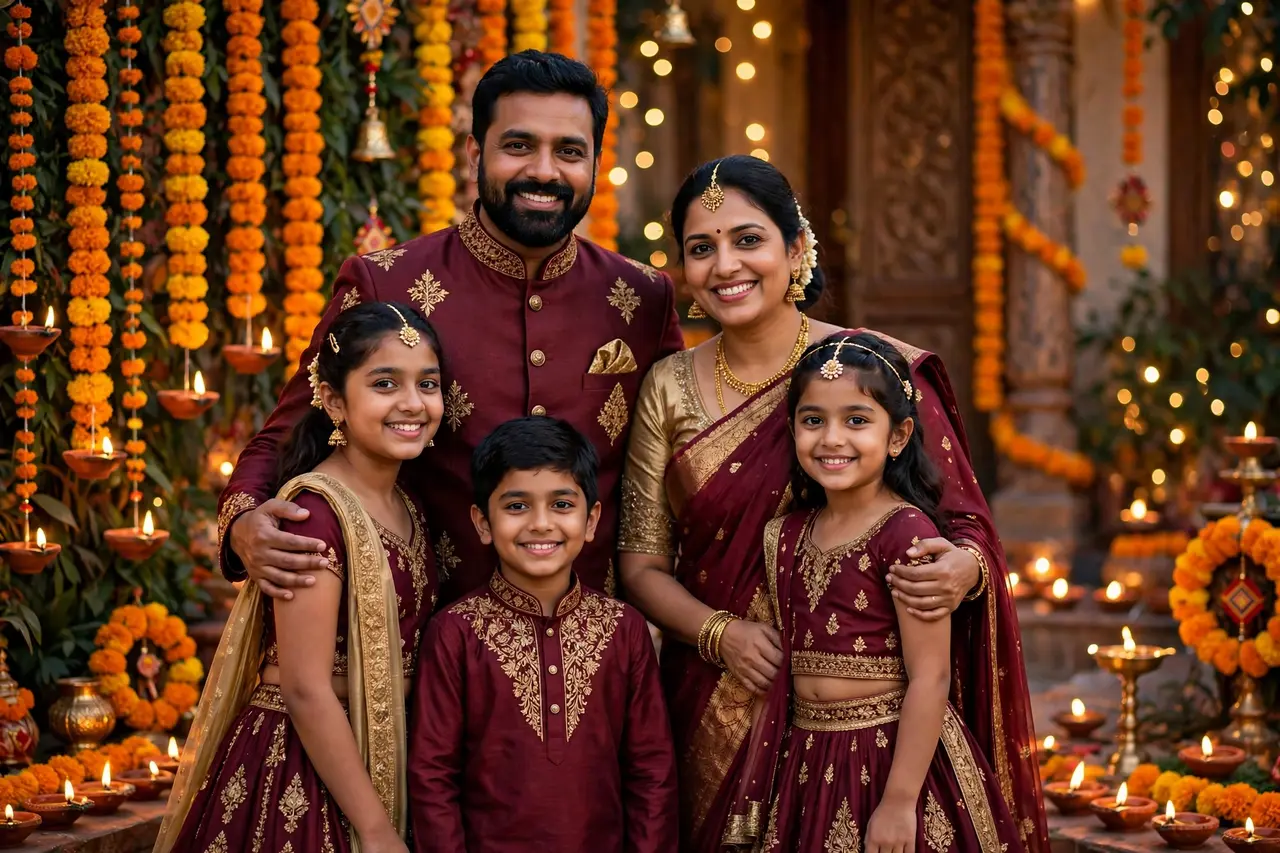
- The grand family portrait. Everyone together in front of your best-decorated wall or entrance. Take it early in the evening when energy and light are both good.
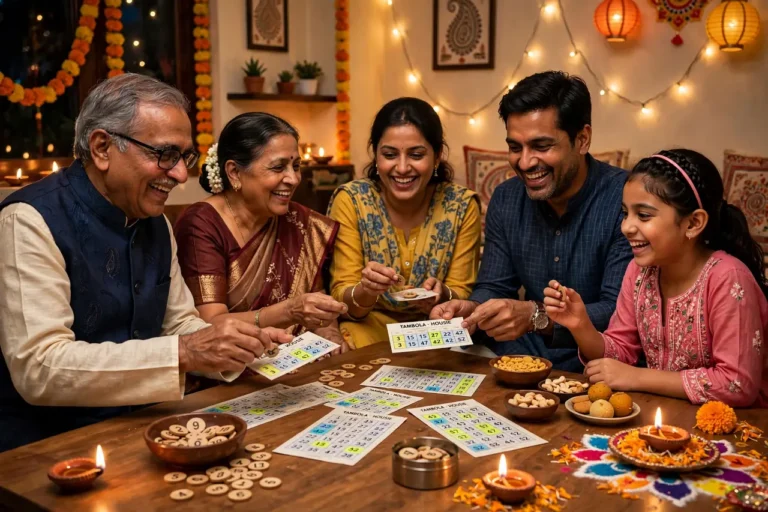
- The generations photo. Grandparents seated with grandchildren around them. These become heirlooms; prioritize them.
- The couples shot. Each couple gets a moment: parents, grandparents, the newly married. Diya light is flattering for these.
- The siblings photo. Brothers and sisters together, especially meaningful on Bhai Dooj.
- The kids-only portrait. Children in their festive outfits, before the night wears them out. Bribe with the promise of sparklers later.
- The new-family-member photo. A new baby, a new spouse, a visiting relative, mark the year’s changes explicitly.
Candid Moments That Matter Most
- Lighting the first diya. The year’s first flame is a moment. Capture the concentration, the glow on faces, the collective held breath.
- The aarti circle. Shoot from slightly outside the circle to capture faces illuminated by the aarti thali.
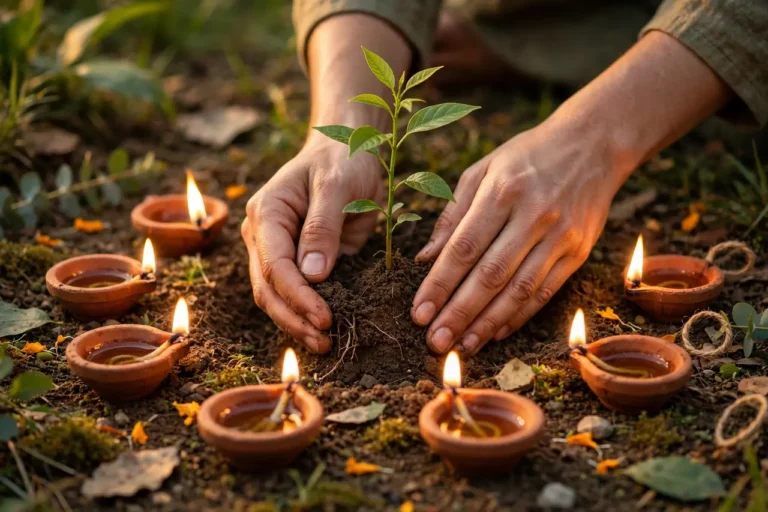
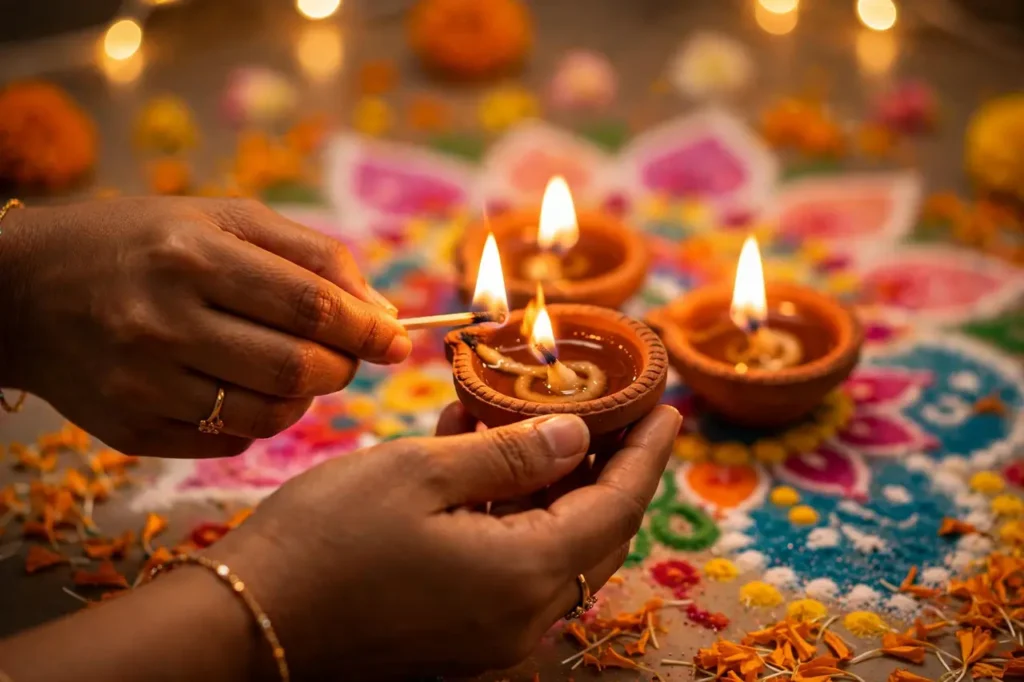
- Hands together over the diyas. A close-up of multiple generations’ hands near the flames, wrinkled and tiny side by side.
- The mithai exchange. The feeding of sweets, especially grandparents feeding grandchildren, is pure joy in a frame.
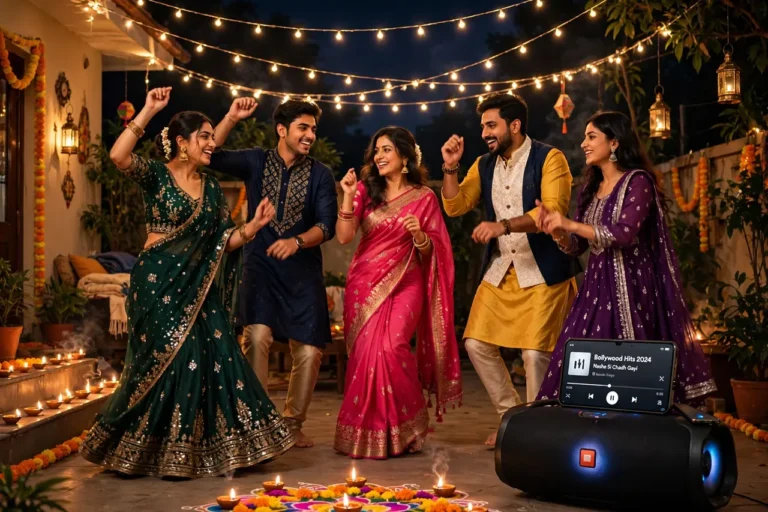
- Laughter during the party. Put the camera down for posed shots and shoot the real laughter. These are the photos people actually frame.
- The quiet moment. Someone watching the diyas alone, a child asleep on a shoulder amid the celebration. Rest is part of the story.
The Diwali Photo Shot List: Your Printable Plan
Photographers use shot lists; you should too. Print this or save it to your phone, and check items off through the festival. Having the list means you will not reach midnight realizing nobody photographed the rangoli.
- Before guests arrive: entrance and rangoli, puja corner setup, thali still life, table setting, full home wide shot, outfit flat-lay.
- Golden hour: individual outfit portraits, couple shots, kids’ portraits, family group photo, generations photo.
- Puja time: lighting the first diya, the aarti circle, hands with diyas, faces in diya glow, the family together in prayer.
- Celebration: mithai exchange, laughter candids, kids playing, sparklers, dance and music moments, the feast.
- Details throughout: diya close-ups, marigold textures, fairy light bokeh, gift piles, fireworks in the sky.
- Morning after: sleepy family, leftover decor, the last diya, this year’s framed favorites.
Assign time windows loosely, not rigidly. The list is a safety net, not a schedule. If a magical unplanned moment happens, abandon the list and shoot the moment.
Photographing the Puja With Respect
The Lakshmi Puja is the spiritual heart of Diwali, and photographing it calls for sensitivity. Ask the elders leading the puja whether photography is welcome during the ceremony; some families prefer the ritual undisturbed. If you shoot, do it quietly: silence the shutter sound, avoid flash entirely, and stay at the edges rather than circling the thali. The most powerful puja photos are often taken from a kneeling position at the periphery, capturing bowed heads and glowing faces without intruding.
Focus on hands and light rather than faces if anyone seems uncomfortable. A close-up of hands offering flowers tells the devotional story without singling anyone out. And consider designating the puja as a partially camera-free time: take a few respectful shots at the beginning, then put the phone away and be present. You will remember the feeling better for having lived it fully.
Arranging Multi-Generational Portraits
The hardest Diwali photo is also the most important: getting three or four generations arranged well. Start with seating: place the eldest generation seated in the center, in sturdy chairs. Arrange the middle generation standing behind them, and place children seated on the floor in front or held by parents. This classic triangle is classic because it works, every face visible, every generation honored.
For very large families, use two rows of standing adults behind the seated elders, with kids in front, and take the shot from slightly elevated, a sturdy step stool or a few stairs. Shoot wider than you think you need; you can crop later but cannot add missing people. Take at least ten frames, because in a group of twenty, someone is always blinking, and generous coverage guarantees a frame where everyone shines. Finally, take one silly version after the serious one. The laughter that follows relaxes everyone and often produces the photo people love most.
Diwali Flat-Lays and Still Life Photography
Not every Diwali photo needs people. Flat-lays, overhead compositions of festive objects, are hugely popular and surprisingly easy. Clear a table near a window for soft natural light, lay down a neutral cloth or wrapping paper as the base, and arrange your objects: diyas, marigolds, mithai in a bowl, bangles, a folded dupatta, fairy lights snaking through. Shoot directly overhead with your phone, keeping the phone parallel to the table.
The secrets are odd numbers, group objects in threes and fives, breathing room between elements, and one hero object that anchors the composition. These still lifes make beautiful album openers, social posts, and even framed prints. They also photograph wonderfully in the calm before the celebration begins, when the house is decorated and the light is perfect.
” alt=”Hands lighting clay diyas with rangoli in the background”>
Detail Shots: The Beauty in Small Things
- The rangoli from above. Stand on a chair (carefully) for the full pattern. Morning light shows colors best.
- Diya flames close-up. Get low and close; a row of flames with bokeh behind is endlessly beautiful.
- The puja thali arrangement. Before the ceremony begins, photograph the composed thali like the still life it is.
- Marigold and fairy light textures. Macro shots of petals, light strings, and fabric details make gorgeous album fillers.
- The festive table. Shoot the dinner spread before guests descend. Overhead works best.
- Outfit details. Embroidery close-ups, bangles stacked on a wrist, a child’s tiny juttis. The details tell the luxury story.
- The entrance toran. Your decorated doorway deserves its portrait, shot straight-on in evening light.
Creative and Night Shots
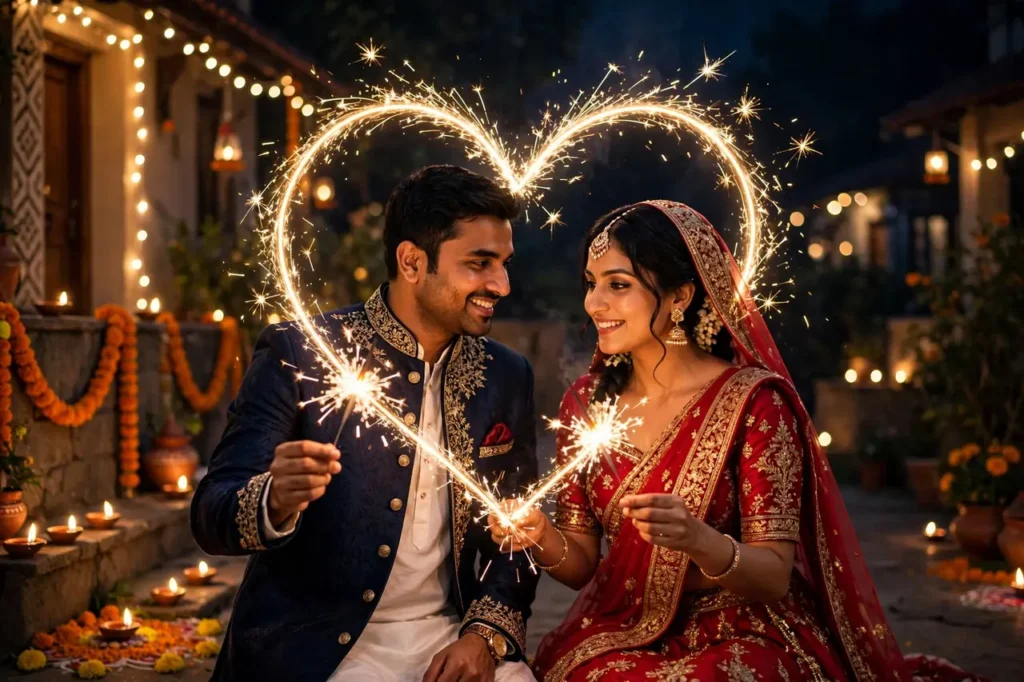
- Sparkler writing. Long exposure or night mode while someone writes a name or draws a heart with a sparkler. Practice the movement first.
- The silhouette against lights. Place family members between the camera and a wall of fairy lights for glowing silhouettes.
- Reflections in diya oil. An artistic macro: the flame reflected in a brass diya’s surface.
- The window frame. Shoot the lit home from outside through a window for a storybook effect.
- Jumping with sparklers. The classic celebratory jump shot, timed with sparklers. Take twenty; keep one.
- Light trails with the family. Everyone holds a sparkler and moves slowly while the camera captures the trails.
- The rooftop or balcony panorama. The neighborhood glittering with Diwali lights, with your family silhouetted in the foreground.
Morning-After and Behind-the-Scenes
- The sleepy Diwali morning. Kids in pajamas among the leftover decor. The gentle epilogue.
- Hands making rangoli. The process is as beautiful as the result. Photograph the making.
- Cooking together. Flour-dusted hands, three generations around the mithai. The kitchen is a photo studio on Diwali.
- Getting ready. The chaos of dressing up: a mother tying a child’s sash, someone’s jewelry laid out on the bed.
- The gift unwrapping. Genuine reactions beat posed smiles every time.
- The cleanup crew. Someone blowing out the last diya at midnight. Every story needs an ending.
- The framed favorites. Next year, photograph this year’s framed prints alongside the new celebrations. Traditions compound.
- The outtakes reel. Save the bloopers, the blinks, the photobombs. In ten years these will be the favorites.
- The same spot, every year. Pick one doorway or wall and photograph the family there every Diwali. The series becomes priceless.
” alt=”Couple drawing a heart with sparklers during a Diwali photoshoot”>
Posing Guide: Looking Natural Together
Most people freeze when a camera appears. These techniques relax any family:
- Give hands something to do. Hold a diya, adjust a dupatta, rest a hand on a shoulder. Busy hands look natural; dangling hands look awkward.
- Stagger heights. Seat grandparents, stand parents behind, let kids sit in front or be held. Triangles of heads are more dynamic than a straight line.
- Angle bodies slightly. Nobody should face the camera dead-on. A 45-degree turn with the face toward the lens is universally flattering.
- Use prompts, not poses. Instead of “smile,” try “everyone look at grandmother” or “kids, tell dad a secret.” Real expressions follow real interactions.
- Embrace the imperfect. A child mid-giggle, a grandfather mid-blink, these are life. Take the posed version, then keep shooting.
- Mind the gaps. In group photos, close the spaces between people. Physical closeness reads as emotional closeness.
What to Wear for Coordinated Family Photos
You do not need matching outfits, but coordination transforms group photos. Pick a palette of two to three colors and let each person interpret it: maroon, gold, and cream, for example, or emerald, blush, and ivory. Jewel tones photograph beautifully under warm Diwali light, while all-white can blow out and all-black can disappear into the night.
Avoid large logos, busy tiny prints that moiré on camera, and neon shades that clash with diya glow. When in doubt, solid colors in rich fabrics win. For detailed outfit guidance, see our wedding day photo ideas for couples and morning photo ideas, whose coordination principles apply perfectly to Diwali portraits.
Phone Photography Tips for Diwali Night
- Clean your lens. A fingerprint-smudged lens turns every diya into a blurry starburst. Wipe it before every session.
- Use night mode, but brace yourself. Night mode needs stillness. Lean against a wall, hold your breath, or prop the phone on a stack of books.
- Tap to focus on faces, then lower exposure. Phone cameras overexpose diya scenes. Drag the exposure down slightly for richer colors and real flame detail.
- Turn off the flash. Flash kills the ambiance that makes Diwali photos special. Trust the diyas.
- Shoot in burst mode for action. Sparklers, jumping kids, and laughter need bursts. Hold the shutter and pick the winner later.
- Try portrait mode selectively. It is lovely for individual portraits against bokeh lights but struggles in very low light and with groups.
- Record video too. A ten-second clip of the aarti or the sparkler moment captures sound and motion that photos cannot.
Editing: From Camera Roll to Frame-Worthy
Light editing elevates Diwali photos enormously, and it takes seconds per image. Warm up the white balance slightly to enhance the golden glow, lift the shadows just enough to reveal faces without washing out the mood, and add a touch of vibrance rather than saturation for richer colors. Crop decisively: most Diwali photos improve dramatically with tighter framing that removes ceiling fans and clutter. For a cohesive festival album, apply the same warm preset to all your selects. And back everything up the same night, to cloud storage and ideally a second location. Diwali photos are irreplaceable; treat them that way.
To understand the festival you are photographing, our Diwali festival of lights guide is a beautiful companion read.
Turning Photos Into Keepsakes
Photos that live only on a phone may as well not exist. The final step of Diwali photography is giving the best images a life beyond the camera roll. Within a week of the festival, select your twenty favorites and order prints; annual Diwali prints, framed identically and hung in a hallway sequence, become one of a home’s most beloved features. Create a photo book each year through any online service, a five-minute project that your future self will thank you for.
Share deliberately: send the grandparents a printed set, not just a group-chat forward. Create a shared family album that everyone can add to, so the celebration is captured from many angles. And pick one photo each year for the holiday card or the family group’s display picture. These small rituals turn photography from a chore into a tradition, and traditions are what Diwali is for.
Common Diwali Photography Mistakes to Avoid
- Only shooting at night. Daylight detail shots of decor, rangoli, and outfits are essential; do not wait until dark for everything.
- Forgetting to charge and clear space. A dead battery or full storage at 8 PM is a preventable tragedy. Prepare in the afternoon.
- Overusing flash. Flash flattens diya glow into harsh white light. Embrace the ambient warmth instead.
- Never appearing in photos. The designated photographer vanishes from every album. Use timers, tripods, and kind relatives to get yourself in the frame.
- Shooting only posed photos. The candids are the ones you will treasure. Keep shooting between the formal shots.
- Ignoring backgrounds. A beautiful family moment with a cluttered background loses half its power. Glance behind your subjects before you shoot.
- Waiting too long to back up. Phones get lost and damaged. Upload to the cloud the same night.
Photo Ideas for Small Families and Couples
Not every Diwali is a grand gathering, and intimate celebrations deserve beautiful documentation too. For couples, the diya-lit portrait is the signature shot: sit close, hold a thali of diyas between you, and let the warm light do the work. Try the forehead-touch pose with fairy lights blurred behind, or a playful shot of one partner lighting the other’s sparkler. For small families of three or four, the living-room floor picnic among the diyas makes a cozy, authentic scene, and a simple tripod plus timer handles the photography.
Solo celebrants should not skip the camera either. A self-portrait with your rangoli, a flat-lay of your puja setup, or a video diary of your evening preserves the memory just as meaningfully. Diwali photographed alone is still Diwali, and future you will be glad for the record. Share your solo celebration with distant family over video call and screenshot the togetherness; imperfect, heartfelt, and real.
Start an Annual Diwali Photo Tradition
The most powerful Diwali photo idea is not a pose but a practice: repeat one photograph every year. The same doorway, the same wall of diyas, the same family arrangement, year after year. The first year it is just a photo. By year five it is a timeline of growing children, aging parents, new spouses, and changing homes. By year twenty it is a family treasure beyond price.
Choose your tradition now: the same spot, the same pose, the same time of evening. Print each year’s version and keep them together. Some families frame the series; others keep a dedicated album. However you keep it, the discipline of the annual photo ensures that no Diwali passes undocumented, and the collection becomes one of the most meaningful things your family owns. Start this year, and let the collection grow into one of the most meaningful things your family owns.
Watch: Diwali Photoshoot Ideas and Poses
See festive photography ideas in action, with poses, props like diyas and flowers, and editing tips for glowing Diwali portraits:
Frequently Asked Questions
What is the best time to take Diwali family photos?
Take posed portraits in late afternoon or at sunset when ambient light still flatters faces, then capture diya-lit candids and detail shots as darkness falls. Avoid attempting the main group photo late at night under only artificial light.
How do I photograph diyas without blurry images?
Use night mode, brace the phone against something stable, tap to focus, and slightly lower the exposure. Clean your lens first, and never use flash, which destroys the warm ambiance.
What should my family wear for Diwali photos?
Coordinate around a palette of two to three rich colors rather than matching exactly. Jewel tones photograph beautifully in diya light. Avoid busy small prints, large logos, and neon shades.
How do I get kids to cooperate for Diwali photos?
Photograph them early in the evening before fatigue sets in, use playful prompts instead of stiff poses, keep sessions short, and promise a fun reward like sparklers afterward. Candid shots often beat posed ones.
Can I take good Diwali photos with just a phone?
Absolutely. Modern phones with night mode handle Diwali lighting well if you clean the lens, stabilize the shot, manage exposure manually, and avoid flash. Technique matters far more than gear.
How do I capture sparkler photos?
Use night mode or long exposure, have someone draw shapes or write names with the sparkler, and shoot in burst mode. Practice the movement once before the real attempt, and always supervise children with sparklers closely.
What are the must-have Diwali family shots?
The grand family portrait, the generations photo, lighting the first diya, the aarti, a rangoli overhead shot, diya close-ups, and genuine laughter candids. Cover these and your festival story is complete.
How should I organize and store Diwali photos?
Back up to cloud storage the same night, create a shared family album, select and lightly edit your favorites within a week while memories are fresh, and print the best ones. Annual prints become treasured traditions.
Your Diwali, Beautifully Remembered
Photography is how we argue with forgetting, and Diwali gives us so much worth remembering. Plan a little, shoot a lot, back everything up, and print your favorites. The diyas will burn out and the rangoli will be swept away, but the photographs, the glowing faces, the laughter frozen mid-frame, the tiny hands holding sparklers, will keep this Diwali alive for decades, year after year. Pick up your camera with intention this year, and let every frame carry the warmth of the festival forward into the years to come. Your future self, and your family, will thank you.