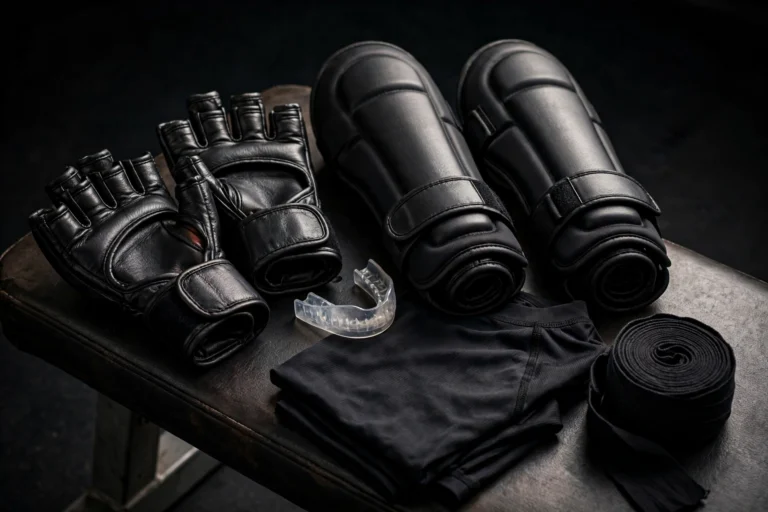
You don’t need to fight to train like a fighter. Boxing Workouts for Fitness have exploded in popularity because they deliver what most exercise promises and rarely provides: a genuinely fun, full-body, high-intensity workout that builds real skill at the same time. This guide gives you everything to start — the science of why boxing fitness works, complete workouts for beginner, intermediate, and advanced levels, no-equipment options, and the conditioning secrets borrowed from professional fight camps.
Why Boxing Is One of the Best Workouts on Earth
Few activities match boxing’s physiological profile:
- Calorie burn: an hour of vigorous boxing training burns roughly 600–900 calories depending on body weight and intensity — comparable to running, with far more variety.
- Full-body engagement: punches are thrown from the legs and hips, not the arms. A proper boxing workout trains legs, core, back, shoulders, and arms simultaneously.
- Interval structure: boxing’s 3-minute rounds with 1-minute rests are natural high-intensity interval training (HIIT) — proven superior for cardiovascular fitness and fat metabolism.
- Skill acquisition: unlike a treadmill, boxing teaches coordination, timing, balance, and body awareness. Your brain works as hard as your body.
- Stress relief: hitting a heavy bag after a long day is therapeutic in a way few workouts match.
- Low joint impact (options): shadowboxing and bag work are far gentler on knees than running, making boxing fitness accessible across ages.
The Anatomy of a Boxing Fitness Workout
Every boxing workout follows the fighter’s template:
- Warm-up (10 min): jump rope, dynamic stretches, joint mobility — get warm and loose.
- Shadowboxing (2–3 rounds): punch combinations in the air, focusing on form. This is your technique practice.
- Bag rounds (3–6 rounds): heavy bag work — the workout’s core. 3 minutes on, 1 minute off.
- Conditioning circuit (10–15 min): bodyweight exercises in round format.
- Core finisher (5–10 min): boxers are built from the midsection out.
- Cool-down and stretch (5–10 min).
Learn the six basic punches first — jab (1), cross (2), lead hook (3), rear hook (4), lead uppercut (5), rear uppercut (6) — and every workout below becomes followable.
Workout 1: Beginner 30-Minute Boxing Workout
No experience needed. Minimal equipment: just wraps (optional) and space to move.
| Block | Time | What To Do |
|---|---|---|
| Warm-up | 5 min | 2 min easy jump rope (or march in place) + arm circles, leg swings, torso twists |
| Shadowboxing R1 | 3 min | Stance practice + jab only. Focus on form: rotate hips, return hand to chin. |
| Rest | 1 min | Walk, breathe, shake out shoulders |
| Shadowboxing R2 | 3 min | Jab-cross (1-2) combinations. Move forward and back between combos. |
| Rest | 1 min | |
| Bodyweight circuit | 8 min | 40 sec work / 20 sec rest: squats, push-ups (knees OK), alternating lunges, plank |
| Core | 5 min | Dead bugs, bicycle crunches, side planks (30 sec each side) |
| Cool-down | 4 min | Full-body stretch: shoulders, chest, hip flexors, calves |
Progression: when this feels easy (usually 2–3 weeks), add a third shadowboxing round and extend the circuit to 12 minutes.
Workout 2: Intermediate 45-Minute Bag Workout
Requires: heavy bag (gym or home), gloves, wraps. Knows basic combinations.
| Block | Time | What To Do |
|---|---|---|
| Warm-up | 8 min | 3 min jump rope + 2 min shadowboxing + dynamic stretches |
| Bag R1 – Jab | 3 min | Jab only. Double and triple jabs. Move around the bag. |
| Rest | 1 min | |
| Bag R2 – 1-2s | 3 min | Jab-cross combinations. Add head movement after each combo. |
| Rest | 1 min | |
| Bag R3 – Hooks | 3 min | 1-2-3 (jab-cross-lead hook). Pivot after the hook. |
| Rest | 1 min | |
| Bag R4 – Power | 3 min | Free combinations at 70% power. 30-sec all-out flurry to finish the round. |
| Rest | 1 min | |
| Conditioning | 10 min | 5 rounds: 1 min burpees/push-ups/squats/mountain climbers/plank (30 sec rest between) |
| Core | 6 min | Russian twists, leg raises, plank variations |
| Cool-down | 5 min | Stretch everything; foam roll if available |
Workout 3: Advanced 60-Minute Fight-Camp Session
For experienced fitness boxers. High intensity throughout.
- Warm-up (10 min): 5 min jump rope (including double-unders if able), 3 min shadowboxing, 2 min mobility.
- Shadowboxing (3 rounds × 3 min): Round 1 — footwork and jab; Round 2 — full combinations with defense (slip after every combo); Round 3 — fight simulation, changing levels and angles.
- Heavy bag (6 rounds × 3 min): Rounds 1–2 volume (high punch output); Round 3 power shots; Round 4 body attack (all punches below the “belt line” marked on the bag); Round 5 speed (lightning combinations); Round 6 — everything, finishing with a 60-second all-out flurry.
- Conditioning circuit (12 min): 45 sec work / 15 sec rest × 12: burpees, box jumps (or step-ups), kettlebell swings, battle ropes (or fast shadowboxing), push-ups, jump squats, plank, mountain climbers, lunges, sit-ups, sprawl drills, rest.
- Core crusher (8 min): 4 rounds of: 20 Russian twists, 15 leg raises, 30-sec plank, 20 bicycle crunches — minimal rest.
- Cool-down (7 min): thorough stretching plus deep breathing.
No-Equipment Boxing Workouts
No bag? No gloves? No problem. Shadowboxing is a legitimate workout — professional fighters do entire sessions of it:
- The 20-minute shadowboxer: 5 rounds × 3 min shadowboxing with 1 min rest. Each round has a theme: jabs, combinations, defense (slip/roll between punches), footwork (constant movement), freestyle.
- Shadowbox HIIT: 10 rounds of 1 min all-out shadowboxing / 30 sec rest. Brutal and effective.
- Mirror work: slow, technical shadowboxing in front of a mirror — the best form check available without a coach.
Add bodyweight finishers (push-ups, squats, planks) and you have a complete gym-free boxing workout. For more no-equipment training ideas, our running and cycling guides cover building the cardio base that powers every boxing session.
Punch Combinations for Fitness Training
You don’t need fight-level technique to get a great workout — but real combinations make training far more engaging than random flailing:
| Combination | Numbers | Workout Use |
|---|---|---|
| Jab-Cross | 1-2 | Warm-up rounds, rhythm building |
| Double Jab-Cross | 1-1-2 | Volume rounds |
| Jab-Cross-Hook | 1-2-3 | Standard workhorse combo |
| Jab-Cross-Hook-Cross | 1-2-3-2 | Power rounds, conditioning |
| Jab-Uppercut-Hook | 1-6-3 | Close-range work, variety |
| Hook-Cross-Hook | 3-2-3 | Advanced flurries |
Call out combinations to yourself as you throw them — it keeps your brain engaged and your form honest through fatigue.
Boxing Conditioning Secrets From Fight Camps
Professional fighters are among the best-conditioned athletes alive. Steal their methods:
- Roadwork: the timeless boxer’s run — 3–5 miles, 3–4 mornings per week, conversational pace. Builds the aerobic base everything else sits on. Good footwear matters; see our running shoe guide.
- Interval sprints: 400m repeats or hill sprints, once weekly — develops the anaerobic capacity for explosive rounds.
- Jump rope mastery: 15–30 minutes of varied rope work (single bounce, boxer skip, double-unders) builds calf endurance and coordination no other tool matches.
- Neck and core work: wrestler bridges (advanced), neck curls, and heavy rotational core training — the “armor” of combat athletes.
- Swimming: many camps use pool sessions for zero-impact cardio and active recovery. Even easy laps help; beach sports offer similar low-impact variety.
Fueling Your Boxing Workouts
- Pre-workout (2–3 hours before): carbohydrate-rich meal — oatmeal, rice, pasta, fruit. You need glycogen for high-intensity rounds.
- Pre-workout (30–60 min before): light snack if needed — banana, toast with honey. Avoid heavy fats.
- During: water. For sessions over 60 minutes, an electrolyte drink helps.
- Post-workout (within 2 hours): protein (20–40g) plus carbohydrates — the classic recovery combination.
- Daily: adequate total calories. Boxing workouts are demanding; under-fueling leads to stalled progress, poor recovery, and burnout.
Avoiding Injury in Boxing Fitness
| Risk | Prevention |
|---|---|
| Wrist sprains | Wrap hands every bag session; keep wrists straight on impact; don’t hit with an open glove |
| Knuckle bruising | Proper wraps + adequate glove padding (14–16 oz); build volume gradually |
| Shoulder strain | Warm up thoroughly; don’t overextend punches; strengthen rotator cuffs |
| Lower back pain | Rotate from the hips, not the lumbar spine; strengthen core |
| Shin/calf soreness | Ease into jump rope volume; stretch calves; supportive shoes |
| Overtraining | 2–4 boxing sessions/week for most; sleep 7–9 hours; take deload weeks |
How Often Should You Do Boxing Workouts?
- General fitness: 2–3 sessions per week, mixed with other activity (hiking, cycling, strength training).
- Serious progress: 3–4 sessions per week with progressive overload (more rounds, harder combinations).
- Weight loss focus: 3–5 sessions per week combined with sensible nutrition — boxing’s calorie burn plus its muscle-preserving resistance effect is ideal.
Rest days matter as much as training days. Your shoulders, wrists, and nervous system need recovery — especially in the first two months.
Frequently Asked Questions
Can boxing workouts get you in shape without fighting?
Absolutely — that’s exactly what boxing fitness is. Bag work, shadowboxing, mitt drills, and boxing conditioning deliver elite-level fitness with zero competitive fighting. Most boxing-fitness participants never spar.
How many calories does a boxing workout burn?
A vigorous hour-long boxing session burns approximately 600–900 calories for most adults, depending on weight and intensity. It’s among the highest calorie burns of any common workout format.
Is boxing good for weight loss?
Excellent. The combination of high calorie expenditure, muscle-building resistance (bag work), and HIIT-style intervals makes boxing one of the most effective exercise modalities for fat loss — provided nutrition supports the goal.
Do I need gloves for boxing fitness workouts?
For any bag work, yes — gloves plus hand wraps protect your hands. For shadowboxing-only workouts, no equipment is needed at all. Most boxing fitness studios provide loaner gloves for trial classes.
How long until I see results from boxing workouts?
Cardiovascular improvements appear within 2–3 weeks of consistent training. Visible body composition changes typically take 6–8 weeks with 3+ sessions per week and reasonable nutrition. Skill improvements — sharper combinations, better footwork — are noticeable within the first month.
Is boxing fitness safe for beginners?
Yes, with proper form and gradual progression. The main risks are wrist and hand irritation from poor wrapping or excessive early volume. Start with 2 sessions per week, learn basic technique, wrap your hands, and increase volume slowly.
What’s better for fitness: boxing or running?
They complement each other. Boxing offers more variety, full-body engagement, and skill development; running offers simplicity and unmatched aerobic efficiency. The best program includes both — which is exactly what professional fighters do with their roadwork.
Your First 4 Weeks: A Progressive Program
Follow this to build from zero to confident:
| Week | Sessions | Focus |
|---|---|---|
| 1 | 2× 30-min beginner workouts | Learn stance, jab, cross. Keep intensity moderate — technique first. |
| 2 | 2× 35-min sessions | Add hooks. Introduce 2 bag rounds (or shadowboxing rounds) at the end. |
| 3 | 3× 40-min sessions | Full six-punch arsenal. First complete intermediate-style workout, scaled down. |
| 4 | 3× 45-min sessions | Full intermediate workout. Add the conditioning circuit at full effort. |
After week 4, you’re ready for the intermediate workout as written, and you can start mixing in advanced elements (longer bag rounds, harder circuits) as fitness allows.
Boxing for Weight Loss: A Sample Week
Combine boxing’s calorie burn with smart structure:
| Day | Workout |
|---|---|
| Monday | 45-min intermediate bag workout |
| Tuesday | 30-min easy cardio (walk, easy bike, or hike) + full-body stretch |
| Wednesday | 60-min advanced session (or intermediate + extra core) |
| Thursday | Rest or gentle yoga/mobility |
| Friday | 45-min intermediate workout — emphasize volume rounds |
| Saturday | 30-min shadowboxing HIIT + bodyweight circuit |
| Sunday | Full rest |
Pair with a modest calorie deficit (300–500 below maintenance) and high protein (0.7–1g per pound of bodyweight). Boxing preserves muscle during fat loss better than steady-state cardio alone — the bag work is genuine resistance training.
Partner Boxing Workouts
Training with a partner multiplies the fun:
- Mitt rounds: one holds focus mitts, one punches — 3-minute rounds, then switch. The holder calls combinations.
- Call-and-response: partner calls numbers (1! 1-2! 1-2-3!), you throw. Builds reaction and listening under fatigue.
- Defense tag: one partner throws slow, controlled combinations; the other practices only slipping, rolling, and blocking — no counters. Switch roles.
- Conditioning relays: alternate 1-minute all-out bag rounds with your partner — rest while they work. Ten rounds each is a serious session.
- Core partner work: medicine ball tosses, plank high-fives, synchronized sit-ups with a punch at the top.
Tracking Progress: Metrics That Matter
Boxing fitness progress isn’t just the scale:
- Rounds completed: from gassing in round 1 to finishing 6 strong — the clearest fitness marker.
- Punch output: count punches in a 3-minute round monthly. Rising output at the same perceived effort = real conditioning gains.
- Resting heart rate: drops as cardio fitness improves; track weekly.
- Combination complexity: from 1-2 to fluid 5-punch combinations with defense — skill is progress too.
- Recovery time: how fast your heart rate drops in the 1-minute rest between rounds.
Making It Stick: The Adherence Playbook
The best workout is the one you keep doing. Boxing’s advantage is that it’s inherently engaging — but these tactics help:
- Schedule it like an appointment. “Tuesday/Thursday 6 PM boxing” beats “I’ll work out this week.”
- Join a class. Group boxing fitness has dramatically higher adherence than solo training — community and coaching carry you through low-motivation days.
- Set skill goals, not just body goals. “Learn the 1-2-3-2 combination” motivates on days when “lose 10 pounds” feels abstract.
- Track workouts. A simple log (date, rounds, how you felt) reveals progress that’s invisible day-to-day.
- Forgive bad weeks. Consistency over months matters; perfection over days doesn’t. Miss a week? Start the next workout, not “next Monday.”
Whether your goal is fitness, skill, stress relief, or all three, boxing workouts deliver — one round at a time. For building the endurance base that powers every session, pair your boxing with cycling or running, and explore beach sports for fun active-recovery days.
Recovery: The Other Half of Training
Boxing workouts are demanding — recovery determines whether you improve or break down:
- Sleep: 7–9 hours. Growth hormone release during deep sleep drives muscle repair and skill consolidation.
- Active recovery days: easy walking, swimming, or gentle yoga between hard sessions beats total inactivity.
- Mobility work: 10 minutes daily for shoulders (doorway stretches, band pull-aparts), hips (pigeon pose, 90/90s), and thoracic spine (foam roller extensions). Boxers live in a hunched guard — counteract it.
- Deload weeks: every 4–6 weeks, cut volume in half for one week. You’ll return stronger — this is when adaptation actually happens.
- Listen to warning signs: persistent joint pain (not muscle soreness), declining performance despite rest, and disrupted sleep signal overtraining. Back off before injury forces you to.
Boxing Fitness for Different Ages
- Teens: technique and coordination focus; avoid maximal power work until growth plates mature. Supervised classes ideal.
- 20s–30s: the full program — this is the peak window for intensity and skill acquisition.
- 40s–50s: emphasize technique, moderate bag work, and joint-friendly conditioning. Many find boxing fitness ideal here — high engagement, scalable intensity.
- 60+: shadowboxing, light bag work, and footwork drills deliver coordination and cardio benefits with minimal impact. Several programs specifically serve senior boxers.
Boxing fitness truly scales to every decade — the workout meets you where you are.
Breathing: The Skill Nobody Teaches
Proper breathing separates smooth boxers from exhausted ones. The rule: sharp exhale through the mouth on every punch (the familiar “tss” sound), steady nasal breathing during movement and rest. Never hold your breath while punching — it’s the single most common beginner error and the fastest route to gassing out. Practice breathing drills during shadowboxing: exaggerate the exhale until it becomes automatic, then let it quiet down to a natural rhythm. Within weeks, punch-breathing becomes unconscious, and your endurance in every round will transform.