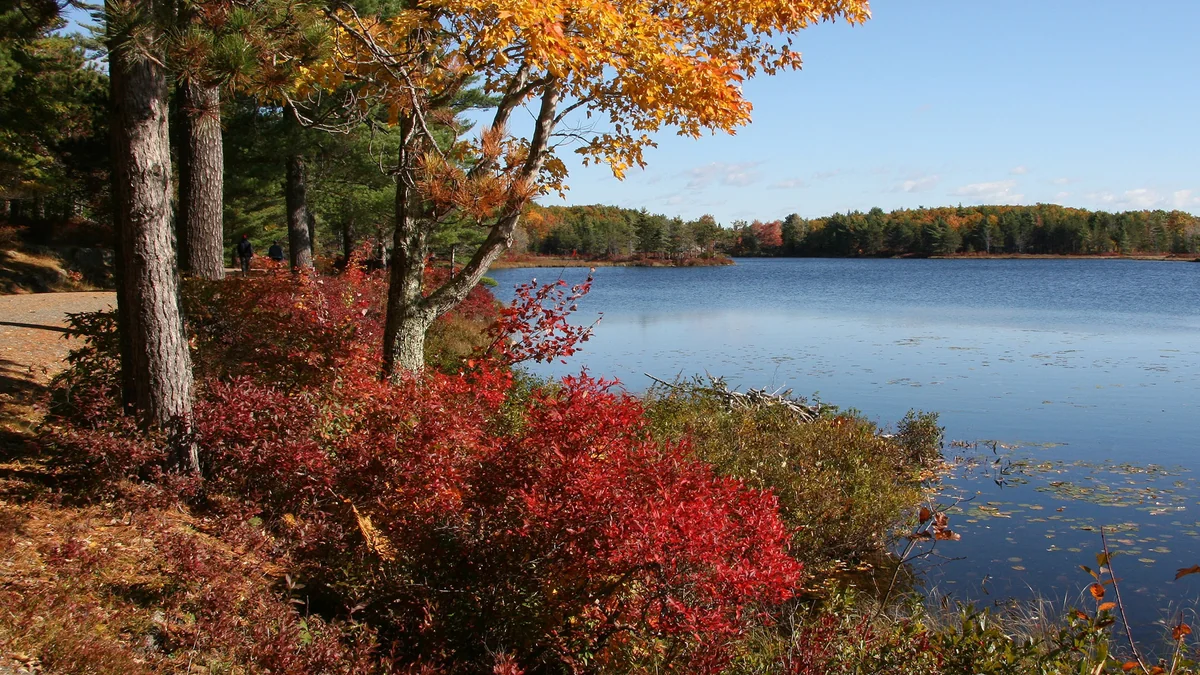
The best national parks to visit in fall are not all foliage destinations. Eastern forests offer colorful leaves, Rocky Mountain parks offer changing aspens and colder mornings, and Utah’s desert parks offer more comfortable hiking. These 15 choices distinguish leaf-focused trips from weather-focused escapes so you can book the experience you actually want.
Planning review: September 26, 2026. Fall color windows are historical planning ranges, not a live peak-color forecast.
Compare the parks at a glance
Stays exclude flights and long transfers. Windows are planning ranges, not forecasts. See each park below for fees, reservations and conditions.
On a small screen, swipe the table sideways to see every column.
| Park / location | Best for | Planning window | Stay | Airport / gateway |
|---|---|---|---|---|
| Acadia Maine |
Rocky coast and carriage roads | October | 3 days | Bangor (BGR); Bar Harbor |
| Shenandoah Virginia |
Scenic ridge driving | October | 2–3 days | Washington Dulles (IAD); Front Royal or Luray |
| Great Smoky Mountains Tennessee/North Carolina |
Forest and Appalachian history | Late September–early November, by elevation | 3 days | Knoxville (TYS) or Asheville (AVL); Townsend, Gatlinburg or Cherokee |
| Cuyahoga Valley Ohio |
Woodland walks and canal history | October | 1–2 days | Cleveland (CLE); Peninsula, Cleveland or Akron |
| New River Gorge West Virginia |
Gorge views and forest | October | 2 days | Charleston (CRW); Fayetteville |
| Mammoth Cave Kentucky |
Caves plus woodland | October–early November | 2 days | Louisville (SDF) or Nashville (BNA); Cave City |
| Congaree South Carolina |
Floodplain forest | Late October–November | 1–2 days | Columbia (CAE); Columbia or Hopkins |
| Great Sand Dunes Colorado |
Dunes beneath mountains | Late September–October | 2 days | Alamosa (ALS) or Denver (DEN); Alamosa |
| Rocky Mountain Colorado |
Alpine lakes and tundra | September | 2–3 days | Denver (DEN); Estes Park or Grand Lake |
| Grand Teton Wyoming |
Lakes beneath peaks | September–early October | 2–3 days | Jackson Hole (JAC); Jackson |
| Yellowstone Wyoming/Montana/Idaho |
Geysers and wildlife | September–early October | 3–4 days | Bozeman (BZN) or Jackson (JAC); Gardiner or West Yellowstone |
| Yosemite California |
Granite valleys | October–early November | 3 days | Fresno (FAT); Mariposa or El Portal |
| Zion Utah |
Sandstone canyon walls | October–early November | 2–3 days | Las Vegas (LAS) or St. George (SGU); Springdale |
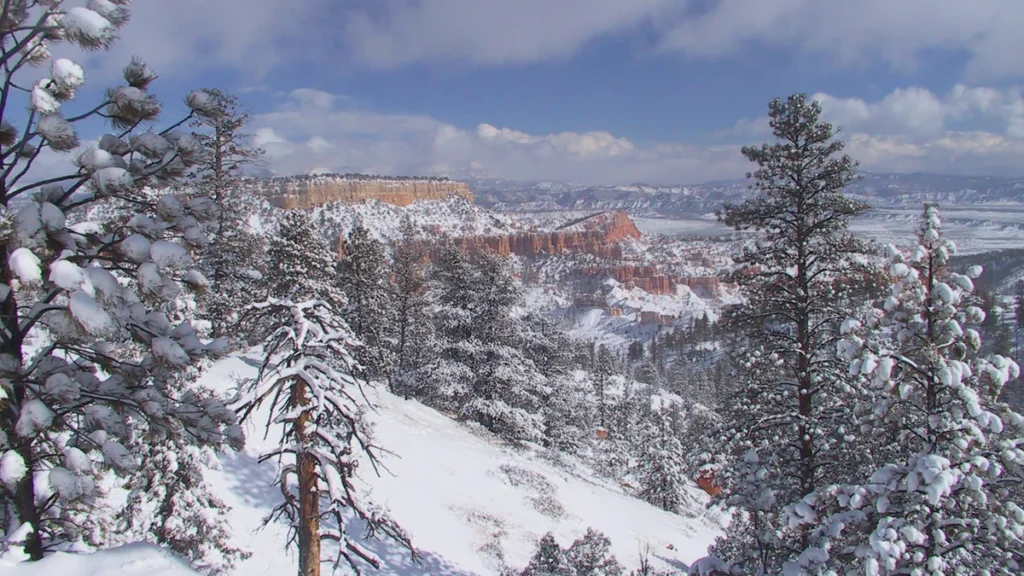
| Bryce Canyon Utah |
Hoodoo amphitheater | September–October | 1–2 days | Las Vegas (LAS) or Salt Lake City (SLC); Bryce Canyon City or Tropic |
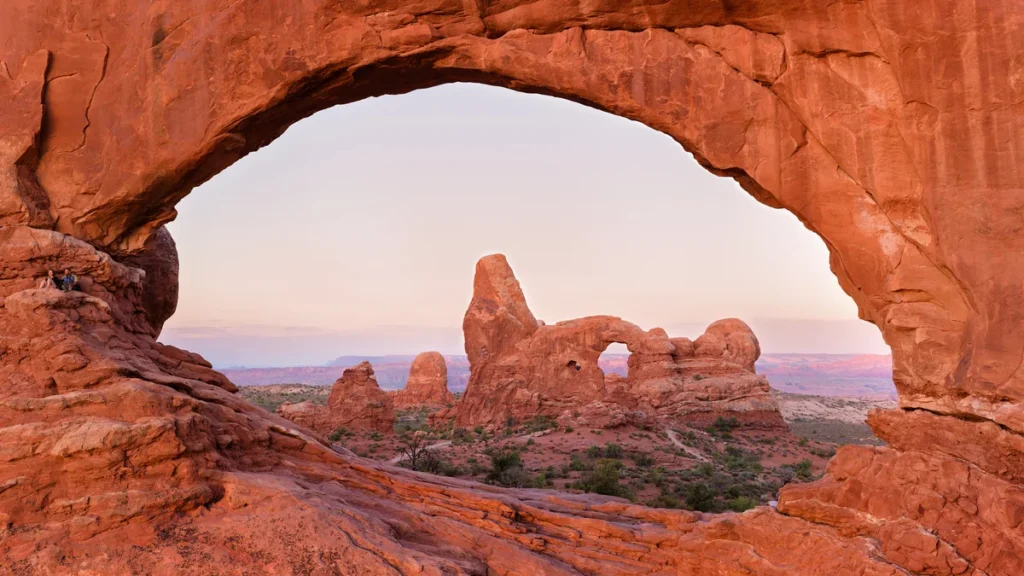
| Arches Utah |
Natural stone arches | October | 2 days | Grand Junction (GJT) or Salt Lake City (SLC); Moab |
National parks map
Swipe the map sideways on mobile, or open the full-size map. The numbered list below provides a readable text alternative.
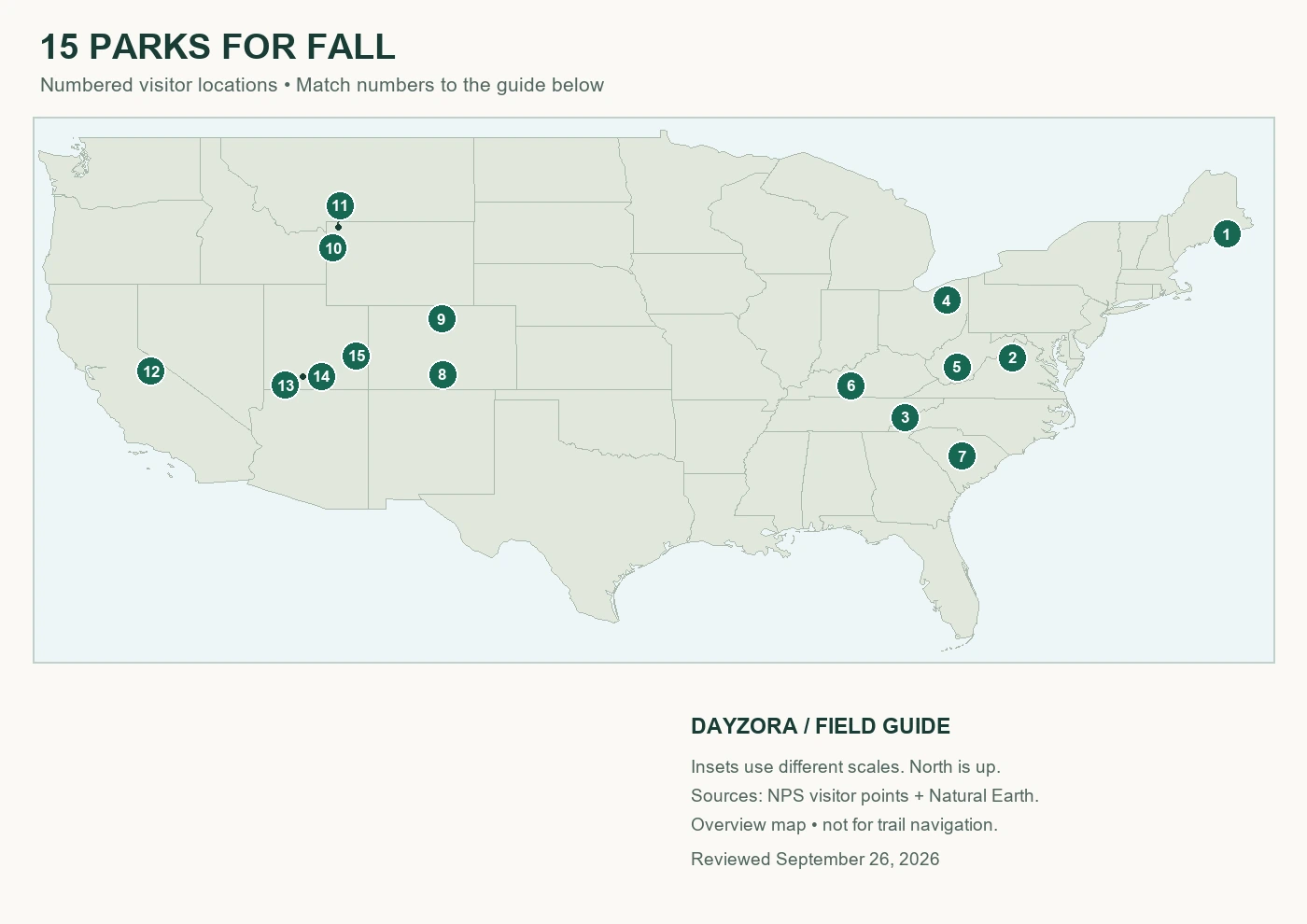
- Acadia — Maine
- Shenandoah — Virginia
- Great Smoky Mountains — Tennessee/North Carolina
- Cuyahoga Valley — Ohio
- New River Gorge — West Virginia
- Mammoth Cave — Kentucky
- Congaree — South Carolina
- Great Sand Dunes — Colorado
- Rocky Mountain — Colorado
- Grand Teton — Wyoming
- Yellowstone — Wyoming/Montana/Idaho
- Yosemite — California
- Zion — Utah
- Bryce Canyon — Utah
- Arches — Utah
Match fall foliage, weather and road access
Elevation and latitude shape autumn more usefully than a single nationwide “peak week.” Rocky Mountain aspens generally call for an earlier trip than lowland Congaree. Within Great Smoky Mountains and Shenandoah, you can adjust elevation as color changes. Wind, drought and an early freeze can shorten or shift the display, so choose a place with worthwhile walks and scenery even if leaves disappoint.
Build a foliage day around a scenic drive, one substantial walk and time to stop safely. Use pullouts rather than stopping in a travel lane. Sunrise may bring frost to boardwalks; afternoons can still be hot in desert parks. Carry layers and keep the first and last walking hours flexible as daylight shortens.
Reservations do not all disappear after Labor Day. Acadia’s 2026 Cadillac Summit Road vehicle reservations run May 20–October 25. Rocky Mountain’s ordinary timed-entry period runs May 22–October 12, 9 a.m.–2 p.m.; the Bear Lake Road product runs May 22–October 18, 5 a.m.–6 p.m. Match the product to your route. Confirm details on Acadia’s official page and Rocky Mountain’s reservation page.
The 15 parks: what to do and how to plan
1. Acadia National Park
At a glance: Maine · Rocky coast and carriage roads · 3 days · October. Gateway: Bangor (BGR); Bar Harbor.
Entry: Cadillac Summit Road vehicle reservations May 20–October 25, 2026. Fees.
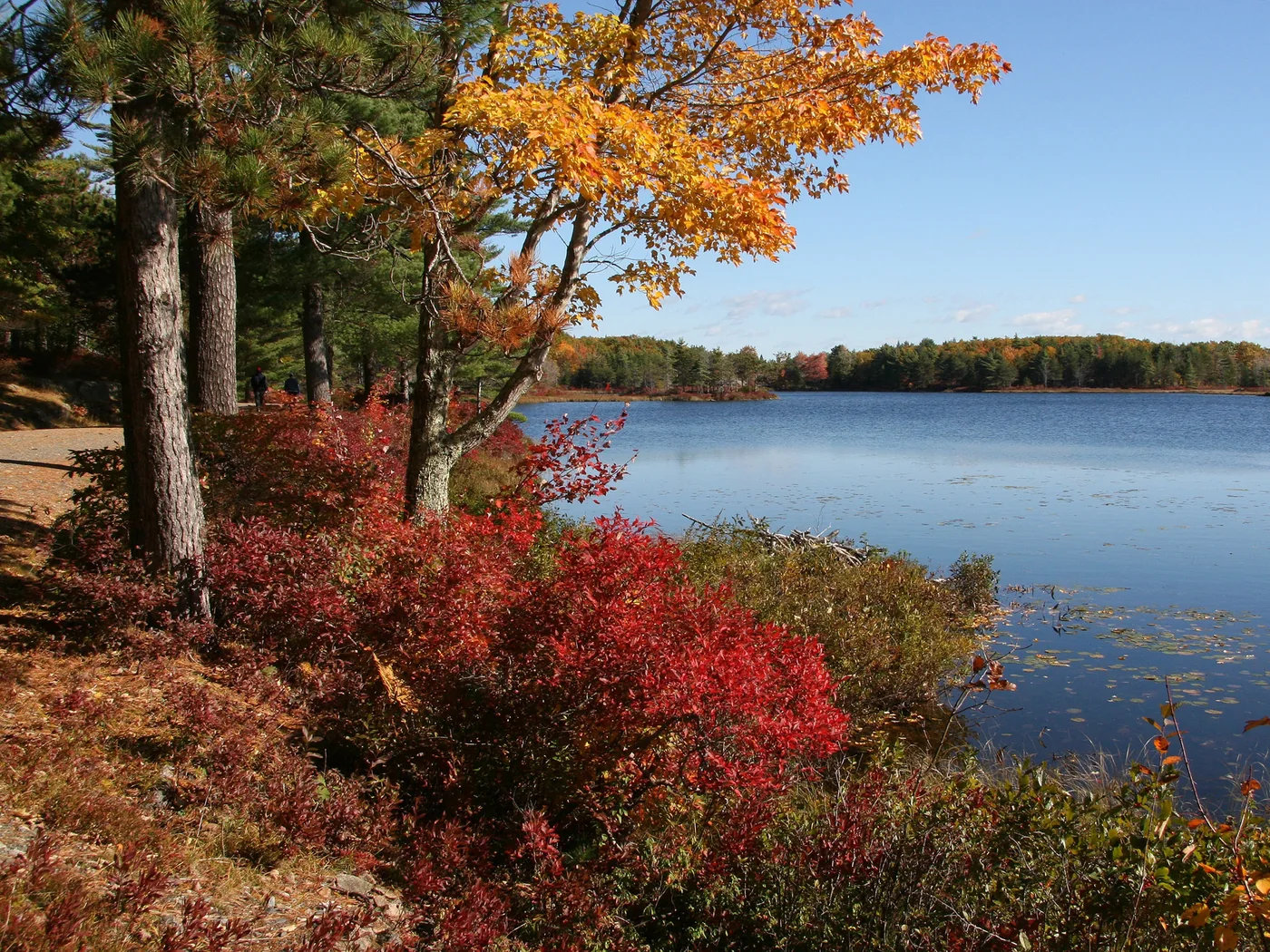
October is a useful planning window for Acadia’s combination of foliage and coast. The appeal is contrast: deciduous trees beside dark evergreens, blue water and granite. A cold front can strip leaves or bring rain, so choose a trip with several walking options rather than a single photographic target.
Highlights to build around: Ocean Path; Park Loop Road; carriage roads; Jordan Pond shoreline.
Walk: Ocean Path: choose a short out-and-back from Sand Beach; uneven shore sections and slippery rocks.
Suggested itinerary: Allow three days. Pair a short Ocean Path walk with Park Loop Road, reserve another day for carriage roads and Jordan Pond, and keep Cadillac or Schoodic for the clearest forecast. Shoreline wind can make a mild town forecast feel colder. Bring shoes that grip wet roots and rock.
Planning tip: Cadillac vehicle reservations continue through October 25, 2026. Check seasonal business, campground and shuttle dates independently; a park that remains open does not guarantee every summer service. Weekdays may help with traffic, but October is not automatically quiet.
Stay: Bar Harbor or Mount Desert Island; reserve seasonal camping. NPS planning · Conditions.
2. Shenandoah National Park
At a glance: Virginia · Scenic ridge driving · 2–3 days · October. Gateway: Washington Dulles (IAD); Front Royal or Luray.
Entry: Old Rag day-use ticket is separate; check Skyline Drive closures. Fees.
Shenandoah is the most straightforward choice here for a foliage-centered scenic drive. October is the broad target, with higher slopes generally changing before lower ones. Treat Skyline Drive as a destination: frequent stops and curves make a short section a better day than an end-to-end race.
Highlights to build around: Skyline Drive; Stony Man; Big Meadows; forest overlooks.
Walk: Stony Man: 1.6 miles round trip, 340 feet gain; rocky viewpoint and drop-offs.
Suggested itinerary: Spend two or three days in one or two districts. Use Big Meadows and the 1.6-mile Stony Man hike on one day, then explore a different elevation on the next. Stony Man gains 340 feet and ends at exposed rock; wet leaves and fog can be more relevant than mileage.
Planning tip: Book lodging early for October weekends and avoid blocking the road when overlooks fill. Keep a lowland alternative for fog or a Skyline Drive closure. Old Rag requires separate planning and a day-use ticket; it is not an interchangeable substitute for Stony Man.
Stay: Luray or Front Royal; seasonal Skyland or Big Meadows lodging. NPS planning · Conditions.
3. Great Smoky Mountains National Park
At a glance: Tennessee/North Carolina · Forest and Appalachian history · 3 days · Late September–early November, by elevation. Gateway: Knoxville (TYS) or Asheville (AVL); Townsend, Gatlinburg or Cherokee.
Entry: Parking tag required when parked over 15 minutes; not covered by entrance passes. Fees.
The Smokies have an extended color season because elevation changes so much across the park. Higher areas can begin changing in September; lower and middle elevations often provide color from mid-October into early November. This spread is more useful than chasing a single supposed peak day.
Highlights to build around: Newfound Gap Road; Oconaluftee farm; Cades Cove; forest walks.
Walk: Oconaluftee River Trail: walk an out-and-back suited to your group; mostly gentle riverside terrain.
Suggested itinerary: Use three days to sample different elevations: Newfound Gap Road and high viewpoints; Cades Cove’s historic landscape; then Oconaluftee’s farm and river path. Fall elk activity can add interest around Oconaluftee, but never approach animals or stand between them and their escape route. Expect congestion to reduce the number of stops you can make.
Planning tip: NPS describes October as the park’s busiest month. Print your parking tag before arrival and have a backup when lots fill. Laurel Falls remains listed as closed on the current conditions page; use open riverside and historic-area walks instead.
Stay: Townsend for Cades Cove; Cherokee for Oconaluftee; Gatlinburg for Sugarlands. NPS planning · Conditions.
4. Cuyahoga Valley National Park
At a glance: Ohio · Woodland walks and canal history · 1–2 days · October. Gateway: Cleveland (CLE); Peninsula, Cleveland or Akron.
Entry: No entrance fee; book separate train experiences; Towpath construction in 2026. Fees.
October brings a different sort of national park trip here: colorful woods, canal history and a comfortable city base. Cuyahoga’s value is the ability to combine short walks without a major wilderness expedition. Maples and later-turning oaks can extend the useful window, although weather changes the display.
Highlights to build around: Virginia Kendall Ledges; Brandywine Falls; canal history; open Towpath sections.
Walk: Ledges Trail: 2.2 miles, 80 feet change; rocky footing and steps.
Suggested itinerary: Spend day one around Brandywine Falls and the 2.2-mile Ledges Trail, whose rocky footing becomes slippery under leaves. On day two, explore canal history and an open Towpath segment. A scenic train can be a separately booked option if its current service and route match your visit, not an assumed daily departure.
Planning tip: Fall 2026 Towpath work closes the Boston–Lock 29 section from August 24 to November 20. That breaks a popular continuous walk or ride. Use the current closure map to choose a different segment, and stay out of Ice Box Cave.
Stay: Cleveland or Akron hotels; Peninsula for a small-town base. NPS planning · Conditions.
5. New River Gorge National Park
At a glance: West Virginia · Gorge views and forest · 2 days · October. Gateway: Charleston (CRW); Fayetteville.
Entry: Reserve commercial rafting separately; verify road/trail closures. Fees.
New River Gorge is a strong October choice for forested depth: the river and bridge sit below long wooded slopes rather than within a single roadside grove. Colors can differ between rim and river elevations. The park’s separated districts reward a focused two-day trip rather than a list of every named overlook.
Highlights to build around: Canyon Rim; Fayette Station Road; Grandview; historic Thurmond.
Walk: Canyon Rim upper boardwalk: short accessible overlook approach; lower platform adds 178 stairs.
Suggested itinerary: Base in Fayetteville. Start with Canyon Rim exhibits and the upper boardwalk, then use Fayette Station Road if open and suitable for your vehicle. Reserve another day for Grandview or Thurmond. The lower Canyon Rim overlook requires 178 stairs; the upper viewing option avoids that descent.
Planning tip: Do not confuse the national park with a single entrance loop. Check road restrictions and any event-related traffic before driving into the gorge. A rafting trip needs its own operator, river-condition and ability assessment; it should replace a major sightseeing block rather than be squeezed between districts.
Stay: Fayetteville or Beckley; choose lodging by park district. NPS planning · Conditions.
6. Mammoth Cave National Park
At a glance: Kentucky · Caves plus woodland · 2 days · October–early November. Gateway: Louisville (SDF) or Nashville (BNA); Cave City.
Entry: Reserve a specific cave tour; routes differ in stairs, tight spaces and physical demands. Fees.
Mammoth Cave offers a useful fall-weather hedge: a booked underground tour can anchor the day while the wooded surface provides seasonal color. October into early November is a broad planning window for the forest, but the cave experience is the reason to choose this park even if the leaves disappoint.
Highlights to build around: Ranger-led cave tour; Echo River Springs; forest viewpoints; visitor exhibits.
Walk: Echo River Springs Loop: 1 mile; check surface and access on arrival.
Suggested itinerary: Book the exact tour first, reviewing its stairs, distance, tight passages and restrictions. Spend the rest of day one on exhibits and a short open surface trail. Use day two for the one-mile Echo River Springs loop and additional woodland views. Cave City is a practical base; the park lodge reduces the morning approach.
Planning tip: The current surface-trail page lists Heritage Trail and several connected paths as closed for rehabilitation, despite older projected completion dates. This plan uses Echo River Springs instead. Verify Green River Ferry operations if your road route relies on that crossing; the tour ticket does not solve transport logistics.
Stay: Cave City or the park lodge; choose a tour before fixing your day. NPS planning · Conditions.
7. Congaree National Park
At a glance: South Carolina · Floodplain forest · 1–2 days · Late October–November. Gateway: Columbia (CAE); Columbia or Hopkins.
Entry: No entrance fee; reserve camping; flooding can close boardwalks. Fees.
Congaree extends the fall idea later into the year. Late October and November are useful times to consider its bottomland forest, where cypress and hardwoods offer a different palette from an Appalachian ridge. The flatter terrain makes a boardwalk-focused day possible, but the floodplain controls access.
Highlights to build around: Boardwalk Loop; giant hardwoods; birdwatching; ranger interpretation.
Walk: Boardwalk Loop: 2.6 miles; flat when open, slippery when wet.
Suggested itinerary: Base in Columbia for one or two nights. Begin with the visitor center and the 2.6-mile Boardwalk Loop when open, pausing for tree identification and birds. Add a ranger program or another short open trail on a second day. There is no signature mountain scenic drive; the reward is time inside the forest.
Planning tip: Flooding can cover trails and boardwalk sections even without rain directly over the park. Check river conditions before leaving town and turn around at closures. Mosquitoes can persist into fall, so carry repellent and check for ticks after vegetated trails. Do not make paddling a default extension without skills and current creek information.
Stay: Columbia or Hopkins; no hotel inside the park. NPS planning · Conditions.
8. Great Sand Dunes National Park
At a glance: Colorado · Dunes beneath mountains · 2 days · Late September–October. Gateway: Alamosa (ALS) or Denver (DEN); Alamosa.
Entry: Reserve seasonal camping; avoid driving Medano Pass in a normal rental car. Fees.
Great Sand Dunes is primarily a fall landscape and walking choice, with yellowing aspens higher in the surrounding mountains as a possible bonus. September and early October often provide a more comfortable starting point than summer afternoons, but sun, wind and freezing nights can occur in the same trip.
Highlights to build around: Dunes at dawn; Montville trail; dune photography; dark skies.
Walk: Montville Nature Trail: 0.5-mile loop; short uphill woodland walk.
Suggested itinerary: Use a first morning for a modest dune outing with an explicit turnaround, then Montville Nature Trail and visitor interpretation. Save a second morning for photography or sandboarding if conditions suit. Walking uphill in loose sand takes longer than the same map distance on a firm trail, especially around 8,200 feet.
Planning tip: Do not promise Medano Creek splashing in fall: the 2026 water year was exceptionally dry and flow near the main parking area was minimal. Rent sand equipment before entering the park, and keep ordinary rental cars off the rough Medano Pass route. Wear closed shoes even in cooler weather.
Stay: Alamosa or nearby seasonal lodging; verify Piñon Flats dates. NPS planning · Conditions.
9. Rocky Mountain National Park
At a glance: Colorado · Alpine lakes and tundra · 2–3 days · September. Gateway: Denver (DEN); Estes Park or Grand Lake.
Entry: 2026 timed entry and Bear Lake corridor permits have different windows. Fees.
Rocky Mountain’s fall draw is the combination of aspens, open meadows and elk behavior, not a guarantee of a quiet park. September is the broad color window to investigate; elevation and early storms can compress it. Treat elk as unpredictable wildlife, particularly during the rut, and observe from a safe distance.
Highlights to build around: Bear Lake; Trail Ridge Road; Moraine Park; roadside tundra viewpoints.
Walk: Bear Lake loop: about 0.7 mile with little gain; high elevation and seasonal ice matter.
Suggested itinerary: Allow two or three days based in Estes Park. Walk Bear Lake’s short loop if conditions permit, use Moraine Park viewpoints without approaching animals, and save Trail Ridge Road for a clear, open day. If snow closes the high road, keep the day on your lodging side instead of trying to force a crossing.
Planning tip: The 2026 timed-entry season extends into October: ordinary permits through October 12 and Bear Lake permits through October 18. Glacier Gorge Trailhead closes September 28–October 1 and October 5–8; access to affected destinations must be adjusted. Bear Lake is the simpler base for this short-walk plan.
Stay: Estes Park for east-side access; Grand Lake for the west. NPS planning · Conditions.
10. Grand Teton National Park
At a glance: Wyoming · Lakes beneath peaks · 2–3 days · September–early October. Gateway: Jackson Hole (JAC); Jackson.
Entry: Reserve camping; 2026 trail construction affects Taggart and Death Canyon. Fees.
Grand Teton’s fall color is concentrated in changing deciduous trees below a largely evergreen and rocky mountain backdrop. September into early October is a reasonable planning window, but the contrast can disappear quickly after wind or snow. Cold dawns are part of the photography experience, not a reason to expect empty roads.
Highlights to build around: String Lake; Jenny Lake; Oxbow Bend; Teton Park Road.
Walk: String Lake: choose a short east-shore out-and-back; roots and rocks underfoot.
Suggested itinerary: Use one day for Oxbow Bend, Teton Park Road and a short String Lake shore walk. Give the second day to Jenny Lake and a weather-dependent repeat of your favorite viewpoint. Plan shorter daylight hours than in midsummer, and check lodge, campground and boat-service closing dates before assigning an activity.
Planning tip: The north side of Taggart Trail and Death Canyon Trailhead are closed for construction at review. Keep the plan on open routes. Bears remain active in fall: carry bear spray when hiking, store food properly, make noise and follow temporary wildlife closures. An appealing roadside animal is never a reason to stop in the travel lane.
Stay: Jackson or reserved park lodging/camping. NPS planning · Conditions.
11. Yellowstone National Park
At a glance: Wyoming/Montana/Idaho · Geysers and wildlife · 3–4 days · September–early October. Gateway: Bozeman (BZN) or Jackson (JAC); Gardiner or West Yellowstone.
Entry: Lodging, campsites and winter transport need separate bookings. Fees.
Yellowstone in fall is best chosen for cooler walking, thermal landscapes and potential wildlife observation, rather than a park-wide foliage display. September can still offer a broad road network, while October brings a greater chance of snow and progressively fewer services. Do not interpret fewer summer families as uniformly light visitation.
Highlights to build around: Old Faithful; Upper Geyser Basin; Grand Canyon of the Yellowstone; Lamar Valley.
Walk: Upper Geyser Basin boardwalks: choose a short out-and-back; wet and icy surfaces require care.
Suggested itinerary: Spend three days in geographic blocks: geyser basins; canyon viewpoints; then the northern range. Carry a picnic when restaurant dates no longer align with your route. Frost and steam can make boardwalks slippery, and wildlife delays make a tightly timed cross-park dinner reservation risky.
Planning tip: Check the actual autumn road and lodging closure schedule before choosing October dates. A northern entrance stay does not automatically preserve access to Old Faithful once interior roads close. Give elk and bison space during seasonal breeding activity and use optics for distant wolves or bears; sightings remain uncertain.
Stay: Split an in-park stay if possible; Gardiner for northern access. NPS planning · Conditions.
12. Yosemite National Park
At a glance: California · Granite valleys · 3 days · October–early November. Gateway: Fresno (FAT); Mariposa or El Portal.
Entry: No timed entry in 2026; Half Dome requires a permit. Fees.
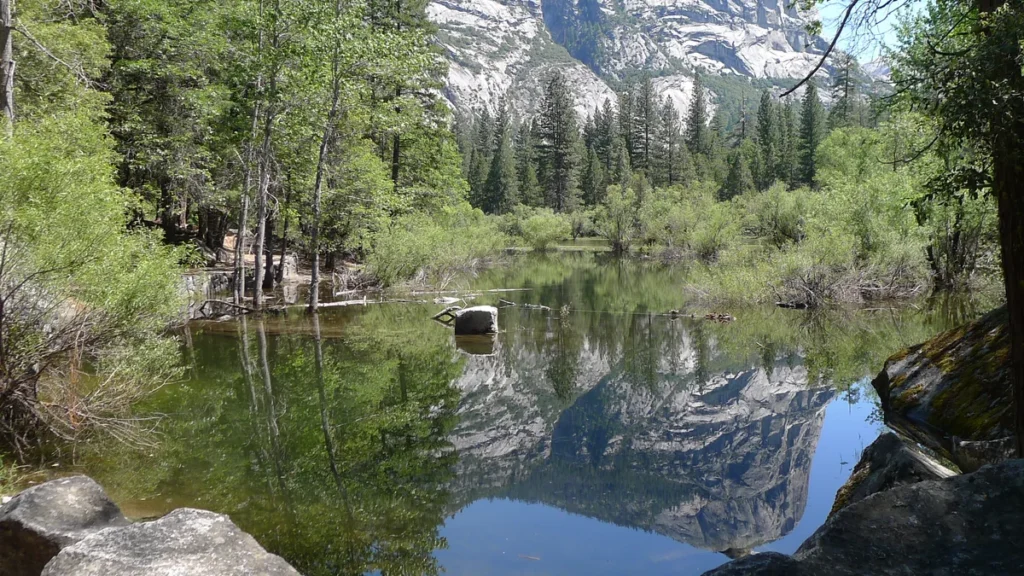
Yosemite’s fall attraction is comfortable Valley exploration and patches of deciduous color against granite and evergreen forest. October and November are worth considering for that contrast, but this is not the same trip as spring waterfall season. Lower water can make reflection photography appealing while leaving famous falls nearly dry.
Highlights to build around: Tunnel View; Valley meadows; Lower Yosemite Fall; Mariposa Grove.
Walk: Lower Yosemite Fall: 1-mile loop, 50 feet gain; easy on dry pavement.
Suggested itinerary: Use day one for Tunnel View and a slow Valley walk; day two for Mariposa Grove; and a third for another open trail. The Lower Yosemite Fall loop still offers forest and granite scenery when the waterfall is dry. Keep high-country road travel optional because storms and seasonal closure can change the approach.
Planning tip: At review, Yosemite Falls was dry and Glacier Point Road was temporarily closed for the Dome Fire. Smoke also affected parts of the park. Do not build a fall itinerary around Glacier Point until NPS confirms reopening; check air quality and current trail restrictions before booking a fixed hike.
Stay: El Portal or Mariposa; reserve Valley accommodation early. NPS planning · Conditions.
13. Zion National Park
At a glance: Utah · Sandstone canyon walls · 2–3 days · October–early November. Gateway: Las Vegas (LAS) or St. George (SGU); Springdale.
Entry: Seasonal canyon shuttle; Angels Landing permit; Narrows conditions check. Fees.
Zion belongs on a fall list for cooler canyon walking, with riverside cottonwood color as a later-season bonus. October into November is a broad window for the main canyon; higher areas can feel much colder. The desert does not become free of flash-flood risk simply because summer has ended.
Highlights to build around: Canyon shuttle viewpoints; Riverside Walk; Pa’rus Trail; Zion–Mt. Carmel Highway.
Walk: Riverside Walk: 2.2 miles round trip, 57 feet gain; paved with slopes; do not enter the river by default.
Suggested itinerary: Give Zion two days: shuttle-accessed canyon scenery and Riverside Walk first, then Pa’rus Trail and the east-side highway. If the forecast is poor, keep the plan to open viewpoints and avoid committing to a narrow canyon. Stay in Springdale so a full parking lot does not force a long return drive.
Planning tip: A fall Narrows hike requires cold-water preparation and a same-day flow, weather and flood assessment. The dry Riverside Walk is the default here. Angels Landing permits remain separate, and the June 2026 large-vehicle restrictions can affect RV routes toward Bryce. Verify shuttle dates rather than assuming private-car access.
Stay: Springdale or reserved Zion Lodge/Watchman Campground. NPS planning · Conditions.
14. Bryce Canyon National Park
At a glance: Utah · Hoodoo amphitheater · 1–2 days · September–October. Gateway: Las Vegas (LAS) or Salt Lake City (SLC); Bryce Canyon City or Tropic.
Entry: Reserve camping/lodging; winter trail and road closures vary. Fees.
Bryce is a fall choice for clearer planning around cool-weather walks and strong light on the hoodoos, not for a New England-style leaf display. September and October can offer pleasant afternoons, but elevation makes frost or snow entirely plausible. Pack for the morning temperature you will actually stand in at the rim.
Highlights to build around: Sunrise Point; Sunset Point; Bryce Point; main park scenic road.
Walk: Sunrise–Sunset rim walk: 1 mile round trip, 40 feet change; exposed high-elevation path.
Suggested itinerary: Use the first day for Sunrise and Sunset Points and the one-mile connecting out-and-back. On day two, select open main-road overlooks or a below-rim walk after checking footing. Descending feels deceptively easy; keep energy and time for the climb back. Stay in Bryce Canyon City or Tropic to avoid adding a long dawn drive.
Planning tip: Summer shuttle and lodge schedules do not necessarily extend through your fall dates. Check both before committing. If ice appears, a shorter safe rim visit is preferable to forcing a hoodoo loop. Lightning remains a reason to leave exposed viewpoints and seek a building or enclosed vehicle.
Stay: Bryce Canyon City or Tropic; check seasonal park lodge dates. NPS planning · Conditions.
15. Arches National Park
At a glance: Utah · Natural stone arches · 2 days · October. Gateway: Grand Junction (GJT) or Salt Lake City (SLC); Moab.
Entry: No timed entry in 2026; entry may pause at capacity; Fiery Furnace needs a permit. Fees.
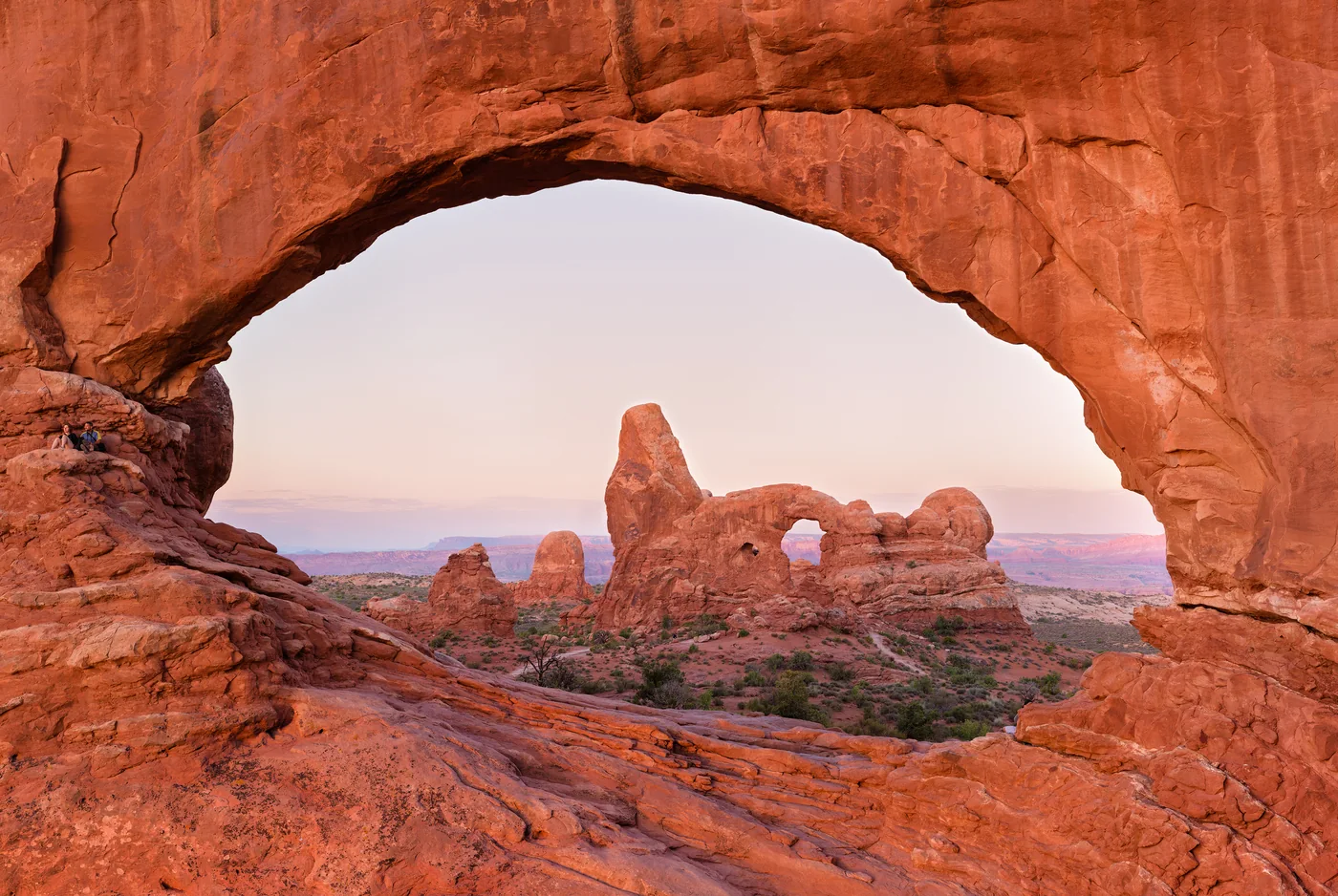
Arches earns its fall place through hiking conditions and warm light, with limited localized foliage rather than a forest color spectacle. October is a useful target, but popular trailheads can be as busy as other peak periods. Plan for sun exposure and carry water even when the air feels cool.
Highlights to build around: The Windows; Double Arch; Balanced Rock; Devils Garden’s lower trails.
Walk: Double Arch: 0.6 mile round trip; sandy, gently rising approach; scrambling is optional.
Suggested itinerary: Use one morning for the Windows, Double Arch and Balanced Rock; dedicate another to an open Devils Garden route appropriate to your ability. The lower Double Arch approach is short and gently sloping, while scrambling beneath the arches is optional and harder to reverse. Moab makes a practical two-night base.
Planning tip: Arches has no timed-entry reservation requirement in 2026, but temporary capacity closures remain possible. Book accommodation and campsites separately, watch the entrance status, and keep a second park day rather than treating one exact arrival time as guaranteed. Leave biological soil crust and rock formations undisturbed.
Stay: Moab; Devils Garden campsites need advance planning. NPS planning · Conditions.
Entrance fees, passes and reservations in 2026
Check your party’s eligibility before comparing pass prices. In 2026, the America the Beautiful annual pass costs $80 for U.S. citizens and residents and $250 for non-U.S. residents. At 11 specified parks or park groups, non-U.S. residents age 16 and older generally pay an additional $100 per person unless covered by a qualifying pass. Several parks in these guides are on that list. See the official pass options and nonresident fee and pass-coverage rules before buying.
A valid America the Beautiful pass or qualifying park annual pass covers the applicable entrance and nonresident fees for the group defined by its terms. Coverage depends on whether admission is charged per vehicle or per person; do not assume one pass covers an unlimited group. Camping, tours, transportation and reservation charges can remain additional costs.
An entrance pass is not a timed-entry reservation, a campsite booking or a hiking permit. For example, Angels Landing in Zion requires its own permit. Great Smoky Mountains parking tags are separate from entrance passes. Keep confirmation numbers available offline and match the reservation to the entrance, vehicle and date you will actually use.
Travel responsibly
Follow current fire restrictions, stay on designated routes, pack out litter and secure food as instructed. Never feed or approach wildlife. Approximate trail distances describe ordinary conditions; snow, ice, heat and closures can change the outing.
Frequently asked questions
When is peak fall color in national parks?
There is no single nationwide peak. Use the park-specific windows as starting points, then check current local reports. Elevation, rainfall, frost and wind can shift color substantially.
Which parks are best for colorful leaves?
Acadia, Shenandoah, Great Smoky Mountains, Cuyahoga Valley and New River Gorge are strong eastern choices. Rocky Mountain and Grand Teton offer a different experience built around aspens and mountain scenery.
Are Utah parks good fall foliage destinations?
They can have localized color, especially near water and at elevation, but the main reason to choose Zion, Bryce or Arches in fall is scenery with generally more comfortable sightseeing temperatures. Do not expect an eastern hardwood-forest display.
Are fall parks less crowded than summer parks?
Sometimes, but peak foliage weekends and popular desert hiking dates can be very busy. Midweek travel and staying close to the entrance can help; do not assume autumn means empty roads.
Will mountain roads still be open in October?
Some may be, but early snow and scheduled seasonal closures can change the route. Yellowstone, Rocky Mountain and Yosemite require particularly careful road checks. Choose a viable lower-elevation alternative.
Do I still need reservations in fall?
Certain reservations continue well into October, including Cadillac Summit Road and Rocky Mountain’s 2026 timed-entry periods. Lodging, tours and campsites have their own booking rules.
What should I pack for a fall park trip?
Bring layers, rain protection, suitable footwear and a light source. Cold mornings and warm afternoons can occur together. Add traction equipment only where appropriate and understand the conditions in which it is useful.
Plan the rest of your national parks trip
- 25 Best National Parks in the USA to Visit in 2026
- 15 Best National Parks to Visit in Summer: Where to Go & What to Do
- 15 Best National Parks to Visit in Winter: Snow, Wildlife & Warm-Weather Escapes
- The Ultimate U.S. National Parks Road Trip: Best Route, Map & Itinerary
For practical preparation, use our travel packing checklist, budget travel guide and travel tips. If you have only a short break, start with our U.S. weekend getaway ideas and choose one nearby park rather than compressing a long road trip.
Sources, image credits and review date
Researched and reviewed September 26, 2026. Park-specific NPS planning, fee and condition pages are linked beside the relevant advice. Recheck alerts before booking and again immediately before travel: weather, wildfire, construction and transportation schedules can change after this review. This is an editorial planning guide based on published sources, not a claim of firsthand visits to every destination.
Featured photograph: Orange and red autumn foliage along a lakeshore in Acadia National Park. NPS, public domain; archival October photograph. Source and license record. Photos have been cropped and compressed for this guide; they illustrate landscapes and do not show live conditions.