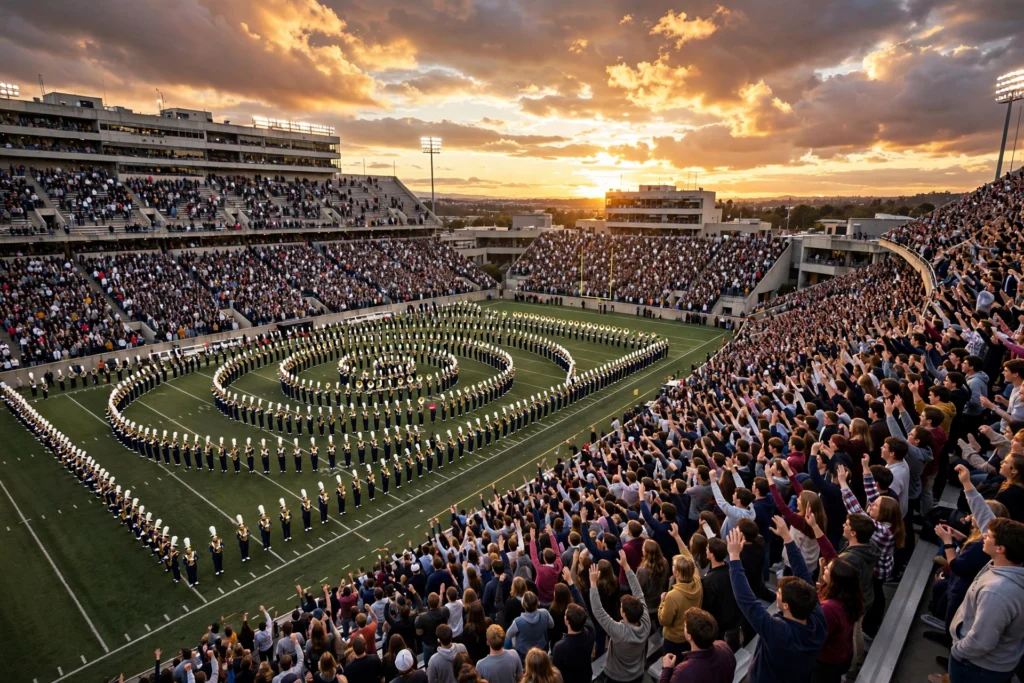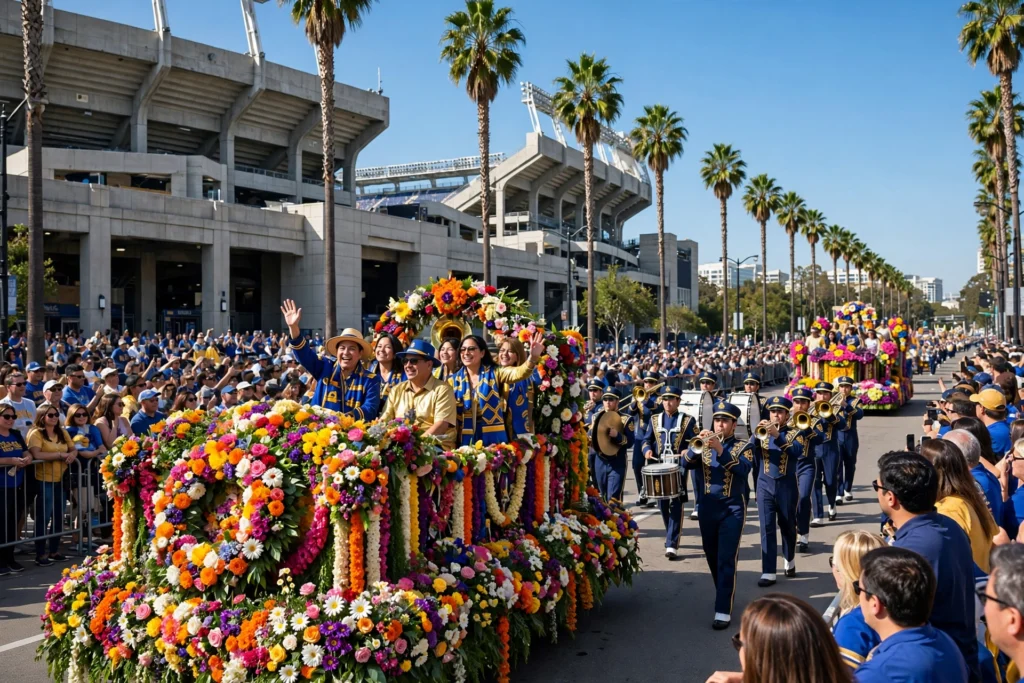
The Best College Football Rivalries are more than games — they are annual civic holidays that split states, divide families, and define entire seasons. In a sport where teams are tied to campuses for generations, hatreds ferment for a century and traditions grow deeper every year. From the 100,000-seat cauldrons of Michigan–Ohio State to the pageantry of Army–Navy, these matchups deliver the most intense atmospheres in American sports. This guide ranks the greatest rivalries, tells the story behind each one, catalogs the famous trophy games, and explains why rivalry week is the best weekend of the sports year.
What Makes a College Football Rivalry Great
Not every annual matchup qualifies as a rivalry. The great ones share ingredients: geographic proximity or historical accident that bred familiarity, competitive balance over decades (or at least memorable eras of it), high stakes that regularly include conference titles or playoff berths, and traditions — trophies, songs, pranks, rituals — that give the game texture beyond the scoreboard.
College rivalries also benefit from permanence. NFL franchises relocate and players change teams; college programs stay put and alumni pass allegiances to children. A rivalry game is never just about the current rosters — it is about every meeting that came before, the stories grandparents tell, and the bragging rights that last a full year. Losing your rivalry game can ruin a 10-win season; winning it can salvage a losing one.
The Top 10 College Football Rivalries
1. Michigan vs. Ohio State — “The Game”
The fiercest rivalry in American sports, full stop. Played nearly every year since 1918, usually on the final weekend of the regular season, Michigan–Ohio State has decided Big Ten championships and national title fates with stunning regularity. The Ten Year War between coaches Bo Schembechler and Woody Hayes in the 1970s elevated it to mythology, and the modern era — with both programs regularly in playoff contention — has only raised the stakes. Entire states shut down for it. There is no second place in this discussion.
2. Alabama vs. Auburn — The Iron Bowl
Alabama’s intrastate civil war splits the state down the middle: you are born into one camp or the other. Played since 1893, the Iron Bowl has produced some of the most famous finishes in football history, including last-second field goal returns and fourth-down miracles that live forever in highlight reels. When both teams are elite — as they often are — the Iron Bowl doubles as a national semifinal.
3. Army vs. Navy — America’s Game
The only rivalry that transcends sports. Played annually since 1930 (with meetings dating to 1890), Army–Navy features future military officers competing before the sport’s most respectful crowd — both student bodies stand and sing the other school’s alma mater after the game. Presidents attend. The pageantry — the march-ons, the flyovers, the prisoner exchange of cadets — makes it a bucket-list event even for casual fans.
4. Texas vs. Oklahoma — The Red River Rivalry
Played at the Cotton Bowl in Dallas during the Texas State Fair, with the stadium split exactly 50–50 down the 50-yard line. The burnt orange vs. crimson divide, the Golden Hat trophy, and the fair’s fried-everything backdrop make this the most unique setting in the sport. Since both programs moved to the SEC, the rivalry gained new conference stakes.
5. Georgia vs. Florida — The World’s Largest Outdoor Cocktail Party
Jacksonville, Florida, hosts this annual border war between the Bulldogs and Gators, a neutral-site party decades in the making. The rivalry has decided SEC East titles almost annually for a generation, and the tailgating scene along the St. Johns River is legendary.
6. USC vs. Notre Dame — The Intersectional Classic
The greatest intersectional rivalry: a Catholic school from Indiana and a Hollywood-adjacent powerhouse from Los Angeles, playing since 1926. Knute Rockne’s barnstorming built it; decades of top-10 matchups sustained it. The Jeweled Shillelagh trophy and the coast-to-coast cultural contrast keep it special.
7. Harvard vs. Yale — The Game
The oldest rivalry on this list (first played in 1875) and the one that invented many of the sport’s traditions — including, arguably, the concept of “The Game” itself. The football is Division I FCS, but the pageantry, alumni passion, and prank wars (the 2004 Yale “WE SUCK” card stunt remains legendary) are unmatched.
8. Florida vs. Florida State — Sunshine Showdown
When both programs peaked simultaneously in the 1990s, this was the de facto national semifinal most years — Bowden vs. Spurrier, wide rights and wide lefts, an intensity that matched any rivalry in the country. Down cycles have cooled it periodically, but the embers never fully die.
9. Oregon vs. Washington — The Border War of the Northwest
The Pacific Northwest’s premier hatred, elevated by both programs’ rise to national prominence and their joint move to the Big Ten. The stylistic contrast — Oregon’s flash vs. Washington’s tradition — fuels a genuinely bitter modern rivalry.
10. Clemson vs. South Carolina — The Palmetto Bowl
South Carolina’s in-state feud carries an edge born of proximity and history, including a famous 19th-century brawl that suspended the series for years. Clemson’s national rise turned it into a playoff-implication game, and the statewide bragging rights are absolute.
Honorable Mentions: More Rivalries Worth Your Saturdays
- Auburn vs. Georgia — The Deep South’s Oldest Rivalry: First played in 1892, a century-plus of bad blood between two SEC powers.
- Texas vs. Texas A&M — The Lone Star Showdown: Dormant for over a decade during realignment, gloriously renewed with A&M’s SEC move.
- Ohio State vs. Penn State: A Big Ten heavyweight clash that regularly decides the conference race.
- Miami vs. Florida State: The 1980s–2000s defined swagger vs. tradition, with wide-right kicks deciding titles.
- Pittsburgh vs. West Virginia — The Backyard Brawl: A blue-collar border war with genuine dislike.
- Kansas vs. Missouri — The Border War: Roots in actual Civil War-era conflict; the hatred is historical, not manufactured.
- Stanford vs. Cal — The Big Game: Gave us “The Play” — the most famous lateral-filled kickoff return in history.
- Minnesota vs. Wisconsin — Battle for Paul Bunyan’s Axe: The most-played rivalry in FBS history, a trophy game dating to 1890.
Trophy Games: The Hardware of Hatred
Many rivalries play for physical trophies — often bizarre, always beloved:
| Trophy | Rivalry | The Story |
|---|---|---|
| Paul Bunyan’s Axe | Minnesota vs. Wisconsin | A six-foot axe; the winner literally chops down the goalpost tradition |
| The Golden Hat | Texas vs. Oklahoma | A gold cowboy hat exchanged at the State Fair of Texas |
| Jeweled Shillelagh | USC vs. Notre Dame | A club adorned with jeweled shamrocks and Trojan heads for each win |
| Floyd of Rosedale | Iowa vs. Minnesota | A bronze pig, born from a 1930s bet to calm fan tensions |
| The Old Brass Spittoon | Indiana vs. Michigan State | Exactly what it sounds like — and proudly so |
| Commander-in-Chief’s Trophy | Army vs. Navy vs. Air Force | A three-way round robin among the service academies |
| Apple Cup (trophy) | Washington vs. Washington State | Named for the state’s signature crop |
| Victory Bell | USC vs. UCLA | A 295-pound bell painted in the winner’s colors |
Rivalry Week: The Greatest Weekend in Sports
The final weekend of the regular season is college football’s crown jewel. Michigan–Ohio State, Alabama–Auburn, and dozens of other rivalries play simultaneously, with playoff spots, conference title berths, and year-long bragging rights all on the line. The atmospheres are unmatched — student sections camp out for days, campuses empty into stadiums, and the television coverage runs wall-to-wall.
If you attend one college football game in your life, make it a rivalry game. Arrive early for the tailgate scene, which at rivalry games reaches its absolute peak — the same multi-day event planning principles in our multi-day festival survival tips and music festival packing list apply to a full rivalry-weekend trip. Learn the visitor-section etiquette — our concert etiquette guide covers the same respect-the-locals principles that keep rivalry trips friendly.
How Rivalries Are Born (and How They Die)
Rivalries typically form through three mechanisms: geography (neighbors naturally collide), competitive stakes (repeated title-race meetings forge hatred), and realignment accidents (new conference mates develop fresh animosity). They die through realignment too — when Texas and Texas A&M split conferences, their rivalry went dormant for 13 years, and fans mourned it like a lost holiday.
Manufactured rivalries — trophy games invented by marketing departments between schools with no history — rarely take root. Authenticity cannot be faked: the great rivalries earned their hatred over decades, often through genuine controversy, disputed calls, and seasons ruined by a single loss.
Experiencing a Rivalry Game as a Neutral Fan
You do not need a rooting interest to enjoy a rivalry game — neutrals often have the most fun. Pick the elements to savor: the tailgate culture, the marching band showdowns, the student-section choreography, and the fourth-quarter tension that makes even blowouts feel electric. Many fans plan annual rivalry-week trips the way others plan vacations; our guide to finding local events can help you discover watch parties in your city if you cannot make the trip, and our free outdoor events guide lists the kind of communal viewing experiences that make rivalry week special.
The Anatomy of Rivalry Week: How the Buildup Works
Rivalry games are preceded by a week of escalating theater:
- Trophy vigils: Student groups guard rivalry trophies (and rival mascots’ statues) against theft and vandalism — prank wars are tradition.
- Pep rallies: Bonfires, marches, and midnight rallies whip campuses into a frenzy. Texas A&M’s Midnight Yell is the most famous.
- Banner wars: Fraternities and student groups hang elaborate banners; rival fans deface them; everyone pretends to be outraged.
- Media week: Coaches deliver clichés, players deliver bulletin-board quotes, and talk shows debate for days.
- Alumni pilgrimages: Graduates return in droves; homecoming often coincides with rivalry games for maximum attendance.
- Game-day march-ins: Marching bands, team walks, and flyovers reach peak intensity for rivalry games.
This buildup is why rivalry games feel different on television — you are watching the culmination of a week’s (or a year’s) emotional investment, not just a football game.
Finishes That Became Legend
Every great rivalry owns at least one finish that fans recount like scripture:
- The last-second field goal return: The 2013 Iron Bowl ended with Auburn returning a missed Alabama field goal 109 yards for a touchdown as time expired — arguably the most famous ending in college football history.
- “The Play” (1982): Cal’s five-lateral kickoff return to beat Stanford — with the Stanford band on the field — remains the sport’s most chaotic finish.
- Fourth-down stands: Goal-line stands in rivalry games (Clemson–South Carolina, Michigan–Ohio State classics) become program-defining moments.
- Overtime thrillers: Multiple-overtime rivalry games — with the alternating two-point shootout format — test fan cardiac health annually.
- The upset that ruined everything: Every rivalry has the year the underdog spoiled a perfect season — the loss fans never forgive and never forget.
Rivalries Beyond Football: Basketball and Beyond
College basketball’s rivalries burn just as hot:
- Duke vs. North Carolina: Eight miles apart, regularly both top-10, with a hatred refined over decades. The regular-season finales are appointment television.
- Kentucky vs. Louisville: A statewide divide with genuine animosity, played with Final Four intensity in December.
- Kansas vs. Missouri: The Border War extends to basketball, where the hatred may run even deeper.
- Indiana vs. Purdue: A Big Ten blood feud for state supremacy.
- Syracuse vs. Georgetown: The Big East’s golden-age rivalry, renewed with real venom whenever they meet.
- UConn women vs. Tennessee women: The rivalry that built women’s basketball’s national profile in the 1990s–2000s.
Other sports have their own: college baseball’s Mississippi State–Ole Miss, hockey’s Michigan–Michigan State, and lacrosse’s Johns Hopkins–Maryland all carry authentic, multi-generational hatred.
Rivalry Trophies: Stories Behind the Hardware
The trophies deserve a closer look, because their origins reveal how rivalries think about themselves. Floyd of Rosedale — the bronze pig contested by Iowa and Minnesota — was created in the 1930s when a governor bet a prize pig on the game to defuse fan tensions; the wager worked so well the pig became permanent. The Old Brass Spittoon (Indiana vs. Michigan State) began as a joke about the rivalry’s rough-and-tumble reputation and is now treated with genuine reverence. Paul Bunyan’s Axe replaced an earlier trophy (the Slab of Bacon, which vanished) and is wielded in a mock “chopping” celebration. These objects matter because they give abstract hatred a physical form — players pose with them, fans photograph them, and losing one stings in a way a simple loss does not.
Attending Your First Rivalry Game: A Survival Guide
Rivalry games reward preparation. Buy tickets early — prices peak as kickoff approaches and the visiting allotment sells out fast. Study the stadium’s bag policies, parking maps, and entry gates the night before; rivalry crowds arrive earlier and lines run longer. If you sit among home fans as a visitor, celebrate respectfully: cheer your team, never taunt individuals, and learn the home traditions well enough to appreciate them. After the game, win or lose, the losing fan base hurts — graciousness costs nothing and embodies what makes college sports special. For first-time big-event attendees, our first concert guide covers the same arrive-early, plan-ahead principles that make any major event smooth, and our rainy-day family activities guide has backup plans if weather disrupts your tailgate.
Frequently Asked Questions
What is the biggest rivalry in college football?
Michigan vs. Ohio State is widely considered the biggest, given its century-plus history, regular national title implications, and unmatched cultural intensity. Alabama–Auburn and Army–Navy round out most top-three lists.
When is rivalry week?
The final weekend of the regular season, typically the Saturday before conference championship weekend in late November, features the majority of the sport’s great rivalries.
What is the oldest college football rivalry?
Among major programs, Yale–Princeton (first played 1873) and Harvard–Yale (1875) are the oldest; in the FBS, Minnesota–Wisconsin (1890) is the most-played rivalry.
Do players care about rivalries as much as fans?
Often more. Coaches show rivalry highlight reels all week, seniors play their final home games, and a rivalry win can define a player’s legacy regardless of the season’s record.
What is the Commander-in-Chief’s Trophy?
A trophy contested annually in a round robin among the three service academies — Army, Navy, and Air Force. The winner keeps it until the next year’s series concludes.
Can new rivalries form?
Yes — conference realignment regularly creates new ones. But the deepest rivalries need decades of meaningful games; instant hatred is rare, and manufactured trophy games seldom stick.
What should visiting fans know before a rivalry game?
Learn the home team’s traditions, celebrate your own team without taunting individuals, and respect local customs — rivalry banter is welcome, hostility is not. Arrive early, expect massive crowds, and plan for heavy postgame traffic.
Which rivalry has been played the most times?
Minnesota vs. Wisconsin is the most-played rivalry in FBS history, with meetings dating back to 1890 and the winner taking home Paul Bunyan’s Axe.
Do rivalry games affect playoff selection?
Absolutely — late-season rivalry games carry outsized weight with the selection committee, and a rivalry win over a ranked opponent can rescue a playoff résumé while a loss can end one.