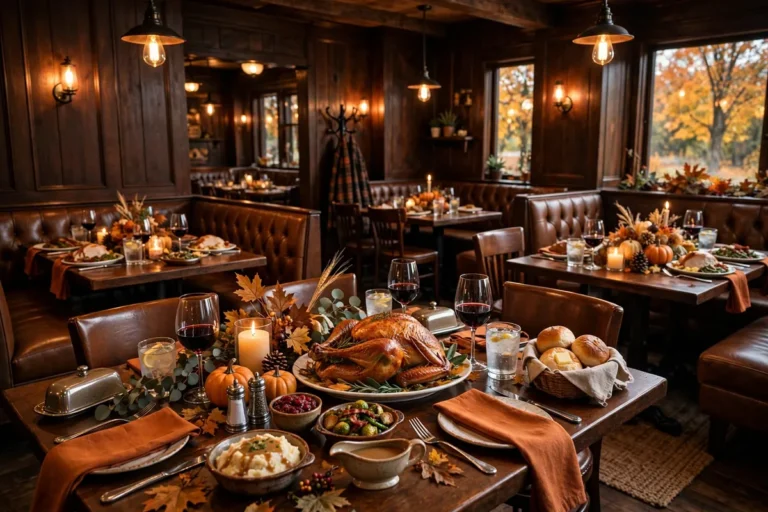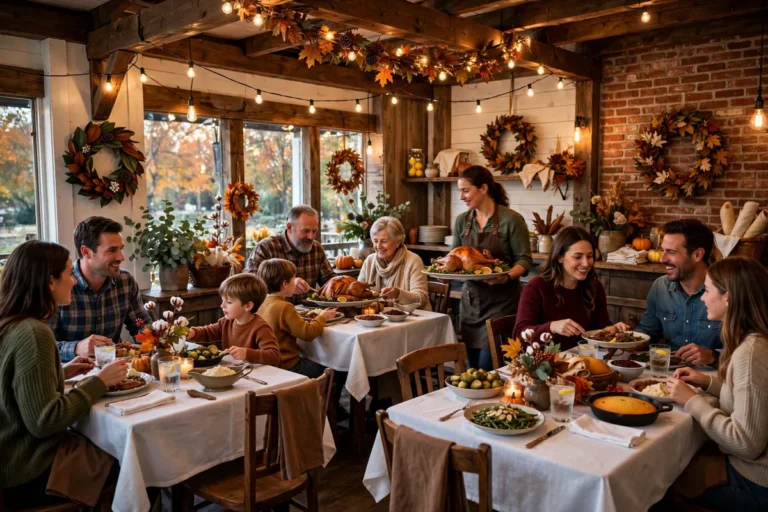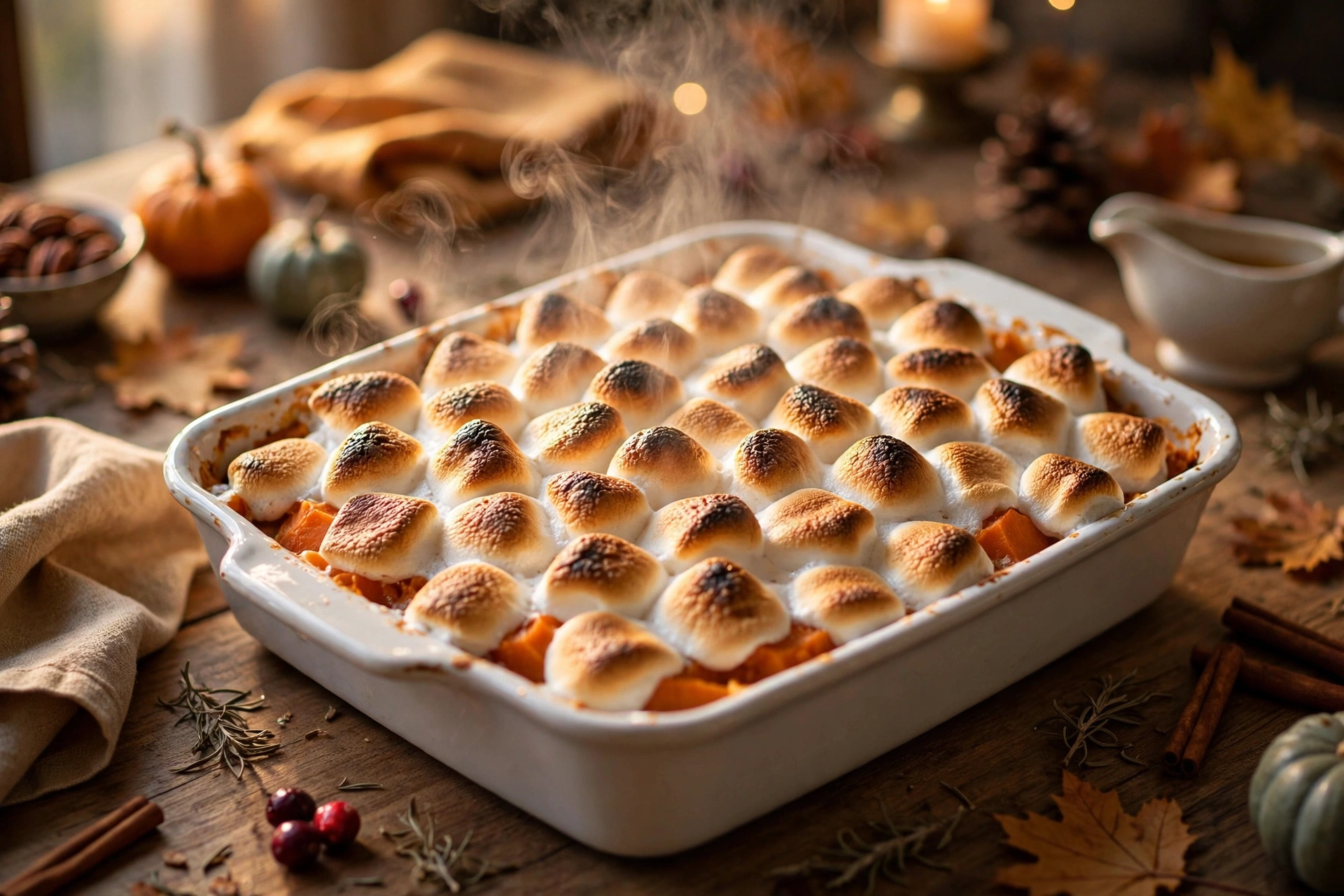
Every Thanksgiving table has a dish that starts arguments before the turkey is even carved, and in my family it is always this one: sweet potato casserole with marshmallows. Half the table calls it a side dish, the other half treats it like dessert, and everyone goes back for seconds either way. That tension — creamy, buttery sweet potato beneath a blanket of golden, toasted marshmallow — is exactly what makes this recipe a holiday classic that has survived more than a century of changing food trends.
This guide gives you everything you need to make the definitive version: silky mashed sweet potatoes perfumed with brown sugar, warm spices, and vanilla, baked under a cloud of marshmallows toasted to campfire perfection. Along the way, you will learn why the recipe works the way it does, how to pick and prepare the right sweet potatoes, how to fix the most common problems (watery casserole, scorched marshmallows, gluey texture), and how to adapt the dish with variations like a pecan streusel topping for the marshmallow skeptics in your life. Whether you are cooking your first Thanksgiving dinner or your thirtieth, this is the version that earns a permanent spot on the menu.
A Little History: How Marshmallows Ended Up on Sweet Potatoes
Long before anyone put a marshmallow on a sweet potato, American cooks were already sweetening the root vegetable with sugar and butter. Candied sweet potatoes — parboiled slices glazed in a buttery sugar syrup — appear in cookbooks dating back to the late 1800s, and glazed sweet potato recipes, like the one published by Fannie Farmer in 1918, show the dish was already firmly established as a festive favorite.
The marshmallow layer, though, has a documented birthday: 1917. That year, the makers of Angelus Marshmallows hired Janet McKenzie Hill, the respected founder of Boston Cooking School Magazine, to develop recipes that would turn their candy into a legitimate kitchen ingredient. Among the recipes Hill created for the company’s promotional cookbook was the first documented version of mashed sweet potatoes baked with a marshmallow topping. It was a marketing move, not a folk tradition — and it worked. A century later, the dish remains one of the most recognizable and debated side dishes on the American Thanksgiving table.
Knowing this history actually helps you cook the dish better, because it explains why the recipe behaves the way it does. The original concept was never about adding more sugar to sweet potatoes; it was about contrast. The sweet potato base is rich, earthy, and buttery; the marshmallow topping is light, airy, and caramelized. Great sweet potato casserole balances those two poles instead of doubling down on sweetness, which is why the best versions restrain the sugar in the mash and let the toasted topping do the heavy lifting. If you are planning the rest of your holiday spread, pair this dish with the savory anchors of a complete Thanksgiving dinner menu so the sweetness has something to play against.
What Makes This Recipe Work: The Building Blocks
A great sweet potato casserole with marshmallows is three things in balance: a smooth, well-seasoned sweet potato base, the right amount of fat and egg for structure, and a marshmallow topping that toasts rather than melts into a puddle. Get any one of them wrong and the dish slides into mediocrity — too sweet, too loose, or crowned with a rubbery sheet of scorched sugar.
The sweet potato base
Sweet potatoes bring natural sweetness, earthy depth, and a creamy texture when mashed, but they also bring a lot of water. That water content is the single biggest variable in the recipe, which is why how you cook the sweet potatoes matters more than almost anything else. Roasting concentrates their flavor and evaporates excess moisture, giving you a denser, more intensely sweet mash. Boiling is faster and easier, but it saturates the flesh with water, so the casserole needs more egg and starch to set properly. Both methods work; the recipe below gives you both options with adjustments for each.
The custardy binder
A small amount of egg, milk or cream, and melted butter turns mashed sweet potatoes into something between a pudding and a soufflé — sliceable, creamy, and rich without being heavy. The eggs also matter structurally: their proteins set during baking and hold the casserole together when you cut it. Sugar goes in as brown sugar, which adds molasses notes that plain white sugar cannot, and the quantity stays modest on purpose. Remember, the marshmallows are arriving with their own payload of sugar.
The marshmallow topping
Miniature marshmallows are the right choice here, not the jumbo campfire kind. They pack closely together, melt into an even layer, and their greater surface area toasts more evenly under the oven’s heat. Timing is everything: the marshmallows go on near the end of baking so they have just enough heat to puff and brown without collapsing into a sticky sheet. A few minutes under the broiler at the very end gives you that patchwork of golden and amber spots that makes the dish look as good as it tastes.
Choosing the Right Sweet Potatoes
Most sweet potatoes sold in American grocery stores are actually the moist, orange-fleshed varieties (like Beauregard, Jewel, and Garnet) rather than true yams, which are a different plant entirely and rarely sold fresh in the United States. For this casserole, the orange-fleshed types are exactly what you want: they bake up creamy and sweet, with the vivid color that makes the dish so inviting.
Fresh versus canned
Fresh sweet potatoes give you the best flavor and the most control over moisture, and they are the recommendation of this recipe. Canned sweet potatoes (sold as canned yams) are a legitimate shortcut — they are fully cooked and consistent — but they pack more water and less roasted flavor, so drain them thoroughly and expect a slightly looser casserole. If you go the canned route, use two large cans (about 40 ounces total, drained) and reduce the milk in the recipe by half.
How much to buy
Sweet potatoes lose roughly 20 to 25 percent of their weight to peeling and trimming, and a little more to moisture loss in the oven. For a 9-by-13-inch casserole that serves 10 to 12 people, start with about 4 pounds of fresh sweet potatoes, which will yield roughly 5 to 6 cups of mashed flesh. That sounds like a lot of peeling, but the hands-on time is genuinely short — the oven does the heavy lifting.
Ingredients You’ll Need
This is the classic formulation: simple, balanced, and scaled for a full holiday crowd. Everything here earns its place; there are no fillers.
- 4 pounds fresh sweet potatoes (about 5 large), scrubbed
- 1/2 cup (1 stick) unsalted butter, melted, plus more for the baking dish
- 1/2 cup packed light brown sugar
- 1/3 cup whole milk or half-and-half, warmed
- 2 large eggs, lightly beaten
- 1 1/2 teaspoons pure vanilla extract
- 1 teaspoon ground cinnamon
- 1/2 teaspoon ground nutmeg, preferably freshly grated
- 1/2 teaspoon fine sea salt
- 1/4 teaspoon ground ginger (optional, but adds warmth)
- 3 cups miniature marshmallows (about one 10-ounce bag), plus a handful extra if you like a thick topping
Ingredient notes
Unsalted butter: Salted butter works in a pinch, but reduce the added salt to 1/4 teaspoon. Unsalted butter gives you precise control, and control is everything in a dish where sweetness and salt have to stay in balance.
Brown sugar: Light brown sugar keeps the flavor warm without darkening the mash too much. Dark brown sugar works too and adds a deeper molasses note — use it if you like a more caramel-like base, especially alongside the pecan streusel variation below.
Milk versus cream: Whole milk keeps the casserole lighter; half-and-half makes it richer and silkier. Avoid skim milk, which adds water without enough fat to carry the flavor. Warm the milk before adding it so it does not cool the melted butter into clumps.
Miniature marshmallows: Fresh marshmallows toast better than stale ones, which can dry out and refuse to brown. If your bag has been open in the pantry for months, buy a fresh one — this is the starring visual of the dish and it deserves fresh ingredients.
Equipment
You need nothing exotic: a large pot or a sheet pan for cooking the sweet potatoes, a potato masher or hand mixer, a 9-by-13-inch baking dish (glass or ceramic both work; ceramic browns the edges a little more gently), measuring cups and spoons, and a rubber spatula. A stand mixer with the paddle attachment gives the silkiest mash, but a hand masher plus a little elbow grease produces a pleasantly rustic texture that many families prefer.
Step-by-Step Instructions
- Cook the sweet potatoes. Choose your method. Roasting (recommended): Heat the oven to 400°F (200°C). Prick each sweet potato several times with a fork, place them on a foil-lined sheet pan, and roast for 50 to 70 minutes, until completely soft and collapsing — a knife should slide through with zero resistance, and sugary juices may bubble out of the skins. Boiling: Peel and cut into 1-inch chunks, cover with cold salted water, bring to a boil, and cook 15 to 20 minutes until very tender. Drain thoroughly and return to the hot pot for 2 minutes over low heat, shaking occasionally, to steam off excess moisture.
- Mash until smooth. If you roasted, split the potatoes and scoop the flesh into a large bowl; discard the skins. Mash with a potato masher for a rustic texture, or beat with a hand or stand mixer on medium speed for a silky one. Do not over-process in a food processor — the starch can turn gummy.
- Mix the custard base. To the warm mashed sweet potatoes, add the melted butter, brown sugar, warm milk, beaten eggs, vanilla, cinnamon, nutmeg, salt, and ginger if using. Stir or beat on low speed just until combined and smooth. Taste and adjust: it should taste warmly spiced and sweet but not cloying, because the marshmallows will add the final layer of sweetness.
- Fill the baking dish. Butter a 9-by-13-inch baking dish generously. Spread the sweet potato mixture evenly, smoothing the top with a spatula. At this point the casserole can be covered and refrigerated for up to 2 days — see the make-ahead section below.
- Bake the base. Heat the oven to 350°F (175°C) if it is not already there. Bake the uncovered casserole for 25 to 30 minutes, until the edges are set and the center is hot and just barely jiggly. This first bake sets the custard so the marshmallows sit on a firm surface instead of sinking in.
- Add the marshmallows. Remove the dish from the oven and scatter the miniature marshmallows in an even, edge-to-edge layer. They will shrink slightly as they heat, so pack them generously — any gaps in coverage will stay gaps.
- Toast the topping. Return the dish to the oven and bake 10 to 15 minutes more, until the marshmallows are puffed and golden. For deeper, campfire-style browning, switch to the broiler for the final 1 to 2 minutes — but stand there and watch, because marshmallows go from golden to scorched in under a minute.
- Rest and serve. Let the casserole rest 10 minutes before serving. The custard finishes setting as it cools slightly, and the marshmallow layer firms just enough to cut cleanly. Serve warm, straight from the dish, and expect the marshmallow layer to stretch in glorious ribbons as you scoop.
The Science of That Toasted Marshmallow Top
The browned, crackly top is not just decoration — it is the Maillard reaction and caramelization working on the marshmallow’s sugars and proteins. Marshmallows are mostly sugar, water, and gelatin; when their surface hits high heat, the sugars caramelize and the proteins brown, creating hundreds of new flavor compounds that taste toasty, nutty, and faintly of caramel. That is why a properly toasted top tastes so much more interesting than a pale, just-melted one.
Two details make or break the result. First, surface moisture: if the casserole’s top is wet or the marshmallows sit in pooled liquid, they steam instead of browning, so make sure the base is set before the marshmallows go on. Second, heat intensity: the oven’s ambient heat puffs the marshmallows evenly, while a short blast of broiler heat at the end browns them aggressively. Combining the two — bake, then broil — gives you puff plus color, the best of both worlds.
Variations to Try
The classic is classic for a reason, but Thanksgiving tables are big, and there is room to play. Each of these keeps the soul of the dish intact while giving it a different personality.
Pecan streusel topping (the marshmallow-skeptic’s version)
If your family is divided — and many are — this is the diplomatic solution. Skip the marshmallows entirely and top the baked casserole with a streusel of 1 cup chopped pecans, 1/2 cup packed brown sugar, 1/3 cup all-purpose flour, 1/2 teaspoon cinnamon, and 6 tablespoons melted butter, tossed together and scattered over the base. Bake 15 to 20 minutes until crisp and golden. You get crunch, nuttiness, and caramel notes instead of gooey sweetness. Many Southern cooks consider this the more traditional version, and honestly, it is magnificent. You can even do half the dish with marshmallows and half with streusel to settle the debate at the table.
Maple and bourbon sweet potato casserole
Replace the brown sugar with 1/3 cup pure maple syrup and add 2 tablespoons bourbon to the mash. The bourbon’s vanilla and oak notes amplify the sweet potato’s natural depth, and nearly all the alcohol bakes off, leaving only flavor. Reduce the milk slightly (to 1/4 cup) to compensate for the syrup’s liquid. Toast the marshmallows as usual — bourbon and toasted marshmallow are a natural pairing.
Orange zest and coconut
Add the zest of one orange and 1/2 cup sweetened shredded coconut to the mash, and swap the vanilla for 1/2 teaspoon coconut extract if you like. The citrus brightens the richness and cuts through the sweetness, making the whole dish taste lighter. This variation pairs especially well with a bright, citrusy homemade cranberry sauce elsewhere on the table.
Dairy-free sweet potato casserole
Swap the butter for an equal amount of coconut oil or vegan butter, use full-fat coconut milk in place of the dairy milk, and choose vegan marshmallows (several brands now make gelatin-free versions). The coconut notes complement the sweet potato beautifully, and no one at the table will guess the dish is dairy-free.
Individual ramekin servings
For a fancier presentation, divide the sweet potato mixture among buttered ramekins, top each with a few marshmallows, and bake 15 to 20 minutes. Individual portions look stunning on a buffet, and guests love having their own little caramelized dome. This is a lovely option if you are also serving an elegant Thanksgiving turkey and want every dish to feel special.
Troubleshooting: Fixing Common Problems
The casserole is watery or soupy
Nine times out of ten, the sweet potatoes held too much water — usually from boiling without the steam-dry step, or from under-roasting. For the current batch, return it to a 350°F oven for an extra 10 to 15 minutes uncovered to drive off moisture; the eggs will continue to set. Next time, roast instead of boil, or mash and then cook the mash in a dry pot over medium-low heat for a few minutes, stirring, to evaporate excess liquid before adding the other ingredients.
The marshmallows burned
Broilers are unforgiving. If only the very tops are scorched, you can sometimes scrape off the blackest bits and add a fresh thin layer of marshmallows, returning the dish to a moderate oven (not the broiler) for 5 minutes. If the damage is deep, the pragmatic fix is to lift off the burnt layer entirely and finish with the pecan streusel topping instead — bake 15 minutes and nobody will know it was plan B. Next time, position the rack in the middle of the oven, broil for 60 to 90 seconds maximum, and do not walk away.
The mash is lumpy
Lumps come from undercooked sweet potatoes or from mashing cold potatoes. The fix is prevention: roast until the potatoes are truly collapsing, and mash while they are hot. If you are already staring at a lumpy bowl, push the mash through a ricer or food mill, or beat it longer with a mixer. A few small lumps are honestly fine — this is comfort food, not fine dining — but large hard chunks will not soften in the oven.
It tastes too sweet
Remember that the marshmallow topping adds significant sweetness, so the base should taste only moderately sweet on its own. If you overshot, stir in an extra 1/2 teaspoon of salt and a squeeze of lemon juice — salt and acid both suppress the perception of sweetness without changing the sugar content. Next time, cut the brown sugar to 1/3 cup and let the topping carry the dessert-like notes.
The marshmallow layer slid off or sank
Marshmallows sink when they go onto a loose, underbaked base. The two-stage bake in this recipe — 25 to 30 minutes for the base first, then marshmallows — exists specifically to prevent this. If your base still looks liquid after the first bake, give it another 10 minutes before adding the topping.
Make-Ahead, Storage, and Reheating
This casserole is one of the most make-ahead-friendly dishes on the Thanksgiving table, which is exactly what you want when the oven is already booked solid with the turkey.
Make ahead
Assemble the sweet potato base through step 4, cover tightly, and refrigerate for up to 2 days. On Thanksgiving day, let the dish sit at room temperature for 30 minutes, then bake as directed — add 10 minutes to the first bake since it is starting cold. Hold the marshmallows back until the day of serving; they go on fresh so they toast properly. You can also freeze the unbaked base (without marshmallows) for up to 2 months; thaw overnight in the refrigerator before baking.
Storing leftovers
Cover the cooled casserole tightly and refrigerate for up to 4 days. The marshmallow topping will soften and deflate in the fridge — that is normal and unavoidable. For the best leftover experience, scoop portions into an oven-safe dish, add a few fresh marshmallows on top, and warm in a 350°F oven for 10 to 15 minutes. The fresh marshmallows re-toast and the whole thing tastes nearly as good as day one.
Reheating
The oven is the best reheating method: 350°F, covered with foil for the first 10 minutes to heat through, then uncovered for 5 minutes to re-crisp the top. The microwave works for single servings but turns the marshmallow layer rubbery, so use it only when you must. Never reheat the whole casserole more than once.
In Pictures: Sweet Potato Casserole
The marshmallow-topped sweet potato casserole is pure Americana — a custardy sweet potato base under a toasted, gooey crown. The casserole, fresh from the oven.
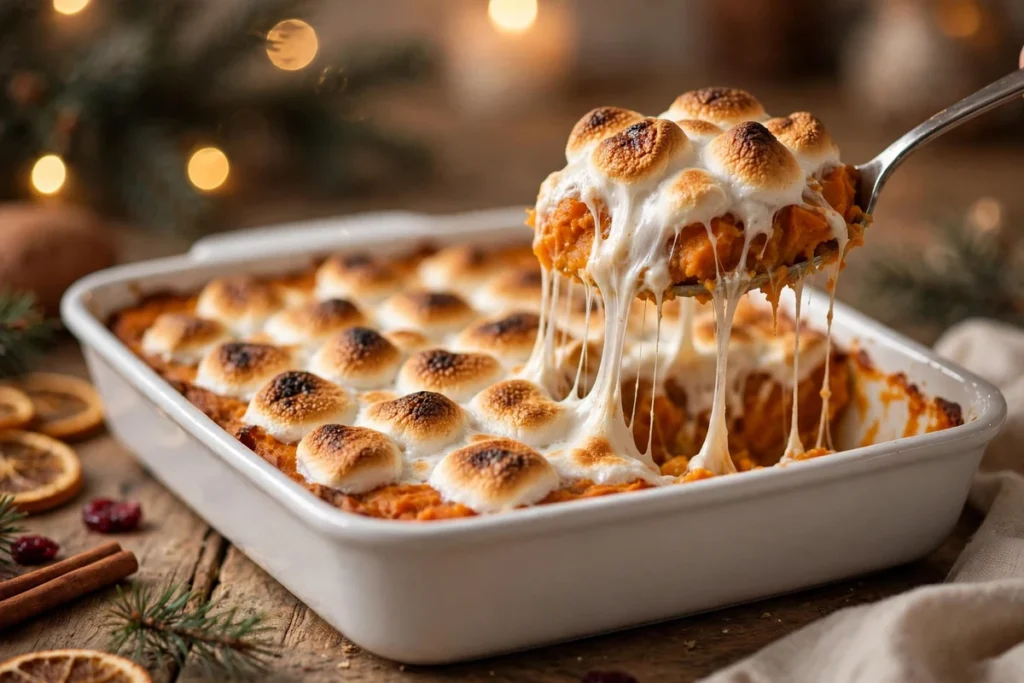
A sweet potato casserole with a toasted marshmallow topping, golden and bubbling from the oven.
Watch: Sweet Potato Casserole
The Stay At Home Chef bakes the definitive marshmallow-topped version: mashed sweet potatoes with brown sugar and butter, crowned with mini marshmallows and baked until golden.
At a Glance: Sweet Potato Casserole
The building blocks, from the guide.
| Component | Notes |
|---|---|
| A little history | Marshmallows landed on sweet potatoes in early-1900s recipe marketing — and never left |
| The sweet potato base | About 1½ to 2 pounds of sweet potatoes, cooked and mashed smooth |
| The custardy binder | Eggs, brown sugar, butter, and milk turn the mash into a sliceable custard |
| Fresh vs. canned | Fresh gives brighter flavor; canned is the weeknight shortcut |
| The marshmallow topping | About 10 ounces of miniature marshmallows, added for the final bake |
| Baking | Around 350°F for 25–30 minutes, until the marshmallows are toasted and golden |
Frequently Asked Questions
Can I make sweet potato casserole with marshmallows without eggs?
Yes. The eggs add richness and help the casserole set, but you can omit them for an egg-free version — the dish will simply be softer and more spoonable, closer to a baked mash than a sliceable custard. Add 2 tablespoons of cornstarch tossed with the brown sugar to help it firm up, and bake the base an extra 5 to 10 minutes. The flavor stays essentially the same.
Should I use canned or fresh sweet potatoes?
Fresh sweet potatoes, roasted, give the best flavor and texture — deeper sweetness, less water, and a more vibrant color. Canned sweet potatoes are a fine shortcut when time is short: drain them very well, reduce the milk by half, and expect a slightly softer result. Either way, the marshmallow topping works the same.
Why did my marshmallows melt into a flat, sticky layer instead of staying puffy?
This usually means the marshmallows were old or the oven heat was too low during the toasting stage. Stale marshmallows lose their structure and collapse rather than puffing. Also, make sure the marshmallows go onto a hot, set base — a lukewarm or loose base steams them from below. Fresh marshmallows, a fully preheated oven, and the two-stage bake method solve the problem.
Can I assemble the whole casserole, including marshmallows, the night before?
You can assemble the base the night before, but wait to add the marshmallows until just before the final bake. Marshmallows left overnight on a moist casserole absorb water, deflate, and will not toast properly — they turn gummy instead of golden. Keep the bag sealed and scatter them on right before the dish goes back into the oven.
How do I keep the marshmallows from burning under the broiler?
Keep the oven rack in the middle position, not directly under the element; broil for 60 to 90 seconds; and watch continuously — marshmallows can go from golden to black in under a minute. If your broiler runs hot, skip it entirely and just bake the topping at 350°F for 12 to 15 minutes; you will get lovely golden color with zero risk.
Is sweet potato casserole a side dish or a dessert?
Honestly, it lives in both worlds, which is part of its charm. At most Thanksgiving tables it is served alongside the savory dishes — next to the turkey, turkey gravy from drippings, and creamy mashed potatoes — where its sweetness contrasts beautifully with salty, savory flavors. Serve it as a side, and save the classic pumpkin pie from scratch for the true dessert course.
Conclusion
Sweet potato casserole with marshmallows has earned its place on the Thanksgiving table through more than a century of holiday dinners — a marketing invention from 1917 that became a genuine tradition because it is simply delicious. The formula is forgiving, the make-ahead potential is excellent, and the variations mean it can flex to fit any family’s tastes, from the die-hard marshmallow loyalists to the pecan streusel converts. Make the base a day or two ahead, toast the marshmallows just before serving, and watch the dish disappear faster than almost anything else on the table. If this recipe becomes part of your own holiday tradition, it will be in very good company.