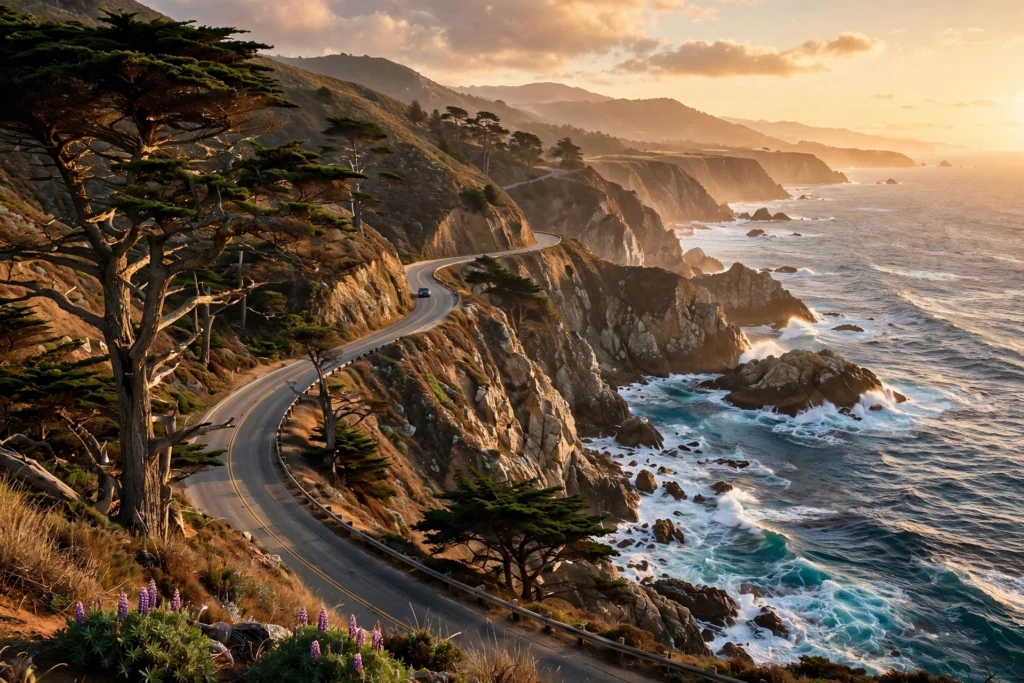
Learning how to plan a road trip well is the difference between the vacation you dream about and the one where you spend four hours arguing in a gas station parking lot. A great road trip looks spontaneous from the outside — windows down, great music, unexpected diners — but the best ones are built on solid planning: the right route, realistic daily mileage, lodging booked before the good places sell out, a budget that survives reality, and a car that will not strand you in the desert. This guide walks you through exactly how to plan a road trip in ten steps, from choosing your route to the packing and budgeting systems that keep everything smooth once you are rolling.
Who is this for? First-timers planning their first multi-day drive, and experienced road trippers who want a repeatable system. Whether you are doing a three-day weekend loop or a three-week cross-country odyssey, the planning framework is the same — only the scale changes.
Step 1: Decide What Kind of Road Trip You Want
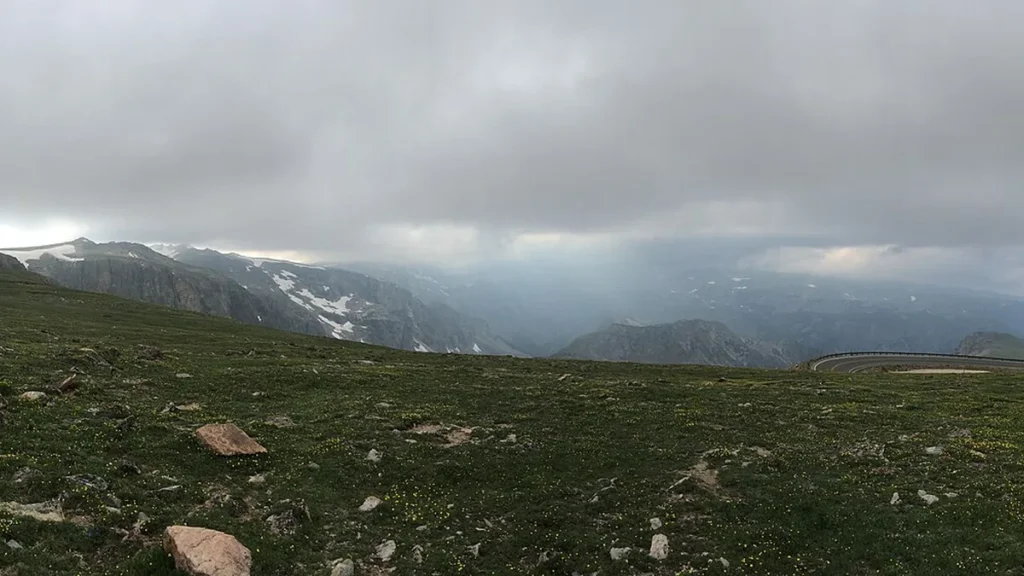
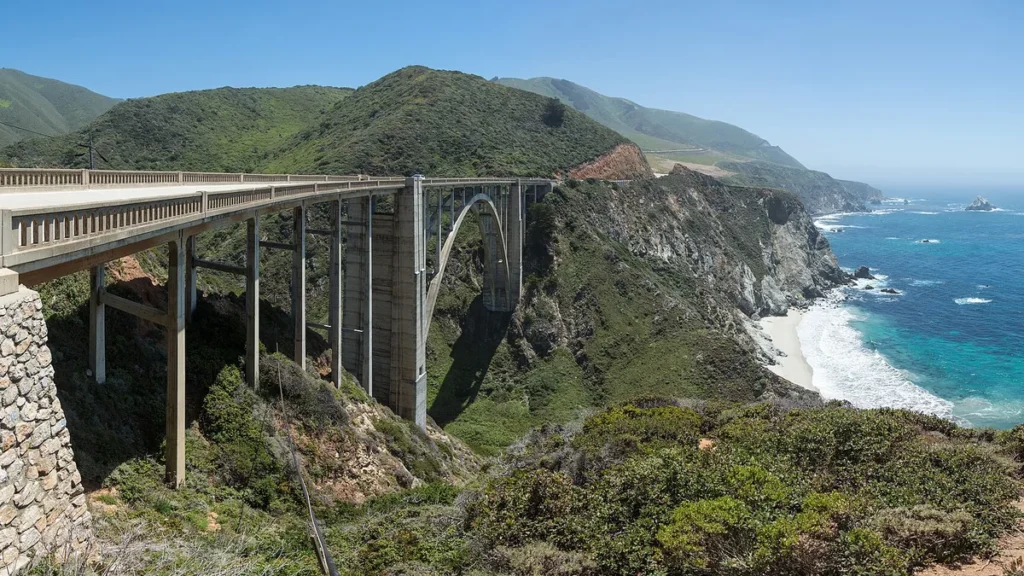
Before you open a map, answer one question: is this trip about the destination or the drive? The answer changes everything about how to plan a road trip. Destination trips (driving to Yellowstone, the Grand Canyon, a wedding in Austin) want efficient routing — get there fast, spend your days at the destination. Drive-focused trips (Route 66, the Pacific Coast Highway, the Blue Ridge Parkway) want the scenic route even when it is slower — the road is the point.
Most great trips are hybrids, and the classic mistake is over-scheduling the driving days so tightly that the “scenic” part becomes a blur. As a rule: if the drive is the point, cap driving at 3–4 hours a day. If the destination is the point, 6–8 hour driving days are fine, but never plan back-to-back 8-hour days without a rest day — fatigue compounds, and tired drivers make bad decisions.
Also decide your travel style early, because it drives the budget. Are you camping, motel-hopping, or doing boutique hotels? Cooking or eating out? These choices swing a week-long trip’s cost from $800 to $4,000 per person, so settle them before you start booking.
Step 2: Pick Your Route (and Your Daily Mileage)
Now the fun part. When figuring out how to plan a road trip route, work backwards from your available days:
| Trip length | Comfortable total mileage | Example routes |
|---|---|---|
| Long weekend (3 days) | 600–900 miles | City loop, one scenic byway out-and-back |
| 1 week | 1,500–2,000 miles | Regional loop: e.g., Colorado national parks circuit |
| 2 weeks | 3,000–4,000 miles | One-way cross-region: e.g., Chicago to Yellowstone to Denver |
| 3+ weeks | 5,000+ miles | Full cross-country with detours |
The golden rule of road trip routing: plan 200–300 miles per driving day on scenic roads, 400–500 on interstates, and schedule one zero-driving day per week. Google Maps lies about scenic-road times — a 150-mile mountain stretch the app calls 3.5 hours becomes 5 hours once you add overlook stops, a hike, and lunch. Multiply every estimate by 1.3 for scenic routes.
Route-planning tools that actually help: Google Maps for the skeleton (use the “avoid highways” toggle to discover the good stuff), Roadtrippers.com for finding attractions along your exact route, and the NPS website for national park alerts and timed-entry requirements — several major parks now require advance reservations in peak season, and showing up without one can ruin a day.
Build your route as a loop when you can. Loops eliminate backtracking, which is the great time-waster of road trips. If you must do a one-way route, price one-way car rentals early — drop fees can add $300–$500, and sometimes it is cheaper to fly into one city and out of another with a loop in between.
Step 3: Set Your Budget (With Real Numbers)
A road trip budget has five buckets. Here is what each realistically costs per day for two travelers sharing:
| Bucket | Budget style | Mid-range style | Comfortable style |
|---|---|---|---|
| Lodging | $0–$40 (camping, car camping) | $120–$200 (motels, Airbnbs) | $250–$400 (hotels) |
| Food | $25–$40 (groceries + fast food) | $50–$80 (mix of groceries + restaurants) | $100–$150 (restaurants) |
| Gas | $0.15–$0.25 per mile depending on vehicle and gas prices | ||
| Attractions & parks | $0–$15 | $15–$40 | $40–$80 |
| Buffer (repairs, surprises) | 10–15% of total, non-negotiable | ||
Worked example — a 7-day, 1,800-mile mid-range trip for two: lodging $1,050 (7 × $150), food $490 (7 × $70), gas $360 (1,800 × $0.20), attractions $175, buffer $200. Total: ~$2,275, or ~$1,140 per person. The same trip camping and cooking drops to roughly $700 per person; the comfortable version runs $2,000+ per person.
Money-saving moves that actually matter: the $80 America the Beautiful annual pass pays for itself in two national park visits (single-park entry is $30–$35). A cooler with groceries cuts food costs 40–60%. GasBuddy or Upside for fuel prices. And book lodging with free cancellation early, then re-shop prices two weeks out — rates often drop.
Step 4: Book Lodging Strategically
How to plan a road trip lodging strategy in one sentence: book the hard nights first, leave the easy nights flexible. Hard nights are national park gateway towns in summer, festival weekends, and anywhere with under 20 lodging options. Easy nights are random Tuesday stops in mid-size cities.
The booking timeline that works:
| When | What to book |
|---|---|
| 3–6 months out | National park lodges, popular small towns in peak season, holiday weekends |
| 1–3 months out | Most hotels/motels, vacation rentals |
| 2–4 weeks out | Fill remaining gaps; re-shop prices on early bookings |
| On the road | Only the intentionally flexible nights — and never in peak season near parks |
Camping reservations deserve special attention: Recreation.gov sites for popular national parks release in timed blocks and sell out in minutes for summer weekends. Set calendar alerts for release dates. If you strike out, look at national forest campgrounds nearby (often first-come, half the price, a fraction of the crowds) or Hipcamp for private land.
One more lodging rule: after any driving day over 6 hours, book a place with a real bed, not a campsite you will reach at 9 p.m. in the dark. Future-you will be grateful.
Step 5: Prep Your Car (The Step Everyone Skips)
More road trips die from car trouble than from any other cause. Two weeks before departure, do this:
- Full service check: oil, coolant, brake pads, belts, battery test. Tell the mechanic you are about to drive 2,000+ miles — they will check things they would otherwise skip.
- Tires: check tread depth (the quarter test: insert a quarter upside down; if you can see the top of Washington’s head, replace them), pressure (including the spare), and alignment if the car pulls.
- Spare tire reality check: confirm you have one, that it holds air, and that you know where the jack and lug wrench are. A shocking number of drivers discover a missing spare on the shoulder of I-40.
- Fluids and wipers: top off windshield washer fluid, check wiper blades, confirm the A/C blows cold (desert in July is unforgiving).
- Paperwork: registration, insurance card, and roadside assistance number saved in your phone AND written on paper in the glove box.
If you are renting: book the smallest car that fits your people and gear (better mileage, easier parking), decline the rental company’s overpriced insurance if your credit card covers rentals (many premium cards do — verify before you go), photograph every inch of the car at pickup, and confirm unlimited mileage. One-way rentals: compare the drop fee against the cost of looping back — sometimes driving the extra day is cheaper.
Step 6: Plan Your Stops (But Not Too Tightly)
Here is the planning paradox of how to plan a road trip: the trips people remember fondly had structure AND slack. Aim for 2–3 planned stops per driving day plus wide-open space for discoveries. The roadside pie shop with the line out the door, the viewpoint you did not know existed, the small-town museum that turns out to be delightful — these need unscheduled time to happen.
A practical system: each evening, pick tomorrow’s must-see (one anchor stop) and two maybes. Everything else is bonus. Anchor stops get morning slots when light is best and crowds are thinnest; maybes fill the afternoon. This gives you direction without a minute-by-minute itinerary that collapses at the first traffic jam.
For finding stops, layer these sources: the official state tourism sites (underrated and accurate), Roadtrippers and Atlas Obscura for the weird stuff, AllTrails for hikes near your route (filter by difficulty and read recent reviews for conditions), and good old-fashioned asking locals — gas station attendants and diner waitresses have never once steered us wrong.
Step 7: Pack Like You Mean It
Packing for a road trip is its own discipline — you need car-accessible layers for 40-degree temperature swings, not just suitcase packing. The full system:
- The car kit (always accessible): cooler with drinks and snacks, paper towels, trash bags, phone chargers and a car charger with multiple ports, sunglasses, sunscreen, hats, a blanket, pillows for naps, and a small daypack for hikes.
- Clothing: layers, not bulk — a fleece and a rain shell cover more scenarios than three sweaters. One “nice” outfit for good restaurants. Broken-in walking shoes plus sandals.
- Emergency gear: jumper cables or a portable jump starter, tire inflator, basic tool kit, flashlight, first-aid kit, extra water (a gallon per person), and paper maps of your route as backup.
- Documents: IDs, insurance, reservations (screenshots AND printed — cell service dies in the mountains), national park pass.
For the exhaustive version with printable checklists for every scenario — camping, kids, dogs, winter driving — see our ultimate road trip packing list.
Step 8: Food Strategy (Avoid the Fast-Food Death Spiral)
By day four of gas-station food, morale craters. The fix is a simple system: a cooler restocked every 2–3 days with breakfast and lunch supplies (yogurt, fruit, deli, bread, snacks), one real restaurant meal a day (make it lunch — same food, lower prices, no wait), and a “local food rule” — in each new region, eat one thing the place is known for. Barbecue in Texas, lobster rolls in Maine, green chile in New Mexico, cheese curds in Wisconsin. This one rule turns meals from refueling into memories.
Pack a basic camp kitchen even if you are not camping: a cooler, a knife, a cutting board, paper plates, and a trash bag. Picnic lunches at overlooks beat restaurant lunches on every dimension except effort, and the effort is five minutes.
Step 9: Entertainment and the Human Factor
The unglamorous truth about how to plan a road trip: the car dynamics matter more than the route. Download playlists, podcasts, and audiobooks before you leave (cell service gaps are guaranteed in the West). Agree on driving shifts in advance — two hours on, switch, no heroics. The navigator handles food, music, and the “next gas station in 40 miles” announcements.
Road trip games still work for adults: license-plate bingo, the alphabet game with road signs, 20 questions, and the classic “would you rather” tournament. For kids, surprise activity bags unveiled one per driving day work better than any tablet strategy. And build in a daily stretch stop every 2 hours — your back, your mood, and your bladder will thank you.
Step 10: The Week-Before and Day-Of Checklists
One week out: confirm all lodging reservations (call the small places directly — online systems glitch). Check the weather forecast for every stop and adjust packing. Download offline maps for the entire route. Share your itinerary with someone at home. Refill prescriptions. Notify your bank of travel if crossing regions where your card might flag.
Day before: pack the car with heavy items low and centered, car kit accessible, valuables out of sight. Check tire pressure cold. Fill the tank. Charge every device and battery pack. Set out snacks and water for day one. Get to bed early — day one sets the tone.
Day of: leave earlier than you think necessary. The first day’s excitement covers a multitude of packing sins, but it does not cover traffic. Take a photo of your odometer and your packed car — you will appreciate both later.
Common Road Trip Planning Mistakes (and How to Avoid Them)
| Mistake | Why it hurts | The fix |
|---|---|---|
| Over-scheduling driving days | Arrive exhausted, skip stops, fight in the car | Cap scenic days at 4 hours; multiply map times by 1.3 |
| No lodging near national parks | 2-hour commutes each way or sleeping in the car | Book gateway towns 3–6 months out |
| Skipping the car check | Breakdowns in remote areas, ruined days | Full service 2 weeks before departure |
| Forgetting park reservations | Turned away at the gate in peak season | Check NPS timed-entry rules when routing |
| No food plan | Expensive, unhealthy, morale-killing meals | Cooler + groceries every 2–3 days |
| Ignoring the buffer budget | One flat tire or detour wrecks the finances | 10–15% contingency, always |
| Planning every minute | No room for discoveries — the best part | 1 anchor stop + 2 maybes per day |
| No offline preparation | Lost in dead zones with no maps | Download offline maps for the whole route |
Sample 7-Day Road Trip Plan (Template You Can Steal)
Here is how the ten steps come together for a classic one-week loop — Denver to the Utah national parks and back:
- Months out: route sketched (Denver → Rocky Mountain NP → Dinosaur NM → Arches → Canyonlands → Capitol Reef → Denver, ~1,600 miles). Style: mid-range, motels + one camping night.
- 3 months out: Arches timed-entry reservation secured; Moab lodging booked (hard night); remaining towns booked with free cancellation.
- 1 month out: car serviced; cooler and camp kitchen assembled; playlists downloaded.
- 1 week out: reservations confirmed; offline maps downloaded; weather checked — desert highs in the 90s, mountain mornings in the 40s, so layers packed.
- Day 1: Denver to Rocky Mountain NP (2 hrs). Afternoon hike, sunset at Bear Lake.
- Day 2: Trail Ridge Road to Dinosaur National Monument (5 hrs). Evening in Vernal.
- Day 3: Vernal to Moab via Arches (4 hrs). Delicate Arch at sunset.
- Day 4: Zero-driving day: Canyonlands Island in the Sky, picnic lunch, Moab brewery dinner.
- Day 5: Moab to Capitol Reef via Goblin Valley (4 hrs). Night sky at the park’s dark-sky overlook.
- Day 6: Capitol Reef to Glenwood Springs (5 hrs). Hot springs soak — the trip’s reward.
- Day 7: Glenwood Springs to Denver via I-70 (3 hrs). Home by afternoon.
Total: ~1,600 miles, 7 days, roughly $1,100–$1,300 per person mid-range. Adjust the destinations to your region — the framework works anywhere.
Road Trip Planning for Special Situations
Road tripping with kids
Halve your daily mileage expectations. Plan a real stop every 2 hours — playgrounds, not just gas stations. Pack surprise bags, audiobooks (the “How to Train Your Dragon” series survives dozens of hours), and twice the snacks you think you need. Book lodging with a pool whenever possible; it is the single best kid-morale investment on a road trip. For family-specific ideas, see our family road trip ideas.
Road tripping with dogs
Check pet policies before booking anything — national parks heavily restrict dogs on trails (most allow them only in developed areas and campgrounds), while national forests and BLM land are far more permissive. Pack the dog’s food, water, bowls, leash, waste bags, vaccination records, and a familiar blanket. Never leave a dog in a parked car, even briefly — interior temperatures become lethal in minutes.
Solo road trips
Solo is the purest form of road trip and needs extra safety planning: share your full itinerary with someone, check in daily, keep your gas tank above half in remote areas, and choose well-reviewed lodging in safe areas. The upside — total freedom over stops, music, and pace — is enormous. See our weekend road trip ideas for solo-friendly routes.
Winter road trips
Add an emergency kit: blankets, extra water, high-calorie snacks, a shovel, kitty litter or sand for traction, and a fully charged battery pack. Check road conditions every morning (state DOT apps), keep the tank above half, and tell someone your route each day. Southern routes (I-10 corridor, the desert Southwest) are the sane winter choice.
Frequently Asked Questions About How to Plan a Road Trip
How far in advance should I plan a road trip?
For a major trip (national parks, peak season): 3–6 months. For a casual week-long trip in shoulder season: 4–8 weeks is plenty. For a long weekend: a week or two, though popular small towns still book out. The binding constraints are always lodging near parks and timed-entry reservations — everything else is flexible.
How many miles per day should I plan?
200–300 miles on scenic two-lane roads, 400–500 on interstates. But plan by hours, not miles: 4–6 hours of driving per day is the sustainable sweet spot, with one rest day per week on longer trips. Whatever Google Maps says for a scenic route, multiply by 1.3.
How much does a week-long road trip cost?
For two people sharing costs: roughly $1,400–$2,600 total mid-range ($700–$1,300 per person), $800–$1,400 camping and cooking, $3,000–$5,000+ for the comfortable version. The five budget buckets are lodging, food, gas, attractions, and a 10–15% buffer.
Should I plan every stop in advance?
No — plan one anchor stop per day and leave the rest open. Over-planned road trips collapse at the first delay and leave no room for the spontaneous discoveries that become the best stories. Book the lodging, sketch the route, and let the days breathe.
Is it cheaper to road trip or fly?
For one person, flying is usually cheaper. For two or more splitting gas and lodging, road tripping wins — and the gap widens with more travelers. A family of four driving almost always beats four plane tickets, especially when camping or cooking some meals.
What is the best app for planning a road trip?
Google Maps for routing (download offline maps), Roadtrippers for discovering stops along your route, GasBuddy for fuel prices, AllTrails for hikes, and Recreation.gov for campsite reservations. No single app does everything well — use each for its strength.
How do I plan a road trip with no plan?
Even “unplanned” trips need a skeleton: a general direction, a daily budget cap, lodging booked for night one, a serviced car, and offline maps. With that foundation you can genuinely wing the rest — pick each morning’s direction over coffee and follow your curiosity.
What should I do if my car breaks down on a road trip?
Get fully off the road, hazards on, everyone out and behind the guardrail. Call roadside assistance (this is why you saved the number in two places). If you have no service, the universal distress signal is the hood up plus a white cloth on the antenna or mirror. This is also why the buffer budget exists — a tow and a repair should be an inconvenience, not a catastrophe.
How do I keep kids happy on long driving days?
Stops every 2 hours, surprise activity bags, audiobooks, and a pool at the hotel. Let kids navigate with a paper map — it keeps them engaged for astonishingly long stretches. And lower your mileage expectations by half; the trip is still wonderful at kid pace.
Can I plan a road trip in a week?
Absolutely, outside of peak season near major national parks. In seven days you can: pick a route, book refundable lodging, service the car, assemble gear, download maps, and go. The trips that need months of lead time are the ones involving Arches timed entry, Yosemite summer weekends, or holiday periods — for everything else, a week is plenty.
Now pick your route: our 25 best road trips in the USA is the bucket list to choose from, our Route 66 guide plans the classic for you day by day, and our 15 most scenic drives covers the prettiest pavement in America.