

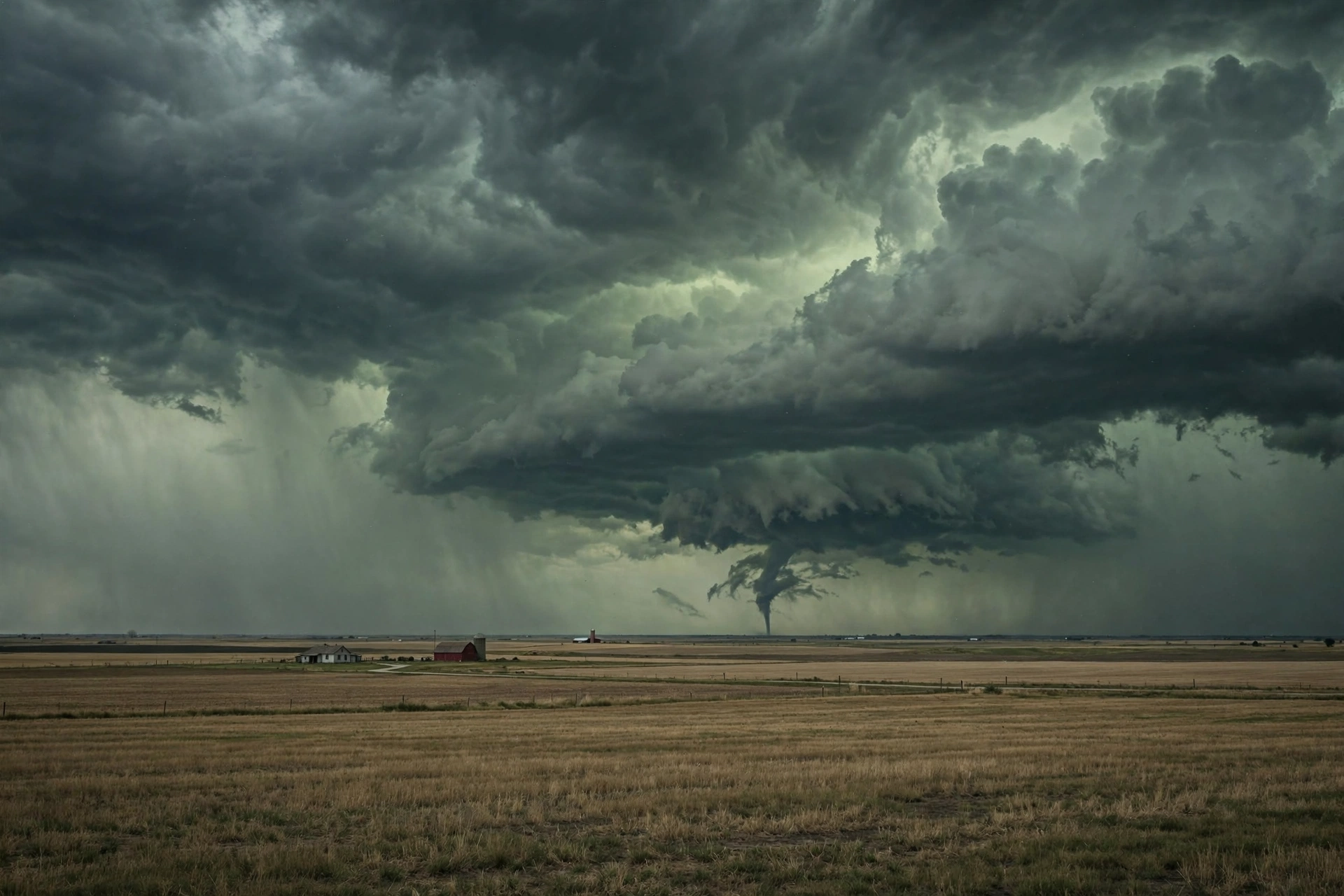
Tornadoes are among nature’s most violent storms — winds can exceed 300 miles per hour in the strongest twisters, and they can strike with only minutes of warning. Yet tornado deaths have fallen dramatically over the decades, not because the storms got weaker, but because warnings, building practices, and public knowledge improved. These Tornado Safety Tips cover everything you need: understanding watches vs. warnings, building a shelter plan for every place you spend time, what to do in the critical minutes before impact, and how to stay safe afterward. Read it once, make your plan, and you will be ready long before the sirens sound.
First, Know the Language: Watch vs. Warning
Confusion over these two terms costs lives, so lock this in:
- Tornado Watch — conditions are favorable for tornadoes in your area over the next several hours. This is your preparation window: review your shelter plan, bring pets inside, charge your phone, and keep your weather radio or phone alerts on. A watch covers a large area and lasts for hours.
- Tornado Warning — a tornado has been spotted or indicated by radar in your area. This means take shelter now. Warnings cover a small area and typically last 30 to 60 minutes.
- Tornado Emergency — the rarest and most urgent alert, issued when a large, destructive tornado is confirmed and heading toward populated areas. Treat it as a warning with maximum urgency.
A helpful memory aid used by meteorologists: a watch means “watch the sky and be ready,” a warning means “take cover immediately.” When a warning includes your location, do not go outside to look — take shelter first.
Tip 1: Identify Your Safe Place in Every Building You Use
You cannot choose where you are when a tornado forms, but you can decide in advance where you will go. Walk through each of these places now — not during a warning — and pick the safest spot:
- At home: the lowest floor, in a small interior room without windows — a closet, bathroom, or hallway. Put as many walls between you and the outside as possible. If you have a basement, go there and shelter under something sturdy like a workbench or heavy table. Mobile homes are never safe in a tornado; identify a nearby sturdy building or community shelter in advance.
- At work or school: interior hallways, restrooms, or designated shelter areas on the lowest floor. Know the building’s official shelter plan — and if it does not have one, ask why.
- While shopping: move to the back of the store, away from the large glass storefront and wide-span roof areas. Bathrooms and stock rooms are usually the most structurally sound spaces.
- In a car: this is the scenario to plan hardest to avoid, because vehicles are easily tossed by tornado winds. If a tornado is visible and far away, drive at right angles to its path to get out of the way — but never try to outrun a close tornado.
Tip 2: Make a Family Tornado Plan — and Practice It
A plan you have never rehearsed is a wish. Sit down with your household and decide:
- Where is our shelter spot in this house? (Mark it — some families put a small sign or sticker so babysitters and guests know.)
- Where do we meet if we are separated? (A neighbor’s house, a landmark outside the damage path.)
- How do we communicate if cell service fails? (Designate an out-of-town contact everyone checks in with; text often works when calls do not.)
- What does each person grab? (Assign one adult to pets, one to the go-bag — nobody should be searching during a warning.)
Run a drill twice a year, ideally at the start of your region’s tornado season. Time how long it takes everyone to reach the shelter spot — it should be under two minutes. Include the dog; pets panic during storms, and a practiced routine keeps them manageable.
Tip 3: Build a Tornado Go-Bag for Your Shelter Spot
Keep these items permanently in or next to your designated shelter area, so you never have to gather them under pressure:
- Sturdy shoes for every family member (post-tornado debris is full of nails and glass — more injuries come from walking through wreckage barefoot than from the storm itself)
- Bicycle or motorcycle helmets — head injuries are the leading cause of tornado deaths, and helmets dramatically improve survival odds
- Flashlight and battery-powered weather radio
- Blankets or sleeping bags to cover yourself against flying debris
- Whistle (to signal rescuers if trapped)
- Phone chargers and a portable battery pack
- Water bottles and a few energy bars
- Important documents in a waterproof pouch
- Leash and carrier for pets
Tip 4: Get Warnings Three Ways
Tornadoes disproportionately kill people who never got the warning — often because they were asleep. Redundancy is the fix:
- A NOAA Weather Radio with tone alert and battery backup. It sounds an alarm for warnings in your county even when the power is out and your phone is silenced. Emergency managers consistently call it the most reliable home warning device.
- Wireless Emergency Alerts on your phone. Keep them enabled. These location-based alerts arrive automatically for tornado warnings — no app or signup needed.
- A local alert system or weather app with push notifications. Your county’s emergency notification system and a reputable weather app add a third layer, plus radar you can watch yourself.
Do not rely on outdoor warning sirens as your indoor alert. Sirens are designed to warn people who are outside — they are often inaudible indoors, especially with the TV on or during sleep. They are a backup, not a plan.
Tip 5: Know What to Do in a Car or Outdoors
If you are caught outside with no sturdy shelter nearby:
- In a car near a tornado: if the tornado is distant and traffic allows, drive away at right angles to its apparent movement. If it is close or traffic is jammed, abandon the car — vehicles become deadly projectiles — and lie flat in a low ditch or depression, covering your head with your arms and a coat or blanket. Never shelter under a highway overpass: the wind tunnel effect there actually increases danger, and you block emergency traffic.
- Outdoors on foot: get to the lowest ground available, lie flat, and protect your head. Avoid trees and power lines, which become hazards in extreme wind.
- At an outdoor event: have an exit plan before you arrive — know where the permanent buildings are. Event organizers should have a weather plan; if storms are forecast, ask about it at the gate. Our family festival survival guide covers weather planning for outdoor events in detail.
Tip 6: Protect Your Head and Body During Impact
When the tornado hits, the priorities are simple: get low, get covered, hold on. Crouch under sturdy furniture, cover your head and neck with your arms, and pull a mattress, blankets, or sleeping bags over yourself. Most tornado injuries come from flying and falling debris — every layer between you and the debris field improves your odds. If you are in a bathtub, pull a mattress over the tub. Keep your shoes on. And stay sheltered until the warning expires or officials confirm the threat has passed; tornadoes can be rain-wrapped and invisible, and new funnels can form behind the first.
Tip 7: Understand the Enhanced Fujita Scale
Tornadoes are rated after the fact on the Enhanced Fujita (EF) scale, based on damage — not on wind measured during the storm. Knowing the scale helps you interpret news coverage and understand why building standards matter.
| Rating | Estimated Wind Speed | Typical Damage |
|---|---|---|
| EF0 | 65–85 mph | Light: gutters, branches, shallow-rooted trees |
| EF1 | 86–110 mph | Moderate: roofs peeled, mobile homes pushed |
| EF2 | 111–135 mph | Considerable: roofs torn off, mobile homes destroyed |
| EF3 | 136–165 mph | Severe: entire stories of well-built homes destroyed |
| EF4 | 166–200 mph | Devastating: well-built homes leveled, cars thrown |
| EF5 | Over 200 mph | Incredible: strong-frame houses swept away, total destruction |
Two takeaways: first, most tornadoes are EF0–EF2, and a good interior shelter spot protects you in the vast majority of events. Second, no above-ground room is safe in an EF4 or EF5 — which is why storm shelters and safe rooms exist, and why communities in high-risk areas invest in them.
Tip 8: Consider a Storm Shelter or Safe Room
If you live in tornado-prone regions — the Great Plains, the Mid-South, the Southeast’s “Dixie Alley” — a dedicated shelter is worth serious consideration. Options range from prefabricated above-ground safe rooms (tested to withstand EF5 winds) installed in a garage, to below-ground storm shelters, to community shelters maintained by towns and counties. FEMA publishes detailed safe-room construction guidance, and some states and localities offer rebates or grants that offset the cost. If a dedicated shelter is out of reach, reinforcing an interior closet with plywood sheathing and a solid door is a meaningful upgrade over an unreinforced room. Whatever you choose, register your shelter’s location with local emergency management if your county offers a registry — it helps rescuers find you if debris blocks the door.
Tip 9: Stay Safe After the Tornado Passes
The storm’s aftermath has its own hazards, and most post-tornado injuries are avoidable:
- Watch for utilities hazards. Stay away from downed power lines and broken gas lines. Report them; do not approach them. If you smell gas, leave immediately.
- Wear protection. Sturdy boots, long pants, gloves, and eye protection — debris fields are full of nails, glass, and splintered wood.
- Do not enter heavily damaged buildings. Structures can collapse hours after the storm. Wait for inspection before re-entering.
- Check on neighbors, especially elderly people and those living alone. Mark yourself safe on your phone’s safety-check features so family stops worrying.
- Document damage with photos and video before cleanup begins, for insurance claims. Keep receipts for emergency expenses.
- Beware of scams. Fraudulent contractors flood damaged areas. Verify licenses, get written estimates, and never pay in full upfront.
Tip 10: Teach Kids Without Scaring Them
Children who understand the plan are calmer during warnings than children encountering it for the first time. Frame it positively: “We have a special safe spot, and we practice so we are super good at getting there fast.” Make drills a game with a timer. Let kids pack their own mini go-bag with a comfort item, a book, and a flashlight — ownership reduces fear. After a nearby tornado, limit repeated viewing of damage footage, which research links to anxiety in children; one factual explanation beats ten replays. And always answer their questions honestly at an age-appropriate level — kids can tell when adults are hiding something, and the unknown is scarier than the truth.
Tornado Myths, Busted
| Myth | Reality |
|---|---|
| Open windows to equalize pressure | Dangerous and useless — it wastes time and exposes you to debris. Buildings are not sealed pressure vessels; opening windows does nothing. |
| Highway overpasses are safe shelter | One of the deadliest myths. Overpasses channel and accelerate wind, and debris funnels through them. Never shelter under one. |
| Tornadoes can’t cross rivers or hills | They absolutely can. Terrain features do not stop tornadoes. |
| The southwest corner of the basement is safest | Outdated advice from an old study. Any below-ground interior spot away from windows is good; debris patterns vary by storm. |
| Big cities are safe from tornadoes | Cities get hit — urban tornadoes have caused major disasters. Density just means more potential damage, not immunity. |
| You can outrun a tornado in your car | Sometimes possible when it is distant, but traffic, road networks, and the tornado’s erratic path make this a gamble. Sheltering beats fleeing when the tornado is close. |
Nighttime Tornadoes: The Hidden Danger
Tornadoes that strike after dark are roughly twice as deadly as daytime ones, largely because people are asleep and cannot see the storm coming. If you live in a tornado-prone area, nighttime preparedness deserves special attention: keep the weather radio’s alarm function on with fresh backup batteries, keep Wireless Emergency Alerts enabled (that loud tone is designed to wake you), keep shoes and a flashlight by the bed during tornado season, and know your shelter route in the dark — practice it once with the lights off. A family that can reach its safe spot half-asleep in ninety seconds is a family that survives the 2 a.m. warning.
Frequently Asked Questions
What should I do first when a tornado warning is issued?
Take shelter immediately in the lowest, most interior room without windows — a basement, closet, bathroom, or hallway. Cover your head, wear sturdy shoes, and bring your phone and weather radio. Do not go outside to look at the storm or try to film it.
What is the safest place in a house during a tornado?
A basement or storm shelter is safest. Without a basement, choose a small interior room or hallway on the lowest floor, away from windows, doors, and outside walls. Cover yourself with blankets or a mattress to protect against debris.
Are mobile homes safe during tornadoes?
No — mobile homes are extremely vulnerable even in weaker tornadoes. If you live in a mobile home, plan in advance to shelter in a nearby sturdy building or community storm shelter whenever a tornado watch is issued, since you may have little time once a warning comes.
Should I open windows during a tornado?
No. This is a persistent myth. Opening windows wastes precious sheltering time, exposes you to flying glass and debris, and does nothing to “equalize pressure.” Keep windows closed and get to your safe spot.
How do I stay safe from tornadoes while driving?
Do not try to outrun a close tornado. If no sturdy building is available, park safely away from traffic, leave the vehicle, and lie flat in a low ditch covering your head. Never shelter under a highway overpass. If the tornado is distant and roads are clear, driving at right angles to its path may get you out of danger — a skill related to the route awareness in our road trip planning guide.
What supplies should I keep in my tornado shelter spot?
Sturdy shoes, helmets for head protection, a flashlight, a battery-powered weather radio, blankets, a whistle, phone chargers, water, snacks, important documents in a waterproof pouch, and pet supplies. Keep them in the shelter spot permanently so nothing needs gathering during a warning.
Know Your Region’s Tornado Season
Tornado risk is not evenly spread across the calendar. The Southern Plains and Deep South see peak activity in spring, with a secondary bump in late fall; the Southeast’s Dixie Alley faces a meaningful winter and early-spring threat, when nighttime tornadoes are more common. Northern states peak in summer. Whatever your region, mark the start of your local season on the calendar as “tornado prep weekend”: test the weather radio, replace batteries, walk the shelter route with the family, and confirm your out-of-town contact still has the same number. Seasonal readiness turns tornado safety from a scramble into a habit — and habits are what save lives when the warning sounds with only minutes to spare.


