“What are you thankful for?” It is the simplest Thanksgiving question and somehow the hardest to answer well. Most of us default to the same three words — family, health, food — which are true but barely scratch the surface of a life worth celebrating. The truth is, thankfulness is a skill of noticing, and noticing gets easier with a good list to start from.
This guide gives you 100 things to be thankful for, organized into eight categories so you can find the ones that resonate: health and body, home and comfort, the people in your life, work and growth, simple daily pleasures, nature and seasons, modern conveniences we take for granted, and the big-picture blessings. Each item comes with a line of elaboration to spark your own version — read slowly, and notice which ones make you pause. Those pauses are the practice working. Use this list for journaling, for the gratitude jar, for the round-the-table tradition, or just for a quiet moment of perspective on a busy November day.
How to Use This List
Do not just read it — use it. For journaling: pick three items each morning and write one sentence about each in your own life. For the Thanksgiving table: cut the list into strips, put them in a bowl, and have each person draw one and share their version. For the gratitude jar: write your own items on slips through November and read them all on Thanksgiving. For kids: have them illustrate five items instead of writing — the drawings become keepsakes. The list is a starting point; your life fills in the details.
100 Things to Be Thankful For
Health and Body (1–13)
- Waking up this morning. The most basic gift, and the one we notice least — every day begins with an unearned miracle.
- A body that carries you. Not a perfect body — a working one, that walks, lifts, hugs, and heals.
- Deep breaths. The ability to fill your lungs fully, anytime, without thinking — try three right now and notice.
- Good sleep. The nights you drift off easily and wake restored; sleep is a nightly gift we only miss when it leaves.
- Healing. Cuts that close, colds that pass, soreness that fades — your body repairs itself constantly, without your help.
- Your senses. Morning coffee’s smell, a song’s first notes, autumn light through leaves — the world, delivered in high definition.
- Strength you have built. Whatever you can do now that you could not a year ago — the body learns, and that is remarkable.
- Medical care when you need it. The doctor, the dentist, the pharmacist — an entire system standing by for your wellbeing.
- Clean water to drink. Turn a tap, and safe water flows — a luxury most of human history never knew.
- Food that nourishes. Not just holiday feasts — the everyday meals that keep you going, available without a second thought.
- Movement. Walking, stretching, dancing in the kitchen — the joy of a body in motion is free and always available.
- Rest when you need it. The couch, the bed, the permission to stop — rest is not laziness, it is maintenance, and having the option is a blessing.
- Growing older. Every birthday is evidence of survival; aging means you got to keep going, which beats the alternative.
Home and Comfort (14–26)
- A roof that does not leak. Shelter so reliable you never think about it — that reliability is the gift.
- A warm bed. Clean sheets, a good pillow, the particular bliss of climbing in on a cold night.
- Hot water. The shower that washes the day off — a daily spa treatment we treat as plumbing.
- Electricity. Light at the flip of a switch, charged devices, a warm house in November — invisible infrastructure, incredible gift.
- Your favorite chair. The one with your exact dent in it, in your exact spot, for your exact evening ritual.
- A kitchen that works. An oven for the turkey, a fridge for the leftovers — the stage for every holiday memory.
- Quiet. Moments when the house is still and the world pauses — peace has a sound, and it is silence.
- Books on shelves. Worlds waiting patiently for a rainy afternoon; a personal library is a treasure chest.
- Photos on walls. Frozen proof of love, surrounding you daily — your own museum of belonging.
- The smell of home. Whatever it is — coffee, laundry, woodsmoke — it means safety in scent form.
- A door you can lock. Privacy, security, sanctuary — the ability to close the world out is profound.
- Neighbors you like. The wave, the borrowed sugar, the watched packages — community at arm’s length, exactly as needed.
- The view from your window. Whatever you see daily — trees, street, sky — it is yours, and familiarity has its own beauty.
People in Your Life (27–44)
- Someone who knows your coffee order. Being known in small details is one of love’s quietest forms.
- The friend who answers at 2 a.m. Everyone needs one person who picks up. If you have them, you are rich.
- Parents, however imperfect. They gave you life and did their best with what they had — gratitude does not require perfection.
- Your children, or the children you love. The noise, the chaos, the sticky hands — and the way they make everything matter more.
- A partner who chooses you daily. Love is not a feeling you find; it is a decision someone keeps making. Thank them.
- Siblings who share your history. The only people who remember the same childhood — living archives of who you were.
- Grandparents’ stories. The family mythology, the recipes, the “when I was your age” — heritage in human form.
- Friends who became family. Chosen bonds, often stronger for being chosen — the Friendsgiving table exists because of them.
- Mentors who believed in you early. The teacher, boss, or elder who saw something before you did — their faith was a down payment on your future.
- People who make you laugh. The group chat comedians, the dinner-table storytellers — joy is a gift people give.
- Strangers’ kindness. The held door, the returned wallet, the compliment from nowhere — proof the world is mostly good.
- Your pet. Unconditional love with fur, available on demand, no appointment necessary.
- Someone you forgave — or who forgave you. Reconciliation is a second chance at a relationship; both sides are gifts.
- The village that raised you. Coaches, neighbors, family friends — the background characters who shaped the main story.
- People who tell you the truth. Honest friends are rare and precious; flattery is cheap, truth is love.
- New people this year. Fresh connections, unexpected friendships — life keeps introducing you to your people.
- Someone who taught you something hard. Even difficult people teach; the lesson, once learned, is yours forever.
- Being missed when you are gone. If someone notices your absence, you matter — and mattering is everything.
Work and Growth (45–58)
- Work that pays the bills. Not dream work, necessarily — the reliable kind that keeps the lights on deserves gratitude too.
- A skill you have mastered. Whatever you do well took hours; competence is a quiet triumph.
- Colleagues you actually like. Work is half the waking week — good coworkers are a genuine blessing.
- Learning something new this year. The brain’s ability to keep growing, at any age, is extraordinary.
- A mistake that taught you. The expensive lessons are the ones that stick; be grateful for the tuition’s value.
- Second chances. The do-over, the fresh start, the forgiven error — life’s reset buttons are merciful.
- Ambition. Wanting more, dreaming bigger — dissatisfaction with the status quo is the engine of growth.
- Rest days. Weekends, holidays, the sacred pause — recovery time is productive time.
- Financial stability, whatever your level. Enough to eat, to shelter, to choose — “enough” is a blessing most of history lacked.
- The ability to help others. Having enough — money, time, skill — to give is a privilege disguised as generosity.
- Creative outlets. The journal, the kitchen, the garden, the guitar — making things feeds the soul.
- Progress, however slow. You are further than you were; the direction matters more than the speed.
- Retirement, or the path to it. The promise of rest after labor — hope with a timeline.
- A good boss, past or present. Leadership that lifts rather than crushes is rare; if you had it, honor it.
Simple Daily Pleasures (59–72)
- Morning coffee or tea. The ritual, the warmth, the first quiet minutes — a daily ceremony of comfort.
- Fresh bread. Warm, crusty, with butter — one of humanity’s oldest and best ideas.
- A good laugh. The involuntary kind, the tears-streaming kind — medicine with no prescription.
- Music that moves you. The song that gives you chills, the playlist for every mood — a soundtrack for being alive.
- A long shower. Hot water, no rush, the day washing off — a daily reset button.
- Clean sheets. The crisp, cool slide into bed on laundry day — small, perfect, repeatable joy.
- The first bite of something delicious. That moment of pure flavor before habit dulls it — savor it deliberately.
- Golden hour light. The daily free art show, 4 p.m. in November — the world gilded, briefly, for everyone.
- A good book. The next chapter calling, the world falling away — portable elsewhere.
- Naps. The authorized surrender, the twenty-minute reboot — rest without guilt is a skill worth having.
- Rain on windows. Coziness amplified by contrast — inside is only wonderful because outside exists.
- The smell of baking. Cinnamon, vanilla, yeast — hope made aromatic.
- Inside jokes. The shorthand of intimacy — a single word that collapses two people laughing.
- Dessert. The existence of pie is, objectively, a gift. Do not overthink this one.
Nature and Seasons (73–84)
- Autumn leaves. The annual color show, free of charge, more beautiful than anything humans design.
- Crisp air. The November bite that wakes you up and makes warm drinks taste better.
- The changing seasons. Built-in renewal, four fresh starts a year — nature’s reminder that change is normal.
- Trees. Ancient, patient, generous with shade and beauty — the elders of the landscape.
- The night sky. Stars that have burned for billions of years, visible from your backyard for free.
- Ocean, mountains, or whatever wild is near you. Proximity to vastness puts everything in perspective.
- Gardens, even tiny ones. Watching things grow is watching hope made visible.
- Animals in the wild. The deer at dawn, the hawk overhead — the world is still magical if you look.
- Sunrises you actually see. The day beginning in color — worth waking for, occasionally.
- Snow, if you get it. The world made quiet and clean overnight — winter’s fresh page.
- Flowers, out of nowhere. The neighbor’s roses, the weed’s defiant bloom — beauty without permission.
- The smell after rain. Petrichor — the earth exhaling, and one of the finest scents in existence.
Modern Conveniences (85–93)
- The internet. All human knowledge, video calls with faraway loved ones, this article — absurd, miraculous, taken for granted hourly.
- Your phone’s camera. Every memory, captured instantly — your grandparents would have wept at this magic.
- Airplanes. Breakfast in one city, Thanksgiving dinner in another — distance, defeated.
- Modern medicine. Antibiotics, vaccines, anesthesia — the top three miracles of the last century, all routine now.
- Washing machines. Hours of labor, weekly, eliminated by a box that hums — thank it next laundry day.
- Refrigeration. Leftovers for days, safe food always — the unsung hero of every holiday.
- GPS. Never truly lost again — the end of a ten-thousand-year human anxiety.
- Streaming everything. Every song, every film, on demand — the Library of Alexandria in your pocket.
- Online shopping. The gravy boat arrives Tuesday — commerce as teleportation.
Big-Picture Blessings (94–100)
- Peace, if you have it. No war at your door, no fear in your streets — the foundation everything else stands on.
- Freedom to choose. Your work, your faith, your life’s shape — self-determination is history’s rarest gift.
- Education, in any form. The ability to read these words means someone taught you — literacy is a superpower.
- Time itself. Hours, days, years — the raw material of everything, given freely and never refundable.
- Second chances, generally. Mornings, Mondays, New Years, Thanksgivings — life keeps offering fresh starts.
- Love, in all its forms. Romantic, familial, friendly, pet-shaped — the whole spectrum, the whole point.
- Hope. The belief that tomorrow can be better — the most practical of all blessings, and the one everything else depends on.
List Categories at a Glance
| Category | Items | Use it for |
|---|---|---|
| Health and body | 1–13 | Morning journaling; grounding |
| Home and comfort | 14–26 | Cozy November evenings |
| People in your life | 27–44 | Thanksgiving week; the table |
| Work and growth | 45–58 | Year-end reflection |
| Simple pleasures | 59–72 | Daily practice; beginners |
| Nature and seasons | 73–84 | Walks; outdoor moments |
| Modern conveniences | 85–93 | Perspective resets |
| Big-picture blessings | 94–100 | Deep reflection days |
Turning the List Into Rituals
A list read once is entertainment; a list used repeatedly becomes a practice. Here are four rituals that put these 100 items to work.
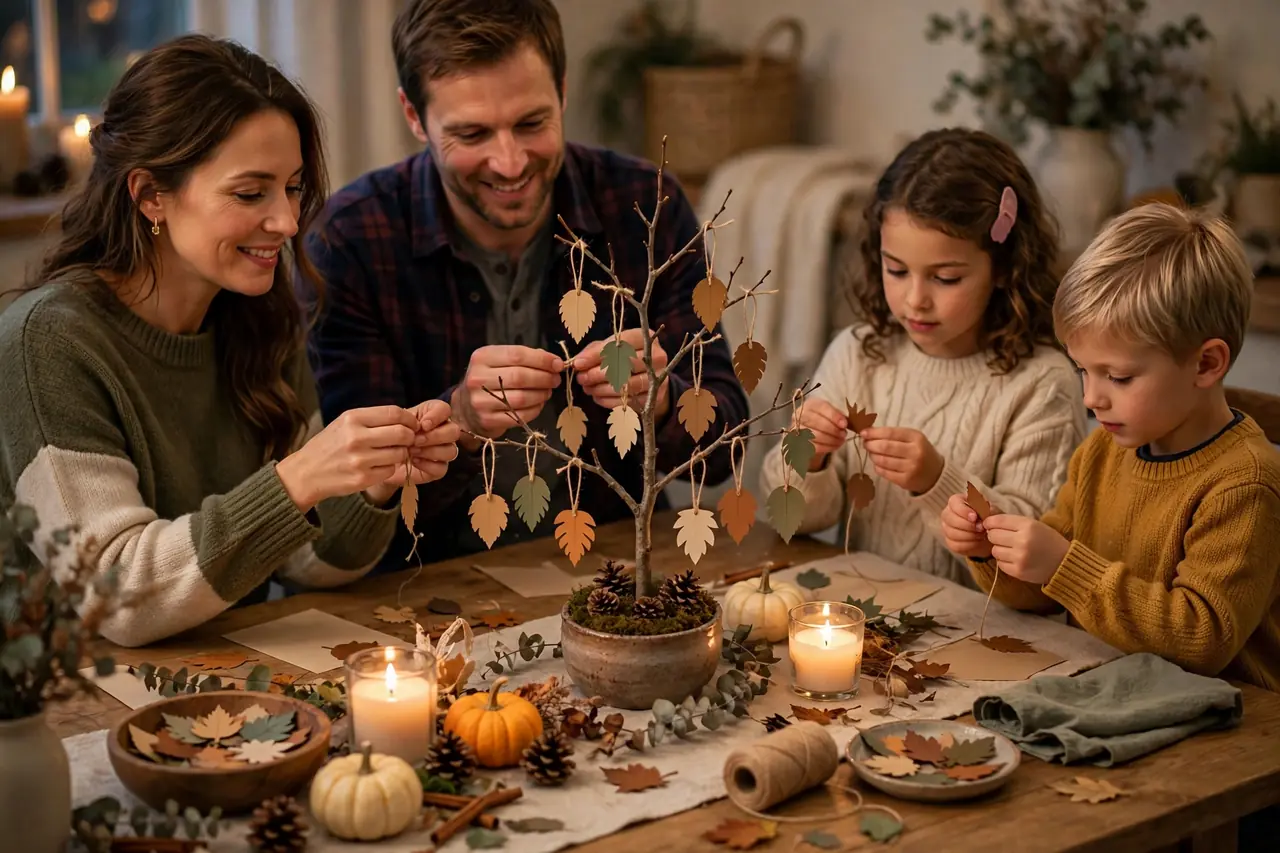
The November jar: Write each family member’s top five on slips through the month; read them all at Thanksgiving dinner. The jar becomes a time capsule — save the slips in an envelope marked with the year.
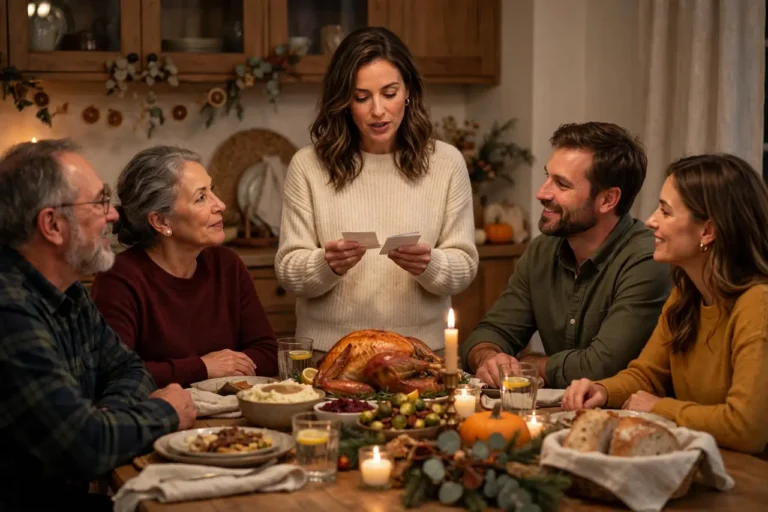
The table bowl: Print the list, cut it into strips, and pass the bowl at dinner. Each person draws three, reads them, and shares their personal version of one. It replaces the awkward “everyone say what you’re thankful for” with something playful and specific.
The daily three: Each morning, pick three numbers that call to you and write one sentence about each in your journal. In 33 days you will have covered the whole list — and built a gratitude habit that outlasts November. Pair it with our gratitude quotes collection for days when you need inspiration.
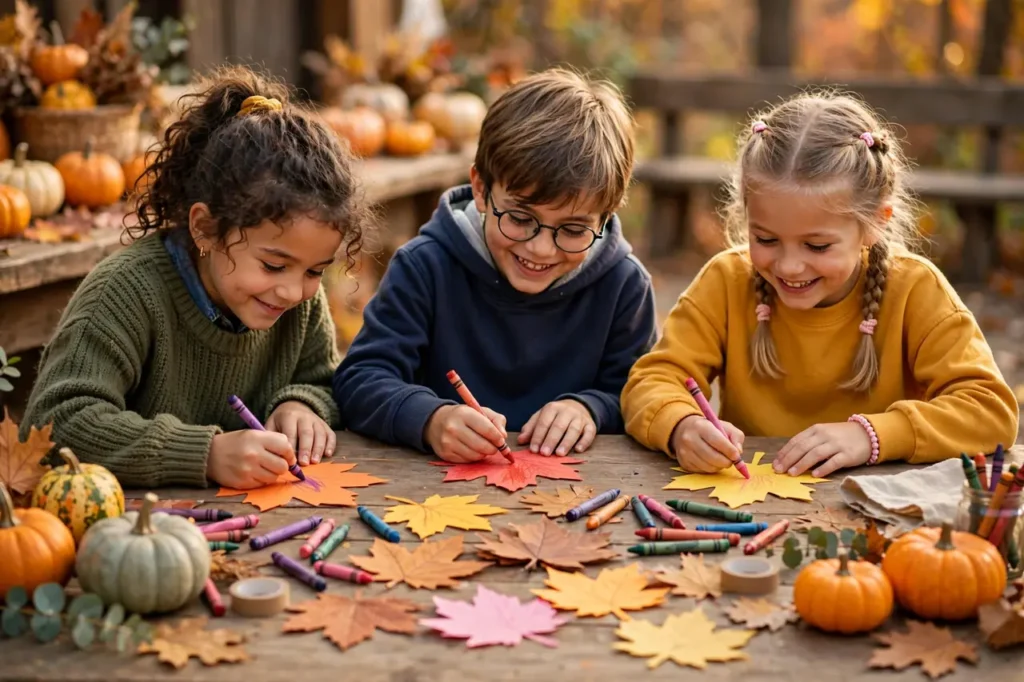
The kids’ version: Have children pick their five favorites and draw them. The drawings, dated and saved, become the most treasured artifacts of the holiday — proof of what mattered to them at this age, in their own hand.
Thankful Lists for Specific People
Generic lists are starting points; the real magic is a list written for one person. Here are five mini-templates — ten items each — to personalize as gifts or journal entries.
For your partner: the way they laugh at their own jokes; their patience with your family; the coffee they make without asking; how they handle crises calmly; their terrible singing in the car; the way they remember small things you mentioned once; their kindness to service workers; their 2 a.m. reliability; the future you are building together; the fact that they chose you, daily.
For your kids: their unfiltered joy; the questions that stop you mid-day; their fierce hugs; how they forgive instantly; their creativity with zero self-consciousness; the way they say your name; their courage trying new things; their sleepy weight on your shoulder; who they are becoming; the privilege of witnessing it.
For a best friend: the history no one else shares; the texts that arrive exactly when needed; their honesty when you need truth; the adventures, planned and accidental; how they love your family; the 3 a.m. conversations; their belief in you during doubt; the laughter that hurts; the ease of silence together; their permanent place in your life.
For a parent: the sacrifices you now understand; the lessons disguised as rules; their pride in you, expressed or not; the recipes and rituals; their strength you inherited; the phone calls; the way they show love through action; their stories you will retell; the roots they gave you; the wings, too.
For yourself: your resilience through hard years; the body that carries you; the mind that keeps learning; your capacity to love; the mistakes that taught you; your courage to keep going; the kindness you show others; your unique weirdness; how far you have come; the person you are still becoming.
Write one of these out by hand, on real paper, and give it to the person. It costs nothing and lands like a treasure — because it is one.
Watch: Things to Be Grateful For — A Daily Reflection
Sometimes hearing someone else’s gratitude unlocks your own. This video shares a personal daily reflection on things to be grateful for — watch it, then write your own list.
Things to Be Thankful For: Frequently Asked Questions
How do I make a thankful list that feels personal, not generic?
Start with this list, then add the “because” to every item you keep. “Family” becomes “my sister, because she called every day during the hard month.” Specificity is what converts a generic list into a personal one. Aim for details only you would write — names, moments, quirks. A list no one else could have written is a list that actually means something.
What is a good thankful list for kids?
Keep it concrete and sensory: favorite foods, pets, toys, friends, places, the park, snow days, birthday cake. Kids connect to the tangible — abstract blessings like “freedom” mean little at seven. Have them draw instead of write, and accept gloriously weird answers (“I’m thankful for the dog’s ears”) — those are the ones you will treasure in twenty years.
How many things should be on a gratitude list?
Three thoughtful items beat thirty rushed ones. That said, longer lists (like this 100-item one) serve a different purpose: they are idea banks, not daily assignments. For daily practice, pick three. For the Thanksgiving table activity, draw three each. For the November jar, add one a day. Match the count to the ritual.
Can making a thankful list actually improve my mood?
Yes — the research is robust. Regular gratitude listing is associated with better sleep, lower stress hormones, and higher reported life satisfaction. The effect comes from attention training: deliberately noticing good things counteracts the brain’s negativity bias. It is not magic and not instant — it is a practice, like exercise, with compounding returns.
What if I’m going through a hard time and gratitude feels fake?
Then start with the smallest, most undeniable items: warm water, a working phone, the blanket. Gratitude during hardship is not denial — it is balance. You can hold grief and gratitude simultaneously; they are not opposites. If thankfulness feels impossible right now, that is okay — come back to the list when you are ready. It will wait.
Should thankful lists include big things or small things?
Both, but lean small. Big things (health, family, home) are true and important, but they are also abstract — the brain files them away. Small things (the perfect coffee, the text from a friend, the sunset) are vivid and specific, and specificity is what makes gratitude felt rather than just acknowledged. The ideal list mixes both: anchors of big gratitude, illustrated with small ones.
How do I use a thankful list at the Thanksgiving table?
Cut the list into strips and put them in a bowl. Each person draws two or three, reads them aloud, and shares a personal version of one. It takes ten minutes, involves everyone including kids, and produces better conversation than the traditional go-around-the-table recitation. Save the drawn strips — date them and keep them with the holiday decorations for next year.
What is the difference between a thankful list and a gratitude journal?
A list names things; a journal explores them. Lists are quick, shareable, and great for groups and rituals. Journals are slow, private, and better for depth. Use both: the list for breadth and the table, the journal for depth and the quiet mornings. Our 70 gratitude quotes pair beautifully with either practice.
Can I make a thankful list as a gift?
Beautifully, yes. A framed list of “100 things I love about you,” a jar of 30 dated gratitude slips for a partner, a illustrated list from the grandkids for grandparents — these are among the most cherished handmade gifts. Personalize relentlessly: the generic items are scaffolding, but the specific ones (“your terrible pancakes on Saturdays”) are the gift.
What are some unique things to be thankful for that people forget?
The forgotten blessings are usually infrastructural: the water treatment plant, the power grid, the farmers who grew the food, the truckers who delivered it, the person who designed the chair you are sitting in. Try a “supply chain gratitude” exercise — pick one object near you and trace everything that brought it to you. The resulting list of invisible helpers is humbling and surprisingly moving.
How do I keep gratitude going after Thanksgiving?
Shrink the practice until it is unskippable: one item a day, one sentence, in a notebook by your bed. “Today I was thankful for ___ because ___.” Thirty seconds, every night. The November intensity — jars, lists, challenges — is the launch; the one-sentence habit is the orbit. Review monthly. You will be amazed what accumulates.
Thankfulness is not a feeling you wait for — it is a practice you do, a list you write, a noticing you train. Start with three items from this list today, in your own words, with your own becauses. Write them on paper, not just in your head — the physical act of writing is part of the practice. By Thanksgiving, you will have a jar full of evidence that your life is good — and the table full of people who make it so. For more inspiration, browse our 120 short Thanksgiving quotes and 96 inspirational messages — and if you want the science and structure behind the practice, our Thanksgiving facts collection reminds us that gratitude has been the holiday’s heart for four centuries.