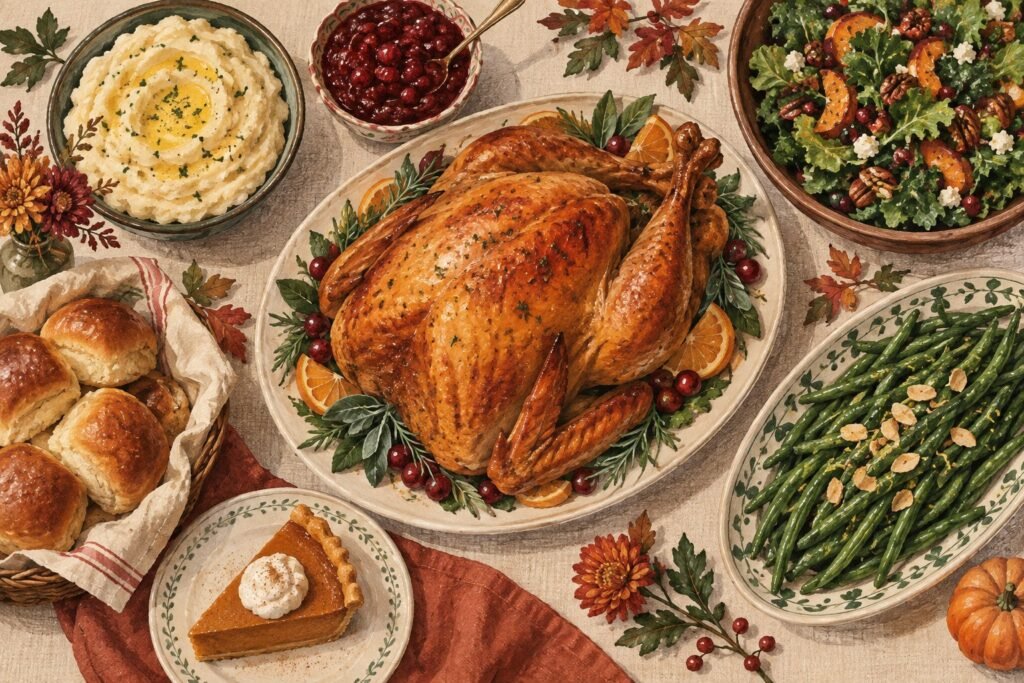
Every American expat knows the moment: you are standing in a foreign supermarket, recipe in hand, staring at a shelf where the canned pumpkin should be — and it is not there, and it is not anywhere, and nobody working there has ever heard of it. Finding Thanksgiving ingredient substitutes abroad is the defining cooking challenge of the expat holiday, and this guide is the complete playbook. It covers every hard-to-find ingredient on the traditional menu — pumpkin, cranberry, sweet potato, cornmeal, marshmallows, pie crust, buttermilk, and more — with what to use instead, where to find it by region, and five DIY recipes that replace the imports entirely. The good news up front: almost everything on the Thanksgiving table has an excellent local equivalent, and in several cases the substitute is actually better than the original.
The Philosophy: Substitute with Confidence
Before the item-by-item list, a mindset shift. Thanksgiving cooking is more forgiving than its reputation suggests, because the holiday’s flavors are broad and rustic: roasted squash, warm spices, browned butter, tart fruit, savory herbs. These are global flavors. The specific American packaged products — the can of pumpkin, the jar of cranberry sauce, the box of stuffing mix — are conveniences, not requirements. Expats who embrace substitution usually report that their abroad Thanksgivings taste better than the ones back home, because they are cooking from whole ingredients instead of cans.
The 80/20 rule applies: identify the two or three items that truly define the dish (pumpkin flavor in the pie, tartness in the cranberry sauce, the cornmeal texture in cornbread) and substitute faithfully for those; improvise freely on everything else. And start early — the golden rule of expat Thanksgiving shopping is that the item you assume will be there is the one that will not be, so do your reconnaissance shop two weeks out and your real shop one week out.
The Big Three: Pumpkin, Cranberry, Sweet Potato
Canned Pumpkin: The Famous Problem
Canned pumpkin purée is the single most-missed Thanksgiving ingredient abroad, because outside North America, pumpkin is sold fresh, not canned. The solution is better than the can: roast your own. Butternut squash — available nearly worldwide — makes a superb pie filling: halve, roast cut-side down until collapsing, scoop, and blend. In Europe, the Hokkaido (red kuri) squash is the connoisseur’s choice: sweeter, denser, and less watery than American field pumpkin, it produces a pie with deeper flavor and better texture. In the UK, look for Crown Prince or butternut squash; in Australia, Jap or butternut pumpkin; in Asia, kabocha. Any dense, sweet winter squash works. Roast, purée, and if it seems watery, simmer the purée briefly to concentrate it. One medium butternut yields about two cups — roughly one can. For pie, the from-scratch version consistently wins blind tastings against canned; this is the substitution that converts people permanently.
Cranberry Sauce: Tartness by Any Means
Fresh cranberries are rare outside North America, but tartness is universal. Option one: frozen cranberries. They appear in the freezer sections of European supermarkets in winter assortments and at import shops — buy them when you see them and make the sauce from scratch (recipe below); frozen berries make sauce identical to fresh. Option two: lingonberry preserves (Preiselbeeren). A staple of German, Austrian, and Scandinavian shelves, lingonberry is cranberry’s close cousin — tart, bright, and arguably more interesting. Served as-is or simmered with orange zest, it is a completely respectable cranberry sauce that guests will ask about. Option three: redcurrant jelly, widely available in the UK and Europe, warmed with a squeeze of orange. Option four: sour cherries — in the Middle East and Eastern Europe, simmered sour-cherry compote plays the same tart-sweet role. The function of cranberry sauce is cutting through rich, fatty turkey; any tart red fruit preserve does the job.
Sweet Potatoes: Easier Than You Think
Sweet potatoes (süßkartoffeln, zoete aardappel, patate douce) are now standard in large supermarkets across Europe, Australia, and much of Asia and Latin America — this is one of the easier finds. Where they are truly absent, butternut squash mashed with butter and brown sugar fills the same sweet-savory niche, and in the tropics, ube (purple yam) or orange-fleshed local tubers make spectacular candied sides. Marshmallow-topped sweet potato casserole — the dish non-Americans find most baffling — can be made with torched meringue instead of marshmallows (see below), or simply skipped in favor of a savory roast, which most international guests prefer anyway.
Baking and Pantry: The American Aisle, Replaced
Cornmeal and Cornbread
Cornmeal is polenta by another name — and polenta (fine or medium grind) is sold across Europe, often more cheaply than American cornmeal would cost. Italian farina di mais, French semoule de maïs, and German Maisgrieß all make excellent cornbread. In Latin America, masarepa or fine corn flour works. For cornbread dressing (stuffing), any coarse cornmeal does the job.
Pie Crust: From Scratch Beats the Box
Refrigerated pie dough does not exist in most countries — which is fine, because homemade shortcrust is better and takes ten minutes. The universal formula: 2 parts flour, 1 part cold butter (by weight), a pinch of salt, and just enough ice water to bind. European butter, with its higher fat content, actually makes superior pastry. For graham-cracker crusts, substitute digestive biscuits (UK, widely exported), speculoos (Netherlands/Belgium — incredible in pumpkin pie), or any plain sweet biscuit, crushed with melted butter. The speculoos-pumpkin-pie combination is a genuine improvement worth making even where graham crackers are available.
Marshmallows: Meringue Instead
Marshmallows are an American candy-store item in much of the world. For sweet potato casserole topping, whip egg whites with sugar to soft peaks, spread over the casserole, and torch or broil until golden — torched meringue is prettier and less cloying than marshmallows. For hot chocolate or snacking, import shops and Haribo-dominated candy aisles usually have something close enough, but for the casserole, meringue wins.
Brown Sugar, Molasses, and Corn Syrup
Dark brown sugar is muscovado in the UK and Commonwealth — same thing, often better quality. Light brown sugar is widely available; in a pinch, mix white sugar with a spoonful of molasses (or treacle, the British equivalent). Corn syrup (for pecan pie) is the tricky one: substitute golden syrup (UK/Commonwealth, sold everywhere) or honey, adjusting sweetness slightly. Pecan pie made with golden syrup is the British bakery standard and completely delicious.
Buttermilk
Real buttermilk is rare abroad; the substitute is chemically identical in function. Mix one cup of milk with one tablespoon of lemon juice or white vinegar, rest five minutes — it curdles slightly and provides the same acidity for biscuits, marinades, and fried chicken. Alternatively, thin plain yogurt with milk to pouring consistency. In the Middle East and South Asia, laban or thin kefir works beautifully.
Cream of Mushroom Soup (for Green Bean Casserole)
The canned soup is an American convenience; the from-scratch version is a quick béchamel with sautéed mushrooms. Melt butter, whisk in flour, add milk or cream, stir in browned mushrooms and a splash of soy sauce for depth — ten minutes, and the casserole is transformed. This is the substitution that most improves the dish.
Stuffing Mix and Dried Bread Cubes
Boxed stuffing mix is just seasoned dried bread. Cube a loaf of sturdy white bread or sourdough, dry the cubes in a low oven, and toss with poultry seasoning (recipe below), sautéed onion and celery, and stock. Better texture, better flavor, zero imports. In France, use pain de campagne; in Germany, a rustic Bauernbrot; everywhere, day-old bread is the traditional and correct choice.
Spices, Herbs, and Dairy
Pumpkin pie spice: mix 3 parts cinnamon, 2 parts ginger, 1 part nutmeg, 1 part allspice, and a pinch of cloves — or buy Dutch speculaaskruiden, which is nearly the same blend. Poultry seasoning: thyme, sage, marjoram, rosemary, and black pepper, ground together. Fresh sage, thyme, and rosemary are sold in supermarkets worldwide; where fresh is unavailable, dried works at one-third the quantity. Heavy cream: use double cream (UK), crème entière fluide (France), or Schlagobers (Austria/Germany) — all are 35%+ fat and behave identically. Cream cheese for pumpkin-cheesecake hybrids is sold globally under the Philadelphia brand or local equivalents. Pecans: expensive everywhere outside the US South — walnuts are the universal substitute (and the traditional choice in much of Europe); in Australia, macadamias make a luxurious pie.
Where to Shop by Region
Europe: American import shops in every capital (see our city guides for Berlin and Singapore for specific store types); mainstream supermarkets cover produce, dairy, and spices excellently. UK: large Tesco/Sainsbury’s/Waitrose for the international aisle; Partridges and other American sections in London; see where to buy turkey in the UK for the bird. Middle East: Spinneys, Waitrose, and Choithrams in the Gulf stock American imports; souks cover spices, nuts, and dried fruit brilliantly. Asia: import grocers in Singapore, Hong Kong, Tokyo, and Bangkok; wet markets for produce at unbeatable prices. Australia/NZ: USA-foods stores in every capital, Costco for bulk imports; see where to buy turkey in Australia. Latin America: corn products are native and superb; pumpkin-family squash (calabaza, ayote) is everywhere; import shops in capitals cover the rest.
Five DIY Recipes That Replace the Imports
1. Cranberry sauce from frozen berries: 340 g frozen cranberries, 200 g sugar, 120 ml orange juice, zest of one orange. Simmer 10–15 minutes until berries burst and sauce thickens. Cool — it sets as it cools. Makes about 2 cups; keeps two weeks refrigerated.
2. Roasted squash purée (replaces canned pumpkin): Halve a butternut or Hokkaido squash, roast cut-side down at 200°C until completely soft (45–60 minutes), scoop flesh, blend until smooth. Simmer briefly if watery. Use 1:1 for canned pumpkin.
3. Pumpkin pie spice: 3 tbsp ground cinnamon, 2 tsp ground ginger, 2 tsp ground nutmeg, 1.5 tsp ground allspice, 1.5 tsp ground cloves. Mix; store airtight. Use 2–3 tsp per pie.
4. Buttermilk substitute: 240 ml milk + 1 tbsp lemon juice or white vinegar. Rest 5 minutes until slightly curdled. Use 1:1.
5. Flaky shortcrust (replaces refrigerated pie dough): 250 g flour, 125 g cold butter cubed, 1 tsp salt, 60–80 ml ice water. Rub butter into flour to pea-sized bits, add water until it just holds, chill 30 minutes before rolling. Makes one double-crust pie.
What Not to Substitute
A few things deserve the real import or the real effort. The turkey itself — buy the best bird you can (see our sourcing guides) rather than substituting another protein and calling it Thanksgiving; the bird is the holiday’s anchor. Real vanilla extract over imitation for pie — the flavor difference is stark. Good butter — European butter is superb, so this is easy, but do not use margarine in pastry. And your own judgment: if a substitution sounds wrong for your table, skip the dish rather than serving a sad imitation. A smaller menu cooked well beats a sprawling one built on compromises — a principle that applies whether you are hosting in Ohio or Osaka. For the full hosting playbook, see how to host Thanksgiving abroad.
The Expat Shopping Calendar: When to Buy What
Timing your shopping is as important as knowing the substitutes. Three weeks out: do the reconnaissance shop — walk your usual stores with your recipe list and note what is missing. This is when you discover the canned pumpkin situation and order imports online with time for delivery. Two weeks out: buy all non-perishables — flour, sugar, spices, nuts, dried fruit, canned goods, and any import-shop items. Import shops get picked over in the final ten days as every expat in the city has the same idea. One week out: buy the turkey (or confirm the order), butter, cheese, and eggs; make cranberry sauce, pie dough, and pie spice. Two days out: fresh herbs, cream, vegetables, and bread for stuffing. The day before: nothing, if you have planned well — the day before is for cooking, not shopping. Build in a buffer for the item you will inevitably forget; there is always one, and the import shop run the day before is a Thanksgiving tradition in its own right.
Emergency Substitutions: The Night-Before Rescue List
For the cook staring at a recipe at 9 PM the night before, here is the rapid-fire list. No pumpkin pie spice? Cinnamon + ginger + nutmeg + cloves, in roughly 3:2:1:1 ratio. No brown sugar? White sugar + a spoonful of molasses or treacle. No molasses? Dark treacle or honey. No corn syrup for pecan pie? Golden syrup or honey. No heavy cream? Any 35%+ cream — double, whipping, crème entière. No cream cheese? Mascarpone works in most baked applications. No sour cream? Plain full-fat yogurt. No pie weights for blind baking? Dried beans or rice on parchment. No roasting rack? A bed of roughly chopped carrots, celery, and onion lifts the bird and flavors the drippings. No meat thermometer? You really should have one — but in extremis, pierce the thigh: juices running completely clear (no pink) is the traditional test, though a thermometer is far more reliable. No turkey baster? A large spoon and an open oven door. No gravy separator? Let the drippings sit in a jug; the fat rises and you skim it with a spoon. Thanksgiving has survived worse-equipped kitchens than yours.
Beverages: The Bar Abroad
Drinks deserve their own substitution notes. Bourbon for cocktails and pie is available in most countries’ liquor stores, though pricey — any decent American-style whiskey works; in a pinch, a smooth Scotch or Irish whiskey substitutes in mixed drinks (not in pecan pie, where bourbon’s sweetness matters — use rum or skip it). Apple cider (the unfiltered, non-alcoholic kind) barely exists outside North America: substitute fresh-pressed apple juice from a farmers’ market, or simmer regular apple juice with cinnamon sticks, cloves, and orange peel for twenty minutes to approximate it. Wine pairings translate easily — see our city guides for local recommendations — and the universal Thanksgiving wines (oaked Chardonnay, Pinot Noir, dry Riesling, Beaujolais) are available in wine shops worldwide. Beer: autumn bocks, brown ales, and amber lagers suit the table everywhere. And for the non-drinkers’ toast, sparkling apple juice in proper glasses keeps everyone included — a small detail that matters more than it seems.
The Substitute Hall of Fame: Upgrades Worth Keeping
Some substitutions are so good they should survive the return home. The honor roll, as voted by years of expat experience: Hokkaido squash for canned pumpkin (sweeter, denser, better pie); speculoos crust for graham cracker (spiced, buttery, unforgettable); lingonberry preserves for cranberry sauce (more complex, less one-note); torched meringue for marshmallows (prettier, less sweet); homemade mushroom béchamel for canned soup (no contest); and day-old sourdough stuffing for boxed mix (better texture in every way). The expat Thanksgiving is not a diminished copy of the American original. At its best — with the right squash, the right spice, and a table full of people who crossed an ocean to be there — it is the director’s cut.
In Pictures: Thanksgiving Ingredient Substitutes Abroad
No canned pumpkin? No fresh cranberries? Expat Thanksgiving is a masterclass in improvisation — and the swaps are often better than the originals. Here's the substitute playbook.
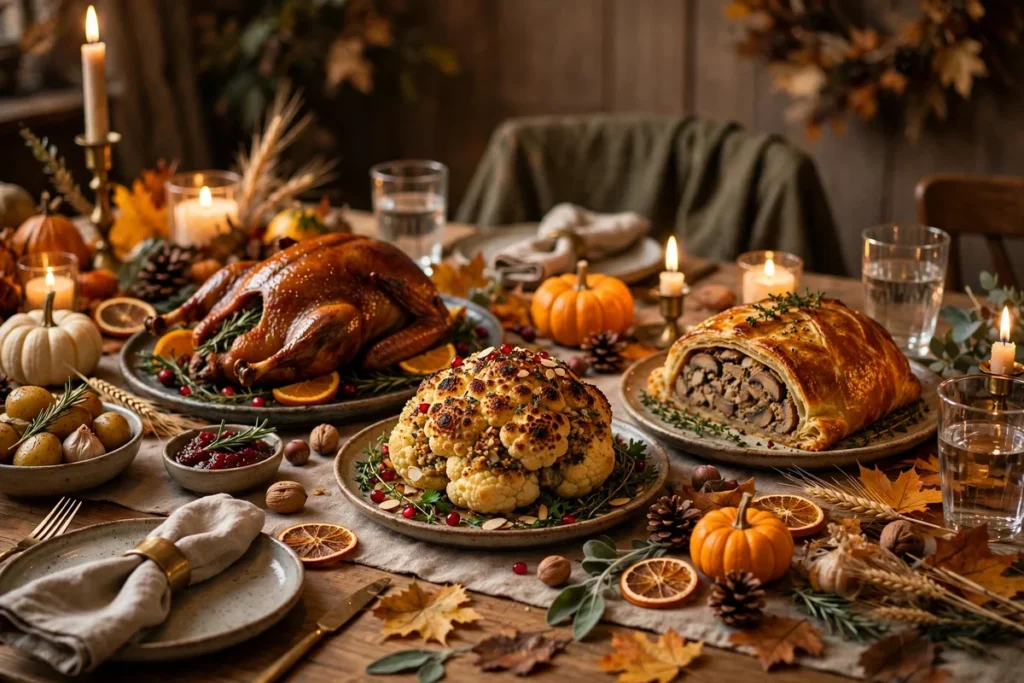
A kitchen counter with Thanksgiving substitute ingredients: fresh cranberries, kabocha squash, and homemade sauce in jars.
Watch: Thanksgiving Ingredient Substitutes Abroad
Perfect homemade cranberry sauce — better than canned, and a reminder that the best substitutes are the ones you make yourself.
At a Glance: Thanksgiving Ingredient Substitutes Abroad
The 'big three' hard-to-find ingredients and what to use instead.
| Missing ingredient | Substitute | Tip |
|---|---|---|
| Canned pumpkin | Roast kabocha or butternut squash, then purée | Kabocha is sweeter and denser — reduce added sugar slightly |
| Canned cranberry sauce | Fresh cranberries simmered with sugar and orange | Fresh berries freeze well — stock up when you spot them |
| Sweet potatoes | Local yams or orange-fleshed sweet potato varieties | Names vary by country — look for orange flesh, not the label |
| Stove Top stuffing | Day-old bread cubed and seasoned yourself | Homemade tastes better anyway — sage, thyme, onion, celery |
| Fried onions (green bean casserole) | Thin-sliced shallots, floured and fried | Fry just before serving so they stay crisp |
Frequently Asked Questions
What is the best substitute for canned pumpkin?
Roasted butternut squash or Hokkaido (red kuri) squash, puréed — use 1:1 for canned pumpkin. Hokkaido is sweeter and denser than American field pumpkin and makes a superior pie.
What can I use instead of cranberry sauce abroad?
Lingonberry preserves (Preiselbeeren) from any German or Scandinavian shelf, redcurrant jelly warmed with orange, sour-cherry compote, or homemade sauce from frozen cranberries — any tart red fruit preserve cuts through rich turkey.
Where do I find American Thanksgiving ingredients in Europe?
American import shops in every major city stock the nostalgic brands; mainstream supermarkets cover produce, dairy, spices, and most baking needs. Buy imports in early November before shelves thin out.
Can I make pumpkin pie without canned pumpkin?
Yes — and it is better. Roast a butternut or Hokkaido squash, purée the flesh, and use it exactly as you would canned pumpkin. Add homemade pumpkin pie spice and a speculoos or digestive-biscuit crust.
What is a good pecan substitute?
Walnuts, universally — they are the traditional European choice and half the price. In Australia, macadamias make a luxurious pecan-pie alternative.
How do I substitute buttermilk?
Mix 240 ml milk with 1 tablespoon lemon juice or white vinegar, rest 5 minutes. Or thin plain yogurt with milk. Both provide the acidity that buttermilk contributes to baking.
What is a good substitute for cornmeal outside the US?
Polenta — fine or medium grind — sold across Europe as farina di mais, semoule de maïs, or Maisgrieß. It is the same product and makes excellent cornbread and dressing.
Can I make pie crust without a recipe for American pie dough?
Yes: 250 g flour, 125 g cold butter, 1 tsp salt, 60–80 ml ice water. Rub, bind, chill 30 minutes, roll. European high-fat butter makes it better than the American original.
Conclusion
Mastering Thanksgiving ingredient substitutes abroad is really about learning that the holiday was never about the cans — it was about the cooking. The expat who roasts a Hokkaido squash, simmers lingonberries with orange, bakes shortcrust with French butter, and torches meringue over sweet potatoes is not settling for less; she is cooking the best Thanksgiving of her life, with ingredients her American-kitchen self never had. Start your reconnaissance shop two weeks out, make the DIY staples ahead, and keep this guide bookmarked for the inevitable moment in the supermarket aisle. The pumpkin will not be there. You will be ready anyway — and years from now, when you are back in an American supermarket staring at a wall of canned pumpkin, you will smile, walk past it, and buy the butternut instead, without a second thought, like the veteran you have become. Browse our Thanksgiving collection for city guides, turkey sourcing, and hosting playbooks around the world.