There is a special kind of tired that comes from being on a team that never plays together — all task, no bond, colleagues who feel more like usernames than humans. The antidote is not another meeting. It is shared experience. These team appreciation activity ideas are designed to do double duty: thank your people and bring them closer, because the best appreciation does not just reward the team — it builds it.
Inside you will find how to choose activities your specific team will actually enjoy, a picker table matched to group size, duration, and budget, and 35 team appreciation activity ideas across six categories — quick energizers, creative pursuits, outdoor adventures, food experiences, giving-back activities, and virtual options — plus facilitation tips, inclusivity guidance, and answers to the questions team leaders ask most.
The Science of Play at Work
Play is not the opposite of work — it is a catalyst for it. Research on team dynamics consistently shows that teams who play together collaborate better, and the mechanism is straightforward: shared enjoyable experiences build psychological safety, the belief that the team is safe for interpersonal risk-taking. Psychologically safe teams admit mistakes faster, share half-formed ideas more freely, and challenge each other more honestly — the exact behaviors that drive performance.
Play also accelerates trust formation. Trust normally builds slowly through repeated reliable interactions; a well-designed activity compresses months of getting-to-know-you into an afternoon. Watching a colleague be hilariously bad at pottery or unexpectedly brilliant at trivia updates your mental model of them — they become a fuller human, not just a role. That fuller picture is what makes future collaboration smoother: it is easier to give feedback to, disagree with, and rely on someone you have laughed with.
Finally, novelty matters. The brain marks novel experiences for stronger memory encoding, which is why the cooking competition is remembered years after the quarterly review is forgotten. When you invest in a distinctive shared experience, you are literally building shared memory — the raw material of culture. The ROI of play is not frivolous; it is foundational.
How to Choose Activities Your Team Will Actually Enjoy
The graveyard of team building is full of well-intentioned activities that died on contact with reality — mandatory karaoke for introverts, trust falls for the skeptics, escape rooms scheduled during crunch week. Avoid that fate with four filters. Know your people: survey the team (anonymously) about preferences, physical limitations, and hard no’s before planning anything. Match the energy: an exhausted team needs restoration (a relaxed outing, a great meal), not a high-intensity challenge; an energized team wants adventure. Keep it voluntary in spirit: even if attendance is expected, offer roles for everyone — photographer, scorekeeper, judge — so nobody feels forced into discomfort. Connect it to appreciation: frame the activity explicitly as thanks (“this afternoon is for you”), not as a productivity intervention.
Pick the Right Activity
| Group size | Time available | Budget per person | Best-fit activities |
|---|---|---|---|
| 5–12 | 1–2 hours | $0–$25 | Cooking class, trivia, escape room, art workshop |
| 5–12 | Half day | $50–$100 | Outdoor adventure, volunteer project, food tour |
| 13–30 | 1–2 hours | $15–$40 | Game tournament, team lunch, talent show |
| 13–30 | Half–full day | $50–$120 | Field day, retreat activities, group outing |
| 30+ | 2+ hours | $25–$75 | Festival-style event, charity build, large-scale games |
| Remote/distributed | 1–2 hours | $25–$60 | Virtual games, shipped experience kits, online classes |
35 Team Appreciation Activity Ideas
Quick Energizers (Under an Hour)
1. The appreciation circle. Gather the team in a circle; each person draws a name and shares one specific thing they appreciate about that colleague. Thirty minutes, zero cost, and the room fills with a warmth that lasts for weeks. It works because peer recognition often lands harder than anything from management.
2. Two truths and a dream. A twist on the classic: each person shares two truths and one professional dream. The team guesses the dream, then brainstorms how to help make it happen. It is fun, revealing, and it turns appreciation into active support for each other’s growth.
3. The gratitude auction. Give everyone play money and “auction” off lighthearted team perks — prime parking for a week, lunch with the CEO, the good conference room. The bidding wars are hilarious, the perks cost nothing, and everyone leaves grinning.
4. Desk decorating swap. Teams pair up and decorate each other’s workspaces with a theme, judged on creativity. It is silly, collaborative, and it leaves the office looking joyful for days afterward.
5. Lightning talks: passions edition. Five-minute talks on anything except work — sourdough, marathon training, beekeeping, retro gaming. Discovering colleagues’ hidden depths builds the human connection that makes teams resilient.
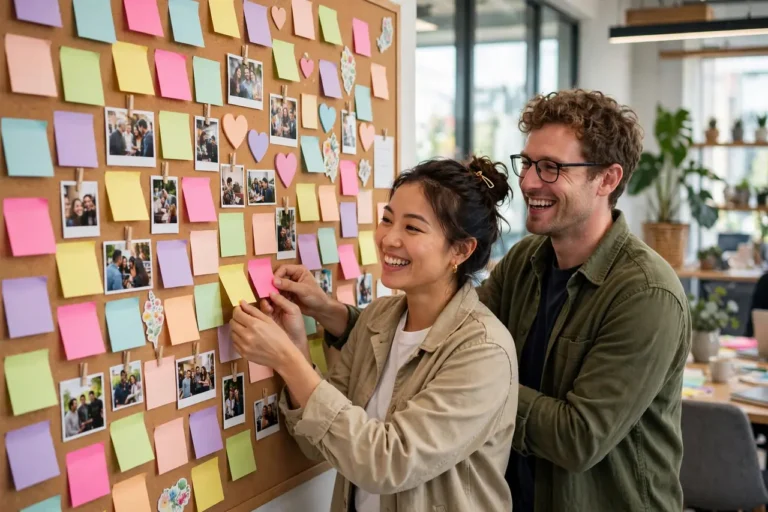
6. The compliments whiteboard. Cover a whiteboard with everyone’s name; throughout the week, people add specific compliments under each name. Photograph it at week’s end and send each person their collection. Simple, powerful, permanent.

Creative Pursuits
7. Group mural project. Hire a local artist to sketch a large mural outline — your team’s values, journey, or aspirations — and let everyone paint a section. The finished piece hangs in the office permanently: daily proof that this team creates beautiful things together.
8. Pottery or ceramics workshop. A guided session where everyone makes something with their hands — mugs, bowls, planters. Working with clay is meditative, the results are charmingly imperfect, and everyone takes home a tangible memory.
9. Team cookbook. Everyone contributes a favorite recipe with the story behind it; compile into a printed booklet with photos from a team potluck where you cook them together. It celebrates the team’s diversity deliciously and creates a keepsake.
10. Improv comedy workshop. A professional improv coach runs “yes, and” exercises that dissolve hierarchies faster than any trust fall. Laughter is guaranteed, and the listening skills transfer directly back to work collaboration.
11. Photography walk. Hand out disposable cameras or use phones; teams explore the neighborhood capturing “what appreciation looks like.” Share and discuss the photos afterward over lunch. It trains everyone to notice the good — the core skill of appreciation itself.
12. “Build our values” LEGO session. Teams build physical representations of company values or recent wins with bricks, then present them. Playful, surprisingly profound, and it surfaces how differently people see the same mission — a valuable conversation.
Outdoor Adventures
13. The Amazing Race: office edition. Design a scavenger hunt across your city or campus with challenges at each checkpoint — trivia about the company, physical mini-challenges, photo missions. Teams race for ridiculous trophies. Competition plus exploration plus teamwork is an unbeatable combination.
14. Kayaking or paddleboarding outing. A guided morning on the water — no experience needed, all equipment provided. Being gloriously bad at something together is a bonding accelerant, and the scenery does half the work.
15. Hiking with a summit toast. Choose an accessible trail, hike together, and share a champagne (or sparkling cider) toast at the top with specific thanks from leadership. The physical effort makes the celebration feel earned.
16. Community service day. Trail cleanup, habitat build, food bank shift, beach sweep — serving together aligns the team around values bigger than quarterly targets. Teams consistently rate service days among their most meaningful shared experiences.
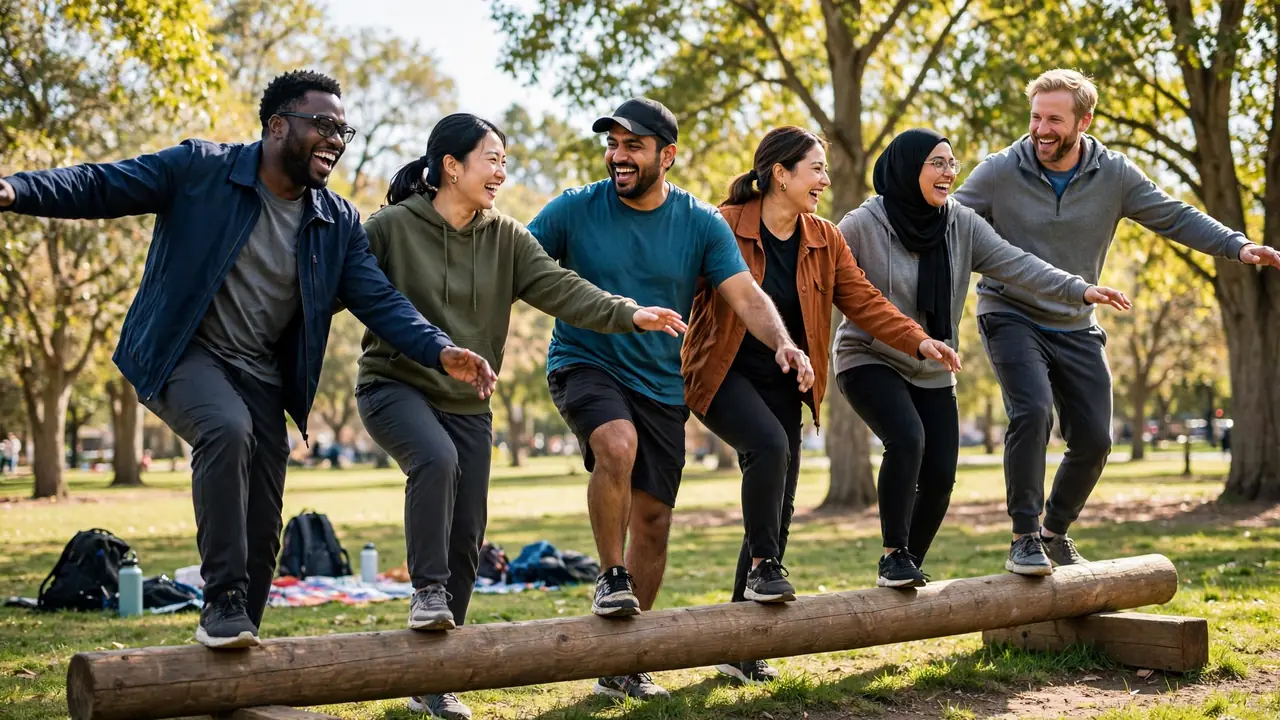
17. Outdoor field day Olympics. Sack races, tug-of-war, relay races, water balloon toss — unapologetically silly competition with a traveling trophy. Executives participating (and losing gracefully) is worth more than any speech about approachability.
18. Stargazing evening. An astronomer-led night under the stars with telescopes, hot cocoa, and blankets. Quiet, awe-inspiring, and completely unlike a normal work event — which is exactly why people remember it.

Food and Drink Experiences
19. Team cooking competition. Split into teams, give each a mystery basket, bring in a chef judge. The chaos is joyful, the meal at the end is delicious, and “remember when finance set off the smoke alarm” becomes permanent lore.
20. Progressive tasting tour. Move through the neighborhood: appetizers at one spot, mains at another, dessert at a third. The walking between venues creates natural mixing, and supporting local businesses adds community goodwill.
21. Chocolate, cheese, or whiskey tasting. A guided tasting with a real expert elevates an ordinary afternoon into a connoisseur experience. Always offer equally appealing non-alcoholic tracks so everyone is fully included.
22. “Dinner with the team” lottery. Each month, randomly grouped colleagues enjoy a great dinner on the company. Small groups bond more deeply than large ones, and the randomness mixes people who would never otherwise connect.
23. Potluck with a twist. Theme it — “dishes from your childhood,” “foods of your heritage,” “your signature dish” — with printed story cards. The food is the medium; the stories people share are the real feast.
24. Barista or mixology class. Learn to pull perfect espresso or craft proper cocktails (and mocktails) together. It is hands-on, social, and everyone leaves with a genuinely useful new skill.
Giving-Back Activities
25. Charity build day. Assemble bikes for foster kids, build furniture for shelter families, pack care kits for troops — tangible output for a real cause, completed together. The photos of your team handing over finished bikes will move everyone who sees them.
26. Skills-based volunteering. Let the team donate their professional talents — a marketing team building a nonprofit’s campaign, engineers teaching kids to code, finance folks running a budgeting workshop. Using real skills for good is deeply satisfying.
27. Fundraising challenge. Teams compete to raise money for chosen charities through creative means — bake-offs, auctions, sponsored silliness. The company matches the total. Competition plus purpose plus matching funds is electric.
28. “Thank a hero” letter campaign. As a team, write thank-you letters to deployed troops, frontline workers, or community elders. Reflecting on gratitude together amplifies everyone’s appreciation mindset — and the recipients’ responses often become treasured team artifacts.
29. Park or beach adoption. Adopt a local green space and maintain it together quarterly. Returning to “your” park and watching it thrive because of your team creates an ongoing story of collective care.
Virtual and Hybrid Activities
30. Virtual escape room. Professionally hosted online escape rooms work brilliantly for distributed teams — real puzzles, real teamwork, real triumph, zero travel. Book one with a live game master for maximum energy.
31. Shipped experience kits. Send everyone an identical kit — cocktail-making, candle-pouring, sushi-rolling, art supplies — then gather on video to do it together live. Synchronized hands-on fun collapses distance remarkably well.
32. Online game tournament. Trivia, Pictionary-style drawing games, virtual bingo with real prizes, or a friendly video-game bracket. Low pressure, high laughter, and breakout rooms let small groups bond within the big event.
33. Virtual talent show. Remote colleagues perform from their living rooms — music, magic, comedy, pet tricks. The homemade quality is the charm, and seeing coworkers’ home lives builds intimacy distance usually prevents.
34. “Show us your city” tours. Each remote team member gives a five-minute video tour of their neighborhood — favorite cafe, local landmark, the view from their window. It transforms abstract colleagues into real people with real lives.
35. Digital gratitude wall. A shared virtual board where everyone posts appreciation notes, photos, and memories throughout a dedicated week. It becomes a permanent artifact the team can revisit — especially meaningful for distributed teams with no physical office.
Activities for Specific Occasions
Match the activity to the moment for maximum meaning.
New team formation. When a team first forms — or merges — prioritize low-stakes getting-to-know-you activities: the passions lightning talks, a casual team lunch series, a collaborative art project. The goal is rapid humanization: turning strangers into people with stories. Save the high-intensity challenges for later, once baseline trust exists.
Project kickoff. Start major initiatives with shared energy: an offsite morning combining vision-setting with a fun challenge, a team dinner where everyone shares what excites them about the project, or a symbolic activity (planting something together, building a prototype of the goal). Kickoff activities set the emotional tone for the months ahead.
Project completion. Celebrate the finish line properly: the team chooses the reward activity, leadership shows up with specific thanks, and the retrospective includes a “proudest moments” round alongside the lessons learned. Ending well is what makes teams eager to begin again.
Farewells. When someone leaves, mark it: a team lunch in their honor, a memory book of notes from colleagues, a small ceremony where people share what they will miss. How a team says goodbye teaches everyone watching what the team values. For more on farewell wording, see our collection of retirement quotes — many adapt beautifully to team goodbye moments.
Year-end. Close the year with reflection and fun: an awards afternoon with silly and serious categories, a highlight reel of the year’s best moments, and a forward-looking toast. Ending the year together — really together — is what makes people return in January with energy rather than dread.
Activities to Avoid: The Anti-Patterns
Some activities reliably backfire. Trust falls and forced vulnerability exercises — they feel manipulative, and physical-risk activities create liability and discomfort. Anything with public ranking of personal traits (“vote for the laziest team member”) — humiliation is not bonding. Drinking-centered events as the only option — they exclude non-drinkers, people in recovery, and many cultural and religious observers. Hyper-competitive tournaments in divided teams — competition amplifies existing tensions rather than dissolving them. Surprise activities with no opt-out — ambushing introverts with improv is a trust-destroyer. And activities scheduled during crunch time — nothing breeds resentment like mandatory fun when everyone is drowning in deadlines. When in doubt, choose collaborative over competitive, voluntary over mandatory, and daytime over evening.
Facilitation Tips That Make or Break Activities
The difference between a beloved activity and an awkward obligation is facilitation. Brief with energy: the kickoff sets the tone — explain the why (“this afternoon is our thank-you to you”), not just the what. Mix the groups: deliberately shuffle departments and hierarchies; the magic happens in new combinations. Protect the opt-out: always offer meaningful alternative roles (judge, photographer, scorekeeper) so participation feels inviting, never forced. Debrief briefly: five minutes at the end — “what did you enjoy? what surprised you?” — cements the memory and surfaces insights. Document joyfully: photos and short videos, shared promptly, extend the glow for weeks.
Inclusivity: Activities for Every Body and Personality
Great activities include everyone by design. For physical accessibility, always offer seated or low-mobility alternatives and choose venues with full access — never make anyone the exception. For introverts, balance high-energy group moments with smaller-group or creative options where they shine. For dietary and cultural needs, plan food activities with diverse options and never center alcohol. For caregivers and part-timers, schedule within work hours when possible rather than demanding evenings. For remote members, design hybrid participation from the start, not as an afterthought. When in doubt, ask the team — an anonymous two-question survey (“what sounds fun? any concerns?”) prevents most inclusivity failures before they happen.
Watch: Team-Building Activities That Actually Work
Seeing activities in action helps you pick the right ones. In this video, Sofia from TeamOut walks through five quick team-building activities — each under 15 minutes — tested with teams at major companies, with step-by-step instructions for running each one with remote or in-person groups. Perfect for trying your first activity this week.
Connecting Activities to Ongoing Appreciation
A great activity is a moment; a great culture is a rhythm. Use activities as punctuation in a larger appreciation practice: follow the outing with a thank-you note referencing a specific fun moment, share the photos in the team channel, and let the goodwill fuel your regular recognition habits. For year-round inspiration, our guide to Thanksgiving wishes for employees offers gratitude language for any season, and thoughtful gifts under $50 pairs perfectly with activity days. If your activity includes awards or toasts, the structural tips in our speech examples guide will help your presenters shine.
Building Your Annual Activities Calendar
One-off activities are nice; a rhythm of them is transformative. Here is a sample annual calendar for a mid-size team:
Q1: Connection quarter. Kick off the year with a getting-to-know-you activity (especially valuable with new hires) and a low-key team lunch series. If your company observes Employee Appreciation Day in March, make it the quarter’s centerpiece event with the team choosing the format.
Q2: Adventure quarter. As weather improves, go outside: the field day Olympics, a hiking outing, or a community service day. Spring energy plus physical activity shakes off winter stagnation and builds the shared stories that carry through the year.
Q3: Creativity quarter. Mid-year is ideal for creative pursuits — the cooking competition, mural project, or talent show. These activities engage different parts of the brain than daily work, and the artifacts (murals, cookbooks, videos) decorate the second half of the year.
Q4: Gratitude quarter. Close the year with reflection: the awards afternoon, a gratitude-focused activity, and a year-end celebration that honors what the team accomplished. Ending with appreciation sends people into the holidays — and the new year — feeling valued.
Publish the calendar early so people can plan around it, rotate planning duties so fresh ideas keep coming, and always debrief: keep what worked, retire what did not, and let the team vote on next year’s lineup. A calendar the team co-owns becomes a tradition — and traditions are what turn a group of employees into a real team.
Start This Month: Your First Activity
Do not wait for the perfect plan. This month, run the simplest activity on this list: the appreciation circle. It needs thirty minutes, zero budget, and no supplies — just a room and a willingness to be genuine. Watch what happens: the awkward first minute, then the warmth, then the laughter, then the quiet conversations afterward between people who just learned something new about each other. That single half-hour will teach you more about your team’s appetite for togetherness than any survey. Then build from there — one activity per quarter, chosen by the team, facilitated with care. A year from now, you will not just have a closer team. You will have a library of shared stories, and that is what teams are truly made of. The best team cultures are not built in offsites; they are built in ordinary weeks, one genuine moment at a time. Start with the circle, and let the team write the rest of the story together.
Frequently Asked Questions
How often should we do team appreciation activities?
Quarterly is the sweet spot for most teams — frequent enough to build real bonds, spaced enough to stay special. Add small monthly moments (team lunch, kudos ritual) between the bigger activities. Annual-only efforts feel obligatory; quarterly rhythms feel like culture.
What if some team members hate team-building activities?
Respect it — forced fun is worse than no fun. Offer genuine alternative roles (photographer, judge, organizer), provide low-key options alongside high-energy ones, and never penalize non-participation. Often the skeptics come around once they see colleagues genuinely enjoying themselves without pressure.
How do we include remote team members in activities?
Design hybrid from the start: shipped kits for hands-on activities, professionally hosted virtual events (not DIY video calls), dedicated virtual hosts, and breakout rooms for small-group bonding. For major activities, consider flying remote members in — the ROI on belonging is enormous.
Should activities happen during work hours?
Yes, whenever possible. Evenings and weekends tax people’s personal time and exclude caregivers. Work-hours activities signal that bonding is real work, not an extracurricular demand. If evenings are unavoidable, make attendance truly voluntary and keep it short.
How much should we budget per person?
$25–$75 covers most activities well; simpler ones (potlucks, park outings, game tournaments) cost under $25. The highest-impact spending is on shared food and experiences, not on stuff. Remember that the most beloved activities are often the cheapest — thoughtfulness beats budget.
Do we need a professional facilitator?
For groups over 30 or for sensitive dynamics, yes — professionals read rooms and manage energy far better than volunteers. For smaller teams, an enthusiastic internal organizer with a clear plan works beautifully. When in doubt, hire the facilitator; the cost is small relative to a failed event.
How do we measure whether an activity worked?
Watch for the real signals: laughter during, photos shared after, stories retold weeks later, and — the gold standard — colleagues from different departments grabbing lunch together unprompted. A two-question pulse survey (“What did you enjoy? What would you change?”) captures the rest.
What activities work best for large teams (50+)?
Festival-style formats with multiple simultaneous stations (games, food, music, activities) let large groups self-organize into comfortable clusters. Charity builds, field days, and large-scale scavenger hunts scale well. Avoid single activities requiring everyone to do the same thing at once — logistics become painful.
Can activities help with a struggling or divided team?
Yes, but choose carefully. Low-competition, collaborative activities (service projects, creative builds, shared meals) heal better than high-competition ones, which can deepen divides. Address underlying issues directly too — no activity fixes a toxic dynamic, but the right one can reopen communication.
Should managers participate or just organize?
Participate — fully and visibly. Leaders who play, laugh, lose gracefully, and get their hands dirty earn more trust in one afternoon than in a year of meetings. The organizing can be delegated; the participating cannot. Your presence is the message.