Knowing how to plan seasonal events is a skill that pays off all year — whether you are organizing a neighborhood block party, a company holiday celebration, a school fundraiser, or a community festival. Seasonal events work because they ride the natural energy of the calendar: spring’s renewal, summer’s long days, fall’s harvest spirit, winter’s coziness. This guide walks you through how to plan seasonal events step by step, from concept to cleanup, with timelines, budgets, and checklists for every season.
You do not need professional event planning experience. You need a clear concept, a realistic timeline, a working budget, and the willingness to start early. Let’s build your event.
Start With the Season, Not the Event
The biggest mistake in seasonal event planning is starting with an activity and forcing it into a season. Start with the season’s natural advantages instead, and let the event grow from there.
Spring: renewal, outdoors, growth
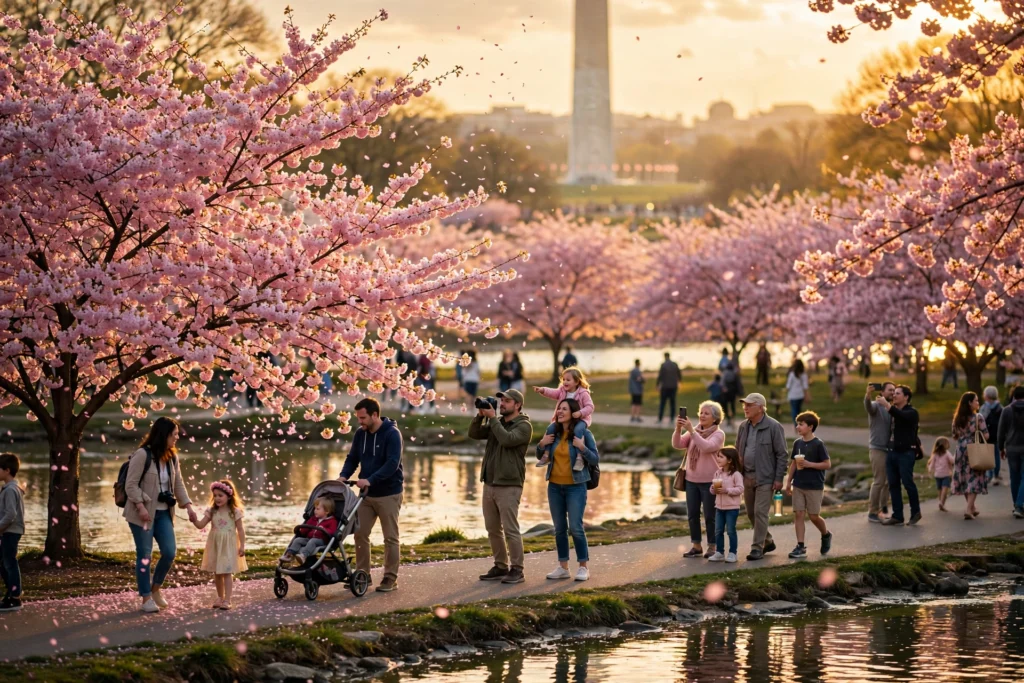
Spring events should feel fresh and forward-looking: garden parties, outdoor markets, fun runs, art walks, Easter-adjacent community events (without duplicating the holiday itself), and anything involving flowers, fresh food, or new beginnings. Weather is the wild card — always have a rain plan. Spring’s advantage is enthusiasm: people are desperate to be outside after winter, so even simple concepts draw crowds.
Summer: long days, water, community
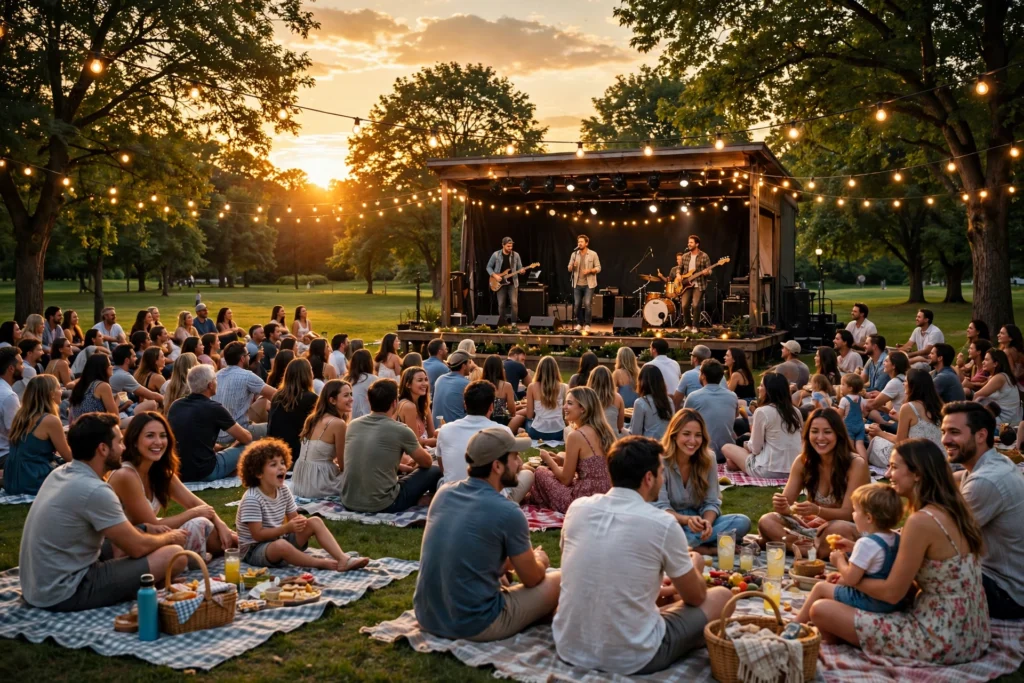
Summer is the most forgiving season for events — long daylight, warm evenings, and a built-in audience on vacation or with flexible schedules. Block parties, outdoor concerts, movie nights, food truck rallies, sports tournaments, and anything involving water all thrive. The challenge is competition: everyone plans summer events, so yours needs a hook. The advantage is attendance: this is the easiest season to draw a crowd.
Fall: harvest, coziness, tradition
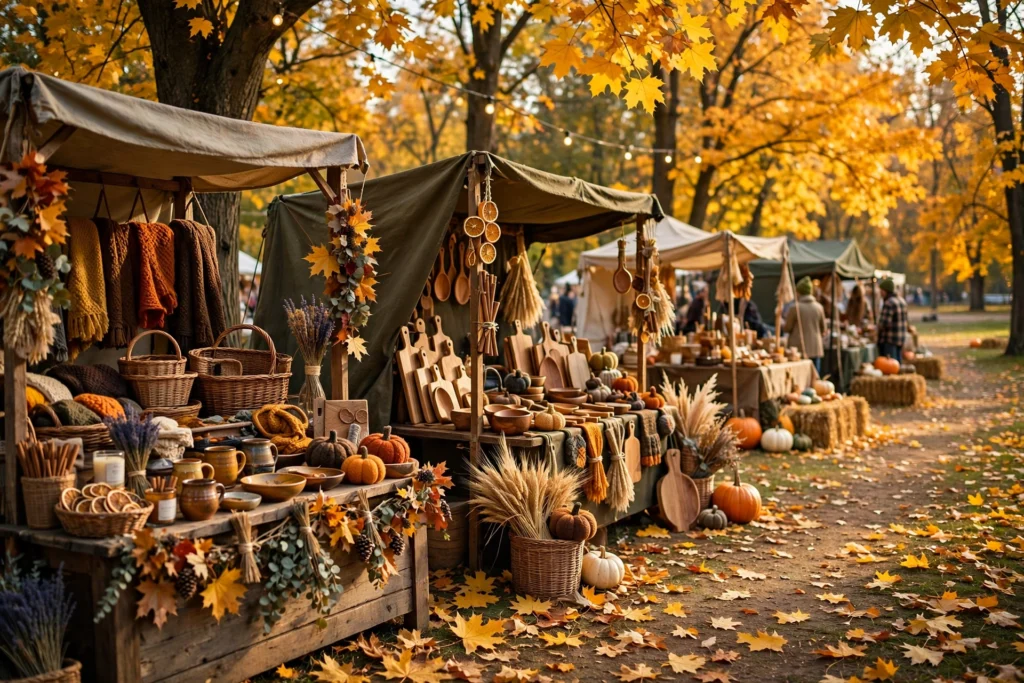
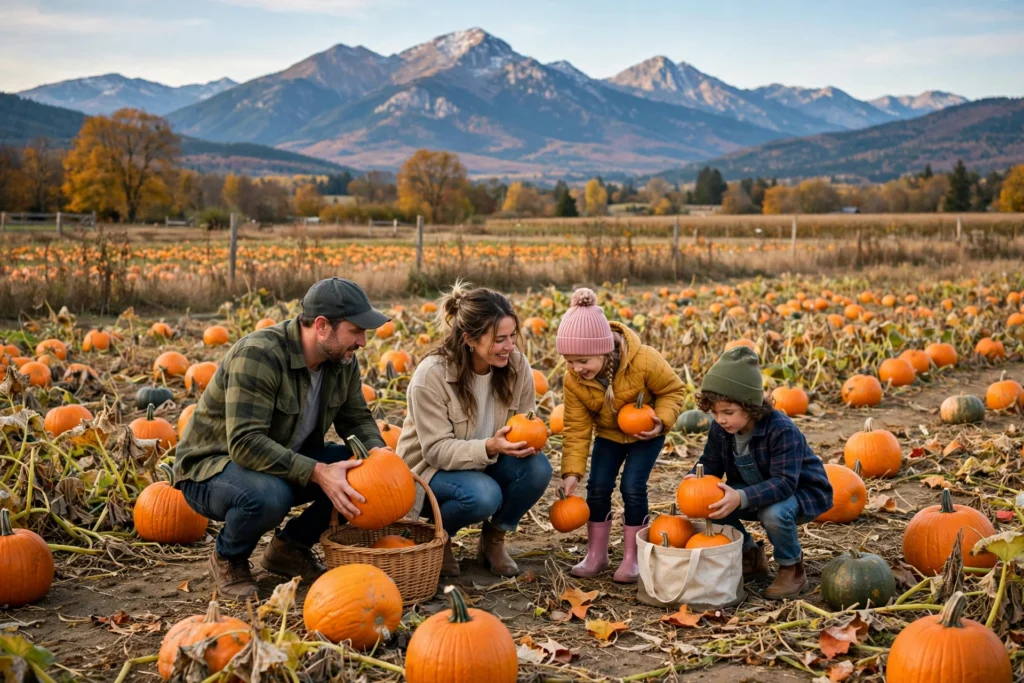
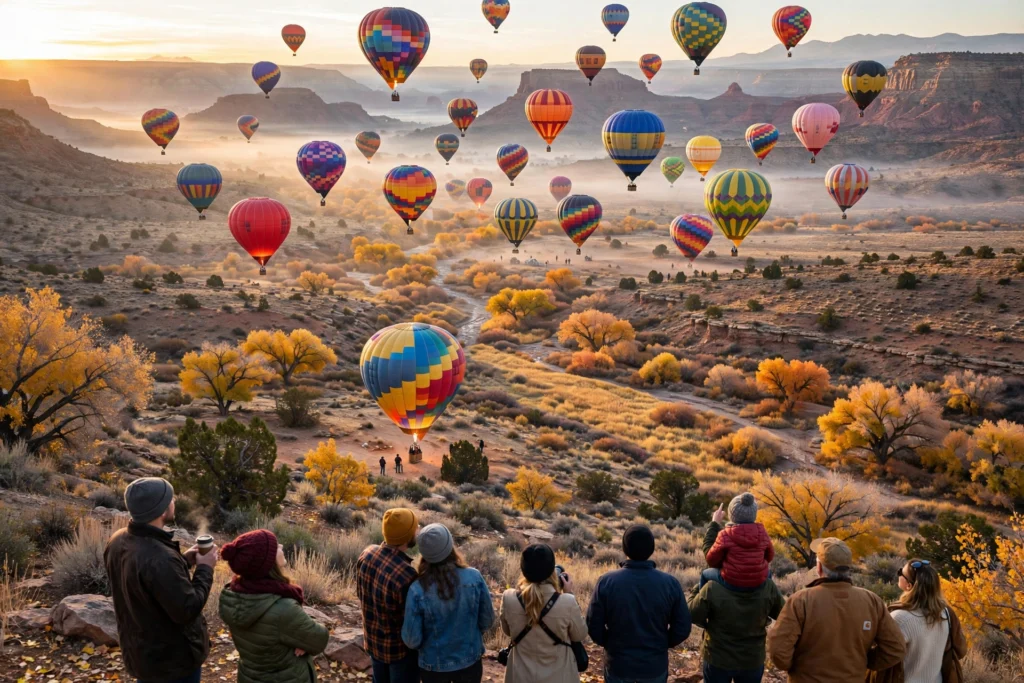
Fall events tap into nostalgia and comfort: harvest festivals, Oktoberfest-style gatherings, haunted houses, tailgates, bonfire nights, and craft fairs. The weather is usually cooperative, the light is beautiful, and people are in a gathering mood before the holidays. Fall’s advantage is atmosphere — the season does half your decorating for you.
Winter: warmth, light, togetherness
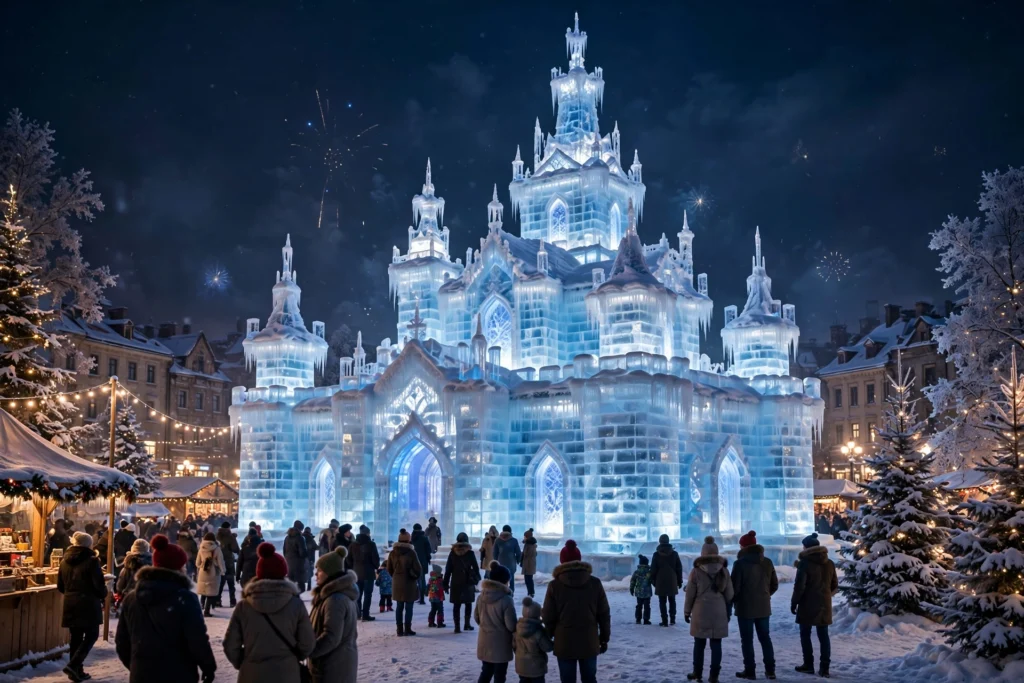
Winter events succeed by contrast: warmth against the cold, light against the dark. Holiday markets, tree lightings, ice skating parties, chili cook-offs, indoor concerts, and New Year celebrations all work because they give people a reason to leave the house in the dark months. The challenge is weather disruption — have contingency plans. The advantage is emotional: winter events feel meaningful in a way summer parties rarely do.
The 12-Week Planning Timeline
For a medium-sized community or corporate seasonal event (50–500 attendees), start 12 weeks out. Scale the timeline up for larger festivals and down for small gatherings.
12 weeks out: concept and foundation
- Define the event’s purpose: fundraising, community building, marketing, celebration? The purpose drives every later decision.
- Choose a date. Check for conflicts: other local events, holidays, school calendars, and major sports events. For outdoor events, have a rain date or indoor backup.
- Set a preliminary budget. Be honest about funding sources: ticket sales, sponsorships, organizational budget, donations.
- Recruit your core team: 3–5 committed people with clear roles (logistics, marketing, food, entertainment, finance).
- Scout venues. For seasonal events, the venue is half the experience — a pumpkin patch in October, a waterfront park in July, a historic building in December.
10 weeks out: bookings and permits
- Book the venue and pay deposits. Popular seasonal venues book months ahead — this is the step people delay and regret.
- Research permits: park permits, street closure permits, food handling permits, alcohol permits, noise permits, tent permits. Requirements vary wildly by city — call your local parks department or city clerk early.
- Book entertainment and key vendors: bands, DJs, caterers, rental companies. Get everything in writing.
- Secure insurance. Most venues require event liability insurance; it is affordable and non-negotiable.
8 weeks out: marketing launch
- Finalize the event name, branding, and key details. Create a simple event page or listing.
- Launch promotion: social media, email lists, community boards, local press, partner organizations. For ticketed events, open sales now — early-bird pricing drives early commitment.
- Recruit volunteers. You need more than you think — plan for 1 volunteer per 25–50 attendees for community events.
- Order supplies with long lead times: custom signage, branded merchandise, specialty decorations.
6 weeks out: details and logistics
- Finalize the run-of-show: the minute-by-minute schedule of the event day. Every vendor, volunteer, and performer needs to know where to be and when.
- Plan the layout: entrances, food areas, stages, restrooms, first aid, parking, signage. Walk the venue and map it.
- Confirm food and beverage plans: quantities, dietary options, serving logistics, health code compliance.
- Arrange rentals: tents, tables, chairs, staging, sound, lighting, generators, restrooms. Get delivery and pickup times in writing.
4 weeks out: promotion push
- Intensify marketing: this is when most people decide to attend. Share behind-the-scenes content, vendor spotlights, and countdown posts.
- Close early-bird ticket pricing to create urgency. Send reminders to your email list.
- Hold a volunteer orientation or send detailed briefing documents. Volunteers who know their roles show up confident.
- Confirm all vendors in writing: arrival times, setup requirements, power needs, payment terms.
2 weeks out: final confirmations
- Confirm headcounts with caterers and rental companies. Finalize the volunteer schedule.
- Prepare signage, check-in systems, wristbands, and tickets. Do a full inventory of supplies.
- Check the weather forecast and activate contingency plans if needed. Communicate any changes clearly.
- Brief your core team on the run-of-show. Everyone should know the plan and the backup plans.
Event week: execution
- Pick up last-minute supplies. Charge all devices. Print the run-of-show for every team lead.
- Set up the day before if possible — never assume morning-of setup will go smoothly.
- On event day: arrive early, walk the site, brief volunteers, and then trust your team. Your job is to handle exceptions, not micromanage.
- Document everything: photos, videos, attendance counts, vendor performance notes. You will need all of it for next time.
After the event: close the loop
- Thank volunteers, vendors, sponsors, and attendees within 48 hours.
- Settle all payments within two weeks. Reconcile the budget while details are fresh.
- Hold a debrief with your core team: what worked, what didn’t, what to change. Write it down — you will forget by next season.
- Share photos and highlights publicly. This is also the start of marketing for next year’s event.
Budgeting for Seasonal Events
The basic budget framework
Build your budget in these categories, and track actuals against estimates throughout planning:
| Category | Typical Share of Budget | Notes |
|---|---|---|
| Venue | 15–25% | Includes deposits, permits, insurance |
| Entertainment | 15–30% | Bands, DJs, performers, speakers |
| Food & beverage | 20–35% | Catering, vendors, or self-serve |
| Rentals & equipment | 10–20% | Tents, tables, sound, lighting |
| Marketing | 5–10% | Signage, ads, printing, photography |
| Decorations | 5–10% | Seasonal decor goes far on a budget |
| Staffing & volunteers | 5–10% | Paid staff, volunteer food/shirts |
| Contingency | 10% | Non-negotiable — something always comes up |
Revenue sources
Match revenue to your event type: ticket sales (tiered pricing with early-bird incentives), sponsorships (local businesses pay for visibility — offer tiered packages), vendor fees (food and craft vendors pay for booth space), merchandise, raffles and auctions, and food/beverage sales. Diversify: events dependent on a single revenue source are fragile.
Seasonal budget tips
- Spring: Flowers and plants are cheap and abundant — use living decor instead of rentals. Watch for rain-related costs (tent rentals spike in spring).
- Summer: Shade and water are budget items people forget — tents, misting fans, and free water stations are essential, not optional. Evening events save on heat mitigation.
- Fall: Nature provides free decor — pumpkins, gourds, corn stalks, and foliage are inexpensive and high-impact. Apple and pumpkin foods are cheap crowd-pleasers.
- Winter: Lighting is your decor — string lights and candles transform any space cheaply. Heating (outdoor heaters, warming tents) is the hidden cost; budget for it.
Seasonal Event Ideas by Type
Community events
- Spring: neighborhood cleanup + block party, community garden kickoff, spring art walk, kite festival
- Summer: block party, outdoor movie series, community field day, ice cream social, National Night Out event
- Fall: harvest festival, trunk-or-treat, chili cook-off, leaf-peeping hike + picnic, holiday market preview
- Winter: tree lighting ceremony, holiday market, ice skating party, soup swap, New Year’s Eve community countdown
Corporate and team events
- Spring: volunteer day + picnic, rooftop kickoff party, team fun run
- Summer: company picnic, field day Olympics, sunset harbor cruise, team-building retreat
- Fall: tailgate party, harvest dinner, team volunteer day (food bank), Halloween costume contest
- Winter: holiday party, year-end awards dinner, team cooking class, charity gift drive event
Fundraisers
- Spring: charity gala (garden theme), fun run/walk, plant sale, art auction
- Summer: golf tournament, outdoor concert fundraiser, car wash-a-thon, barbecue competition
- Fall: haunted house, harvest dinner auction, turkey trot, craft fair
- Winter: holiday gala, giving-tree campaign event, polar plunge, New Year’s Eve fundraiser party
Family and private celebrations
- Spring: garden birthday party, graduation party, Easter brunch (non-duplicative with holiday content)
- Summer: backyard barbecue, pool party, milestone birthday bash, family reunion
- Fall: bonfire party, harvest birthday, tailgate wedding, Friendsgiving
- Winter: holiday open house, New Year’s Eve party, winter wedding, soup party
For family-focused event inspiration, our best family events guide and free family events guide are full of ideas you can adapt.
Permits, Insurance, and Legal Essentials
What you probably need
Requirements vary by city and state, but commonly include: a park or venue permit for public spaces, a temporary food establishment permit if serving food to the public, a liquor license or temporary alcohol permit, amplified sound permits, tent permits for structures over a certain size, street closure permits for block parties, and fire department approval for open flames or fireworks.
Insurance
Event liability insurance (typically $1–2 million in coverage) costs a few hundred dollars for a single-day community event and is required by most venues. If you serve alcohol, add liquor liability. If you have vendors, require certificates of insurance from each one. This is not optional — one injury without coverage can end an organization.
Start early
Permit timelines are the most underestimated part of event planning. Some cities need 60–90 days for street closures or large-gathering permits. Call your city clerk or parks department at the 12-week mark and ask what you need — then add buffer. Nothing kills a seasonal event like a denied permit two weeks out.
Marketing Your Seasonal Event
The channels that work
- Email: still the highest-converting channel for local events. Build the list year-round.
- Social media: create a Facebook event, post countdown content, share vendor and entertainment announcements. Local community groups are goldmines.
- Local press: community newspapers, local blogs, and Patch-style sites love seasonal event stories. Send a press release 4–6 weeks out.
- Flyers and posters: old-fashioned but effective for neighborhood events — coffee shops, libraries, community boards.
- Partners: co-promote with vendors, sponsors, and community organizations. Their audiences become your audience.
Messaging by season
Seasonal marketing should lean into the season’s emotions: spring is about renewal and “finally!” energy; summer is about fun and FOMO; fall is about tradition and coziness; winter is about warmth and togetherness. Your visuals should scream the season — people decide in seconds whether an event feels right, and seasonal cues do the heavy lifting.
Weather Contingency Planning
Every seasonal event needs a weather plan. Not a vague hope — a written plan.
- Define your triggers in advance: at what forecast do you activate the rain plan? Who makes the call, and by when? Decide this during planning, not during panic.
- Spring: rain is the main threat. Tent rentals, indoor backup venues, or a firm rain date are essential.
- Summer: heat and thunderstorms. Lightning protocols (30-minute rule after last strike), shade structures, cooling stations, and abundant water are mandatory for large events.
- Fall: generally cooperative, but early snow or cold snaps happen. Have warming options and communicate dress codes.
- Winter: snow and ice can cancel everything. Build a cancellation communication plan (email, social, website banner) and know your venue’s snow policy.
- Communicate proactively: attendees forgive weather changes when informed early. They do not forgive showing up to a canceled event they heard about from someone else.
Frequently Asked Questions
How far in advance should I start planning a seasonal event?
For a community event of 50–500 people, 12 weeks is the sweet spot. Large festivals need 6–12 months. Small private parties can come together in 4–6 weeks. The critical path items — venue booking, permits, and entertainment — determine your real timeline; everything else flexes around them.
How much does it cost to plan a seasonal community event?
A small neighborhood event (50–100 people) can run $500–$2,000. A medium community festival (200–500 people) typically costs $5,000–$25,000. Large public festivals run $50,000+. Costs scale with entertainment, food service, and rentals — the three biggest line items. Sponsorships and vendor fees can offset much of the cost for public events.
Do I need a permit for a block party?
Usually yes — most cities require a street closure permit for block parties, and many require liability insurance and neighbor consent signatures. Requirements and lead times vary enormously: some cities approve in two weeks, others need two months. Check with your city clerk or transportation department early.
How do I get sponsors for a seasonal event?
Create tiered sponsorship packages (e.g., $250/$500/$1,000/$2,500) with clear benefits: logo placement, booth space, stage mentions, social media features. Start with businesses that already serve your audience — they have the most to gain. Ask 8–10 weeks out, follow up once, and deliver every promised benefit visibly. Sponsors who feel valued renew.
What is the best season for an outdoor event?
Fall is the most reliable: mild temperatures, lower precipitation risk in most regions, and beautiful natural decor. Late spring (May) is second. Summer offers the longest days but brings heat and storm risks. Winter outdoor events can be magical but require serious cold-weather planning. For a first-time organizer, aim for September–October or May.
How do I handle food safety at an outdoor seasonal event?
If the public is involved, check your local health department’s temporary food establishment requirements — many jurisdictions require permits, certified food handlers, and specific temperature controls. Potluck-style private events have fewer requirements. When in doubt, hire licensed food vendors or caterers who carry their own permits and insurance; it transfers the compliance burden to professionals.
Planning Checklists by Season
Spring event quick checklist
- Rain plan confirmed (tents or indoor backup)
- Ground conditions checked (spring fields can be muddy — plan flooring or pathways)
- Allergy considerations for food and flowers
- Flexible decor that works in wind
- Promotion emphasizes “first outdoor event of the year” energy
Summer event quick checklist
- Shade structures for attendees, vendors, and performers
- Water stations (free, abundant, visible)
- Lightning safety plan communicated to all staff
- Cooling options: misting fans, shaded rest areas
- Evening scheduling to avoid peak heat
- Bug control for evening events near water or woods
Fall event quick checklist
- Layered lighting plan (days get short — plan for darkness)
- Warm beverage options (cider, cocoa, coffee)
- Heating for evening events (patio heaters, fire pits where permitted)
- Leaf and ground debris management for the venue
- Costume/contest elements if near Halloween
Winter event quick checklist
- Heated indoor backup or warming stations
- Snow/ice removal plan for venue and parking
- Cancellation communication plan ready to activate
- Lighting design (winter events live or die by lighting)
- Hot food and drinks as core offerings, not extras
- Coat check or secure coat storage for indoor events
The Bottom Line
Learning how to plan seasonal events comes down to three disciplines: start early, respect the season, and plan for what can go wrong. The season gives you theme, decor, and emotional resonance for free — your job is logistics, timing, and execution. Whether it is a spring garden party, a summer block party, a fall harvest festival, or a winter market, the events people remember are the ones where the details were handled and the season was allowed to shine. Start your 12-week clock now — your season is coming. For inspiration on what to attend (as opposed to plan), browse our outdoor concert venues guide and start scouting venues like a pro.