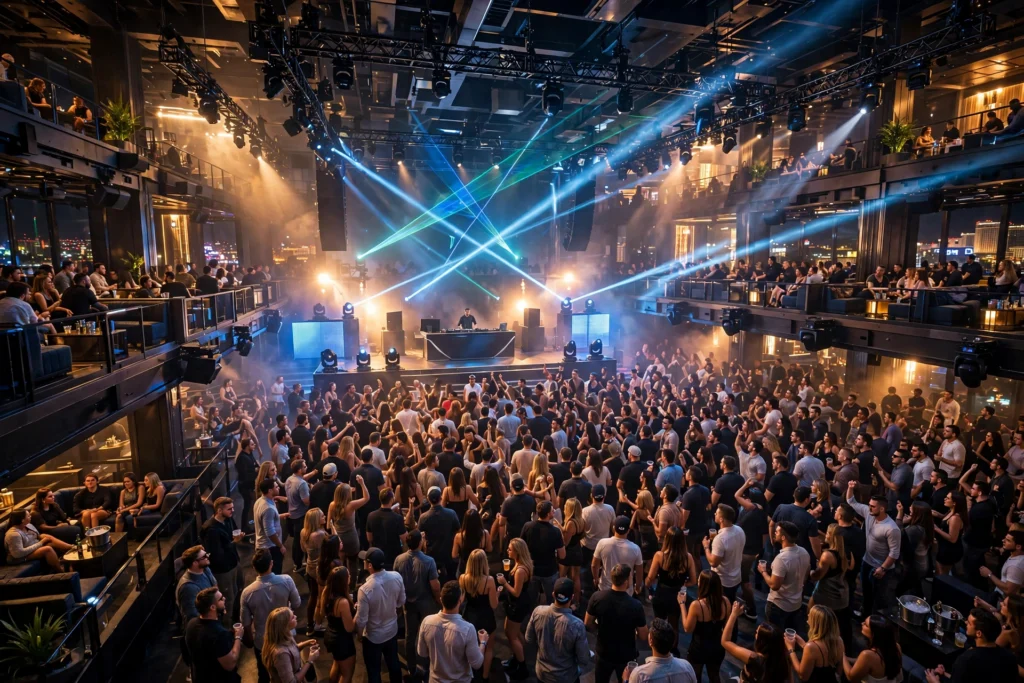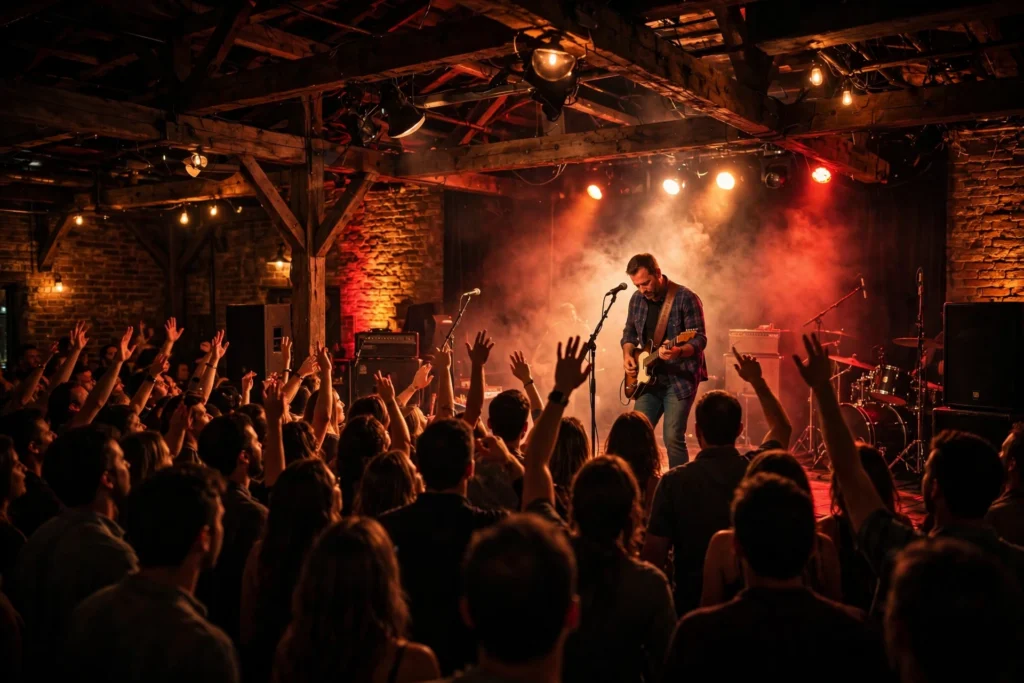
If you want to understand New Orleans, do not start with its history books — start with its nights. This New Orleans Nightlife Guide is your complete walkthrough of one of the most storied after-dark cities in America, from the neon chaos of Bourbon Street to the soulful brass lines drifting out of Frenchmen Street clubs. Few American cities commit to the night the way the Crescent City does: live music pours out of doorways seven nights a week, kitchens stay open late to feed the crowds, and the line between performer and audience, local and visitor, dissolves somewhere around midnight. Whether this is your first visit or your fifteenth, knowing where to go, when to go, and how to stay safe turns a good night into a legendary one.
New Orleans nightlife is not a single scene but a patchwork of them. The city rewards wanderers — people who follow the trumpet solo spilling onto the sidewalk, who duck into a club on a stranger’s recommendation, who end the night over beignets at 2 a.m. But it also punishes the unprepared: Bourbon Street can overwhelm, Frenchmen Street can sell out, and the difference between the right night and the wrong night is often just planning. This guide covers the two great boulevards, the live music culture that anchors everything, late-night food, practical safety advice, the best nights of the week to go out, a ready-made two-night itinerary, and answers to the questions every first-timer asks.
Bourbon Street vs Frenchmen Street: Know the Difference
The single most important decision in New Orleans nightlife is also the simplest: Bourbon or Frenchmen. These two streets sit just a few blocks apart in the French Quarter and Marigny, yet they offer opposite experiences. Understanding the difference before you arrive saves you from spending your one free night somewhere you did not actually want to be.
| Bourbon Street | Frenchmen Street | |
|---|---|---|
| Location | French Quarter, 13 blocks from Canal to Esplanade | Faubourg Marigny, east of the Quarter past Esplanade |
| Vibe | High-energy, chaotic, tourist-heavy party strip | Laid-back, local-favorite music row |
| Music | Cover bands, karaoke, DJs, balcony party anthems | Authentic jazz, brass bands, blues, funk, Latin |
| Drinks | Go-cups, hurricane cocktails, frozen daiquiris, cheap beer | Craft cocktails, local beer, reasonable prices |
| Crowd | Bachelor parties, tourists, first-timers | Music lovers, locals, serious listeners |
| Cost | Free entry most places; pricey drinks | Small covers ($5–$20) for quality shows |
| Best for | Wild nights, people-watching, late-night revelry | Real New Orleans music, dancing, date nights |
Bourbon Street: The Famous Chaos
Bourbon Street is the postcard — and the warning. By day it is an ordinary French Quarter street; by night the upper blocks become a pedestrian carnival of open-container drinkers, balcony crowds, cover bands, and strip-club barkers. It is loud, sticky, and utterly unlike anywhere else in America. Love it or hate it, Bourbon Street is worth at least one walk-through: grab a go-cup (open containers are legal in the French Quarter, and plastic cups are the law of the land), follow the sound of a band playing “Sweet Caroline” for the thousandth time, and people-watch from a balcony if you can get a spot.
The honest take: Bourbon Street is not where locals go to hear great music, but it is where many visitors have the time of their lives. The sweet spot is one or two hours, ideally between 9 p.m. and midnight, before the crowds thicken and the prices climb. Keep your wallet secure, drink water between drinks, and do not accept “free” anything from street hustlers — the beads, the bets, the “I know where you got your shoes” routine are all well-worn scripts. If you want the Bourbon experience without the crush, the blocks closer to Canal are busiest, while the blocks toward Esplanade quiet down and blend into the residential Quarter.
Frenchmen Street: Where the Music Lives
Ask a New Orleans musician where they go on their night off and they will say Frenchmen. This three-block stretch in the Faubourg Marigny is the densest concentration of live music clubs in the city: on any given night you can walk from a traditional jazz trio to a 10-piece brass band to a Latin funk group without getting in a car. Covers are modest, drinks are fairly priced, and the crowds come to listen and dance, not just to be seen.
The anchor clubs are legendary in their own right. Snug Harbor hosts world-class modern jazz in a proper listening room. The Spotted Cat keeps traditional jazz swinging until late with a small, packed dance floor. d.b.a. and Blue Nile cover funk, brass, and jam bands with bigger rooms and bigger sounds. Between sets, the Frenchmen Art Bazaar and late-night food vendors keep the street buzzing. Get there by 8 or 9 p.m. on weekends to catch early sets and claim a table; the prime 10 p.m.–1 a.m. window fills fast, especially Friday and Saturday.
Live Music: Jazz, Brass Bands, and Everything After
Music is not entertainment in New Orleans — it is infrastructure. The city supports more working musicians per capita than almost anywhere in the country, which means on any night of the week you can hear world-class players for the price of a drink or a modest cover. Understanding the city’s main live-music traditions helps you pick the right room.
Traditional Jazz and Modern Jazz
New Orleans is the birthplace of jazz, and traditional “Dixieland” jazz still thrives in clubs like Preservation Hall, Fritzel’s, and the Palm Court Jazz Cafe. These are listening experiences: intimate rooms, no talking over the band, sets that honor a century-old tradition. Modern and contemporary jazz live at Snug Harbor, the Jazz Playhouse, and Chickie Wah Wah, where national touring acts share bills with the city’s formidable local players. For a wider look at where the genre thrives across the country, our roundup of the best jazz clubs in the USA puts the New Orleans rooms in national context — and yes, the Crescent City entries hold their own.
Brass Bands and Second Lines
The brass band is the heartbeat of New Orleans street culture: trumpets, trombones, sousaphones, and drums playing everything from hymns to hip-hop covers at parade volume. Catch them at clubs like the Maple Leaf Bar uptown, Kermit’s Treme Mother-in-Law Lounge, or the Howlin’ Wolf, or — best of all — at a second-line parade, the neighborhood processions where the crowd literally follows the band. Second lines happen most Sundays in fall, winter, and spring; check local listings when you arrive. When a brass band hits its stride in a packed room, the floor becomes a dance party and the distinction between the stage and the crowd evaporates. It is the single most New Orleans thing you can do after dark.
Funk, Blues, Bounce, and Beyond
Beyond jazz, the city cooks up deep funk (the Meters invented much of it here), gutbucket blues at clubs like the House of Blues and B.B. King’s, and bounce — New Orleans’ homegrown, high-energy hip-hop style, best experienced at a club night rather than described. Tipitina’s uptown, a converted 1912 theater, remains the city’s great multi-genre room, hosting everything from jam bands to Grammy winners. The lesson: never assume a club plays one thing. Read the night’s listing, not the club’s reputation.
Late-Night Eats: Refueling the Right Way
New Orleans understands that a great night out ends with great food, and the city keeps its kitchens open accordingly. The legendary move is beignets and cafe au lait at Cafe Du Monde, open 24 hours except Christmas Day — the line at 1 a.m. moves fast and the powdered sugar tastes like victory. For something heartier, Verti Marte in the Quarter serves massive po’boys and the famous All That Jazz sandwich until the small hours, while Clover Grill has been flipping burgers and breakfast 24 hours a day since 1939.
Further afield, the late-night taco trucks along the West Bank and the dumpling spots in the Marigny keep service-industry crowds fed after their shifts end. Many of the city’s beloved neighborhood restaurants do a second, quieter service after 10 p.m. — ask your bartender where they eat after work and follow that advice like gospel. One practical note: on weekend nights, popular late-night spots develop lines after 1 a.m., so eat at midnight or embrace the wait with a go-cup. And if your trip continues to Texas, the live-music scene there pairs just as beautifully with late-night food — see our guide to the best live music venues in Austin for the next stop on a Southern music itinerary.
Happy Hours and Pre-Game: Starting the Night Right
In New Orleans, the night starts early and cheaply if you know where to look. Happy hours across the Quarter and Marigny typically run from 3 to 7 p.m., with many bars offering two-for-one well drinks, discounted local beers, and half-price appetizers. The move is to anchor your evening at a happy hour spot near where you plan to end up — a few discounted Sazeracs or Abita Ambers at a Quarter balcony bar, then a short walk to your first set. Many music clubs also run early shows with no cover or a reduced cover before 8 p.m., which doubles as a budget-friendly way to sample multiple rooms in one night.
The pre-game matters more here than in most cities because New Orleans nights run long. Eating a real dinner before you start drinking is not optional advice — it is survival strategy when bars do not close and the music does not stop. A plate of red beans and rice, a roast beef po’boy, or even a slice from one of the Quarter’s late-afternoon pizza windows gives you the foundation for a six-hour night. Pace yourself through the evening the way locals do: one drink per set, water between clubs, and no shame in sitting out a round. The city will still be going when you are ready for the next one.
Safety Tips for a Night Out in New Orleans
New Orleans is a welcoming city, but it is also a real city with real crime, and the nightlife districts deserve the same street smarts you would bring anywhere. These are the rules locals give visitors:
- Stay on the lit streets. The Quarter and Marigny are safest on the main, well-trafficked corridors. Wandering into dark residential blocks late at night, especially alone, is where most problems start.
- Travel in groups after midnight. Bourbon Street thins out and the vibe shifts after 2 a.m. Stick with your group and agree on a meeting point before anyone splits off.
- Watch your drink and your wallet. Keep your drink in your hand, never leave it unattended, and carry only what you need. Front-pocket wallets, crossbody bags, and minimal cash are the standard kit.
- Use rideshares, not random offers. After the streetcars stop running, rideshare apps are the safe default. Decline unmarked “taxis” and unsolicited ride offers on Bourbon Street.
- Know your limits with go-cups. Legal open containers make it easy to drink more than you realize while walking. Alternate with water, eat something substantial, and remember the heat and humidity amplify alcohol’s effects.
- Keep valuables out of sight. Flashy jewelry and expensive cameras draw the wrong attention on crowded streets. Dress for the music, not the jewelry box.
None of this should scare you off — millions of visitors have flawless nights in New Orleans every year. The city rewards the same common sense that serves you in any big city, with the added bonus that the Quarter’s density means you are rarely far from people, light, and help.
Best Nights to Go Out in New Orleans
New Orleans is a seven-night-a-week town, but the nights are not interchangeable. Picking the right nights for your style makes a real difference:
- Thursday: The locals’ weekend starts. Frenchmen Street clubs run strong lineups with smaller crowds than Friday, and many uptown rooms schedule their best weekly residencies on Thursdays. Ideal if you want quality music without the crush.
- Friday: Full energy everywhere. Bourbon Street peaks, Frenchmen Street sells out its headline sets, and the late-night food lines are longest. Go early (8–9 p.m.) and commit to one neighborhood rather than trying to do both.
- Saturday: The biggest night of the week. Second-line parades often roll in the afternoon, feeding directly into evening club shows. Book any must-see headliner in advance; walk-in covers climb on Saturdays.
- Sunday: The sleeper pick. Brass band brunches, afternoon second lines, and relaxed evening sets make Sunday one of the most authentically local nights out. Many service-industry workers celebrate their “weekend” on Sunday and Monday nights.
- Monday–Wednesday: Quieter but far from dead. Bourbon Street calms to a stroll, Frenchmen still books solid local bands, and you will get the best tables, the shortest lines, and the most attention from bartenders. Weeknights are also when you are most likely to stumble into an unannounced sit-in by a touring musician.
The Perfect 2-Night New Orleans Itinerary
Short on time? This two-night plan hits the essential New Orleans nightlife experiences without rushing:
| Time | Night 1: The Classics | Night 2: The Deep Cuts |
|---|---|---|
| 7:00 PM | Dinner in the Quarter — gumbo and a Sazerac | Dinner in the Marigny or Bywater — try a neighborhood Creole spot |
| 8:30 PM | Early traditional jazz set at Preservation Hall or Fritzel’s | Brass band show at Kermit’s Treme Mother-in-Law Lounge |
| 10:30 PM | Walk Bourbon Street with a go-cup, one hour, no more | Club-hopping on Frenchmen Street — catch two sets at different rooms |
| 12:30 AM | Late set at a Frenchmen club (d.b.a. or Blue Nile) | Dancing at Tipitina’s or a bounce night uptown |
| 2:00 AM | Beignets at Cafe Du Monde | Po’boys at Verti Marte, then a slow streetcar ride home |
Frequently Asked Questions
Is Bourbon Street safe at night?
Bourbon Street’s main blocks are heavily policed and crowded until the early morning, which makes the strip itself relatively safe. The risks are petty crime, scams, and over-drinking rather than violent crime — stay on the lit blocks, keep valuables secured, travel with friends, and use rideshares after 2 a.m. The biggest danger on Bourbon Street is honestly your own go-cup.
What is the legal drinking age and can I drink on the street?
The drinking age is 21, and open containers are legal in the French Quarter and Marigny as long as the drink is in a plastic cup — glass bottles and cans are not allowed on the street. Bars will happily pour your drink into a go-cup when you leave. Public intoxication laws exist but are lightly enforced in the entertainment districts; the practical rule is to stay upright, friendly, and out of traffic.
Do I need to buy tickets in advance for music clubs?
For most Frenchmen Street clubs, no — you pay a small cover at the door ($5 to $20). For headliner shows at Tipitina’s, the Howlin’ Wolf, the Saenger, or the Fillmore, buy tickets ahead, especially on weekends. Preservation Hall often sells out; book those coveted bench seats online before your trip.
What should I wear for a night out in New Orleans?
Most clubs and music rooms are casual — jeans and a decent shirt are fine everywhere except a handful of upscale hotel bars. The real dress code is about weather: summer nights are brutally humid, so breathable fabrics and comfortable walking shoes beat fashion. Bring a light layer in winter; club interiors and river breezes can surprise you.
How late do things stay open?
Bars in New Orleans can stay open 24 hours, and many do on weekends — there is no mandatory closing time. Music clubs typically run sets until 1 or 2 a.m., with some rooms going later. The practical end of the night for most visitors is 2 to 3 a.m., when the streetcars stop and rideshare prices surge.
Is New Orleans nightlife good for solo travelers?
Excellent. The listening-room culture means nobody thinks twice about a solo visitor at a jazz club, and the communal vibe of brass band shows makes it easy to fall into conversation. Sit at the bar, tip well, and mention it is your first time — bartenders and regulars love playing tour guide.
New Orleans does not do quiet nights, and that is exactly the point. Come for the music you planned to hear and stay for the music you never expected — the second-line that turns a corner at midnight, the trumpet player who sits in unannounced, the dance floor that erupts when the brass band drops into a song you actually know. Plan your nights with this guide, leave room for the unplanned, and the Crescent City will take care of the rest.