

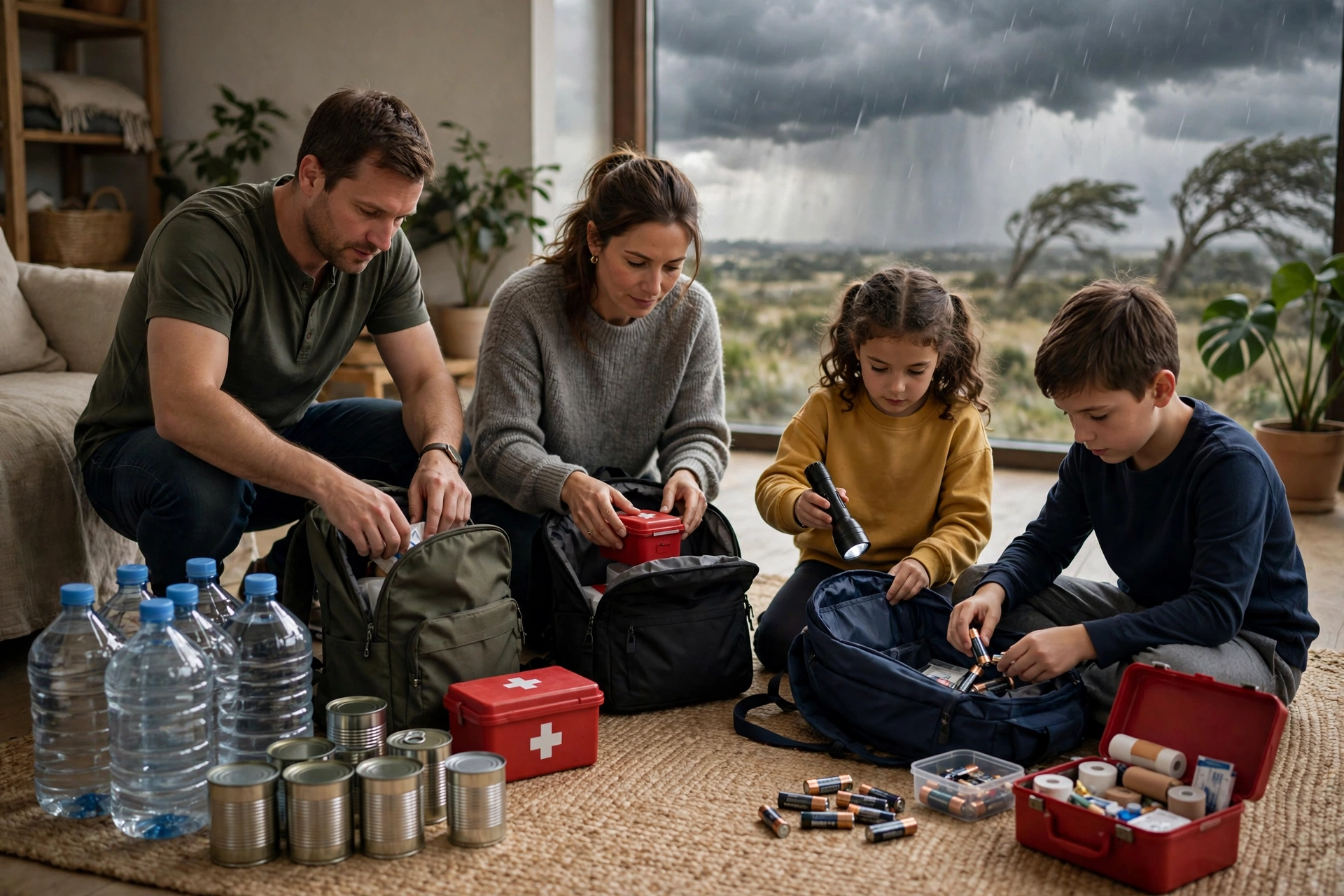
Every year, hurricanes threaten the Gulf Coast, the Southeast, and the Eastern Seaboard — and every year, families who prepared in advance ride out the storm safely while those who waited scramble for supplies that are already gone. This Hurricane Preparedness Guide gives you a complete, step-by-step system: understanding the risks, building your emergency kit, making an evacuation plan, protecting your home, and recovering safely afterward. Whether you are a lifelong coastal resident or new to hurricane country, preparedness is not about fear — it is about making calm, clear decisions before the forecast forces rushed ones.
Understanding Hurricane Risks: What You Are Preparing For
A hurricane is not just wind. The deadliest and most destructive hazards arrive in combination, and your plan needs to account for all of them.
Storm surge
Storm surge — the abnormal rise of seawater pushed ashore by the storm — causes the majority of hurricane-related deaths in the United States. Surges of ten feet or more can inundate entire coastal neighborhoods, and the water moves with devastating force. If you live in an evacuation zone, surge is the reason you leave: no house is worth a life, and emergency responders cannot reach you once conditions deteriorate.
Extreme wind
Hurricanes are categorized by the Saffir-Simpson Hurricane Wind Scale, from Category 1 (74–95 mph sustained winds) to Category 5 (157 mph and above). But do not fixate on the category number alone: a slow-moving tropical storm can cause catastrophic flooding, while a compact Category 4 can devastate a narrow corridor. Wind damages roofs, topples trees onto power lines, and turns unsecured objects into projectiles. Anything above Category 2 will likely cause widespread, long-duration power outages.
Inland flooding
More Americans die from inland freshwater flooding than from any other hurricane hazard. A stalled storm can drop two feet of rain hundreds of miles from the coast, turning creeks into rivers overnight. Remember the rule that saves lives every season: never drive through flooded roads. Just six inches of moving water can knock an adult down, and twelve inches can carry away a car.
Tornadoes
Hurricanes frequently spawn tornadoes, especially in the storm’s outer rain bands. These tornadoes form and dissipate quickly and often strike with little warning, which is why a weather radio or phone alert system matters even when the hurricane itself seems far away.
Know Your Zone: The Foundation of Every Plan
Before you buy a single battery, answer three questions:
- Am I in an evacuation zone? Coastal counties designate evacuation zones (often labeled A through E) based on storm surge risk. Find yours on your county emergency management website — this single fact determines whether your plan centers on evacuating or sheltering in place.
- Am I in a flood zone? Check flood maps for your address. Standard homeowners insurance does not cover flooding; if you are in or near a flood zone, investigate flood insurance well before hurricane season, since policies typically have a 30-day waiting period.
- What is my home’s vulnerability? Mobile homes, older homes without hurricane straps or impact windows, and homes with large trees nearby face higher wind risk. Renters should know the building’s construction and the landlord’s storm policies.
Write these answers down and share them with everyone in your household. A plan that lives only in one person’s head is not a plan.
Building Your Hurricane Emergency Kit
Assemble your kit before hurricane season begins — not when a watch is issued and store shelves are empty. Store supplies in easy-to-carry containers, and refresh food, water, and medications twice a year.
| Category | What to Include | How Much |
|---|---|---|
| Water | One gallon per person per day, plus extra for pets and hygiene | Minimum 3-day supply; 7 days is better |
| Food | Non-perishable: canned goods, energy bars, peanut butter, dried fruit, crackers | 3–7 day supply; include a manual can opener |
| Light & power | Flashlights, battery lanterns, headlamps, portable phone chargers | Extra batteries for everything; charge power banks before the storm |
| First aid & health | First aid kit, 7-day supply of prescriptions, glasses, contact supplies, infant formula | Keep prescriptions in original labeled containers |
| Documents | IDs, insurance policies, medical records, bank info — in a waterproof bag or on an encrypted USB drive | Copies, not originals, in the go-bag |
| Tools & safety | Wrench/pliers (to shut off utilities), whistle, dust masks, plastic sheeting, duct tape | One set per household |
| Comfort & sanitation | Sleeping bags, change of clothes, moist towelettes, garbage bags, bleach | Plan for no running water for days |
| Cash | Small bills — ATMs and card readers fail without power | Enough for several days of fuel and food |
Do not forget
- Pets: carriers, leashes, food, water, medications, vaccination records, and a photo of you with your pet in case you are separated. Confirm your evacuation destination accepts animals.
- Kids: comfort items, books, games, diapers, and a written card with emergency contacts in each child’s pocket.
- Medical needs: backup power for CPAP machines or refrigerated medications, a list of medical equipment with model numbers, and your doctors’ phone numbers.
Making Your Evacuation Plan
If you are in an evacuation zone — or if officials order an evacuation — leaving early is the single most important decision you will make. Traffic on evacuation routes becomes gridlocked hours before landfall, and gas stations run dry.
Choose your destination now
Identify two options: one with friends or family inland, and one commercial backup (a hotel outside the evacuation area). Book refundable hotel reservations early in the season for the most likely weekends if you want guaranteed options — you can always cancel. Know at least two driving routes, because your primary highway may be contraflowed (all lanes reversed outward) or closed.
Know what to take
Pack a go-bag per person: documents, medications, chargers, three days of clothes, snacks, water, and comfort items. Take photos or video of every room in your home for insurance purposes — open closets and drawers. Unplug electronics, turn off water at the main valve if instructed, and secure outdoor furniture, grills, and anything that wind can turn into a missile.
Know when to go
Leave when officials recommend it, not when conditions look bad from your window — by then it is too late. A good rule: if your county issues a voluntary evacuation for your zone and the forecast shows strengthening, treat it as mandatory for your family. If you need accessible transportation or have medical equipment, register with your county’s special-needs shelter program before the season starts.
Planning evacuation routes is a lot like planning any long drive under pressure — our guide to off-the-beaten-path road trips covers route planning skills that transfer directly to knowing back roads when highways clog.
Protecting Your Home
Home hardening is a year-round project with outsized payoff. The most cost-effective measures:
- Openings first: impact-rated windows or properly installed storm shutters protect the building envelope. Once wind breaches a window or garage door, internal pressure can lift the roof off. Garage doors are a common failure point — brace kits are inexpensive.
- Roof: hurricane straps or clips connecting the roof to the walls, sealed roof decking, and a secondary water barrier dramatically reduce damage. If you are re-roofing, building to fortified standards can also cut insurance premiums.
- Trees: trim dead or weak limbs well before the season, and remove trees that could strike the house. Never trim near power lines yourself — call the utility.
- Drainage: clean gutters, extend downspouts away from the foundation, and know where water pools on your property during heavy rain.
- Insurance review: once a year, confirm your coverage limits, hurricane deductible (often a percentage of the home’s value, not a flat amount), and whether you need separate flood insurance.
Hurricane Season Timeline: What to Do When
| Timeframe | Actions |
|---|---|
| Before season (spring) | Build/refresh kit, review insurance, trim trees, test generator, register for special-needs shelter if applicable, digitize documents |
| Storm forming (5–7 days out) | Monitor the National Hurricane Center forecast cone, top off fuel, withdraw cash, refill prescriptions, confirm evacuation destination |
| Watch issued (48 hours out) | Hurricane conditions possible — finalize shutters, secure outdoor items, charge all devices, fill bathtubs and containers with water |
| Warning issued (36 hours out) | Hurricane conditions expected — complete preparations, evacuate if in a zone or ordered, shelter plan activated |
| During the storm | Stay inside away from windows, monitor weather radio/alerts, do not go outside in the eye’s calm — the back eyewall follows |
| After landfall | Wait for official all-clear, avoid floodwater and downed lines, document damage before cleanup, beware scams |
Watch vs. warning — know the difference
This distinction confuses people every season, so memorize it: a watch means hurricane conditions are possible within 48 hours — time to prepare. A warning means they are expected within 36 hours — time to act. Preparation happens during the watch; the warning means your decisions should already be made.
Staying Informed: Your Alert Stack
Redundant information sources save lives when one system fails. Build this stack before the season:
- Wireless Emergency Alerts (WEA) on your phone — keep them enabled; these are the loud, geographically targeted warnings for extreme wind and flash flooding.
- NOAA Weather Radio — a battery-powered weather radio with tone alert wakes you at 3 a.m. when phones are silenced. It is the single most reliable warning tool in American homes.
- Local TV and radio — meteorologists at local stations provide street-level tracking and context the national feed cannot.
- County emergency management — follow your county’s official accounts and sign up for its local alert system for evacuation orders and shelter openings.
- National Hurricane Center — the authoritative forecast; ignore social media “models” from unverified accounts.
After the Storm: Recovery Without the Second Disaster
The hours and days after landfall carry their own dangers. Most post-hurricane injuries are preventable.
- Wait for the all-clear. Downed power lines, weakened structures, and floodwater hide lethal hazards. Do not sightsee through damaged areas — you endanger yourself and block responders.
- Treat all floodwater as contaminated. It carries sewage, chemicals, and debris. Wear boots and gloves during cleanup, and discard any food that touched floodwater.
- Generator safety is non-negotiable. Run generators outdoors, at least 20 feet from the house, with exhaust pointed away. Carbon monoxide kills silently — never run one in a garage, even with the door open.
- Document before you clean. Photograph and video all damage for insurance before moving or discarding anything. Keep receipts for emergency repairs and temporary housing.
- Beware the second wave of scammers. Unlicensed contractors swarm damaged neighborhoods. Verify licenses with your state, never pay in full upfront, and be skeptical of anyone pressuring you to sign on the spot.
- Check on neighbors, especially elderly residents and those who live alone. Community recovery starts on your block.
Special Situations
Apartment and condo dwellers
Know your building’s storm plan: where interior shelter areas are, whether balconies must be cleared, and how management communicates. High-rise residents should shelter on lower floors in interior hallways, since wind speeds increase with height. Renters insurance covers your belongings — the landlord’s policy does not.
Boaters
Have a written haul-out or secure-mooring plan with your marina, executed early — marinas reach capacity days before landfall. Double all lines, remove canvas and sails, and never stay aboard during the storm.
Newcomers to hurricane country
If you just moved to the coast, talk to longtime neighbors — they know which streets flood, which gas stations restock fastest, and how previous storms behaved. Local knowledge is a preparedness asset no checklist can replace. And if you are settling into a new area, our guide to festival survival shares outdoor-weather planning habits that apply to any big-weather event season.
Frequently Asked Questions
When should I start preparing for hurricane season?
Start in spring, well before the season’s peak. Build your emergency kit, review insurance, and make your evacuation plan when shelves are stocked and contractors are available — not when a storm is five days out and everyone is preparing at once.
What is the difference between a hurricane watch and a warning?
A hurricane watch means hurricane conditions are possible within 48 hours — finalize preparations. A hurricane warning means they are expected within 36 hours — complete preparations and evacuate if ordered. Prepare during the watch; act during the warning.
How much water and food should I store for a hurricane?
Store at least one gallon of water per person per day for a minimum of three days (seven is better), plus a three-to-seven-day supply of non-perishable food and a manual can opener. Do not forget pet supplies, prescriptions, and infant needs.
Should I evacuate or stay during a hurricane?
If you are in an evacuation zone or officials order an evacuation, leave — storm surge is the leading cause of hurricane deaths and responders cannot reach you once conditions deteriorate. If you are outside evacuation and flood zones in a well-built home, sheltering in place with supplies may be appropriate. When in doubt, follow official guidance for your specific zone.
Is it safe to use a generator after a hurricane?
Only outdoors, at least 20 feet from your home, with exhaust directed away from windows and doors. Never run a generator in a garage, basement, or near open windows — carbon monoxide is odorless and can kill within minutes.
Does homeowners insurance cover hurricane damage?
Standard policies typically cover wind damage but not flooding — that requires separate flood insurance, which has about a 30-day waiting period. Review your hurricane deductible (often a percentage of your home’s insured value) and coverage limits every spring.
Hurricane Myths That Put People in Danger
- “Taping windows prevents breakage.” It does not. Tape does nothing against hurricane-force wind and can create larger, more dangerous shards. Use shutters or impact-rated glass — or stay away from windows entirely.
- “Only the coast needs to worry.” Inland flooding from tropical systems kills people hundreds of miles from landfall every year. If your area is in the forecast cone, prepare regardless of your distance from the beach.
- “The category tells me how bad it will be.” The Saffir-Simpson scale measures wind only. A Category 1 storm’s rainfall can be more destructive than a Category 3’s wind. Read the full forecast discussion, not just the number.
- “I survived the last one, so I’ll be fine.” Every storm is different — different track, speed, size, and surge. Past survival is not a forecast.
- “It’s safe to go outside during the eye.” The calm of the eye is temporary, and the back eyewall arrives with sudden, violent wind from the opposite direction. Stay sheltered until officials confirm the storm has passed.
Preparing on a Budget
Preparedness does not require a big upfront spend. Buy one or two kit items per grocery trip — a case of water here, a pack of batteries there — and you will have a full kit within two months. Dollar stores carry flashlights, first aid basics, and storage bins. A hand-crank weather radio costs less than a pizza and needs no batteries. Fill cleaned soda bottles with tap water for free emergency storage (rotate every six months). The most valuable preparations — knowing your evacuation zone, having a family communication plan, and photographing your belongings for insurance — cost nothing at all. Start with the free steps this weekend, and build the kit shelf by shelf. A partial kit assembled early beats a perfect kit assembled the day before landfall.


