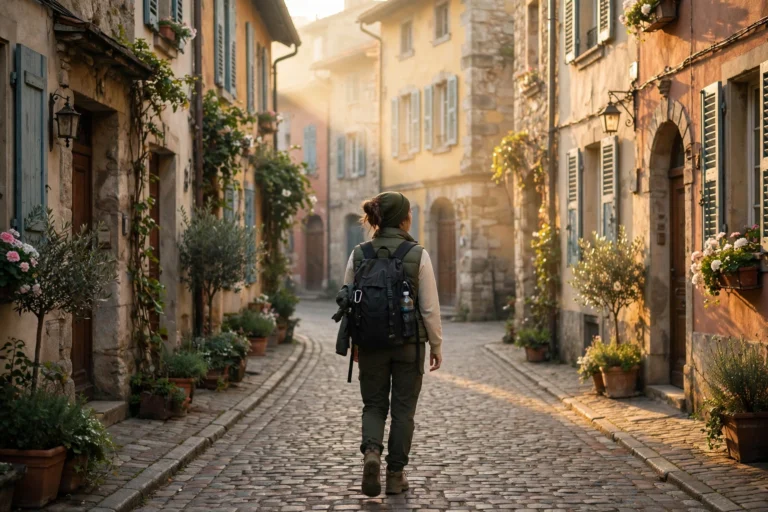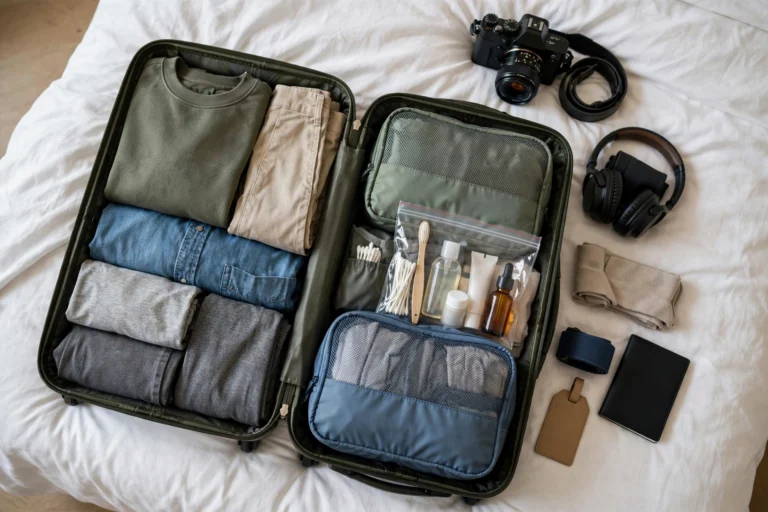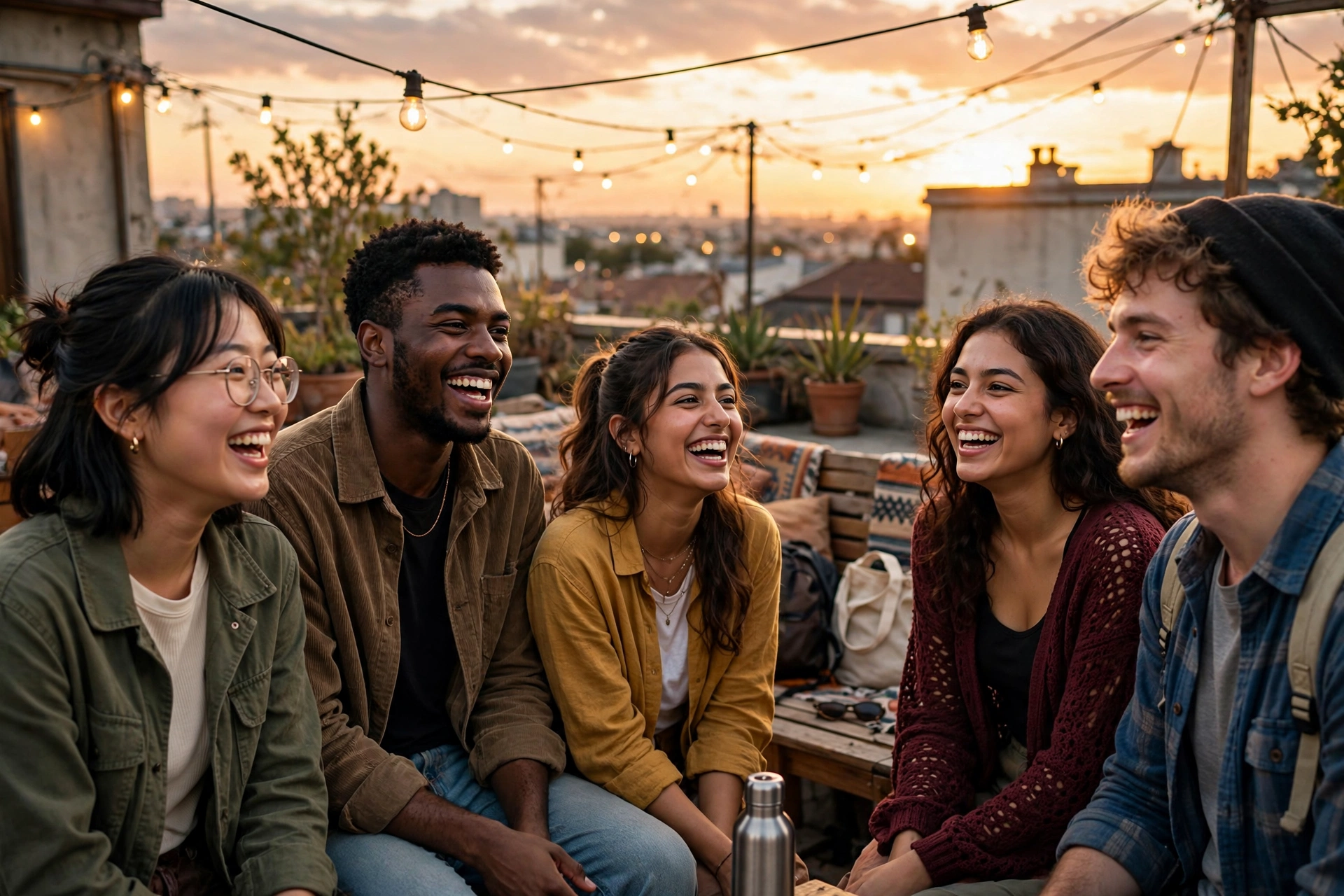
Learning how to meet people while traveling solo is the skill that separates a lonely trip from a life-changing one. Most first-time solo travelers share the same fear: that traveling alone means being alone. The truth is the opposite. Solo travelers meet more people than almost anyone else on the road, because being alone makes you approachable, flexible, and open to the spontaneous invitations that groups never receive. The stranger who invites you to join their beach bonfire is not inviting a group of five. They are inviting you.
This guide collects twenty proven ways to turn solo travel into a social adventure, organized from easiest to most adventurous. You do not need to be an extrovert. Many of these strategies are designed for introverts who want connection without the exhaustion of forced small talk. Each method includes practical details on how it works, what it costs, and how to stay safe while using it, so you can build a social toolkit that fits your personality and travel style.
Why Solo Travelers Meet People So Easily
Before the tactics, it helps to understand the psychology working in your favor. When you travel with a companion, you form a closed social unit: other travelers assume you are busy, and you have less incentive to talk to strangers. Alone, you broadcast openness. Research on social behavior consistently shows that people are far more likely to approach someone sitting alone than someone in a group. Hostels, tours, and classes amplify this effect by adding structure, shared goals, and repeated contact, the three ingredients psychologists identify as the foundation of new friendships.
There is also a selection effect: the people you meet while traveling solo are disproportionately open, curious, and adventurous, because cautious homebodies are not the ones backpacking through Vietnam. The social odds are stacked in your favor. Your job is simply to put yourself in the right places and say yes more often than feels comfortable.
Start With Where You Sleep
1. Stay in social hostels
This is the highest-leverage decision in this entire guide. A good social hostel is essentially a friendship factory: communal dorms, shared kitchens, rooftop bars, and a daily events calendar of pub crawls, walking tours, cooking nights, and game evenings. You do not have to be a party animal. Many hostels cater to digital nomads, couples, and travelers over thirty, with wine nights and coworking spaces instead of beer pong. Use Hostelworld’s filters to find the vibe that suits you, read recent reviews for words like “social,” “friendly staff,” and “easy to meet people,” and actually use the common areas. The number one mistake solo travelers make is retreating to their room after check-in. Park yourself in the lounge with a book or a laptop. Proximity does the rest.
2. Book hostels with family dinners
Some hostels serve a communal dinner every night for a small fee, and there is something about passing plates around a long table that dissolves stranger-awkwardness faster than any icebreaker. You learn names, swap itineraries, and discover who is heading your direction tomorrow. These dinners are friendship accelerators: I have watched solo travelers arrive as strangers and leave as a group of eight heading to the same island. When browsing hostels, search reviews for “family dinner” or “communal meal.”
3. Try co-living spaces for longer stays
If you are staying in one city for two weeks or more, co-living spaces like Selina or Outsite combine private rooms with coworking areas and a built-in community of remote workers and long-term travelers. The repeated daily contact, same faces at breakfast, same desks during work hours, creates the conditions for genuine friendships rather than one-night hostel bonds. Weekly community events, from surf lessons to startup pitch nights, give you structured reasons to show up. They cost more than hostels but far less than hotels, and the social return on investment is enormous.
4. Use the common kitchen
Cooking is a universal social lubricant. Hostel kitchens at dinner time are some of the most naturally social spaces in travel: ask someone what they are making, offer to share your ingredients, or propose a group cooking night where everyone contributes a dish from home. Food conversations bypass small talk entirely. Even if you can barely boil pasta, showing up with good intentions and a willingness to wash dishes earns you a seat at the table.
Join Tours and Group Activities
5. Take free walking tours
Free walking tours are the solo traveler’s social cheat code. They attract exactly your demographic: independent travelers, many of them solo, who want to see a city with a local guide. The shared experience of discovering a place together creates instant conversation material, and most tours end near a recommended bar or restaurant where the group naturally continues. Tip the guide well, these tours run on tips, and linger afterward. The people standing around chatting after the tour ends are your people.
6. Book food tours and cooking classes
Food tours are more interactive than sightseeing tours: you eat together, drink together, and bond over shared flavors. Small-group food tours, capped at eight to twelve people, are ideal because you actually learn everyone’s name. Cooking classes go further, with hands-on collaboration that turns strangers into teammates within an hour. In cities famous for their cuisine, from Bangkok to Barcelona to Oaxaca, a cooking class is both a cultural deep dive and a social event. Book through platforms with verified reviews, and choose classes that include a market visit for extra mingling time.
7. Try adventure day trips
Snorkeling excursions, hiking tours, kayaking trips, and bike tours compress the friendship timeline dramatically. Shared physical challenge and shared awe, watching sea turtles surface, reaching a summit together, create bonds that normally take weeks. These tours skew toward active solo travelers in their twenties and thirties, and the small-group format means you will know everyone by lunch. The photos you take of each other become the excuse to exchange contacts afterward.
8. Take a class: surf, dance, language, photography
Multi-day classes are friendship machines because they combine repeated contact with a shared learning curve. A week of surf lessons in Portugal or salsa classes in Colombia gives you the same classmates every day, built-in conversation topics, and post-class beers that turn classmates into friends. Language schools are particularly powerful for longer stays: I have seen lifelong friendships form in Spanish schools in Guatemala and cooking schools in Italy. The vulnerability of being a beginner together is a fast track to closeness.
Use Technology to Find Your People
9. Couchsurfing Hangouts
Even if you never sleep on a stranger’s couch, the Couchsurfing app’s Hangouts feature shows you who is nearby and available to meet up right now. Post that you are free for coffee or a walk, or browse who else is around. The community is vetted through references, so you can check someone’s reputation before meeting. In major cities, there are also official Couchsurfing events and weekly meetups listed in the app. It is one of the fastest ways to convert a lonely evening into a memorable night out.
10. Bumble BFF
Set your Bumble profile to BFF mode, change your location to your destination a few days before arrival, and start matching with locals and fellow travelers looking for platonic hangouts. Be explicit in your bio: “Visiting Lisbon for a week, looking for coffee buddies and museum companions.” Honesty about being a short-term visitor gets better matches and avoids mismatched expectations. This works especially well for travelers who prefer one-on-one or small-group hangouts over hostel party scenes.
11. Backpackr and travel companion apps
Apps built specifically for travelers, like Backpackr, let you post your itinerary and find others heading the same direction on the same dates. You can join someone’s plans, invite people to join yours, and chat before meeting. This is ideal for activities that are better with company: multi-day treks, road trips, or splitting a private tour. Always verify profiles, chat thoroughly first, and meet in public places before committing to shared plans.
12. Meetup.com for local events
In virtually every major city, Meetup hosts hiking groups, language exchanges, board game nights, photography walks, and expat socials where arriving alone is the norm, not the exception. The activity provides structure, which makes this the introvert’s best friend: you never have to manufacture conversation from nothing because the event gives you something to do and talk about. RSVP before you travel so you have social plans on the calendar from day one.
13. Facebook expat and traveler groups
Search Facebook for expat groups in your destination, “Expats in Lisbon,” “Girls Gone International,” digital nomad groups, and you will find active communities organizing weekly meetups, weekend trips, and casual drinks. These groups are also goldmines for practical advice. Post an introduction a week before you arrive; regulars are often happy to show newcomers around. Many cities also have dedicated “solo travelers” or “travel buddies” groups for exactly your situation.
Meet People Through Shared Interests
14. Volunteer for a day or a week
Beach cleanups, animal shelters, community kitchens, and conservation projects attract exactly the kind of people you want to meet: kind, engaged, and community-minded. Platforms like Workaway and Worldpackers list short-term volunteering opportunities, and many hostels organize weekly volunteer outings. Working side by side on something meaningful creates a different quality of connection than bar conversations. Just make sure the organization is legitimate and genuinely benefits the local community rather than exploiting it.
15. Join a pub crawl (even if you barely drink)
Hostel pub crawls get a rowdy reputation, but they are ruthlessly effective social events: a built-in group, a guide whose job is to make sure everyone mingles, and a shared itinerary that removes all planning. You do not need to drink heavily; many crawlers nurse one drink all night and are there for the social energy. It is the lowest-effort way to meet twenty people in one evening. Go early, introduce yourself to the guide, and volunteer for the group games.
16. Work from coworking spaces
Digital nomads and remote workers: coworking spaces are your social headquarters. Day passes are cheap, the community is inherently transient and welcoming, and weekly events, from skill-shares to Friday beers, are designed for mingling. Spaces like Selina, Outsite, and local independents in nomad hubs like Bali, Lisbon, and Mexico City have community managers whose literal job is introducing people. Even a week of coworking can yield a full social circle.
17. Take public transit and linger in third places
Cafes, parks, plazas, and markets are the “third places” where community happens naturally. Become a regular, even for three days: same morning cafe, same bench in the plaza. Familiarity breeds conversation. Long train and bus rides are also underrated social spaces; the shared journey gives you hours of low-pressure conversation time. Ask for recommendations, offer snacks, and be open to where the conversation goes. Some of the best travel friendships start with “Is this seat taken?”
Master the Art of the Approach
18. Learn five universal conversation starters
Most solo travelers do not lack opportunities; they lack opening lines. Memorize these and you will never be stuck: “How long have you been traveling?” works on any traveler. “What’s the best thing you’ve discovered here?” flatters and invites stories. “Is this your first time here?” opens experience-sharing. “Any recommendations for food around here?” works on locals and travelers alike. And the direct approach, “Mind if I join you?” is disarmingly effective in hostel common areas. The secret is that everyone is hoping someone else starts the conversation. Be that person.
19. Use the photo favor exchange
“Would you mind taking a photo of me?” is the most natural opener in the solo traveler’s playbook, and it works every time. Offer to return the favor, and you have instantly started a conversation with a built-in follow-up. This works at viewpoints, landmarks, restaurants, and beaches. It is low-pressure, universally understood, and often leads to “Where are you headed next?” and exchanged contacts. Keep your phone accessible and your smile ready.
20. Say yes to the invitation
The final strategy is a mindset, not a tactic. When fellow travelers invite you to join their dinner, their day trip, their sunset viewpoint, say yes, even when your introvert brain screams no. Almost every seasoned solo traveler traces their best memories to an invitation they almost declined. Set a personal rule: say yes to the first invitation of each day. You can always retreat to solitude tomorrow; solitude is the one thing solo travel guarantees. The invitations are the scarce resource.
Conversation Starters for Every Situation
| Situation | What to Say | Why It Works |
|---|---|---|
| Hostel common room | “How long have you been traveling?” | Universal traveler opener; invites their whole story |
| Restaurant or bar | “That looks amazing, what did you order?” | Food is a safe, enthusiastic topic for anyone |
| On a tour | “Is this your first time doing something like this?” | Shared experience gives instant common ground |
| Public transport | “Do you know if this is the right train to…?” | Asking for help flatters and opens dialogue |
| At a viewpoint | “Would you mind taking my photo? Happy to return the favor!” | Natural, useful, with a built-in follow-up |
| With a local | “What’s your favorite spot in the city that tourists miss?” | Shows respect and genuine curiosity |
| Coworking space | “What are you working on?” | Nomads love talking about their projects |
| Beach or park | “Mind if I join you? I’m traveling solo and could use the company.” | Honesty is disarming and relatable |
Staying Safe While Meeting Strangers
Meeting people is wonderful; meeting the wrong people is not. The social strategies above all carry some risk, and managing it well is what lets you say yes freely. Always meet new people in public places first, and tell someone, a hostel receptionist, a friend back home, where you are going and with whom. Keep your phone charged and your accommodation address saved offline. Trust your instincts aggressively: if someone makes you uncomfortable, you owe them nothing, not politeness, not an explanation, not a continued conversation. “I need to head back” is a complete sentence.
Be cautious with personal details early on. Share your first name and your travel stories freely, but keep your exact accommodation, room number, and onward travel plans vague until you trust someone. Watch your drinks in bars and never leave them unattended. When joining someone’s plans, make sure you have your own way back: your own transport money, a charged phone, and the address saved. Independence is your safety net. For a deeper dive, our solo travel safety tips guide covers the full playbook, and solo travel for beginners walks through first-trip precautions step by step.
Tips for Introverts Who Want Connection
If the thought of a pub crawl makes you want to hide, good news: the best social strategies for introverts are the quiet ones. Structured activities, cooking classes, walking tours, volunteer shifts, let the event carry the conversation so you do not have to perform. One-on-one hangouts via Bumble BFF are less draining than group scenes. Coworking spaces offer ambient socializing: you can be around people all day and speak only when you want to. Set a social budget for yourself, maybe two social activities per week, and protect your recharge time fiercely. Quality over quantity: one deep conversation with a fellow traveler beats twenty forgettable bar chats. And remember that it is entirely fine to have a gloriously solitary day between social ones. That is the privilege of traveling alone.
Frequently Asked Questions
Is it easy to meet people while traveling solo?
Easier than most people expect. Solo travelers are more approachable than groups, and hostels, tours, classes, and social apps create constant low-pressure opportunities. Learning how to meet people while traveling solo is mostly about putting yourself in social settings and saying yes to invitations. Most solo travelers report meeting more people alone than they ever did traveling with companions.
What if I’m shy or introverted?
Introverts thrive at structured activities where conversation has a purpose: cooking classes, walking tours, volunteer work, and coworking spaces. You do not need to work a room; you need to show up where interaction happens naturally. Start with one social activity per trip and build from there. Many self-described introverts discover that travel brings out a more social version of themselves.
How do I stay safe meeting strangers abroad?
Meet in public places, tell someone where you are going, keep your own transport money and a charged phone, and trust your instincts without apology. Verify profiles on apps before meeting, and keep accommodation details private until trust is established. Our solo travel safety tips guide has the complete checklist.
Are hostels safe for solo travelers who want to meet people?
Reputable hostels are among the safest budget accommodations because of the constant social presence: staff, security cameras, lockers, and dozens of witnesses. Choose highly-rated hostels, read recent solo-traveler reviews, use the lockers provided, and consider private rooms in hostels if dorms are not your style. You get the social life without sharing a bedroom.
What are the best apps for meeting people while traveling solo?
Backpackr matches you with travelers on your route, Bumble BFF arranges platonic local meetups, Meetup offers structured group events, Couchsurfing Hangouts shows who is nearby right now, and Hostelworld’s social features connect you with fellow guests before arrival.
How do I make friends as a solo traveler over 40 or 50?
Choose age-appropriate social settings: boutique hostels with private rooms, cooking classes, walking tours, volunteer programs, and small-group adventure tours rather than party hostels. Co-living spaces and special-interest tours (photography, food, history) attract mature travelers. Flash Pack and G Adventures run group trips specifically for travelers in their 30s, 40s, and beyond.
What should I do if I feel lonely while traveling solo?
Loneliness hits most solo travelers at some point, usually in the first few days. It passes. Counter it with action: join a tour, eat in a social setting, message a travel buddy from an app, or call home. Having one social plan per day, even a walking tour, prevents the aimless evenings where loneliness breeds. And remember: feeling lonely occasionally is the price of the freedom you came for, not a sign the trip is failing.
The Bottom Line
Knowing how to meet people while traveling solo transforms the entire experience from a sightseeing trip into a human adventure. The strategies in this guide work because they align with how friendships actually form: repeated contact, shared activities, and a little vulnerability. You do not need all twenty. Pick three that fit your personality, commit to them in your first week, and watch what happens. The people you meet on the road, the hostel friend who becomes a lifelong confidant, the local who shows you their hidden city, the travel buddy who joins for one perfect week, are the reason solo travel has a way of changing people. The destinations bring you there. The people bring you back. For destination inspiration to pair with your new social toolkit, browse our best solo travel destinations in the USA and start planning where your next friendships will happen.