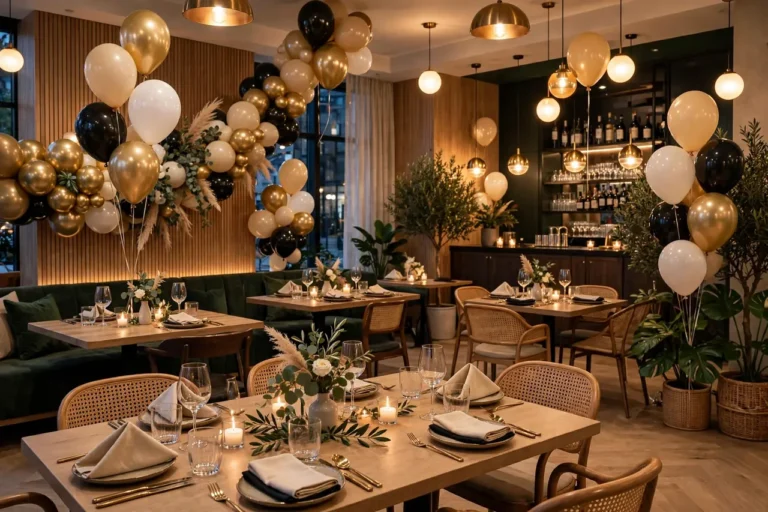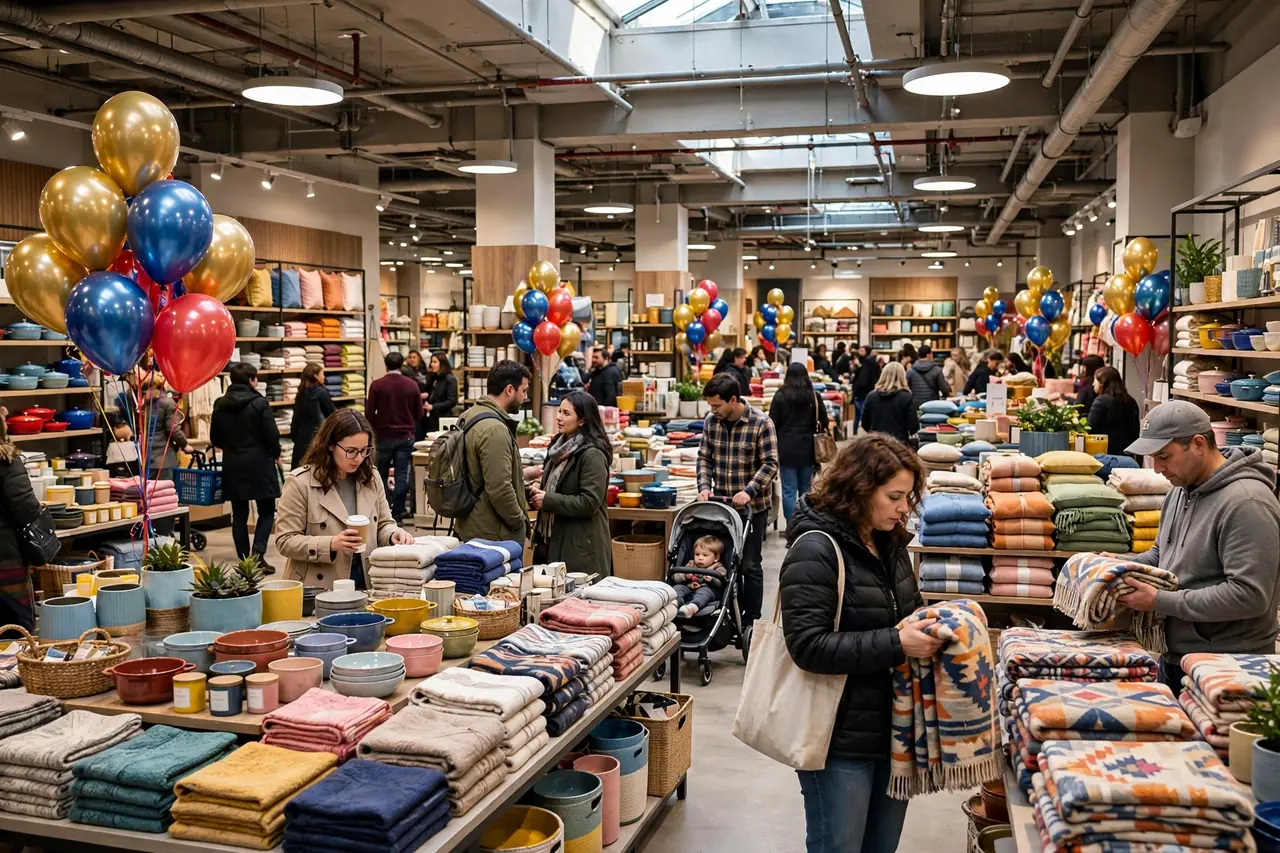
Why limit your launch to a single day? A grand opening week stretches the excitement across seven days, gives more people a chance to experience your business, and creates seven days of content, press opportunities, and reasons to visit instead of one. The businesses that run opening weeks consistently report higher total attendance, better staff readiness, and stronger long-term retention than those that bet everything on a single Saturday. This guide gives you grand opening week promotion ideas as a complete system: why the week beats the day, a detailed seven-day promotion calendar, margin-safe promotion mechanics, staffing and inventory planning, and measurement.
The strategic logic is straightforward. A single-day opening concentrates all risk: bad weather, a competing event, or a slow morning can sink months of preparation. A week diversifies that risk across seven chances. It also solves the capacity problem — a small space that cannot hold Saturday’s crowd comfortably can welcome the same total visitors spread across a week. And psychologically, a week-long celebration feels bigger and more established than a one-day party, which is exactly the impression a new business wants to make.
What follows is the complete system. First, the case for seven days over one, so you can commit with confidence. Then a detailed day-by-day promotion calendar — VIP day, charity day, family day, influencer day, evening event, main event, and thank-you day — each with its audience, mechanics, and purpose. Then margin-safe promotion structures, staffing and inventory planning for a seven-day run, and the measurement framework that turns the week into lasting intelligence. Whether you run a restaurant, a retail shop, or a service business, adapt the daily themes to your concept and run the arc. Your opening deserves more than a day.
Why a Week Beats a Day: The Case for Seven Days
More total attendance. Different people are free on different days. A Saturday-only event misses everyone who works weekends; a week captures them on Tuesday evening or Thursday lunch. Expect 40–80% more total visitors across a week than a single day, even with a smaller per-day crowd.
Built-in second chances. If Tuesday rains out or the kitchen stumbles on Wednesday, the week continues. Single-day openings have no recovery mechanism; weeks absorb problems gracefully. This alone justifies the format for outdoor-dependent businesses.
Compounding word-of-mouth. Monday’s visitors tell friends about Tuesday; Tuesday’s visitors post photos that draw Wednesday’s crowd. A week creates a feedback loop where each day’s attendance markets the next day’s — something a single day cannot do.
Staff ramp-up. Your team gets seven days of progressively busier practice instead of one trial-by-fire. By day four, the new hires who fumbled on day one are confident. The week is a training program disguised as a celebration.
Seven days of content. Daily themes give you seven days of social media content, seven email subject lines, and seven reasons for the press to check in. The content value of a week dwarfs a single day’s, and it costs little extra to produce.
Urgency without panic. “This week only” creates genuine urgency while remaining humane — nobody has to rearrange their life for a single four-hour window. The extended timeframe respects customers’ schedules, which is itself a form of appreciation.
The 7-Day Grand Opening Promotion Calendar
Each day gets a theme, a headline promotion, and a distinct reason to visit. The themes below are designed to attract different audiences on different days, maximizing total reach. Adapt the specifics to your business.
Day 1 (Monday): VIP and Founders Day
Open the week with exclusivity, not crowds. Invite VIPs, neighboring business owners, local officials, press, and contest winners to a preview evening. Offer first access to founding-member deals and loyalty program enrollment with opening-week-only perks. The goals: generate social proof (photos of important people in your space), collect testimonials, and give your team a controlled first service before the public arrives. Promote it as “by invitation” — scarcity makes the rest of the week feel like a privilege, not just a sale. If you are still finalizing launch funding, our guide to small business loans covers financing that can fund a proper launch week.
Day 2 (Tuesday): Community and Charity Day
Dedicate the day’s proceeds — or a percentage — to a local charity, and invite the charity’s supporters, volunteers, and mailing list. The charity promotes to its network, you gain goodwill and press coverage, and customers feel good about every purchase. Announce the running donation total throughout the day and the final figure that evening. This is consistently the highest-press day of the week; make sure a photographer is present.
Day 3 (Wednesday): Family Day
Target families with kid-focused programming: face painting, balloon artists, a kids-eat-free or kids’ activity offer, and family-bundle pricing. Midweek is when parents are looking for after-school activities, and a family-friendly event fills the 3–6 PM window that is otherwise dead. The economics are excellent — entertained children mean relaxed parents who browse, and family-day visitors have the highest return-visit rate of any segment.
Day 4 (Thursday): Social Media and Influencer Day
Design the day for cameras: an Instagram-worthy installation, a hashtag contest with hourly winners, and hosted visits from local micro-influencers. Offer a small gift or discount to everyone who posts with your hashtag. The goal is a flood of user-generated content mid-week that markets the weekend peak to come. Go live at the day’s headline moment and boost the replay as an ad for Friday and Saturday.
Day 5 (Friday): Date Night / Evening Event
Shift to evening energy: extended hours, live music, special evening menu or offers, and a grown-up atmosphere. Friday captures the after-work crowd and positions your business as a weekend destination. For restaurants, a ticketed tasting event or chef’s special works; for retail, an evening shopping event with refreshments and exclusive previews of new arrivals.
Day 6 (Saturday): The Main Event
This is the big day — the full grand opening celebration with everything: ribbon cutting (or re-cutting for the cameras), headline entertainment, the biggest prize drawings, all-day tastings or demos, and maximum staffing. Promote Saturday as the can’t-miss day all week long; the earlier days’ visitors become its ambassadors. Schedule the grand prize drawing for late afternoon to hold the crowd, and make sure every element from your single-day playbook fires at full strength.
Day 7 (Sunday): Thank-You and Last-Chance Day
Close the week with gratitude and urgency. Thank the community publicly (social posts, in-store signage), offer “last chance” on week-only deals, and run a final appreciation drawing for everyone who visited during the week (entry via the week’s receipts or check-ins — rewarding the whole week’s attendance, not just Sunday’s). End with a toast or brief ceremony; the closing ritual gives the week a satisfying narrative arc and photographs beautifully for the highlight reel. Then rest — and start the follow-up machine on Monday.

Promotion Mechanics That Protect Your Margins
A week of promotions can bleed money if the mechanics are wrong. These structures drive traffic while keeping the math healthy — and the week’s rhythm lets you test which ones your customers actually respond to.
| Promotion Type | Example | Discount Depth | Margin Impact | Best Day |
|---|---|---|---|---|
| Category BOGO | Buy one appetizer, get one free | ~50% on category | Low — drives attachment | Wednesday, Friday |
| Gift with purchase | Free branded item over $25 | ~$3 cost | Very low | Any day |
| Tiered spend reward | $10 off $50, $25 off $100 | 20–25% | Medium — lifts ticket size | Saturday |
| First-visit founding deal | Founding member card: 10% off for a year | 10% ongoing | Medium — buys loyalty | Monday–Tuesday |
| Flash hourly deal | 2–3 PM: 30% off selected items | 30% limited | Low — fills dead hours | Daily afternoons |
| Bundle pricing | Family bundle: 4 meals for $40 | ~20% | Low — volume play | Wednesday |
| Charity percentage | 15% of sales donated | 15% of revenue | Medium — earns press | Tuesday |
| Social check-in reward | Free item for posting with hashtag | ~$2 cost | Very low — buys reach | Thursday |
The week’s superpower is rotation: each day’s promotion feels fresh, but no single discount runs long enough to train customers to expect it permanently. The flash hourly deal deserves special attention — deploying it in the 2–4 PM dead zone every day converts your emptiest hours into traffic without discounting peak times. And the founding deal, offered only during opening week, manufactures urgency for your loyalty program enrollment: “this pricing never comes back” is true, and customers can feel it.
Avoid the two margin killers: across-the-board percentage discounts deeper than 25% (they attract bargain hunters and reset price expectations), and extending week-only deals “just a few more days” (which teaches customers that urgency is fake). The week ends Sunday. Let it end.
Staffing and Inventory for Seven Days
A week-long event breaks businesses that staff it like a single day. Plan for endurance, not sprints.
Staff in waves, not walls. Schedule your A-team for the peak days (Friday evening, Saturday, Sunday afternoon) and lighter crews for Tuesday–Thursday mornings. Build in real days off — nobody works seven straight days well, and exhausted staff deliver the indifferent service that undoes a week’s goodwill. Cross-train everyone on two roles minimum so absences do not create gaps. And brief the team on the week’s narrative: each day’s theme, each day’s promotion, and the story you are telling. Staff who understand the plan sell it enthusiastically; staff reading a schedule they do not understand just process transactions.
Inventory with buffers and triggers. Stock for 120% of your expected best day, every day — running out of a promoted item mid-week is a broken promise broadcast to everyone watching. Set reorder triggers (when stock hits 30%, reorder) rather than eyeballing shelves. For perishables, plan daily deliveries during the week instead of one big order; freshness matters more when every day is an event. Track which promotions move which products daily — the week’s data becomes your first real demand forecast, worth more than any spreadsheet projection.
Protect the experience on slow days. Tuesday morning will be quieter than Saturday afternoon — that is fine, but it must not feel abandoned. Keep music playing, lights full, displays stocked, and staff visible and welcoming. A half-empty room that feels alive still impresses; a half-empty room that feels closed tells visitors they came on the wrong day. Consider scheduling your most charismatic staff for the slow shifts — their energy sets the room’s temperature.
Daily 15-minute debriefs. End each day with the team: what worked, what broke, what changes tomorrow. The week’s format is its own feedback loop — Tuesday’s lessons improve Wednesday, Wednesday’s improve Thursday. Write down the fixes; by Sunday you will have a trained team and a documented playbook. This compounding improvement is the hidden ROI of the week format.
Measuring the Week: What Success Looks Like
Track these metrics daily, not just at the end — daily numbers let you adjust mid-week.
Traffic by day and hour. Count visitors (door counter, POS transactions, or manual tallies) broken down by day and by two-hour blocks. This reveals your true peak patterns — invaluable for future staffing and for knowing which day-themes actually drew.
Promotion redemption by mechanic. Which offers got used? The BOGO, the flash deal, the bundle, the social reward? Redemption data tells you what your customers actually value, which is the most important marketing intelligence a new business can gather. Double down on winners next month; retire losers without sentiment.
Contact capture rate. What percentage of visitors gave you an email or joined the loyalty program? Aim for 30–50% on event days. If capture is low, the mechanics need work (better incentive, easier process, more prominent ask) — this number predicts your future marketing reach.
Revenue per visitor and margin. Total revenue divided by total visitors, tracked daily, alongside gross margin. A week of deep discounts that produces thin margins and no repeat visits is a failure disguised as a success. The founding-deal and bundle mechanics should show healthy margins; if they do not, the promotion design needs tightening.
Social and press output. Count hashtag uses, tagged posts, check-ins, and media mentions by day. Thursday (influencer day) and Saturday (main event) should spike; if they do not, your social mechanics need redesign before the next campaign.
30-day return rate. The ultimate metric, measured after the week ends: what percentage of opening-week visitors came back within 30 days? Tag opening-week customers in your POS or loyalty system so you can track this. A 20–30% return rate is excellent for a new business; below 10% means the experience did not convert, regardless of how crowded the week felt. Pair this analysis with seasonal promotion thinking — our Small Business Saturday guide shows how to turn event lessons into calendar campaigns.

Watch: The Sales Promotion Playbook
Watch on YouTube: Sales Holidays Are Free Money For Ecommerce Stores. Here’s The Playbook
While focused on ecommerce sales events, this video’s playbook — picking the right discount, setting coupon start and expiration times, sequencing pre-launch and follow-up emails, and prepping weeks ahead — applies directly to structuring a grand opening week’s promotions. The mechanics of a well-run sale are universal.
Adapting the Week for Different Business Types
The seven-day arc works universally, but the daily content should flex to your business.
Restaurants: Theme days around menus — a charity dinner night, a family brunch day, a tasting-menu Friday, a “meet the farmers” Saturday. Food businesses have a natural advantage: every day can feature something edible and new. Use the week to test which menu items deserve permanent spots; the daily sales data is a free focus group.
Retail: Rotate product spotlights — Monday VIP early access to new arrivals, Wednesday kids’ department event, Friday evening styling session, Saturday storewide celebration. Retail weeks thrive on “new today” energy; receive a small fresh shipment mid-week specifically to create a Thursday “just arrived” moment.
Salons, spas, and fitness: Offer a different complimentary mini-service each day (Monday consultations, Wednesday mini-facials, Friday stretch clinics), each bookable in advance. The appointment mechanics fill slow days with committed visitors, and every mini-service is a trial that converts to full bookings.
Service businesses (agencies, clinics, studios): Run a “week of free expertise” — daily workshops, free assessments, or open-house hours themed by topic. A law firm might do estate-planning Monday and small-business Wednesday; a clinic might do posture-screening days. Expertise is the product, so give it away in samples all week.
Ecommerce with a pop-up: If your week includes a temporary physical presence, make each day shoppable online too — daily drops, livestream demos, and online-exclusive flash deals synchronized with the physical themes. The pop-up creates the content; the website captures the revenue from everyone who cannot attend in person.
The Monday After: Turning One Week Into a Quarter
The week ends Sunday; the real work starts Monday. Within 48 hours, send the thank-you email to every contact captured — the highlight reel, the gratitude, the bounce-back offer. Publish the week’s numbers publicly: total visitors, money raised for charity, loyalty members enrolled. These figures become your founding story, quoted in every future “about us” page and press mention.
Then convert the week’s intelligence into the next 90 days. The promotion redemption data tells you which offers to repeat monthly. The traffic-by-hour data sets your staffing template. The contact list becomes your marketing foundation — a monthly newsletter, event invitations, new-arrival announcements. Schedule the next three traffic events now (a 30-day thank-you event, a seasonal promotion, a 90-day anniversary) while the momentum is warm. And debrief the team properly: the documented playbook from this week is the manual for your second location, your holiday season, and every future launch. A grand opening week is expensive in effort; make it pay dividends for a year by treating the follow-through as phase two of the plan, not an afterthought.
Frequently Asked Questions
Is a grand opening week better than a single grand opening day?
For most businesses, yes. A week captures 40–80% more total visitors, diversifies weather and timing risk, gives staff a training ramp instead of trial-by-fire, and produces seven days of content and press opportunities. The trade-offs are higher total cost and staff endurance — but the per-visitor cost is usually lower, and the retention outcomes are consistently better.
How do I keep energy up for seven straight days?
Three rules: theme every day so each one feels distinct, staff in waves with real days off (nobody works seven straight well), and program the slow hours (flash deals, demos, music) so quiet moments never feel dead. Daily 15-minute team debriefs keep morale and quality compounding. Energy is a scheduling problem, not a motivation problem — design the schedule right and the energy follows.
Will a week of promotions destroy my margins?
Only if the mechanics are careless. Use the margin-safe structures in the table above — category BOGOs, gifts with purchase, tiered spend rewards, flash deals in dead hours — and avoid across-the-board discounts deeper than 25%. Track margin daily during the week, not after. A well-designed week protects margins better than a desperate single day of deep discounting.
What if turnout is low on the early weekdays?
Expect it and plan for it — Tuesday and Wednesday will be quieter than Saturday, and that is fine. Theme those days for specific audiences (charity supporters, families) rather than raw volume, keep the room feeling alive with music and staffing, and use the quieter days for staff training and content creation. Low-traffic days are features (practice, press, community) not failures — as long as you designed them that way.
How much does a grand opening week cost?
Roughly 2–3x a single-day event, not 7x — many costs (signage, photography setup, loyalty program) are one-time, and daily costs (entertainment, food) scale with the day’s ambition. A realistic range is $3,000–$8,000 for a small-to-mid-size business. The per-visitor cost typically beats single-day events because total attendance is so much higher.
Should every day have a different promotion?
Yes — rotation is the week’s superpower. Different daily promotions attract different audiences, keep the week feeling fresh, and prevent any single discount from becoming an expectation. Anchor the week with one consistent element (the founding-member deal, available all week) so there is continuity beneath the variety.
How do I promote seven days without exhausting my audience?
Promote the week as a single story with daily chapters, not seven separate events. One launch announcement (“Grand Opening Week, Oct 30–Nov 5”) plus daily chapter content (today’s theme, today’s moments) keeps messaging coherent. Email twice — the week preview and a mid-week “weekend is coming” reminder — rather than daily. Let each day’s attendees market the next day organically.
What is the biggest mistake in running an opening week?
Treating it as seven single days instead of one narrative. Businesses that just repeat the same event daily burn out staff, bore repeat visitors, and waste the format’s advantages. The week needs an arc: exclusive opening (VIP day), community heart (charity day), family warmth, social explosion, evening energy, the main event, and a grateful close. Design the arc first, then fill the days.
How do I convert week visitors into long-term customers?
The same mechanics as single-day conversion, amplified: capture contacts from everyone (aim for 30–50%), give every visitor a bounce-back offer valid 30 days, enroll them in the loyalty program with founding status, and send the thank-you email within 48 hours of the week’s end featuring the highlight reel. Then measure the 30-day return rate — it is the week’s true report card. Fold what you learned into your ongoing small business marketing rhythm.
Can a very small business pull off an opening week?
Yes — scale the ambition, not the structure. A solo boutique can run a “week” of daily two-hour themed events (Tuesday tasting, Thursday styling session, Saturday celebration) rather than all-day programming. The arc matters more than the hours. Even a micro-week of three themed days beats a single day for risk diversification and content — adapt the calendar to your capacity honestly.
Seven Days, One Story
A grand opening week is not seven parties — it is one story told across seven chapters: the exclusive beginning, the community heart, the family warmth, the social explosion, the evening energy, the main event, and the grateful close. Design the arc, protect your margins with smart mechanics, staff for endurance, measure daily, and follow up like the week’s success depends on it — because it does. The businesses that open with a week do not just get a bigger crowd; they get a trained team, a tested playbook, a contact list, and a community that watched them arrive. And when the next milestone comes — the first anniversary, the second location, the holiday season — you will already know exactly how to fill the room, because you have done it for seven days straight. That is not a launch expense. That is a foundation — and it is how lasting local businesses are really built, one grateful customer at a time, every single day.