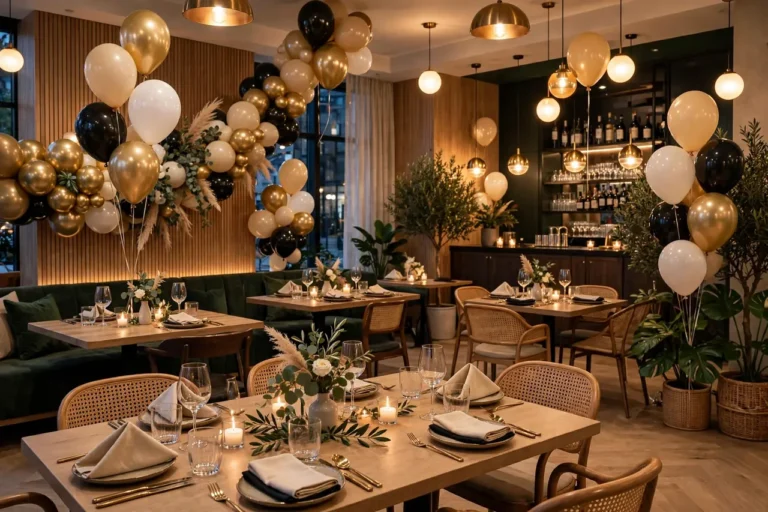
Here is a number every new business owner should memorize: acquiring a new customer costs five to twenty-five times more than keeping an existing one. Your grand opening hands you something precious — a room full of first-time customers at the exact moment their loyalty is up for grabs. Most businesses waste that moment on spectacle. The smart ones spend it on appreciation. This guide collects grand opening customer appreciation ideas that turn opening-day visitors into long-term regulars: what to do on the day itself, how to follow up in the critical week after, how to build a loyalty program from scratch, and the exact words to use when you say thank you.
Appreciation is not softness; it is strategy. Customers who feel genuinely valued return more often, spend more per visit, forgive occasional mistakes, and — most valuably — tell their friends. A grand opening built around appreciation does not just celebrate your business; it enrolls your first generation of loyalists. Every idea below is chosen for that outcome, and most of them cost little or nothing at all.
Why Appreciation Pays: The Retention Math
Consider two new businesses that each attract 300 visitors on opening day. Business A runs a flashy event, collects no contact information, and never follows up. Business B runs a warm event, thanks every visitor personally, captures emails, sends a thoughtful follow-up, and enrolls 120 people in a loyalty program. Six months later, Business A is advertising desperately for new customers while Business B is serving regulars who bring their friends. The difference was not the product — it was what happened after the first visit.
The research behind this is unambiguous. Increasing customer retention by just 5% can increase profits by 25% to 95%, because repeat customers buy more often, cost nothing to re-acquire, and refer others. For a new business, the math is even starker: your opening-day crowd is the cheapest customer base you will ever assemble, because the marketing that attracted them is already spent. Every visitor you convert to a regular is pure gain; every visitor you let drift away must be replaced at full acquisition cost.
Appreciation also buys something advertising cannot: forgiveness. New businesses stumble — the kitchen is slow, the POS glitches, the new hire is still learning. Customers who feel appreciated extend grace; customers who feel like transactions leave one-star reviews. The goodwill you bank on opening day is insurance against the inevitable rough edges of month one. If you want language inspiration for gracious customer communication, our client thank-you messages show how warmth and professionalism combine.
Day-Of Appreciation Ideas: Make Every Visitor Feel Like a VIP
These twelve ideas run during the grand opening itself. Mix and match to fit your business — the goal is that nobody leaves feeling like just another face in the crowd.
1. The personal greeting at the door
Station the owner or manager at the entrance to greet every visitor by making eye contact, smiling, and saying thank you for coming. It costs nothing and it is the single most-remembered moment of most openings. People do not remember the balloons; they remember being seen.
2. Founding customer certificates
Print elegant certificates — “Founding Customer, [Business Name], Opening Day [Date]” — and hand one to every visitor, or to the first 200. It is a $0.50 print that creates genuine belonging. Frame-worthy versions for your first 25 customers become keepsakes people photograph and share.
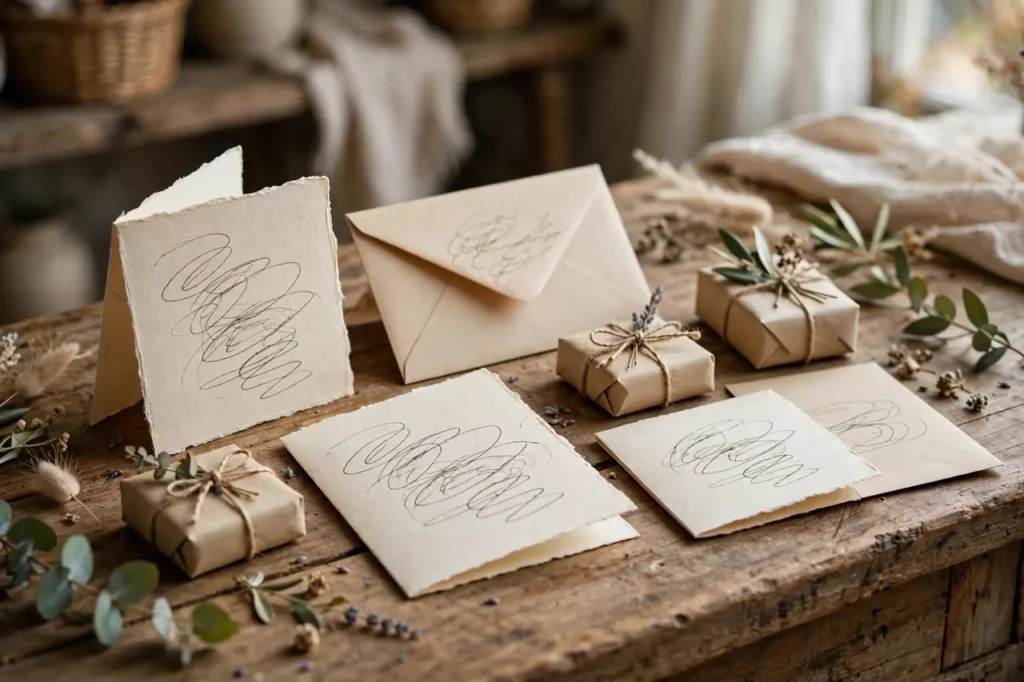
3. Handwritten thank-you notes
For a smaller opening (under 100 guests), nothing beats a handwritten note handed to each visitor as they leave: “Thank you for being part of our first day — [Your Name].” In an age of automation, handwriting signals effort, and effort signals that the customer matters. Scale it with pre-written cards and a personal signature for larger crowds.
4. The appreciation wall
Set up a photo wall or guest book where visitors leave a message, a Polaroid, or a signature on opening day. Display it permanently in your space. Every return visit reminds them they are part of your story — and new customers see a wall of community, which is the strongest social proof there is.
5. Surprise upgrades
Randomly upgrade visitors throughout the day: a free dessert with the meal, a complimentary add-on service, a larger size at no charge. Unannounced generosity delights far more than advertised promotions because it feels personal rather than transactional. Brief staff to look for moments — a family celebrating, a nervous first-timer — and empower them to surprise.
6. Owner’s table / open office hour
Set aside a time when the owner is simply available — sitting at a designated table, no agenda, just conversation. Visitors love access to the person behind the business, and the conversations surface feedback you would never get from a survey. It also humanizes the brand in a way no marketing can.
7. Kids-are-VIPs treatment
Children remember how a place made them feel, and parents choose businesses their kids love. A small gift for every child, a “junior founder” sticker, a dedicated activity corner — these cost little and win whole families. A child who begs to return is the most effective retention engine ever invented.
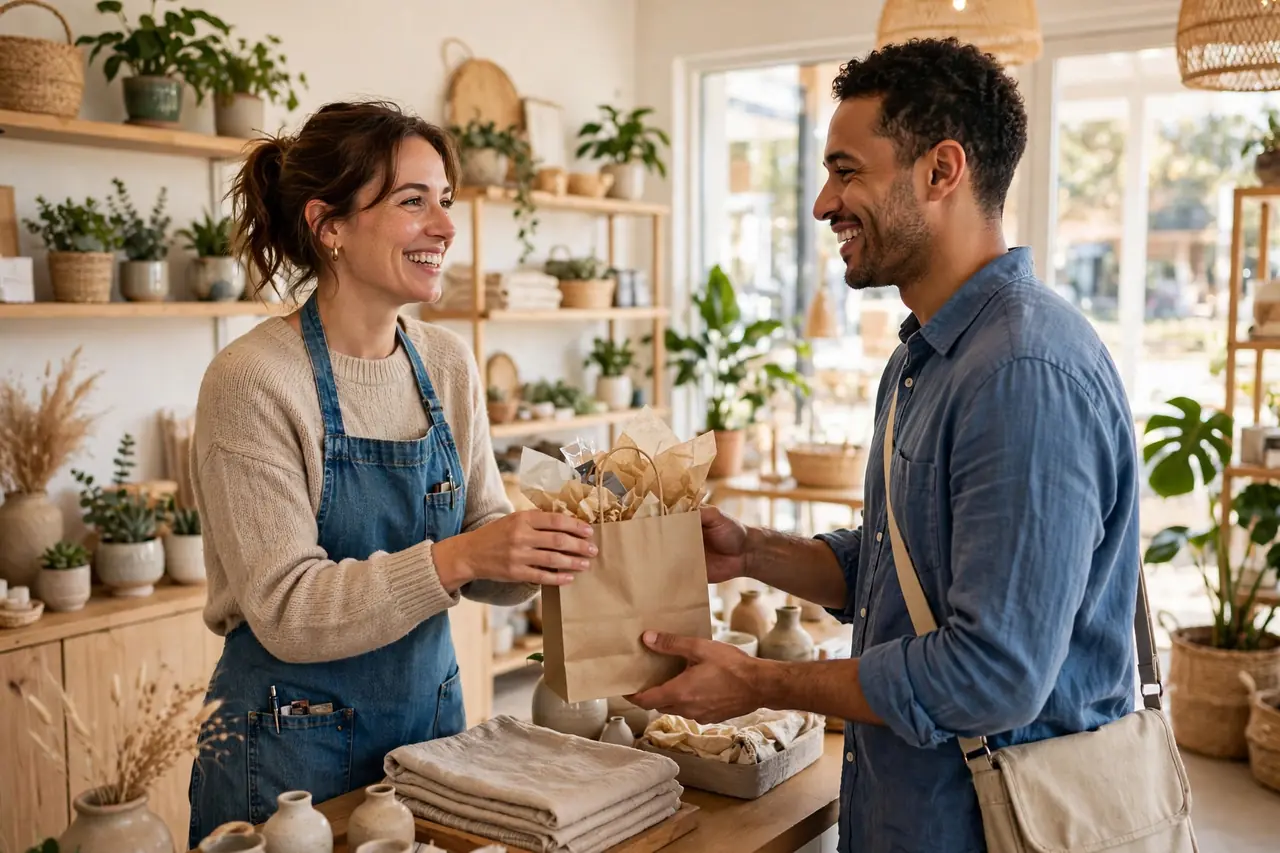
8. The first-purchase gift
Everyone who makes a purchase on opening day receives a small gift with it — a branded item, a sample of something new, a handwritten note tucked into the bag. It transforms a transaction into an experience and gives buyers a physical reminder of a good decision.
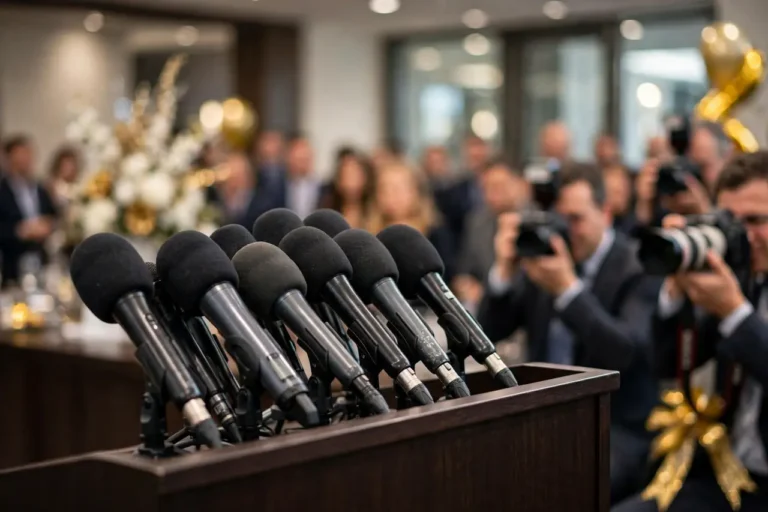
9. Public thank-yous from the mic
At intervals during the day, take the microphone and thank the crowd genuinely — name the volunteers, the neighboring businesses, the early arrivals. Public gratitude is contagious; it makes the whole room feel part of something. Keep it brief, specific, and sincere — never performative.
10. Comfort details done right
Appreciation is often logistical: plenty of seating, water stations, clear signage, short lines, a clean restroom, shade on a hot day. Nothing says “we value you” like anticipating needs before visitors articulate them. Walk your space as a guest would, fix every friction point, and the comfort itself becomes the message.
11. The community toast
At a set time, gather everyone for a brief toast — sparkling cider, coffee, whatever fits — to the neighborhood and the future. It is a two-minute ritual that converts a crowd of strangers into a community with a shared memory. Photograph it; that image becomes a defining brand asset.
12. Personalized bounce-back offers
Instead of a generic coupon, hand each visitor an offer tied to what they showed interest in: browsed the skincare line? Here is 20% off your first facial. Asked about the loyalty program? Here is a double-points starter card. Personalization signals attention, and attention is the currency of appreciation.
The Week After: Follow-Up That Cements Loyalty
Opening day creates the feeling; the following week converts it into habit. Most businesses do nothing here — which is exactly why doing something works so well.
The 48-hour thank-you email. Within two days, email every contact you captured: a genuine thank-you, three to five event photos (people love spotting themselves), and a bounce-back offer valid for 30 days. Segment if you can — purchasers get a different message than browsers. This email typically earns the highest open rate you will ever see; do not waste it on a generic blast.
Personal outreach to VIPs. Identify your 20–30 most engaged opening-day visitors — big purchasers, enthusiastic social posters, the neighbor who brought five friends — and contact them personally. A phone call or handwritten note from the owner to these evangelists pays extraordinary dividends; they become your unofficial ambassadors.
Social media appreciation campaign. Spend the week after opening posting thank-yous: spotlight photos of visitors (with permission), shout-outs to partners and volunteers, the final charity donation total, and user-generated content reshared with gratitude. This extends the event’s emotional lifespan and shows everyone who missed it what belonging looks like.
The “we heard you” update. If visitors gave feedback — a requested product, a suggested improvement — act on the quick wins within the week and announce it: “You asked, we listened: we now stock [item]!” Nothing builds loyalty faster than proving you listen. It transforms customers from an audience into collaborators.
First-review cultivation. Politely ask happy opening-week visitors to leave a review, with a direct QR link that makes it effortless. Respond to every single review personally. Early reviews disproportionately shape your reputation because there are so few — fifty thoughtful responses in month one build a profile that sells for years.
Building Your Loyalty Program From Opening Day
A grand opening is the perfect moment to launch a loyalty program — you have maximum attention, maximum goodwill, and a crowd already in a joining mood. Do not overcomplicate it; the best new-business programs are simple enough to explain in ten seconds.
Choose a simple mechanic. Points per dollar, visits-per-reward (buy 9, get the 10th free), or tiered membership (member, gold, founder) — pick one and make the first reward achievable fast. A new customer should earn something meaningful within two to three visits, or the program feels like a distant promise rather than a present benefit. Digital apps are nice, but a physical card or a phone-number-based system works fine on day one; sophistication can come later.
Make joining irresistible at the event. Offer double points for opening-day signup, an instant welcome reward (a free item or service on the next visit), and founding-member status for everyone who joins during opening week. Staff every register and entrance with someone whose only job is enrolling people — a 30-second pitch at the right moment converts at remarkable rates when the room is buzzing.
Design rewards people actually want. The most motivating rewards are your own products and experiences: free menu items, complimentary services, early access to new offerings, members-only events. Avoid generic discounts as the primary reward — they train price sensitivity. And build in surprise rewards: random double-point days, birthday treats (our birthday message ideas can inspire the personal touch), and anniversary-of-first-visit acknowledgments that make members feel remembered.
Communicate, but do not spam. A monthly update with real value — new rewards, member events, a genuine note from the owner — keeps the program alive in members’ minds. Every message should pass the test: would a member be glad to receive this? If not, do not send it. One valuable email beats ten forgettable ones.
Appreciation Tactics Compared: Cost, Effort, and Impact
Not all appreciation is equal. Use this table to allocate your effort where it matters most.
| Tactic | Est. Cost | Effort | Loyalty Impact | Best For |
|---|---|---|---|---|
| Personal greeting at door | $0 | Low | Very high | Every business |
| Founding customer certificates | $0.50 each | Low | High | Retail, services |
| Handwritten thank-you notes | $1 each | High | Very high | Smaller openings (<150) |
| Loyalty program launch | $100–$300 setup | Medium | Very high | Repeat-visit businesses |
| Surprise upgrades | Variable | Low | High | Restaurants, salons, hotels |
| 48-hour thank-you email | $0 | Low | High | Every business |
| Personal VIP outreach | $0 | Medium | Very high | High-value visitors |
| Appreciation wall / guest book | $50–$100 | Low | Medium-high | Community-focused businesses |
| First-purchase gifts | $2–$5 each | Medium | High | Retail |
| “We heard you” follow-through | $0 | Medium | Very high | Every business |
The pattern is unmistakable: the highest-impact tactics are mostly free. Personal greetings, handwritten notes, genuine follow-through, and thoughtful emails outperform expensive gifts because appreciation is about attention, not expenditure. Spend your budget on the structural items (loyalty program, certificates, first-purchase gifts) and your time on the human ones.
Sample Thank-You Messages: The Exact Words
Many owners freeze when it is time to write the note. Steal these, customize freely:
For the in-person farewell: “Thank you so much for being here on our first day — it means everything to us. We can’t wait to see you again soon.”
For the handwritten card: “Dear [Name], Thank you for celebrating our grand opening with us. Knowing our first day was shared with wonderful neighbors like you is the best start we could have asked for. We look forward to serving you for years to come. Warmly, [Your Name], Owner”
For the 48-hour email: Subject: “Thank you for making our opening day unforgettable” — Body: “Dear friend, Saturday was beyond anything we imagined — [number] of you came through our doors, and every visit reminded us why we started this journey. Thank you for your patience, your smiles, and your support. As a small token, please enjoy [offer] on your next visit — valid through [date]. We can’t wait to welcome you back. With gratitude, [Your Name] and the [Business Name] team. P.S. — Here are a few of our favorite moments from the day [photos].”
For a VIP personal note: “Hi [Name], I wanted to reach out personally because your [purchase/support/energy] on opening day genuinely stood out. People like you are why we believed this neighborhood was the right place for us. I’d love to buy you a coffee next time you’re in — just ask for me. Thank you, [Your Name]”
For social media: “Our hearts are full. Thank you to every single person who came out Saturday — you didn’t just visit a new business, you welcomed us home. Here’s to many years together. [Photos]”
The through-line in all five: specificity, warmth, and forward-looking invitation. Generic gratitude (“Thanks for coming!”) is forgettable; gratitude that references the shared experience and invites the next one builds the relationship. For more inspiration on thoughtful gift-giving language, browse our gift ideas collection — the psychology of making someone feel special transfers directly.

Watch: 5 Ways Great Companies Make Customers Feel Valued
Watch on YouTube: 5 Ways Great Companies Make Customers Feel Valued
In this video, customer experience expert Danny Snow shares five practical, low-cost strategies for making customers feel truly valued — remembering what matters to each customer, acknowledging their time, empowering staff to solve problems, obsessing over small details, and following up when you do not have to. Every one maps directly onto a grand opening.
Appreciation Ideas Tailored to Your Business Type
Restaurants: The chef’s personal table visit is the ultimate appreciation — a 60-second appearance, a thank-you, a question about the meal. Complement it with a complimentary opening-day amuse-bouche for every table and a “first taste” invitation to the next seasonal menu launch. Diners remember being treated like guests, not covers.
Retail: Personal shopping attention on opening day — staff who remember names and preferences — beats any gift. Add a complimentary gift-wrapping station (year-round goodwill in a single amenity), a first-purchase gift in every bag, and a “we’ll call you when [item] arrives” list that turns browsing into a relationship.
Salons and spas: A complimentary add-on with every opening-week service (a scalp massage, a hand treatment) demonstrates your full range while feeling generous. Follow up each first visit with a personalized “how are you loving your [service]?” message three days later — the aftercare attention is what converts trials into bookings.
Fitness and wellness: A free personal goal-setting session for every opening-day signup shows you care about outcomes, not memberships. Celebrate member milestones publicly (first month, 50th visit) — recognition is the cheapest retention tool in fitness.
Professional services: A handwritten note after the first consultation, a check-in call 30 days into the engagement, and remembering personal details (ask about the daughter’s recital) build the trust that professional relationships run on. Appreciation here is attentiveness made visible.
Training Your Team in the Appreciation Mindset
Appreciation fails when it is the owner’s project alone. Your team delivers 95% of customer interactions, so the mindset must be theirs too. Before opening day, brief every team member on three principles: greet like a host, not a cashier — eye contact, a smile, and a genuine welcome set the tone for everything after. Solve like an owner — empower staff to fix small problems on the spot (a complimentary item, a sincere apology, a manager’s attention) without seeking permission; the speed of the recovery matters more than its size. And remember one thing about every regular — a name, a usual order, a detail from last time. Customers do not expect perfection from a new business, but they never forget being remembered. Recognize team members who embody this publicly; what gets celebrated gets repeated, and a team that feels appreciated appreciates customers naturally.
Frequently Asked Questions
What is the most effective customer appreciation idea for a grand opening?
The personal greeting at the door combined with the 48-hour thank-you email. The greeting creates the emotional peak — being seen and welcomed by the owner — and the email converts that peak into an ongoing relationship while the memory is fresh. Both are free, both are high-impact, and together they outperform every expensive gesture on the list.
How much should I spend on customer appreciation?
Less than you think. The highest-impact tactics (greetings, handwritten notes, thank-you emails, VIP outreach, “we heard you” follow-through) cost almost nothing. Budget $200–$500 for structural items: founding customer certificates, first-purchase gifts, loyalty program setup, and an appreciation wall. Appreciation is about attention, not expenditure — a $1 handwritten note routinely outperforms a $20 gift basket.
Should I launch a loyalty program at the grand opening?
Yes — it is the ideal moment, with maximum attention and goodwill. Keep it simple enough to explain in ten seconds, make the first reward achievable within two to three visits, and offer double points plus founding-member status for opening-week signups. Staff entrances and registers with dedicated enrollers; a 30-second pitch in a buzzing room converts remarkably well.
How do I collect contact information without being pushy?
Tie it to value: prize drawing entries, loyalty program signup with instant rewards, free Wi-Fi via email login, or a “founding customer” certificate that requires a name and email. Frame every ask as something the visitor gains, never as something you extract. And always include a clear opt-in for marketing messages — entry does not equal consent.
What should the thank-you email say?
Three elements: genuine gratitude referencing the shared experience (“Saturday was beyond anything we imagined”), visual proof (three to five event photos — people love spotting themselves), and a forward-looking invitation (a bounce-back offer valid 30 days). Keep it under 200 words, send within 48 hours, and segment purchasers from browsers if you can.
How do I appreciate customers after a bad opening-day experience?
Act fast and own it. Contact affected visitors personally within 24 hours, acknowledge the specific problem without excuses, and offer a concrete make-good (a return visit on you, a personal tour, a direct line to the manager). Customers who experience a well-handled failure often become more loyal than those who never had a problem — the recovery is the real loyalty test, and appreciation is how you pass it.
Should appreciation differ for big spenders versus browsers?
The baseline — warmth, greeting, thank-you — must be identical for everyone; tiered courtesy is visible and corrosive. Layer extras by engagement, not by judgment: purchasers get first-purchase gifts, highly engaged visitors get personal VIP outreach, everyone gets the email. Never let anyone feel like a second-class guest at your celebration.
How do I keep appreciation going after opening week?
Build it into operations: a monthly member update with real value, birthday and anniversary acknowledgments, surprise rewards, and the “we heard you” habit of acting on feedback publicly. Assign appreciation an owner on your team — what gets assigned gets done. The goal is a culture where gratitude is routine, not a campaign that ends.
Can appreciation backfire?
Only when it is performative or inconsistent. Grand gestures followed by indifferent service breed cynicism; appreciation must be the start of a pattern, not a one-day show. Also avoid over-the-top gifts that create obligation discomfort — keep gestures warm but proportionate. Sincerity scales; spectacle does not.
How do I measure whether appreciation worked?
Track four metrics: 30-day return rate among opening-day visitors, loyalty program enrollment and active rate, review volume and sentiment in the first 90 days, and referral mentions (“my friend told me about you”). Compare against the cost of acquiring equivalent customers through advertising — appreciation almost always wins, and the numbers prove it to any skeptic on your team.
Appreciation Is the Business Model
Strip away the tactics and the message of this guide is simple: the businesses that thrive are the ones whose customers feel genuinely valued, and there is no better moment to establish that feeling than the day you open. Greet every visitor like they matter — because they do. Thank them in words that prove you mean it. Follow up while the memory is warm. Build the loyalty program, the feedback habit, and the culture of gratitude that turns a crowd into a community. Spectacle fills a room for a day; appreciation fills it for years. Open your doors with gratitude, train your team to carry it, and your customers will keep walking through them for a very long time. That is the entire strategy, and it never goes out of style.