Opening a restaurant is one of the hardest launches in business — thin margins, intense competition, and a crowd that decides within a single visit whether you survive. But it is also one of the most promotable: everybody eats, everybody talks about food, and a great opening night generates the kind of word-of-mouth no other industry can match. This guide collects grand opening ideas for restaurants into a complete playbook: building buzz before you open, running a soft opening that sharpens your team, executing opening day hour by hour, designing menu specials that protect your margins, and converting first-time diners into regulars.
The central truth of restaurant openings: your grand opening is not a party — it is a first impression delivered at scale. Every plate that leaves the kitchen, every minute a guest waits, every interaction with your staff is being judged by people who will tell ten friends. Plan the spectacle, yes, but plan the operations harder. A flawless Tuesday beats a flashy Saturday that falls apart.
What follows is the full sequence in the order you should execute it. Phase 1 builds anticipation in the weeks before you open. Phase 2 — the soft opening — hardens your operations while generating your first reviews and press. Phase 3 choreographs opening day hour by hour, with menu specials engineered to protect your margins. Phase 4 converts the celebration into a customer base. Follow the phases in order, and your grand opening becomes what it should be: not a gamble, but the first controlled step in a long, profitable run.
Phase 1: Building Buzz Before You Open (4–6 Weeks Out)
The restaurants that pack opening day start marketing long before the doors exist. Here is the pre-opening sequence that works.
Document the build. From the day construction or renovation starts, post regular behind-the-scenes content: the empty space, the first equipment delivery, menu tastings, staff interviews. “Watch a restaurant being born” is inherently compelling content, and followers you gain during the build are emotionally invested before they ever taste a bite. Post three to five times per week across Instagram and TikTok — short videos of sizzling pans and fresh interiors outperform everything else.
Run a naming or dish contest. Invite the neighborhood to name your signature cocktail, burger, or dessert. The contest costs nothing, generates engagement and shares, and the winner becomes a loyal evangelist who brings friends to “their” dish. Announce the winner at the grand opening for a built-in attendance driver.
Recruit local food voices early. Identify local food bloggers, Instagram food accounts, and neighborhood Facebook group admins. Invite them to a pre-opening tasting (more on soft openings below) with no strings attached — just great food and your story. One genuine post from a trusted local food voice outperforms a week of your own advertising. If you want ongoing promotional ideas tied to the calendar, our restaurant birthday freebies guide shows how food businesses turn celebrations into traffic year-round.
Partner with neighboring businesses. The coffee shop next door, the bookstore across the street, the gym around the corner — each has customers who will soon be your neighbors too. Offer their teams a friends-and-family tasting, leave menus and opening invitations at their counters, and propose cross-promotions. A new restaurant that arrives as a good neighbor gets championed; one that arrives as a stranger gets ignored.
Build an email and SMS list before day one. Put a simple “Be first to know” signup on your website, social profiles, and a sidewalk sign: opening date announcement, a secret menu preview, and an opening-week offer for subscribers. Even 200 subscribers is a powerful launch asset — it is 200 guaranteed covers you do not have to advertise for.
Phase 2: The Soft Opening — Your Dress Rehearsal
Never make your grand opening your first real service. A soft opening — one to two weeks of limited, lower-profile operation before the big day — is where you discover that the fryer recovery time is too slow, the POS crashes under load, and table twelve is in a dead zone for servers. Invite friends, family, neighbors, and local influencers; offer a limited menu at a discount in exchange for honest feedback and patience.
Run the soft opening like a laboratory. Time every ticket. Note every complaint and compliment. Test the full menu, then cut anything the kitchen cannot execute flawlessly under pressure — a smaller menu executed perfectly beats an ambitious one that stumbles. Brief the team that this is practice, celebrate the mistakes caught now rather than on opening day, and fix the top five issues before the grand opening. The restaurants that look effortless on opening day are the ones that rehearsed the hardest.
One more soft-opening move with outsized returns: invite the local press and food bloggers specifically, separate from the general soft opening. Give them the full experience, the chef’s story, and great photos. Coverage that publishes the week of your grand opening is worth more than any advertisement — and it only happens if you create the opportunity before the rush.
Phase 3: Grand Opening Day — The Hour-by-Hour Playbook
Opening day needs choreography. Here is a proven schedule for an 11 AM–10 PM restaurant grand opening; compress or shift it for your concept.
9:00 AM — Team huddle and final prep. Walk every station, confirm the day’s limited opening menu (more below), assign crowd roles (greeter, line manager, expediter, floater), and remind everyone: today we are hosts first. Energy is set in this meeting — bring coffee, bring enthusiasm, keep it short.
10:30 AM — Ribbon cutting and first arrivals. Invite a local official or chamber representative for the ceremonial cut, with oversized scissors and — for the photo — a giant sandwich or baguette instead of a ribbon. Early arrivals get a small welcome bite and a branded token for a prize drawing. The first thirty minutes set the tone; make them festive.
11:00 AM–2:00 PM — Lunch rush with tastings. Run the limited opening menu plus free tasting stations of two or three signature items near the entrance — tastings convert sidewalk curiosity into seated diners. Hourly prize drawings (gift cards, “dinner for two” certificates) keep energy cycling. This is your highest-volume window; staff it like a Friday night.
2:00–5:00 PM — Afternoon lull, programmed. The natural dip is where openings die. Program it: a cooking demo or chef Q&A at 3 PM, a kids’ activity corner (coloring sheets, a simple food craft — borrow ideas from kids’ party playbooks), and an afternoon-specific offer like half-price appetizers. A programmed lull still feels alive; an unprogrammed one feels empty.
5:00–8:00 PM — Dinner service and peak energy. Live acoustic music, the dinner menu in full, and the evening’s headline moment — a charity check presentation, the naming-contest winner announcement, or a toast with the team. This is when the day’s social media peaks; make sure the lighting photographs well and the staff knows the hashtag.
8:00–9:00 PM — Grand prize finale. The day’s big drawing (a $500 dining credit, a year of monthly dinners) drawn live, must-be-present. It holds the dinner crowd through dessert and creates the climactic photo of the day.
9:00–10:00 PM — Graceful close. Thank every departing table personally, hand out bounce-back cards (20% off a return visit within 30 days — not 7, give them breathing room), and collect feedback while the experience is fresh. The team debriefs for fifteen minutes: what broke, what soared, what changes tomorrow.
Menu and Pricing Specials That Do Not Destroy Margins
The classic restaurant opening mistake is discounting so aggressively that opening week trains customers to expect prices you cannot sustain. Be generous, but be strategic — every special should have a margin logic.
The limited opening menu. Run 60–70% of your full menu on opening day: the dishes the kitchen executes flawlessly, with high-margin signatures featured prominently. A tighter menu means faster tickets, fewer errors, and better food — which is the actual product you are selling. Print it as a special “Grand Opening Menu” so the limitation feels exclusive rather than restricted.
Free signature tasting, not free meals. A full free meal attracts bargain hunters; a free tasting portion of your signature dish attracts future customers. The tasting showcases your best work at a fraction of the cost, and diners who taste greatness order full portions. Budget tastings at your food cost (typically 28–32% of menu price) times expected covers.
Buy-one-get-one on select items. BOGO on appetizers or desserts drives table sharing, bigger parties, and social ordering — all of which raise average check size even as the discount lowers per-item revenue. Restrict BOGO to high-margin categories and opening day only.
The founding diners club. Instead of discounting food, sell belonging: the first 200 diners get a “Founding Diner” card good for 10% off for a year, plus first access to special events. It costs you margin over time but creates 200 evangelists with a physical reminder in their wallets. Scarcity (only 200) drives opening-day urgency without a race to the bottom on price.
Charity percentage night. Donate 10–20% of opening-day sales to a local cause. You sacrifice margin, but you gain a press story, community goodwill, and customers who feel good about every dollar spent — which reliably increases average checks. Announce the total raised that evening for maximum impact.
Restaurant Grand Opening Budget Table
Below is a realistic budget for a 150-seat restaurant expecting 400–500 visitors on opening day. Scale to your size; the proportions matter more than the totals.
| Category | Details | Est. Cost |
|---|---|---|
| Food tastings | Signature portions for ~400 guests at ~$2 food cost | $800 |
| Beverages | Welcome drinks, lemonade/iced tea station | $300 |
| Entertainment | Acoustic musician (afternoon + evening sets) | $400 |
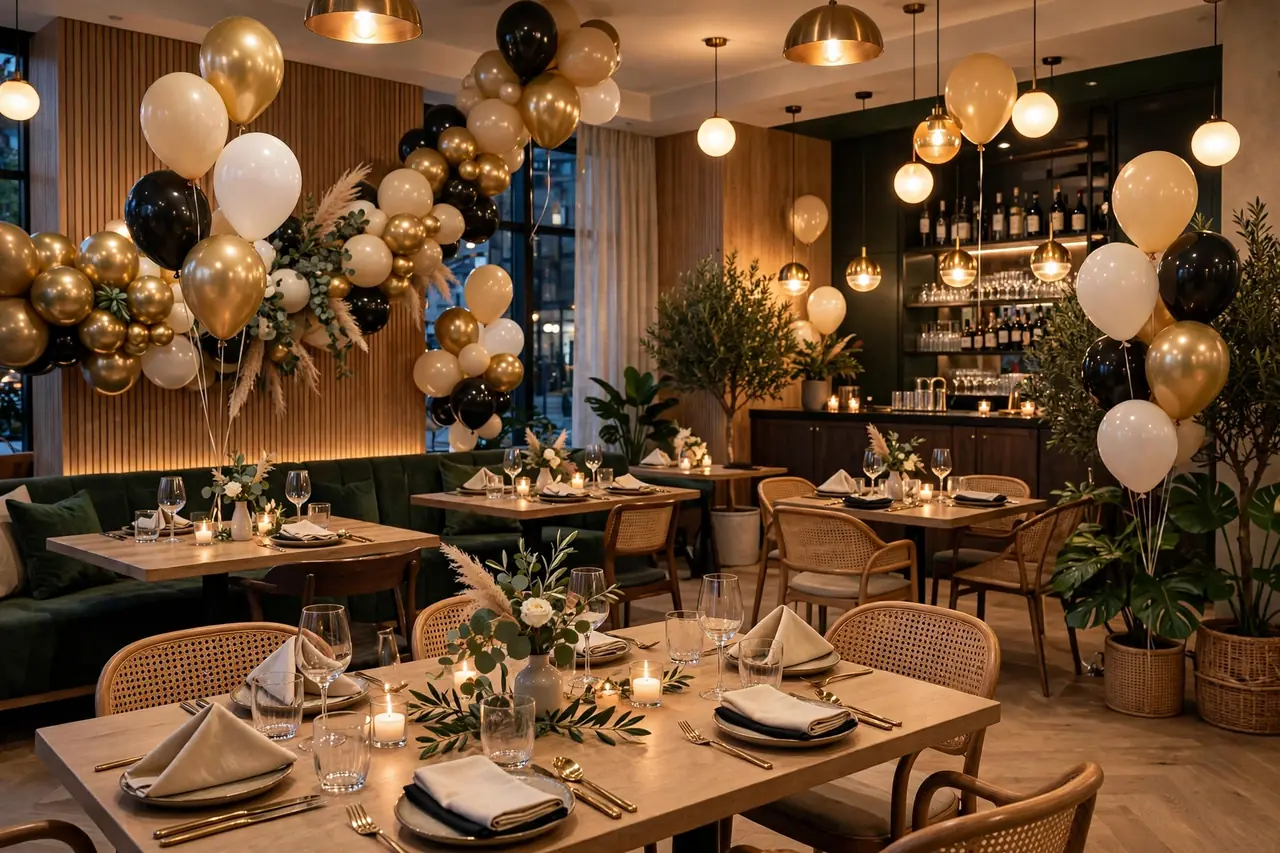
| Decor | Balloons, banners, flowers, signage | $250 |
| Prizes | Hourly gift-card drawings + grand prize dining credit | $500 |
| Flyers, bounce-back cards, founding diner cards | $200 | |
| Photography | Half-day event photographer | $300 |
| Permits/extras | Sidewalk use, extra staffing buffer | $250 |
| Total | Full opening-day program | $3,000 |
At roughly $6–$7 per visitor, this is among the cheapest customer acquisition in the restaurant industry — a single regular diner is worth hundreds per year. The photography line item deserves emphasis: professional photos of a packed, joyful opening become your marketing assets for years (website hero, social profiles, review sites). Do not skip it to save $300.
Phase 4: After the Opening — Turning Diners Into Regulars
The grand opening is day one, not the finish line. Restaurants live or die on repeat visits, and the first month after opening is when habits form. Execute these retention moves while the memory is fresh.
The 48-hour thank-you. Email every subscriber, reservation, and contest entrant within two days: thank them, share three great photos, and include the bounce-back offer. This email will get the highest open rate of anything you ever send — treat it as the launch of your ongoing marketing.
Review generation system. Starting week two, every check presenter or receipt includes a gentle review ask with a QR code to your Google profile. Respond to every review — positive and negative — within 24 hours. Early reviews disproportionately shape your online reputation because there are so few of them; fifty thoughtful responses in month one build a review profile that sells for years.
The 30-60-90 day calendar. Plan your next three traffic events before opening-day adrenaline fades: a 30-day “thank you” week for opening-day visitors, a 60-day seasonal menu launch, a 90-day anniversary party. Restaurants that go quiet after the opening watch traffic decay; restaurants that keep giving people reasons to return compound their launch.
Staff retention is customer retention. Your opening team just survived the hardest week of the restaurant’s life. Recognize them publicly, share the results (covers served, money raised for charity), and ask what they need. The servers who charmed opening day are your most valuable marketing asset — losing them in month two costs you the regulars they were building.
Finally, keep the community relationships warm that you built before opening. A gracious note to the vendors, neighbors, and officials who helped — the same spirit as our client thank-you messages — turns one-time helpers into permanent allies. The restaurant business is a neighborhood business; act like it from day one.

Watch: Restaurant Grand Opening Hacks for Instant Success
Watch on YouTube: Restaurant Grand Opening: Easy Hacks for Instant Success
This video reveals three essential grand opening hacks for restaurants — impressing customers, running effective promotions, and maintaining revenue long after the event — designed to drive traffic and grow your business for months beyond opening day.
Opening Ideas Tailored to Your Restaurant Concept
Generic advice only goes so far — the right opening ideas depend on what kind of restaurant you are.
Fine dining: Trade the all-day festival for an exclusive preview week. Invite-only tasting dinners for press, influencers, and VIP neighbors build mystique; the public grand opening becomes a coveted ticket rather than a walk-in. A sommelier-led pairing event or chef’s-counter lottery creates the scarcity that luxury concepts thrive on. Spend the decor budget on florals and lighting — ambiance is the product at this tier.
Fast casual: Speed is the brand, so make the opening a demonstration of it: a “beat the clock” challenge where the first 100 guests timed through the line win prizes, or a lunch-rush simulation during the soft opening that you film and post. BOGO bowls and a loyalty-app launch (double points opening week) convert the health-conscious, tech-comfortable crowd fast casual serves. Keep the event high-energy and daytime-focused.
Cafe and bakery: Mornings are your stage. Open at 7 AM with free coffee for the first 200 commuters — you will intercept the neighborhood’s daily routine at its most habitual moment, which is exactly where cafe loyalty lives. A pastry-naming contest, a latte-art throwdown with local baristas, and a “coffee subscription” founding offer (first month half off) all play to cafe culture. The smell of fresh baking drifting onto the sidewalk is free advertising; time your first batch for the morning rush.
Food truck or pop-up: Your opening is inherently mobile, so make location the event: announce a “first stop” with a countdown, then publish a week-one route like a tour. The novelty of chasing the truck gamifies the opening — post real-time location updates and watch crowds follow. Partner with a brewery or event for your launch night; their audience becomes your line. Collect emails at the window with a tablet — a food truck’s list is its most valuable asset.
Bar and brewery: Evenings are everything. A first-pour ceremony (the brewer taps the inaugural keg on stage), a naming contest for the flagship beer, and a mug-club founding membership (numbered mugs, permanent discounts) create the tribal loyalty bars run on. Live music is nearly mandatory — book a local band with a following and let their fans discover you. Check liquor licensing lead times early; they are the longest pole in the tent.
Five Mistakes That Sink Restaurant Openings
1. Opening the full menu on day one. The kitchen cannot execute 40 dishes flawlessly under opening-day pressure. Run the limited menu, nail it, and expand in week two. Guests remember perfect; they also remember chaos.
2. Understaffing to save money. Opening day with a skeleton crew guarantees slow tickets, frazzled servers, and bad first impressions. Overstaff by 20–30% — the labor cost of one day is trivial compared to the lifetime value of the regulars you are courting.
3. Discounting without a margin plan. Blanket 50%-off openings fill seats with people who never return at full price. Use targeted, margin-safe specials (tastings, BOGO on high-margin items, founding clubs) instead of desperation pricing.
4. Ignoring the afternoon lull. An empty-looking restaurant at 3 PM undoes the morning’s momentum and photographs terribly. Program the dip with demos, kids’ activities, and afternoon offers — never let the room go quiet.
5. Going silent after opening week. The most expensive mistake: spending everything on the launch and nothing on the follow-through. Plan the 30-60-90 day calendar before opening day, launch the review system in week two, and keep giving the neighborhood reasons to return.
Frequently Asked Questions
Should a restaurant do a soft opening before the grand opening?
Absolutely — it is the single highest-ROI move in this guide. One to two weeks of limited, lower-profile service lets you fix kitchen timing, POS issues, staffing gaps, and menu problems before the crowd that forms your reputation arrives. Invite friends, family, neighbors, and local food voices at a discount in exchange for honest feedback. Never let your grand opening be your first real service.
How long should a restaurant grand opening last?
One full day (11 AM–10 PM) is the standard and usually the right choice — it captures lunch and dinner crowds with programmed energy throughout. Multi-day “opening weekends” work for high-capacity concepts but risk diluting the event feel. Whatever the duration, publish timed moments (tastings, drawings, announcements) so there is always a reason to arrive now.
Should I offer free food at my restaurant’s grand opening?
Offer free tastings, not free meals. Tasting portions of signature dishes showcase your best work at a fraction of the cost and convert tasters into paying diners; full free meals attract bargain hunters who never return. Budget tastings at food cost times expected covers, and always have a buffer — running out mid-day is worse than not offering them.
How do I handle the lunch and dinner rushes on opening day?
Three levers: a limited opening menu (60–70% of full menu, flawlessly executable), overstaffing by 20–30% versus a normal busy day, and tastings near the entrance to convert the line into seated diners faster. Time tickets during the soft opening so you know your real capacity, and cap reservations slightly below it — a short wait with tastings beats a chaotic dining room.
What is a good grand opening budget for a restaurant?
For a mid-size restaurant expecting 400–500 visitors, $2,500–$4,000 covers tastings, entertainment, decor, prizes, print, and photography — roughly $6–$8 per visitor. That is among the cheapest customer acquisition in the industry, since a single regular is worth hundreds annually. Never cut the photography line item; those images market for you for years.
How do I get food bloggers and press to my opening?
Invite them to a dedicated pre-opening tasting, separate from the public soft opening — give them the full experience, the chef’s story, and great photos with no crowd to fight. Send a proper press release three weeks out (ten days for broadcast), follow up 48 hours before, and make the founder available for interviews. Coverage publishing opening week is worth more than any ad.
What discounts will not destroy my margins?
Favor BOGO on high-margin categories (appetizers, desserts), founding-diner clubs (belonging instead of discounting), charity percentage nights (goodwill plus press), and bounce-back offers for return visits (future revenue, not opening-day margin). Avoid deep across-the-board discounts — they train customers to expect unsustainable prices and attract one-time bargain hunters.
How do I keep the afternoon lull from killing the vibe?
Program it: a 3 PM cooking demo or chef Q&A, a kids’ activity corner, afternoon-specific offers like half-price appetizers, and background music that never stops. A programmed lull feels alive; an unprogrammed one feels empty and photographs badly. Staff the afternoon lighter but never skeleton — the guests who come at 3 PM deserve the same experience as the noon crowd.
What should I do the day after the grand opening?
Debrief the team for fifteen minutes (what broke, what soared), send the 48-hour thank-you email with photos and the bounce-back offer, post the highlight reel, and fix the top three operational issues before the next service. Then start the review-generation system and plan your 30-day follow-up event. The opening was day one — act like it.
How do I turn opening-day visitors into regulars?
Four mechanisms: capture contact info from everyone (reservations, contest entries, Wi-Fi sign-in), give every guest a bounce-back offer valid 30 days, launch a review system in week two and respond to everything, and schedule your next traffic event (30-day thank-you week) before the opening adrenaline fades. Restaurants that go quiet after opening watch traffic decay; restaurants that keep giving reasons to return compound their launch.
Open Like You Mean It
A restaurant grand opening done right is four phases, not one day: weeks of buzz-building that make the neighborhood feel invested, a soft opening that hardens your operations, an opening day choreographed hour by hour around great food and genuine hospitality, and a retention machine that converts the crowd into regulars. Spectacle gets them through the door — flawless execution brings them back. Plan the party, but rehearse the service harder. Do both, and your grand opening will not just be the biggest day of your restaurant’s life; it will be the foundation of its reputation for years to come. The tables you fill on opening day are just the beginning — the regulars you earn in the months after are the real prize.