Eco-Friendly Diwali 2026: How to Celebrate Without Firecrackers
Diwali is the festival of light over darkness, knowledge over ignorance, and hope over despair. Yet somewhere along the way, the celebration of light became a celebration of noise — the sharp crack of firecrackers, the haze of sulfur that hangs over cities for days, and the mountains of paper, plastic, and toxic waste left behind when the fun ends. The good news is that an eco-friendly Diwali 2026 is not a compromise or a watered-down version of the festival. Done right, it is richer, warmer, and far more in the spirit of the holiday than any firecracker ever was.
This guide is for everyone who loves Diwali but is ready to celebrate it differently: families with small children or elderly parents who flinch at every boom, pet owners who dread the festival week, city dwellers who can feel the air turn heavy, and anyone who simply wants the festival to leave beauty behind instead of debris. Inside you will find the reasons a green Diwali matters, more than two dozen concrete ways to celebrate without a single firecracker, a full eco-decor and green-gifting playbook, a day-by-day plan for all five days, and the common mistakes that quietly undo good intentions.

Diwali 2026 is also a fresh start worth taking. The festival arrives at a moment when air quality conversations dominate headlines every October and November, when “green Diwali” campaigns run in schools across India and among diaspora communities worldwide, and when sustainable celebration ideas have never been easier to find or more affordable to adopt. You do not need to lecture your family or cancel anyone’s joy. You only need a better plan — and that is exactly what this guide gives you.
Why a Green Diwali Matters More Than Ever
The environmental cost of firecrackers is not abstract. When millions of crackers are set off in a few concentrated hours, they release fine particulate matter (PM2.5), sulfur dioxide, nitrogen oxides, and heavy metals like lead, barium, and strontium into the air. In cities across the Indo-Gangetic plain, air quality indexes that already sit in the unhealthy range in autumn routinely spike to “severe” on Diwali night, and the haze can take days to clear as the weather turns colder and wind speeds drop. Children, the elderly, and anyone with asthma or heart conditions feel it first — emergency rooms see a measurable rise in respiratory complaints in the days following the festival.
The damage goes beyond the air. Firecracker debris — burnt paper, plastic casings, unburnt chemicals — washes into drains and waterways, while the noise, regularly measured well above safe decibel limits, traumatizes pets, street animals, and newborns. And the carbon cost is real too: firecracker production and transport burn through raw materials and fossil fuels for a few seconds of entertainment. None of this is in the spirit of a festival whose central symbol is the gentle, steady flame of a clay diya — one of the most sustainable forms of light ever devised, made of earth, fueled by oil, and gone back to earth when it burns out.
Choosing an eco-friendly Diwali is also a cultural statement. The traditional Diwali was always a low-waste festival: diyas were handmade clay, decorations were fresh flowers and mango leaves, sweets were cooked at home in brass vessels, and gifts were given by hand with blessings. The plastic-and-firecracker version is the modern invention, not the green one. Celebrating without firecrackers is not rejecting tradition — it is returning to it. If you want a refresher on the deeper meaning behind the festival, our Diwali and the Hindu New Year festival of lights guide walks through the legends and customs that make this season sacred.
The Philosophy: Light, Not Noise
Before the how-to, it helps to anchor your green Diwali in a simple principle: Diwali is about light, and firecrackers were never the point. The Ramayana tradition celebrates Lord Rama’s return to Ayodhya, when the city lit oil lamps to guide him home — light as welcome, light as gratitude. The Jain tradition honors Lord Mahavira’s attainment of moksha. The Sikh tradition marks Bandi Chhor Divas. Every one of these meanings centers illumination, not explosion.
When you frame it this way to family members who are attached to crackers, the conversation changes. You are not taking something away; you are redirecting the energy of the celebration toward what the festival actually honors. Replace the ten minutes of loud bangs with an hour of diya lighting and the evening gets longer, not shorter. Replace the money spent on crackers with a family donation or a feast ingredient and the festival gets richer. This reframe matters because a green Diwali sustained by guilt fizzles out; a green Diwali sustained by joy becomes a new family tradition.
25 Ways to Celebrate Diwali Without a Single Firecracker
You do not need all twenty-five of these ideas — pick the five or six that fit your family and commit to them. Each one is a genuine replacement for the time, money, and excitement that firecrackers used to occupy, which is the real secret to making the switch stick.
Light-focused celebrations
1. The grand diya lighting ceremony. Turn diya lighting from a quick chore into the centerpiece of the evening. Gather everyone at sunset, hand out unlit diyas, light them from one central flame, and place them together along balconies, windowsills, and the rangoli. Play soft music, serve chai, and let it take an hour. The shared ritual is more memorable than any firework.
2. Floating diya ceremony. If you have access to a safe water body or even a large tub on the terrace, float decorated diyas (with real wax or oil, never synthetic materials that pollute) and watch them drift. It is breathtaking, quiet, and deeply symbolic — light carried on water.
3. LED fairy-light walk. For kids who love sparkle, string warm-white LED lights through the garden or balcony and take an after-dinner “lights walk.” LEDs use a fraction of the power of traditional lighting, last for years, and create the glitter kids crave without a single bang.
4. Lantern release — indoors, with paper. Skip sky lanterns (fire hazard and litter). Instead, make paper lanterns as a family craft and hang them in the living room. The making is half the fun.
5. Diya painting competition. Buy plain terracotta diyas from a local potter (supporting artisans is its own green act), set out paints, and hold a family competition. Light the winning designs at dusk.
Food and togetherness
6. The all-day mithai marathon. Dedicate Diwali morning to cooking together — three generations around the kitchen making laddoo, barfi, and chakli. The time you would have spent buying and bursting crackers becomes the warmest part of the day.
7. A neighborhood potluck. Invite the street or apartment block to contribute one dish each. It builds community, reduces each family’s cooking load, and replaces the competitive cracker-bursting between households with a shared table.
8. The Diwali thali challenge. Each family member (or couple) prepares one full thali — dal, sabzi, roti, rice, sweet — and everyone tastes and votes. It is festive, delicious, and gloriously quiet.
9. Sweets-for-neighbors exchange. Pack homemade mithai in reusable steel dabbas and deliver them personally to neighbors, the building staff, and local shopkeepers with a spoken greeting. The personal delivery is the point — it rebuilds the human connections that anonymous cracker-bursting never could.

Creative and craft celebrations
10. Rangoli festival. Devote a full afternoon to rangoli — not just at the doorstep but a collaborative one across the driveway or courtyard. Use rice flour, turmeric, kumkum, and flower petals so it biodegrades beautifully and even feeds birds.
11. Toran-making workshop. String fresh marigold and mango-leaf torans for every doorway in the family. Fresh-flower torans smell incredible, look richer than plastic ones, and compost afterward.
12. Handmade greeting cards. Make Diwali cards from seed paper (paper embedded with seeds that recipients can plant) or recycled card stock. Pair them with our 200+ Diwali quotes and wishes for the perfect message inside.
13. Eco gift-wrapping station. Set up a wrapping corner with newspaper, cloth (furoshiki-style), jute string, and dried flowers. Beautiful, zero-waste, and the kids love it.
14. Clay diya workshop for kids. If you can get air-dry clay, kids can sculpt their own diyas from scratch — a craft, a science lesson, and a keepsake in one.
Community and giving
15. Donate the cracker budget. Calculate what your family used to spend on firecrackers and donate it — to a local school, an animal shelter (fitting, given how crackers torment animals), or a food bank. Announce it at dinner so the kids see where the money went.
16. Visit an elder care home or orphanage. Spend Diwali afternoon sharing sweets and lighting diyas with people who are alone for the festival. It is the single most meaningful replacement for an evening of noise.
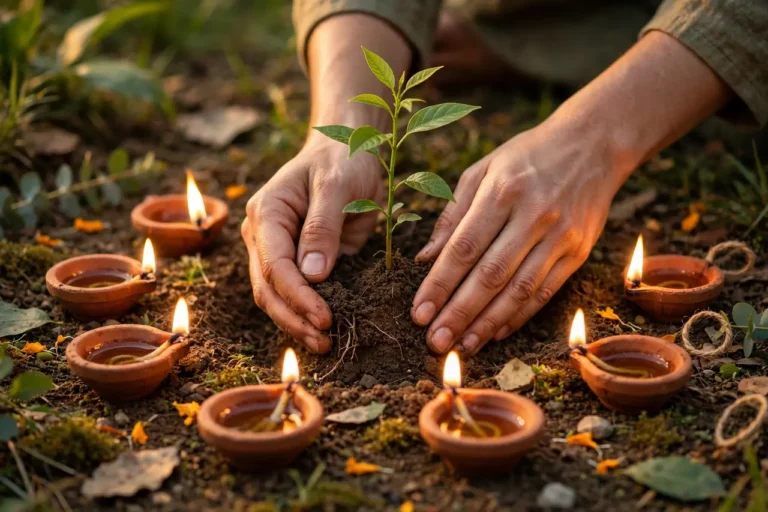
17. Plant a Diwali tree. Every Diwali, plant one native tree per family member and mark it with a tag. In five years you will have a small grove of Diwalis — a living festival record.
18. Feed street animals. Prepare a simple meal for street dogs and cows in your area. Given how much crackers terrify animals, this act lands with particular grace on Diwali.
Entertainment and atmosphere
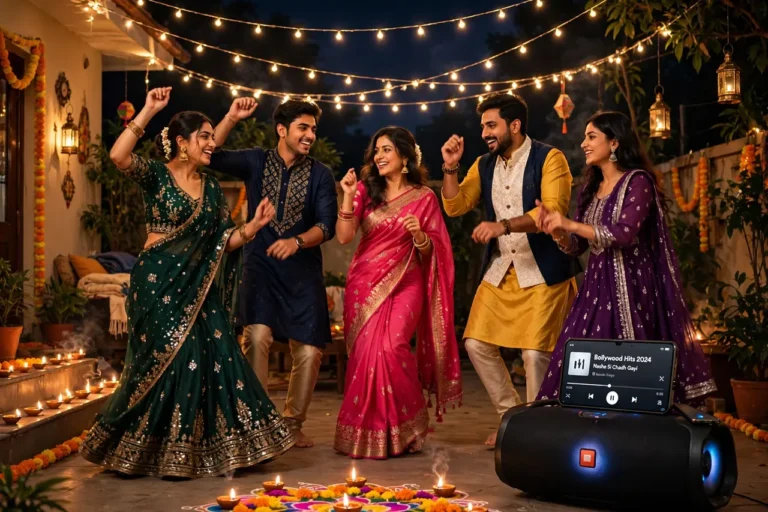
19. Diwali music night. A family antakshari or bhajan session, a playlist of festive classics, or — if someone plays — a live mini-concert in the living room. Music fills the same “celebration energy” slot that noise used to.
20. Storytelling evening. Elders narrate the Ramayana, the legend of King Bali, or their own childhood Diwalis by diya light. Record it on a phone — you will treasure these recordings.
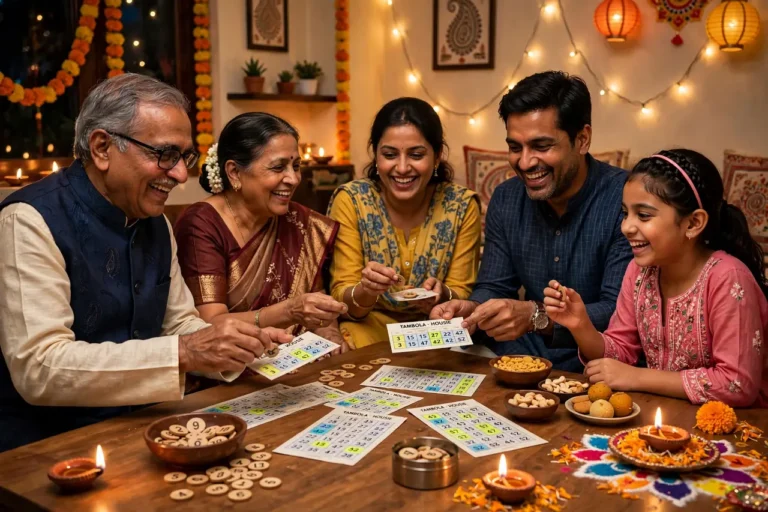
21. Card games with a twist. Diwali card parties are tradition in many families. Keep the game, lose nothing, add themed snacks — and consider donating a small portion of the pot to charity to keep it wholesome.
22. Stargazing after dinner. Without smoke haze, the autumn sky is genuinely clearer. Spread blankets on the terrace, identify constellations, and let the quiet be the luxury.
23. Diwali movie marathon. A family-friendly film night with popcorn and mithai — simple, cozy, and exactly what tired feet need after a day of rituals.
24. Gratitude circle. Before the Lakshmi puja, go around the table and have each person name one thing they are grateful for this year. It takes ten minutes and reframes the entire festival around abundance rather than consumption.
25. The midnight aarti walk. End Diwali night with a short family walk around the block carrying aarti thalis, greeting neighbors with “Shubh Deepavali.” It replaces the post-cracker chaos with something the whole street remembers fondly.
The Eco-Friendly Decor Playbook
Choose natural over plastic, always
Walk through any festival market and the choice is stark: plastic torans that will shed microplastics for decades, or fresh marigold strings that cost about the same and smell like the festival itself. Commit this Diwali to buying decorations that either biodegrade or last for years — nothing in between. Fresh flowers, mango and banana leaves, clay diyas, brass lamps, cotton and silk fabrics, and paper crafts belong in your home. Single-use plastic decor, thermocol rangoli stencils, and synthetic flower garlands do not. If you already own plastic decorations from previous years, the greenest move is to keep using them until they wear out rather than throwing them away — waste is waste regardless of what replaces it.
Diyas: clay, oil, and the real thing
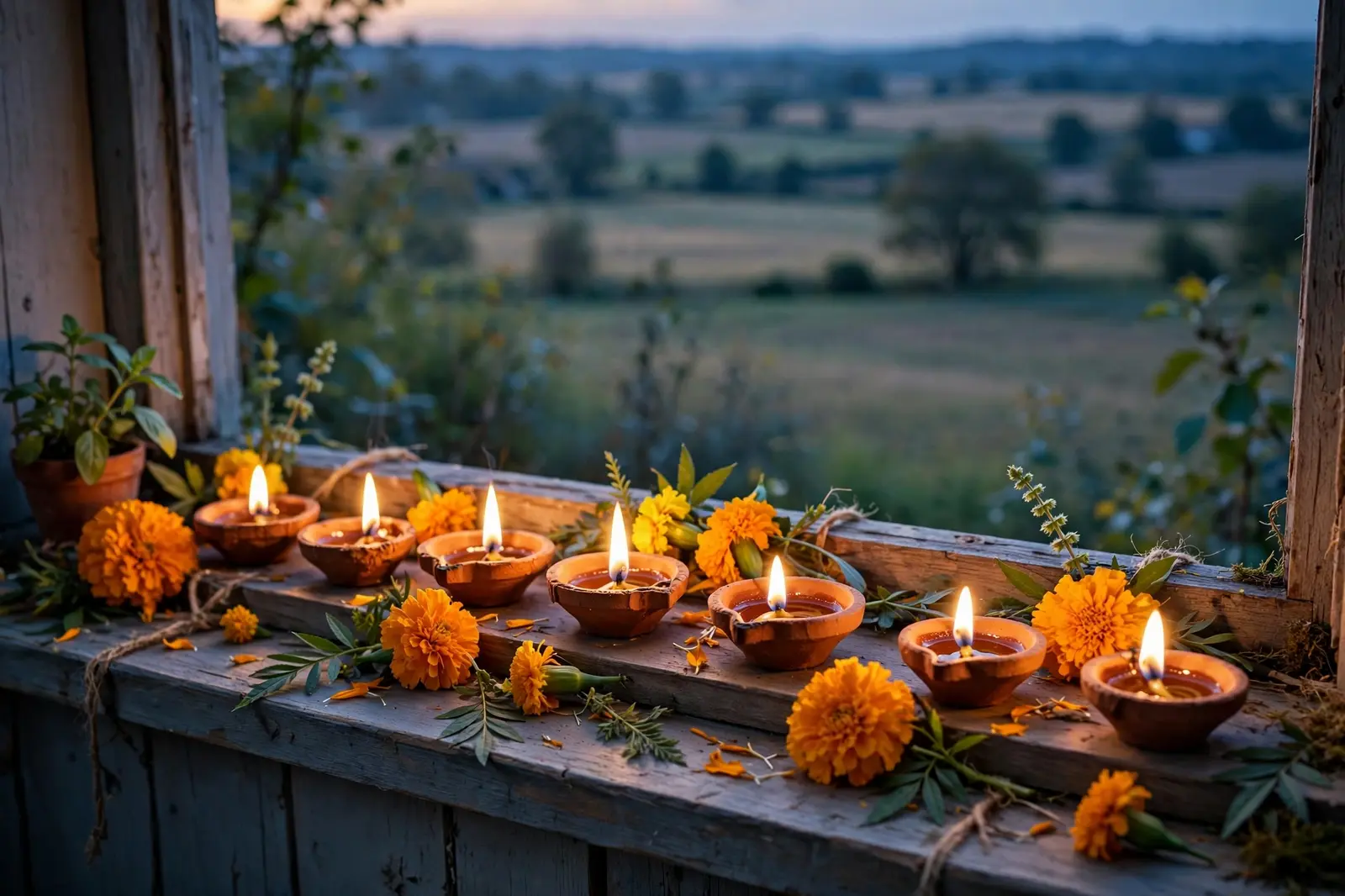
Nothing beats a real clay diya. Terracotta diyas are handmade by local potters, cost very little, and return to the earth harmlessly. Fill them with mustard oil, sesame oil, or ghee rather than paraffin-heavy blends, and use cotton wicks. If fire safety is a concern — small children, pets, apartments — high-quality LED diyas and fairy lights are an excellent substitute; look for warm-white tones (2700K–3000K) that mimic flame rather than cold blue-white light that kills the mood. Avoid the cheapest battery tea-lights that die in a season and become e-waste; invest in rechargeable or solar options once and reuse them for years.
Rangoli the green way
Traditional rangoli materials — rice flour, turmeric, kumkum, crushed flower petals, and colored sand — are fully biodegradable and even beneficial: rice-flour rangolis feed ants and birds. Skip chemical color powders that stain surfaces and wash into drains; if you want vivid colors, turmeric (yellow), kumkum or beetroot (red), indigo or food-grade blue, and mehendi (green) give you a full natural palette. Flower-petal rangolis (pookalam-style) are the most luxurious option and entirely compostable afterward.

Reuse and upcycle before you buy
Before buying a single new decoration, audit what you own. Last year’s fairy lights still work. The brass diyas from your grandmother are more beautiful than anything in a store. Old silk sarees become stunning table runners and wall hangings. Glass jars become lanterns with a diya inside. This is also where you can save real money — our guide to celebrating beautifully on a budget applies the same reuse-first mindset to festive decorating, and the principles transfer directly to Diwali.
Green Gifting: Thoughtful Without the Waste
Diwali gifting generates an astonishing amount of waste: laminated boxes, plastic trays, cellophane, and sweets nobody eats. Flip the script with gifts that are consumable, plantable, or genuinely useful. The best eco-friendly Diwali gifts include homemade mithai in reusable steel or glass containers, potted plants (tulsi, money plant, or flowering marigolds in painted terracotta pots), seed-paper stationery, beeswax or soy candles in reusable holders, cloth bags of premium dry fruits, and experience gifts — a dinner invitation, a massage voucher, a donation made in someone’s name.
For wrapping, abandon glossy gift paper entirely. Newspaper tied with jute string and a sprig of dried flowers looks artisanal and costs nothing. Cloth wrapping (the Japanese furoshiki technique works beautifully with old dupattas and scarves) becomes part of the gift. Brown kraft paper with a hand-drawn diya and a personal note beats any store-bought bag. And always include a handwritten note — in an age of WhatsApp forwards, a real card with words chosen from our Diwali wishes collection is the part of the gift people actually keep.
Handling the Pushback: Family, Kids, and Neighbors
The practical obstacle to a green Diwali is rarely logistics — it is people. Grandparents who feel crackers are tradition, children who feel deprived, neighbors whose celebrations shake your windows. Handle each with empathy and a concrete alternative rather than a lecture.
For elders, anchor the change in tradition: the Diwali of their own childhoods had far fewer crackers and far more diyas, homemade sweets, and community. You are restoring their Diwali, not canceling it. For children, never frame it as a ban — frame it as an upgrade. Kids who have spent an afternoon painting diyas, making rangoli, and running a fairy-light walk do not miss crackers; kids who are simply told “no” absolutely do. Give them a role, not a restriction. For neighbors, lead by visible example rather than confrontation. A street where three houses do a gorgeous silent Diwali with music and lights does more to change minds than any argument — and most noise complaints resolve better through a friendly pre-festival conversation than a post-festival fight.
Your 5-Day Green Diwali Plan
Diwali spans five days, each with its own rituals and mood. Here is how to keep every day festive, meaningful, and firecracker-free:
| Day | Festival | Morning Ritual | Evening Celebration | Green Highlight |
|---|---|---|---|---|
| Day 1 | Dhanteras | Clean the home entrance; buy a steel utensil or plant instead of gold | Light 13 diyas for Yama; family dinner | Buy from local artisans, not malls |
| Day 2 | Choti Diwali / Naraka Chaturdashi | Ubtan body scrub; make rangoli base | Early diya lighting; storytelling evening | Natural ubtan, zero-packaging self-care |
| Day 3 | Diwali / Lakshmi Puja | Cook mithai together; decorate with fresh flowers | Lakshmi puja; grand diya ceremony; feast | Clay diyas + cotton wicks; no crackers |
| Day 4 | Govardhan Puja | Prepare annakut offering; feed cows or animals | Community potluck; music night | Donate the cracker budget today |
| Day 5 | Bhai Dooj | Sisters prepare tilak thali with homemade sweets | Tilak ceremony; plant the Diwali tree | One tree per family member, every year |
Tips for a Flawless Green Diwali
Start the conversation early. Do not announce a cracker-free Diwali on Diwali morning. Start two to three weeks ahead, share this guide in the family group, and let the alternatives (diya painting, rangoli party, potluck) generate their own excitement.
Budget the swap. Take last year’s firecracker spend and visibly reallocate it: half to better food and decor, half to the donation. When people see the money, the decision feels abundant rather than austere.
Buy local and handmade. Clay diyas from the neighborhood potter, marigolds from the flower vendor, sweets from the local halwai in your own containers — every local purchase cuts packaging and transport waste while supporting livelihoods.
Manage e-waste from LED decor. LEDs are green only if they last. Buy once, store carefully after the festival (coil lights loosely, keep diyas in their boxes), and recycle dead batteries at proper collection points rather than binning them.
Compost the aftermath. Flower garlands, torans, rangoli petals, and food scraps all compost beautifully. Set up a simple compost bin before the festival so cleanup day feeds next year’s garden instead of a landfill.
Mistakes to Avoid
Swapping crackers for “green crackers” and calling it done. Green crackers are marginally less polluting, but a truly eco-friendly Diwali goes further — fewer emissions, less waste, more meaning. Use them at most as a transition step, not the destination.
Buying a mountain of new “eco” products. The greenest decoration is the one you already own. Mass-buying bamboo diyas, organic everything, and sustainable gift hampers shipped across the country can have a bigger footprint than reusing what is in your cupboard.
Preaching instead of inviting. Nothing kills a green Diwali faster than a family member appointed as the sustainability police. Invite, excite, and include — never shame.
Forgetting the cleanup plan. Even a green Diwali generates waste. Plan composting, donation of leftover food, and proper recycling before the festival, not after.
Ignoring fire safety with real diyas. Eco does not mean careless. Keep diyas away from curtains, never leave them unattended, and keep a small fire extinguisher or bucket of sand handy — especially with children and pets around.
Watch: DIY Diwali Candle Decor Ideas
Prefer to watch rather than read? This video walks through beautiful handmade Diwali candle and diya decor ideas you can make at home — perfect inspiration for a firecracker-free celebration:
Frequently Asked Questions About an Eco-Friendly Diwali
Is it really possible to enjoy Diwali without firecrackers?
Absolutely — and most families who try it never go back. The key is replacing the time and excitement, not just removing the crackers. A grand diya-lighting ceremony, a rangoli party, a mithai-cooking marathon, and a music night fill the evening more richly than ten minutes of bangs. Children in particular adapt quickly when they are given creative roles like diya painting and decor-making instead of simply being told no.
What are green crackers, and are they actually eco-friendly?
Green crackers are formulated to emit fewer particulates and less noise than conventional firecrackers. They are a step down in pollution, not a solution — they still produce smoke, debris, and noise, just less of it. Treat them as a transitional option if your family is not ready to go fully cracker-free, but do not mistake them for a genuinely eco-friendly Diwali.
How do I convince my family to skip firecrackers?
Lead with joy, not guilt. Propose exciting alternatives first (diya painting competition, fairy-light walk, potluck), frame the change as returning to a more traditional Diwali, and reallocate the cracker budget visibly to food, decor, or a donation. Start the conversation weeks before the festival, and let enthusiastic family members — especially kids — become your ambassadors.
What is the most eco-friendly way to light diyas?
Handmade terracotta diyas with mustard or sesame oil and cotton wicks are the gold standard: fully natural, biodegradable, and supportive of local potters. Where open flames are unsafe, warm-white LED or solar diyas are the next best option — buy quality once and reuse them for years rather than buying cheap disposables annually.
How can I reduce waste from Diwali gifting?
Give consumables (homemade sweets, dry fruits), plantables (potted plants, seed paper), or experiences instead of packaged goods. Wrap in newspaper, kraft paper, or cloth with jute string and dried flowers. Deliver gifts personally in reusable containers rather than shipping laminated hampers.
What should I do with Diwali decorations after the festival?
Compost all organic decor — flower garlands, torans, rangoli petals, and banana leaves. Store reusable items (LED lights, brass diyas, fabric hangings) carefully for next year. Donate or repurpose anything you no longer want rather than binning it, and recycle packaging materials properly.
Conclusion: A Brighter Diwali in Every Sense
An eco-friendly Diwali 2026 is not about less celebration — it is about more of what actually matters. More light, because every diya you place with intention outshines a hundred anonymous explosions. More flavor, because the mithai you cook together tastes of the morning you shared. More connection, because the sweets you deliver by hand and the tree you plant together outlast any firework’s flash. And more breath — literally — for the children, elders, pets, and neighbors who share your air.
Start small if you need to: one cracker-free evening, one natural rangoli, one donation in place of one box of fireworks. Traditions are not changed by decree but by example, repeated until the new way feels like the only way it was ever done. This Diwali, let your home be the one on the street that glows instead of bangs — the neighbors will notice, the kids will remember, and the festival will be truer to its name than ever. Shubh Deepavali.