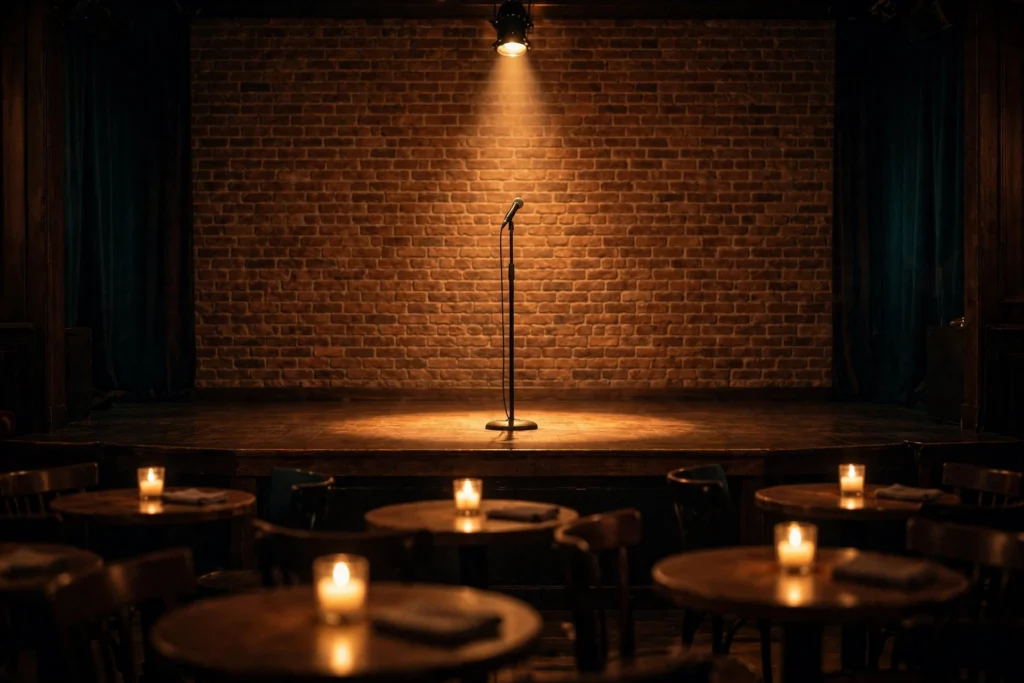
Dinner and a show is a cliché — dinner during the show is an experience. Dinner theater, the great American entertainment hybrid, pairs a full meal with a full stage production: you eat at your table while the actors perform feet away, often with the audience woven into the fun. This Dinner Theater Guide: How It Works and Where to Go covers what to expect, where to find the best dinner theaters in the USA, and how to make your night perfect.
The format has thrived for decades because it solves the eternal date-night math: instead of rushing through dinner to make curtain, the evening unfolds at one unhurried pace — cocktails, appetizers, a show, dessert, applause. No driving between venues, no babysitter overtime, no compromises. Here’s everything you need to know.
How Dinner Theater Works
The basic structure is consistent across the country, with local variations:
- Arrival and cocktails (60–90 minutes before showtime): Doors open well before the performance. You are seated at your table, meet your server, and order drinks. Many theaters have a lobby bar and pre-show entertainment.
- Dinner service: Most dinner theaters serve a multi-course meal — typically salad or appetizer, entrée (with choices), and dessert. Service is timed around the show: courses arrive before curtain and during intermission, never during key scenes.
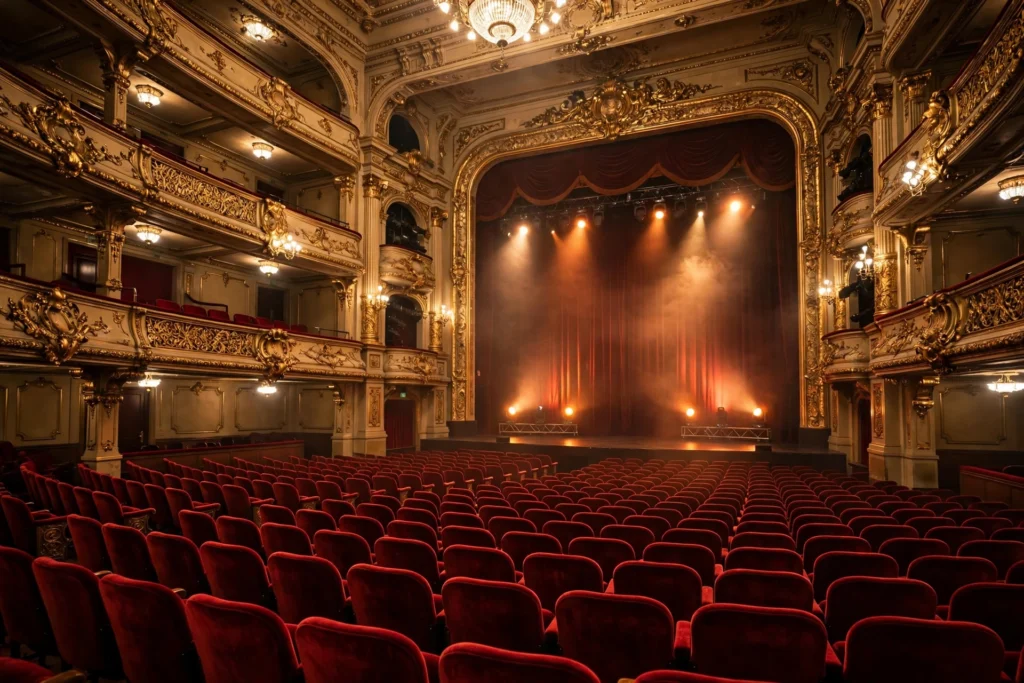
- The performance: The show plays in the same room — usually a proscenium or theater-in-the-round stage surrounded by tables. Actors perform among the diners; in murder mysteries and interactive shows, the audience is part of the plot.
- Intermission: Dessert is often served at intermission, along with coffee and after-dinner drinks. It is also when interactive shows take audience input.
- Finale and farewells: Many dinner theaters have the cast mingle afterward — photos, autographs, and a proper send-off.
What Dinner Theater Is Not
It is not a restaurant with background music, and it is not a Broadway house that happens to serve food. The production values are real theater — professional actors, full costumes, real sets — and the food is a genuine restaurant meal, not an afterthought. The best dinner theaters take both halves seriously.
Types of Dinner Theater
The Classic Playhouse
The traditional model: Broadway-style musicals and comedies performed in a dedicated dinner theater. Think Mamma Mia!, Neil Simon comedies, and seasonal favorites like A Christmas Carol. These are the backbone of American dinner theater — polished, crowd-pleasing, perfect for celebrations.
Murder Mystery Dinner Theater
The interactive branch: actors plant themselves among the diners, a “crime” occurs mid-meal, and tables work together to solve it between courses. Companies run these nationwide, from dedicated venues to hotel ballrooms. They are the most popular choice for birthdays, bachelorettes, and corporate outings — the audience participation is the point.
Medieval and Themed Experiences
The spectacle branch: jousting tournaments with dinner (the famous Medieval Times chain), pirate adventures, and Wild West shows. These are dinner theater at maximum theatricality — part show, part theme park, entirely committed to the bit. Enormously fun with kids.
Concert and Tribute Dinners
Some venues pair tribute bands and cabaret acts with dinner service — Elvis tributes, Rat Pack revues, Motown nights. Less theater, more concert-with-dinner, but the format works beautifully for music.
10 Notable Dinner Theaters Across the USA
1. Medieval Times — Multiple Locations
The experience: The king of themed dinner theater — a two-hour jousting tournament with falconry, horsemanship, and a four-course feast eaten (mostly) without utensils, as the era demands. Nine castles across the country. The kids’ birthday-party capital of America, and genuinely thrilling for adults too.
2. The Old Log Theatre — Excelsior, MN
The experience: One of America’s oldest professional theaters (founded 1940), running comedies and musicals with dinner service in a charming Minnesota setting. A beloved institution that proves the format’s staying power.
3. Alhambra Theatre & Dining — Jacksonville, FL
The experience: The Southeast’s premier dinner theater — Broadway-caliber musicals with a full dining operation in a beautiful standalone venue. The production values rival regional theaters twice the size.
4. Candlelight Dinner Playhouse — Johnstown, CO
The experience: Colorado’s long-running dinner theater, known for big musicals staged in the round — the audience surrounds the action, which makes every seat feel close. A date-night staple of the Front Range.
5. Toby’s Dinner Theatre — Columbia, MD
The experience: The Baltimore-Washington area’s flagship — large-scale musicals in the round with a well-regarded kitchen. A regional theater that happens to serve dinner, rather than the reverse.
6. The Fireside Theatre — Fort Atkinson, WI
The experience: Wisconsin’s destination dinner theater — Broadway musicals, big-name concert acts, and a famously good kitchen drawing audiences from Chicago and Milwaukee. The Christmas shows are a regional tradition.
7. Beef & Boards Dinner Theatre — Indianapolis, IN
The experience: Indianapolis’s beloved dinner theater since 1973 — Broadway musicals and concerts with dinner, in a comfortable room that regulars treat as a second living room. The definition of a community institution.
8. Murder Mystery Companies (National)
The experience: National operators run interactive murder-mystery dinners in dozens of cities — public shows on weekends, private events on demand. The format travels: the same polished whodunit plays in hotel ballrooms from Phoenix to Philadelphia.
9. The Scarlet Lady / Regional Mystery Venues
The experience: Every metro has its local mystery-dinner specialists — often in historic mansions or riverboats, which adds atmosphere the chains can’t match. Search “[your city] murder mystery dinner” for the local flavor.
10. Holland America / Cruise Dinner Theater
The experience: An honorable mention: cruise ships have become unexpected dinner-theater venues, with production shows performed in dining-adjacent theaters. If you cruise, the format will find you.
What to Expect: Prices, Food, and Practicalities
- Prices: Typically $60–$120 per person all-in (show + dinner), varying by market and production. Themed spectaculars (Medieval Times) run higher; local murder mysteries often run lower. Gratuity is frequently included — check.
- The food: Most serve a set multi-course menu with entrée choices (chicken, beef, fish, vegetarian). Quality ranges from solid to genuinely excellent at the best houses. Dietary needs: call ahead — most accommodate with notice.
- Seating: Tables are assigned; parties are seated together. For popular shows, book early for the best table locations (center room, close to the stage).
- Timing: Plan for a full evening — doors 90 minutes before showtime, total experience 3.5 to 4.5 hours. Don’t schedule anything after.
- Dress code: Smart casual to dressy. You’ll fit in wearing anything from nice jeans to cocktail attire; themed shows invite costumes (Medieval Times practically begs for it).
Tips for the Perfect Dinner Theater Night
- Book the show before the date. Pick the production first, then invite people — “murder mystery Saturday” sells the plan better than “dinner somewhere.”
- Arrive hungry and on time. Late arrivals disrupt both dinner service and the show. The pre-show hour is part of the experience — don’t skip it.
- Tell them it’s a celebration. Birthdays, anniversaries, proposals — dinner theaters live for this and will often acknowledge it from the stage.
- Embrace the participation. In interactive shows, the audience members who play along have exponentially more fun. Volunteer. Accuse your spouse. It’s the point.
- Put the phone away. Flash photography is prohibited everywhere, and in intimate rooms your screen distracts the actors. Our theater etiquette guide covers the rest.
- Tip your server separately if gratuity isn’t included. Ask when booking so you’re not guessing at the table.
Dinner Theater vs. Regular Theater Night
| Factor | Dinner Theater | Traditional Theater Night |
|---|---|---|
| Total evening | One venue, 3.5–4.5 hours | Two venues, rushing between |
| Cost per person | $60–$120 all-in | $150+ (dinner + tickets separately) |
| Atmosphere | Social, festive, interactive | Formal, focused |
| Best for | Celebrations, groups, dates | Theater purists, big spectacles |
| Production scale | Intimate to mid-size | Full Broadway scale available |
The History of Dinner Theater in America
Dinner theater is a distinctly American invention. Its roots trace to the 1930s, but the form exploded in the 1960s and 70s, when hundreds of dinner theaters opened across the country — from the Drury Lane in Chicago to the Carousel in Ohio. The formula was irresistible to postwar suburban audiences: professional theater without the trip downtown, dinner without the separate restaurant bill, an evening out that felt like an event.
The 1970s and 80s were the golden age — at the peak, America had over 200 professional dinner theaters. Stars between gigs played the circuit; audiences dressed up; the rooms were packed. The 1990s brought contraction (rising costs, changing tastes), but the survivors adapted: better food, sharper productions, themed experiences. Today’s dinner theater is leaner and, at its best, better than ever — the weak rooms closed, and the strong ones doubled down on quality. The murder-mystery boom of the 2000s and the themed-spectacular success of Medieval Times proved the format’s durability: Americans still want dinner with their drama.
Planning a Group Event at Dinner Theater
Dinner theater is arguably the best group entertainment format in existence — one venue, one price, something for everyone. Here’s how to organize it:
- Birthdays: the classic. Book a table for the group, tell the theater it’s a birthday (they’ll often acknowledge it), and choose an interactive show — murder mysteries are the default for a reason.
- Bachelor/bachelorette parties: pick raucous over refined — comedy mysteries and themed spectaculars beat earnest dramas for this crowd.
- Corporate outings: many dinner theaters offer private rooms and group rates for 20+. The shared experience (solving a mystery together) doubles as team building without the trust-fall clichés.
- Family reunions: the all-ages appeal is the selling point — grandparents to grandkids at one table, everyone entertained. Matinees work best for mixed-age groups.
- Holiday parties: book early — December sells out first. Many theaters mount special Christmas productions that become annual traditions for groups.
Booking tips for groups: call the group sales line (not the regular box office) for 8+ people — discounts typically start at 10–12 tickets. Ask about private pre-show rooms, customized menus, and whether the cast can incorporate your occasion into the show. For interactive mysteries, warn shy group members that participation is voluntary — then watch them volunteer anyway.
Dinner Theater for Special Occasions
- Proposals: dinner theaters are proposal machines — contact the venue in advance and they’ll choreograph it (onstage announcements, dessert reveals, cast involvement). It’s public, joyful, and unforgettable.
- Anniversaries: the unhurried pace suits milestone celebrations; many couples make a favorite dinner theater an annual tradition.
- First dates: surprisingly excellent — the show provides built-in conversation, the format eliminates awkward silences, and the festive atmosphere does half the work. Choose comedy over tragedy.
- Client entertainment: more memorable than another steakhouse, less risky than edgy theater. The safe choice that doesn’t feel safe.
Dinner Theater vs. Supper Clubs: Know the Difference
Related but distinct: supper clubs are restaurants with live entertainment (jazz trios, cabaret singers) where the music is ambient to the meal. Dinner theater flips the priority — the show is the main event, dinner the accompaniment. Supper clubs suit conversation; dinner theaters suit celebration. Both are wonderful; don’t confuse them when booking.
Cabaret dinner shows sit between: intimate rooms, singer-centered, dinner served. If you love the dinner-theater format but want music over plays, search your city’s cabaret rooms — the experience rhymes.
Accessibility at Dinner Theaters
- Most dinner theaters are single-level or elevator-equipped — call ahead to confirm wheelchair table placement.
- Assistive listening devices are commonly available; request when booking.
- Dietary restrictions (allergies, vegetarian, kosher-style) are routinely accommodated with advance notice — the set-menu format actually makes this easier than restaurants.
- Service animals are welcome; mention when reserving so the table placement works.
Finding Dinner Theater Near You
Start with the obvious searches — “[your city] dinner theater,” “[your state] murder mystery dinner” — then dig deeper: regional theater directories, tourism board event calendars, and hotel concierge recommendations (hotels near dinner theaters book them constantly for guests). The best local rooms often have minimal web presence but devoted followings; ask at your city’s visitor center or check community theater forums. And don’t overlook seasonal pop-ups — holiday mystery dinners and summer outdoor dinner-theater series appear in surprising places. If your metro has over a million people, there’s almost certainly a dinner theater within driving distance you haven’t heard of yet.
Dinner Theater Gift Guide
Dinner theater makes an exceptional gift — better than objects, because it’s an experience with a date attached. Gift certificates from local dinner theaters (most sell them) suit any occasion. Surprise bookings work beautifully for milestone birthdays: book the show, arrange the group, reveal it at dinner. Murder mystery home kits (sold by several national companies) bring the format to your dining room for a fraction of the cost — a great rehearsal before the real thing. Give the night out; the memory outlasts everything else.
More Live Entertainment Guides
More nights out worth planning: our best magic shows in Las Vegas, the Broadway touring shows coming to your city, and the theater etiquette guide for any night at the theater.
Your First Dinner Theater Night: A Checklist
- Pick the show first, then the date — the production sells the plan.
- Book 2–4 weeks ahead for weekends; confirm gratuity and dietary needs when reserving.
- Arrive 60–90 minutes before showtime, hungry and ready to relax.
- Tell the venue about celebrations — they live for this.
- Participate if it’s interactive; the bold have the most fun.
- Phones away once the show starts — the actors are feet away.
- Tip the server if gratuity isn’t included; thank the cast at the stage door if they mingle.
- Plan nothing afterward — you’ll want to savor it.
Frequently Asked Questions
How does dinner theater work?
You’re seated at a dining table in the theater, dinner is served in courses timed around the performance (before curtain and at intermission), and the show plays in the same room. The full evening runs 3.5 to 4.5 hours. Gratuity is often included in the ticket price.
Is dinner theater good for a date night?
It’s one of the best date formats in entertainment — dinner and a show in one unhurried evening, no driving between venues, built-in conversation topics, and a celebratory atmosphere. Book a classic musical or comedy for maximum romance.
What should I wear to dinner theater?
Smart casual to dressy. Nice jeans and a button-down or a dress are perfect; some people dress up more. Themed shows (medieval, mystery) often welcome costumes.
Is the food actually good at dinner theaters?
At the best houses, genuinely yes — multi-course meals with real kitchens behind them. Quality varies, so check recent reviews. Most accommodate dietary restrictions with advance notice.
Are murder mystery dinners fun if you’re shy?
Yes — participation is always voluntary, and you can enjoy the show purely as an observer while your tablemates do the accusing. That said, the people who dive in have the most fun.
How much does dinner theater cost?
Typically $60–$120 per person including dinner and the show, varying by city and production. Themed spectaculars cost more; local mystery dinners often cost less. Always check whether gratuity is included.