The best national parks to visit in winter fall into two different groups: snowy landscapes reached through limited winter access, and milder places where walking becomes more comfortable. A Yellowstone snowcoach trip and an Everglades boardwalk day demand entirely different budgets, clothing and transport. This guide separates those expectations while comparing 15 rewarding destinations.
Planning review: September 26, 2026. Plan winter 2026–27 using current announcements, but treat seasonal opening dates as weather-dependent. “Milder” does not mean reliably hot or suitable for swimming.
Compare the parks at a glance
Stays exclude flights and long transfers. Windows are planning ranges, not forecasts. See each park below for fees, reservations and conditions.
On a small screen, swipe the table sideways to see every column.
| Park / location | Best for | Planning window | Stay | Airport / gateway |
|---|---|---|---|---|
| Yellowstone Wyoming/Montana/Idaho |
Geysers and wildlife | December–March; snow and access vary | 3–4 days | Bozeman (BZN) or Jackson (JAC); Gardiner or West Yellowstone |
| Grand Teton Wyoming |
Lakes beneath peaks | December–March; snow and access vary | 2–3 days | Jackson Hole (JAC); Jackson |
| Rocky Mountain Colorado |
Snowy mountain viewpoints | December–March; snow and access vary | 2–3 days | Denver (DEN); Estes Park or Grand Lake |
| Bryce Canyon Utah |
Hoodoo amphitheater | December–March; snow and access vary | 1–2 days | Las Vegas (LAS) or Salt Lake City (SLC); Bryce Canyon City or Tropic |
| Yosemite California |
Granite valleys | December–March; snow and access vary | 3 days | Fresno (FAT); Mariposa or El Portal |
| Sequoia California |
Giant trees | December–March; snow and access vary | 2 days | Fresno (FAT); Three Rivers |
| Mount Rainier Washington |
Mountain snow scenery | December–March; snow and access vary | 2 days | Seattle (SEA); Ashford |
| Death Valley California/Nevada |
Desert landforms | November–March; fronts and cold spells possible | 2–3 days | Las Vegas (LAS); Furnace Creek or Beatty |
| Joshua Tree California |
Boulders and desert plants | November–March; fronts and cold spells possible | 2 days | Palm Springs (PSP); Joshua Tree or Twentynine Palms |
| Saguaro Arizona |
Sonoran Desert cacti | November–March; fronts and cold spells possible | 2 days | Tucson (TUS); Tucson |
| Big Bend Texas |
Remote desert and mountains | November–March; fronts and cold spells possible | 3 days plus travel | Midland–Odessa (MAF) or El Paso (ELP); Terlingua or Marathon |
| Everglades Florida |
Wetlands and birds | November–March; fronts and cold spells possible | 2–3 days | Miami (MIA); Homestead or Florida City |
| Biscayne Florida |
Marine ecosystems | November–March; fronts and cold spells possible | 1–2 days | Miami (MIA); Homestead |
| Dry Tortugas Florida |
Island fort and reefs | November–March; fronts and cold spells possible | 1 day; 2–3 with camping | Key West (EYW); Key West |
| Hawaiʻi Volcanoes Hawaiʻi |
Volcanic landscapes | November–March; fronts and cold spells possible | 2 days | Hilo (ITO); Volcano village |
National parks map
Swipe the map sideways on mobile, or open the full-size map. The numbered list below provides a readable text alternative.
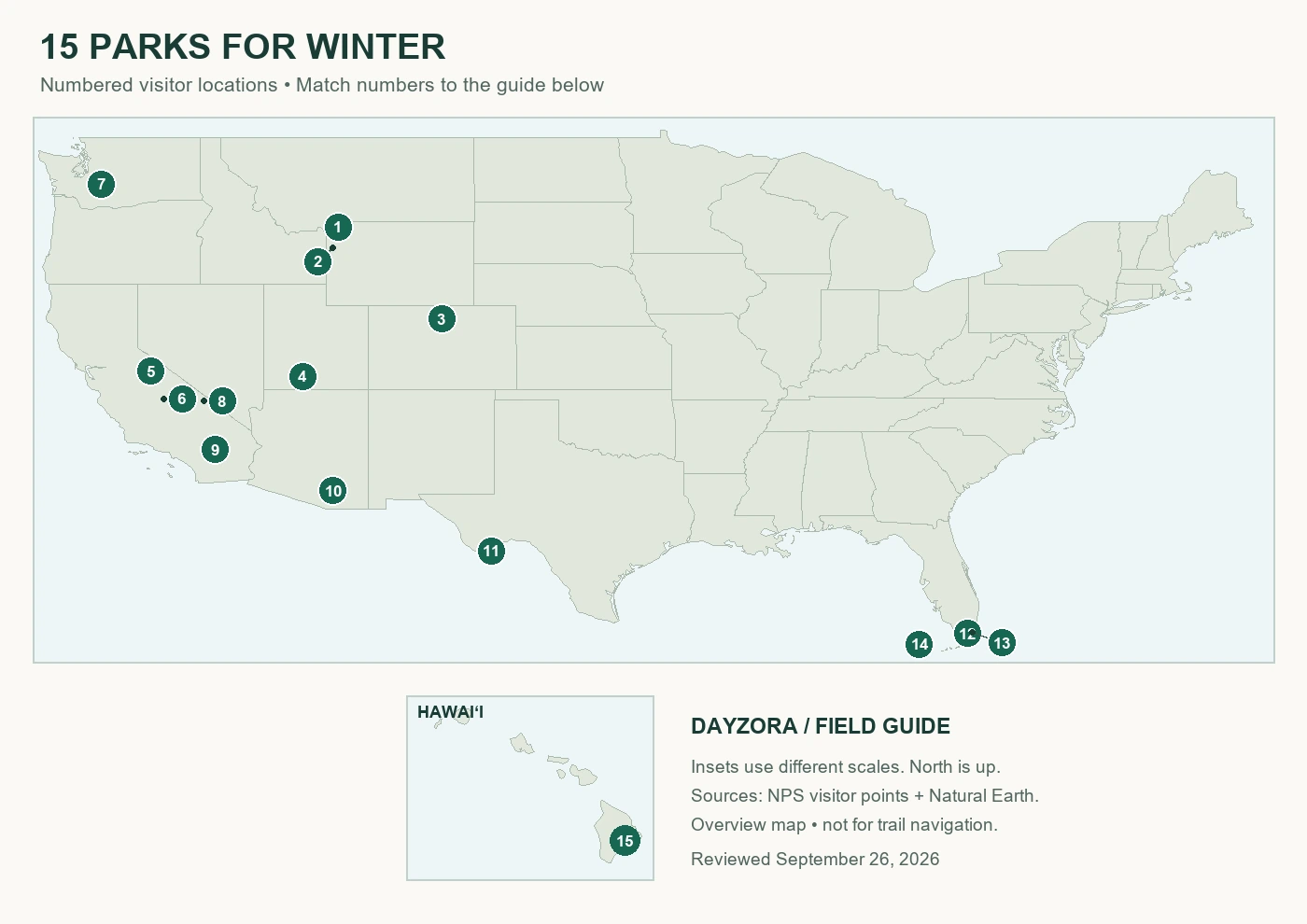
- Yellowstone — Wyoming/Montana/Idaho
- Grand Teton — Wyoming
- Rocky Mountain — Colorado
- Bryce Canyon — Utah
- Yosemite — California
- Sequoia — California
- Mount Rainier — Washington
- Death Valley — California/Nevada
- Joshua Tree — California
- Saguaro — Arizona
- Big Bend — Texas
- Everglades — Florida
- Biscayne — Florida
- Dry Tortugas — Florida
- Hawaiʻi Volcanoes — Hawaiʻi
Choose your winter trip style first
For snow scenery without technical winter travel, plan open-road viewpoints and short maintained walks. For snowshoeing or skiing, choose an appropriate route after checking avalanche information, daylight, equipment and your group’s skill. Traction devices for icy paths are not a substitute for avalanche training or safe terrain choices. A guide can help, but it does not make every itinerary possible in every storm.
For milder weather, focus on the low deserts, South Florida or Hawaii while accounting for cold fronts, mountain elevation and ocean conditions. Dry Tortugas and Biscayne depend on suitable boat conditions; leave schedule flexibility instead of promising a snorkel day regardless of wind. Big Bend’s desert and Chisos Mountains can feel like different seasons.
Yellowstone’s 2026–27 interior oversnow season is projected to begin December 15, with route-specific closures in March. Ordinary vehicles do not drive those interior roads in winter. Reserve the correct snowcoach or permitted snowmobile arrangement and lodging together, then confirm Yellowstone’s current road dates. At Mount Rainier, all vehicles must carry chains November 1–May 1, including four-wheel-drive vehicles. Check that your rental agreement permits the required equipment.
The 15 parks: what to do and how to plan
Snow experiences: winter access comes first
1. Yellowstone National Park
At a glance: Wyoming/Montana/Idaho · Geysers and wildlife · 3–4 days · December–March; snow and access vary. Gateway: Bozeman (BZN) or Jackson (JAC); Gardiner or West Yellowstone.
Entry: Ordinary cars use the northern corridor; interior visits require permitted oversnow travel when operating. Fees.
Yellowstone offers two very different winter holidays: a road-based northern-range visit and an interior trip using authorized oversnow transport. Choose the one you actually want before booking lodging. Steam, frost and wildlife against snow can be memorable, but severe cold and short days make a summer-style grand loop impossible.
Highlights to build around: Northern-range viewpoints; open thermal boardwalks; booked snowcoach excursion.
Suggested itinerary: For a simpler two- or three-day trip, stay in Gardiner and explore the open northern road corridor when weather allows. For Old Faithful or other interior destinations, book the appropriate snowcoach or guided service and accommodation as one plan. Walk only open thermal boardwalks with footwear suited to ice; an ordinary rental car cannot follow the summer route.
Planning tip: NPS projects oversnow opening December 15, 2026, with staggered closures March 7–15, 2027, depending on the road. Dates remain weather-dependent. The North–Northeast corridor is generally open to regular vehicles, but the winter road east of Cooke City does not provide a through-drive to the east.
Stay: Gardiner for northern-road access, or a specifically booked winter lodge and its required transport. NPS planning · Conditions.
2. Grand Teton National Park
At a glance: Wyoming · Lakes beneath peaks · 2–3 days · December–March; snow and access vary. Gateway: Jackson Hole (JAC); Jackson.
Entry: Much of Teton Park Road closes to ordinary vehicles; use open approaches from Jackson. Fees.
Grand Teton suits a winter trip centered on mountain views and a manageable snowshoe or ski outing from Jackson. The high peaks remain serious avalanche terrain; a scenic winter visit does not require entering it. Snow cover transforms familiar summer roads into recreation corridors, so navigation must follow the winter access plan.
Highlights to build around: Open highway viewpoints; permitted winter road outings; wildlife watching from a distance.
Suggested itinerary: Allow two days plus weather flexibility. On day one use open highway viewpoints and park interpretation where operating. On day two choose a short out-and-back on the permitted winter Teton Park Road corridor once conditions and grooming are confirmed. Set a turnaround time before starting, and keep walkers or snowshoes out of established ski tracks.
Planning tip: The Taggart–Signal Mountain section normally closes to vehicles November 1–April 30. Construction affects access in 2026; Moose-Wilson’s current closure is scheduled through November 15 before any winter recreation transition. Recheck trailhead access rather than assuming a familiar summer parking area is usable. Wildlife needs extra distance and undisturbed energy reserves.
Stay: Jackson; confirm any in-park winter lodging rather than assuming summer lodges operate. NPS planning · Conditions.
3. Rocky Mountain National Park
At a glance: Colorado · Snowy mountain viewpoints · 2–3 days · December–March; snow and access vary. Gateway: Denver (DEN); Estes Park or Grand Lake.
Entry: Trail Ridge Road is not a winter through-route; check east-side roads and traction needs. Fees.
Rocky Mountain provides a snow-focused holiday with an established town base, but its elevation and wind demand more preparation than an ordinary winter walk. Estes Park gives access to the east side; it does not make Trail Ridge Road a winter connection to Grand Lake. Choose one side and remain flexible after storms.
Highlights to build around: East-side viewpoints; condition-appropriate Bear Lake outing; ranger advice in Estes Park.
Suggested itinerary: Spend a first day acclimatizing with short open viewpoints and a ranger conversation. On the next, consider a limited Bear Lake-area walk or snowshoe outing only if the current surface, forecast and your equipment fit. The usual short loop can be buried or icy; summer distance and difficulty labels do not describe winter travel.
Planning tip: Treat traction devices, snowshoes and avalanche equipment as different tools, not interchangeable upgrades. If you lack winter navigation experience, choose a guided or ranger-supported activity when available. Check the road before leaving town and keep a vehicle emergency kit; a clear trailhead does not promise clear weather later.
Stay: Estes Park for east-side access. NPS planning · Conditions.
4. Bryce Canyon National Park
At a glance: Utah · Hoodoo amphitheater · 1–2 days · December–March; snow and access vary. Gateway: Las Vegas (LAS) or Salt Lake City (SLC); Bryce Canyon City or Tropic.
Entry: Snow closes or delays some roads and trails; use current open rim locations. Fees.
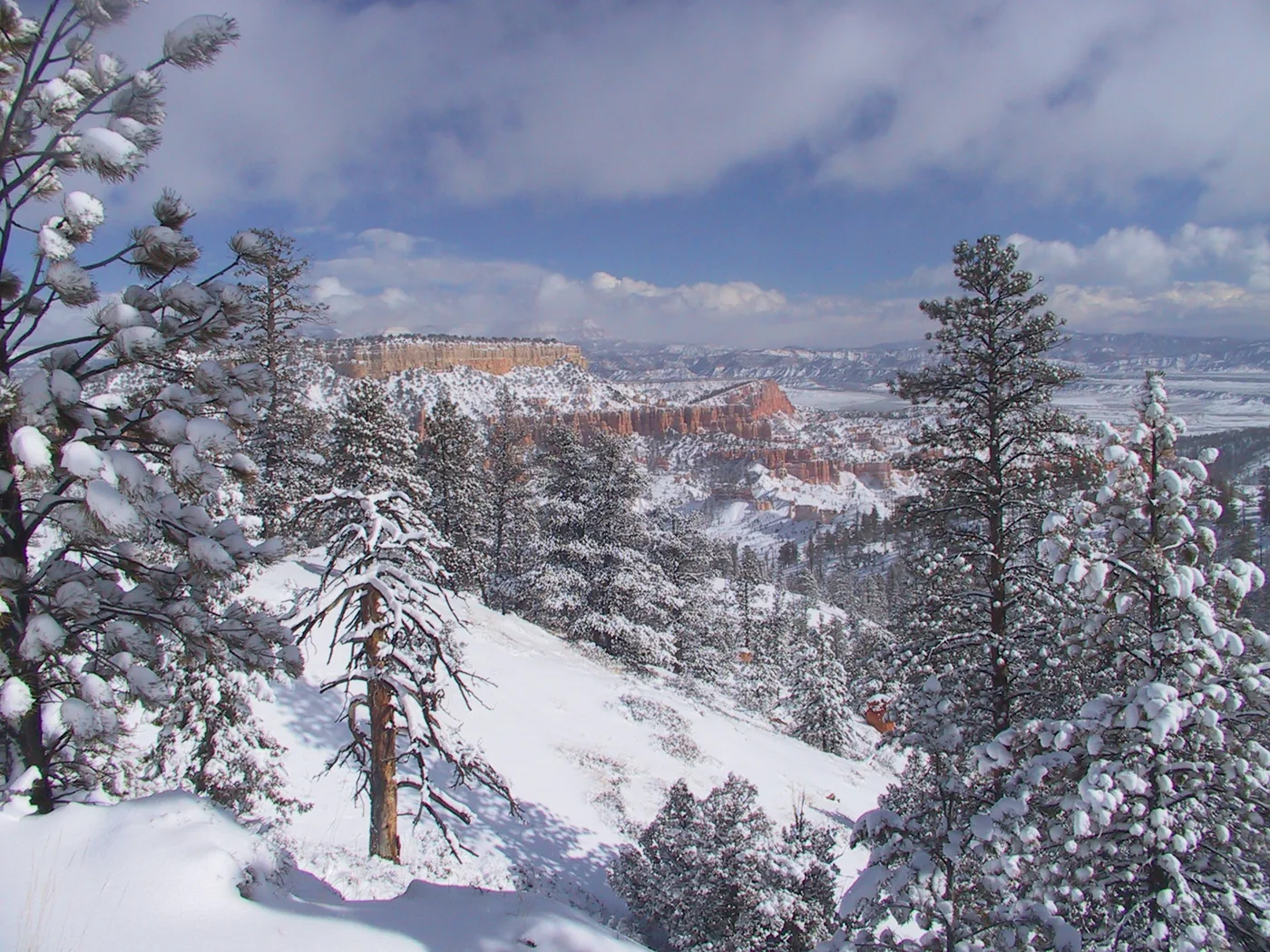
Bryce’s winter appeal is visual contrast: snow outlining orange hoodoos beneath dark evergreens. It is a cold high-elevation destination, not a warm desert escape. A flexible overnight stay improves your chance of seeing the amphitheater safely after plowing, without requiring a drive during the storm itself.
Highlights to build around: Open amphitheater rim viewpoints; winter photography; short walks with traction.
Suggested itinerary: Plan one or two days around the main amphitheater. Use open viewpoints first, then a short section of the Sunrise–Sunset rim path only if footing is manageable. Add a ranger activity when offered, or return to the same overlook in different light. Keep below-rim walks optional and suited to current ice and snow.
Planning tip: Wall Street closes in winter, and other trails or road sections may close after storms. Do not assume the summer shuttle or lodge is operating. Stay in Bryce Canyon City or Tropic, carry traction for icy paths, and leave exposed overlooks promptly if weather deteriorates. Short mileage does not remove the risk of slipping near an edge.
Stay: Bryce Canyon City or Tropic; check seasonal park lodge dates. NPS planning · Conditions.
5. Yosemite National Park
At a glance: California · Granite valleys · 3 days · December–March; snow and access vary. Gateway: Fresno (FAT); Mariposa or El Portal.
Entry: Carry required chains and check Valley access; Tioga Road is seasonal. Fees.
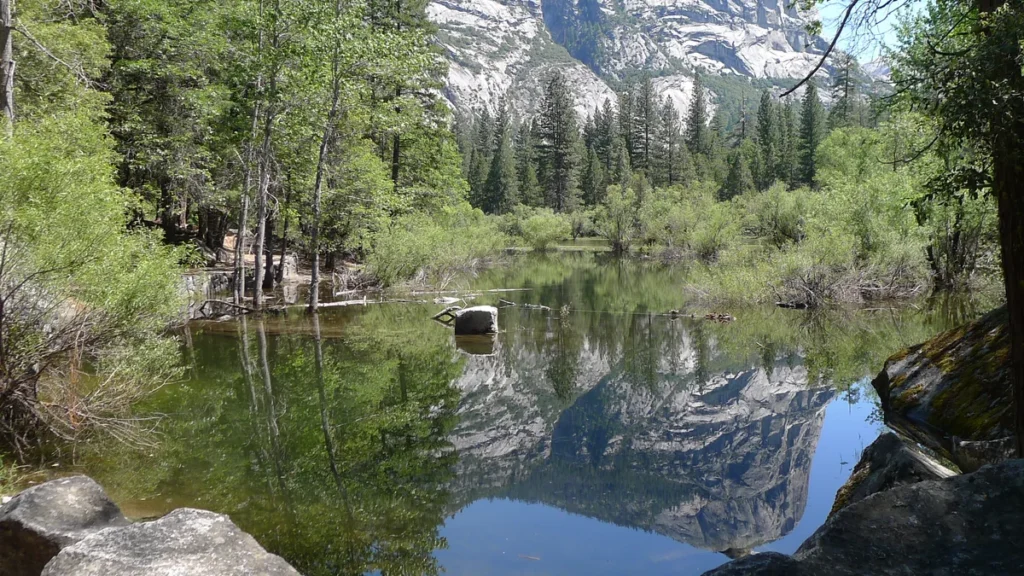
Yosemite Valley in winter can be a quieter granite-and-snow trip, with most of the high-country driving removed from the plan. Snow on the Valley floor is possible rather than guaranteed. The reward may be mist, frost or low winter light instead, so choose the park for its scenery rather than a promised snow depth.
Highlights to build around: Valley viewpoints; maintained Valley walks; indoor interpretation.
Suggested itinerary: Allow two or three days based in the Valley or an appropriate western gateway. Visit open Valley viewpoints, choose short maintained walks when safe, and add Yosemite Museum or other operating indoor interpretation as weather allows. Glacier Point and Tioga driving routes are not winter through-routes; arriving from the east via Tioga is not a valid default plan.
Planning tip: Check chain controls on the approach and within the park, including what your rental agreement allows. The Lower Yosemite Fall loop’s one-mile summer description does not mean it will be ice-free. Respect falling-ice closures beneath cliffs, and verify any separately booked ski-area or winter recreation service before traveling.
Stay: El Portal or Mariposa; reserve Valley accommodation early. NPS planning · Conditions.
6. Sequoia National Park
At a glance: California · Giant trees · 2 days · December–March; snow and access vary. Gateway: Fresno (FAT); Three Rivers.
Entry: Chain controls and road closures can limit access to Giant Forest. Fees.
Sequoia’s winter character comes from giant trees in deep snow, with a long elevation change from the foothills. That climb means road conditions near Three Rivers can be very different from conditions in Giant Forest. Treat the journey to the grove as part of the day rather than expecting a quick stop between cities.
Highlights to build around: Giant Forest when accessible; short giant-tree walks; suitable ranger-advised snowshoe routes.
Suggested itinerary: Use two days if possible. On the first, reach an open Giant Forest area and make a short, condition-appropriate grove visit. On the second, choose an advised snowshoe route or a lower-elevation alternative. The regular Sherman Tree approach and parking arrangement can change in snow, so follow the winter signs rather than a saved summer route.
Planning tip: Carry and know how to fit the traction equipment required under current chain controls. The connection between Sequoia and Kings Canyon may close, forcing a return through the foothills. Reserve lodging that matches your access route, and do not build the trip around Moro Rock stairs or a road that normally closes under snow.
Stay: Three Rivers or Wuksachi Lodge if available; verify road access before committing. NPS planning · Conditions.
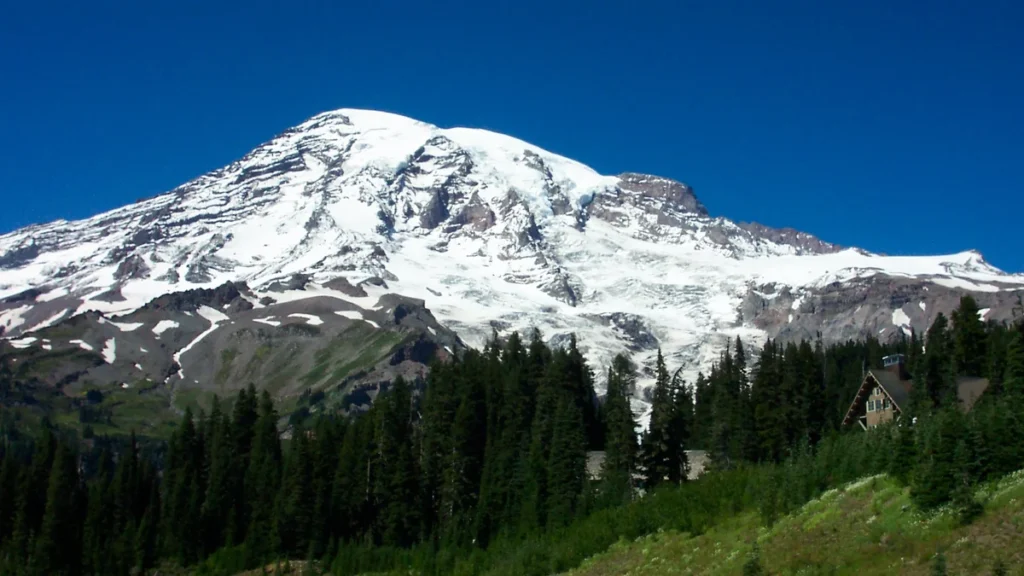
7. Mount Rainier National Park
At a glance: Washington · Mountain snow scenery · 2 days · December–March; snow and access vary. Gateway: Seattle (SEA); Ashford.
Entry: All vehicles must carry chains November 1–May 1; confirm the Longmire–Paradise gate schedule. Fees.
Rainier is the most weather-dependent snow choice in this list. Deep snow, avalanche danger and a gated mountain road shape the experience. Paradise can be extraordinary when access is safe, but a trip that only counts as successful if the gate opens is too brittle for winter planning.
Highlights to build around: Longmire; Paradise only when road access is confirmed; snow-covered forest scenery.
Suggested itinerary: Stay near Ashford for two nights if the budget allows. Use Longmire and whatever lower-elevation access is available on arrival. Attempt Paradise only after checking that day’s road opening, closing time, forecast and recommended activities. A short guided or ranger-led snow outing, when offered, is a more sensible first step than following a summer meadow trail buried under snow.
Planning tip: All vehicles must carry chains or approved alternative traction devices November 1–May 1, including four-wheel-drive vehicles. Carrying equipment and being required to install it are separate rules. Do not assume Sunrise or a cross-park road is accessible. Follow gate deadlines and current avalanche guidance; turn around before conditions outrun your experience.
Stay: Ashford or National Park Inn; verify seasonal Paradise lodging. NPS planning · Conditions.
Milder escapes: deserts, wetlands and islands
8. Death Valley National Park
At a glance: California/Nevada · Desert landforms · 2–3 days · November–March; fronts and cold spells possible. Gateway: Las Vegas (LAS); Furnace Creek or Beatty.
Entry: Check road damage and seasonal camping; do not assume remote roads are passable. Fees.
Death Valley is a winter hiking destination precisely because the lower desert becomes more manageable than in summer. Mild afternoons can still pair with cold nights and strong wind, while high peaks remain a separate snowy environment. Focus on the low-elevation paved-road sights rather than treating the whole park as uniformly warm.
Highlights to build around: Zabriskie Point; Badwater Basin; Mesquite Flat dunes; Harmony Borax Works.
Walk: Harmony Borax Works: 0.4-mile paved loop, 50 feet gain; exposed to sun.
Suggested itinerary: Allow two or three days. Start with Harmony Borax Works and Zabriskie Point, then a short Badwater visit during suitable temperatures. Give another morning to Mesquite Flat dunes and Stovepipe Wells. Bring water on every walk and do not depend on distant springs or a phone signal. A third day is useful for weather or a verified additional drive.
Planning tip: Scotty’s Castle remains closed, and Titus Canyon is scheduled closed October 1, 2026–September 30, 2027. Southern Badwater Road has flood damage. The winter plan stays on verified open paved access; it does not require a remote canyon drive or a detour around a barricade.
Stay: Furnace Creek or Stovepipe Wells; Beatty outside the east side. NPS planning · Conditions.
9. Joshua Tree National Park
At a glance: California · Boulders and desert plants · 2 days · November–March; fronts and cold spells possible. Gateway: Palm Springs (PSP); Joshua Tree or Twentynine Palms.
Entry: Reserve popular campsites; separate rules for climbing and backcountry trips. Fees.
Joshua Tree is a good choice for travelers who want daylight desert walks rather than reliably warm evenings. The higher Mojave section can freeze overnight and occasionally receive snow. Winter sunshine makes the landscape inviting, but shorter days require a tighter geographic plan than a midsummer road map might suggest.
Highlights to build around: Hidden Valley; Keys View; Skull Rock; roadside Joshua trees.
Walk: Hidden Valley: 1-mile loop, 100 feet gain; short but rocky.
Suggested itinerary: Stay two nights in Joshua Tree or Twentynine Palms. Use one day for Hidden Valley’s one-mile rocky loop, nearby formations and Keys View if visibility is good. Spend the next on another short open trail and a deliberate stargazing stop. Bring a warm layer for every sunset outing and identify the return route before dark.
Planning tip: Carry water from town, reserve a campsite rather than expecting a vacancy, and respect any climbing or nesting closures. Bouldering is not automatically part of a walking itinerary; climbing up can be easier than getting down. Never depend on leaving a person or pet in a vehicle as your cold- or heat-management plan.
Stay: Joshua Tree or Twentynine Palms; reserved developed campsites. NPS planning · Conditions.
10. Saguaro National Park
At a glance: Arizona · Sonoran Desert cacti · 2 days · November–March; fronts and cold spells possible. Gateway: Tucson (TUS); Tucson.
Entry: Two separate districts; backcountry camping has permits. Fees.
Saguaro is the most straightforward mild-desert option here for travelers who want a city base and short walks. Tucson surrounds two separate park districts, so the main logistical issue is choosing a side each day. Winter can be pleasant for daytime exploration, but occasional cold and rain still require layers and flexibility.
Highlights to build around: Cactus Forest Drive; Desert Ecology Trail; Red Hills exhibits; west-district overlooks.
Walk: Desert Ecology Trail: 0.25-mile paved loop; exposed to sun.
Suggested itinerary: Give the east district one day for Cactus Forest Drive, Desert Ecology Trail and selected overlooks. Use a second day for Red Hills visitor information and an open west-district walk. Keep a picnic and water in the car so you can spend time observing plants instead of crossing Tucson repeatedly for supplies.
Planning tip: Avoid treating the high Rincon backcountry like the low desert: elevation can bring winter conditions. The quarter-mile Desert Ecology loop is a simple introduction, but every exposed walk needs water and sun protection. Follow the current road map; the closed Golden Gate Road section is not a vehicle shortcut.
Stay: Tucson; choose east or west location to reduce cross-city driving. NPS planning · Conditions.
11. Big Bend National Park
At a glance: Texas · Remote desert and mountains · 3 days plus travel · November–March; fronts and cold spells possible. Gateway: Midland–Odessa (MAF) or El Paso (ELP); Terlingua or Marathon.
Entry: Reserve camping/lodging; water shortages and flood damage can change access. Fees.
Big Bend combines a relatively mild desert with much colder mountain terrain. Its remoteness is the central planning fact: the approach is long, services are limited, and road damage can remove a famous stop. Three park days plus travel time is a more useful starting point than a fast weekend from a distant airport.
Highlights to build around: Chisos views; Ross Maxwell Scenic Drive; Rio Grande Village nature area; night sky.
Walk: Window View Trail: 0.3-mile loop; paved but high in the Chisos Basin.
Suggested itinerary: Base in Terlingua or confirmed park accommodation. Use one day for open Ross Maxwell Scenic Drive viewpoints, one for the Chisos Basin and the short paved Window View Trail, and one for an open Rio Grande Village area outing. Carry food, water and enough fuel for the day’s actual route; do not assume the next facility is open.
Planning tip: At review, the road between Cottonwood Campground and Santa Elena Canyon and Hot Springs Road were closed after flooding. They are excluded until reopening is confirmed. The planned 2026 lodge rebuild was cancelled, but service and water constraints still need checking; old closure announcements and current operations are not interchangeable.
Stay: Terlingua or park lodging; book and verify water/service status. NPS planning · Conditions.
12. Everglades National Park
At a glance: Florida · Wetlands and birds · 2–3 days · November–March; fronts and cold spells possible. Gateway: Miami (MIA); Homestead or Florida City.
Entry: Book tram/boat tours and campsites separately; winter is busy. Fees.
Everglades is a strong winter choice for travelers who want wildlife observation without snow travel. The dry season generally offers more comfortable conditions and concentrates activity around available water, although mosquitoes and warm spells still occur. This is also a popular season, so useful tours and campsites deserve early booking.
Highlights to build around: Royal Palm; Anhinga Trail; Shark Valley tram; Flamingo shoreline.
Walk: Anhinga Trail: 0.8 mile round trip; paved path and boardwalk through marsh.
Suggested itinerary: Spend day one at Royal Palm and the 0.8-mile Anhinga Trail. Use a second day for a reserved Shark Valley tram or an appropriately planned bike outing. Add a third for Flamingo and a boat excursion if conditions fit. Keep the districts separate in your schedule instead of driving between all of them for brief stops.
Planning tip: Wildlife sightings are not guaranteed, and close viewing is not a reason to crowd an animal. Stay on the path and give alligators, crocodiles and birds space. Check for storm damage or local closures, even in the nominal dry season, and carry drinking water and insect protection.
Stay: Homestead or Florida City; Flamingo lodging/camping when available. NPS planning · Conditions.
13. Biscayne National Park
At a glance: Florida · Marine ecosystems · 1–2 days · November–March; fronts and cold spells possible. Gateway: Miami (MIA); Homestead.
Entry: Reserve authorized boat/snorkel tours; weather can cancel departures. Fees.
Biscayne is a mild-weather choice whose main experiences depend on water access. The mainland visitor center is worthwhile, but it is not a substitute for reaching the bay, islands or reefs. Winter fronts can bring wind and poor snorkeling conditions, so book a marine day with an understanding of what happens if it is cancelled.
Highlights to build around: Dante Fascell exhibits; bay shoreline; guided boat tour; snorkeling when suitable.
Walk: Convoy Point jetty walk: short shoreline walk; most of the park needs a boat.
Suggested itinerary: Stay in Homestead or Miami and allow two days if a boat trip is essential. Use one day for Dante Fascell exhibits and the short Convoy Point shoreline walk. Reserve the other for an authorized boat or snorkeling operator, selecting the activity to match swimming ability and sea conditions rather than a photograph.
Planning tip: There is no scenic car road through the marine park. Do not buy equipment first and assume an independent launch solves access. Reef trips need appropriate supervision and weather; avoid touching coral or wildlife. Keep a mainland alternative and some flexibility before an onward flight.
Stay: Homestead or Miami; overnight island camping requires a boat plan. NPS planning · Conditions.
14. Dry Tortugas National Park
At a glance: Florida · Island fort and reefs · 1 day; 2–3 with camping · November–March; fronts and cold spells possible. Gateway: Key West (EYW); Key West.
Entry: Book ferry/seaplane; camping and supplies require advance arrangements. Fees.
Dry Tortugas is an island-fort escape from northern winter, but it is not a guarantee of calm tropical water. NPS notes that winter cold fronts can produce rough seas and poor snorkeling visibility. Choose it for Fort Jefferson, open seascapes and birdlife as well as the possibility of swimming.
Highlights to build around: Fort Jefferson; beach; reef viewing when calm; seabird observation.
Walk: Fort Jefferson grounds and designated moat walk where open; uneven masonry and exposed edges.
Suggested itinerary: Book a ferry or seaplane day trip from Key West and leave room in the wider itinerary for weather disruption. Once ashore, combine fort interpretation, an open designated walkway and a beach stop. Snorkel only when conditions and your ability fit. Camping adds a separate self-sufficiency and transport project; it is not an easy last-minute extension.
Planning tip: Bring the water, food and sun protection appropriate to your ticket and stay; confirm exactly what the operator supplies. Follow masonry, moat-walk and bird-nesting closures. Do not schedule a must-catch flight immediately after the excursion, and treat winter sea forecasts as central to the decision, not an optional check.
Stay: Key West for day trips; Garden Key primitive camping with confirmed transport. NPS planning · Conditions.
15. Hawaiʻi Volcanoes National Park
At a glance: Hawaiʻi · Volcanic landscapes · 2 days · November–March; fronts and cold spells possible. Gateway: Hilo (ITO); Volcano village.
Entry: Check eruption, air-quality and construction closures; lava is never guaranteed. Fees.
Hawaiʻi Volcanoes offers a winter escape with a cool, rainy summit rather than continuous beach weather. The volcanic landscape is compelling without an eruption: older lava, forest regrowth, craters and the descent toward the coast provide a complete visit. Visible lava depends on current activity and permitted viewpoints.
Highlights to build around: Kīlauea overlooks; Devastation Trail; Nāhuku; Chain of Craters Road.
Walk: Devastation Trail: 1 mile round trip on pavement; exposed volcanic terrain.
Suggested itinerary: Allow two days from Volcano village or Hilo. Use the first for open summit viewpoints, the paved one-mile Devastation Trail and Nāhuku if accessible. Drive Chain of Craters Road on the second, carrying food, water and rain protection. Temperatures and wind can change considerably between summit and coast, so keep layers in the car.
Planning tip: Read the daily eruption and air-quality information and obey every closure. Volcanic gases can affect sensitive visitors, and construction may alter parking or visitor services. Never chase an eruption onto closed ground. Watch for nēnē near parking areas and do not feed them.
Stay: Volcano village or Volcano House; book before traveling. NPS planning · Conditions.
Entrance fees, passes and reservations in 2026
Check your party’s eligibility before comparing pass prices. In 2026, the America the Beautiful annual pass costs $80 for U.S. citizens and residents and $250 for non-U.S. residents. At 11 specified parks or park groups, non-U.S. residents age 16 and older generally pay an additional $100 per person unless covered by a qualifying pass. Several parks in these guides are on that list. See the official pass options and nonresident fee and pass-coverage rules before buying.
A valid America the Beautiful pass or qualifying park annual pass covers the applicable entrance and nonresident fees for the group defined by its terms. Coverage depends on whether admission is charged per vehicle or per person; do not assume one pass covers an unlimited group. Camping, tours, transportation and reservation charges can remain additional costs.
An entrance pass is not a timed-entry reservation, a campsite booking or a hiking permit. For example, Angels Landing in Zion requires its own permit. Great Smoky Mountains parking tags are separate from entrance passes. Keep confirmation numbers available offline and match the reservation to the entrance, vehicle and date you will actually use.
Travel responsibly
Follow current fire restrictions, stay on designated routes, pack out litter and secure food as instructed. Never feed or approach wildlife. Approximate trail distances describe ordinary conditions; snow, ice, heat and closures can change the outing.
Frequently asked questions
Which national parks are warm in winter?
Everglades, Biscayne, Dry Tortugas and lower elevations of Hawaii are usually milder choices. Death Valley, Saguaro and Big Bend can offer pleasant daytime sightseeing, but cold nights and fronts remain possible.
Can I drive through Yellowstone in winter?
Ordinary cars generally use the northern road corridor. Interior winter travel requires the appropriate permitted oversnow transport when operating. Do not plan a normal rental-car circuit through Old Faithful and the canyon.
Are snowy parks suitable for beginners?
Open-road viewpoints and short appropriate walks can work. Backcountry snow travel is a different undertaking. Choose terrain, equipment and guidance that match your ability, and cancel or simplify when conditions deteriorate.
Do I need chains if my rental car has four-wheel drive?
Park and road rules can still require carrying or using chains. Mount Rainier requires all vehicles to carry chains November 1–May 1. Check both current controls and the rental company’s restrictions.
Is winter a good time to snorkel at Dry Tortugas?
A calm day can be appealing, but winter fronts can bring rough seas and poor visibility. Plan around a safe transport window and enjoy the fort and open island areas without treating snorkeling as guaranteed.
Can I see wildlife on a winter trip?
Possibly, especially in suitable Yellowstone, Grand Teton or Everglades habitats, but sightings are never guaranteed. Use binoculars, follow species-specific distance rules and avoid blocking roads or disturbing animals.
Should I book an extra weather day?
It is especially useful for boat-dependent trips, oversnow transport and mountain roads. A buffer can protect an important experience; it should never become pressure to travel in unsafe conditions.
Plan the rest of your national parks trip
- 25 Best National Parks in the USA to Visit in 2026
- 15 Best National Parks to Visit in Summer: Where to Go & What to Do
- 15 Best National Parks to Visit in Fall: Foliage, Weather & Scenic Drives
- The Ultimate U.S. National Parks Road Trip: Best Route, Map & Itinerary
For practical preparation, use our travel packing checklist, budget travel guide and travel tips. If you have only a short break, start with our U.S. weekend getaway ideas and choose one nearby park rather than compressing a long road trip.
Sources, image credits and review date
Researched and reviewed September 26, 2026. Park-specific NPS planning, fee and condition pages are linked beside the relevant advice. Recheck alerts before booking and again immediately before travel: weather, wildfire, construction and transportation schedules can change after this review. This is an editorial planning guide based on published sources, not a claim of firsthand visits to every destination.
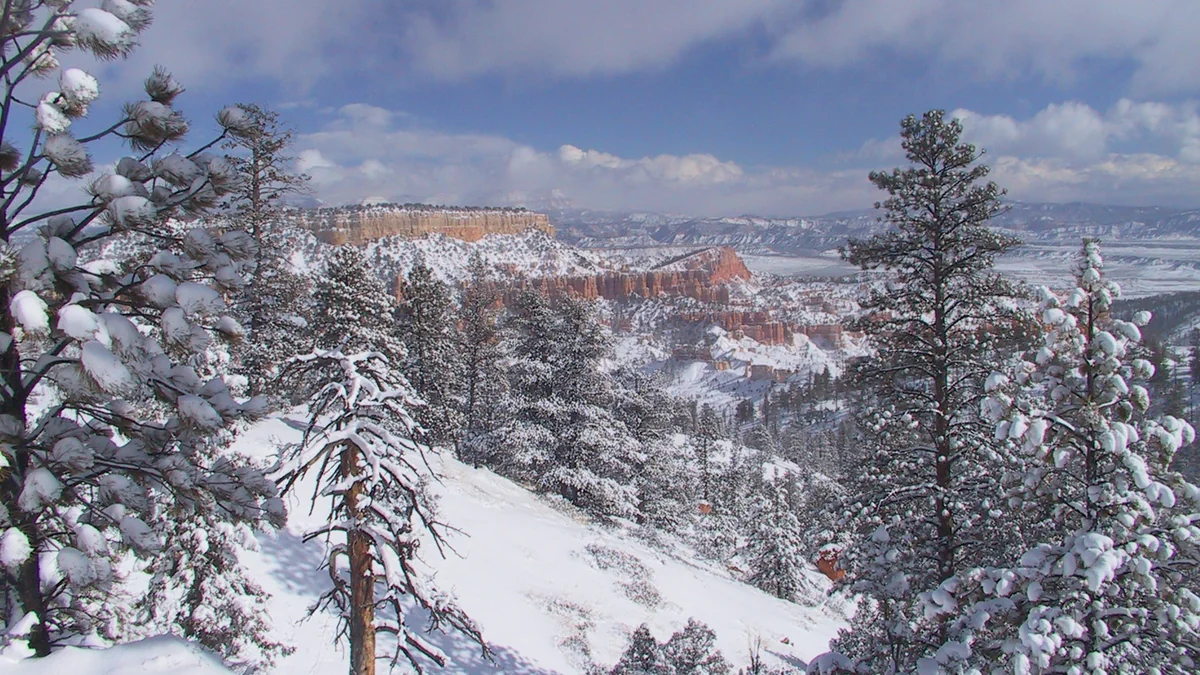
Featured photograph: Snow-covered trees and canyon formations at Bryce Canyon. NPS, public domain. Source and license record. Photos have been cropped and compressed for this guide; they illustrate landscapes and do not show live conditions.