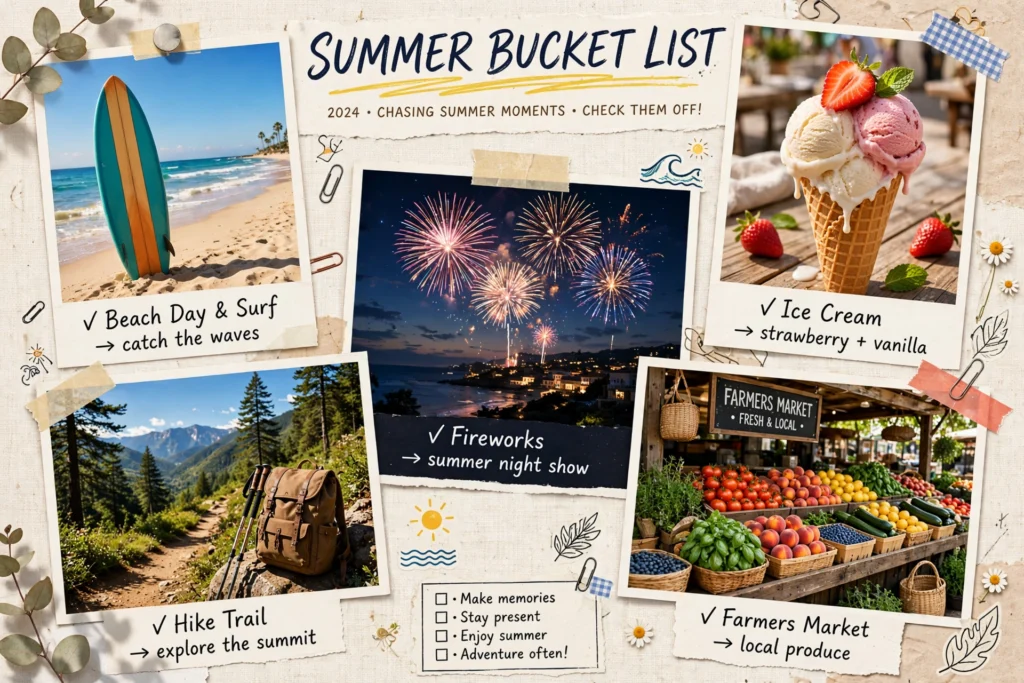
“We should hang out sometime” is where friendships go to fade — unless you have a solid list of fun things to do with friends ready to go. The difference between friendships that thrive and ones that quietly dissolve usually isn’t love — it’s logistics. Someone has to propose an actual plan, with an actual date, and make it easy to say yes.
This list of fun things to do with friends is your plan-generating machine: 65 ideas organized by vibe — chill and low-key, active and adventurous, creative, food-centered, and completely free. Whether it’s you plus one best friend or a whole group chat, whether the budget is zero dollars or a splurge night, there’s something here. At the end you’ll find group-size tips (because planning for 2 and planning for 10 are different sports) and a simple checklist that makes any plan actually happen. Flying solo instead? Our list of things to do when bored has 100+ ideas for one.
Chill & Low-Key Hangouts (1–15)
For when you want connection without an itinerary — the bread and butter of friendship.
- Backyard hang with snacks. No agenda, no activity — just chairs, drinks, and nowhere to be. Some of the best friendship hours ever logged happened exactly like this.
- Themed movie marathon. Pick a theme — 90s classics, bad horror, Studio Ghibli — and commit to two or three films. Themed marathons feel like events; random movies feel like killing time. Bad weather outside? Our things to do on a rainy day list has even more movie picks.
- Game night. Board games, card games, party games — rotate who picks. Cooperative games are great for mixed groups; cutthroat ones are great for old friends who can take it.
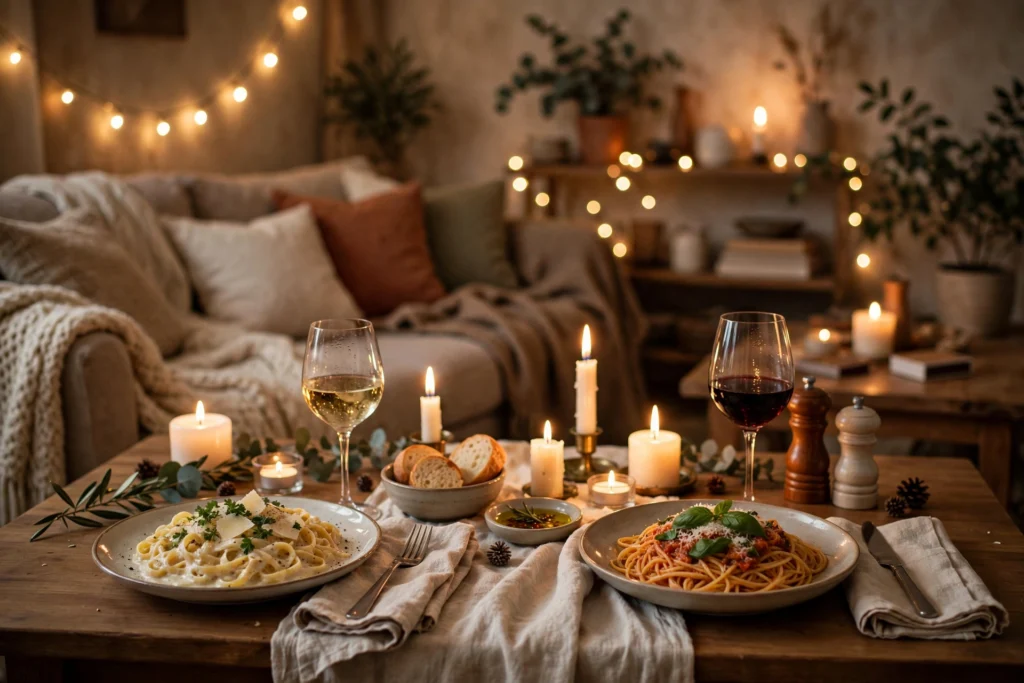
- Potluck dinner. Everyone brings one dish, host provides the space and drinks. You get a feast for the price of one recipe, and people love showing off their signature dish.
- Stargazing. Blankets, a dark spot, a free stargazing app. Conversation under stars goes deeper than conversation under ceiling lights — it’s science, probably.
- Coffee shop crawl. Hit three cafés in one afternoon, rate the lattes, declare a winner. It’s a tiny adventure that costs less than one restaurant meal.
- Low-pressure book club. Pick a short book, a great memoir, or even just long articles — the “assignment” matters less than the monthly excuse to gather and talk.
- Fire pit and s’mores. If someone has a backyard, this is the easiest great night ever: fire, sticks, chocolate, marshmallows. Conversation does the rest.
- At-home spa night. Face masks, foot soaks, hair treatments — the works. Way cheaper than a spa, way more fun with friends, and everyone leaves glowing.
- Thrift store challenge. Set a budget ($10–15), a time limit, and a theme (“ugliest lamp,” “best 90s find”). Meet up after to reveal hauls — the judging is the best part.
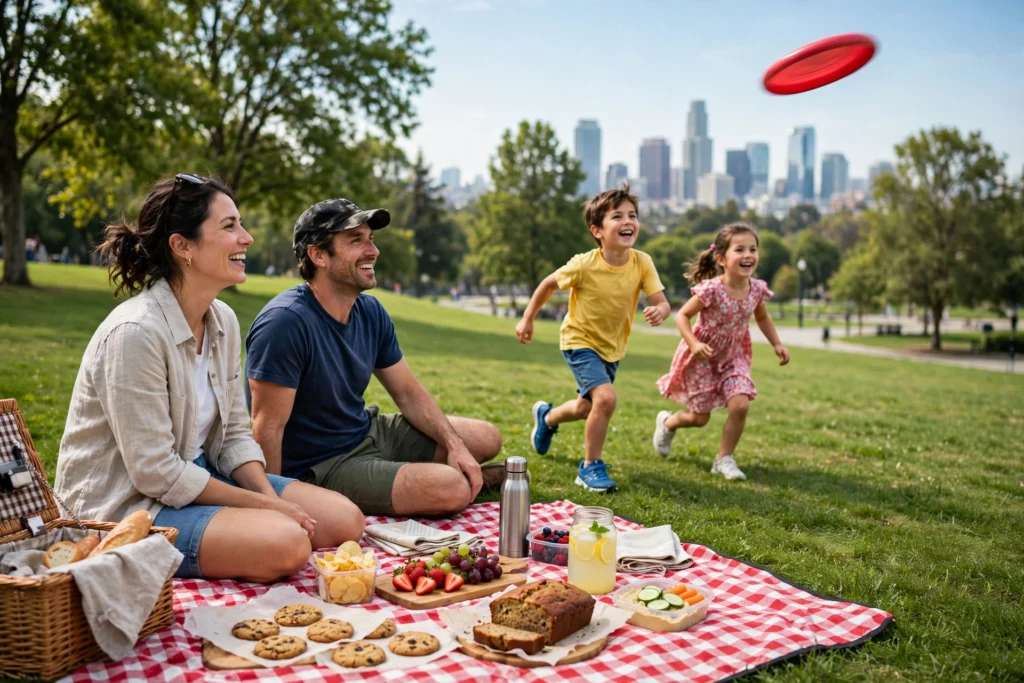
- Picnic in the park. Everyone brings something, someone brings a blanket and a speaker. Golden-hour picnics are elite-tier hangouts for almost zero dollars.
- Sunset watching. Pick a spot with a view — a hill, a rooftop, a beach — and just go watch the sky do its thing. Bring snacks; stay for the stars.
- Cook a meal together. Choose a recipe slightly above your collective skill level and figure it out as a team. The chaos is the fun; the meal is the trophy.
- At-home karaoke. A TV, a microphone app, and zero shame. Karaoke with friends isn’t about singing well — it’s about committing fully to the bit.
- Puzzle night. A 1,000-piece puzzle, some wine or tea, good conversation. It’s the rare activity where silence is comfortable and progress is visible.
Active & Adventurous (16–30)
For when sitting around sounds boring and you want a story to tell Monday.
- Hike a local trail. Search your area for beginner-friendly trails — most cities have great ones within 30 minutes. The National Park Service’s Hike Smart guide is a great primer for planning a safe outing. Bring water, snacks, and a friend who won’t complain about hills.
- Go for a group bike ride. Map a flat route with a fun destination (ice cream shop, viewpoint, brewery). Casual pace, no Lycra required.
- Try kayaking or paddleboarding. Rentals are widely available at lakes and calm rivers, and most places give beginners a 5-minute lesson. It’s easier than it looks and more fun than you’d expect.
- Mini golf. Delightfully unserious competition. Loser buys the ice cream — the stakes are low and the trash talk is elite.
- Bowling. Retro, affordable, and fun at any skill level thanks to bumpers. Cosmic bowling on weekend nights adds lights and music to the mix.
- Escape room. You have 60 minutes, a locked room, and your friends’ collective brainpower. It’s the ultimate friendship stress test — in the best way.
- Trampoline park. An hour of bouncing is a genuine workout disguised as pure joy. You’ll be sore tomorrow and you won’t care.
- Indoor rock climbing. Most gyms offer day passes with gear rental and a beginner orientation. It’s problem-solving with your whole body, and cheering friends on is half the fun.
- Beach or lake day. Pack the cooler, the sunscreen, the floaties. Assign one person to bring the shade tent and you’ll be heroes all day.
- Pickleball. The fastest-growing sport for a reason: easy to learn in 20 minutes, genuinely fun immediately, and courts are popping up in every park. Bring paddles or rent them.
- City scavenger hunt. Make a list (weird statue, best mural, a dog in a costume) and split into teams with a time limit. You’ll discover your own city and compete doing it.
- Amusement park day. Go on a weekday if you can — shorter lines change the entire experience. Set a ride quota and a snack budget upfront.
- Go-karting. Ten minutes of pure adrenaline and bragging rights that last for months. Book ahead on weekends; walk-ins can mean long waits.
- Weekend camping trip. Even one night at a nearby campground counts. Tents, campfire, no cell service — friendships deepen fast without screens.
- Take a dance class together. Salsa, swing, hip-hop basics — beginner classes expect total novices. Being bad at something together is a bonding superpower.
Creative Together (31–42)
For making things — and making memories out of the making.
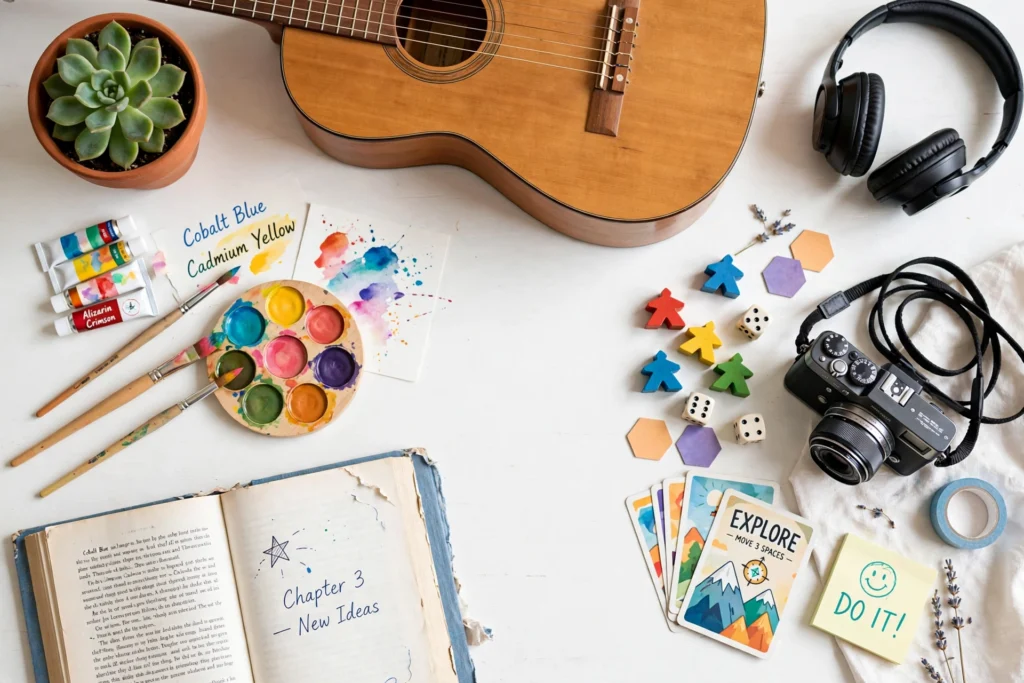
- Paint-and-sip night. Canvases, cheap acrylics, wine or mocktails, and a YouTube tutorial everyone follows loosely. Nobody’s making a masterpiece; everybody’s having a blast.
- Pottery class. Beginner wheel-throwing or hand-building classes run everywhere now. You’ll all make lopsided bowls and treasure them forever.
- DIY craft night. Pick one project — candle making, friendship bracelets, tie-dye — buy supplies in bulk, and craft together. Everyone leaves with something they made.
- Group cooking challenge. Draw cuisines from a hat, set a time limit, and judge the results like a cooking show. Friendly sabotage (hiding the salt) is encouraged.
- Start a band for a night. Borrow instruments, use a karaoke mic, bang on pots — record one “song.” The recording becomes a legendary artifact.
- Photography walk. Everyone brings a phone or camera, pick a neighborhood, and give yourselves a theme. Compare shots over coffee after — you’ll be amazed how differently everyone sees.
- Make candles or soap. Kits are affordable and the process is genuinely interesting — plus everyone takes home custom-scented gifts they actually made.
- Tie-dye party. White shirts, dye kits, rubber bands, and a backyard or garage. It’s messy, colorful, and weirdly therapeutic.
- Write a group story. One person writes a paragraph, passes it on, next person continues — no planning allowed. Read the chaotic masterpiece aloud at the end.
- Film a silly short movie. Phones are good enough. Pick a genre, assign roles, shoot in an afternoon. Premiere it with popcorn that night.
- Vision board party. Magazines, poster boards, glue sticks — everyone builds a board for the year ahead. It’s introspective and social at the same time, and the conversations go deep.
- Build something together. A birdhouse, a bookshelf, a garden bed — pick a beginner woodworking or DIY project. Shared labor builds a different kind of closeness.
Food-Centered Fun (43–54)
Because half of all great friend plans are really just excuses to eat together.
- Progressive dinner. Each course at a different person’s home — appetizers at one place, mains at another, dessert at a third. It turns an ordinary dinner into a traveling event.
- Taco bar night. Everyone brings one filling or topping; host handles tortillas and drinks. Infinite combinations, minimal cooking, maximum crowd-pleasing.
- Brunch potluck. The best meal of the day, shared. Assign categories (someone brings egg dish, someone brings pastries) so you don’t end up with six quiches.
- Food truck crawl. Find where the trucks gather in your city and graze your way through. Everyone buys their own, everyone shares bites — it’s a tasting menu without the reservation.
- Bake-off competition. Same recipe for everyone, blind judging, a silly trophy for the winner. The rivalry is friendly; the sugar high is real.
- Tasting night. Wine, cheese, chocolate, hot sauce, or fancy sodas — pick a theme, everyone brings one to share, rate them all. (Do a mocktail version for delicious alcohol-free fun.)
- Restaurant week outing. Many cities run restaurant weeks with prix-fixe deals — it’s the cheapest way to try the fancy place everyone’s been eyeing.
- Farmers market + cook what you bought. Shop the market together in the morning, then cook lunch from the haul. Seasonal, local, and the meal tastes like teamwork.
- Fondue night. Cheese fondue, chocolate fondue, or both. Melty food is inherently social — everyone gathered around one pot, dipping and talking.
- Dumpling-making party. Folding dumplings is easy to learn and weirdly addictive; an assembly line of friends can crank out hundreds. Freeze the extras for future you.
- Ice cream sundae bar. Buy three flavors and go wild on toppings. It’s a birthday party for no reason, and adults need those too.
- Try a cuisine none of you have had. Ethiopian, Peruvian, Filipino, Georgian — pick a restaurant serving something unfamiliar to the whole group and order adventurously. Shared discovery is delicious.
Completely Free (55–65)
Great friendship doesn’t require spending — these cost nothing but time.
- Park hang. Blanket, speaker, snacks from home. The classic for a reason — parks are free venues with great lighting.
- Free community events. Outdoor concerts, art walks, festivals, library events — check your city’s events calendar. There’s almost always something free this weekend.
- Volunteer together. Park cleanups, food banks, animal shelters — helping together creates a shared sense of purpose that pure fun can’t match.
- Hike a free trail. Nature doesn’t charge admission. Pick a trailhead, pack water and snacks, and go.
- Library events. Author talks, game nights, craft workshops, free classes — modern libraries are community centers in disguise.
- Backyard Olympics. Sack races, water balloon toss, three-legged race, cornhole tournament. Dollar-store supplies, priceless memories.
- Sunset picnic (BYO-everything). Everyone brings their own food and drink; the sunset provides the entertainment. Zero coordination needed beyond the location.
- Open mic night (as the audience). Free, often hilarious, sometimes genuinely moving. Cheer loudly — performers remember kind audiences.
- Window shopping + people watching. Wander an interesting district with no buying allowed. The constraint makes it a game instead of a temptation.
- Free outdoor movie nights. Parks departments run these all summer — bring blankets and arrive early for good spots.
- Skill-swap session. Everyone teaches the group one 20-minute skill — juggling, a card trick, basic origami, a phrase in another language. You’ll all leave knowing five new things.
Group-Size Tips: Planning for 2 vs. 5 vs. 10
The right plan depends heavily on headcount — here’s how to think about it.
The duo (2 people). This is the easiest and most flexible — you can do almost anything spontaneously. Lean into activities that need deep conversation or coordination: hikes, cooking challenges, day trips, trying a new cuisine. The only rule: actually put it on the calendar, because duos are the easiest plans to let slide.
The small crew (3–5 people). The sweet spot for most activities — big enough for energy, small enough to coordinate. Game nights, potlucks, escape rooms, and hikes all shine here. Use a group chat, propose two date options, and go with the majority. One person should own the plan to avoid “so what are we doing?” paralysis.
The big group (6+ people). Coordination is the whole game now. Choose activities that absorb extra people gracefully: backyard hangs, park picnics, restaurant outings, volunteer events. Avoid anything needing reservations for the exact headcount or precise timing — build in buffer. Split costs with an app from the start, and always have a rain plan. Pro tip: big groups work best with a “core plan plus optional pre/post” structure so early birds and latecomers both fit.
The Friend-Plan Checklist: Make It Actually Happen
Ideas are cheap; executed plans are everything. Run through this list and your hangout will survive contact with reality.
- Pick a date 2+ weeks out. Busy adults need lead time. Propose two or three specific dates, not “sometime soon.”
- One person owns the plan. Democracy is great; design-by-committee group chats are where plans die. One organizer, everyone else just shows up.
- Set the budget upfront. “Free hang,” “under $20 each,” or “splurge night” — naming it prevents awkwardness and no-shows.
- Confirm headcount 48 hours before. A quick “still on for Saturday?” message catches cancellations while there’s time to adjust reservations.
- Share the practical details. Address, parking, what to bring, what to wear — put it all in one message so nobody has to ask.
- Have a weather backup. If any part is outdoors, name the rain plan in advance. “Park, or my living room if it rains” takes ten seconds and saves the day.
- Split costs cleanly. Use a money-splitting app the same night, not “later.” Later never comes.
- End by planning the next one. Before everyone leaves, float one date for next time. Momentum is everything in adult friendship.
Frequently Asked Questions
What can two friends do for fun?
Duos have the most flexibility — try a hike, a cooking challenge, a coffee shop crawl, a day trip to a nearby town, or a cuisine neither of you has tried. The best duo activities involve either deep conversation (walks, long meals) or shared novelty (classes, new experiences).
What are fun things to do with friends at home?
Game nights, potlucks, movie marathons, karaoke, puzzle nights, at-home spa nights, and cooking challenges are all home-friendly classics. The key to a great at-home hangout is one anchor activity plus good snacks — structure prevents the “so… now what?” lull.
What should a large group of friends do together?
Pick activities that scale: backyard hangs, park picnics, restaurant outings, volunteer events, trivia nights, or amusement parks. Avoid plans that need exact headcounts or precise timing. One organizer, a group chat, a named budget, and a weather backup are the four things that make big-group plans work.
How do I make plans with busy friends?
Propose specific dates 2+ weeks out (not “sometime”), keep the plan simple, name the budget, and make saying yes easy — one message with date, place, and what to bring. Recurring plans (“first Friday game night”) beat one-off invitations because they remove the scheduling negotiation entirely.
What are cheap or free things to do with friends?
Park hangs, hikes, sunset picnics, free community events, library events, backyard Olympics, skill swaps, and open mic nights all cost nothing. Potlucks and BYO picnics keep food-centered hangs nearly free too. The whole #55–65 section above is built for zero-budget friendship.
What should friends do on a weekend?
Mix one anchor plan with downtime: a Saturday hike or day trip plus a low-key evening hang, or a Sunday brunch potluck that stretches into a game afternoon. Weekends work best with one planned thing and one spontaneous thing — over-scheduling kills the relaxed vibe.
How do I meet new friends as an adult?
Join things with built-in repetition: a class, a club, a volunteer shift, a recreational sports league. One-off events rarely create friendships; seeing the same people weekly does. Be the person who suggests the post-activity coffee — most adult friendships start with someone being slightly brave. Research on social connection consistently shows that regular, low-pressure contact is what turns acquaintances into friends.