

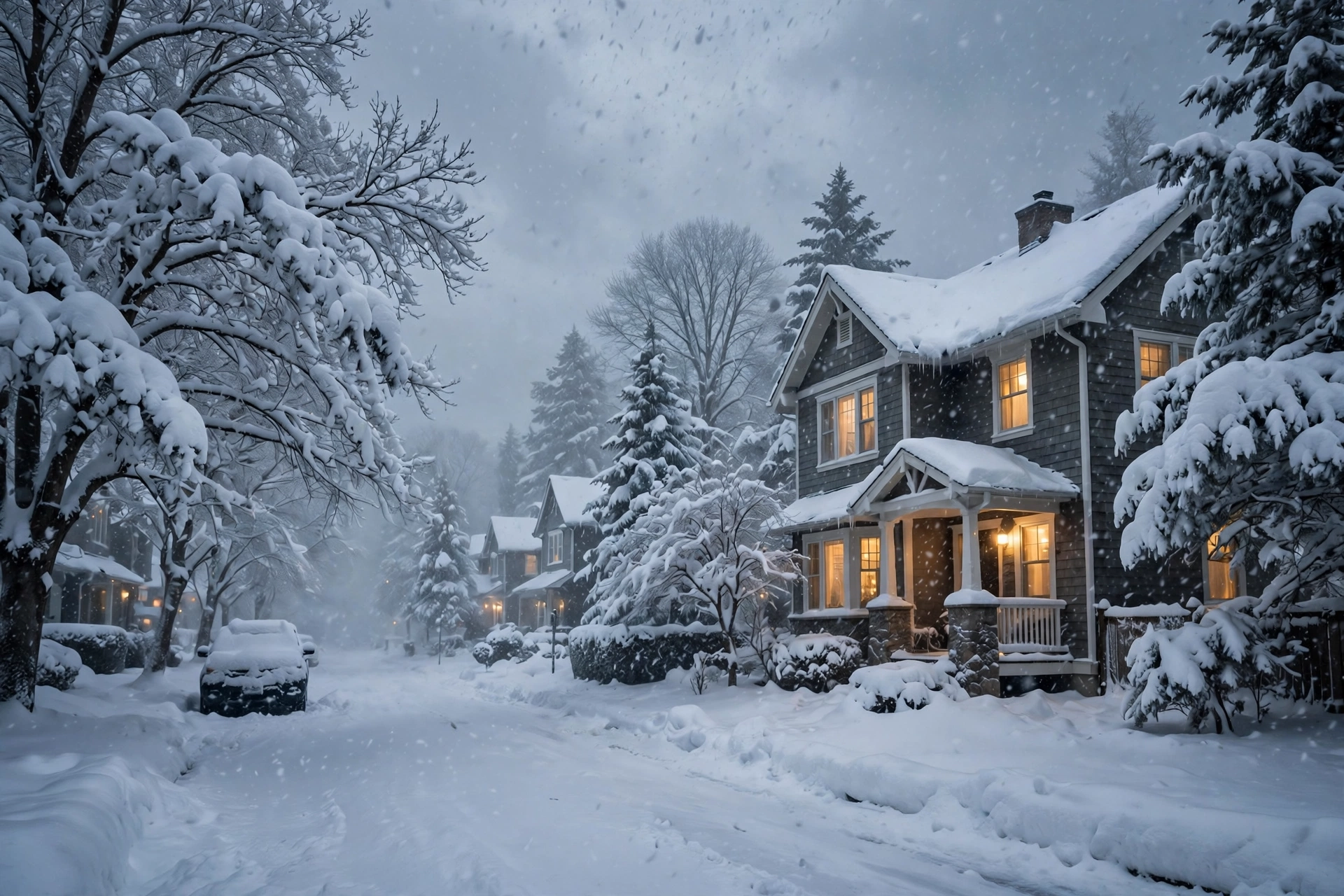
When a major winter storm barrels toward your town, the difference between a cozy few days at home and a genuine emergency comes down to what you did before the first flake fell. This Winter Storm Preparedness guide covers the full playbook: understanding winter weather alerts, stocking your home and car, preventing frozen pipes and heating emergencies, staying safe during power outages, and driving — or wisely choosing not to — on ice and snow. Winter storms disrupt power, transportation, and supply chains for days at a time, but every item on this list is simple, affordable, and doable this weekend.
Understanding Winter Weather Alerts
The National Weather Service issues several types of winter alerts, and knowing which is which tells you how urgently to act:
| Alert | What It Means | Your Move |
|---|---|---|
| Winter Storm Watch | Significant winter weather possible in the next 1–2 days | Review your plan, stock supplies, fuel vehicles |
| Winter Storm Warning | Dangerous winter weather expected within 36 hours | Finish preparations, avoid travel, charge devices |
| Ice Storm Warning | Significant ice accumulation expected — the most destructive winter alert | Prepare for multi-day outages; charge everything |
| Blizzard Warning | Sustained winds 35+ mph with heavy snow and near-zero visibility for 3+ hours | Do not travel; shelter in place |
| Wind Chill Warning | Dangerously cold air that can cause frostbite in minutes | Limit all outdoor exposure; check on vulnerable neighbors |
| Freeze Warning | Temperatures expected near or below freezing | Protect pipes, plants, and pets |
Ice deserves special respect. A quarter inch of ice adds hundreds of pounds to power lines and tree limbs, snapping them across entire regions. Ice storms cause the longest outages of any winter event — plan for days, not hours, without power.
Stocking Your Home: The Winter Supply List
Aim for self-sufficiency for at least 72 hours — a week is better in rural areas where plowing and restoration take longer.
Heat and light
- Flashlights, battery lanterns, and headlamps with extra batteries (avoid candles as a primary light source — they cause fires during outages)
- Warm blankets, sleeping bags rated for cold, and layered clothing — plan to heat people, not rooms, if the furnace fails
- A safe alternative heat source if appropriate: a properly vented fireplace or wood stove, with a carbon monoxide detector on every floor (non-negotiable with any combustion heating)
Food and water
- Three to seven days of food requiring no refrigeration or cooking: canned goods, peanut butter, crackers, dried fruit, granola bars, instant coffee
- One gallon of water per person per day — pipes can freeze, and municipal systems can fail
- A manual can opener, paper plates, and hand sanitizer (doing dishes without hot running water is miserable)
- Baby formula, pet food, and any special dietary supplies
Power and communication
- Portable phone chargers kept fully charged; a car charger as backup
- Battery-powered or hand-crank weather radio — the most reliable way to get warnings when the grid and cell networks fail
- A list of emergency numbers on paper, not just in your phone
Health and safety
- Seven-day supply of prescription medications — refill before the storm, not during
- First aid kit, thermometer, and basic cold/flu supplies
- Rock salt or ice melt, a snow shovel, and a roof rake if you get heavy snow
- Fire extinguisher — check the gauge annually
Preventing Frozen Pipes
Burst pipes are the most common and expensive winter storm damage in American homes. Pipes freeze when temperatures drop into the low twenties or below, especially in exterior walls, crawl spaces, attics, and garages. Prevention is straightforward:
- Insulate exposed pipes in unheated areas with foam sleeves — a few dollars per pipe at any hardware store.
- Let faucets drip during extreme cold: a slow drip on both hot and cold lines relieves pressure, which is what actually bursts pipes.
- Open cabinet doors under sinks on exterior walls so warm air reaches the pipes.
- Keep the thermostat steady day and night during cold snaps — the few dollars of extra heating cost far less than a burst pipe. Never set it below 55°F if you leave.
- Seal air leaks where cold air enters near pipes: dryer vents, gaps around wiring, and foundation cracks.
- Know where your main water shutoff is — and make sure everyone in the house knows too. If a pipe bursts, shutting off water in the first minutes saves thousands.
If pipes do freeze, keep the faucet open and apply gentle heat with a hair dryer or warm towels — never an open flame. If you cannot locate or thaw the frozen section, call a plumber before it bursts.
Heating Safety During Outages
Heating emergencies kill every winter, and almost all of them are preventable. The rules are absolute:
- Never use a gas stove, oven, or grill for heat. They produce carbon monoxide, which is odorless and lethal. Every winter, families die this way.
- Generators go outside only — at least 20 feet from the house, exhaust pointed away. Never in a garage, even with the door open.
- Space heaters need space: three feet of clearance from anything flammable, plugged directly into the wall (never an extension cord or power strip), and turned off when you leave the room or sleep.
- Fireplaces and wood stoves must be properly vented with the flue open; have chimneys inspected and cleaned annually to prevent creosote fires.
- Install and test carbon monoxide detectors on every floor, especially near sleeping areas. Replace them according to the manufacturer’s schedule — sensors degrade over time.
Know the symptoms of carbon monoxide poisoning: headache, dizziness, weakness, nausea, confusion. If several people feel sick at once, get outside immediately and call emergency services. Do not re-enter until professionals clear the home.
Winterizing Your Car
Your vehicle needs its own storm kit, because breakdowns in extreme cold become emergencies fast. Keep in the trunk all winter:
- Blankets or sleeping bags, warm hats, gloves, and extra socks
- Flashlight with extra batteries, plus a reflective vest or triangles
- Bag of sand or cat litter (for traction), a small shovel, and an ice scraper
- Jumper cables or a portable jump starter
- Snacks, water bottles (leave headroom for freezing expansion), and a phone charger
- A bright cloth to tie to the antenna if stranded
Maintenance matters too: check antifreeze levels, battery health (cold kills weak batteries), tire tread and pressure (pressure drops about 1 psi per 10°F), and keep the gas tank at least half full — it prevents fuel-line freeze and gives you hours of emergency heat if stranded. Consider winter tires if your region gets sustained snow; all-seasons are a compromise that shows its limits on ice.
If you get stranded
Stay with the vehicle — it is your shelter and it is far easier for rescuers to find than a person on foot. Run the engine for heat about 10–15 minutes per hour, cracking a downwind window slightly for ventilation, and make sure the tailpipe stays clear of snow to prevent carbon monoxide buildup. Tie the bright cloth to the antenna, turn on hazard lights, and conserve your phone battery. Do not try to walk out in a blizzard; whiteout conditions make even short distances deadly.
Driving on Snow and Ice — or Deciding Not To
The safest winter driving decision is often not driving at all. If officials urge people to stay off roads, listen — most winter storm deaths involve vehicles. When you must drive:
- Slow down and increase following distance dramatically — stopping distances on ice can be ten times longer than on dry pavement.
- Brake gently. With anti-lock brakes, press firmly and steadily; without them, pump gently. Never slam the brakes on ice.
- Steer into a skid: if the rear slides, turn the wheel in the direction the rear is going, ease off the gas, and do not brake hard.
- Bridges freeze first. Slow down before overpasses and shaded curves, where black ice hides.
- Give plows room. Stay well behind snowplows — the road behind them is the safest road available, and passing is dangerous.
- Assume four-wheel drive helps you go, not stop. AWD does nothing for braking on ice. Overconfidence in SUVs causes a disproportionate share of winter crashes.
Protecting People: The Human Side of Winter Storms
Check on vulnerable neighbors
Elderly neighbors, people living alone, and those with medical equipment dependent on power are at highest risk. Before the storm, exchange phone numbers and agree on check-in times. During an outage, a knock on the door can literally save a life. If someone uses electrically powered medical equipment, help them register with the county’s special-needs program before winter — and have a backup power plan.
Dress for the cold in layers
Frostbite can strike exposed skin in under 30 minutes in severe wind chill, and hypothermia begins when the body loses heat faster than it produces it. Wear a moisture-wicking base layer, insulating middle layers, and a windproof outer shell; cover head, neck, and hands; and change out of wet clothing immediately — wet fabric drains body heat many times faster than dry. Watch for the “umbles” of hypothermia: stumbles, mumbles, fumbles, grumbles. Shivering that stops in extreme cold is a red-alert emergency sign.
Do not overexert
Shoveling heavy snow is a notorious trigger for heart attacks, especially in people unaccustomed to vigorous exercise. Take frequent breaks, push rather than lift, stay hydrated, and stop at any chest pain, shortness of breath, or unusual fatigue. Hiring a neighborhood teen to help is not laziness — it is risk management.
Pets and livestock
Bring pets indoors during extreme cold. If they must go out, limit time, wipe paws free of salt and ice-melt chemicals, and watch for shivering or lifting paws — signs it is too cold. Ensure outdoor animals have unfrozen water (heated bowls help) and windproof shelter with dry bedding.
After the Storm: Recovery Steps
- Clear snow safely: shovel in shifts, use a roof rake for heavy accumulation before ice dams form, and keep fire hydrants, vents, and meters clear.
- Watch for ice dams: ridges of ice at roof edges that trap meltwater and force it under shingles. Proper attic insulation and ventilation prevent them; a roof rake manages them.
- Restock what you used immediately — the next storm does not wait for your convenience.
- Document any damage with photos before repairs, for insurance.
- Check on neighbors again — the day after is when exhaustion and delayed problems surface.
Winter preparedness is also great practice for household readiness in general — and once your home is storm-ready, you might enjoy getting out to experience your community in the snow. Our guide to free family events includes plenty of winter-friendly outings, and scenic road trip routes are magical in the quiet weeks after a storm passes.
Frequently Asked Questions
How much food and water should I store for a winter storm?
Plan for at least 72 hours of self-sufficiency: one gallon of water per person per day, plus three to seven days of non-perishable food. In rural areas or regions prone to multi-day ice-storm outages, stock for a full week.
How do I keep pipes from freezing during a winter storm?
Insulate exposed pipes, let faucets drip during extreme cold, open cabinet doors under sinks on exterior walls, keep the thermostat steady (never below 55°F), and know where your main water shutoff is. The drip relieves pressure — which is what actually bursts pipes.
Is it safe to use a generator during a winter power outage?
Only outdoors, at least 20 feet from your home, with exhaust directed away from windows and doors. Never run a generator in a garage, basement, or near open windows. Carbon monoxide is odorless and can kill within minutes.
Should I drive during a winter storm warning?
Avoid it if possible — most winter storm injuries and deaths involve vehicles. If you must drive, slow down, multiply your following distance, brake gently, and remember that bridges freeze first. Keep an emergency kit in the car all winter.
What is the difference between a winter storm watch and warning?
A watch means significant winter weather is possible in the next day or two — prepare. A warning means it is expected or occurring — act now and avoid travel. An ice storm warning deserves particular respect, since ice causes the longest power outages.
How can I help neighbors during a winter storm?
Exchange phone numbers before the storm, agree on check-in times, and knock on doors during outages — especially for elderly neighbors and those with medical equipment. Offer to share supplies, help with shoveling, and make sure everyone has a warm place to go if their heat fails.
Preparing Your Home Before Winter Arrives
The best winter storm preparation happens in autumn, when contractors are available and supplies are cheap. Work through this checklist once a year:
- Service your heating system. Have the furnace or boiler professionally inspected and serviced in the fall — a breakdown during a blizzard is the worst possible timing. Replace filters, test the thermostat, and confirm carbon monoxide detectors work.
- Seal and insulate. Weatherstrip doors and windows, caulk gaps, and add insulation to attics and crawl spaces. Sealing air leaks is among the cheapest ways to cut heating bills and keep pipes warmer.
- Clean gutters and downspouts so meltwater drains instead of freezing into ice dams at the roof edge.
- Trim tree limbs hanging over the house, driveway, or power lines — ice-laden branches are a leading cause of winter outages and roof damage.
- Know your roof’s snow load. Most modern roofs handle typical snowfall, but successive storms without melting can pile dangerous weight. A roof rake lets you safely pull snow down from the ground.
- Locate your water shutoff, electrical panel, and gas shutoff — label them, and show every household member. In an emergency, seconds matter.
- Stock up early. Buy rock salt, batteries, and non-perishable food in October, not the day the warning is issued. Prices spike and shelves empty when everyone prepares at once.
Winter Storm Myths Worth Dropping
- “Alcohol warms you up.” It feels warming because it dilates blood vessels near the skin — which actually accelerates heat loss from your core. In extreme cold, alcohol increases hypothermia risk.
- “You lose most body heat through your head.” You lose heat from any exposed skin roughly in proportion to its area. A hat matters because your head is often the only uncovered part — not because of special heat-loss physics. Cover everything.
- “Four-wheel drive makes winter driving safe.” AWD helps you accelerate, not stop or turn on ice. The most dangerous winter drivers are overconfident ones in capable vehicles.
- “Pipes only freeze in old houses.” Any pipe in an unheated or poorly insulated space can freeze — including in new construction with plumbing in exterior walls or attics.
- “It’s just snow — how bad can it be?” Snow’s danger is rarely the snow itself; it is the power outages, the ice underneath, the stranded drivers, and the medical emergencies responders cannot reach. Respect the full chain of consequences.
Winter rewards the prepared and punishes the complacent — but preparation itself is simple. Work through this guide one section at a time, and when the next storm warning sounds, you will face it with a stocked pantry, a warm home, and genuine peace of mind.


