What Is Labor Day? At its core, Labor Day is the American federal holiday that honors the workers whose labor built the nation — from factory floors and construction sites to offices, hospitals, and classrooms. Celebrated every year on the first Monday of September, Labor Day 2027 falls on Monday, September 6, 2027, giving most Americans a three-day weekend that doubles as summer’s unofficial farewell. But behind the cookouts, parades, and back-to-school sales lies a story of 19th-century labor strife, one of the bloodiest strikes in U.S. history, and a holiday that almost didn’t become law. This ultimate guide covers everything: the true meaning of the holiday, how it became federal law in 1894, how Americans celebrate it today, and how to make the most of the 2027 long weekend.
The Short Answer: What Labor Day Means
Labor Day is a United States federal holiday dedicated to the social and economic achievements of American workers. According to the U.S. Department of Labor, the holiday “constitutes a yearly national tribute to the contributions workers have made to the strength, prosperity, and well-being of our country.” In practical terms, it is a paid day off for most federal, state, and local government employees, for banks and the post office, and for millions of private-sector workers. Schools, government offices, and the U.S. Postal Service close, while most retail stores stay open — often with some of the year’s biggest sales.
More than a day off, Labor Day marks a cultural pivot point in American life. It is widely considered the unofficial end of summer: the last three-day weekend before school routines fully settle in, the final big grilling weekend of the season, and the traditional deadline for wearing white (a fashion “rule” with murky origins that many Americans now cheerfully ignore). Retailers treat it as the launch of the fall shopping season, with back-to-school sales giving way to early autumn promotions.
The holiday is always observed on the first Monday of September. Labor Day 2027 lands on Monday, September 6, 2027. In 2026, it fell on September 7 — that date has passed, so all eyes are on 2027 for the next celebration.
The History of Labor Day: From Parade to Federal Law
The origins of Labor Day trace back to the labor movement of the late 1800s, an era when the average American worked 12-hour days, seven days a week, often in unsafe conditions — including children as young as five or six working in mills, mines, and factories. Workers began organizing into unions to push for shorter hours, safer workplaces, and fair wages, and those unions wanted a day to celebrate their cause.
The First Labor Day Parade (1882)
On Tuesday, September 5, 1882, some 10,000 workers took unpaid time off and marched from City Hall to Union Square in New York City, in what is widely considered the first Labor Day parade. The march was organized by the Central Labor Union, and participants carried banners declaring “Labor Built This Republic” and similar slogans. There were picnics, speeches, and fireworks afterward — traditions that would echo through more than a century of celebrations.
Who first proposed the holiday remains a subject of historical debate. Two men are most often credited: Peter J. McGuire, a carpenter and co-founder of the American Federation of Labor, and Matthew Maguire, a machinist and later secretary of the Central Labor Union. Both claimed to have suggested a holiday honoring workers in 1882. The Department of Labor has never officially settled the question, so both names appear in most histories of the day.
Oregon Goes First (1887)
The idea spread quickly. By 1885 and 1886, a growing number of cities and industrial centers were holding their own labor celebrations each September. In 1887, Oregon became the first state to make Labor Day an official public holiday. Colorado, Massachusetts, New Jersey, and New York followed suit the same year. By 1894, more than 20 states had adopted the holiday — but it still wasn’t federal law.
The Pullman Strike Changes Everything (1894)
The turning point came in the spring and summer of 1894, during one of the most dramatic labor conflicts in American history: the Pullman Strike. Workers at the Pullman Palace Car Company in Chicago walked out after the company slashed wages while refusing to lower rents in the company town where most employees lived. The strike spread nationwide as members of the American Railway Union, led by Eugene V. Debs, refused to handle Pullman cars, effectively paralyzing rail traffic across much of the country.
President Grover Cleveland sent federal troops to break the strike, and violence erupted in Chicago. More than a dozen workers were killed in clashes with federal troops and U.S. Marshals. The strike was crushed, and Debs was imprisoned — but the public relations disaster for the federal government was enormous. Cleveland, facing a tough reelection climate and desperate to make amends with the labor movement, rushed to sign legislation making Labor Day a federal holiday. Congress passed the bill unanimously, and Cleveland signed it into law on June 28, 1894 — just six days after the strike ended.
The speed was remarkable: the bill moved through Congress in a matter of days, and the signing came only weeks after federal troops had fired on workers in Chicago. The holiday was, in effect, a peace offering from a government that had just used force against the labor movement.
| Year | Milestone | Why It Matters |
|---|---|---|
| 1882 | First Labor Day parade in New York City | 10,000 workers march from City Hall to Union Square; the template for future celebrations |
| 1885–1886 | Labor celebrations spread nationwide | Industrial centers adopt September labor observances |
| 1887 | Oregon makes Labor Day a state holiday | First state-level recognition; Colorado, Massachusetts, New Jersey, New York follow |
| 1894 | Pullman Strike; Labor Day becomes a federal holiday | President Grover Cleveland signs the law on June 28, 1894, after the strike’s violent end |
| 1909 | Labor Sunday established | The Sunday before Labor Day is dedicated to the spiritual and educational aspects of the labor movement |
| 1938 | Fair Labor Standards Act | Establishes the 40-hour workweek, minimum wage, and child labor protections the early movement fought for |
| 2027 | Next Labor Day: Monday, September 6, 2027 | The upcoming three-day weekend and unofficial end of summer 2027 |
What Labor Day Means Today
More than 130 years after the first parade, Labor Day’s original meaning — a celebration of organized labor — shares the spotlight with broader cultural significance. Union membership has declined from its mid-20th-century peak, but the holiday has evolved into something larger: a national day off that celebrates work itself, and a milestone that structures the American calendar.
A Tribute to Workers
The Department of Labor still describes the day as a tribute to “the contributions workers have made to the strength, prosperity, and well-being of our country.” Labor unions continue to hold rallies and speeches on the holiday, and the AFL-CIO — the largest federation of unions in the U.S. — uses the weekend to highlight labor issues. In recent years, with renewed attention to wages, working conditions, and organizing efforts in industries from coffee shops to warehouses, the holiday’s original message has found new resonance.
The Unofficial End of Summer
For most Americans, Labor Day weekend functions as summer’s closing ceremony. It is the last long weekend of the warm season: pools close, summer camps end, and many families take one final trip before school routines take over completely. The weekend anchors a uniquely American rhythm — Memorial Day opens summer in late May, and Labor Day closes it in early September. The contrast between the two bookend holidays is worth understanding, and our Labor Day vs Memorial Day comparison breaks down how they differ in history, meaning, and tradition.
Back to School and Fall’s Arrival
Labor Day also marks the traditional start of the school year in much of the country. While many districts now begin in August, the “after Labor Day” start remains common in the Northeast and Midwest, and the weekend is the symbolic end of summer break. College football season kicks off around the holiday, the NFL season begins the following week, and television networks launch their fall schedules — cultural signals that summer is over and the routines of fall have begun.
How Americans Celebrate Labor Day
Labor Day celebrations blend civic tradition with backyard leisure. Here are the customs that define the weekend:
- Parades: Labor Day parades remain a signature tradition, particularly in cities with strong union histories. The New York City Labor Day Parade is one of the largest in the country, and our Best Labor Day Events 2027 roundup covers the biggest parades and festivals happening September 4–6, 2027.
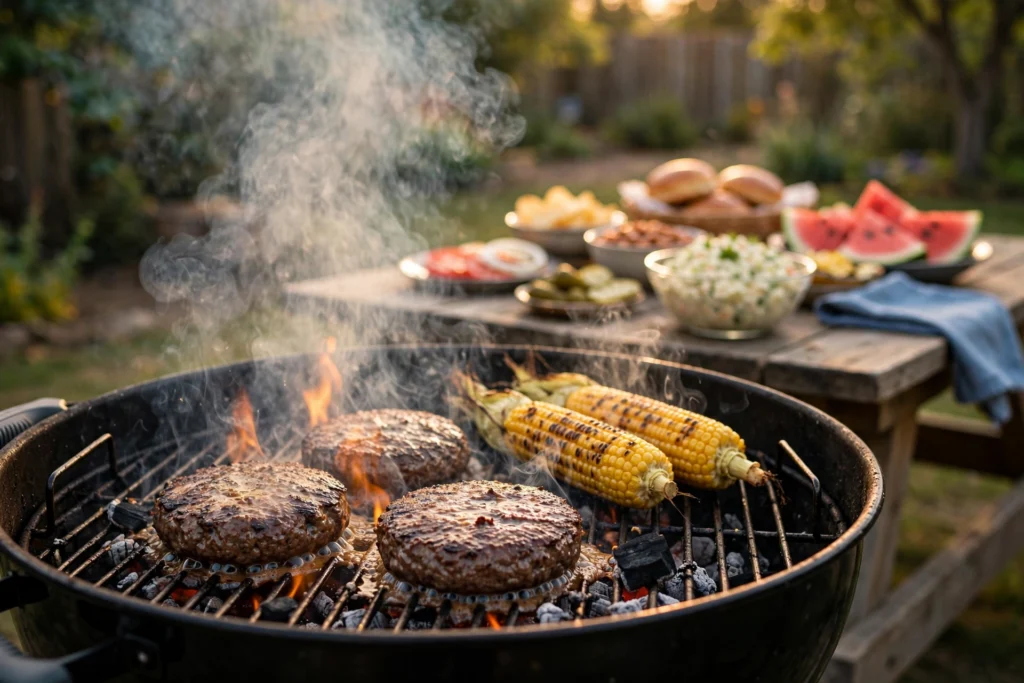
- Cookouts and barbecues: Grilling is practically the official sport of the holiday. Burgers, hot dogs, ribs, and corn on the cob dominate backyard menus, and our Labor Day BBQ Ideas guide has 25+ recipes and menus for the ultimate end-of-summer cookout.
- Last summer trips: The three-day weekend is one of the year’s most popular travel windows. Beach towns, lake houses, and national parks fill up fast — see our Labor Day Weekend Getaways 2027 for 15 escape ideas, and our Labor Day Travel Deals 2027 for tips on booking cheaper flights and hotels.
- Shopping the sales: Retailers run some of the year’s deepest discounts on mattresses, appliances, grills, and patio furniture. Our Labor Day Sales 2027 guide explains what to buy, when sales start, and how to separate real deals from marketing.
- Parties and gatherings: From pool parties to block parties, the weekend is prime time for hosting. Our Labor Day Party Ideas covers themes, games, decor, and menus.
Wondering what will actually be open while you’re celebrating? Our What’s Open and Closed on Labor Day 2027 guide covers stores, banks, mail delivery, and restaurants for Monday, September 6, 2027. And if you’re curious about how other fall holidays handle the open-or-closed question, check our What’s Open on Columbus Day guide — Columbus Day follows just five weeks later.
Labor Day 2027 and Beyond: Future Dates
Labor Day always falls on the first Monday of September, so the date shifts between September 1 and September 7 each year. Here are the upcoming dates to know:
- Labor Day 2026: Monday, September 7, 2026 — already passed
- Labor Day 2027: Monday, September 6, 2027 — the next celebration
- Labor Day 2028: Monday, September 4, 2028
- Labor Day 2029: Monday, September 3, 2029
- Labor Day 2030: Monday, September 2, 2030
For the full breakdown of the 2027 date plus planning advice, see our dedicated guide: When Is Labor Day 2027. If you’re mapping out the whole year’s calendar, our Holidays hub and When Is Father’s Day 2027 guide have you covered.
Labor Day vs. International Workers’ Day
One common point of confusion: most of the world celebrates workers on May 1, known as International Workers’ Day or May Day, while the United States and Canada observe Labor Day in September. The split has historical roots. The Haymarket affair of 1886 in Chicago — a rally for the eight-hour workday that turned violent — inspired the international May 1 observance, and the date became associated with socialist and communist movements worldwide.
American labor leaders deliberately chose September partly to distance the holiday from those associations and partly because September’s weather was considered ideal for the parades and outdoor celebrations the holiday was built around. Canada adopted the same September date, and both countries have kept it ever since. So when Americans ask why the rest of the world celebrates in May, the answer is politics, weather, and a very American desire to do things differently.
10 Fascinating Labor Day Facts
- It was born from a parade, not a law. The first Labor Day was a parade and picnic in 1882 — twelve years before it became a federal holiday.
- Two men claim to have invented it. Peter J. McGuire and Matthew Maguire both took credit; historians still debate which one deserves it.
- Oregon beat everyone to it. Oregon became the first state to make Labor Day official in 1887, seven years before Congress acted.
- The Pullman Strike forced Congress’s hand. After federal troops killed more than a dozen workers during the 1894 Pullman Strike, President Cleveland signed the holiday into law in a rush to win back labor’s support.
- It’s one of 11 federal holidays. Labor Day stands alongside New Year’s Day, Independence Day, Thanksgiving, and Christmas as a day when federal offices close.
- The “no white after Labor Day” rule is mostly myth. Historians trace it to early-20th-century fashion etiquette distinguishing summer resort wear from fall city clothes — and possibly to class snobbery. Wear what you want.
- It’s a top travel weekend. Labor Day weekend consistently ranks among the busiest domestic travel periods of the year, with millions of Americans hitting the road and the skies.
- Unions still march. Labor Day parades in New York, Chicago, Detroit, and other cities draw thousands of union members carrying banners — the 1882 tradition continues.
- Retailers love it. Labor Day weekend is one of the biggest sale events of the year for mattresses, appliances, and grills, rivaling Black Friday in some categories.
- The first Monday rule started it all. Holding the holiday on the first Monday of September (rather than a fixed date) was a deliberate choice to guarantee a three-day weekend — a very modern idea for the 1880s.
Teaching Kids What Labor Day Means
Between the burgers and the pool party, it’s worth taking a moment to share the holiday’s real story with children. Labor Day is one of the few holidays that offers a natural lesson in fairness, history, and how ordinary people changed the world — ideas kids grasp more easily than adults sometimes expect.
- Read together: Picture books about the labor movement and the history of work introduce the 1882 parade and the idea that weekends themselves were once a radical demand.
- Talk about jobs: Ask kids what work they see around them — teachers, nurses, delivery drivers, construction workers — and connect it to the holiday’s tribute to workers.
- Visit a parade: Many cities hold Labor Day parades on the Saturday or Monday of the weekend. Standing curbside is a free, memorable way to experience the tradition. Check our Best Family Events in the USA and Free Family Events guides for kid-friendly options near you.
- Cook together: Making the holiday meal a family project — even simple tasks like buttering corn or assembling burgers — ties the celebration to the spirit of work done well.
Planning Your Labor Day 2027 Weekend
The 2027 holiday falls on Monday, September 6, which means the three-day weekend runs September 4–6, 2027. Because it’s one of the year’s most popular travel weekends, the best strategy is to plan early:
- Book travel by early summer 2027. Flights and hotels for Labor Day weekend climb in price through August. Our Labor Day Travel Deals 2027 guide covers the booking windows and fare-tracking tactics that actually work.
- Reserve event tickets in advance. Festivals and concerts on the weekend sell out — see the Best Labor Day Events 2027 roundup for the headline gatherings.
- Shop the sales strategically. Labor Day sales typically begin in mid-to-late August and peak over the weekend itself. Our Labor Day Sales 2027 guide explains expected vs. confirmed deals.
- Plan the menu. Whether you’re grilling or hosting a full party, our Labor Day BBQ Ideas and Labor Day Party Ideas guides have you covered from appetizers to send-off fireworks.
Frequently Asked Questions About Labor Day
What is Labor Day and why do we celebrate it?
Labor Day is a U.S. federal holiday honoring the social and economic achievements of American workers. It originated in the labor movement of the late 1800s, when workers organized to demand fair hours, safe conditions, and decent wages. The first celebration was a parade in New York City in 1882, and it became a federal holiday in 1894 after the Pullman Strike.
When is Labor Day 2027?
Labor Day 2027 is Monday, September 6, 2027. The holiday is always the first Monday of September, so the three-day weekend runs September 4–6, 2027. For the complete breakdown of the date and future years, see our When Is Labor Day 2027 guide.
Is Labor Day a paid holiday?
For most federal, state, and local government employees, yes — it’s a paid day off. Most private employers also give the day off, though it’s not legally required. Retail, restaurant, and hospitality workers often work the holiday (sometimes with holiday pay), since stores and restaurants generally stay open.
What is closed on Labor Day?
Banks, the U.S. Postal Service (no regular mail delivery), federal and most state government offices, public schools, and the stock market are closed. Most retail stores, grocery stores, and restaurants remain open, often with extended sale hours. Our What’s Open and Closed on Labor Day 2027 guide has the full breakdown.
Why can’t you wear white after Labor Day?
You can — it’s an outdated fashion “rule” from the early 1900s, when wealthy Americans distinguished lightweight summer resort clothing (white) from darker fall city wardrobes. There’s no etiquette authority enforcing it today, and most style experts consider it obsolete. Wear white whenever you like.
What is the difference between Labor Day and Memorial Day?
Memorial Day (last Monday of May) honors military members who died in service, while Labor Day honors the American workforce. Memorial Day marks the unofficial start of summer; Labor Day marks its unofficial end. Our full Labor Day vs Memorial Day comparison explains the history and traditions of each.
Do other countries celebrate Labor Day?
Most of the world celebrates workers on May 1 (International Workers’ Day), not in September. Only the United States and Canada observe Labor Day on the first Monday of September. The split dates to the 1880s–1890s, when American labor leaders chose September partly for its parade-friendly weather.